Poland
Gdańsk
Hanseatic brick architecture, maritime grit, and Poland's most compelling twentieth-century history.
Plan & book
Sort your Gdańsk trip in one place.
We point you to the booking tools we'd actually use — live prices, no markup. Or let us build the day-by-day plan around you first, then book.
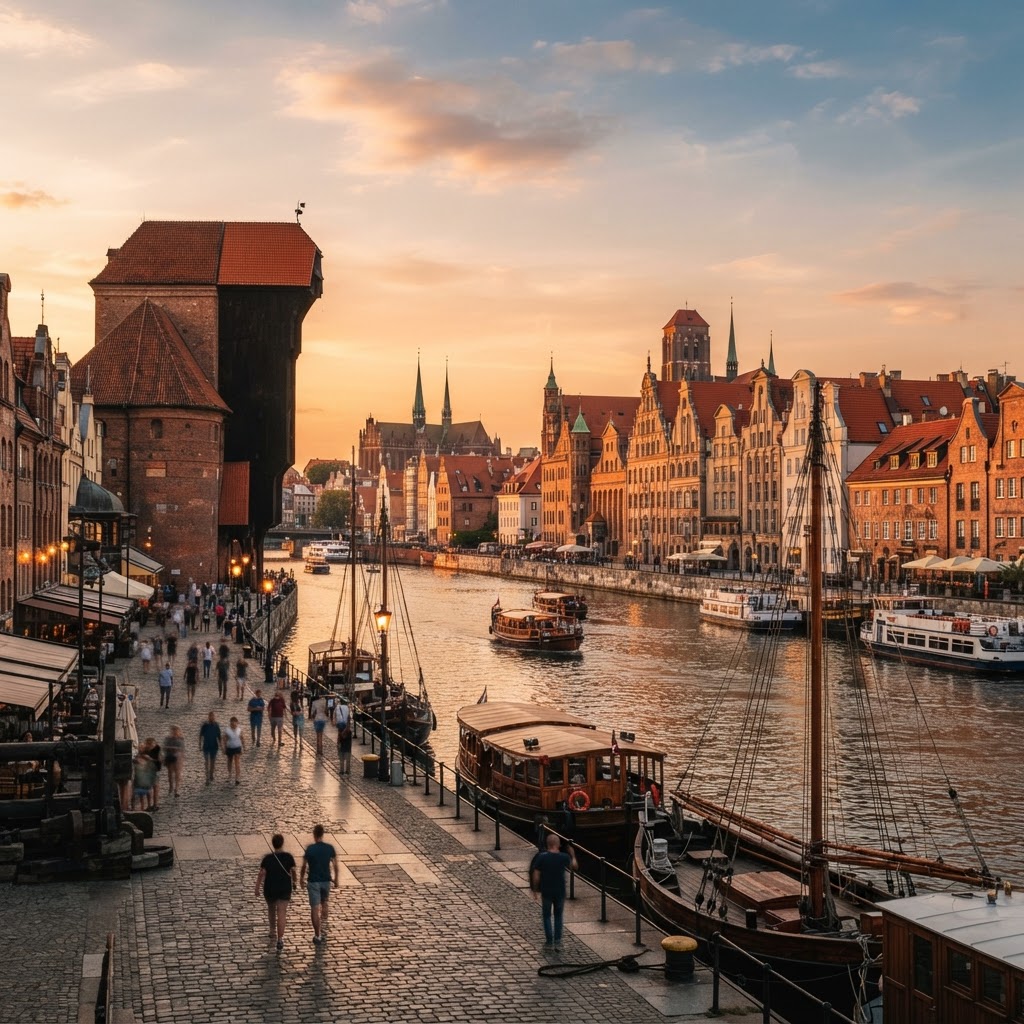
Gdańsk is not simply another preserved European old town. Flanked by the Motława River and the Baltic Sea, this former free city combines distinct Flemish-influenced merchant townhomes, a towering medieval harbor crane, and raw shipyard heritage. Rebuilt meticulously after near-total destruction in 1945, modern Gdańsk balances heavy history—from the opening salvos of World War II to Lech Wałęsa's Solidarity movement—with an energetic coastal café culture and quick rail connections to Baltic beach towns.
3 days
Best time
Late May to June or September for comfortable walking weather and manageable lines at major museums.
Build your own trip with these prebuilt itineraries
Each one is a tested, day-by-day plan for Gdańsk — start here, then make it yours.
5 Days in Gdańsk: The Complete Baltic & Pomeranian Rail Journey in Gdańsk
A relaxed regional exploration relying strictly on train transit to experience Gdańsk's neighborhoods, the modernist port of Gdynia, and a day trip to Malbork Castle.
3 Days in Gdańsk: 20th-Century History & Tri-City Rail in Gdańsk
Deep dive into 20th-century geopolitical history at the WWII Museum and Solidarity shipyards, paired with an easy SKM commuter train excursion to coastal Sopot.
2 Days in Gdańsk: Hanseatic Heritage & Highlights in Gdańsk
First-time urban explorer focused on the restored Główne Miasto architecture, maritime history along the Motława, and the flagship European Solidarity Centre without rushing.
Gdańsk offers an architectural and cultural identity completely distinct from Kraków or Warsaw. Its Hanseatic lineage created soaring red-brick gothic structures and Dutch-style gables right on the riverfront. It also holds two of the most thoroughly curated modern history institutions in Europe: the Museum of the Second World War and the European Solidarity Centre. You get maritime air, exceptional value dining, and immediate access to seaside day trips without overwhelming tourist congestion.
Where to stay
Getting there
Getting around
Food & drink
What it costs
Things to do
Book tours & tickets in GdańskSkip it if
Skip Gdańsk if you are hunting for warm Mediterranean-style beach lounging or high-octane 24-hour party strips. If your Poland trip is compressed into 5 days and focuses strictly on Kraków and Warsaw, diverting north burns limited rail time that would be better saved for a dedicated northern circuit.
When to go
High summer (July through August) delivers warm Baltic sun and lively riverside patios, but brings peak domestic resort crowds and packed corridors during St. Dominic's Fair. Late spring and early autumn trim accommodation rates and eliminate museum lines while retaining daylight and mild maritime breezes.
Peak (June–August)
Lively outdoor restaurant culture and warm beach weather in nearby Sopot, but hotel prices surge and the central streets fill to capacity during the historic St. Dominic's Fair.
Shoulder (May, September–October)
Optimal balance of crisp maritime weather, vibrant foliage, thinner queues at the WWII Museum, and easy reservations at top dining spots.
Low (November–March)
Biting Baltic winds and short daylight hours keep visitors indoors, though December's atmospheric Targ Węglowy Christmas market offers festive charm without Western European crowds.
Neighborhoods
Where you stay shapes the trip. Here's how to think about it.
Główne Miasto (Main Town)
Rebuilt Flemish-gothic merchant facades, bustling cobblestone pedestrian thoroughfares, and waterfront action.
Best for:first-timers and short weekenders prioritizing walkability
Don't miss:The terrace café seating along the Motława River promenade leading past the medieval Żuraw harbor crane.
Wyspa Spichrzów (Granary Island)
Modern revitalized docklands featuring sleek architectural hotels, packed cocktail bars, and contemporary dining over footbridges.
Best for:couples, evening dining, and contemporary design lovers
Don't miss:Crossing the Stągiewna footbridge at dusk for unobstructed views back toward the historic Długie Pobrzeże facade.
Stocznia Gdańska (Imperial Shipyard District)
Industrial grit, hulking ship cranes, reclaimed brick halls, and cutting-edge historical documentation.
Best for:modern history obsessives, industrial architecture fans, and alternative culture seekers
Don't miss:The permanent exhibition inside the European Solidarity Centre followed by craft beers along Elektryków Street.
Wrzeszcz
Pre-war residential villas, lush foliage, indie coffee roasters, and a lived-in student-meets-creative energy.
Best for:repeat visitors, third-wave café hunters, and longer stays away from tourist lanes
Don't miss:Strolling the cobblestones and boutique bakeries of Ulica Wajdeloty.
Oliwa
Quiet, leafy aristocratic enclave framed by manicured historic gardens and wooded coastal hills.
Best for:families, architecture fans seeking peace, and travelers wanting coastal nature
Don't miss:Listening to the moving pipe organs inside Oliwa Cathedral before walking the paths of Park Oliwski.
Destination intelligence
Updated 9/14/2026The structured record we plan every Gdańsk itinerary from.
Walkability
Exceptional. Główne Miasto and the Motława waterfront are dense, flat, and heavily pedestrianized.
Transit quality
High. The SKM commuter rail cleanly links the Tri-City metropolitan axis, while modern trams serve the peripheral neighborhoods.
Car needed
No. A rental car is an unnecessary expense and parking liability in Gdańsk and the Tri-City corridor.
Ideal duration
3 days
Minimum useful
2 days
Peak season
June through August. Expect warm sunshine, outdoor waterfront restaurant terraces, peak domestic beach tourism, and the bustling St. Dominic's Fair in late summer.
Shoulder season
May and September through October. Crisp maritime breezes, thin crowds at the WWII Museum, and easy walkability without summer humidity.
Low season
November through March. Short daylight hours and biting Baltic coastal winds, though late November and December feature an atmospheric Christmas market on Targ Węglowy.
Best for
Common mistakes
- Underestimating time needed for the museums: both the WWII Museum and the European Solidarity Centre require a solid 3 to 4 hours each and cause genuine museum fatigue if scheduled on the same afternoon.
- Renting a car: driving inside central Gdańsk is restricted, parking is difficult, and high-frequency trains link the airport, Sopot, Gdynia, and Malbork with zero hassle.
- Calling the core area the 'Old Town': locals distinguish the rebuilt historic center as Główne Miasto (Main Town); the administrative Stare Miasto (Old Town) lies slightly north.
- Assuming the Baltic Sea is a warm swimming destination: even in July and August, water temperatures remain brisk (17–20°C/62–68°F).
Best nearby
See what a trip to Poland actually costs. Travel Budget Co.
How to plan it
- Stay in Główne Miasto or Wyspa Spichrzów if you want immediate walking access to evening restaurants and morning coffee along the Motława.
- Do not attempt the Museum of the Second World War and the European Solidarity Centre on the same afternoon; both are emotionally intense, vast exhibitions that require at least 3 hours each.
- Pair your city itinerary with an easy morning rail trip to Malbork Castle using the PKP Intercity train (a 30-minute ride from Gdańsk Główny).
- Book your Museum of the Second World War tickets online at least 10 days ahead if traveling between May and September.
- Take the SKM commuter train north to Sopot for an afternoon seaside stroll along the wooden pier rather than moving hotels for a beach day.
Questions
More in Poland
Toruń
Poland
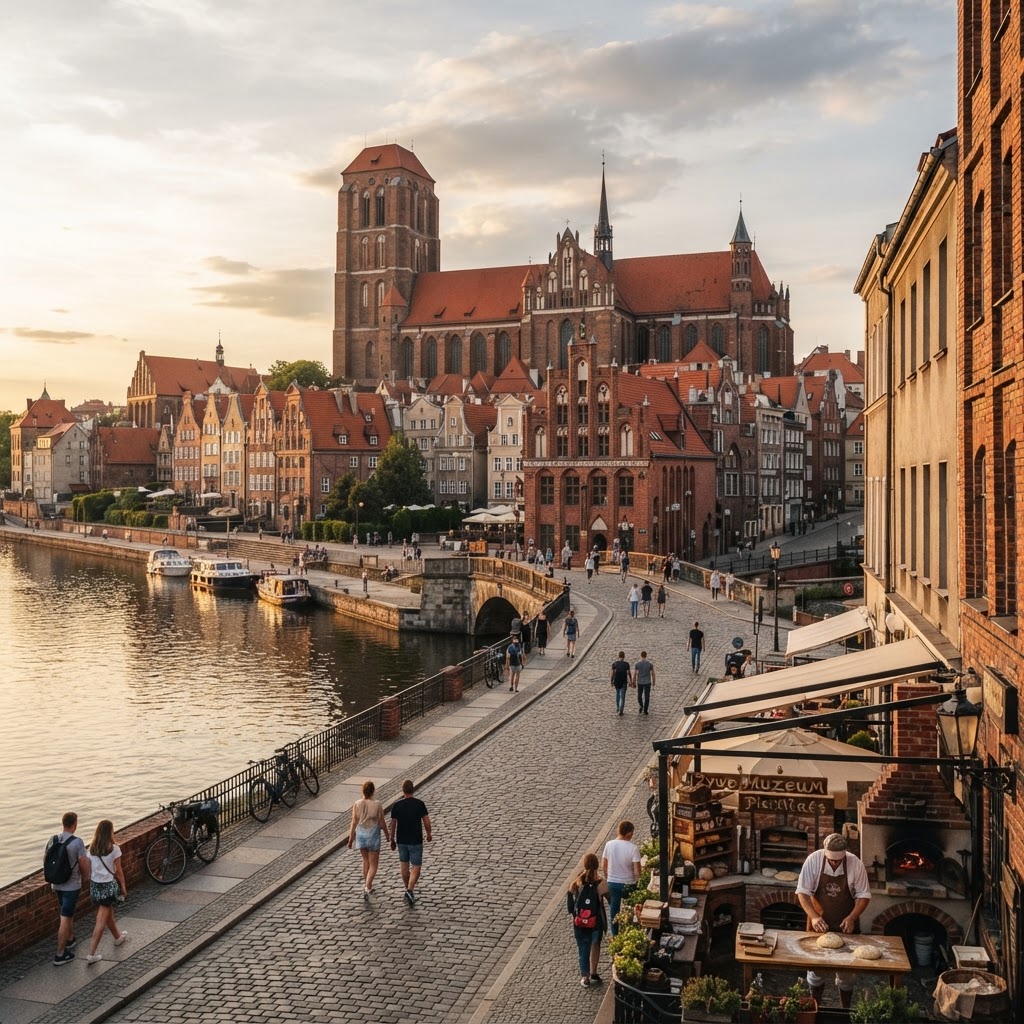
Authentic Gothic brick, living confectionery guildcraft, and the birthplace of Copernicus on the Vistula.
Poznań
Poland
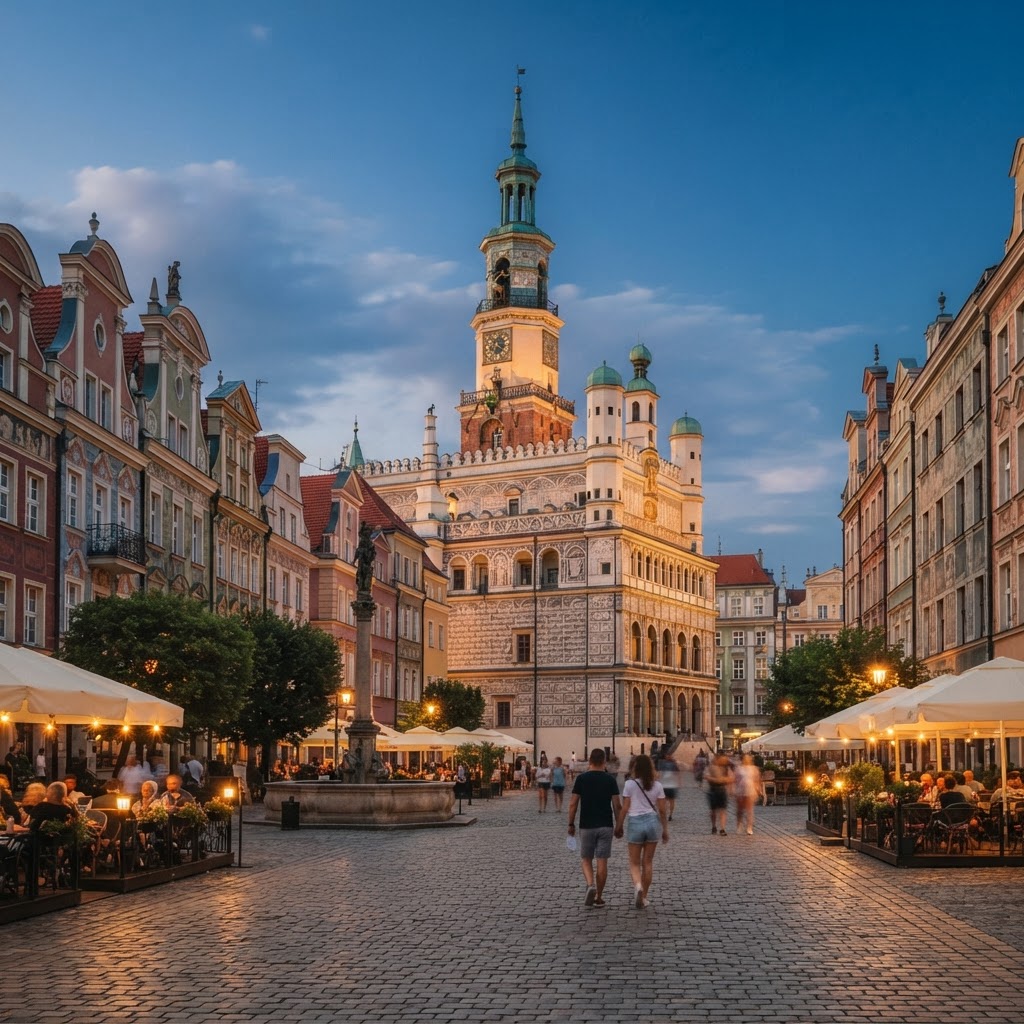
Renaissance elegance, bohemian Art Nouveau streets, and Poland's cradle of statehood.
Zakopane, Poland
Poland
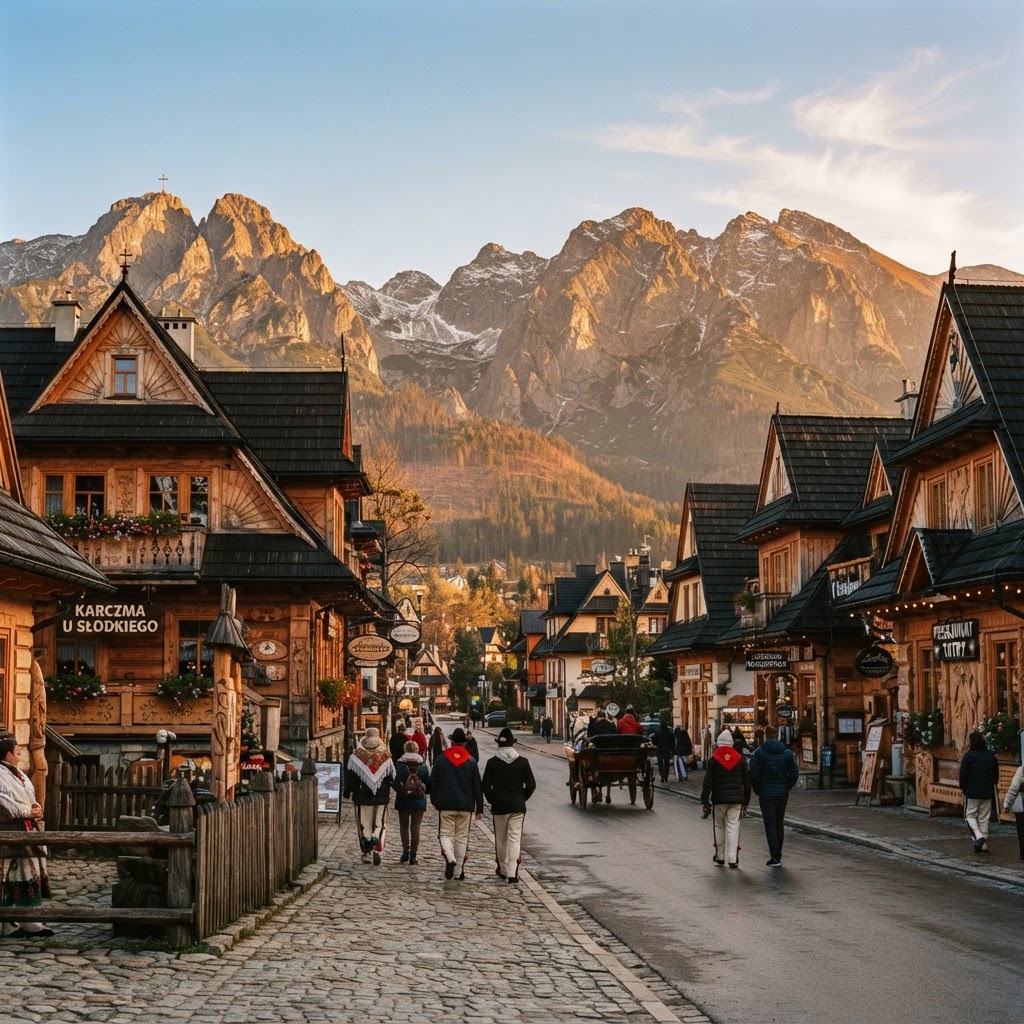
Tatra granite peaks, wood-carved Podhale architecture, and hearty alpine tradition.
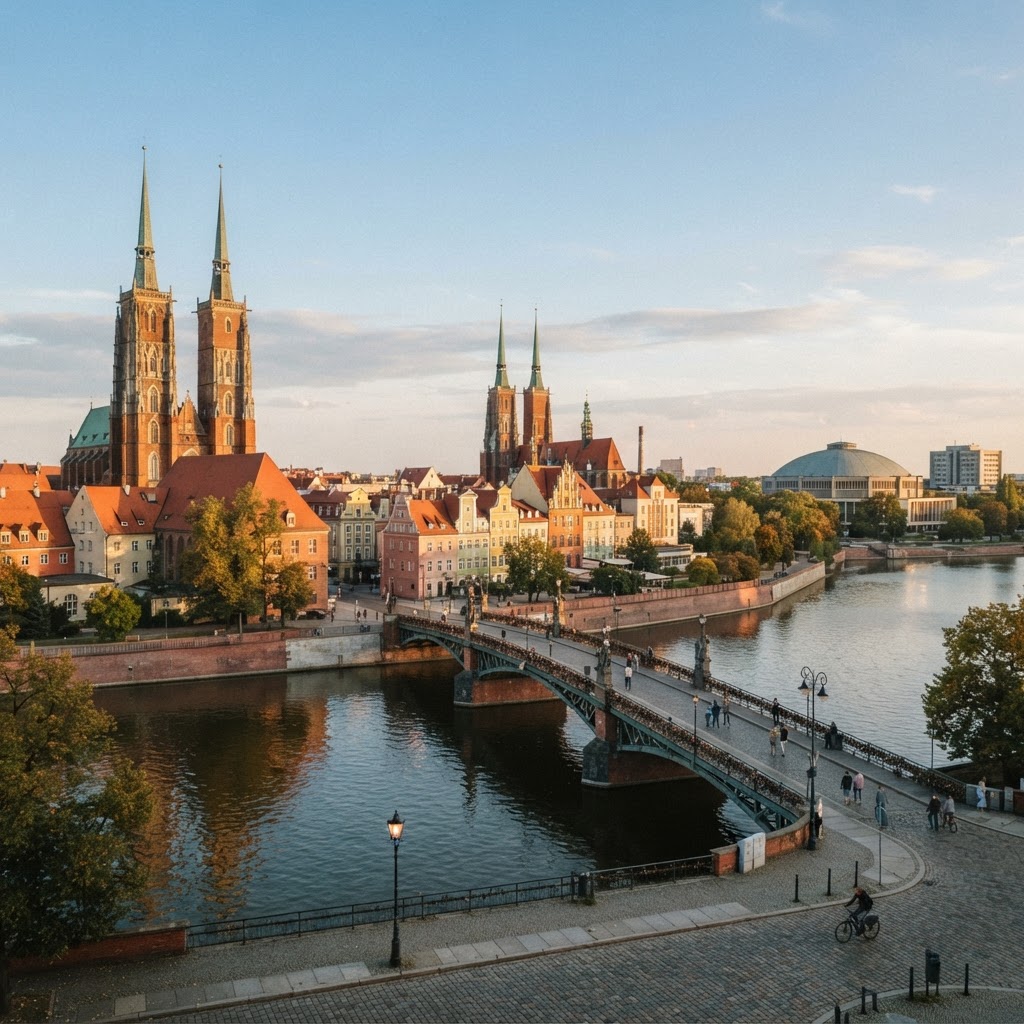
Wrocław
Poland
Gothic spires, modernist landmarks, and island footbridges minus the tourist crushes of Kraków.
Readymade itineraries
Start from a tested template — then make it yours.
Ready to book
Lock in your Gdańsk trip
Everything in one place. We may earn a small commission — it never costs you more.
Plan a trip to Gdańsk
Pick a length and we'll build a day-by-day plan around how you travel — neighborhoods clustered, budget-aware, and editable.
Get better at planning trips like this
Occasional notes on planning smarter — no spam, unsubscribe anytime.
Plan a trip to Gdańsk
Turn this guide into a day-by-day plan built around your pace, your group, and your budget.
Build my Gdańsk trip