Poland
Toruń
Authentic Gothic brick, living confectionery guildcraft, and the birthplace of Copernicus on the Vistula.
Plan & book
Sort your Toruń trip in one place.
We point you to the booking tools we'd actually use — live prices, no markup. Or let us build the day-by-day plan around you first, then book.
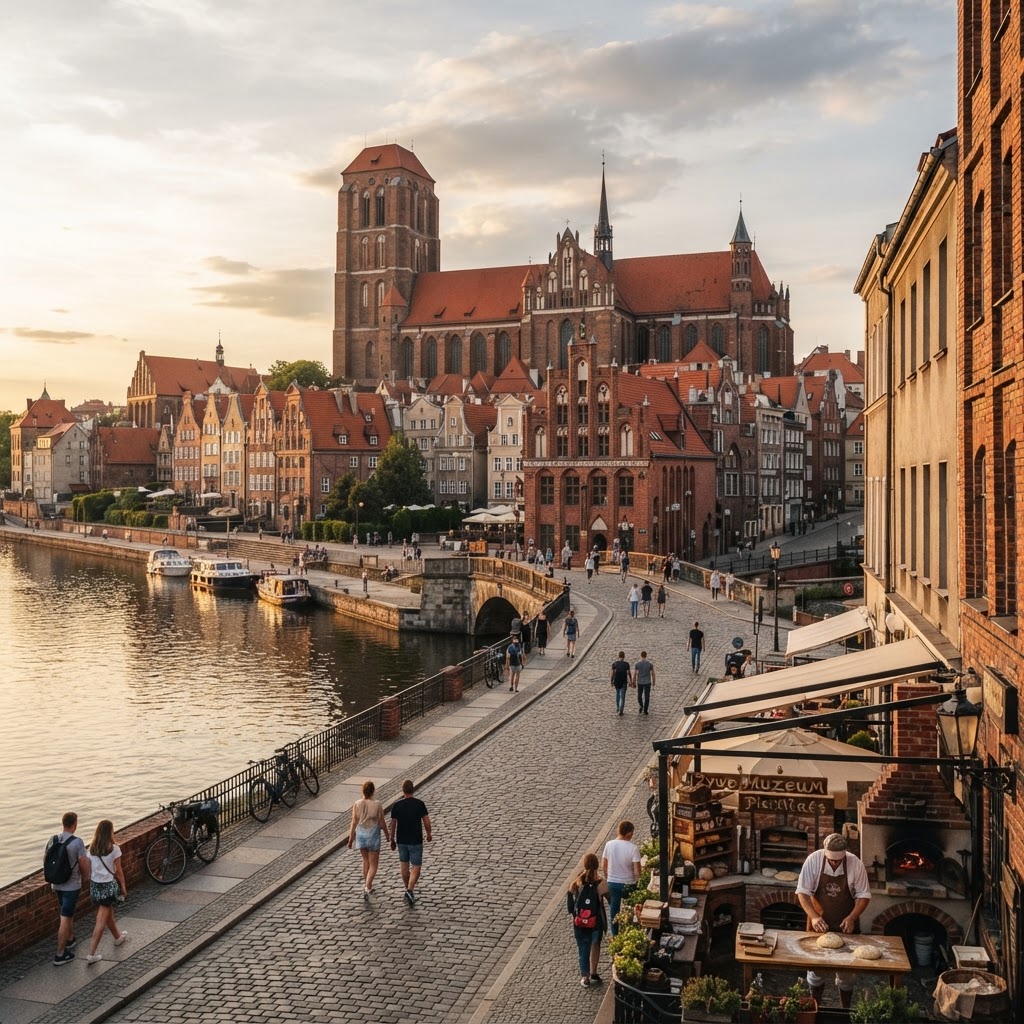
Unlike Warsaw or Gdańsk, which suffered catastrophic destruction in World War II and were rebuilt from fragments, Toruń emerged almost physically untouched. Its UNESCO-designated urban core contains one of northern Europe's most intact ensembles of authentic 13th- to 15th-century Brick Gothic architecture, spanning two historically distinct settlement hubs: the Old Town (Stare Miasto) and the New Town (Nowe Miasto). Beyond its celestial claims as the 1473 birthplace of Nicolaus Copernicus, the city retains a tangible culinary lineage through its centuries-old spicy pierniki (gingerbread) trade.
1.5 to 2 days (1 or 2 nights)
Best time
May to June or September to early October.
Build your own trip with these prebuilt itineraries
Each one is a tested, day-by-day plan for Toruń — start here, then make it yours.
Toruń solves the classic central Poland itinerary problem: it breaks up the long transit between Warsaw or Poznań and the Baltic coast with genuine medieval substance rather than staged replicas. You visit for authentic red-brick Gothic churches, the imposing ruins of the 13th-century Teutonic Castle, and living culinary history that has survived intact across seven centuries.
Where to stay
Getting there
Getting around
Food & drink
What it costs
Things to do
Book tours & tickets in ToruńSkip it if
Skip if your Poland itinerary is shorter than 6 days (stick to the Warsaw-Kraków corridor) or if you need high-energy nightlife, major international art institutions, or sprawling urban shopping.
When to go
You bypass the high-summer domestic coach crowds and humid July heat while enjoying mild 18°C–22°C walking weather, full museum schedules, and quiet riverside evenings.
Peak (June–August)
Lively outdoor beer terraces on Rynek Staromiejski and packed weekend crowds; gingerbread workshop slots sell out days in advance, so reserve before arrival.
Shoulder (April–May & September–October)
Crisp walking temperatures, thin crowds at the Copernicus House, and comfortable daylight hours for crossing the river bridge at golden hour.
Low (November–March)
Chilly, gray days with reduced opening times, but December delivers a charming holiday market on Rynek Staromiejski scented with spiced pierniki.
Neighborhoods
Where you stay shapes the trip. Here's how to think about it.
Stare Miasto (Old Town)
Monumental Brick Gothic alleys, market squares, and evening pub buzz inside original merchant cellars.
Best for:First-timers, architecture buffs, and weekenders who want every major landmark outside their door.
Don't miss:Climbing the 40-meter tower of the Old Town City Hall (Ratusz Staromiejski) for an unmatched view over the medieval red-tiled roofscape.
Nowe Miasto (New Town)
Quieter, slightly slower artisan quarter centered on a square surrounded by Gothic, Renaissance, and Neoclassical facades.
Best for:Travelers seeking peaceful stays, antique hunters, and families wanting a central base without midnight street noise.
Don't miss:St. James's Church (Kościół św. Jakuba) on Rynek Nowomiejski, featuring soaring Gothic basilican vaults and intricate 14th-century wall paintings.
Bulwar Filadelfijski & The Castle Quarter
Riverside promenade framed by defensive water gates, stone battlements, and green waterfront lawns along the Vistula.
Best for:Sunset walkers, relaxed diners, and history travelers wanting medieval fortifications within a five-minute stroll.
Don't miss:The ruins of the 13th-century Teutonic Castle (Zamek Krzyżacki), destroyed by Toruń's rebellious burghers in 1454.
Bydgoskie Przedmieście
Leafy, bohemian 19th-century residential enclave rich with Art Nouveau tenements, half-timbered villas, and student energy.
Best for:Second-time visitors, budget travelers, park runners, and anyone curious about life beyond the medieval walls.
Don't miss:A long walk through Park Miejski, one of Poland's oldest communal parks, flanked by ornate pre-war timber architecture on ul. Bydgoska.
Destination intelligence
Updated 9/14/2026The structured record we plan every Toruń itinerary from.
Walkability
Exceptional. The entire UNESCO core is compact, flat, and largely pedestrian-only, though cobblestones require sturdy footwear.
Transit quality
Good. Reliable MZK municipal buses and modern tram networks connect the outer neighborhoods and rail stations, though you will rarely need transit once inside the Starówka.
Car needed
Not required and actively discouraged. Historic streets are heavily restricted to local permits, and street parking around the perimeter is strictly metered.
Ideal duration
1.5 to 2 days (1 or 2 nights)
Minimum useful
5 to 6 hours (as a rail stopover with luggage stored at the station)
Peak season
June through August: Warm weather, bustling outdoor terraces along the market squares, and crowded weekend domestic tourism.
Shoulder season
April to May and September to October: Optimal visiting window with crisp weather, smaller crowds at historic churches, and vibrant foliage along the Vistula.
Low season
November through March: Cold, gray days and shorter museum hours, though December features a picturesque holiday market and warm spiced gingerbread treats.
Best for
Common mistakes
- Assuming Toruń Główny train station is in the town center; it sits across the river, requiring a quick bus or taxi ride rather than dragging wheeled bags over the bridge.
- Failing to reserve English-language sessions in advance at the Living Museum of Gingerbread (Żywe Muzeum Piernika), which frequently sell out days ahead.
- Expecting the town to look like a timber-framed storybook village; Toruń is an imposing red-brick Gothic trading city layered with 17th- and 18th-century baroque facades.
- Underestimating the walk to the Kępa Bazarowa viewing platform; traversing the traffic bridge takes roughly 25 to 30 minutes on foot each way.
Best nearby
See what a trip to Poland actually costs. Travel Budget Co.
How to plan it
- Stay inside Stare Miasto or Nowe Miasto so you can step out directly onto the historic stone streets and walk to dinner in under five minutes.
- Pair Toruń as a high-yield 24-to-36-hour stopover when traveling by PKP train between Warsaw (2.5 hours) or Poznań (1.5 hours) and Gdańsk (1.5 hours).
- Book your English-language interactive workshop slot at Żywe Muzeum Piernika at least a week before arriving during peak season.
- Cross the Vistula via the pedestrian path on the Józef Piłsudski bridge to the Kępa Bazarowa observation platform just before dusk for the classic panoramic view of the red-brick skyline.
- Don't try to cram Toruń into a fleeting 2-hour rail stopover; you will lose 40 minutes simply transiting to and from Toruń Główny station.
Questions
More in Poland
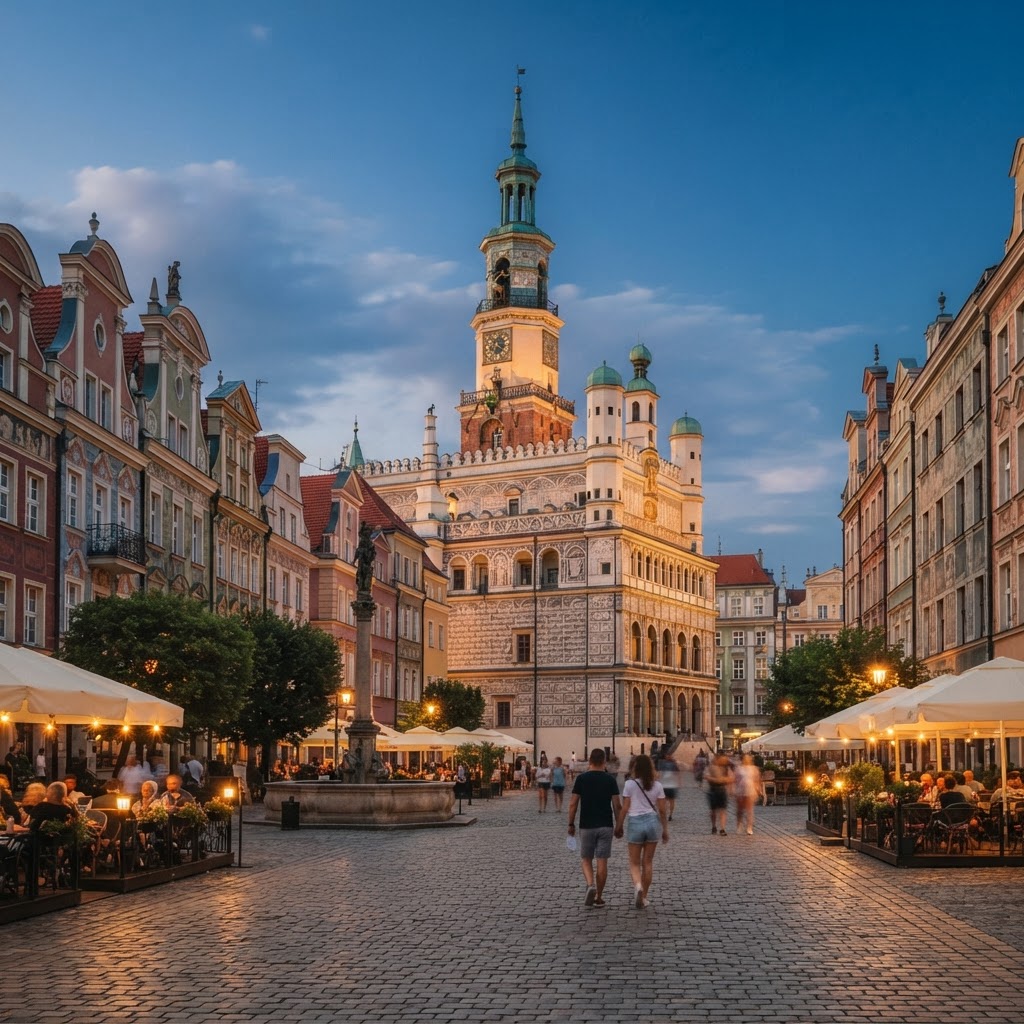
Poznań
Poland
Renaissance elegance, bohemian Art Nouveau streets, and Poland's cradle of statehood.
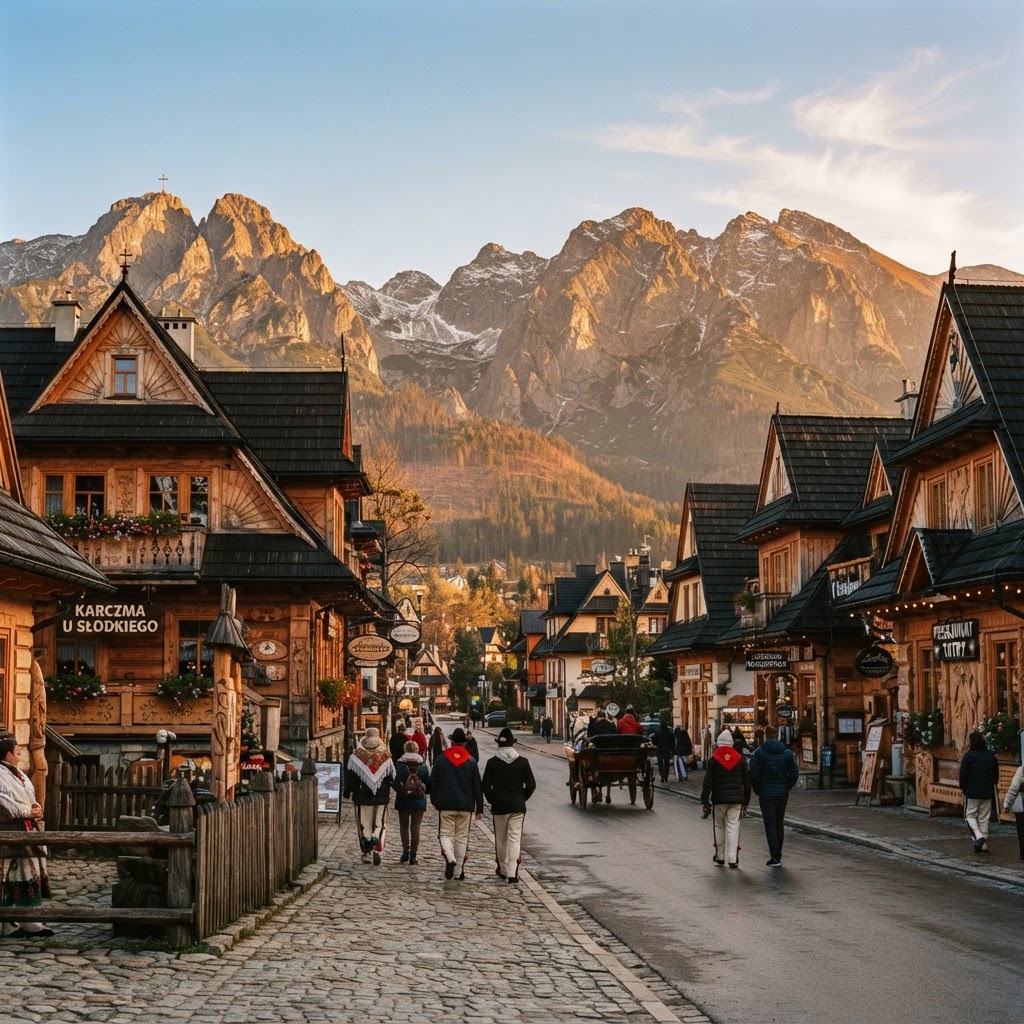
Zakopane, Poland
Poland
Tatra granite peaks, wood-carved Podhale architecture, and hearty alpine tradition.
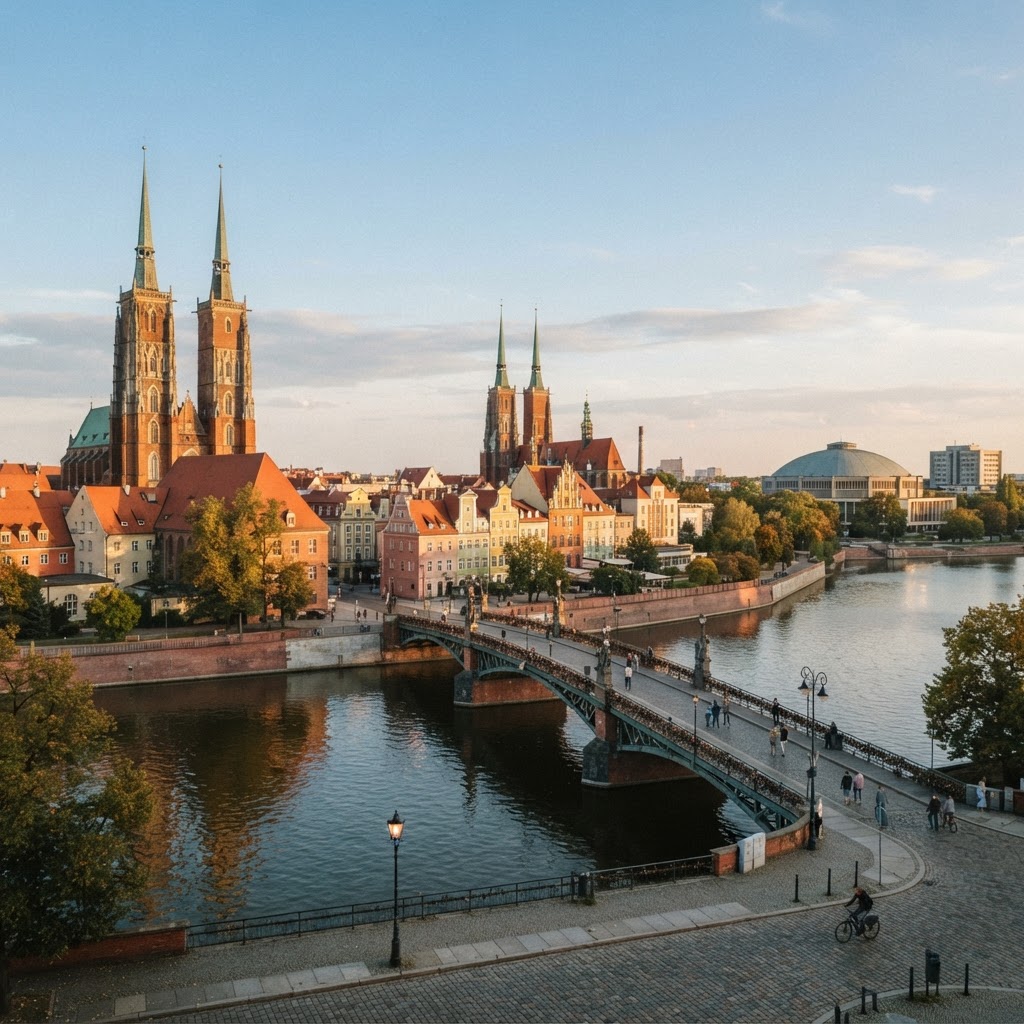
Wrocław
Poland
Gothic spires, modernist landmarks, and island footbridges minus the tourist crushes of Kraków.
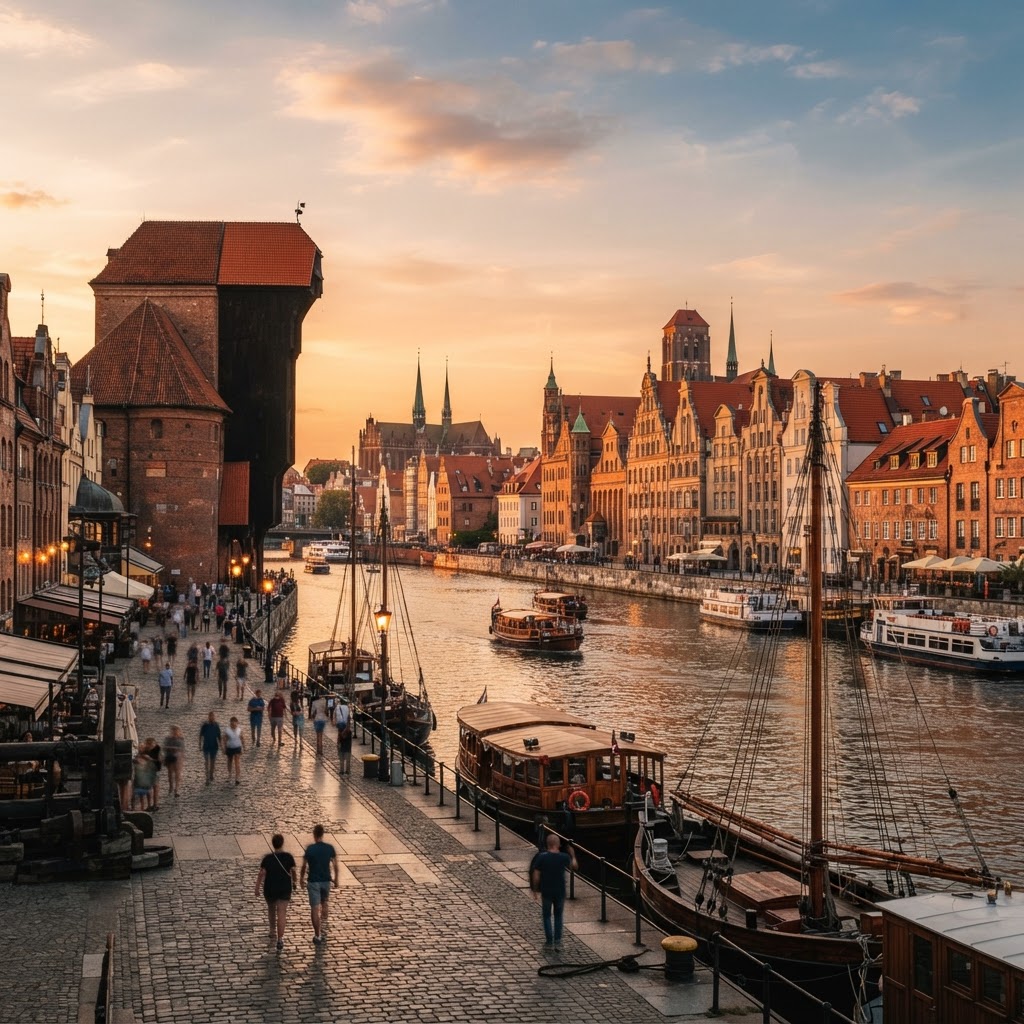
Gdańsk
Poland
Hanseatic brick architecture, maritime grit, and Poland's most compelling twentieth-century history.
Readymade itineraries
Start from a tested template — then make it yours.
Ready to book
Lock in your Toruń trip
Everything in one place. We may earn a small commission — it never costs you more.
Plan a trip to Toruń
Pick a length and we'll build a day-by-day plan around how you travel — neighborhoods clustered, budget-aware, and editable.
Get better at planning trips like this
Occasional notes on planning smarter — no spam, unsubscribe anytime.
Plan a trip to Toruń
Turn this guide into a day-by-day plan built around your pace, your group, and your budget.
Build my Toruń trip