China
Xi'an
Imperial Silk Road terminus of underground armies, massive fortifications, and street-side hand-pulled noodles.
Plan & book
Sort your Xi'an trip in one place.
We point you to the booking tools we'd actually use — live prices, no markup. Or let us build the day-by-day plan around you first, then book.
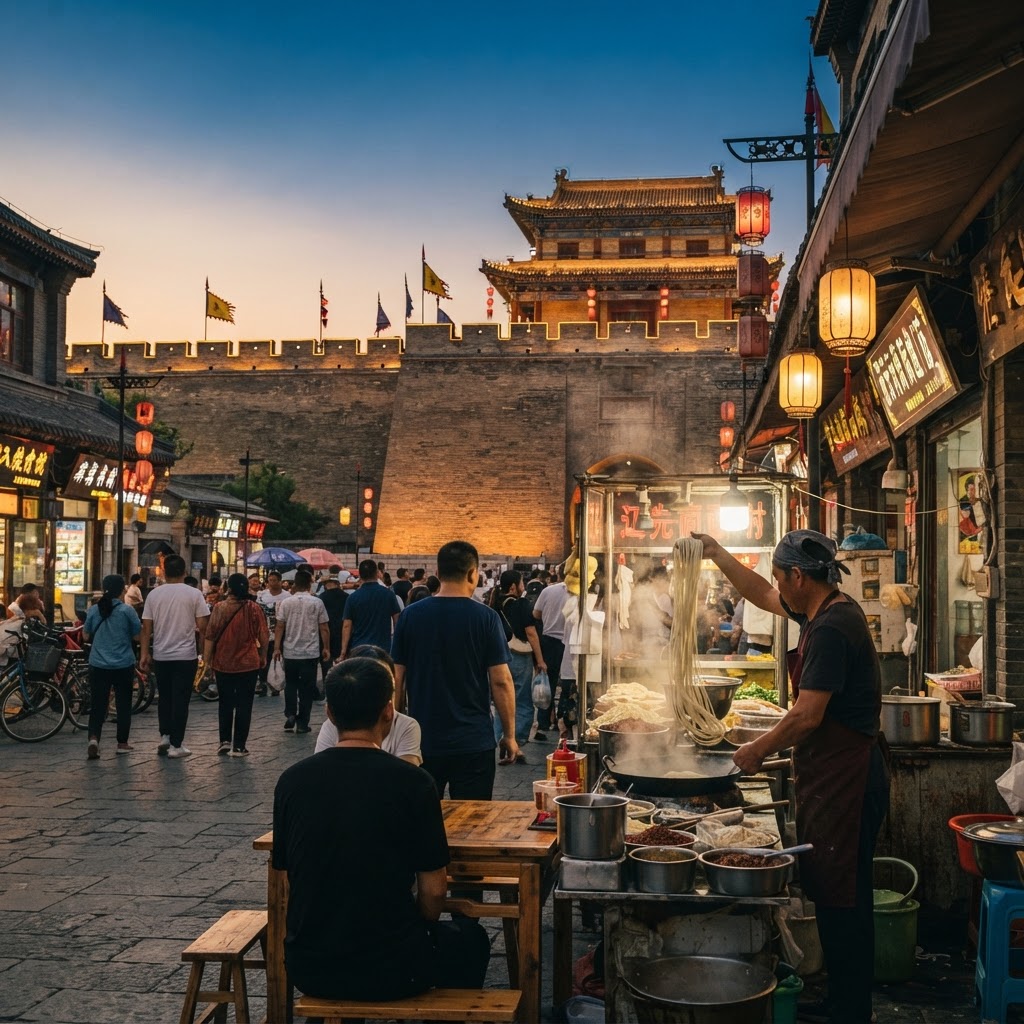
Xi'an served as the capital for thirteen Chinese dynasties, anchoring the ancient Silk Road at the height of the Tang and Han empires. Today, modern high-rises surround an intact 14-kilometer Ming-era defensive wall, while the world-famous Terracotta Army rests in nearby Lintong. It is a city best understood through its distinct spatial layers: the dense Muslim Quarter (Huifang) inside the fortifications, the Tang-era pagodas and museums along the southern cultural corridor, and archaeological digs on its eastern periphery.
3 days
Build your own trip with these prebuilt itineraries
Each one is a tested, day-by-day plan for Xi'an — start here, then make it yours.
5 Days: Silk Road Gateway & Mount Hua Adventure in Xi'an
An immersive regional exploration adding sacred mountain cliff walks, imperial hot springs, and ancient pagodas
3 Days: Imperial History & Street Food Culture in Xi'an
A classic deep-dive balancing ancient dynasty archaeology, national museum treasures, Silk Road heritage, and local noodle culture
2 Days: Ancient Capital Express in Xi'an
First-time essential highlights covering the Terracotta Warriors, cycling the ancient City Wall, and touring the Muslim Quarter alleys
Few places in the world offer such immediate physical access to imperial scale. In a single day, you can bike atop 12-meter-tall ancient ramparts, walk past 2,200-year-old terracotta imperial legions, and eat cumin-rubbed lamb skewers and hand-pulled biangbiang noodles in the lively courtyards of the Muslim Quarter.
Where to stay
Getting there
Getting around
Food & drink
What it costs
Things to do
Book tours & tickets in Xi'anSkip it if
Skip or shorten to an overnight stop if you strongly dislike archaeological excavation sights, crowds at major monument choke points, or if your travel group is strictly looking for verdant landscapes, rural tranquility, or ultra-modern sci-fi skylines.
Destination intelligence
Updated 9/13/2026The structured record we plan every Xi'an itinerary from.
Walkability
Moderate. Inside the ancient city walls, street grids are flat and walkable, though massive arterial avenues require pedestrian underpasses. Outside the core, distances require the metro.
Transit quality
High. The Xi'an Metro is expansive, inexpensive, bilingual, and directly connects railway hubs, the airport, and primary monuments.
Car needed
No. Driving is discouraged due to congestion, parking scarcity near ancient monuments, and an efficient metro and taxi network.
Ideal duration
3 days
Minimum useful
2 days
Peak season
Spring (April to May) and Autumn (September to October), offering comfortable temperatures for cycling the walls and walking outside.
Shoulder season
March, June, and November, when weather shifts between extremes but monument crowds thin out considerably.
Low season
Winter (December to February) and Mid-Summer (July to August), characterized by cold, dry winter air or intense summer heatwaves.
Best for
Common mistakes
- Treating the Terracotta Warriors as a quick downtown outing; the site is in Lintong, roughly 40 to 50 minutes away by road, requiring a planned half-day commitment.
- Failing to reserve ticket slots for the Terracotta Warriors and Shaanxi History Museum days in advance with original passport details.
- Relying solely on Beiyuanmen tourist strip for food instead of ducking into the quieter residential alleyways of the Muslim Quarter.
- Renting a car; urban traffic is heavy, and parking around the historic walls is impractical compared to the metro and Didi.
Best nearby
More in China
Huangshan, China
China
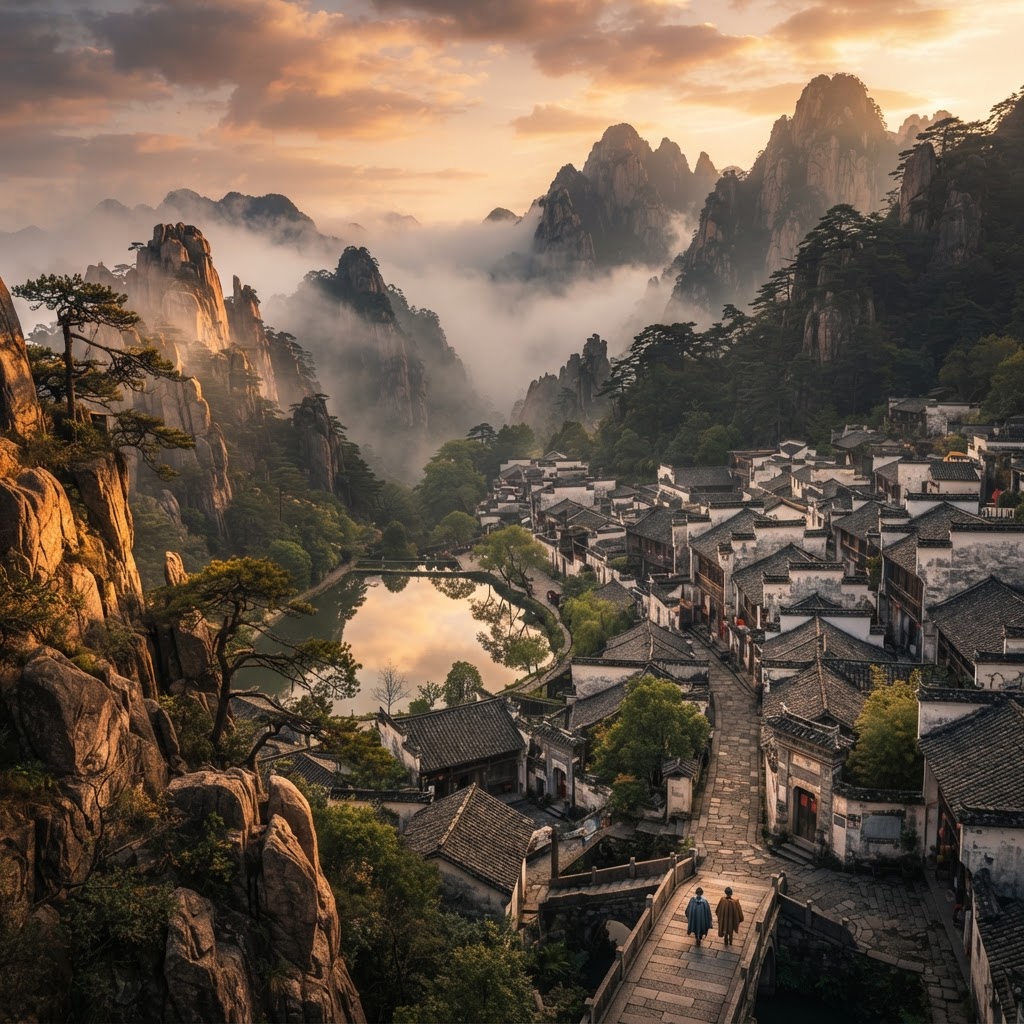
Granite peaks, mist-filled ravines, and Ming-era merchant villages
Sanya, Hainan, China
China
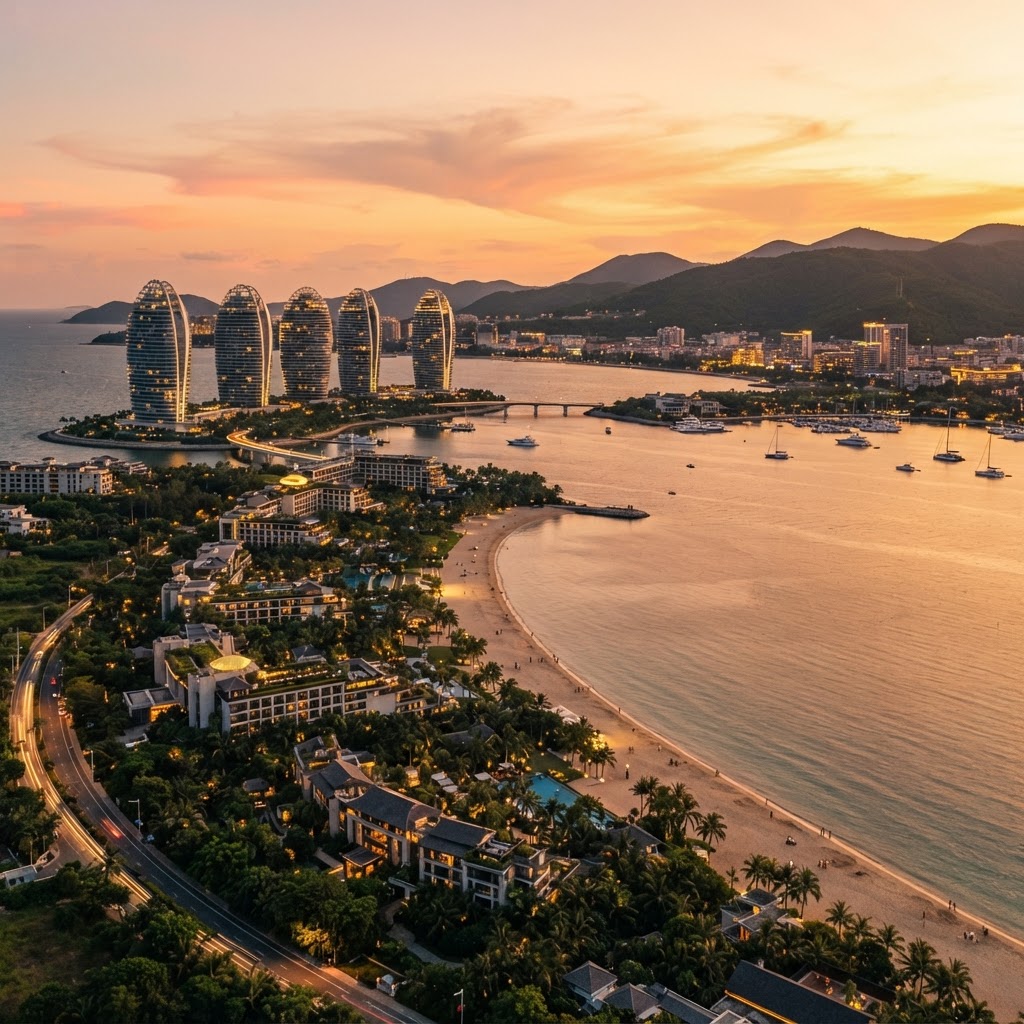
China's tropical resort strip of five-star bays, duty-free hubs, and coastal escapes.

Harbin
China
Siberian sub-zero cold, towering ice palaces, and Russian frontier history.
Chongqing, China
China
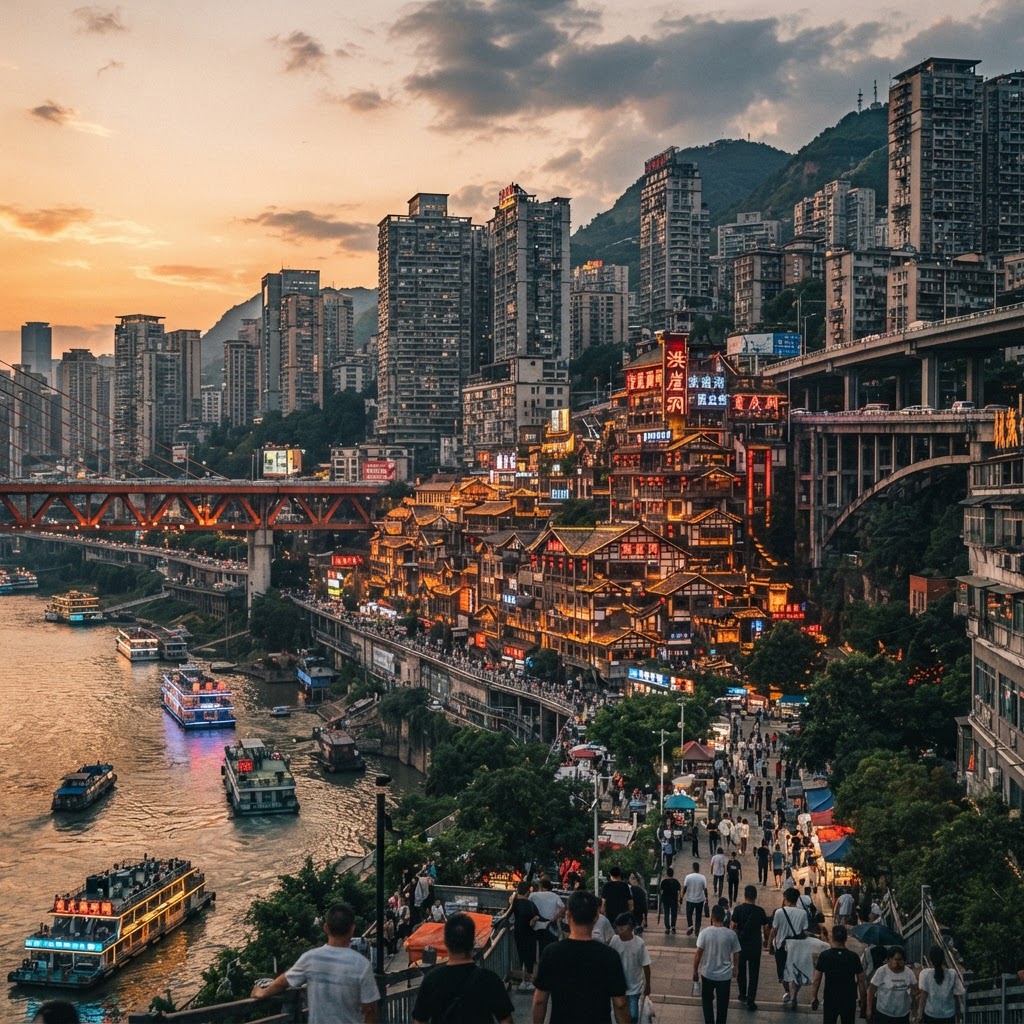
A vertical, neon-drenched mountain megalopolis powered by raw spice and layered topography.
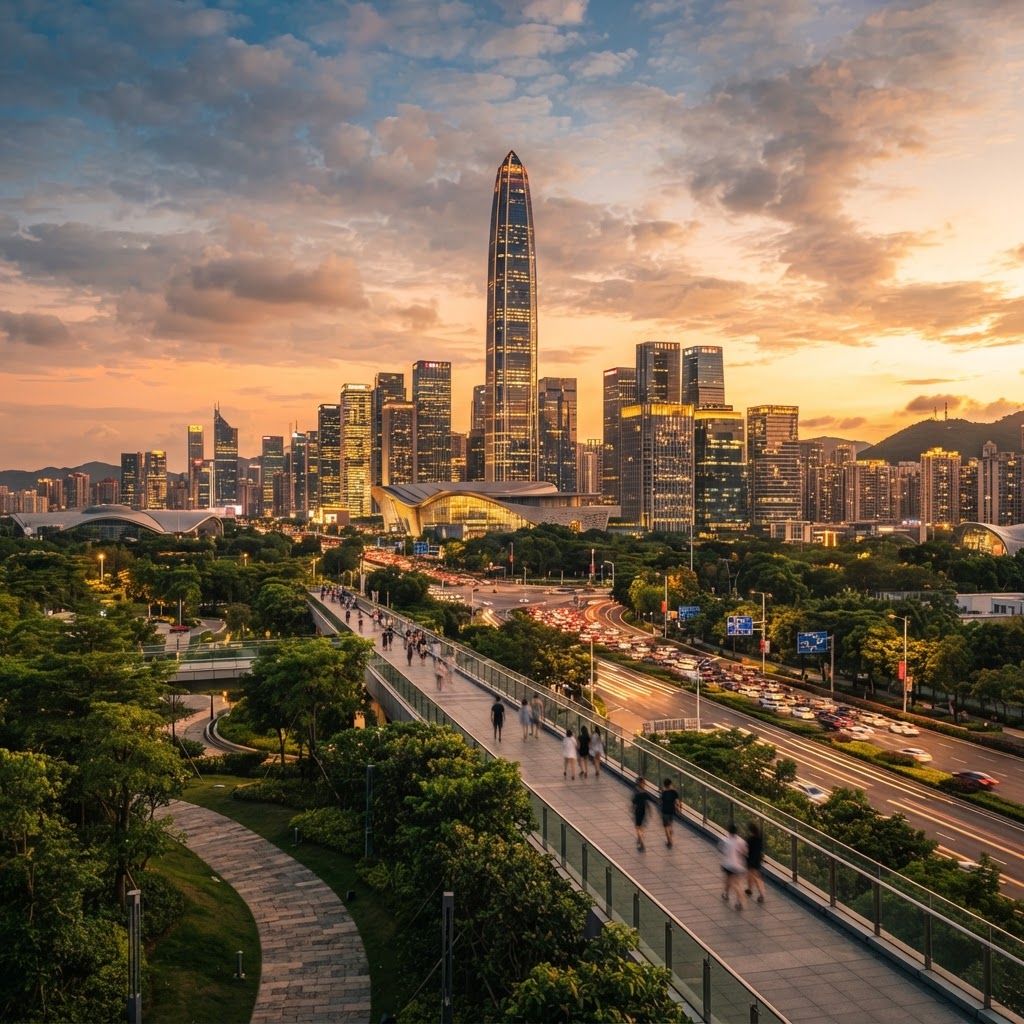
Shenzhen, China
China
The hardware capital of the world and China’s cleanest experiment in hyper-modern urban planning.
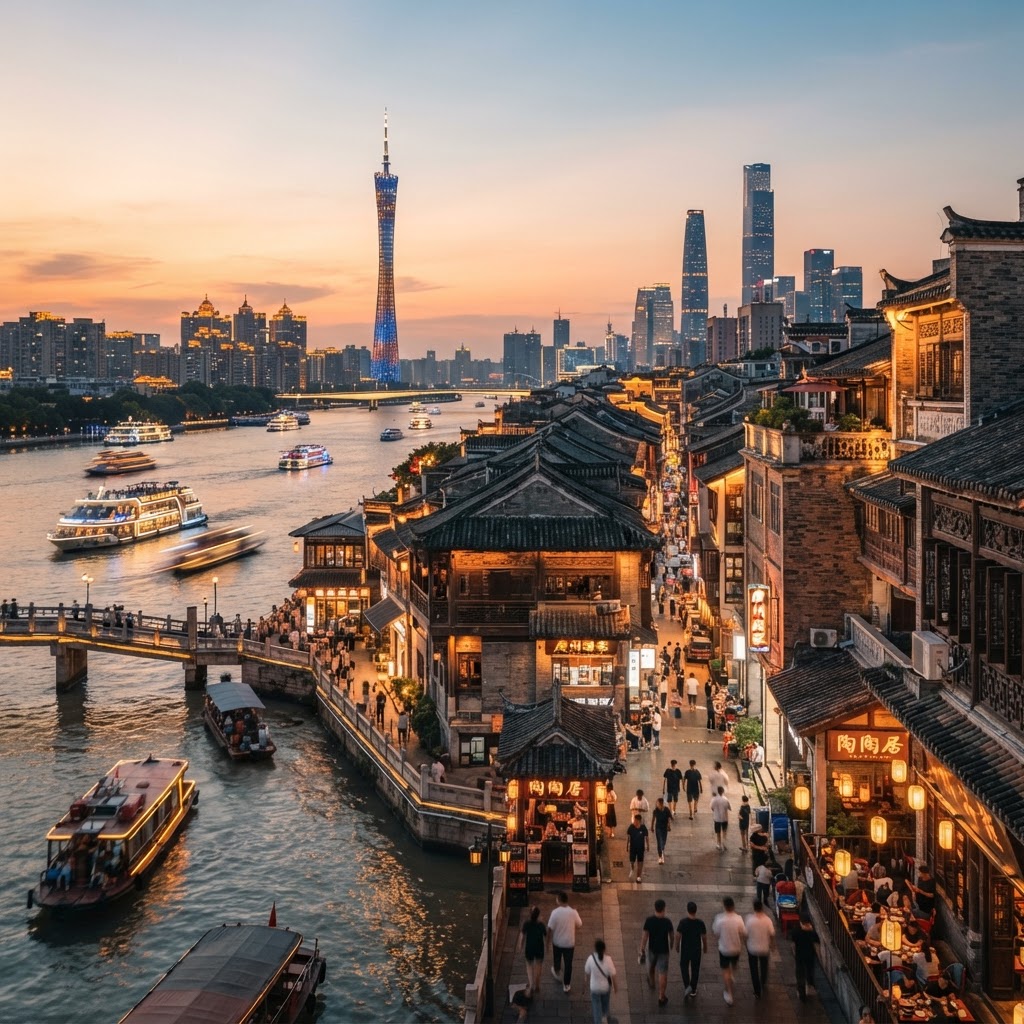
Guangzhou, China
China
The spiritual homeland of Cantonese culinary culture and Lingnan architecture, draped along the Pearl River.
Readymade itineraries
Start from a tested template — then make it yours.
Ready to book
Lock in your Xi'an trip
Everything in one place. We may earn a small commission — it never costs you more.
Plan a trip to Xi'an
Pick a length and we'll build a day-by-day plan around how you travel — neighborhoods clustered, budget-aware, and editable.
Get better at planning trips like this
Occasional notes on planning smarter — no spam, unsubscribe anytime.
Plan a trip to Xi'an
Turn this guide into a day-by-day plan built around your pace, your group, and your budget.
Build my Xi'an trip