China
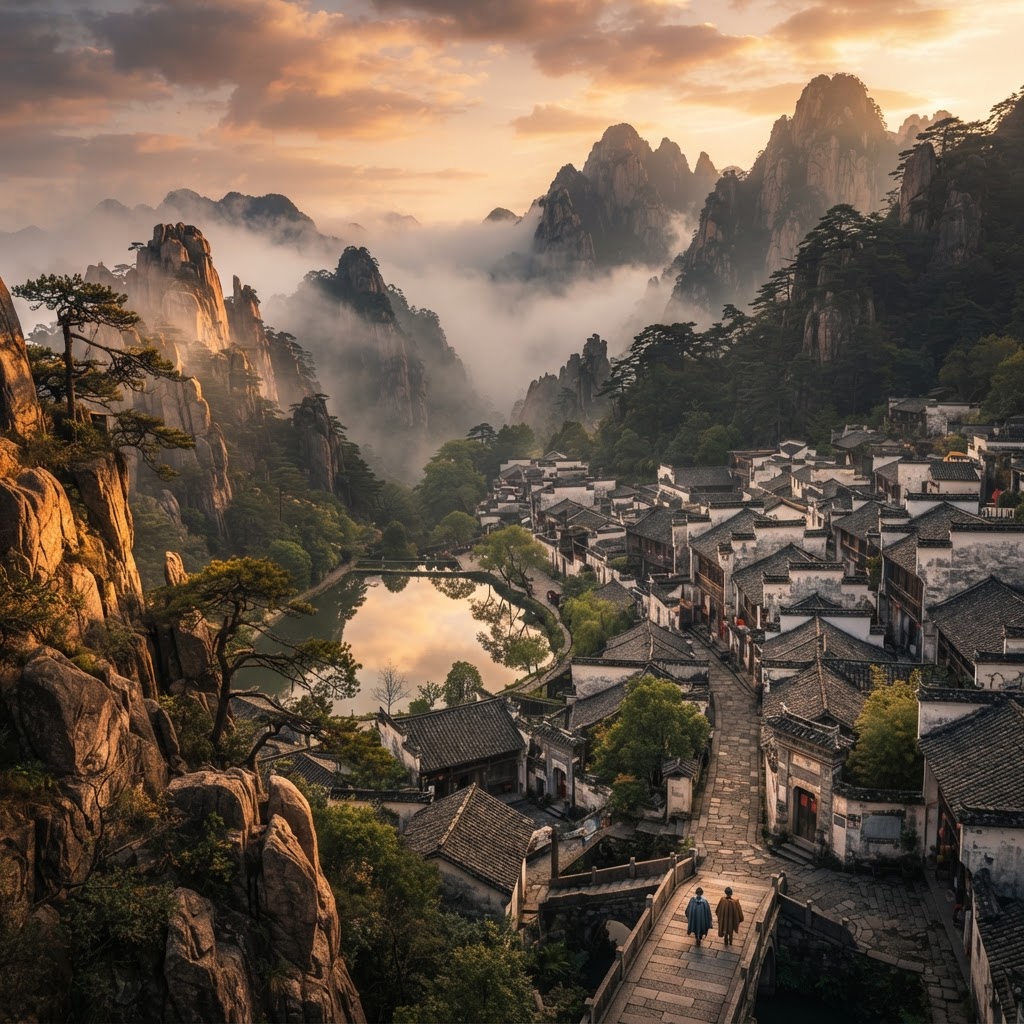
Huangshan, China
Granite peaks, mist-filled ravines, and Ming-era merchant villages
Plan & book
Sort your Huangshan, China trip in one place.
We point you to the booking tools we'd actually use — live prices, no markup. Or let us build the day-by-day plan around you first, then book.
Huangshan spans two distinct worlds: the surreal vertical granite landscape of the Yellow Mountain itself and the Huizhou cultural heartland scattered across the valleys below. Travelers frequently make the mistake of treating the area purely as a day hike, missing the preserved black-and-white courtyard architecture of Hongcun and Xidi or suffering through brutal round-trip climbs because they failed to sleep on the summit ridge.
3 days
Best time
Mid-October through November for the sharpest balance of crisp hiking weather, clear foliage vistas, and manageable trails.
Build your own trip with these prebuilt itineraries
Each one is a tested, day-by-day plan for Huangshan, China — start here, then make it yours.
5 Days: The Grand Huizhou Cultural & Mountain Immersion in Huangshan
Slow-paced exploration linking full mountain traverses with ancient merchant villages, woodcarving arts, and regional tea culture
3 Days: Essential Peaks & Huizhou Heritage in Huangshan
Balanced first-timers route combining Mount Huangshan granite peaks with ancient village architecture in Hongcun and Tunxi
2 Days: The Summit Classic & Sea of Clouds in Huangshan
Focused mountain hiking adventure with an overnight summit stay for sunrise and West Sea views
Huangshan offers the quintessential classical Chinese landscape: gnarly Huangshan pines clinging to sheer precipices, dramatic seas of cloud drifting through deep canyons, and 600-year-old Huizhou villages engineered around sophisticated water channels. It delivers both intense vertical hiking and remarkably preserved imperial-era architecture within an hour of high-speed rail access from Hangzhou and Shanghai.
Where to stay
Getting there
Getting around
Food & drink
What it costs
Things to do
Book tours & tickets in Huangshan, ChinaSkip it if
Skip Huangshan if you have severe knee or joint issues that make thousands of steep stone stairs painful, or if you travel with toddlers needing strollers. Skip it if you despise crowds and can only travel during Chinese national public holiday windows.
When to go
Summer features lush greenery and dramatic post-rain cloud formations, but torrential thunderstorms and relentless domestic school vacation crowds can gridlock narrow cliffside paths. Late autumn brings stable high-pressure air, lower humidity for panoramic mountain views, and vivid fall foliage against green Huangshan pines, without freezing trail closures.
Peak (April to October)
High temperatures, dense greenery, and thundering waterfalls, offset by heavy summer downpours and massive domestic holiday crowds, especially during May Day week and the first week of October.
Shoulder (March to April & mid-October to November)
The sweet spot for hiking with crisp air, minimal rainfall, changing deciduous colors in the valleys, and peak conditions for spotting the Sea of Clouds.
Low (December to February)
Freezing summit temperatures produce fairy-tale snow and frozen rime pines with rock-bottom hotel rates, but West Sea Canyon and the steep Tiandu or Lotus Peak routes close for winter maintenance.
Neighborhoods
Where you stay shapes the trip. Here's how to think about it.
Tangkou Town (Huangshan Scenic Area Base)
Bustling transit staging hub filled with gear shops, foot-massage parlors, and tour buses.
Best for:Hikers positioning for crack-of-dawn cable car queues.
Don't miss:The South Gate Scenic Shuttle Bus Hub to transfer toward Yungu or Yuping cableways.
Huangshan Mountain Summit Ridge
Misty, remote granite heights where porters carry supplies up thousands of stone steps.
Best for:Sunrise and sunset photographers willing to pay premium rates for spartan facilities.
Don't miss:Watching twilight descend over West Sea Canyon from Bright Summit Peak.
Hongcun Ancient Village
Serene Ming- and Qing-era waterways reflecting white horse-head gable walls and willows.
Best for:Photographers and architecture enthusiasts who want an atmospheric evening village stroll.
Don't miss:Moon Pond at blue hour after day-tripping bus crowds depart.
Tunxi District (Huangshan Downtown)
Lively Huizhou urban riverfront featuring tea houses, calligraphers, and stink-tofu vendors.
Best for:Late arrivals landing at Huangshan Tunxi Airport or Huangshan North High-Speed Railway Station.
Don't miss:Sampling dried plum pastries and buying raw Shexian inkstones along stone-paved Tunxi Old Street.
Xidi Ancient Village
Intricate, slower-paced maze of stone alleys and classical merchant courtyards with fewer tour groups.
Best for:Travelers who find Hongcun too crowded and prefer detailed brick, wood, and stone carvings.
Don't miss:The grand carved archway of Governor Hu Wenguang standing at the village entrance.
Destination intelligence
Updated 9/14/2026The structured record we plan every Huangshan, China itinerary from.
Walkability
Low overall across the regional prefecture, but exclusively pedestrian-only once inside the ancient villages or atop Mount Huangshan. Expect demanding vertical step-climbing on the mountain.
Transit quality
High-speed rail connectivity to Huangshan North is superb; regional connectivity between Tangkou, Hongcun, and Tunxi relies on efficient tourist coaches and plentiful local taxis.
Car needed
No. Personal vehicles cannot enter Mount Huangshan Scenic Area or pedestrian ancient villages. High-speed rail, designated scenic shuttle buses, and rideshares are vastly easier.
Ideal duration
3 days
Minimum useful
2 days
Peak season
April to October (especially July-August summer holidays, May Day holiday, and the first week of October). Expect maximum greenery, warm weather, and dense trail crowds.
Shoulder season
March to April and mid-October through November. These months feature comfortable temperatures, lower trail congestion, stunning autumn foliage, and high chances of the Cloud Sea phenomenon.
Low season
December to February. Freezing temperatures and snow dusted over granite pines produce breathtaking scenery, but major trails (and West Sea Canyon) close for winter maintenance.
Best for
Common mistakes
- Carrying full-sized roller bags up Mount Huangshan instead of leaving heavy luggage in Tangkou or Tunxi lockers and climbing with a light daypack
- Attempting Mount Huangshan as a whistle-stop day trip from Shanghai, resulting in missing summit sunrises and spending 6+ hours in transit
- Visiting during China's Golden Week holidays (early May and early October), when cable car queues can exceed three hours and trail bottlenecks halt foot traffic completely
- Underestimating the knees: hiking Huangshan entails ascending and descending thousands of slick granite steps rather than dirt trails
- Failing to check seasonal closures—sub-trails like Heavenly Capital Peak or the West Sea Grand Canyon frequently close during freezing winter conditions
Best nearby
How to plan it
- Do not try to hike the mountain and visit Hongcun on the same calendar day; the logistics of scenic buses, checkouts, and thousands of steps leave zero margin.
- Ascend via the Yungu Cable Car on the eastern side and descend via the Yuping Cable Car to keep the sun behind you and experience the dramatic descent past the Guest-Greeting Pine.
- Stay overnight inside Hongcun rather than visiting on an afternoon tour bus so you can wander the South Lake and Moon Pond without the daytime microphone-toting crowds.
- Leave your heavy rolling suitcase at your hotel in Tangkou or Tunxi; pack only a 20-liter backpack with layers and toiletries for the mountain summit overnight.
- Book your summit hotel room at least 3 to 4 weeks ahead if traveling during April through November, as beds on the granite ridge are limited and fill fast.
Questions
More in China
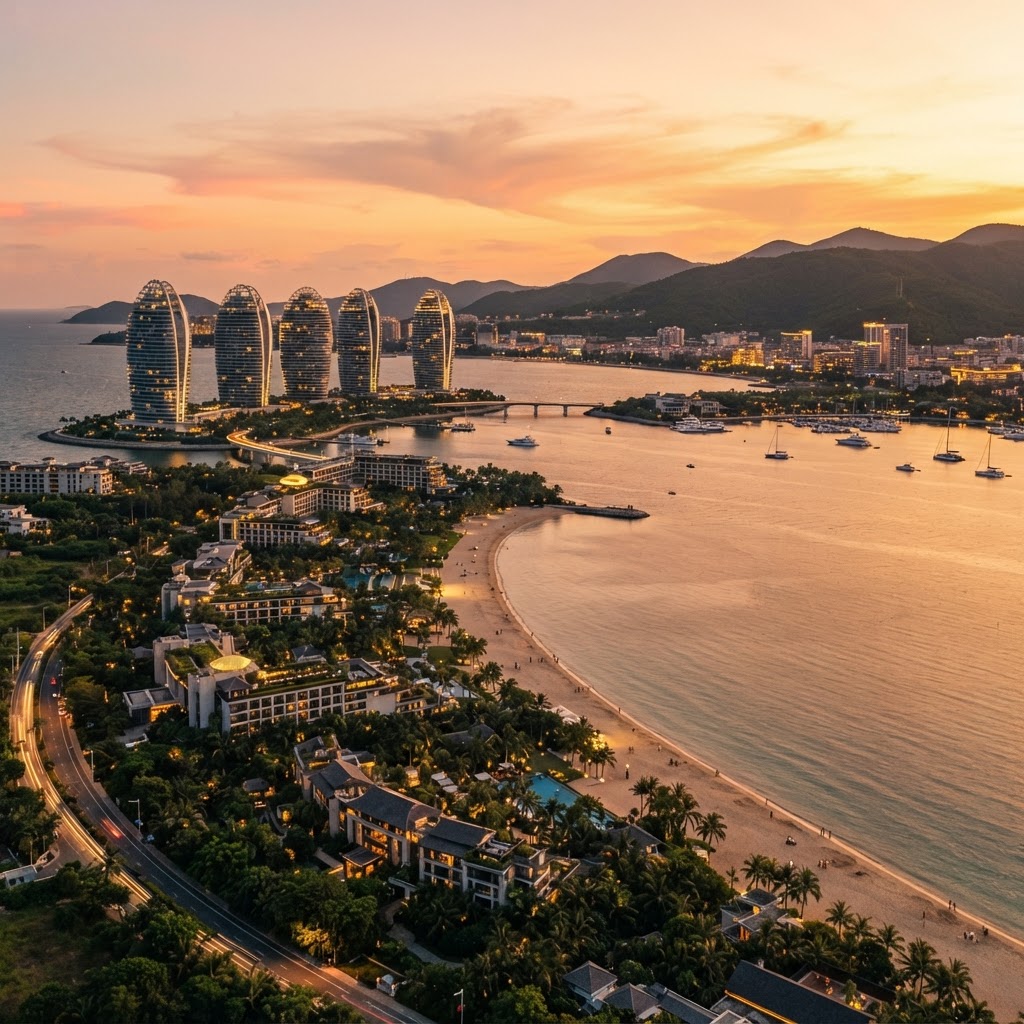
Sanya, Hainan, China
China
China's tropical resort strip of five-star bays, duty-free hubs, and coastal escapes.

Harbin
China
Siberian sub-zero cold, towering ice palaces, and Russian frontier history.
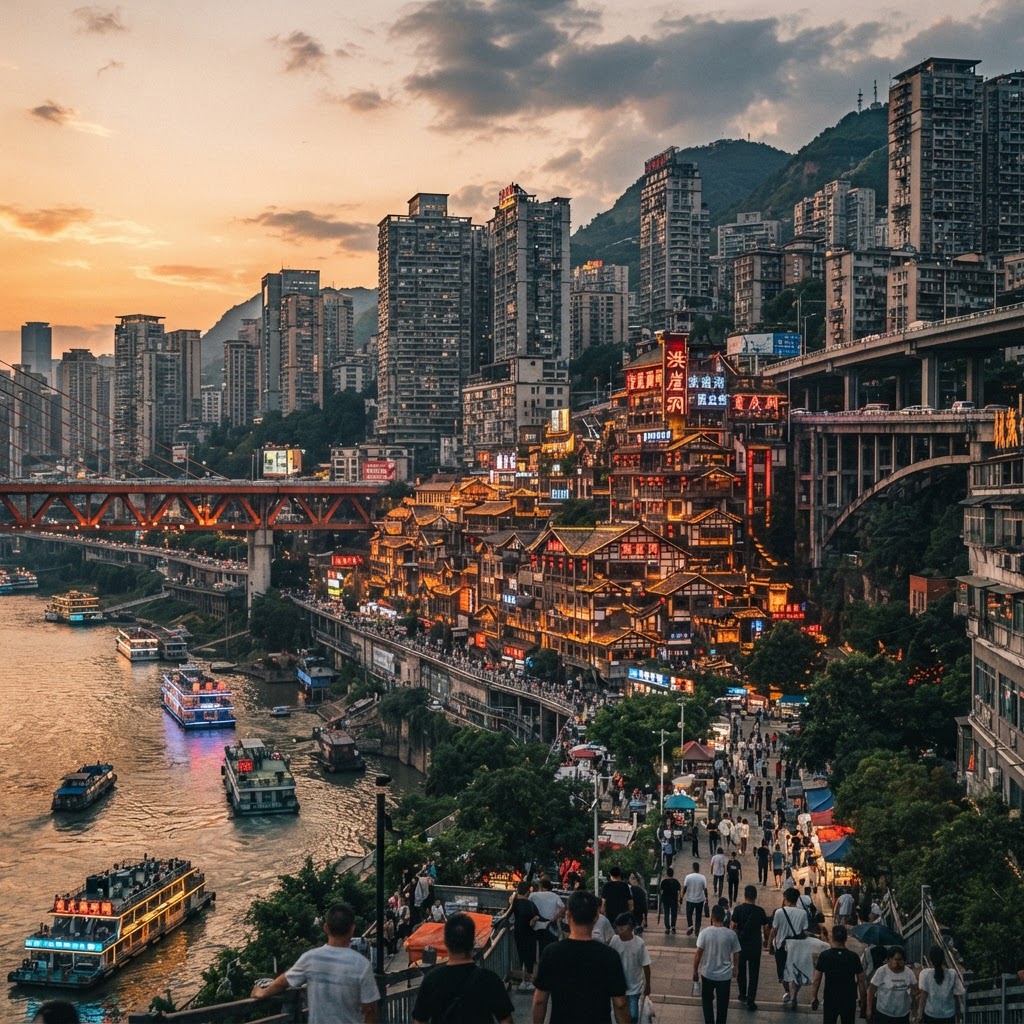
Chongqing, China
China
A vertical, neon-drenched mountain megalopolis powered by raw spice and layered topography.
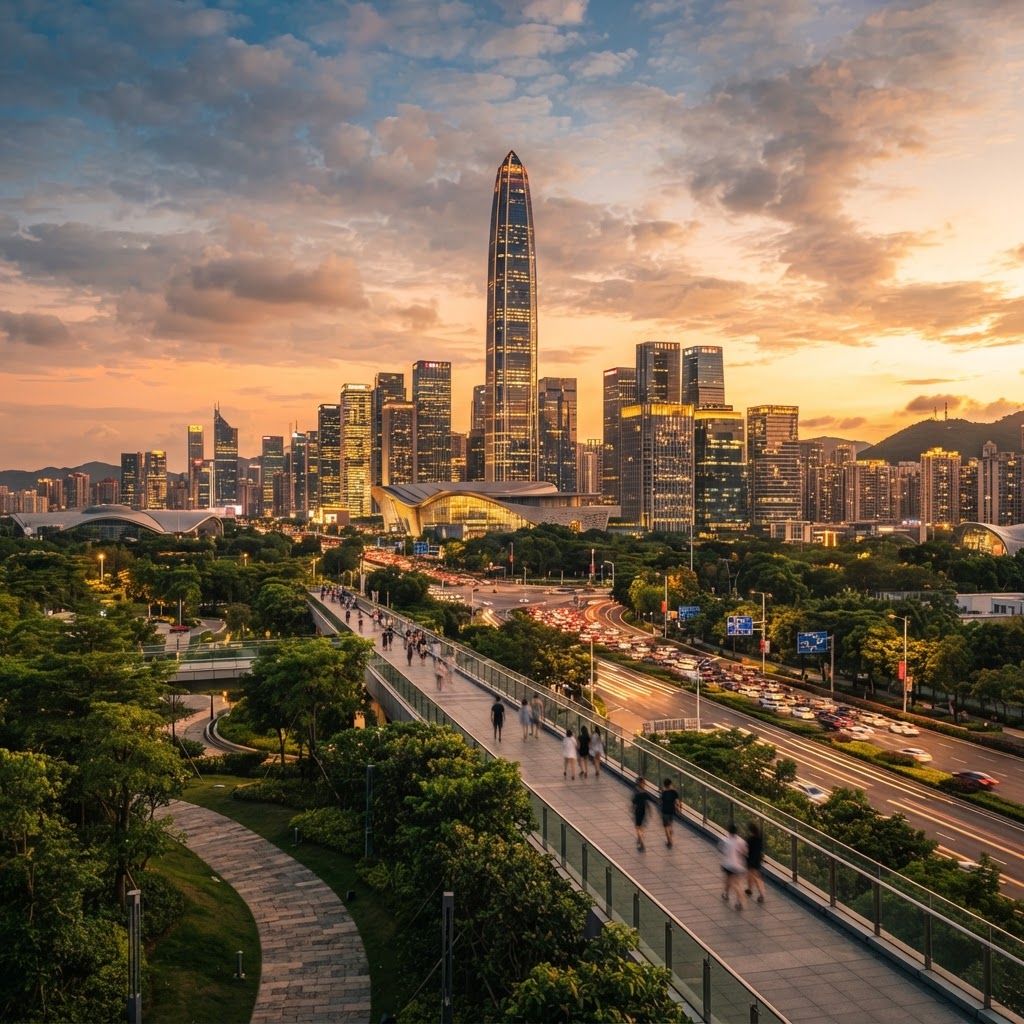
Shenzhen, China
China
The hardware capital of the world and China’s cleanest experiment in hyper-modern urban planning.
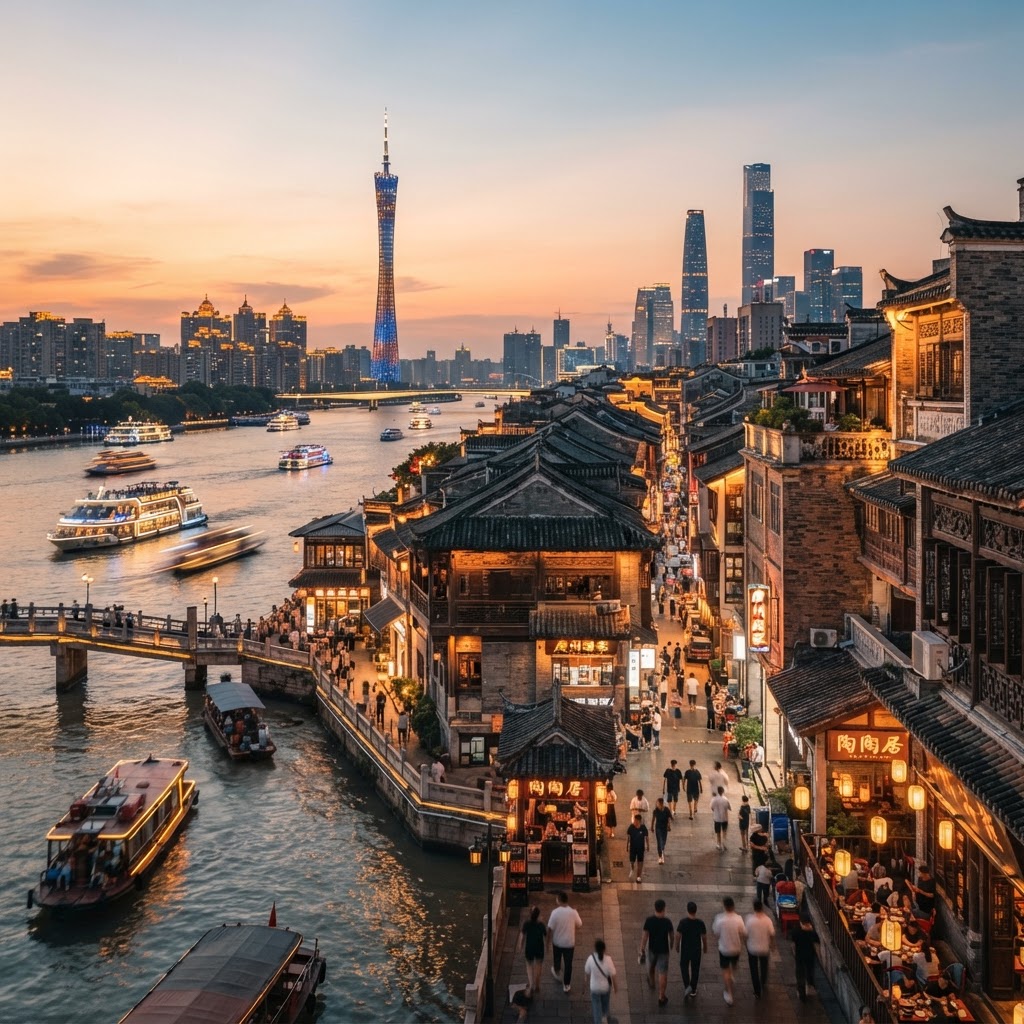
Guangzhou, China
China
The spiritual homeland of Cantonese culinary culture and Lingnan architecture, draped along the Pearl River.
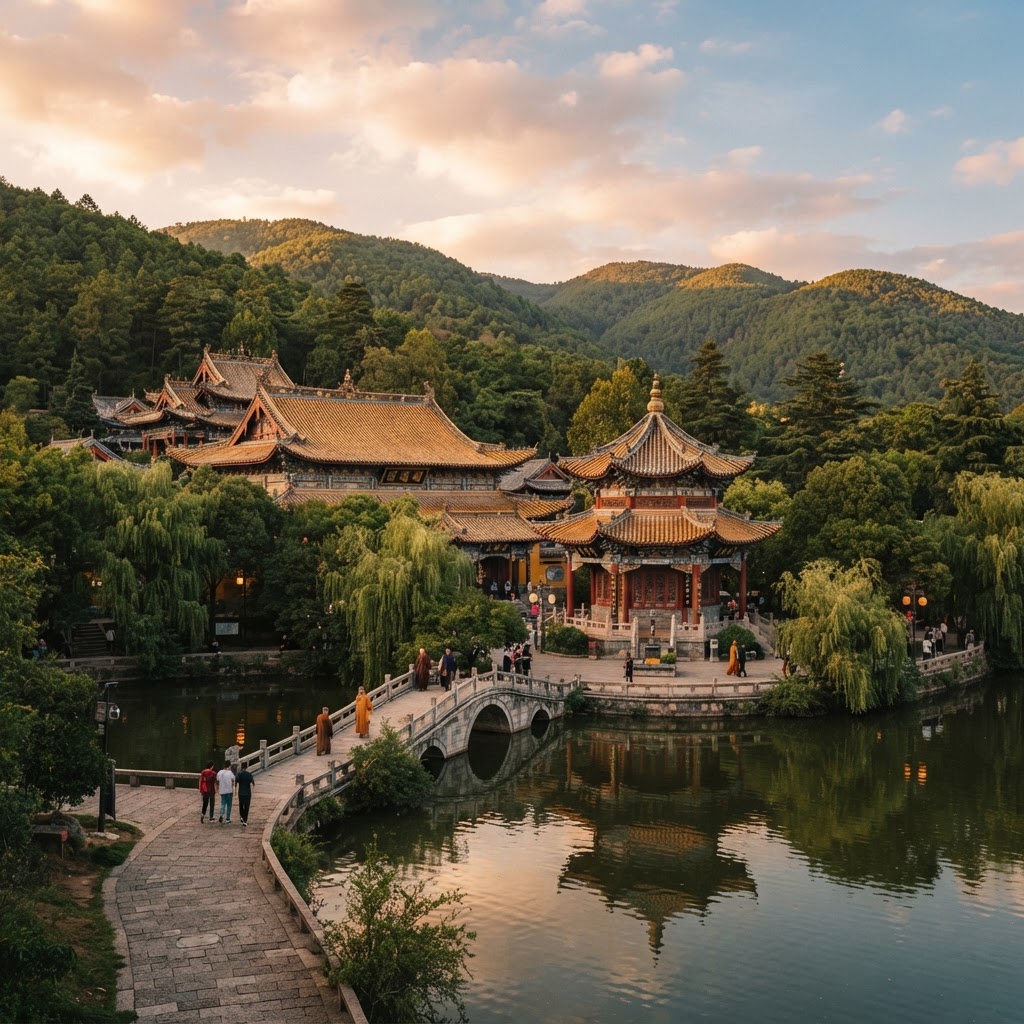
Kunming
China
China's temperate gateway to Yunnan's wild frontiers and slow-paced living
Readymade itineraries
Start from a tested template — then make it yours.
Ready to book
Lock in your Huangshan, China trip
Everything in one place. We may earn a small commission — it never costs you more.
Plan a trip to Huangshan, China
Pick a length and we'll build a day-by-day plan around how you travel — neighborhoods clustered, budget-aware, and editable.
Get better at planning trips like this
Occasional notes on planning smarter — no spam, unsubscribe anytime.
Plan a trip to Huangshan, China
Turn this guide into a day-by-day plan built around your pace, your group, and your budget.
Build my Huangshan, China trip