China
Harbin
Siberian sub-zero cold, towering ice palaces, and Russian frontier history.
Plan & book
Sort your Harbin trip in one place.
We point you to the booking tools we'd actually use — live prices, no markup. Or let us build the day-by-day plan around you first, then book.
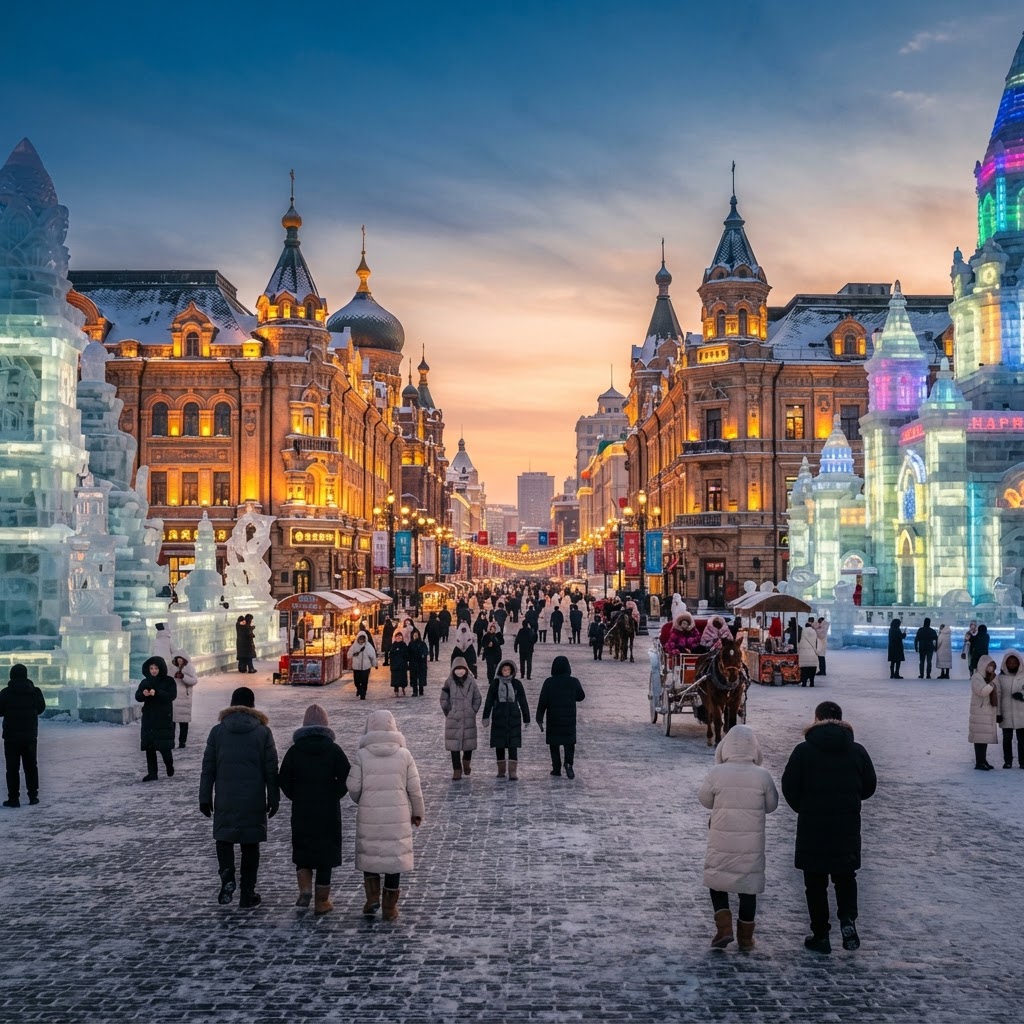
Harbin is China's northern frontier powerhouse, where Russian imperial railway heritage meets extreme Siberian chill along the frozen Songhua River. Built largely during the construction of the Chinese Eastern Railway around 1900, the city blends onion-domed Orthodox architecture, cobblestone pedestrian boulevards, and robust Dongbei culinary traditions with the world's most massive ice sculpting festival.
3 days
Best time
Early to mid-January provides peak sculpture stability before Chinese New Year crowds surge.
Build your own trip with these prebuilt itineraries
Each one is a tested, day-by-day plan for Harbin — start here, then make it yours.
5 Days in Harbin & Beyond: Ice Festival & Yabuli Ski Adventure in Harbin
Complete winter sports and extreme-cold expedition combining urban festival landmarks with a high-speed rail mountain ski escape to Yabuli
3 Days in Harbin: The Classic Ice & Snow Experience in Harbin
First-timer winter highlights featuring Ice and Snow World, Russian-era architectural gems, and frozen Songhua River activities
2 Days in Harbin: Russian Heritage & Dongbei Culinary Trail in Harbin
Deep dive into late imperial Russian architecture, historic cobblestone avenues, and hearty cold-weather Northeast Chinese cuisine
Harbin offers a winter landscape unlike anywhere else on earth: full-scale castles and skyscrapers sculpted from illuminated river ice, frozen rivers converted into bustling winter carnival avenues, and a unique Sino-Russian urban fabric defined by green onion domes, bakeries producing sourdough Dalieba, and sizzling plates of sweet-and-sour Guobaorou.
Where to stay
Getting there
Getting around
Food & drink
What it costs
Things to do
Book tours & tickets in HarbinSkip it if
Skip Harbin if you cannot tolerate severe sub-zero cold (-15°C to -25°C) or if you are looking for mild tropical leisure; outside of the winter festival season (December to February), the city lacks its primary draw and feels like a regular industrial hub.
When to go
December runs the risk of incomplete ice constructions, while late February brings unexpected warming cycles that cause premature melting closures. Early January guarantees fully built frozen architecture with stable sub-zero conditions and manageable hotel rates.
Peak (Late December to Mid-February)
Bitter cold dropping below -25°C, vibrant evening light displays, peak hotel pricing, and heavy holiday foot traffic around Spring Festival.
Shoulder (July to August)
Mild 20–25°C weather, breezy river walks, and beer gardens popular with domestic travelers fleeing southern China's intense summer heat.
Low (March to May & October to November)
Muddy freeze-thaw cycles, melted ice grounds, grey skies, and sharp biting winds without any of the winter wonderland scenery.
Neighborhoods
Where you stay shapes the trip. Here's how to think about it.
Daoli (Central Street & Saint Sophia)
Cobblestones, late-imperial Russian façades, and street-side ice pops in sub-zero air.
Best for:First-timers, architecture walks, and quick warm-up retreats.
Don't miss:Saint Sophia Cathedral lit up at dusk, followed by Madie'er ice pops along Zhongyang Dajie.
Songbei
Sprawling, modern northern riverbank dominated by massive festival grounds and open skies.
Best for:Festival-goers prioritizing quick access to ice sculptures over heritage strolls.
Don't miss:Harbin Ice and Snow World at 4:30 PM just as the illuminated LED ice towers click on.
Daowai (Lao Daowai)
Faded grandeur, ornate Chinese Baroque plasterwork, and old-school neighborhood eateries.
Best for:History obsessives, photographers, and travelers seeking unvarnished street character.
Don't miss:Exploring the decaying courtyards along Jingyu Street and trying stewed pig trotters at Lao Daowai spots.
Nangang
Bustling academic and commercial hub centered around railway stations and university life.
Best for:Railway travelers, museum enthusiasts, and local everyday dining.
Don't miss:The Heilongjiang Provincial Museum and authentic Russian-style bread from local bakeries along Gogol Street.
Sun Island Scenic Area
Vast riverside parkland transforming from leafy summer retreat to crisp white sculpture expanse.
Best for:Daytime winter walkers, photographers, and snow-carving enthusiasts.
Don't miss:The International Snow Sculpture Art Expo featuring gargantuan carved white chalk-snow monuments.
Destination intelligence
Updated 9/14/2026The structured record we plan every Harbin itinerary from.
Walkability
Moderate. Central Street and Saint Sophia plaza are pedestrian-friendly, but winter walking is limited by sub-zero Siberian winds and icy sidewalks.
Transit quality
High. Modern 3-line metro network conveniently connects major transit hubs and top attractions across both sides of the Songhua River.
Car needed
No. Harbin Metro, regional high-speed rail, and DiDi ride-hailing cover all primary visitor corridors safely without driving on black ice.
Ideal duration
3 days
Minimum useful
2 days
Peak season
Mid-December to late February (annual Ice & Snow Festival, frozen river activities, severe sub-zero cold).
Shoulder season
July to August (mild, breezy summer escape favored by domestic tourists avoiding southern China's heat waves).
Low season
March to May and October to November (muddy freeze-thaw transition or chilly winds with all ice structures melted).
Best for
Common mistakes
- Underestimating battery drain: smartphones and cameras instantly die in -20°C temperatures without stick-on heat pads (chemical hand warmers) and insulated internal pockets.
- Arriving at Ice & Snow World after dark: queues for the ice slide and ferris wheel exceed three hours, and daylight beauty is missed entirely.
- Renting a rental car: black ice, extreme winter gridlock, and snowdrifts make personal driving hazardous; high-speed rail and metro are far superior.
- Visiting during the Lunar New Year/Spring Festival week when hotel prices triple and lines become unmanageable.
Best nearby
How to plan it
- Base yourself within a 5-minute walk of Zhongyang Dajie (Central Street) so you can escape the -25°C chill for hotel warm-up breaks every 90 minutes.
- Arrive at Harbin Ice and Snow World by 3:00 PM to photograph the massive structures in natural daylight, catch the 4:30 PM illumination switch-on, and leave before the freezing 7:00 PM wind chills set in.
- Do not attempt a day trip to China Snow Town (Xuexiang) and back to Harbin in one day; it requires a 5-hour drive each direction and demands an overnight stay.
- Pair your Harbin winter stay with the Yabuli ski resorts, reachable in 70 minutes via high-speed rail from Harbin West Station.
- Prioritize Sun Island for daylight morning visits to capture intricate white snow carvings before the sun shifts and shadows flatten the details.
Questions
More in China
Huangshan, China
China
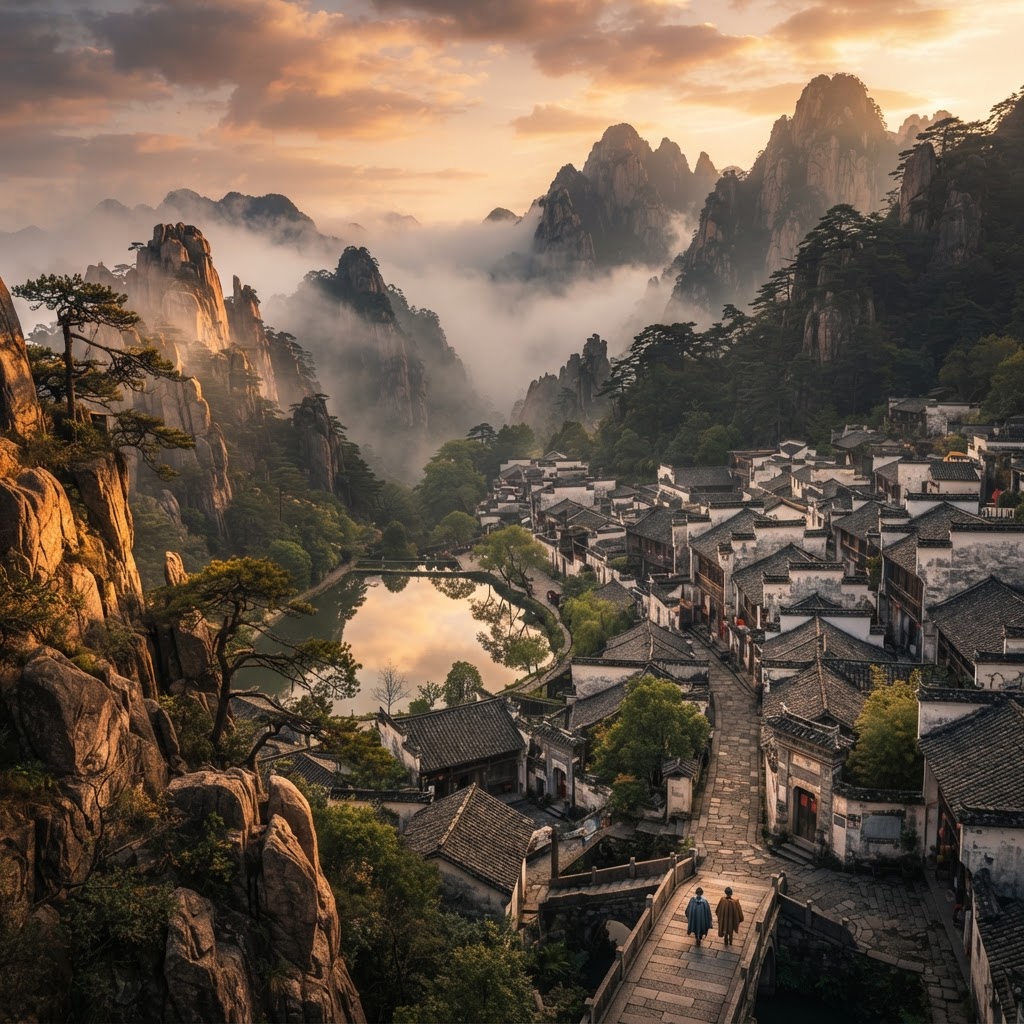
Granite peaks, mist-filled ravines, and Ming-era merchant villages
Sanya, Hainan, China
China
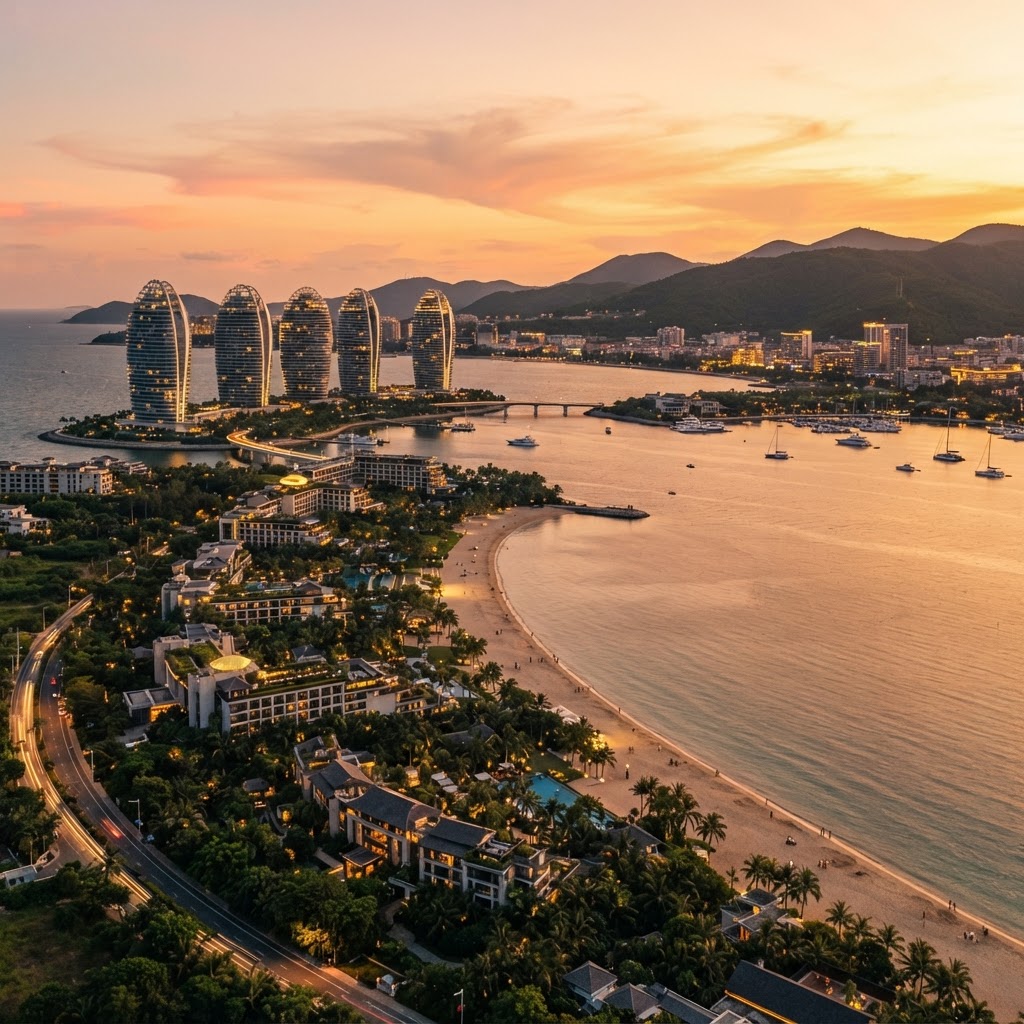
China's tropical resort strip of five-star bays, duty-free hubs, and coastal escapes.
Chongqing, China
China
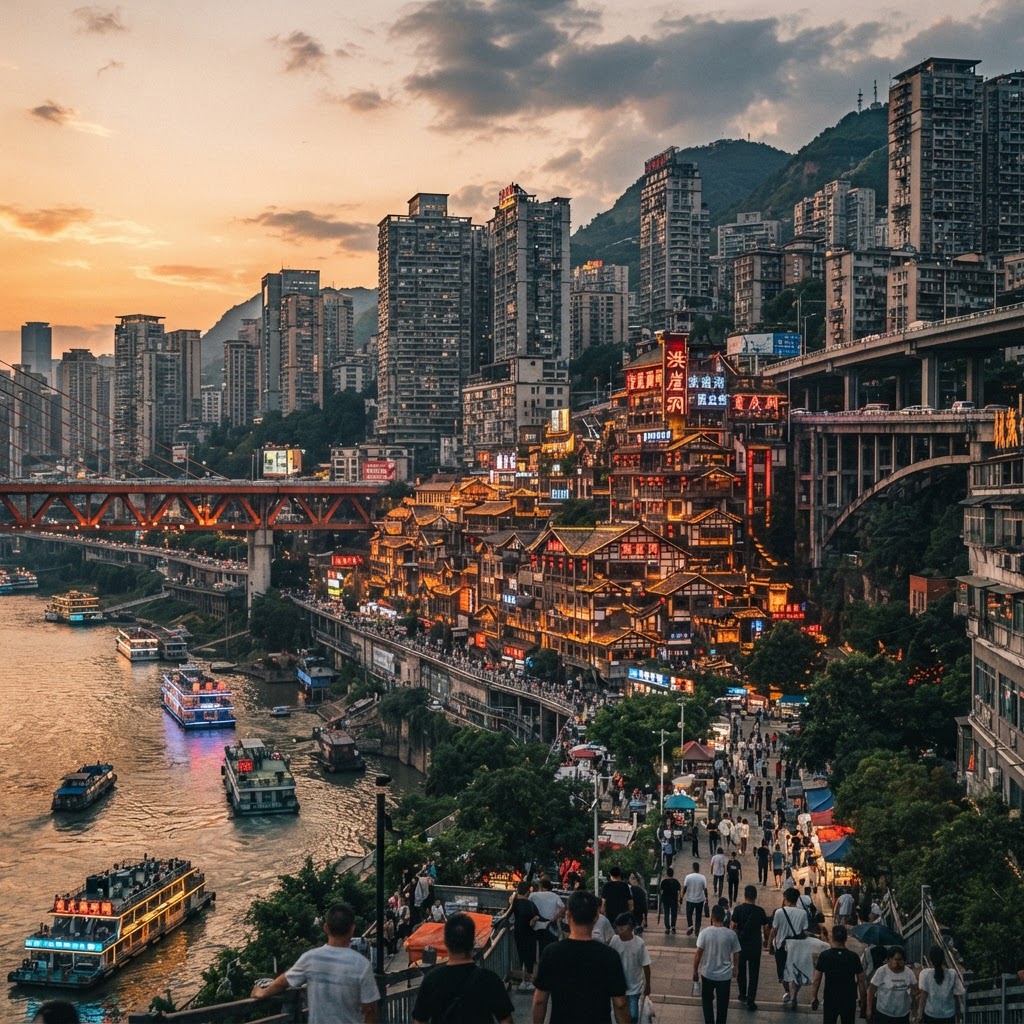
A vertical, neon-drenched mountain megalopolis powered by raw spice and layered topography.
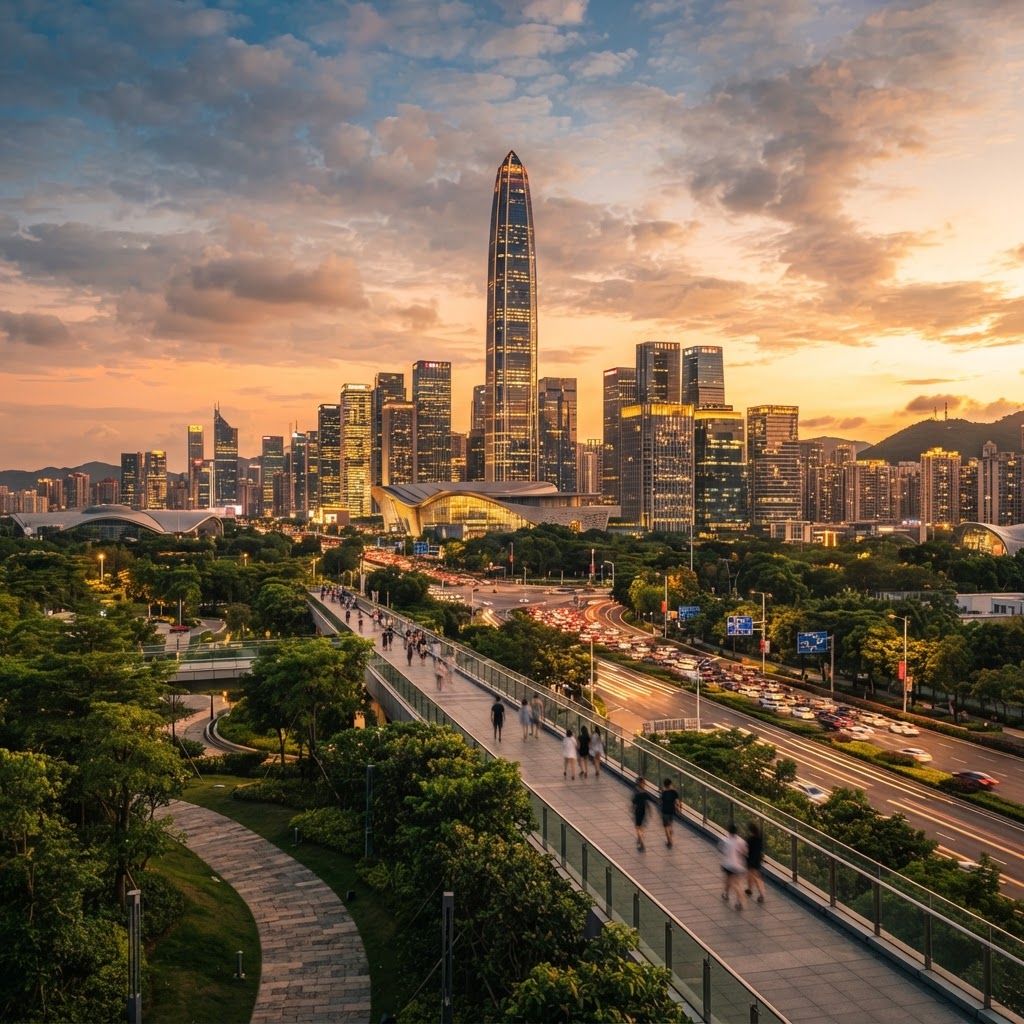
Shenzhen, China
China
The hardware capital of the world and China’s cleanest experiment in hyper-modern urban planning.
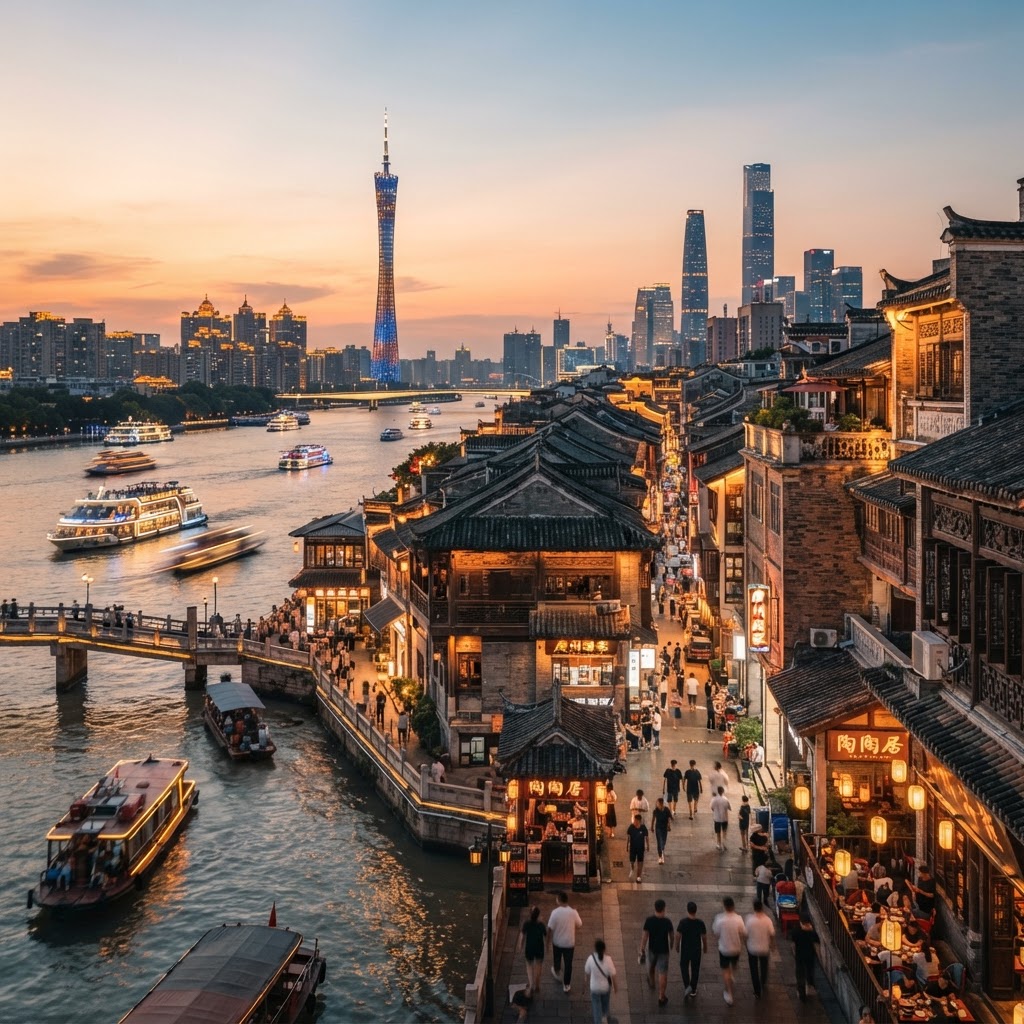
Guangzhou, China
China
The spiritual homeland of Cantonese culinary culture and Lingnan architecture, draped along the Pearl River.
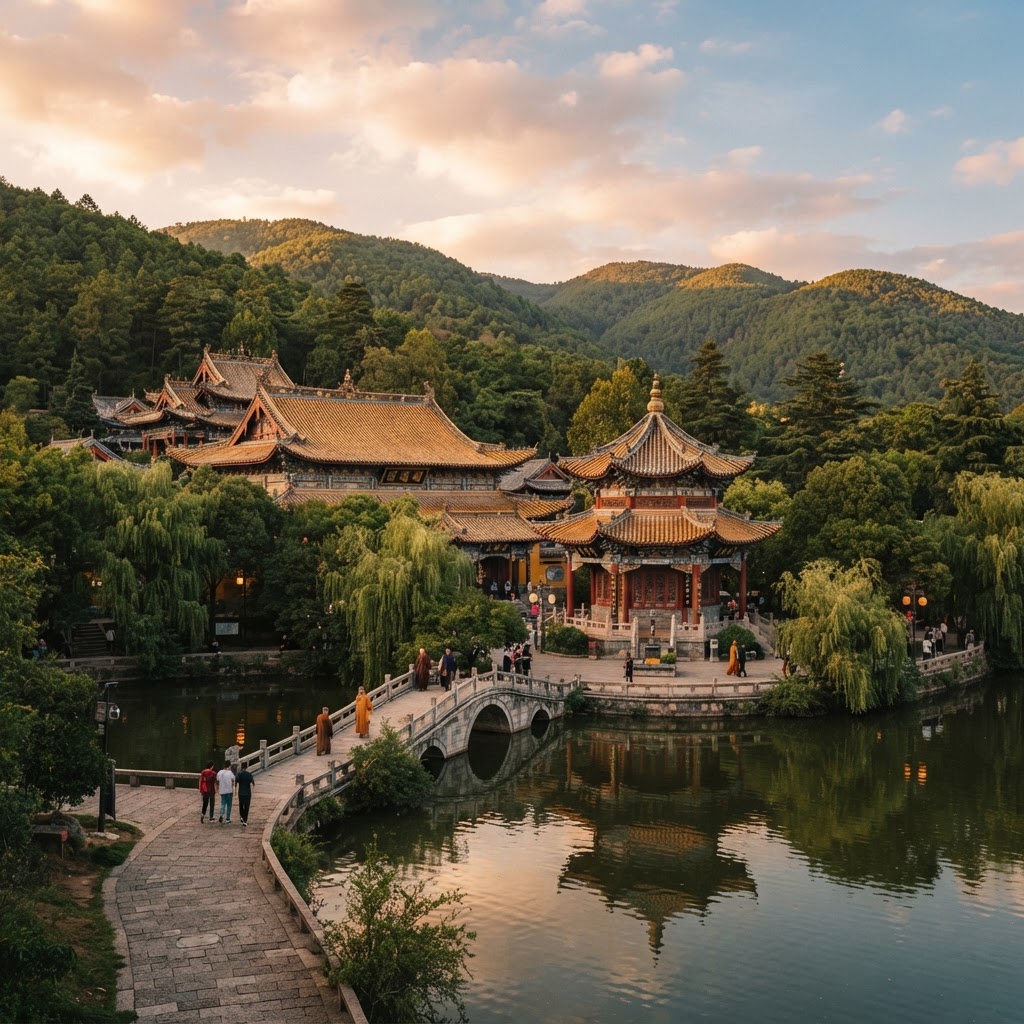
Kunming
China
China's temperate gateway to Yunnan's wild frontiers and slow-paced living
Readymade itineraries
Start from a tested template — then make it yours.
Ready to book
Lock in your Harbin trip
Everything in one place. We may earn a small commission — it never costs you more.
Plan a trip to Harbin
Pick a length and we'll build a day-by-day plan around how you travel — neighborhoods clustered, budget-aware, and editable.
Get better at planning trips like this
Occasional notes on planning smarter — no spam, unsubscribe anytime.
Plan a trip to Harbin
Turn this guide into a day-by-day plan built around your pace, your group, and your budget.
Build my Harbin trip