Germany
Rothenburg ob der Tauber
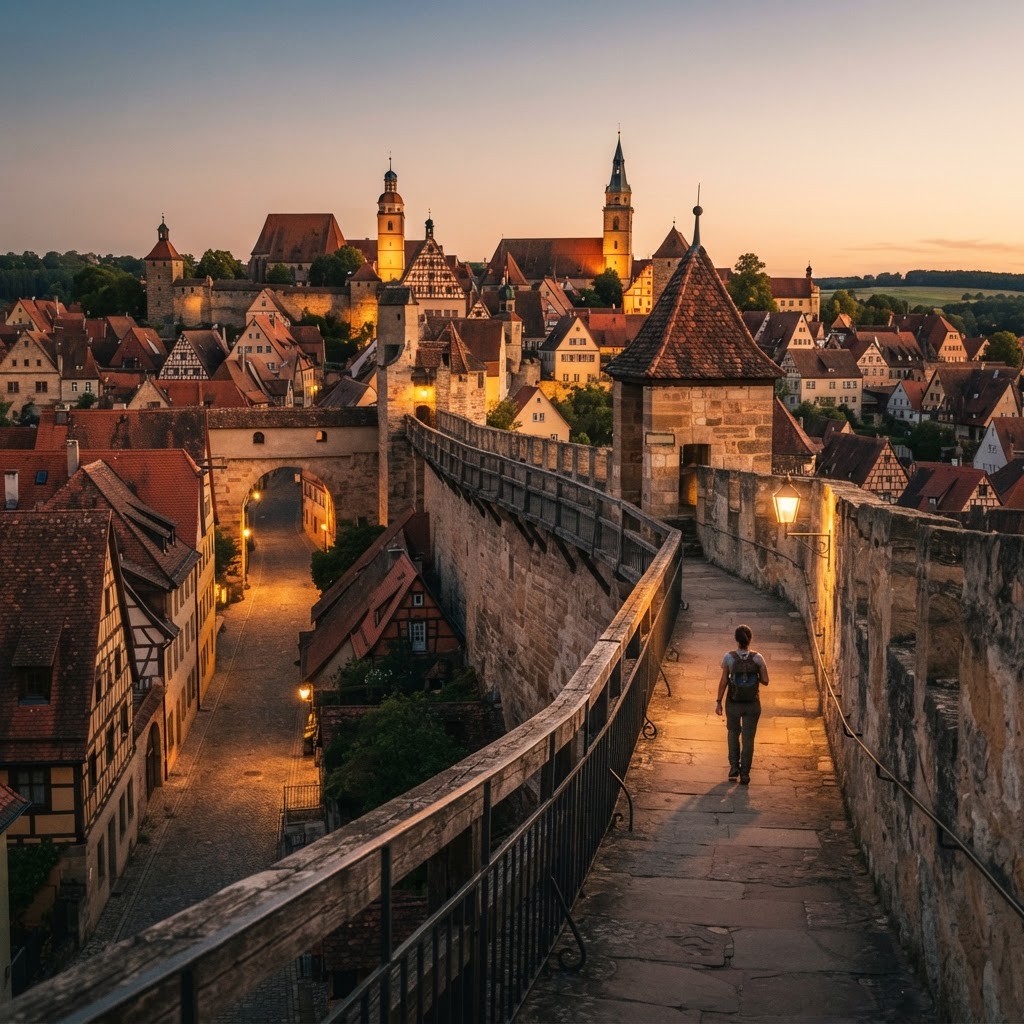
Europe’s most intact medieval wall-walk, transformed the minute day-trippers catch the evening train.
Plan & book
Sort your Rothenburg ob der Tauber trip in one place.
We point you to the booking tools we'd actually use — live prices, no markup. Or let us build the day-by-day plan around you first, then book.
Perched on a ridge overlooking the Tauber River valley, Rothenburg ob der Tauber is Germany's best-preserved medieval walled town. While day-trip tour buses swarm the Plönlein intersection between 10:00 AM and 4:30 PM, staying overnight reveals an entirely different reality: cobblestones emptied of selfie sticks, atmospheric lantern-lit alleys, quiet walks along 2.5 kilometers of covered fortifications, and peerless woodcarvings by Tilman Riemenschneider.
2 days (1 to 2 nights)
Best time
May to June or September to mid-October for mild weather and empty evenings.
Build your own trip with these prebuilt itineraries
Each one is a tested, day-by-day plan for Rothenburg ob der Tauber — start here, then make it yours.
3 Days Romantic Road Base in Rothenburg ob der Tauber
Leisurely medieval immersion combined with Franconian countryside and village excursions
2 Days Beyond the Walls in Rothenburg ob der Tauber
Historic architecture, town ramparts walk, and scenic Tauber Valley trails
1 Day Medieval Essentials in Rothenburg ob der Tauber
Morning and evening highlights avoiding the peak tour bus rush
To experience a virtually complete 14th-century defensive perimeter and Gothic-Renaissance townscape that avoided post-war modernization. Walking the rampart walkway at dawn, viewing the 500-year-old Holy Blood Altar inside St. Jakob, and navigating quiet Franconian side streets after dark offers historical immersion that open-air replica villages cannot replicate.
Where to stay
Getting there
Getting around
Food & drink
What it costs
Things to do
Book tours & tickets in Rothenburg ob der TauberSkip it if
Skip Rothenburg if you loathe tourist-centric shopping corridors and want gritty, unvarnished contemporary German culture. If your route only allows a 3-hour midday sprint requiring 5 hours of round-trip regional train connections with multiple changes at Steinach, substitute Bamberg or Regensburg instead.
When to go
Summer brings punishing midday tour-bus congestion along Schmiedgasse, while winter is bleak outside of December. Late spring and early autumn deliver pleasant walking weather along the 2.5-kilometer ramparts, colorful valley vines, and peaceful mornings before day-trippers arrive.
Peak (July–August & Advent/December)
Tour groups pack the Plönlein midday, and hotel rates peak around the Reiterlesmarkt Christmas market; book lodging 4-6 months ahead.
Shoulder (April–June & September–October)
The sweet spot with brisk mornings, open museums, grape harvests in the Tauber Valley, and quiet cobblestones after 5:00 PM.
Low (January–March)
Quiet and atmospheric with freezing winds off the valley; many independent shops, small guesthouses, and guided evening walks run on severely limited schedules.
Neighborhoods
Where you stay shapes the trip. Here's how to think about it.
Marktplatz & Altstadt Core
Historic epicenter with soaring gables, cafe terraces, and evening lantern glow.
Best for:First-timers who want immediate access to sights and easy midday breaks.
Don't miss:Climbing the 220 steps of the Rathaus Tower for sweeping views over red-tiled rooftops.
Spitalviertel (Southern Quarter)
Fortified defensive corner anchored by the massive Spital Bastion, noticeably quieter than the center.
Best for:Walkers and history buffs seeking tranquil lanes and direct access to parking.
Don't miss:The figure-eight layout and artillery ramparts of the Hegereiterhaus and Spitalbastei.
Herrngasse & Burggarten
Aristocratic avenue lined with former patrician mansions opening out into peaceful parkland.
Best for:Couples and slow travelers wanting leafy valley views and refined historic hotels.
Don't miss:Catching sunset over the Tauber Valley from the edge of the Burggarten through the Castle Gate.
Klingentor & Northern Quarter
Residential, unhurried northern end centered around quiet churches and defensive gate towers.
Best for:Photographers and travelers avoiding tourist congestion.
Don't miss:St. Wolfgang's Church (Schäferskirche), an unusual fortified church integrated directly into the town ramparts.
Destination intelligence
Updated 9/14/2026The structured record we plan every Rothenburg ob der Tauber itinerary from.
Walkability
Exceptional within the historic town walls. The entire center is pedestrian-friendly, though uneven cobblestones and steep steps along the defensive wall require sensible footwear.
Transit quality
Moderate. The local train station connects reliably via an hourly branch line to Steinach, but longer journeys toward Munich or Frankfurt require two to three transfers.
Car needed
Not required. The town itself is completely walkable. A car is only an advantage if you are road-tripping smaller villages along the Romantic Road where branch rail lines are limited.
Ideal duration
2 days (1 to 2 nights)
Minimum useful
1 full day with an overnight stay
Peak season
June through August and Advent (late November through December). Expect high crowds during midday tour coach windows and holiday market weekends.
Shoulder season
April to May and September to October. Mild walking weather, beautiful autumn foliage along the Tauber Valley, and significantly manageable crowds outside midday hours.
Low season
January through March. Cold, quiet, and gray, with limited opening hours for some boutique shops, but offering totally deserted historic streets.
Best for
Common mistakes
- Treating Rothenburg as a rushed midday bus trip from Munich or Frankfurt, which forces you to encounter the town at its absolute peak congestion while missing its atmospheric morning and evening hours.
- Driving a rental car through the ancient gates directly into the center without pre-arranging hotel courtyard access; streets are maze-like, pedestrian-heavy, and unforgiving to wide cars.
- Confusing this town with other German towns named Rothenburg or Rothenberg on navigation systems or train ticket bookings—always specify 'Rothenburg ob der Tauber'.
- Buying boxes of Schneeballen from window displays expecting a light delicate pastry; they are dense, dry ceremonial pastries best eaten fresh in small bites.
- Assuming the town is completely fake or an American post-war reconstruction; while roughly 40 percent was damaged in 1945, meticulous restoration followed original medieval plans and materials.
Best nearby
How to plan it
- Stay inside the town walls rather than near the train station so you can wander out into quiet cobblestone streets early in the morning and late at night.
- Plan your visits to the Plönlein photo spot and the Rathaus Tower before 9:30 AM or after 5:00 PM to avoid the crush of tour-bus crowds.
- Pair Rothenburg with nearby Dinkelsbühl or Würzburg instead of attempting a rushed same-day run to Neuschwanstein Castle, which requires over three hours of one-way transit.
- Join the Night Watchman tour at 8:00 PM at the Marktplatz—no advance booking required, just bring small cash to pay at the end of the walk.
- Pack sturdy, rubber-soled walking shoes; leather-soled shoes or heels make navigating the steep rampart stairs and slick cobblestones hazardous.
Questions
More in Germany
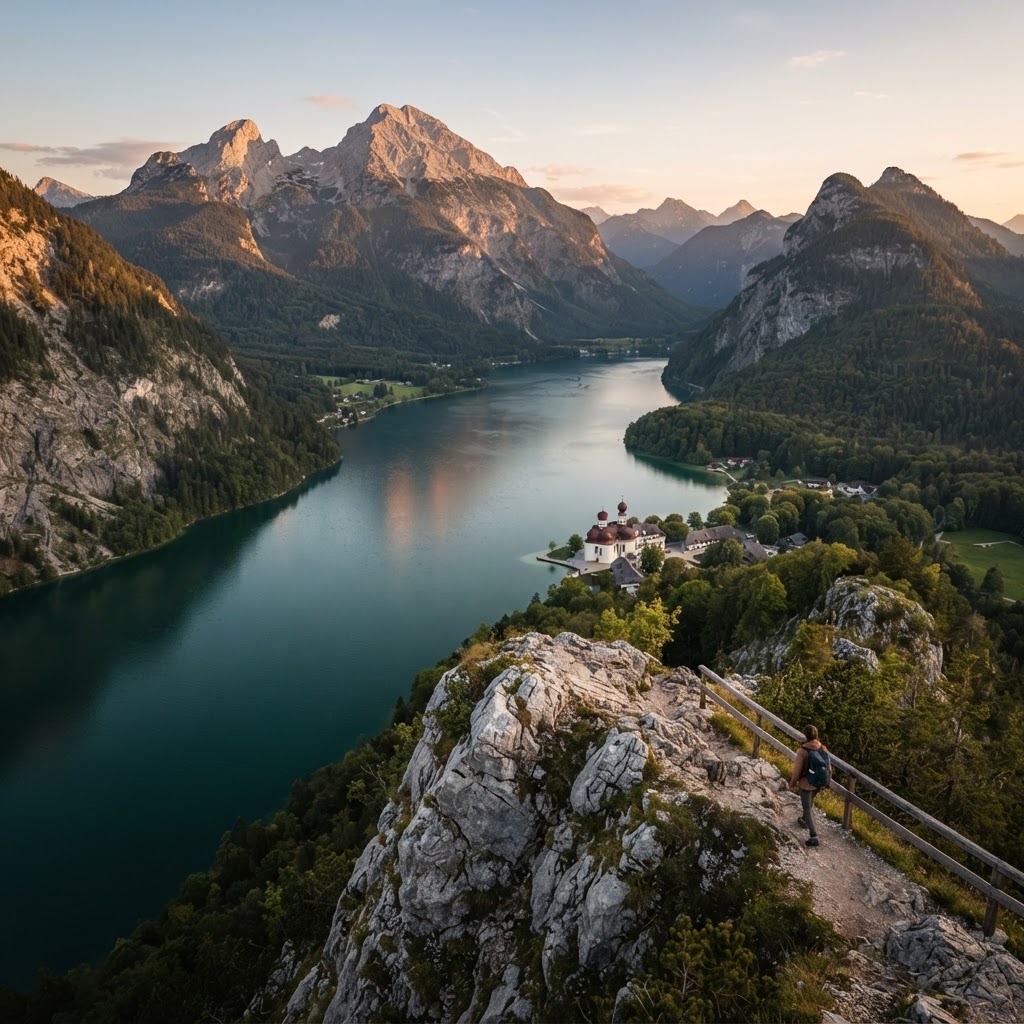
Berchtesgaden, Germany
Germany
Fjord-like alpine lakes, haunting WW2 history, and serious summit trails on the Austrian frontier.
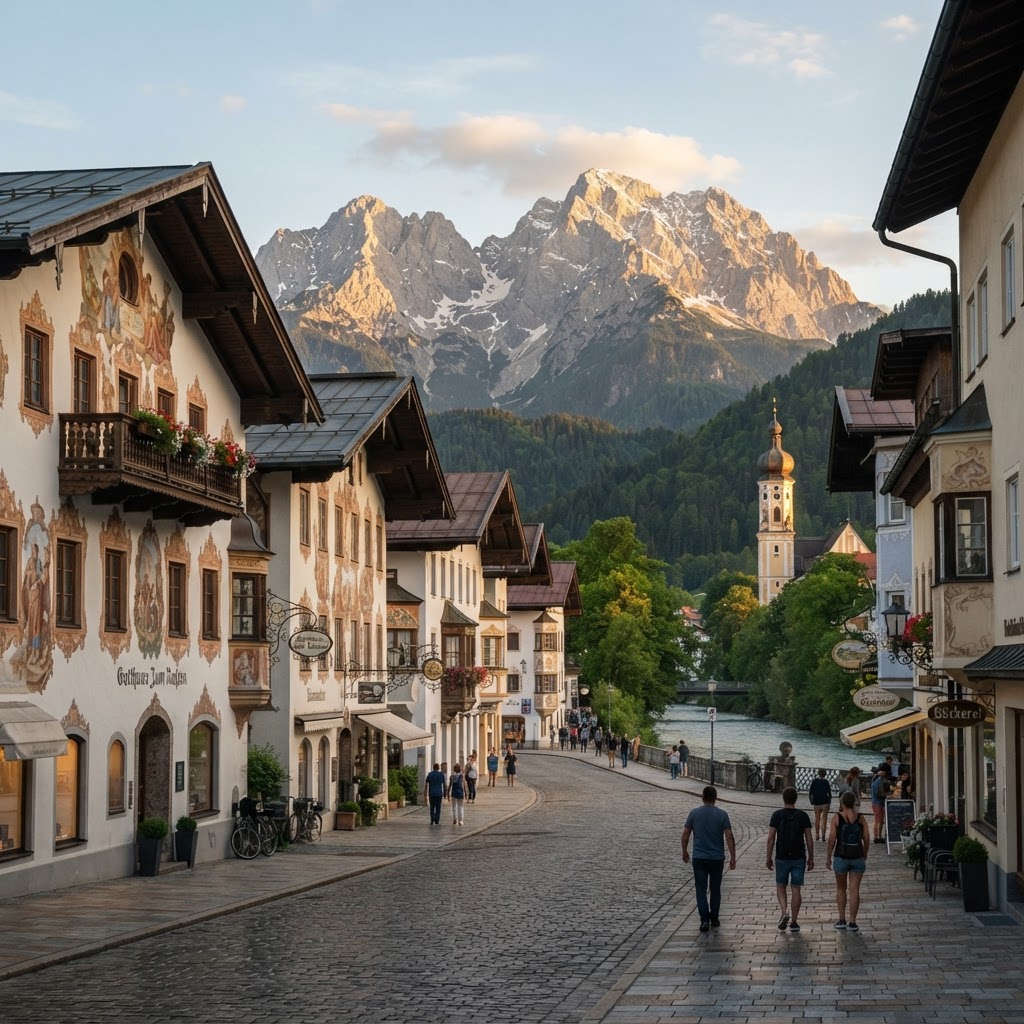
Garmisch-Partenkirchen
Germany
Twin alpine towns beneath Germany's highest peaks, balancing rugged gorges with frescoed taverns.
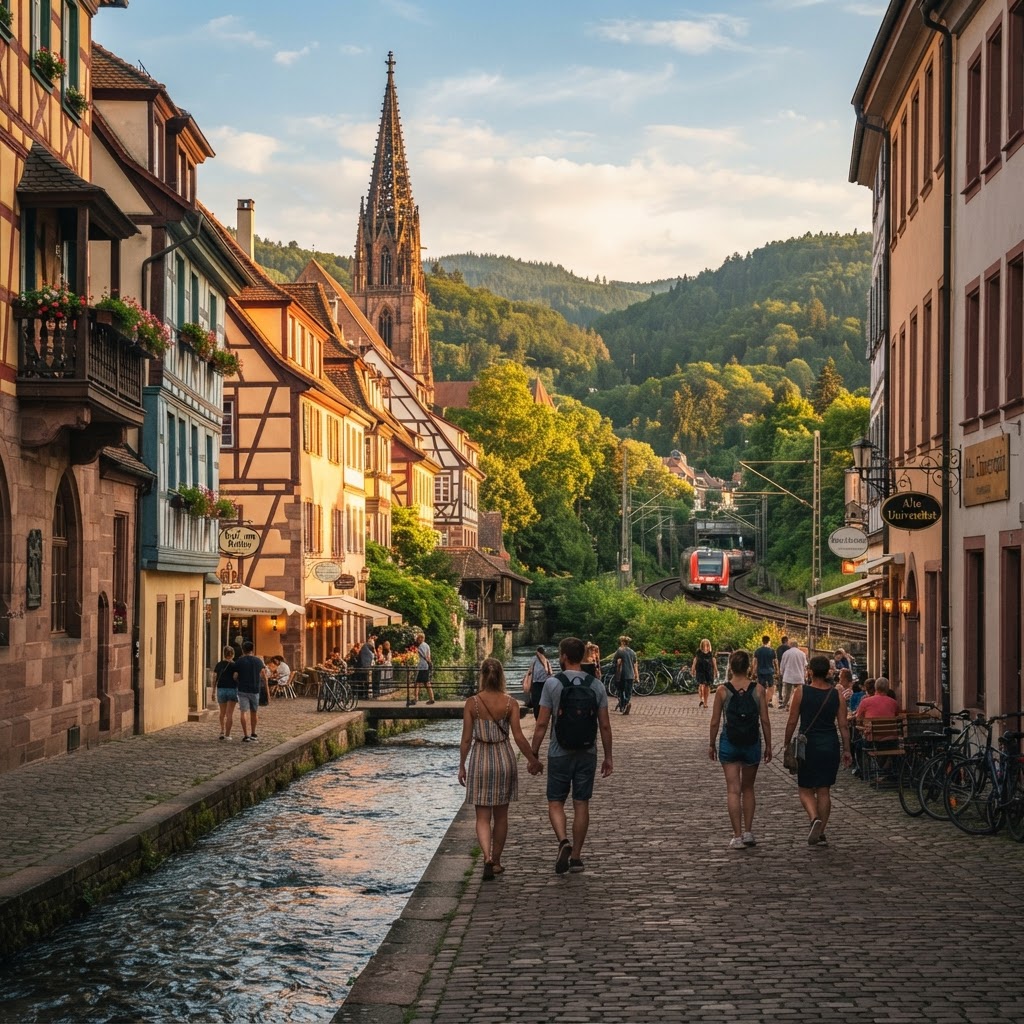
Freiburg im Breisgau, Germany
Germany
Sun-drenched university streets, medieval canals, and the direct railway gate into the Black Forest.
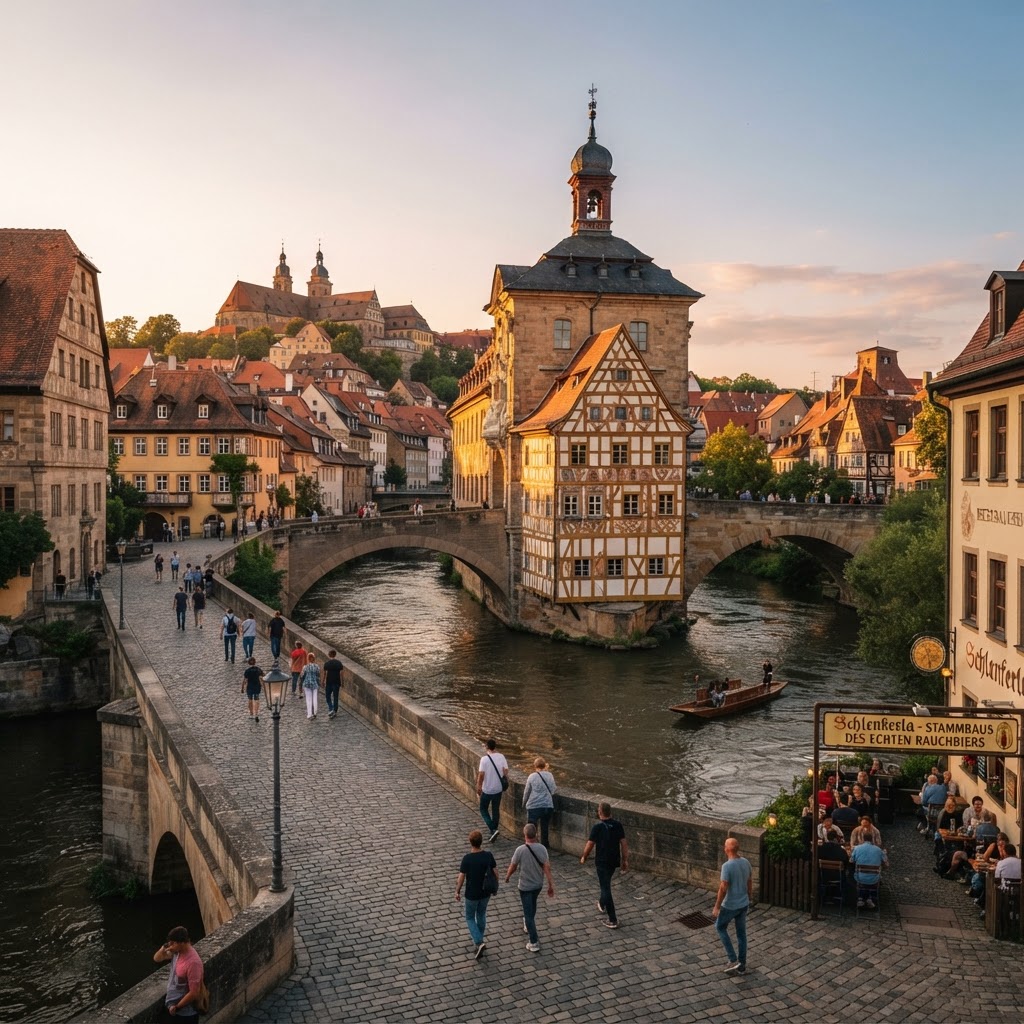
Bamberg
Germany
Centuries of untouched medieval architecture fueled by beechwood-smoked beer
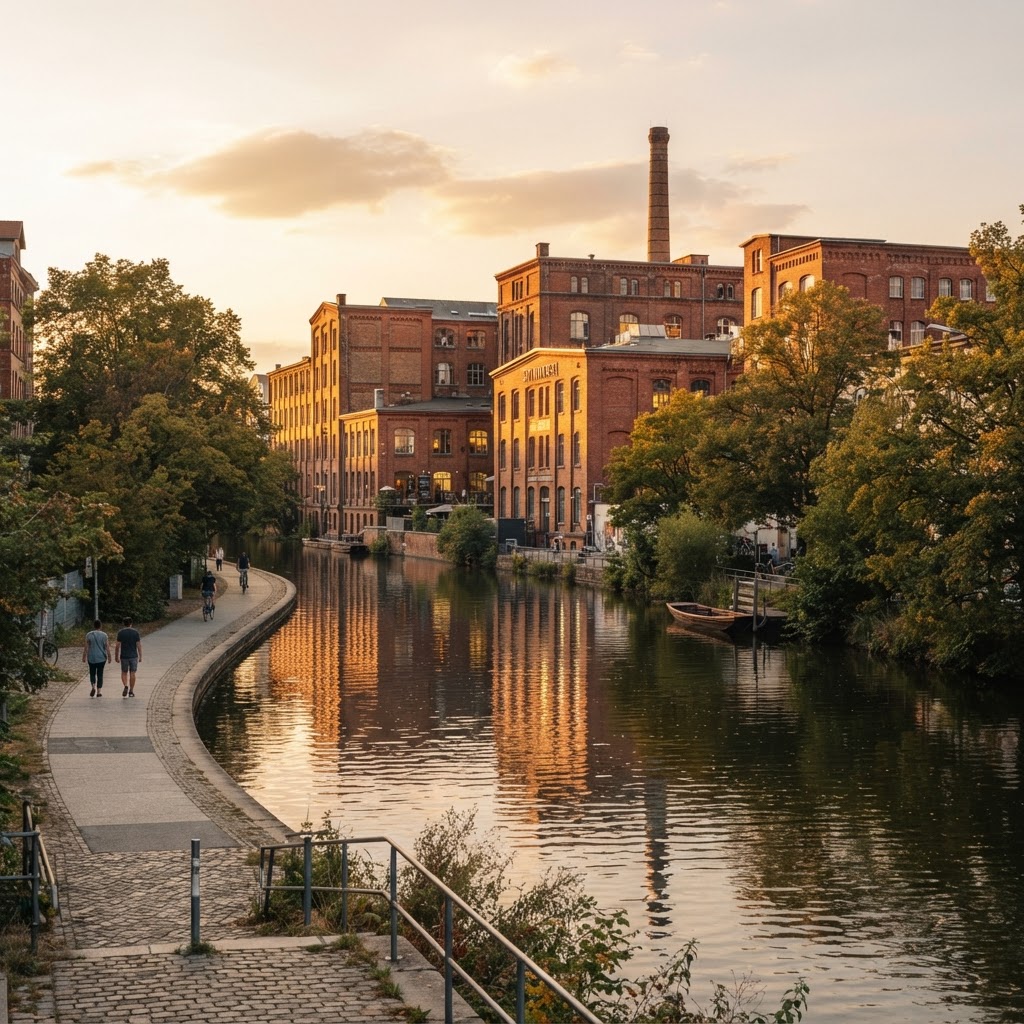
Leipzig
Germany
Industrial grit turned creative powerhouse with peerless musical heritage and quiet canals.
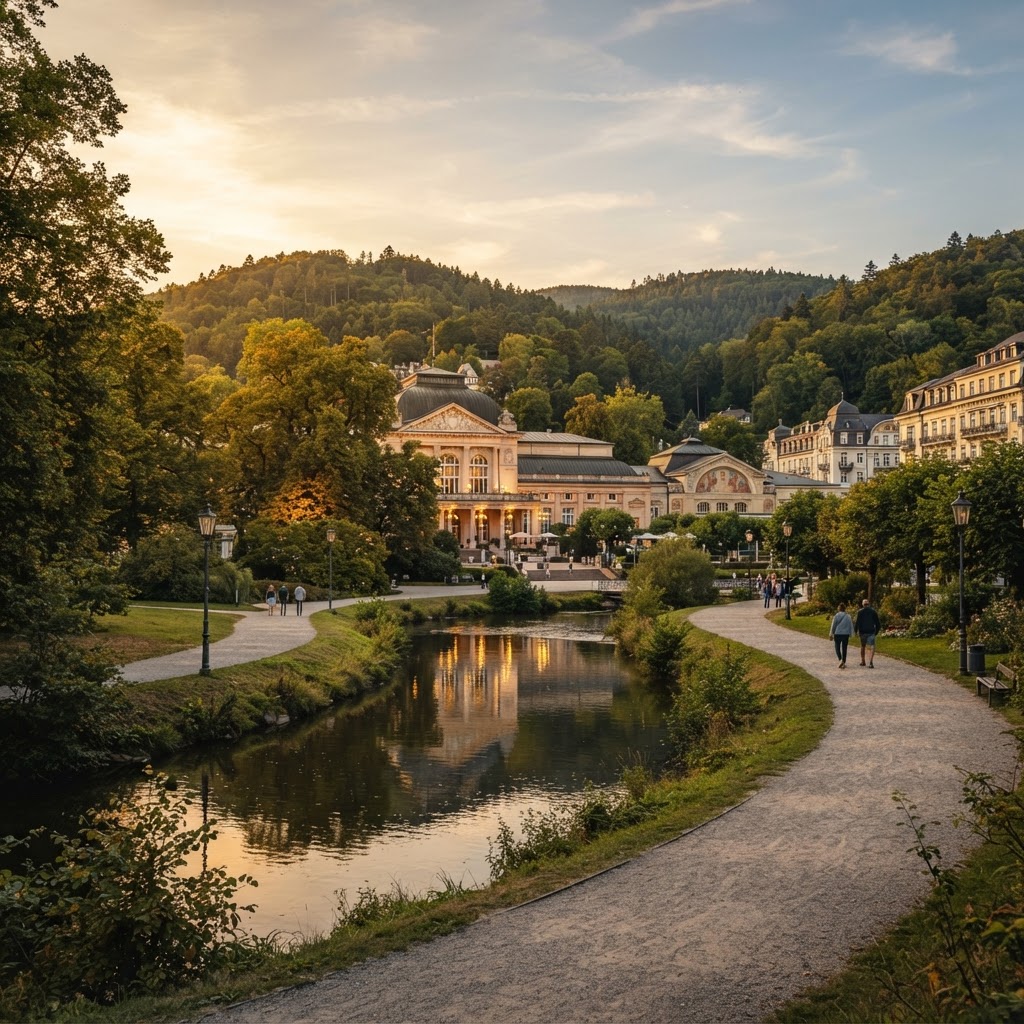
Baden-Baden
Germany
Thermal waters, Belle Époque grandeur, and unhurried woodland walks in the Black Forest foothills.
Readymade itineraries
Start from a tested template — then make it yours.
Ready to book
Lock in your Rothenburg ob der Tauber trip
Everything in one place. We may earn a small commission — it never costs you more.
Plan a trip to Rothenburg ob der Tauber
Pick a length and we'll build a day-by-day plan around how you travel — neighborhoods clustered, budget-aware, and editable.
Get better at planning trips like this
Occasional notes on planning smarter — no spam, unsubscribe anytime.
Plan a trip to Rothenburg ob der Tauber
Turn this guide into a day-by-day plan built around your pace, your group, and your budget.
Build my Rothenburg ob der Tauber trip