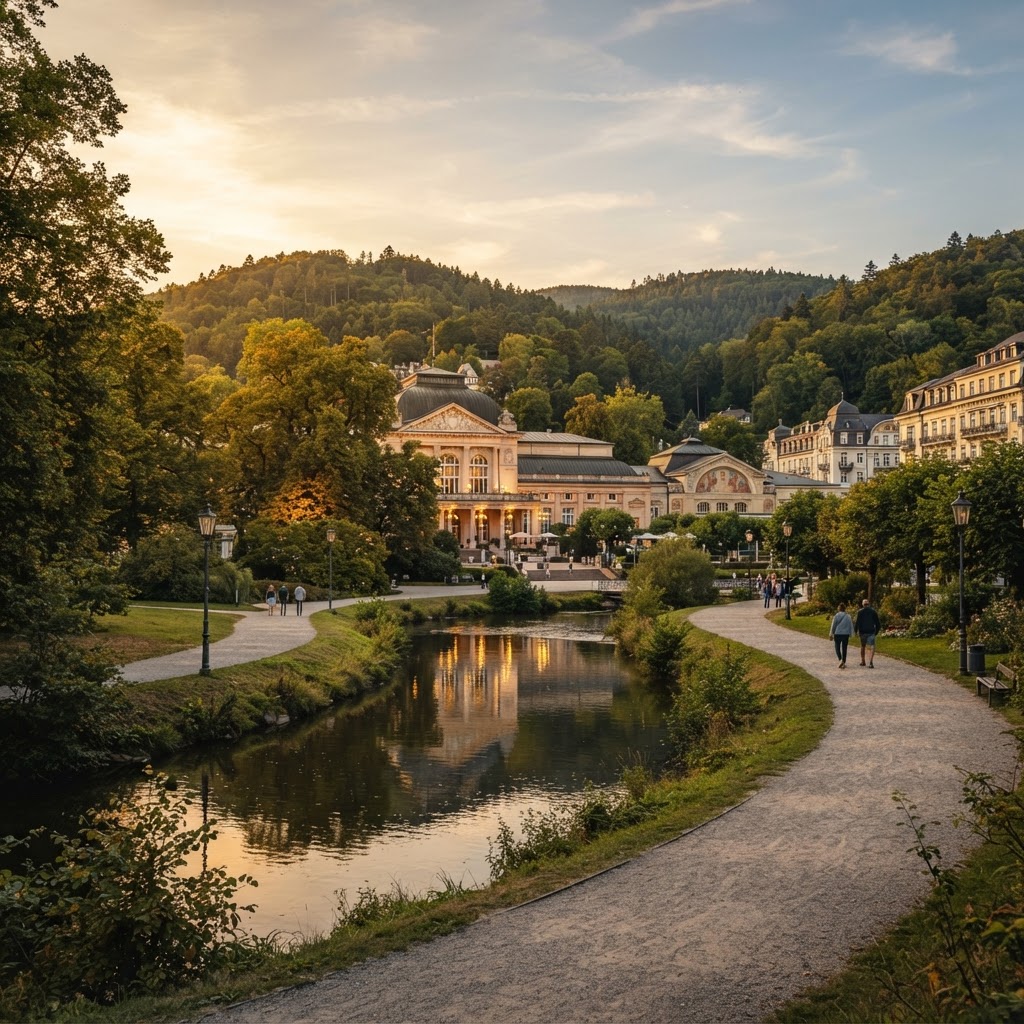
Germany
Baden-Baden
Thermal waters, Belle Époque grandeur, and unhurried woodland walks in the Black Forest foothills.
Plan & book
Sort your Baden-Baden trip in one place.
We point you to the booking tools we'd actually use — live prices, no markup. Or let us build the day-by-day plan around you first, then book.
Baden-Baden is Europe's quintessential 19th-century summer capital, built around natural mineral springs, grand neoclassical bathhouses, and groomed riverside promenades. Nestled against the northern edge of the Black Forest, it balances old-world resort sophistication with easy access to high-canopy hiking trails.
3 days
Best time
Late April to May and September to October deliver optimal weather and peak beauty.
Build your own trip with these prebuilt itineraries
Each one is a tested, day-by-day plan for Baden-Baden — start here, then make it yours.
3 Days in Baden-Baden: Classic Highlights & Forest Panoramas in Baden-Baden
Comprehensive first-timer exploration spanning bathhouse culture, Merkurberg views, and cultural landmarks
4 Days of Spa Relaxation & Black Forest Trail Hikes in Baden-Baden
Active nature retreat combining Battert rock hiking and Panoramaweg walks with deep thermal recovery
2 Days of Thermal Wellness & Belle Époque Glamour in Baden-Baden
Historic thermal baths, classic Kurhaus elegance, and Lichtentaler Allee strolls
Go for genuine hydrotherapy culture where 2,000 years of thermal bath tradition meets preserved Belle Époque architecture. You can experience the Roman-Irish bathing ritual at Friedrichsbad, attend opera at Germany's largest concert hall, and stroll miles along the Lichtentaler Allee without needing a vehicle.
Where to stay
Getting there
Getting around
Food & drink
What it costs
Things to do
Book tours & tickets in Baden-BadenSkip it if
Skip it if you are seeking high-energy nightlife, edgy youth culture, or a budget backpacker scene; the town's rhythm is quiet, restorative, and tailored to mature travelers.
When to go
Spring brings azalea and rhododendron blooms along Lichtentaler Allee without summer's stifling midday heat, while early autumn coats the surrounding Black Forest ridges in gold and keeps bathhouse crowds manageable.
Peak (May–September & December)
Warm patio weather, active festival programming, and a magical December Christmas Market around the Kurhaus, but expect premium room rates and crowded spa pools.
Shoulder (April & October)
Crisp walking weather, glorious foliage, and moderate hotel rates; ideal for pairing morning forest hikes with afternoon mineral soaks.
Low (January–March)
Cold and quiet with short daylight hours, but bathhouses feel wonderfully restorative and high-end hotels offer their sharpest value.
Neighborhoods
Where you stay shapes the trip. Here's how to think about it.
Altstadt & Kurviertel
Grand Belle Époque promenade culture anchored by thermal spring pavilions, neo-Renaissance facades, and open-air cafés.
Best for:First-timers, architecture buffs, and spa-goers who want everything within a 10-minute walk.
Don't miss:The 90-meter open-air colonnade and 19th-century frescoes at the Trinkhalle before stepping into the Kurhaus grounds.
Bäderviertel
Quiet, steamy historic spa enclave nestled uphill behind the marketplace with cobblestone lanes.
Best for:Wellness pilgrims prioritizing traditional bathhouse rituals and peaceful evenings.
Don't miss:The 17-step Roman-Irish bathing cycle under the ornate central dome inside Friedrichsbad.
Lichtental
Gentile, leafy residential pocket bookending the south end of the town's famous riverside parkway.
Best for:Repeat visitors and walkers seeking manicured garden tranquility away from the tour bus drop-offs.
Don't miss:The 13th-century Cistercian Kloster Lichtenthal and the shaded rose beds in the Gönneranlage.
Weststadt
Contemporary, residential, and unpretentious district where everyday German municipal life plays out.
Best for:Budget-conscious travelers and self-catering stays looking for local bakeries and easy supermarket access.
Don't miss:Taking local bus lines directly toward the rail hub or picking up Black Forest regional produce at neighborhood bakeries.
Destination intelligence
Updated 9/14/2026The structured record we plan every Baden-Baden itinerary from.
Walkability
High in the historic center and along Lichtentaler Allee; hilly terrain once climbing toward Battert rocks or the castles.
Transit quality
High frequent bus network linking the outlying rail station, central squares, and the Merkur funicular.
Car needed
No for the town and baths; optional only if planning extensive driving loops deeper into rural Black Forest valleys.
Ideal duration
3 days
Minimum useful
1 day
Peak season
May to September and December (Christmas Market season)
Shoulder season
April and October (exceptional autumn foliage)
Low season
January through March
Best for
Common mistakes
- Booking lodging near Baden-Baden Bahnhof assuming it is central; the station is roughly 5 kilometers northwest of the historic town core.
- Showing up to Friedrichsbad expecting swimwear; the bath is strictly textile-free with designated co-ed days.
- Renting a car to stay exclusively within town; parking is costly and the entire central valley is walkable or served by bus.
- Skipping the Kurhaus casino tour in the morning because you do not intend to gamble in the evening.
Best nearby
How to plan it
- Base yourself within a 10-minute walk of Leopoldsplatz or Augustaplatz to skip taxis and transit after long spa sessions.
- Pair Baden-Baden with Strasbourg, France—the French border is just 15 minutes away, and regional trains make it an easy 45-minute excursion.
- Do not attempt Caracalla Therme on rainy weekend afternoons unless you enjoy waiting in long lobby queues for locker bands; go right at 8:00 AM opening instead.
- Book tickets for Festspielhaus opera and philharmonic performances at least 4 to 8 weeks in advance, especially during seasonal festival weekends.
- Reserve an afternoon for the MerkurBergbahn funicular only on a clear day; cloud cover robs you of the sweeping panoramic view across the Rhine valley to the French Vosges.
Questions
More in Germany
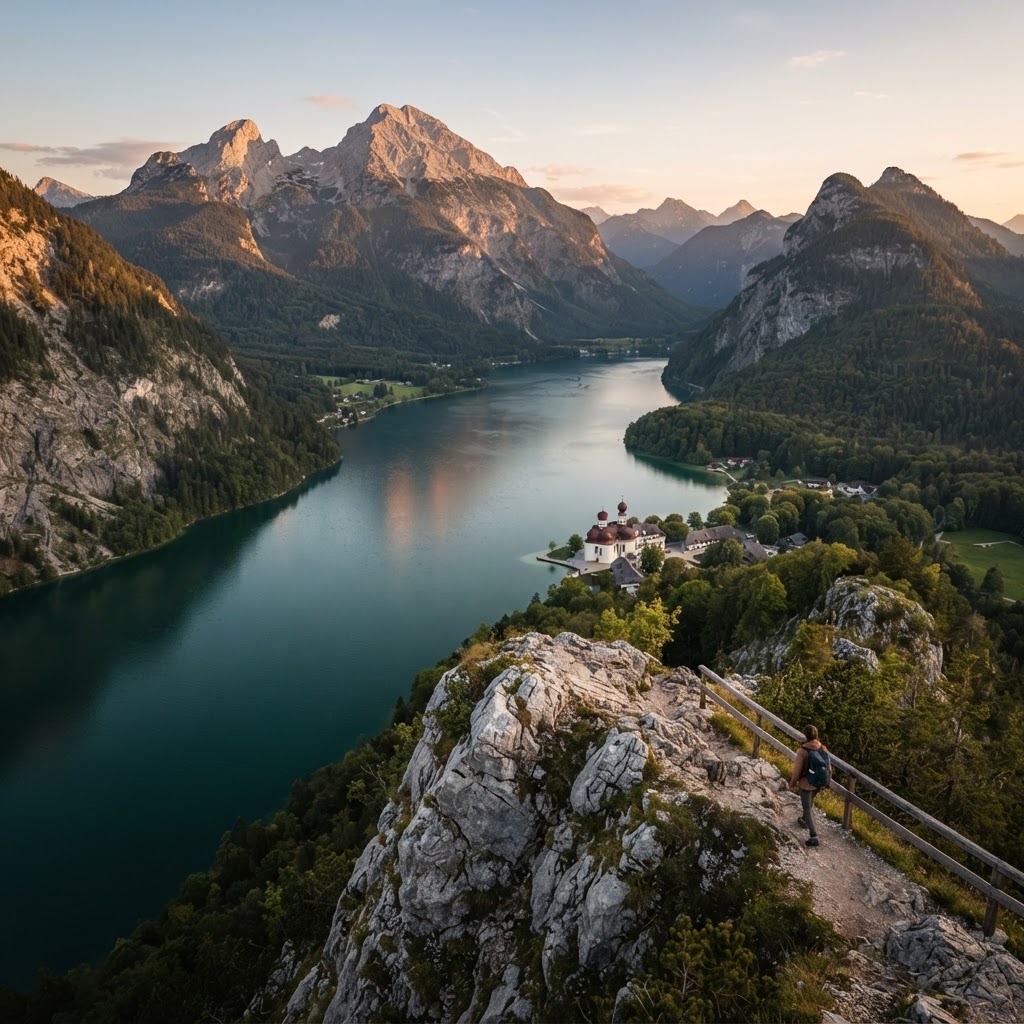
Berchtesgaden, Germany
Germany
Fjord-like alpine lakes, haunting WW2 history, and serious summit trails on the Austrian frontier.
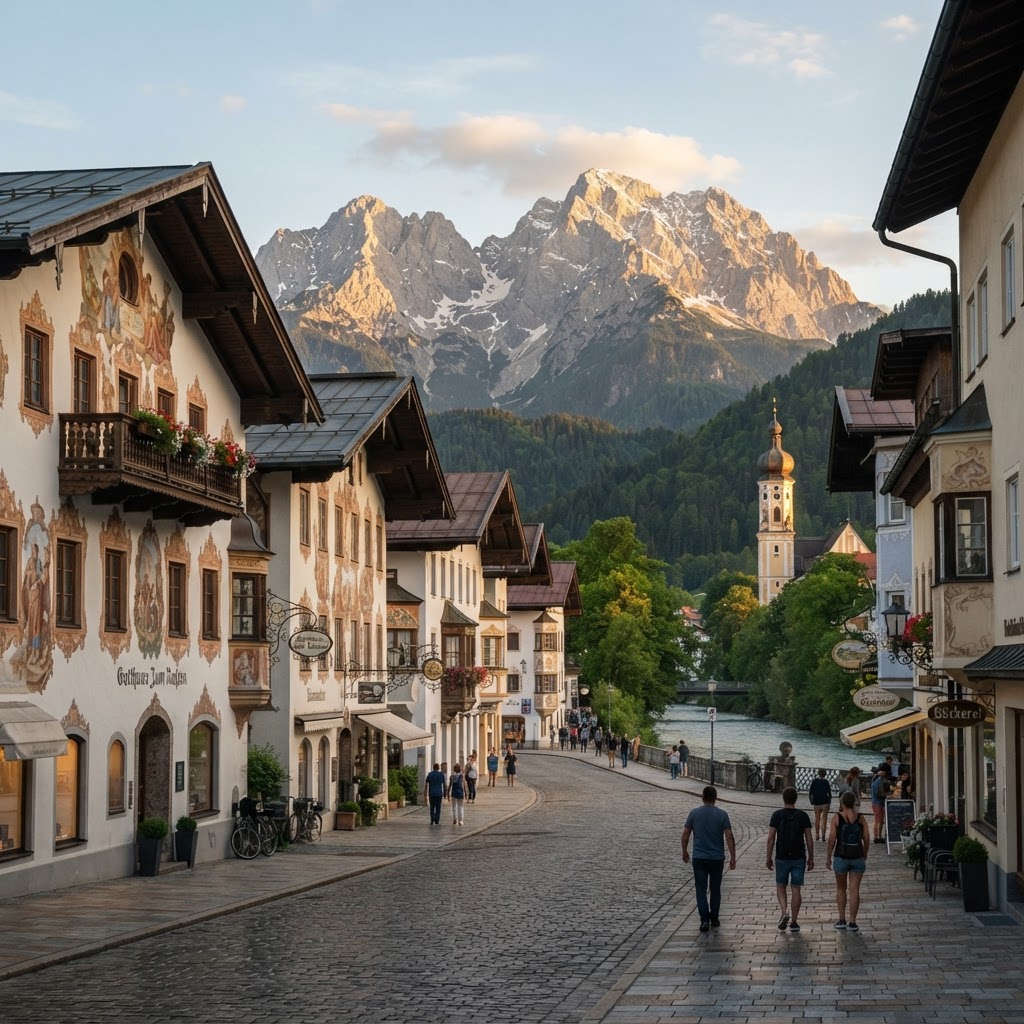
Garmisch-Partenkirchen
Germany
Twin alpine towns beneath Germany's highest peaks, balancing rugged gorges with frescoed taverns.
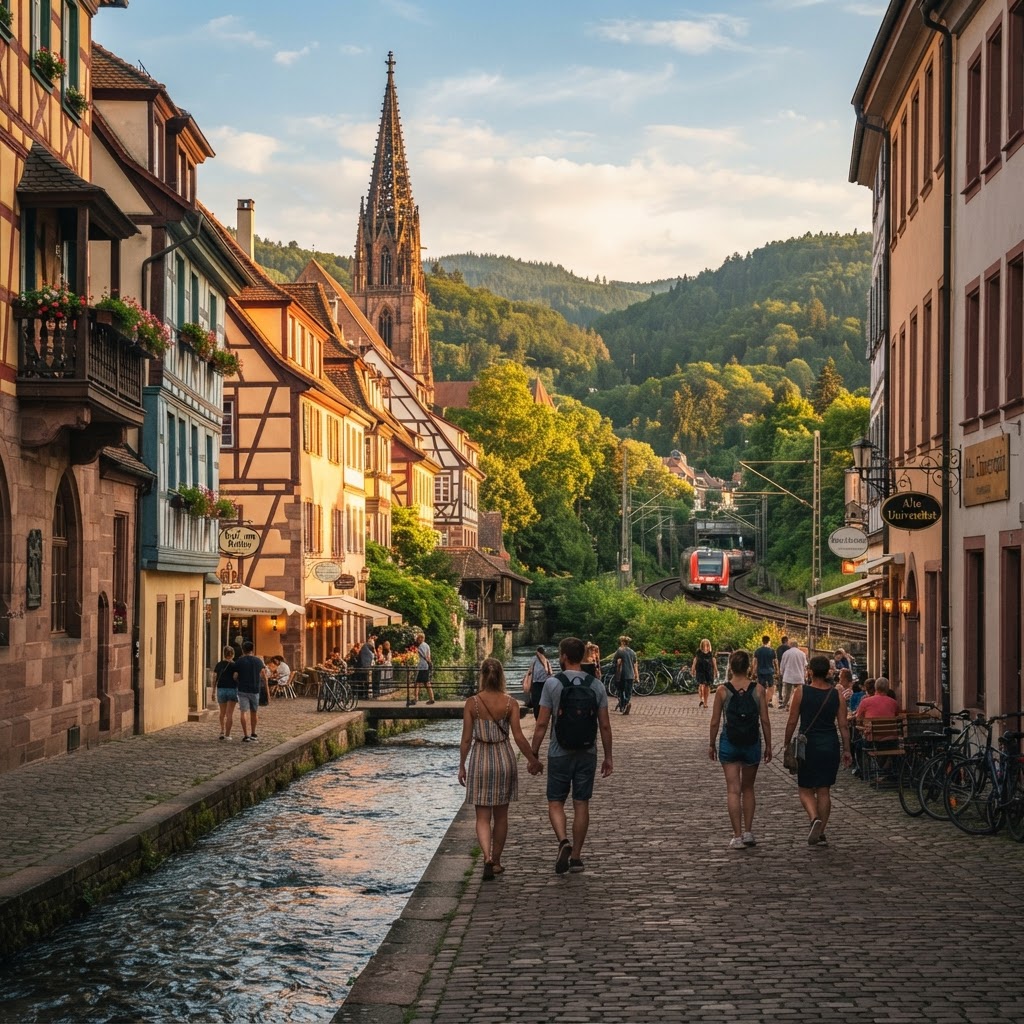
Freiburg im Breisgau, Germany
Germany
Sun-drenched university streets, medieval canals, and the direct railway gate into the Black Forest.
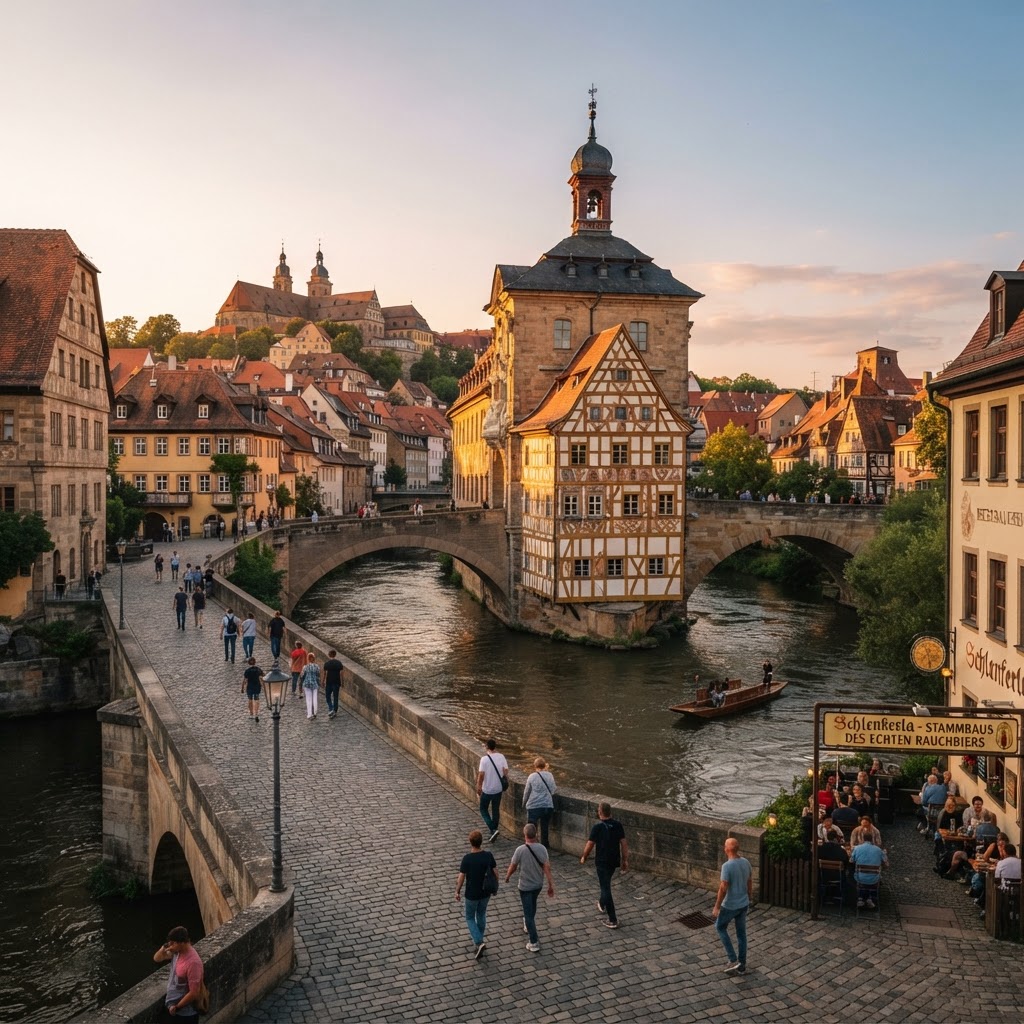
Bamberg
Germany
Centuries of untouched medieval architecture fueled by beechwood-smoked beer
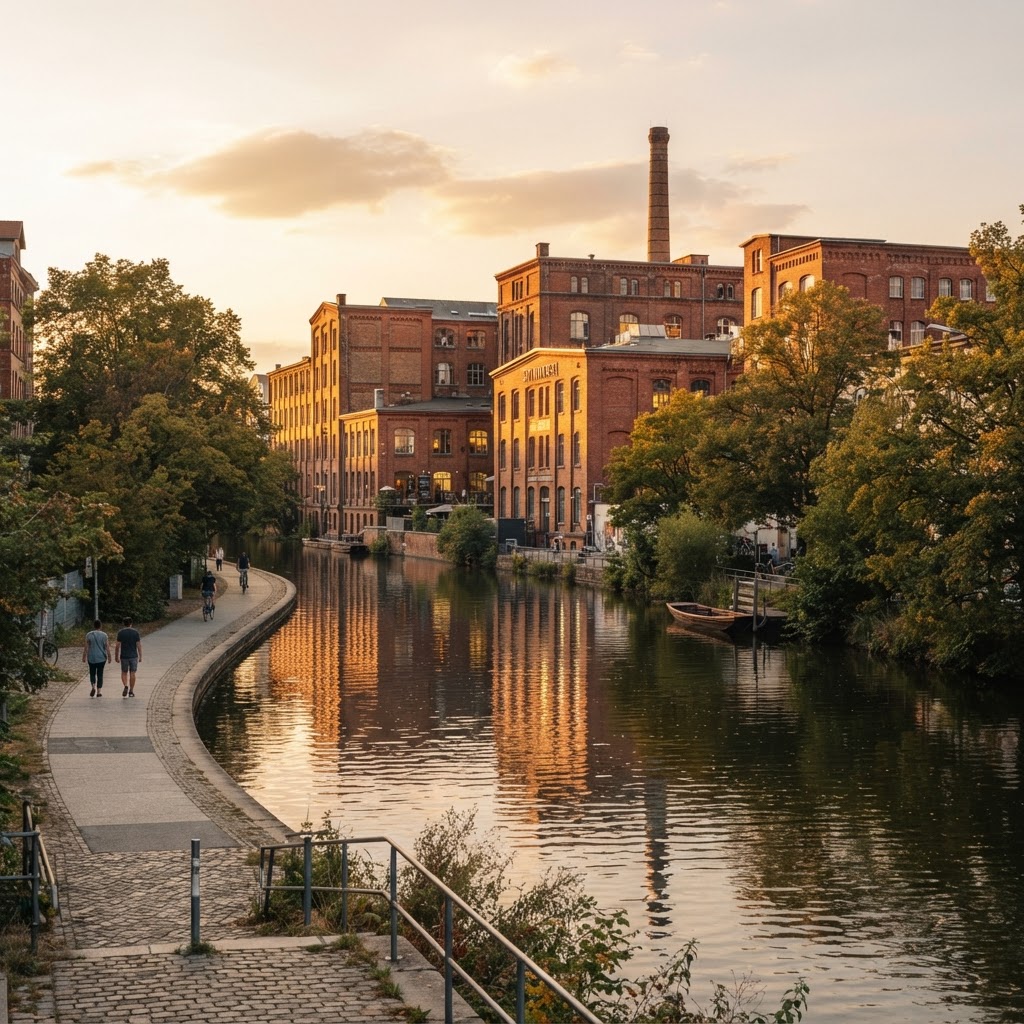
Leipzig
Germany
Industrial grit turned creative powerhouse with peerless musical heritage and quiet canals.
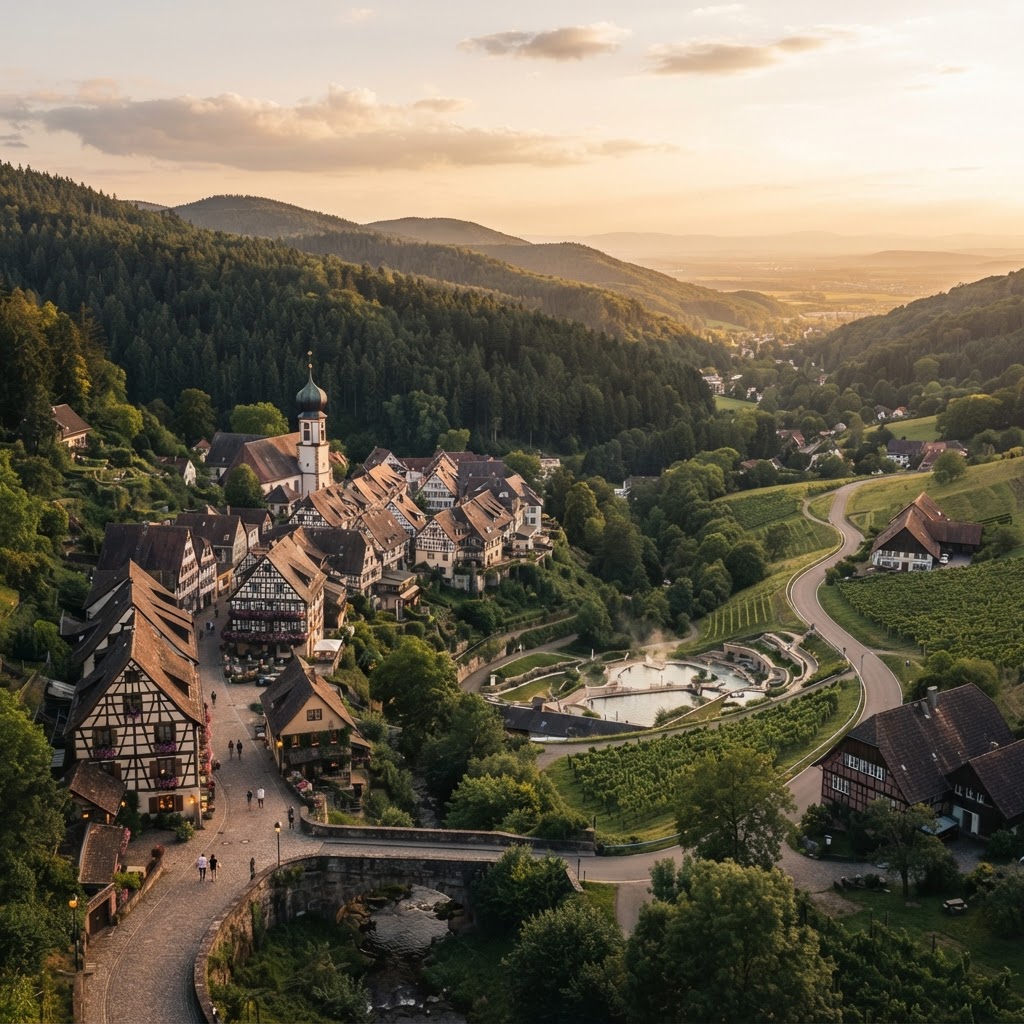
Black Forest, Germany
Germany
Dense spruce ridges, timbered market towns, and restorative thermal waters along the Rhine valley.
Readymade itineraries
Start from a tested template — then make it yours.
Ready to book
Lock in your Baden-Baden trip
Everything in one place. We may earn a small commission — it never costs you more.
Plan a trip to Baden-Baden
Pick a length and we'll build a day-by-day plan around how you travel — neighborhoods clustered, budget-aware, and editable.
Get better at planning trips like this
Occasional notes on planning smarter — no spam, unsubscribe anytime.
Plan a trip to Baden-Baden
Turn this guide into a day-by-day plan built around your pace, your group, and your budget.
Build my Baden-Baden trip