Germany
Bamberg
Centuries of untouched medieval architecture fueled by beechwood-smoked beer
Plan & book
Sort your Bamberg trip in one place.
We point you to the booking tools we'd actually use — live prices, no markup. Or let us build the day-by-day plan around you first, then book.
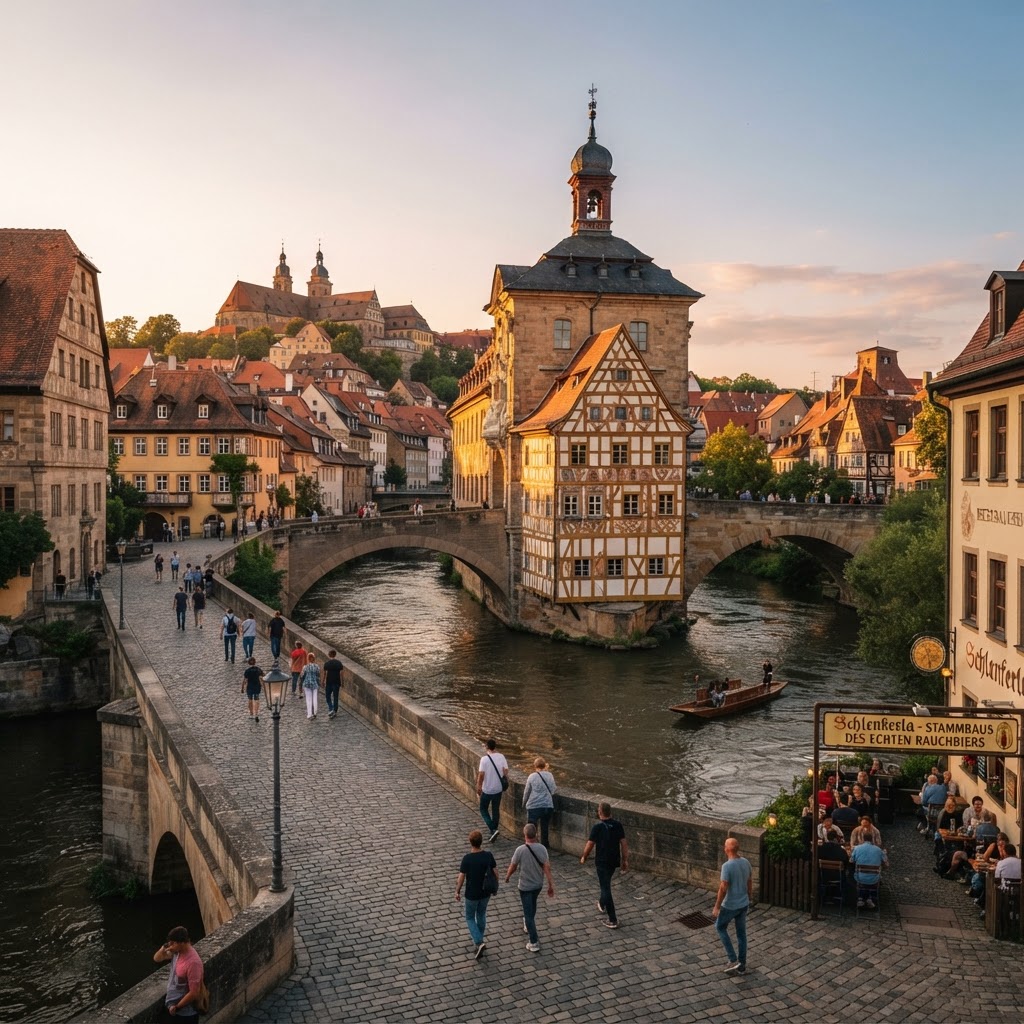
Escaping World War II air raids virtually unscathed, Bamberg preserves an authentic medieval and baroque urban fabric that many larger German cities had to reconstruct. Spread across seven hills, island districts, and market gardens along the Regnitz River, this Franconian jewel blends an active university culture with living brewing traditions dating back over half a millennium.
2 days
Best time
May to June or September to early October for prime beer-cellar weather without midsummer tour bus density.
Build your own trip with these prebuilt itineraries
Each one is a tested, day-by-day plan for Bamberg — start here, then make it yours.
3 Days in Bamberg: Franconian Baroque & Hill Country in Bamberg
A leisurely stay combining imperial baroque palaces and cathedral hill treasures with hikes out to Altenburg castle and riverside paths
2 Days in Bamberg: Medieval Highlights & Evenings in Bamberg
First-time overview exploring the unbombed medieval Altstadt, cathedral quarter, and atmospheric evening taverns after day-trippers depart
1 Day in Bamberg: The Smokebeer & Historic Brewpubs Tour in Bamberg
A focused walking crawl dedicated to traditional Rauchbier, historic brauerei taverns, and local Franconian beer culture
Bamberg offers an extraordinary density of architectural heritage alongside Europe's most distinct brewing subculture. The town's historic core is an authentic UNESCO World Heritage ensemble featuring the gothic Bamberger Dom, the iconic Altes Rathaus perched over the river, and neighborhood brewhouses serving unfiltered Rauchbier directly from oak casks. It provides an unvarnished taste of Franconian life without the museum-like sterility of heavily touristed alternatives.
Where to stay
Getting there
Getting around
Food & drink
What it costs
Things to do
Book tours & tickets in BambergSkip it if
Travelers requiring high-energy metropolitan nightlife, luxury chain hotels with 24-hour full-service amenities, or those who find steep cobblestone walks physically challenging.
When to go
Summer brings maximum day-trip crowds off river cruises, while the hillside Bierkeller (beer gardens) hit peak operation. May and September deliver comfortable walking temperatures across the seven hills, open beer gardens, and manageable evening table availability without peak hotel surcharges.
Peak (June to August & December)
Expect heavy crowds along the bridges and Untere Sandstraße in summer, while December fills Maximiliansplatz with Franconian Christmas market stalls. Book rooms 2 to 3 months ahead.
Shoulder (April to May & September to October)
The smartest balance: crisp walking conditions, blooming roses at the New Residence in June, harvest menus, and outdoor beer cellar season launching on the surrounding hillsides.
Low (January to March)
Quiet streets and bargain lodging, but outdoor beer cellars are closed and raw, freezing Franconian humidity makes uphill cobblestone treks brisk. Cozy wood-paneled taverns compensate.
Neighborhoods
Where you stay shapes the trip. Here's how to think about it.
Bergstadt (Hill Town)
Steep cobblestone lanes dominated by massive Romanesque sandstone towers, baroque palaces, and monastery vineyards.
Best for:History buffs, architecture purists, and travelers who prioritize quiet evening streets over night-owl dining.
Don't miss:The 13th-century stone Bamberg Horseman (Bamberger Reiter) inside the imperial Cathedral and the sweeping rooftop terrace of the Rosengarten at the Neue Residenz.
Inselstadt (Island City)
Buzzing merchant quarter pinned between two arms of the Regnitz River, blending shopping streets with canal-spanning bridges.
Best for:First-timers wanting quick walking access to bakeries, daily open-air markets, and transit links.
Don't miss:Crossing the Geyerswörthsteg footbridge for the classic postcard angle of the frescoed Altes Rathaus suspended directly over the rushing river rapids.
Sandgebiet (Sand District)
Spirited tavern alleyway where medieval half-timbered taverns meet an energetic local student crowd late into the night.
Best for:Craft and historic beer enthusiasts, casual dining, and travelers who want walkable evening energy.
Don't miss:Grabbing an unhurried wooden table at Schlenkerla on Dominikanerstraße to drink beechwood-smoked Aecht Schlenkerla Rauchbier straight from the wooden cask.
Gärtnerstadt (Market Gardeners' District)
Expansive agricultural pockets preserved inside city borders since the Middle Ages, marked by historic single-story farmsteads.
Best for:Repeat visitors, culinary geeks, and travelers seeking quiet, authentic residential Franconia away from tour buses.
Don't miss:The Gärtner- und Häckermuseum to understand how heritage crops like the local knobbly Bamberger Hörnla potato survived industrialization.
Destination intelligence
Updated 9/14/2026The structured record we plan every Bamberg itinerary from.
Walkability
High
Transit quality
Moderate
Car needed
No
Ideal duration
2 days
Minimum useful
1 day
Peak season
June through August, plus the December Christmas Market season
Shoulder season
April to May and September to October
Low season
January through March
Best for
Common mistakes
- Attempting to drive or park directly in the medieval core; parking garages sit on the perimeter and streets are strictly regulated.
- Visiting only on a rapid day trip from Nuremberg, missing the magical evening quiet when bus tours leave and the taprooms fill with locals.
- Expecting hotel elevators and late-night reception desks in heritage guesthouses; many operate with automated lockboxes or early cutoff check-ins.
Best nearby
How to plan it
- Stay in Inselstadt or right at the foot of the Sandgebiet to ensure your entire trip is walkable without dragging luggage up cobblestone hills.
- Pair Bamberg with Nuremberg (40 minutes south by train) or Würzburg (55 minutes west) rather than attempting a hurried day trip from Munich.
- Do not try to hike from the Cathedral to Altenburg Castle on foot if your energy is flagging; take a 10-minute taxi up and enjoy the gravity-assisted descent through the hillside orchards.
- Hit the Geyerswörthsteg bridge and Klein Venedig riverbank between 7:30 AM and 9:00 AM before tour bus groups arrive around 10:00 AM.
- Schedule your climb to Michaelsberg Abbey specifically for late afternoon to catch the sunset light washing over the baroque roofline and terraced gardens.
Questions
More in Germany
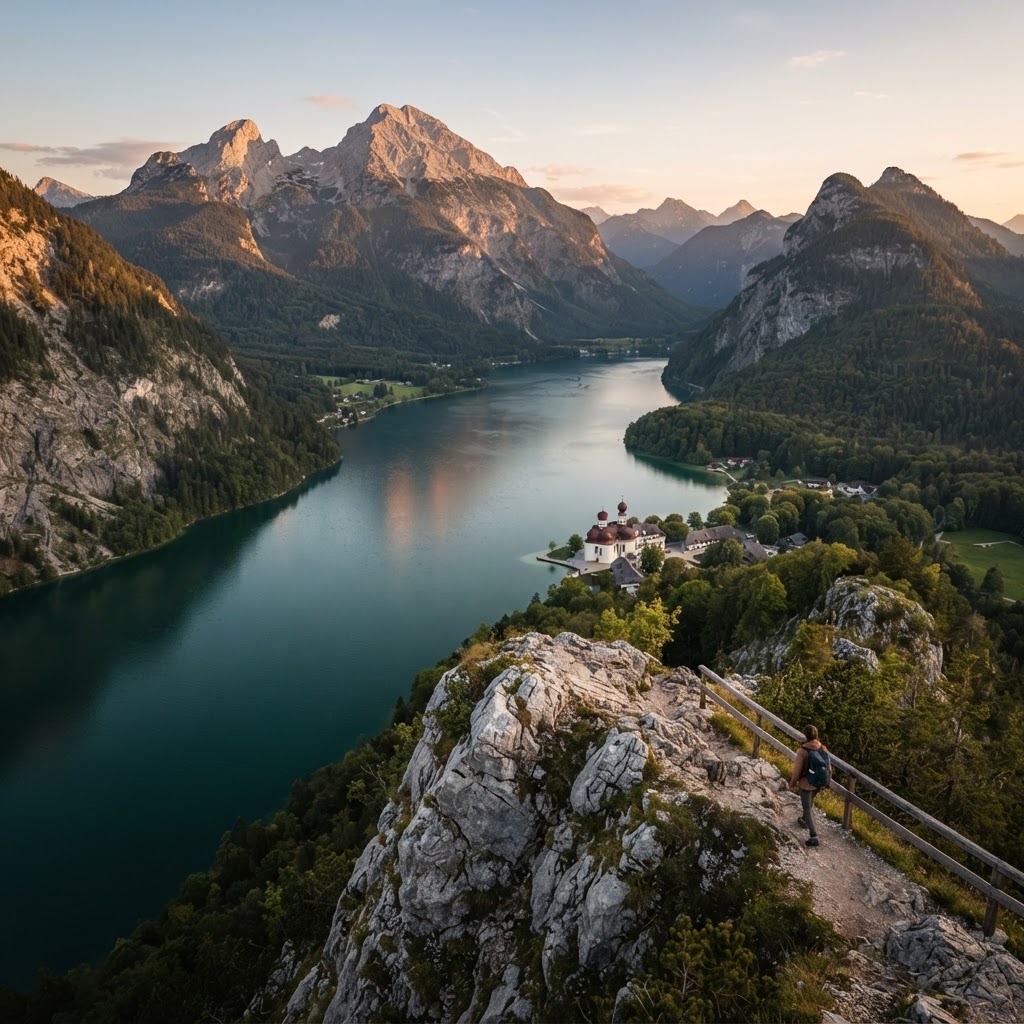
Berchtesgaden, Germany
Germany
Fjord-like alpine lakes, haunting WW2 history, and serious summit trails on the Austrian frontier.
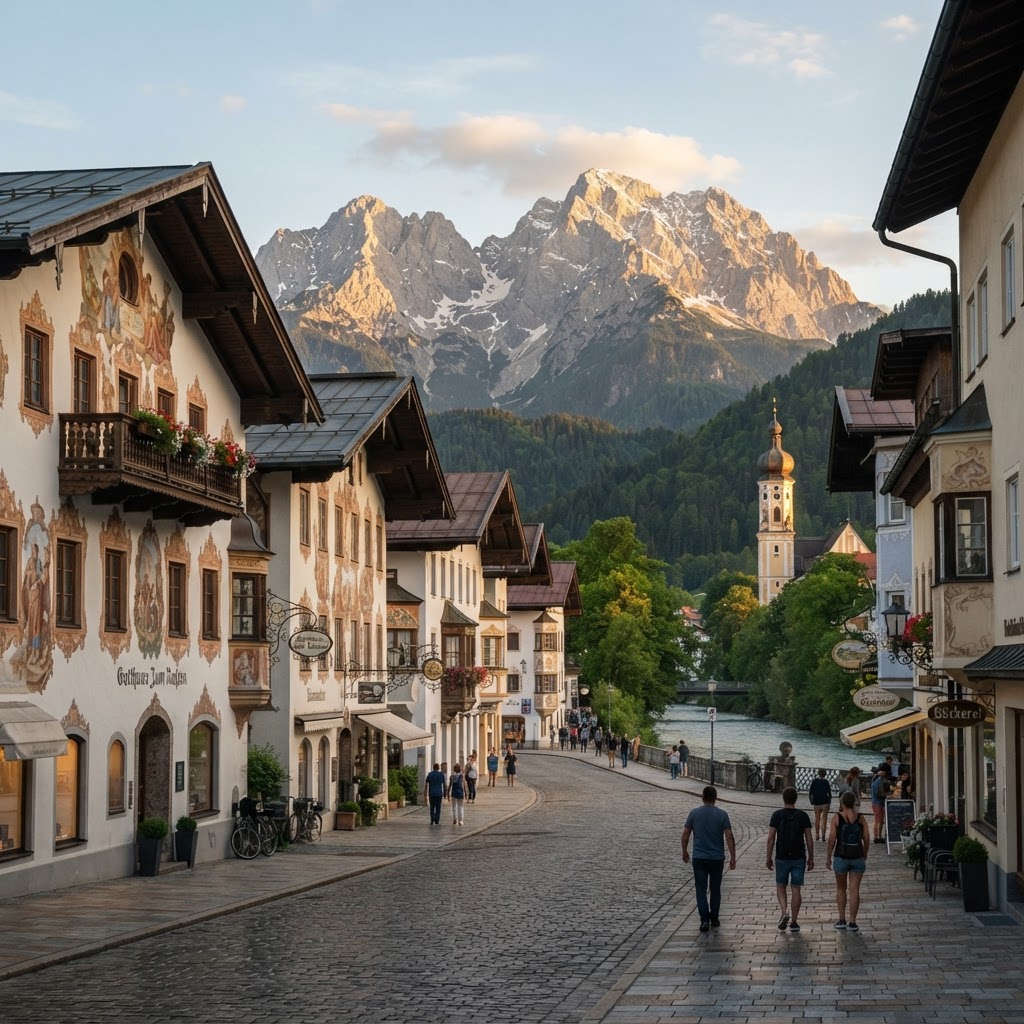
Garmisch-Partenkirchen
Germany
Twin alpine towns beneath Germany's highest peaks, balancing rugged gorges with frescoed taverns.
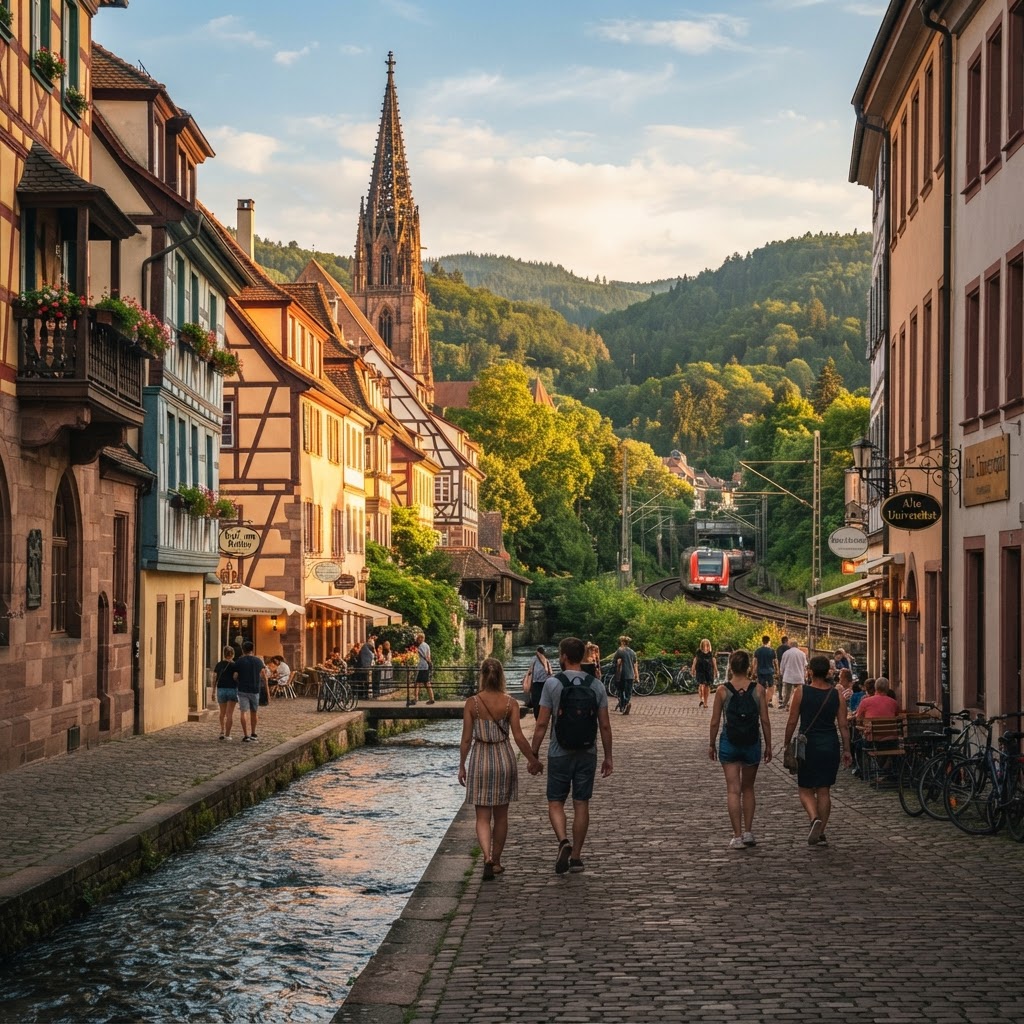
Freiburg im Breisgau, Germany
Germany
Sun-drenched university streets, medieval canals, and the direct railway gate into the Black Forest.
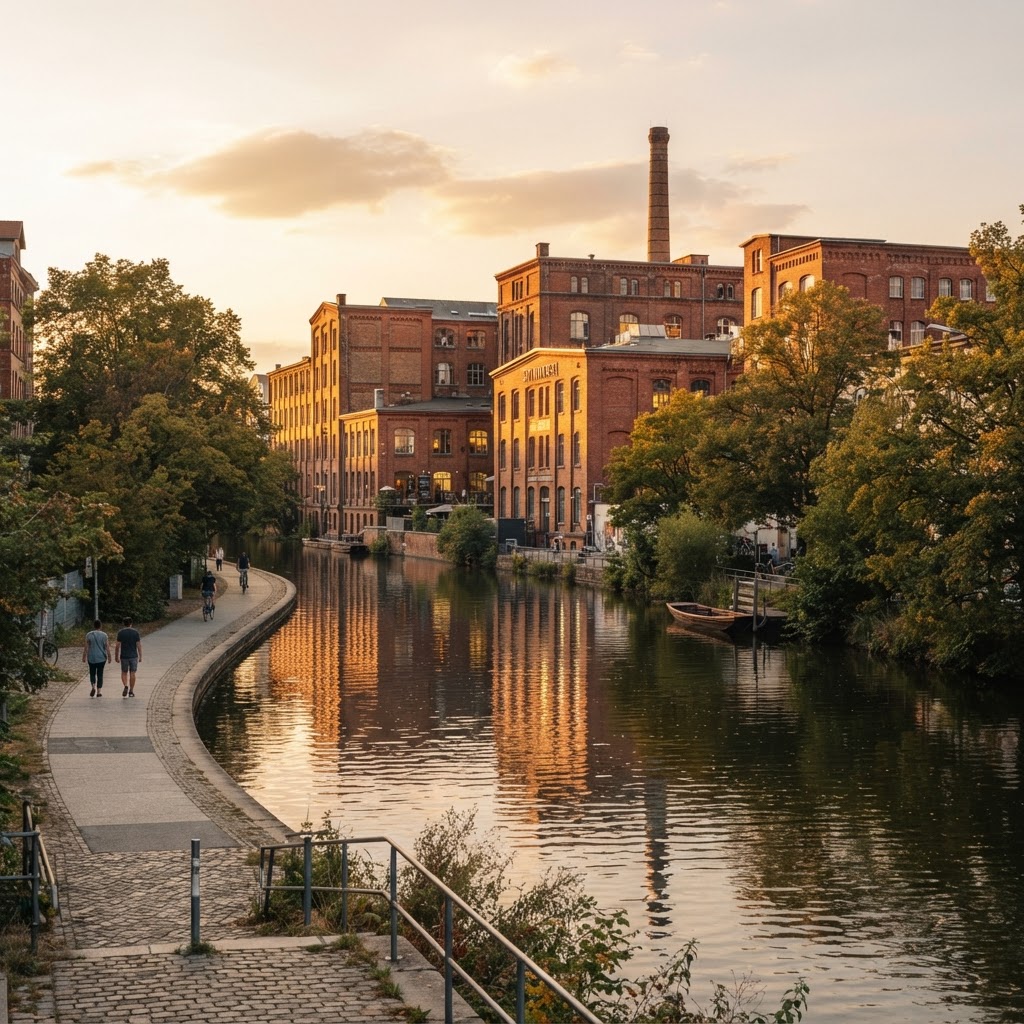
Leipzig
Germany
Industrial grit turned creative powerhouse with peerless musical heritage and quiet canals.
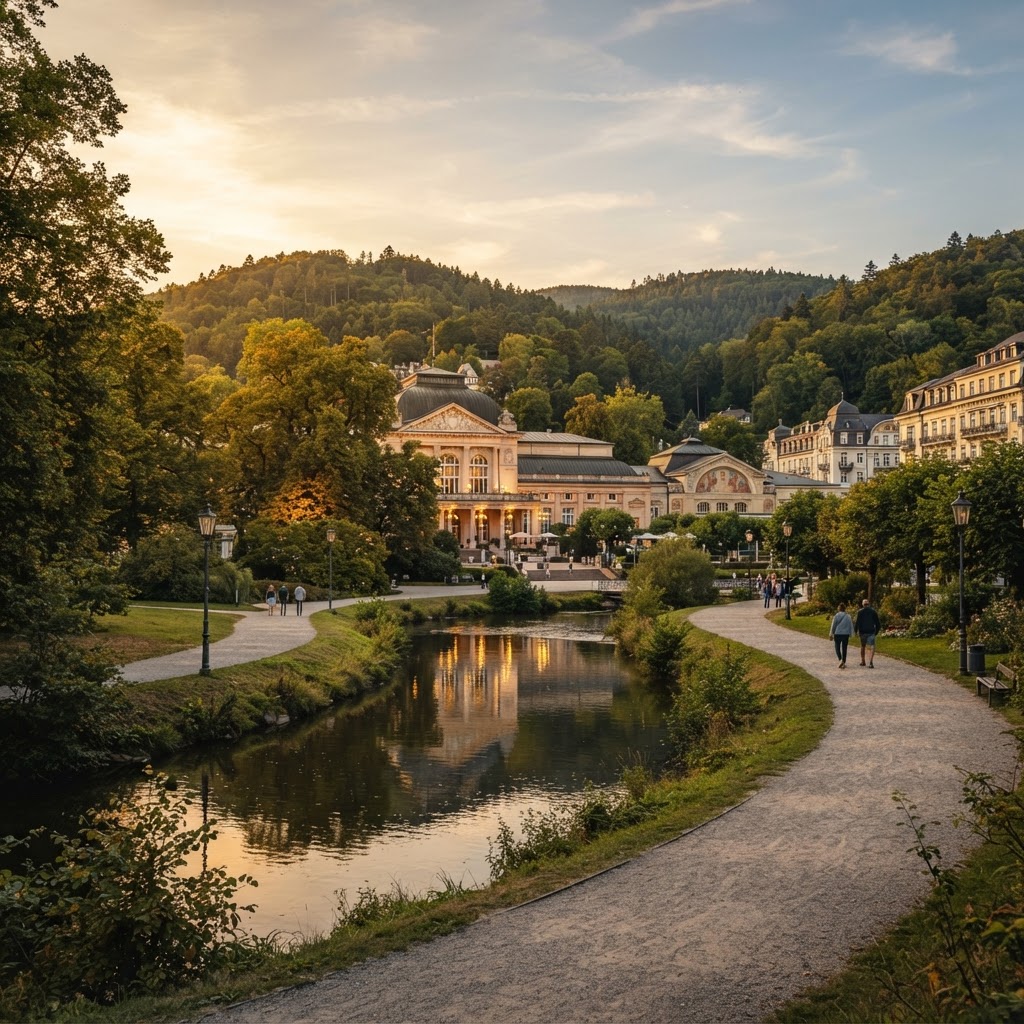
Baden-Baden
Germany
Thermal waters, Belle Époque grandeur, and unhurried woodland walks in the Black Forest foothills.
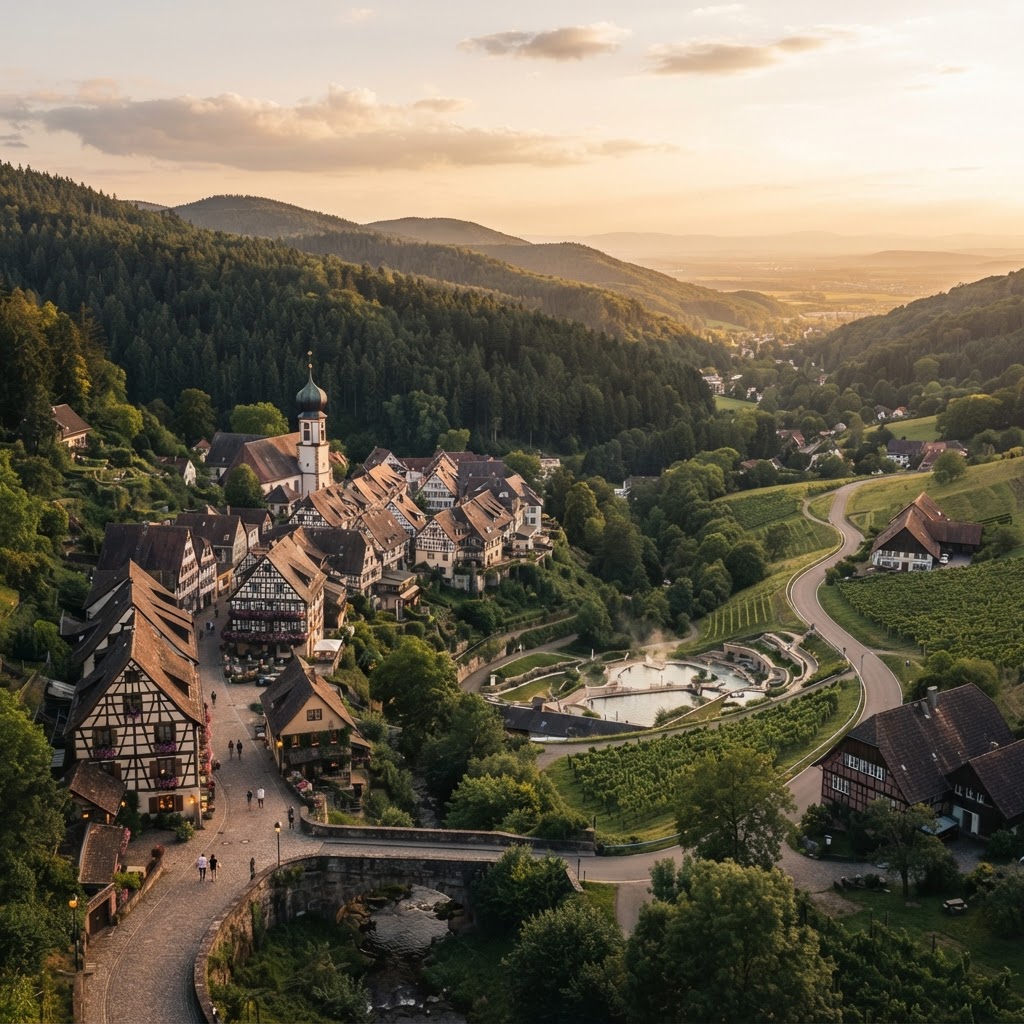
Black Forest, Germany
Germany
Dense spruce ridges, timbered market towns, and restorative thermal waters along the Rhine valley.
Readymade itineraries
Start from a tested template — then make it yours.
Ready to book
Lock in your Bamberg trip
Everything in one place. We may earn a small commission — it never costs you more.
Plan a trip to Bamberg
Pick a length and we'll build a day-by-day plan around how you travel — neighborhoods clustered, budget-aware, and editable.
Get better at planning trips like this
Occasional notes on planning smarter — no spam, unsubscribe anytime.
Plan a trip to Bamberg
Turn this guide into a day-by-day plan built around your pace, your group, and your budget.
Build my Bamberg trip