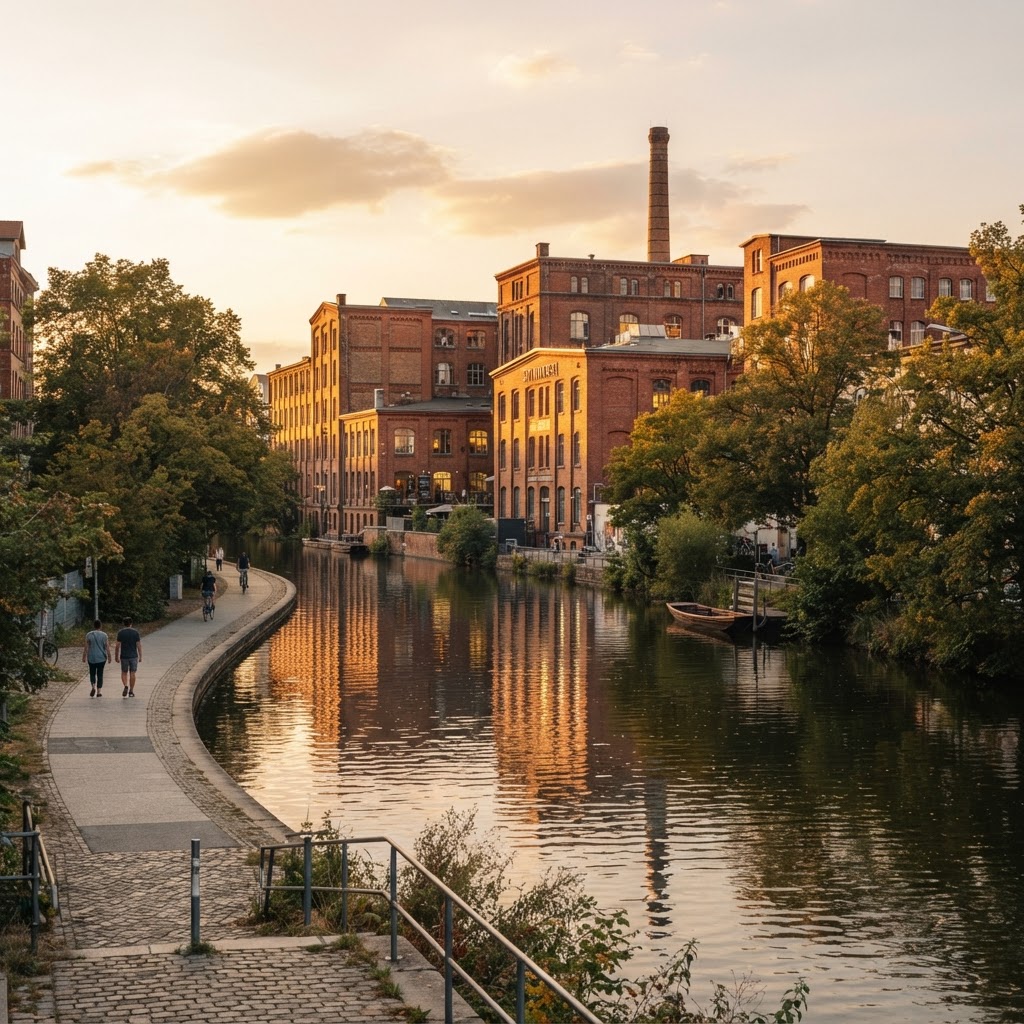
Germany
Leipzig
Industrial grit turned creative powerhouse with peerless musical heritage and quiet canals.
Plan & book
Sort your Leipzig trip in one place.
We point you to the booking tools we'd actually use — live prices, no markup. Or let us build the day-by-day plan around you first, then book.
Leipzig sits barely an hour southwest of Berlin by rail, yet operates at its own deliberate tempo. Historically a titan of European trade fairs, classical music, and book publishing, the city also sparked the peaceful revolution of 1989 that toppled the Berlin Wall. Today, Leipzig pairs grand Renaissance passages and Bach's St. Thomas Church with an energetic post-industrial counterculture centered around repurposed brick cotton mills in Plagwitz and late-night bistros along the Karl-Liebknecht-Straße.
3 days
Best time
May to June and September to early October
Build your own trip with these prebuilt itineraries
Each one is a tested, day-by-day plan for Leipzig — start here, then make it yours.
5 Days in Leipzig: Green Canals & Industrial Arts in Leipzig
An immersive deep dive exploring neighborhood subcultures, canal kayaking, cycling green corridors, and the Spinnerei arts scene
2 Days in Leipzig: Bach & Musical Heritage in Leipzig
A focused pilgrimage through sacred spaces, concert halls, and composers' quarters centered on Bach, Mendelssohn, and classical history
3 Days in Leipzig: Classic Culture & Post-Industrial Cool in Leipzig
The definitive first-timer balance of historic musical landmarks inside the ring road and post-industrial art hubs like Plagwitz
Go for a rare German urban balance: world-class musical institutions like the Gewandhausorchester and St. Thomas Boys Choir set against a progressive cultural scene thriving inside colossal industrial ruins like the Baumwollspinnerei. It offers Berlin's creative vitality with significantly better walkability, cleaner public transit, and a dense network of navigable canals and riverside parks.
Where to stay
Getting there
Getting around
Food & drink
What it costs
Things to do
Book tours & tickets in LeipzigSkip it if
Skip Leipzig if your priority is medieval fairy-tale timber frames or alpine scenery, as Leipzig is an imposing, industrial-and-classical Saxon metropolis characterized by 19th-century Gründerzeit architecture, wide boulevards, and sprawling former factory halls.
When to go
Late spring and early autumn deliver pleasant cycling temperatures and canal paddling without midsummer humidity or winter chill. Peak festival programming like Bachfest hits in June, making it the premier window for culture, provided you secure hotel rooms months early.
Peak (May–June, Sep–Oct & Dec)
Pleasant outdoor weather, open canal docks, and major cultural events (Bachfest in June; traditional Christmas market in December). Expect higher room rates and booked classical performances.
Shoulder (April & late October–November)
Crisp walking weather and rich foliage in Clara-Zetkin-Park with significantly lighter museum crowds, though outdoor dining and boat rentals begin closing down.
Low (January–March)
Overcast, damp, and cold with brief daylight hours, but ideal for uncrowded galleries at the Spinnerei and prime seat availability at the Gewandhaus.
Neighborhoods
Where you stay shapes the trip. Here's how to think about it.
Zentrum (Historic Center)
Car-free Renaissance passages, monumental squares, and classical music shrines wrapped inside the historic ring road.
Best for:First-timers, short stays, and classical music devotees wanting zero commute to concerts.
Don't miss:The Friday afternoon motet sung by the Thomanerchor at Thomaskirche, followed by a walk through the 16th-century arcades of Mädler Passage.
Plagwitz
Post-industrial red-brick factory conversions, tree-lined canals, indie galleries, and lingering third-wave espresso bars.
Best for:Art collectors, contemporary culture seekers, and travelers looking for an alternative neighborhood base.
Don't miss:Browsing the contemporary galleries at Spinnerei, then renting a canoe on Karl-Heine-Kanal directly from the docks.
Südvorstadt
Energetic university quarter anchored by student pubs, independent bookstores, and sidewalk dining down a broad central avenue.
Best for:Night owls, food enthusiasts, and travelers who prefer lively evening strolls over quiet museum corridors.
Don't miss:An evening crawl along Karl-Liebknecht-Straße (KarLi), starting with craft beer at feinkost and ending with late-night food.
Lindenau
Gritty, evolving theater district with unpolished artist workshops, offbeat community spaces, and corner cafes.
Best for:Budget travelers, adventurous urban explorers, and off-the-beaten-track wanderers.
Don't miss:Catching an independent production or contemporary dance performance at the LOFFT theatre complex in the former cotton mill district.
Gohlis
Stately residential enclave defined by leafy boulevards, neoclassical villas, and quiet historic beer gardens.
Best for:Families, architecture buffs, and travelers seeking an unhurried, upscale retreat.
Don't miss:An afternoon drink under the chestnut trees at Gosenschenke Ohne Bedenken, the city's historic tavern serving traditional sour Gose beer.
Destination intelligence
Updated 9/14/2026The structured record we plan every Leipzig itinerary from.
Walkability
Exceptional. The historic core inside the ring road is virtually car-free, while outward residential districts like Südvorstadt and Plagwitz are pedestrian-friendly and connected by flat green corridors.
Transit quality
High. The city runs a frequent, punctual network of trams and S-Bahn rail links operated by MDV/LVB, making it simple to transit across the city day and night.
Car needed
No. A private car is an expensive liability due to parking restrictions, pedestrian zones, and extensive cycling paths.
Ideal duration
3 days
Minimum useful
2 days
Peak season
May to June and September to October (warm weather, outdoor canal terraces, Bachfest in June) and December (renowned historic Christmas market).
Shoulder season
April and October to early November, offering mild walking temperatures, vibrant autumn foliage in Clara-Zetkin-Park, and fewer crowds in galleries.
Low season
January to March, bringing gray, damp weather and shorter daylight hours, though classical concert seasons and indoor museum spaces remain fully active.
Best for
Common mistakes
- Eating exclusively in Barfußgäßchen ('Barefoot Alley'), which is crowded with formulaic tourist pubs; head south to the KarLi or west to Karl-Heine-Strasse instead.
- Assuming the city shuts down outside the ring road, missing the canal culture and industrial revivals of Plagwitz and Lindenau.
- Renting a car, which is an active hindrance due to extensive pedestrian zones, ring-road traffic, and seamless tram connectivity.
- Forgetting that German retail shuts firmly on Sundays, leaving only the Leipzig Hauptbahnhof shopping complex open for necessities.
Best nearby
How to plan it
- Base yourself in Zentrum if walking to classical concerts and morning museums matters most; choose Plagwitz or Südvorstadt if you want craft coffee, canal walks, and local bars outside your door.
- Pair Leipzig with Berlin (75 minutes north by ICE) or Dresden (65 minutes east by train) for an easy multi-city rail itinerary across eastern Germany.
- Do not try to combine the Monument to the Battle of the Nations (Völkerschlachtdenkmal) and the Spinnerei gallery complex in the same morning; they sit on opposite sides of the city and each require at least half a day to explore properly.
- Book Gewandhaus concert seats and dinners at historic taverns like Auerbachs Keller 3 to 6 weeks in advance, especially during the autumn trade-fair weeks and December weekends.
Questions
More in Germany
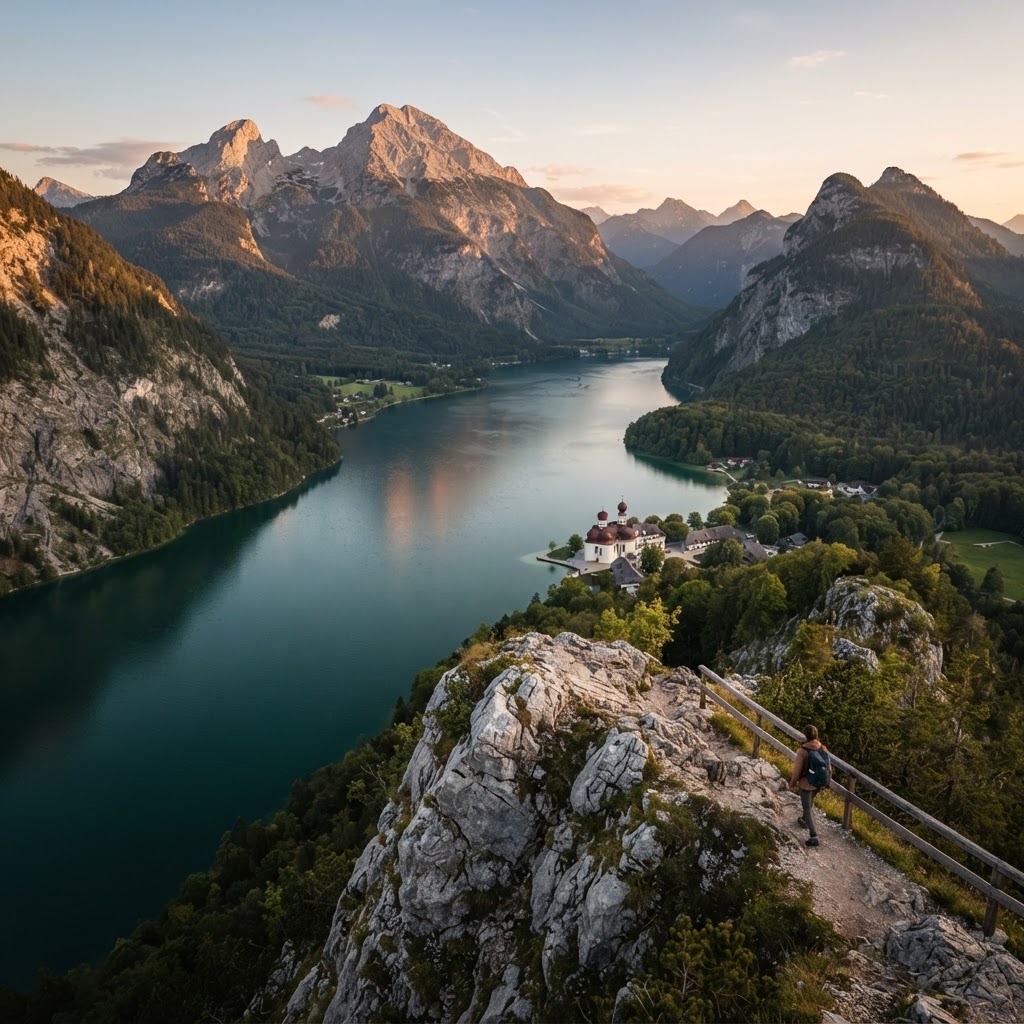
Berchtesgaden, Germany
Germany
Fjord-like alpine lakes, haunting WW2 history, and serious summit trails on the Austrian frontier.
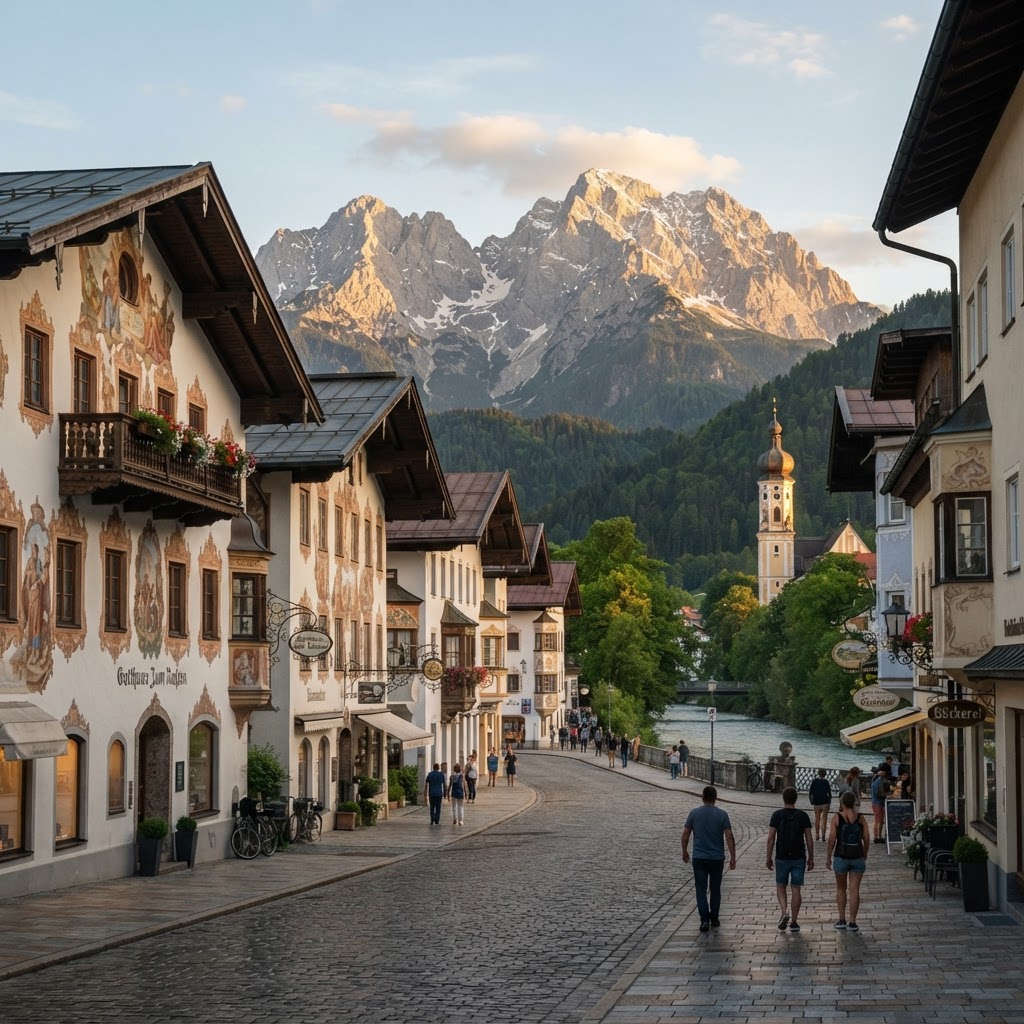
Garmisch-Partenkirchen
Germany
Twin alpine towns beneath Germany's highest peaks, balancing rugged gorges with frescoed taverns.
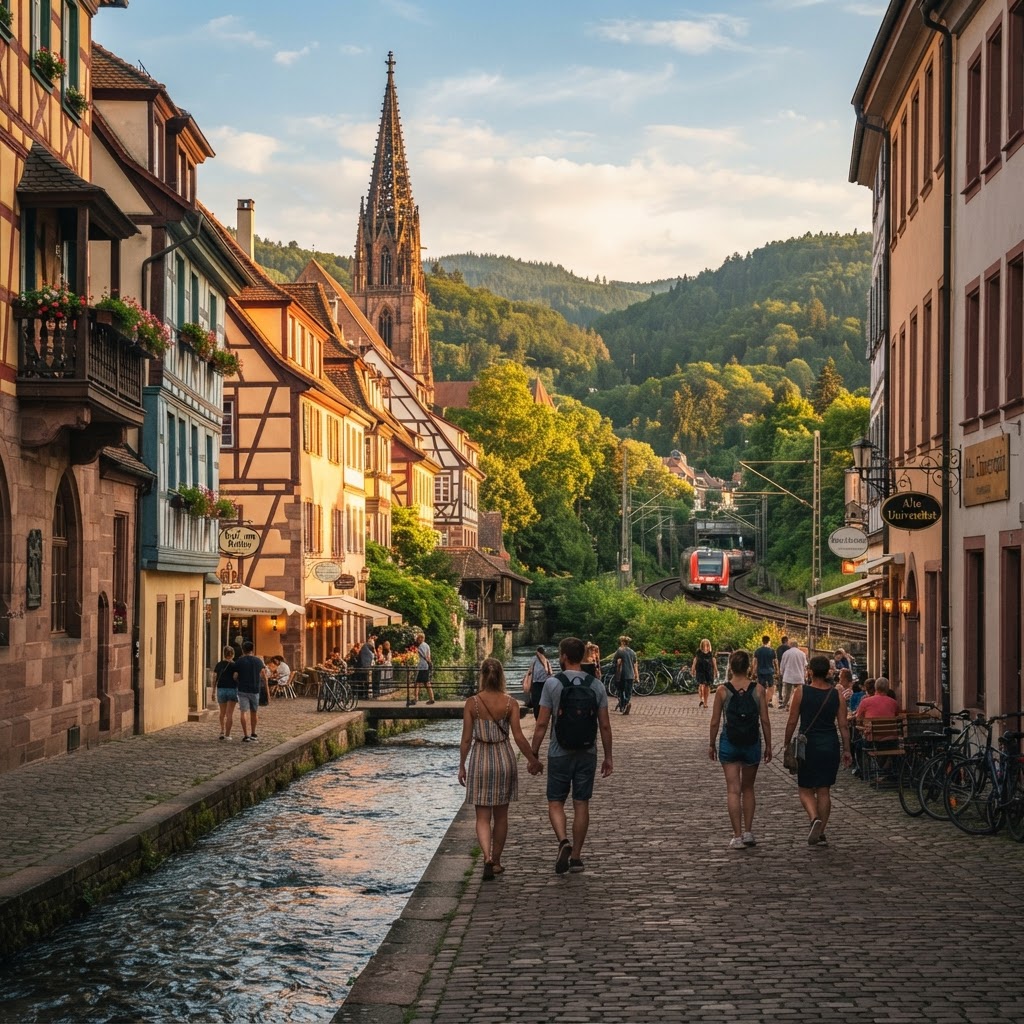
Freiburg im Breisgau, Germany
Germany
Sun-drenched university streets, medieval canals, and the direct railway gate into the Black Forest.
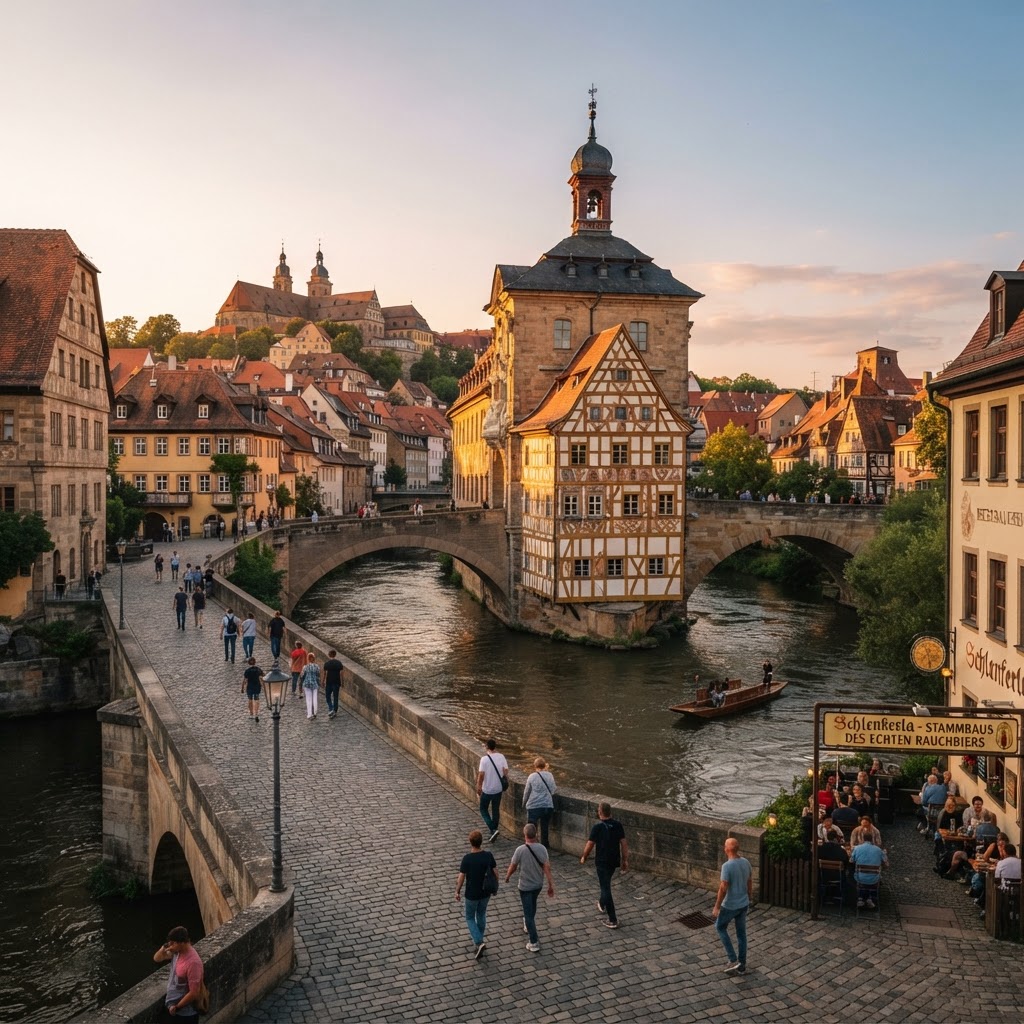
Bamberg
Germany
Centuries of untouched medieval architecture fueled by beechwood-smoked beer
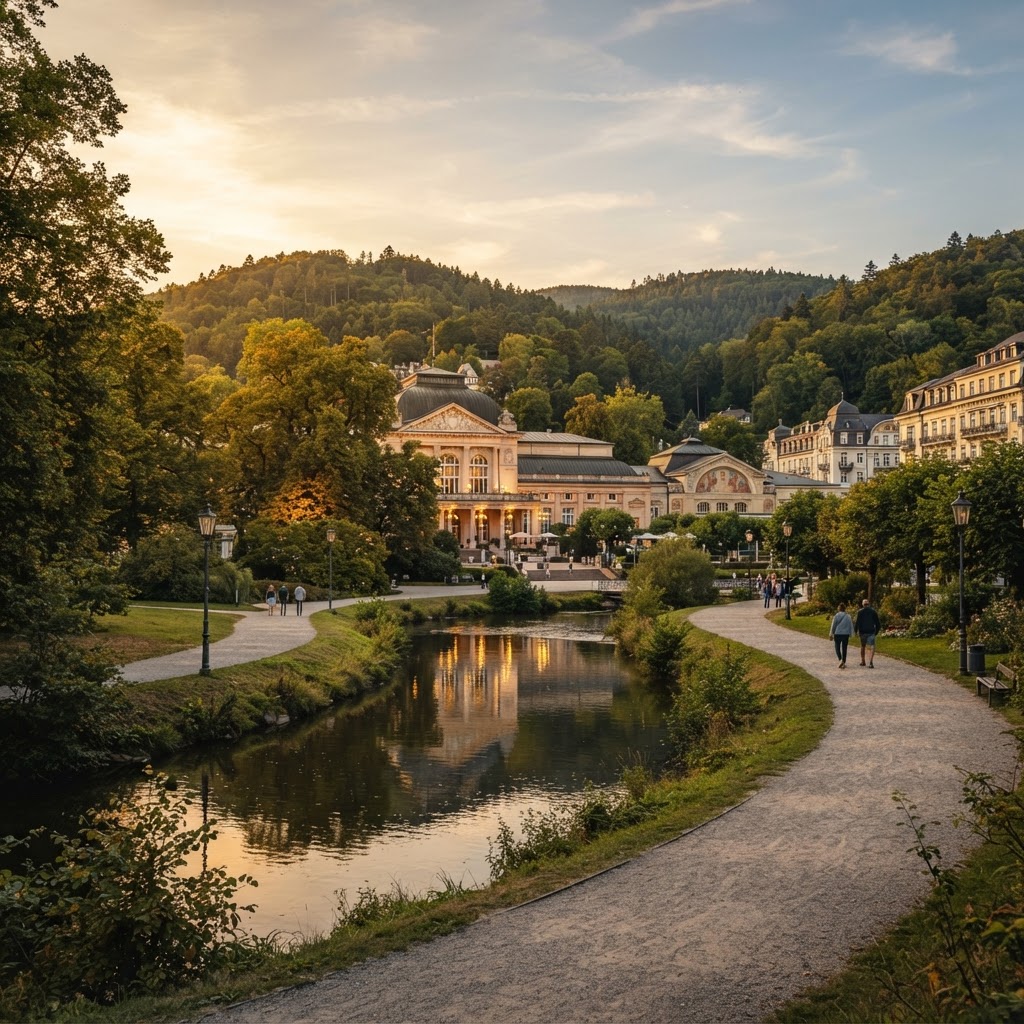
Baden-Baden
Germany
Thermal waters, Belle Époque grandeur, and unhurried woodland walks in the Black Forest foothills.
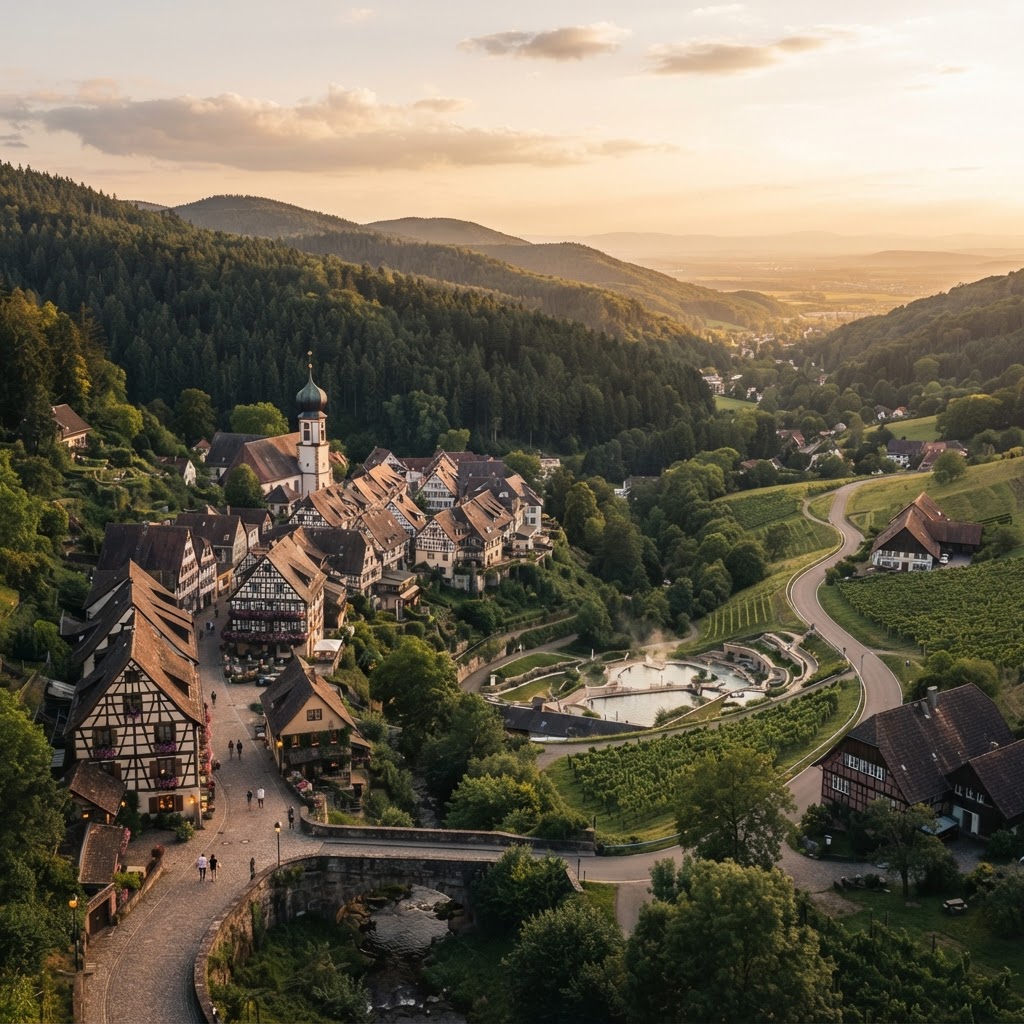
Black Forest, Germany
Germany
Dense spruce ridges, timbered market towns, and restorative thermal waters along the Rhine valley.
Readymade itineraries
Start from a tested template — then make it yours.
Ready to book
Lock in your Leipzig trip
Everything in one place. We may earn a small commission — it never costs you more.
Plan a trip to Leipzig
Pick a length and we'll build a day-by-day plan around how you travel — neighborhoods clustered, budget-aware, and editable.
Get better at planning trips like this
Occasional notes on planning smarter — no spam, unsubscribe anytime.
Plan a trip to Leipzig
Turn this guide into a day-by-day plan built around your pace, your group, and your budget.
Build my Leipzig trip