Switzerland
Lucerne
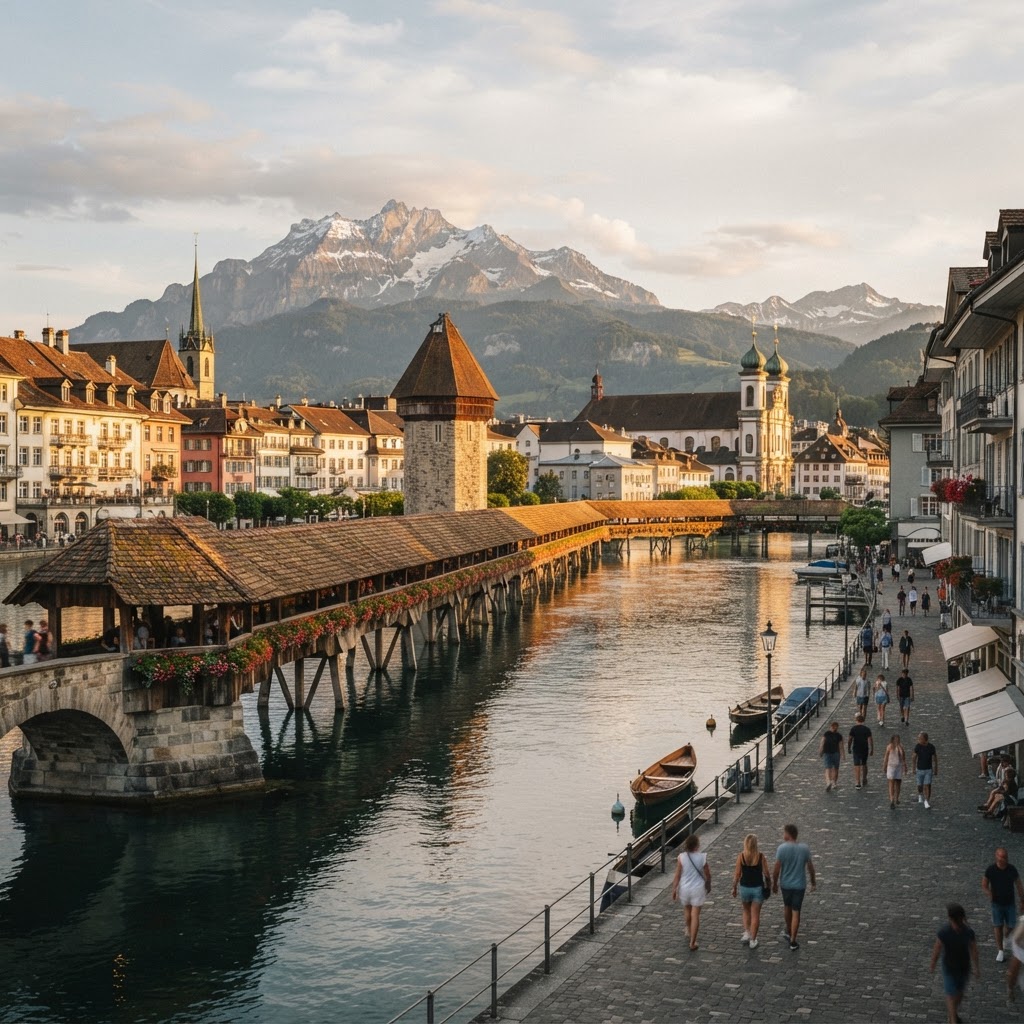
A lakeside medieval city engineered as the ultimate launchpad into the Swiss Alps.
Plan & book
Sort your Lucerne trip in one place.
We point you to the booking tools we'd actually use — live prices, no markup. Or let us build the day-by-day plan around you first, then book.
Lucerne bridges urban Swiss history and immediate alpine access better than anywhere else in the country. Straddling the Reuss River where it drains Lake Lucerne, this compact canton capital gives you 14th-century wooden covered footbridges, frescoed guildhalls, and immediate boat-to-cogwheel rail links up Mount Rigi and Mount Pilatus, all within a 45-minute direct train ride from Zurich Airport.
3 days
Best time
May to June or September to October
Build your own trip with these prebuilt itineraries
Each one is a tested, day-by-day plan for Lucerne — start here, then make it yours.
5 Days in Lucerne: Lake Region & Family Discovery in Lucerne
A relaxed, family-friendly pace featuring interactive museums like the Swiss Museum of Transport, Stanserhorn open-air cable cars, and lakeside villages
3 Days in Lucerne: Scenic Rail & Mountain Excursions in Lucerne
Maximizing the Swiss Travel Pass with historic lake steamers, Mount Rigi alpine hikes, and tranquil evening promenades after tour buses depart
2 Days in Lucerne: The Classic Lake & Peaks in Lucerne
First-timer highlights focusing on the pedestrian Old Town, historic bridges, and a scenic golden round trip to Mount Pilatus
Lucerne is Switzerland's most efficient alpine gateway. Within a 30-minute radius from the central rail terminus (Bahnhof Luzern), you can stroll through pedestrian-only medieval squares, step onto a vintage steamboat across Lake Lucerne, or ride the world's steepest cogwheel railway up Mount Pilatus. It delivers postcard Swiss scenery with zero logistical friction and no car required.
Where to stay
Getting there
Getting around
Food & drink
What it costs
Things to do
Book tours & tickets in LucerneSkip it if
Skip Lucerne if you want deep, rugged backcountry solitude or an energetic late-night club scene; the city centers on pristine alpine excursions and quiet evening dining. It is also not worth adding if you are already spending extensive time in the Bernese Oberland (Interlaken, Lauterbrunnen, Grindelwald) and have tightly constrained trip days, as the mountain-and-lake profile offers significant overlap.
When to go
Spring and early autumn hit the ideal balance between fully operating lake ferries and mountain transport, manageable pedestrian traffic along the Kapellbrücke, and moderate lodging rates.
Peak (July–August)
High heat, packed tour groups on the lakefront, peak hotel pricing, but complete daily ferry schedules and prime alpine trail conditions.
Shoulder (April–May & September–October)
Crisp mountain air, mild walking conditions, thinning crowds, though check maintenance windows for cogwheels and cable cars in late October.
Low (November–March)
Frequent lake fog and reduced boat timetables, but quiet cobblestones, atmospheric winter lights, and easy access to Engelberg-Titlis ski slopes.
Neighborhoods
Where you stay shapes the trip. Here's how to think about it.
Altstadt (Old Town)
Cobblestone alleys, frescoed guildhalls, and bustling riverfront promenades along the Reuss.
Best for:First-timers, architecture lovers, short stays
Don't miss:The 17th-century painted facades around Weinmarkt and crossing the Spreuerbrücke to see Kaspar Meglinger's Dance of Death paintings.
Bruchquartier
Creative residential district with indie boutiques, cozy wine bars, and zero tour buses.
Best for:Couples, food lovers, travelers seeking local everyday rhythm
Don't miss:Browsing design ateliers along Bruchstrasse followed by an evening glass of Swiss wine at a neighborhood bistro.
Neustadt (Hirschengraben / Helvetiaplatz)
Late-19th-century urban grid packed with casual cafes, bakeries, and student energy.
Best for:Budget-conscious travelers, remote workers, casual dining
Don't miss:Grabbing coffee and weekend brunch near Helvetiaplatz before browsing secondhand bookshops along Kauffmannweg.
Haldenstrasse & Lakefront
Grand Belle Époque promenade lined with heritage luxury palace hotels and sweeping mountain vistas.
Best for:Luxury travelers, romantic getaways, slow-paced strolls
Don't miss:Riding the private cliffside funicular up to the Art Deco Hotel Montana terrace for sunset drinks overlooking Lake Lucerne.
Destination intelligence
Updated 9/14/2026The structured record we plan every Lucerne itinerary from.
Walkability
Exceptional. The historic core, river promenades, lakefront, and central transit station are tightly concentrated, flat, and largely car-free.
Transit quality
World-class. Precision boat piers, urban trolleybuses, regional trains, and alpine cogwheels converge at a single lakeside terminus.
Car needed
Not required and actively discouraged. Historic areas are pedestrian-only, parking is restricted, and Swiss public transport covers all major attractions seamlessly.
Ideal duration
3 days
Minimum useful
2 days
Peak season
June through August. Warm weather, full lake steamer schedules, open alpine hiking trails, and the busiest crowds in Old Town.
Shoulder season
April to May and September to October. Mild temperatures, dramatic autumn foliage or alpine spring blooms, and substantially thinner crowds.
Low season
November through March. Colder days, occasional fog over the lake, reduced boat timetables, and partial maintenance closures on select mountain cogwheel lines.
Best for
Common mistakes
- Renting a car: The historic core is strictly pedestrianized, street parking is non-existent, garage rates are high, and mountain attractions are designed around integrated train, boat, and cable car timetables.
- Going up Mount Pilatus or Mount Rigi without checking live summit webcams: Alpine summits can be completely fogged in while the city floor is mild; confirm visibility before paying for mountain transport.
- Treating Lucerne solely as a 4-hour day-trip stopover: Rush-hour tour buses crowd the Lion Monument and Chapel Bridge between 11:00 AM and 3:00 PM; staying overnight allows you to experience the city before and after the buses depart.
- Failing to optimize rail passes: Buying point-to-point tickets for boats and cogwheel trains quickly inflates costs; a Swiss Travel Pass covers the entire Lake Lucerne ferry network and Mount Rigi in full, while providing a 50% discount on Pilatus.
Best nearby
How to plan it
- Stay within a 10-minute walk of Bahnhof Luzern if your itinerary includes daily alpine day trips or early-morning lake steamer connections.
- Don't commit to Mount Pilatus or Mount Rigi tickets weeks in advance; wait to check live summit webcams the morning of your trip to avoid paying to sit in dense fog.
- Pair your visit with an onward ride on the GoldenPass Express toward Interlaken rather than backtracking through Zurich.
- Dedicate at least half a day to the Swiss Museum of Transport (Verkehrshaus) if you are traveling with children or encounter a rainy day.
- Walk the ramparts and climb the open watchtowers of the Musegg Wall in the late afternoon for the best elevated view of the lake without paying for a mountain lift.
Questions
More in Switzerland
Appenzell
Switzerland
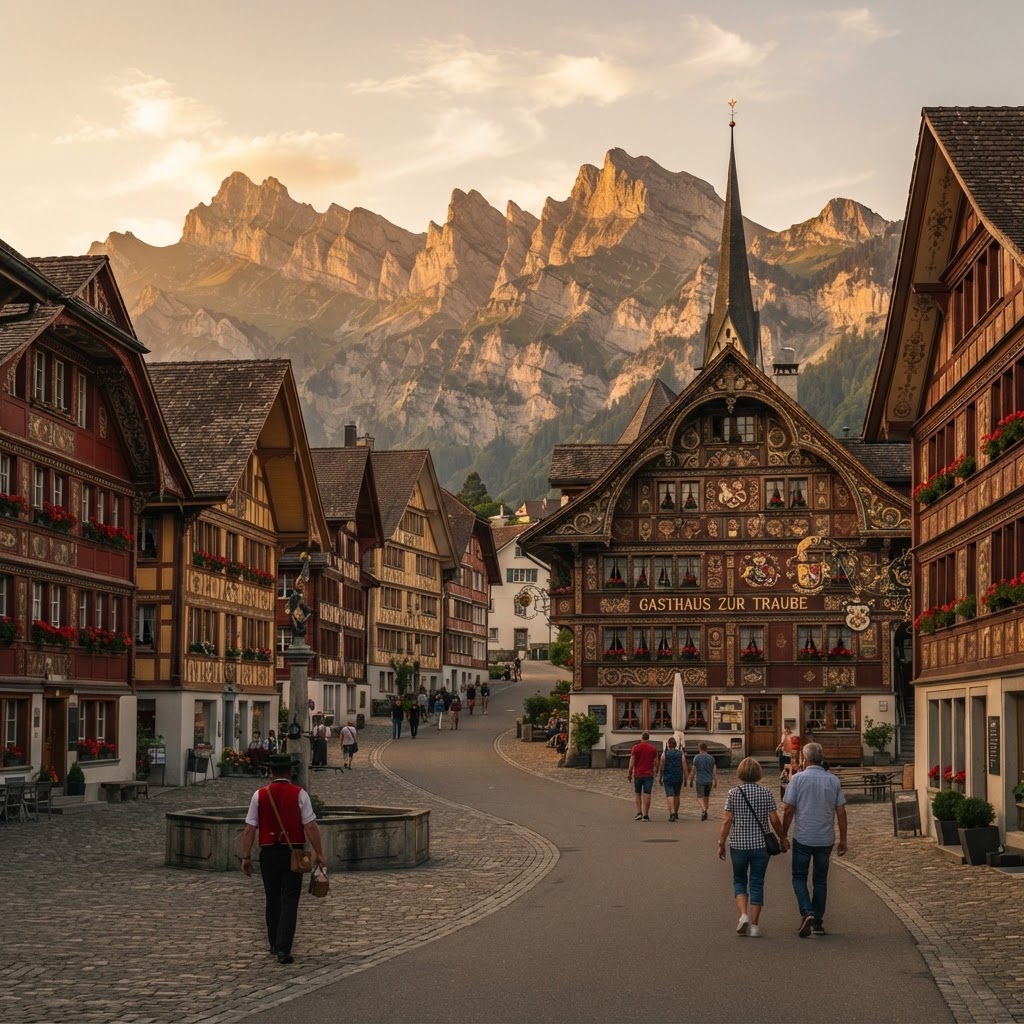
Carved timber facades, fierce traditions, and dramatic Alpstein limestone ridges.
Jungfrau Region, Switzerland
Switzerland
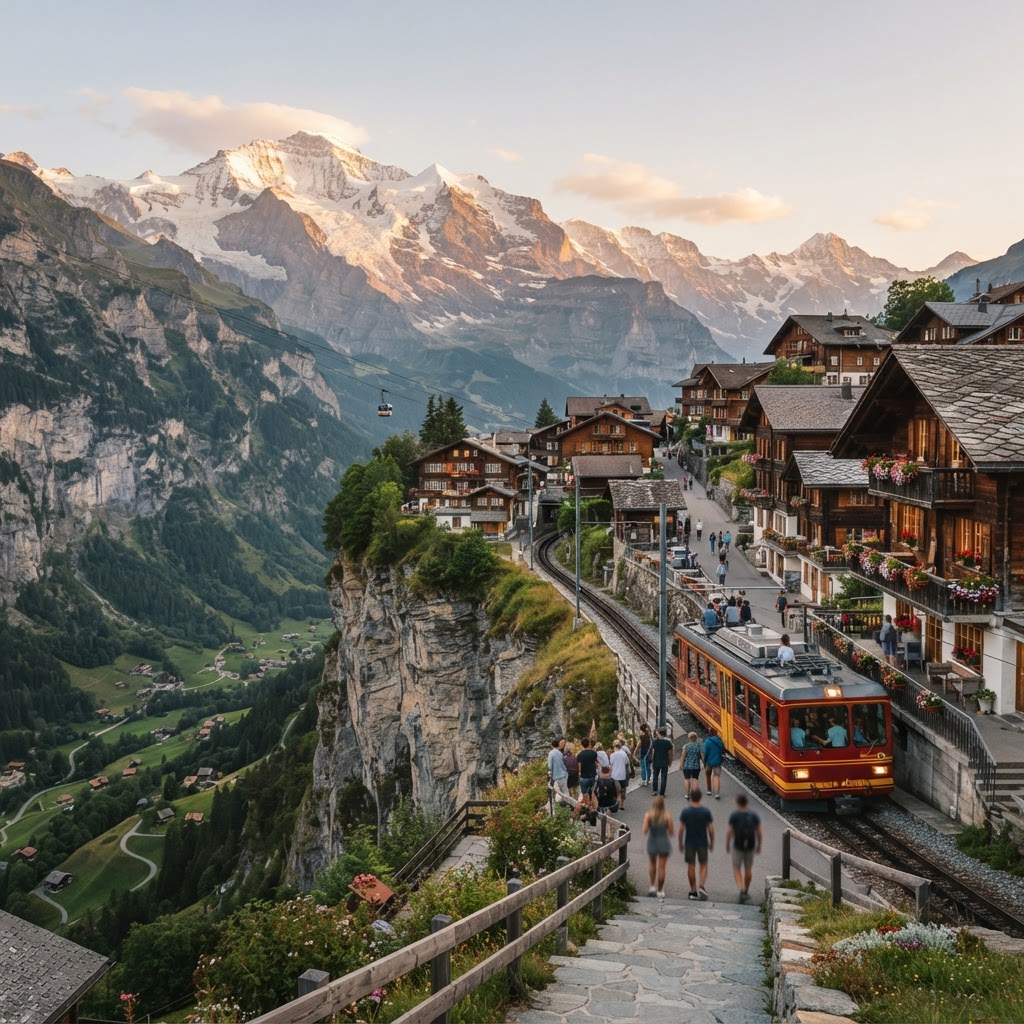
Car-free cliffside villages, vertical alpine walls, and clockwork mountain railways.
Lugano
Switzerland
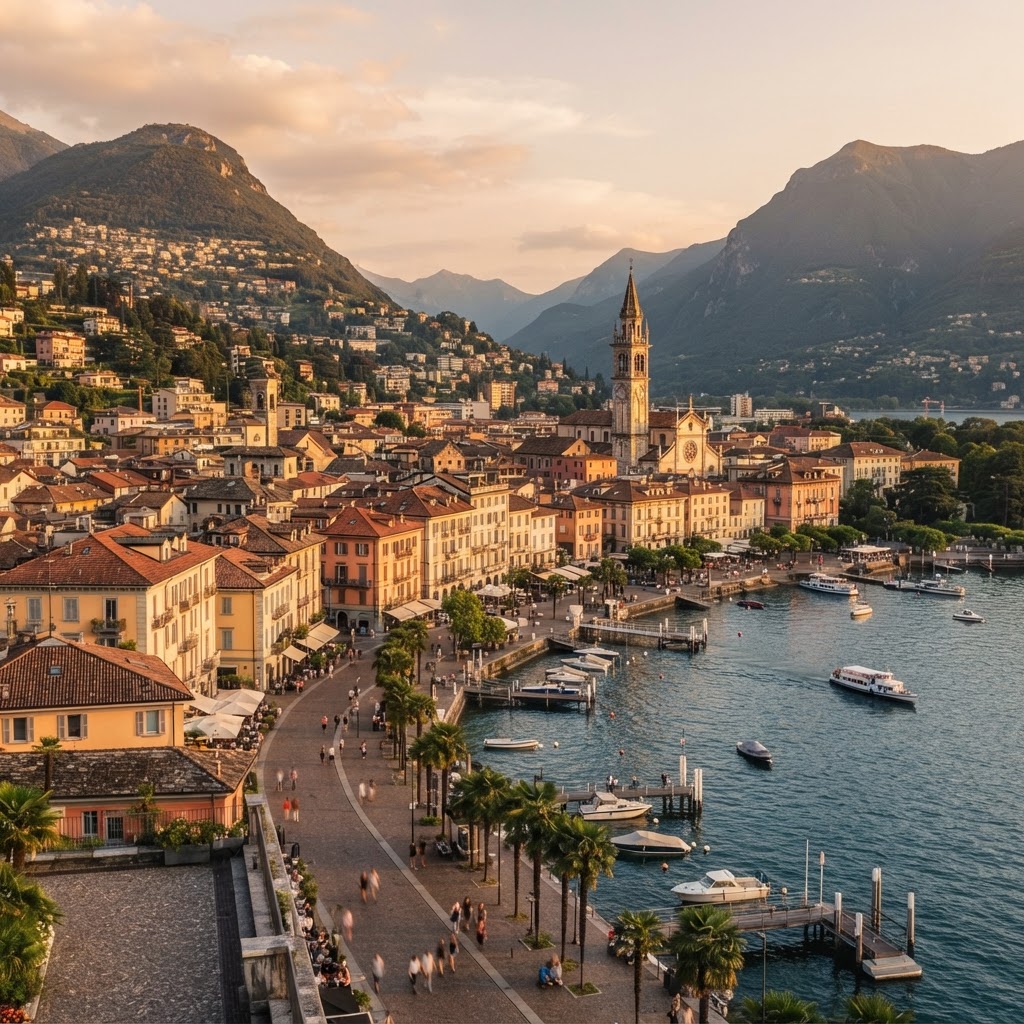
Lombard warmth meets Swiss punctuality across a glacial lake framed by sub-Alpine peaks.
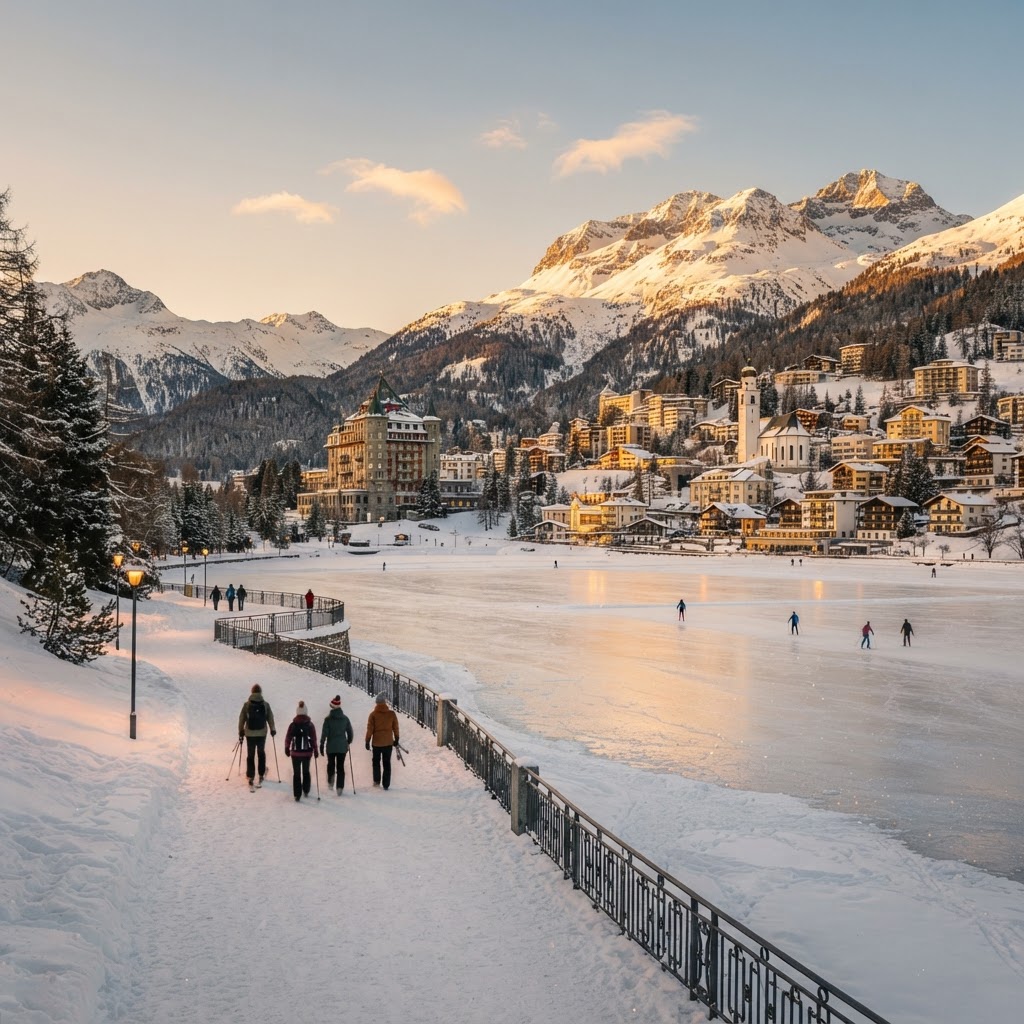
St. Moritz
Switzerland
High-altitude Engadine alpine elegance, world-class winter sports, and sparkling lakeside trails
Readymade itineraries
Start from a tested template — then make it yours.
Ready to book
Lock in your Lucerne trip
Everything in one place. We may earn a small commission — it never costs you more.
Plan a trip to Lucerne
Pick a length and we'll build a day-by-day plan around how you travel — neighborhoods clustered, budget-aware, and editable.
Get better at planning trips like this
Occasional notes on planning smarter — no spam, unsubscribe anytime.
Plan a trip to Lucerne
Turn this guide into a day-by-day plan built around your pace, your group, and your budget.
Build my Lucerne trip