Switzerland
Appenzell
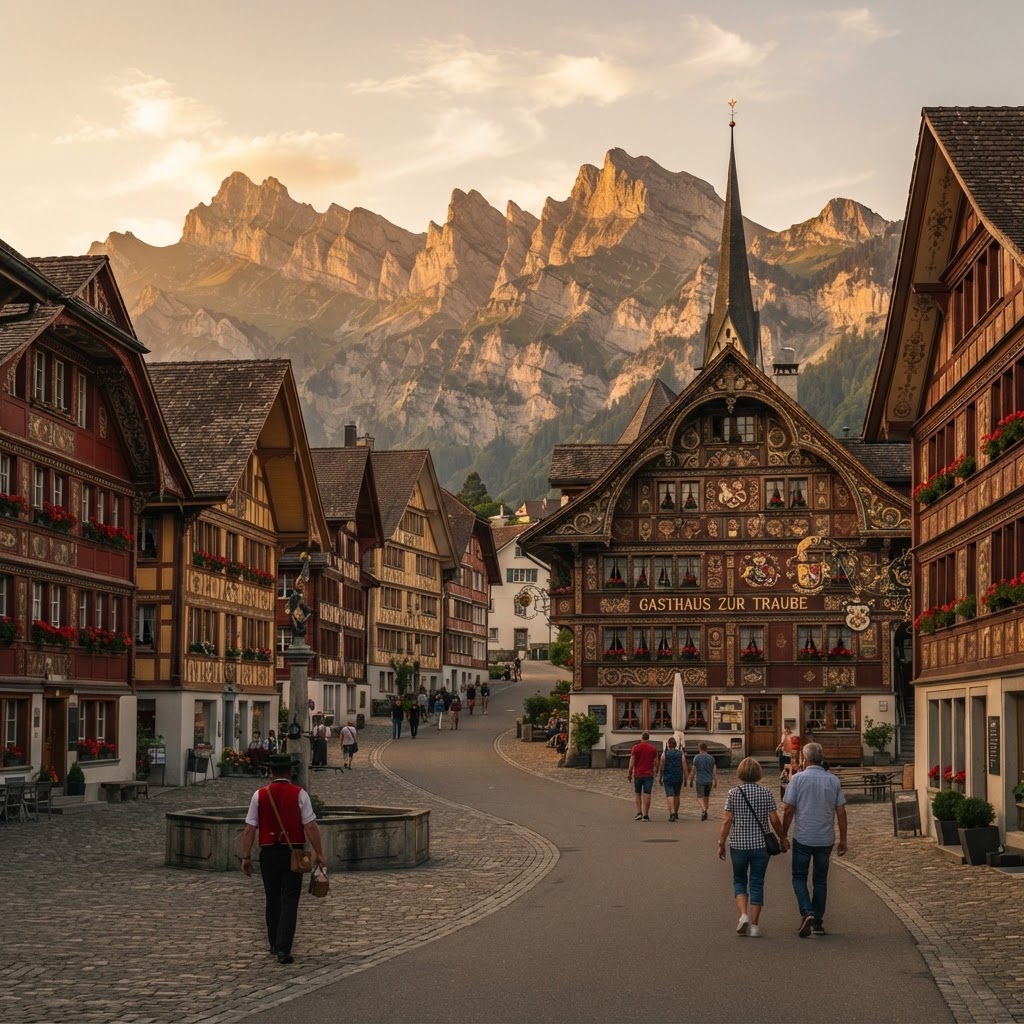
Carved timber facades, fierce traditions, and dramatic Alpstein limestone ridges.
Plan & book
Sort your Appenzell trip in one place.
We point you to the booking tools we'd actually use — live prices, no markup. Or let us build the day-by-day plan around you first, then book.
Appenzell is the cultural center of Switzerland's smallest canton, anchored beneath the sharp limestone teeth of the Alpstein massif. Far removed from the high-glitz alpine hubs of Zermatt or St. Moritz, Appenzell maintains an insular, deeply rooted pastoral character defined by hand-painted fresco chalets, woodcraft guilds, potent raw-milk cheese, and open-air direct-democracy assemblies. It serves as both an architectural open-air showcase along the Hauptgasse and the undisputed staging ground for world-class hiking to cliff-edge inns and glacial tarns.
3 days
Best time
July through September for peak alpine trail access, open mountain inns, and reliable cableway operations.
Build your own trip with these prebuilt itineraries
Each one is a tested, day-by-day plan for Appenzell — start here, then make it yours.
4-Day Car-Free Alpine Explorer in Appenzell
A relaxed, train-connected tour combining scenic mountain peaks, valley walks, and traditional craftsmanship
3-Day Village Traditions and Folk Culture in Appenzell
Historic village center, Landsgemeinde heritage, Appenzeller cheese dairies, and painted wooden architecture
2-Day Alpstein Hiking and Mountain Inns in Appenzell
Dramatic ridge trails, Ebenalp, Aescher cliffside inn, and Seealpsee alpine descents
Go for authentic Swiss rural culture and immediate access to the Alpstein range without international mega-resort commercialization. In Appenzell, alpine farming traditions are active lifestyles rather than living-history demonstrations: cow herds traverse the village in traditional parades, centuries-old recipes drive local bakeries, and walking trails lead directly from train stops up into dramatic karst landscapes like Ebenalp and Seealpsee.
Where to stay
Getting there
Getting around
Food & drink
What it costs
Things to do
Book tours & tickets in AppenzellSkip it if
Skip Appenzell if you are searching for high-tempo nightlife, designer boutique shopping, or glitzy late-night clubs. It is also not suitable for travelers in deep winter who do not plan on snowshoeing or cross-country skiing, as the town's primary draw is summer mountain trails and rural life.
When to go
Higher Alpstein ridgelines (reaching 2,500m) stay snow-free and fully accessible from late June through late September, when the historic cliffside Berggasthäuser operate full kitchens. Visiting in mid-summer brings trail congestion at Seealpsee and Äscher, while late September trades warmer swimming weather for golden larch slopes, crisp visibility, and traditional cattle descents.
Peak (July to August)
Expect full trail traffic on the Ebenalp-Äscher-Seealpsee circuit, active high pastures, warm hiking days, and booked-out mountain huts.
Shoulder (June & September to October)
Crisp morning air, fewer crowds, and vibrant autumn foliage. Early June may still hold snow on exposed high ridges like Schäfler; late October sees mountain inns shuttering.
Low (November to April)
Quiet village operations with most high-altitude trailheads, mountain huts, and certain lifts closed; ideal only for silent winter retreats, snowshoeing, or visiting local cheese and craft workshops.
Neighborhoods
Where you stay shapes the trip. Here's how to think about it.
Dorfkern & Hauptgasse
Historic, frescoed, pedestrian-led village core with immediate access to bakeries and tavern dining.
Best for:First-timers, architecture fans, and travelers wanting everything walkable
Don't miss:The ornate hand-painted timber facades lining Hauptgasse and traditional Appenzeller Biber gingerbread from Bäckerei Laimbacher.
Wasserauen Valley Base
Quiet, open-pasture trail-hub at the southern terminus of the Appenzeller Bahnen.
Best for:Early-morning hikers and travelers prioritizing immediate mountain access over village strolls
Don't miss:The Ebenalp cable car ascent and the direct woodland trailhead leading straight to Seealpsee.
Weissbad & Brülisau
Pastoral, spread-out alpine hamlet culture under the shadow of the Hoher Kasten ridge.
Best for:Families, wellness-seekers, and hikers targeting the southern Alpstein routes
Don't miss:Taking the Hoher Kasten revolving cableway for sweeping panoramas across the Rhine Valley and Appenzell hills.
Gonten & Kronberg Foothills
Gently rolling, open green pastures dotted with heritage farms and low-impact family activities.
Best for:Travelers seeking tranquil countryside stays, golf, or low-intensity ridge walks
Don't miss:The barefoot trail (Barfussweg) stretching between Jakobsbad and Gontenbad.
Destination intelligence
Updated 9/14/2026The structured record we plan every Appenzell itinerary from.
Walkability
High. The village center is compact, flat, and largely pedestrian-focused. All core dining, museums, and rail links sit within a 10-minute walk.
Transit quality
High. The Appenzeller Bahnen regional train and PostBus routes sync tightly, providing reliable car-free access to all valley hiking hubs.
Car needed
No. Public rail connects Zurich directly via St. Gallen or Gossau, and trains run straight to the Wasserauen trailheads.
Ideal duration
3 days
Minimum useful
1 day
Peak season
July to August (warm alpine hiking weather, all Berggasthäuser operating, active cow pastures, busiest trail traffic).
Shoulder season
June and September to October (crisp hiking conditions, autumn foliage, alpine cattle descents, lighter crowds).
Low season
November to April (snowbound trails, mountain inns shuttered, quiet village operations).
Best for
Common mistakes
- Treating Appenzell as only a 90-minute day trip photo stop; the village shops close early and the best hiking requires stable morning weather.
- Attempting to visit high-altitude mountain guesthouses like Aescher in the dead of winter; the cliff paths and high Berggasthäuser close between November and May due to heavy snow and ice.
- Renting a car when the regional Appenzeller Bahnen rail network efficiently links every key trailhead, cable car base, and neighboring dairy hamlet.
- Underestimating the steepness of the descent path between Ebenalp, Aescher, and Seealpsee; proper treaded hiking footwear is essential on wet limestone.
Best nearby
How to plan it
- Stay directly in Appenzell village along or near Hauptgasse if you prioritize walkable evening dining and easy rail connections over immediate trail access.
- Do not attempt the Ebenalp-to-Schäfler ridge hike on days with wet limestone or high winds; pivot instead to a lower loop around Seealpsee or the village museums.
- Catch the first morning train from Appenzell to Wasserauen (before 8:30 AM) to hit Seealpsee or Äscher before day-tripper crowds arrive from Zurich.
- Pair Appenzell with St. Gallen (a 45-minute train ride) to explore the UNESCO Abbey Library on your arrival or departure day.
- Book high-season overnight stays for at least 3 nights to qualify for the regional Holiday Card, which effectively zeroes out your local transit and cable car costs.
Questions
More in Switzerland
Jungfrau Region, Switzerland
Switzerland
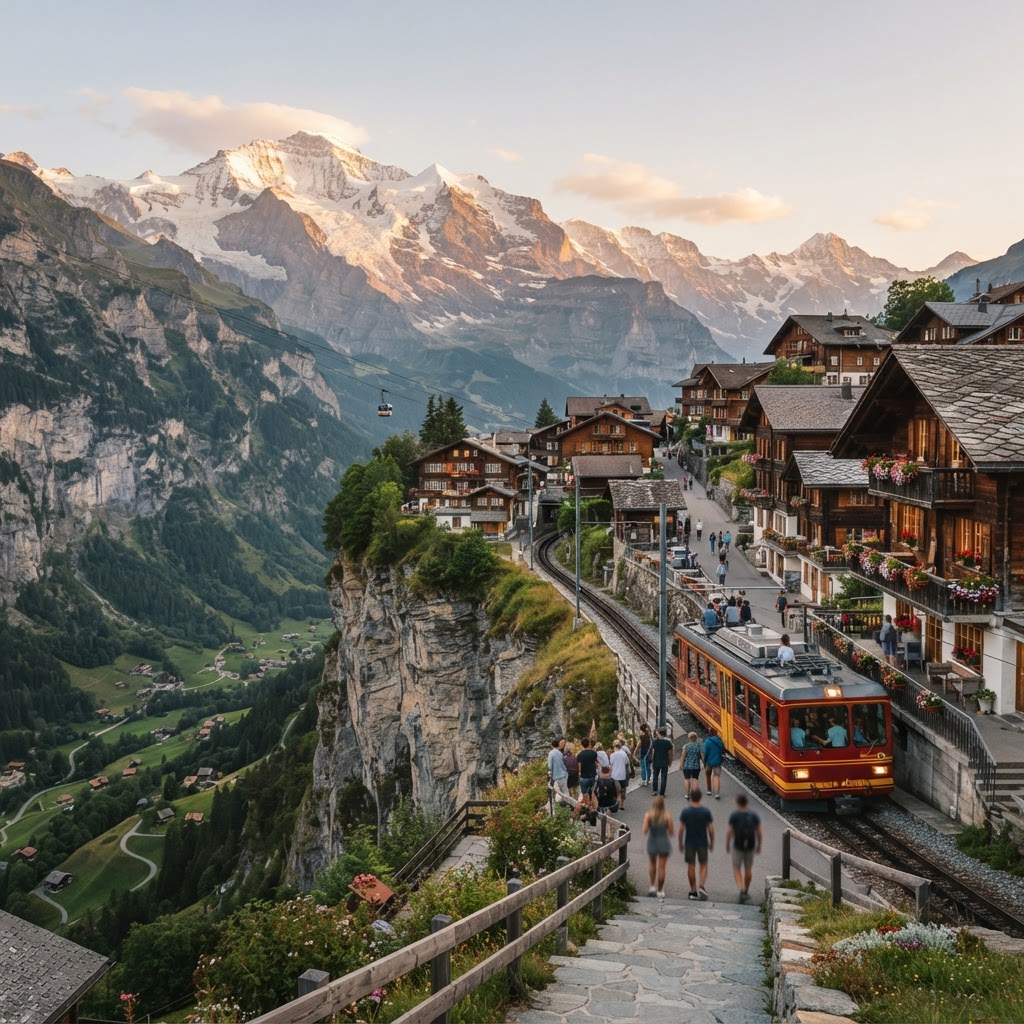
Car-free cliffside villages, vertical alpine walls, and clockwork mountain railways.
Lugano
Switzerland
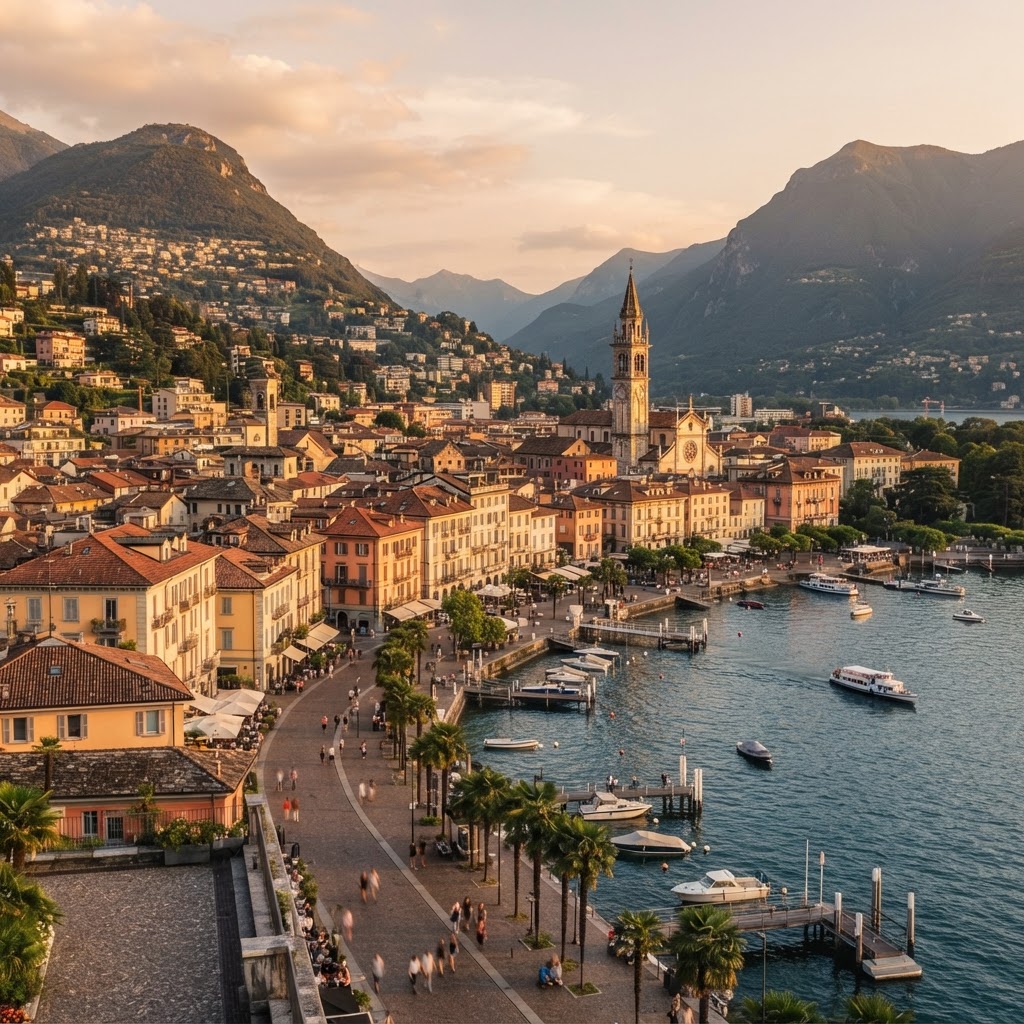
Lombard warmth meets Swiss punctuality across a glacial lake framed by sub-Alpine peaks.
St. Moritz
Switzerland
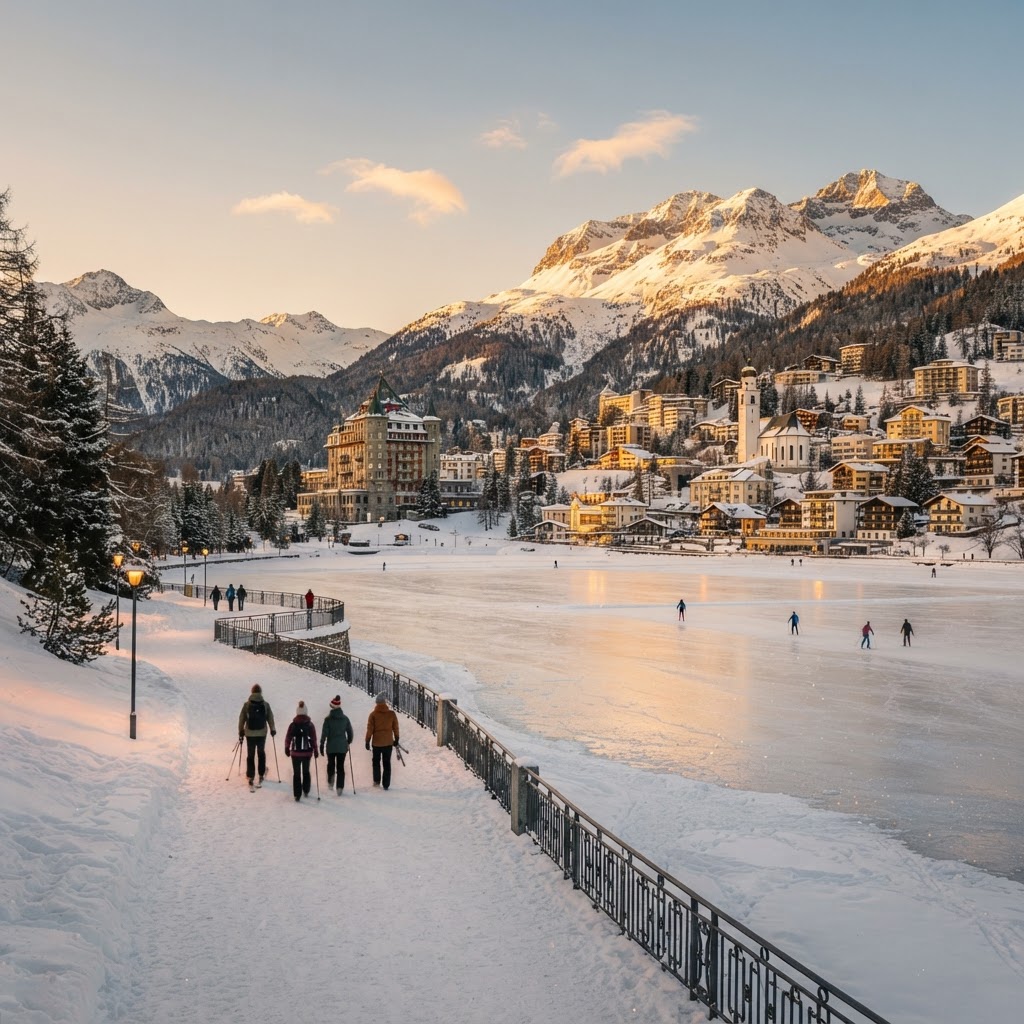
High-altitude Engadine alpine elegance, world-class winter sports, and sparkling lakeside trails
Readymade itineraries
Start from a tested template — then make it yours.
Ready to book
Lock in your Appenzell trip
Everything in one place. We may earn a small commission — it never costs you more.
Plan a trip to Appenzell
Pick a length and we'll build a day-by-day plan around how you travel — neighborhoods clustered, budget-aware, and editable.
Get better at planning trips like this
Occasional notes on planning smarter — no spam, unsubscribe anytime.
Plan a trip to Appenzell
Turn this guide into a day-by-day plan built around your pace, your group, and your budget.
Build my Appenzell trip