Switzerland
Lugano
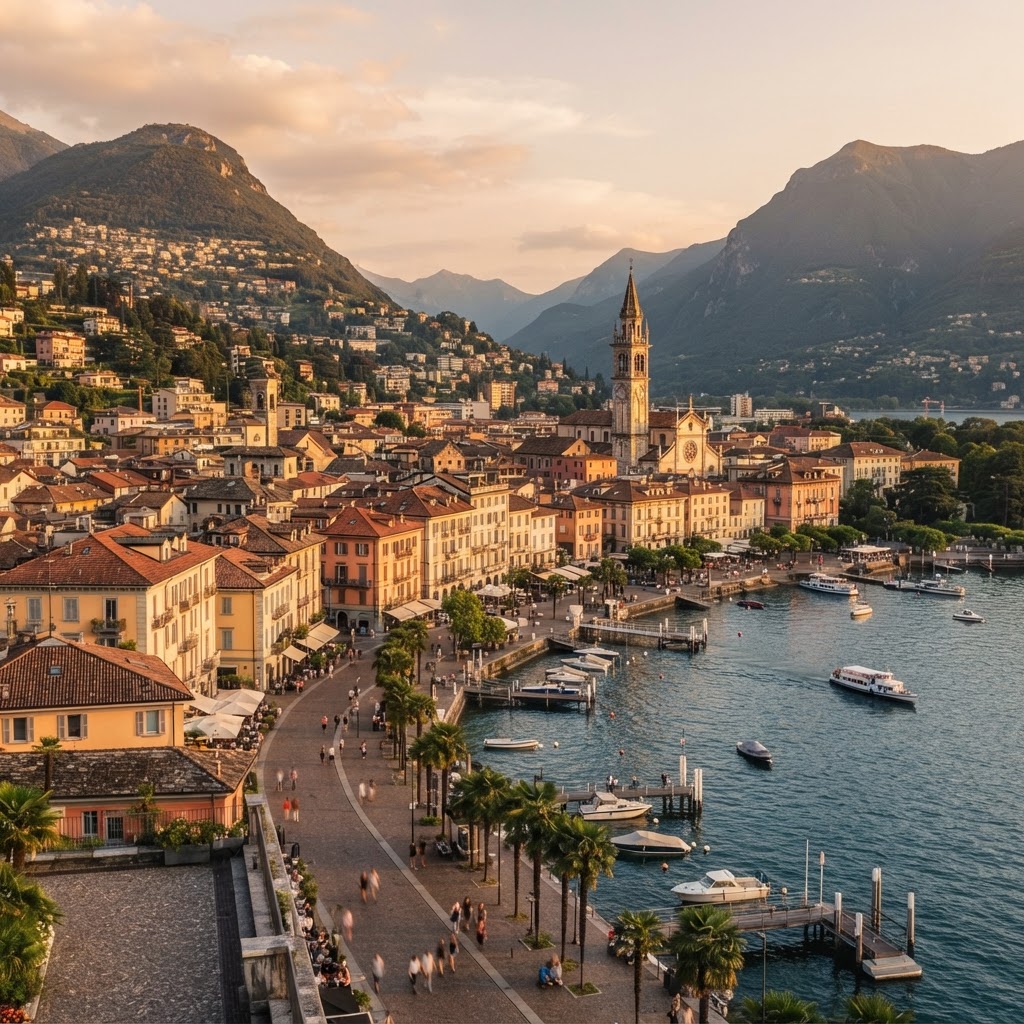
Lombard warmth meets Swiss punctuality across a glacial lake framed by sub-Alpine peaks.
Plan & book
Sort your Lugano trip in one place.
We point you to the booking tools we'd actually use — live prices, no markup. Or let us build the day-by-day plan around you first, then book.
Set in Switzerland's Italian-speaking Ticino canton, Lugano occupies a steep amphitheater on Lake Lugano, flanked by Monte San Salvatore and Monte Brè. It offers the relaxed pace of northern Italy—piazzas, risotto, and espresso culture—backed by the clean efficiency of the Swiss federal railway and municipal infrastructure. It is less crowded than Lake Como, yet distinctly upscale, catering to travelers who want lake panoramas, mountain funiculars, and grotto dining without navigating chaotic Italian traffic.
3 days
Best time
Mid-April to June and September to mid-October.
Build your own trip with these prebuilt itineraries
Each one is a tested, day-by-day plan for Lugano — start here, then make it yours.
4 Days in Lugano: Peaks, Trails & Lakeside Villages in Lugano
An active outdoor trip combining scenic ridge hikes, the Olive Trail to Gandria, and car-free transit exploration
3 Days in Lugano: Lake, Peaks & Old Town Charm in Lugano
First-timer highlights balancing lake cruises, panoramic funicular viewpoints, and historic center strolls
2 Days in Lugano: Grottoes & White Merlot in Lugano
A culinary and cultural weekend focused on rustic Ticinese dining, local wine, and relaxed lakeside promenades
Lugano gives you the atmospheric lifestyle of Lombardy with the seamless reliability of Switzerland. You can hike the olive trails, board a scenic ferry to the car-free fishing enclave of Gandria, take a historic funicular up to panoramic peaks, and dine on polenta braised in Merlot at a lakeside grotto, all while relying on free public transit that runs strictly to the minute.
Where to stay
Getting there
Getting around
Food & drink
What it costs
Things to do
Book tours & tickets in LuganoSkip it if
Budget backpackers looking for cheap street food, partygoers seeking vibrant late-night clubbing, and travelers looking for snow-capped dramatic alpine peaks like the Matterhorn or Jungfrau.
When to go
Summer brings punishing humidity and packed lakeside ferries, while late autumn cuts transit schedules. Shoulder seasons deliver comfortable hiking temperatures on the mountain slopes, blooming camellias or golden hillside vines, and lower hotel tariffs.
Peak (July–August)
High heat, dense domestic and international crowds, and peak prices; optimal for open-air lake swimming at the lidos but draining for uphill ridge walking.
Shoulder (April–June & September–October)
The definitive sweet spot: warm, sunny days in the low 20s Celsius, clear mountain visibility, manageable boat queues, and all mountain funiculars in full service.
Low (November–March)
Noticeably quiet and chillier; low-altitude snow is rare, but funiculars and ferry timetables operate on sparse winter reductions, and many traditional grotti close.
Neighborhoods
Where you stay shapes the trip. Here's how to think about it.
Centro Storico
Cobblestoned elegance with cafe terraces fronting Piazza della Riforma and arcaded luxury shopping along Via Nassa.
Best for:First-timers who want zero transit friction and immediate access to dining and lake ferries.
Don't miss:Early morning espresso at Grand Café Al Porto, followed by the Renaissance frescoes inside Santa Maria degli Angioli.
Castagnola
Tranquil, sun-soaked residential enclave curving beneath Monte Brè with grand lakeside villas and sub-tropical gardens.
Best for:Couples and restorative travelers looking for scenic lakefront promenades away from downtown crowds.
Don't miss:The starting trailhead of the Sentiero dell'Olivo (Olive Grove Trail) toward the fishing village of Gandria.
Paradiso
Modern, lake-facing municipal district set directly below the dramatic sheer cliff of Monte San Salvatore.
Best for:Hikers and active sightseers who want swift access to mountain funiculars and waterfront transit hubs.
Don't miss:The lower base station of the Monte San Salvatore funicular for the 12-minute vertical ascent to 360-degree lake panoramas.
Cassarate
Lively, park-adjacent neighborhood balancing local residential life with breezy public recreation.
Best for:Families and travelers who value outdoor leisure, wide green lawns, and immediate access to funicular connections.
Don't miss:The wide gravel lake paths and shaded century-old trees inside Parco Ciani, leading past the Cassarate river mouth.
Destination intelligence
Updated 9/14/2026The structured record we plan every Lugano itinerary from.
Walkability
High in the lakefront core and pedestrianized Old Town; physically demanding when navigating the steep slopes rising to the train station and upper hillside villas.
Transit quality
Excellent; dense municipal bus network, mountain funiculars, lake ferries, and high-speed SBB rail connectivity, covered extensively by the Ticino Ticket.
Car needed
Not recommended; central traffic is tightly restricted, parking garages are costly, and trains, buses, and ferries cover all primary points of interest.
Ideal duration
3 days
Minimum useful
1 day
Peak season
June through August: hot lake weather, peak boat operations, open-air festivals, and maximum tourist crowds.
Shoulder season
April to May and September to October: comfortable temperatures for hiking the olive trails, lower hotel rates, and vibrant fall or spring foliage.
Low season
November through March: cool, quieter days with reduced boat and funicular schedules, though the lakeside stays mild compared to the high Alps.
Best for
Common mistakes
- Renting a car for the city center, where parking is scarce and expensive, and the local transit network makes driving an inconvenience.
- Underestimating Lugano's verticality: the train station sits high above the water, so carrying heavy luggage down the hill without using the Sassellina funicular can be exhausting.
- Failing to register for or activate the free Ticino Ticket provided by hotels and vacation rentals.
- Assuming restaurant and shop hours follow Italian schedules; Swiss shops and markets frequently shut early on weekends.
Best nearby
How to plan it
- Stay in Centro Storico or Paradiso if you rely on public transit; you will avoid the steep uphill drag with luggage from the main railway station.
- Do not try to combine Monte San Salvatore and Monte Brè in one day; dedicate each mountain summit to separate half-days paired with lakeside descents.
- Take the public ferry outbound to Gandria or Morcote and walk back along scenic shore trails (like the Olive Grove Trail) rather than doubling back on the boat.
- Pair Lugano with Milan (75 minutes south by EuroCity train) or Lucerne (under 2 hours north via the Gotthard Base Tunnel) for an effortless multi-region transit.
- Pack sturdy trail shoes even for urban stays; descending the cobblestone steps between Carona and Morcote is tough on knees and slippery in casual footwear.
Questions
More in Switzerland
Appenzell
Switzerland
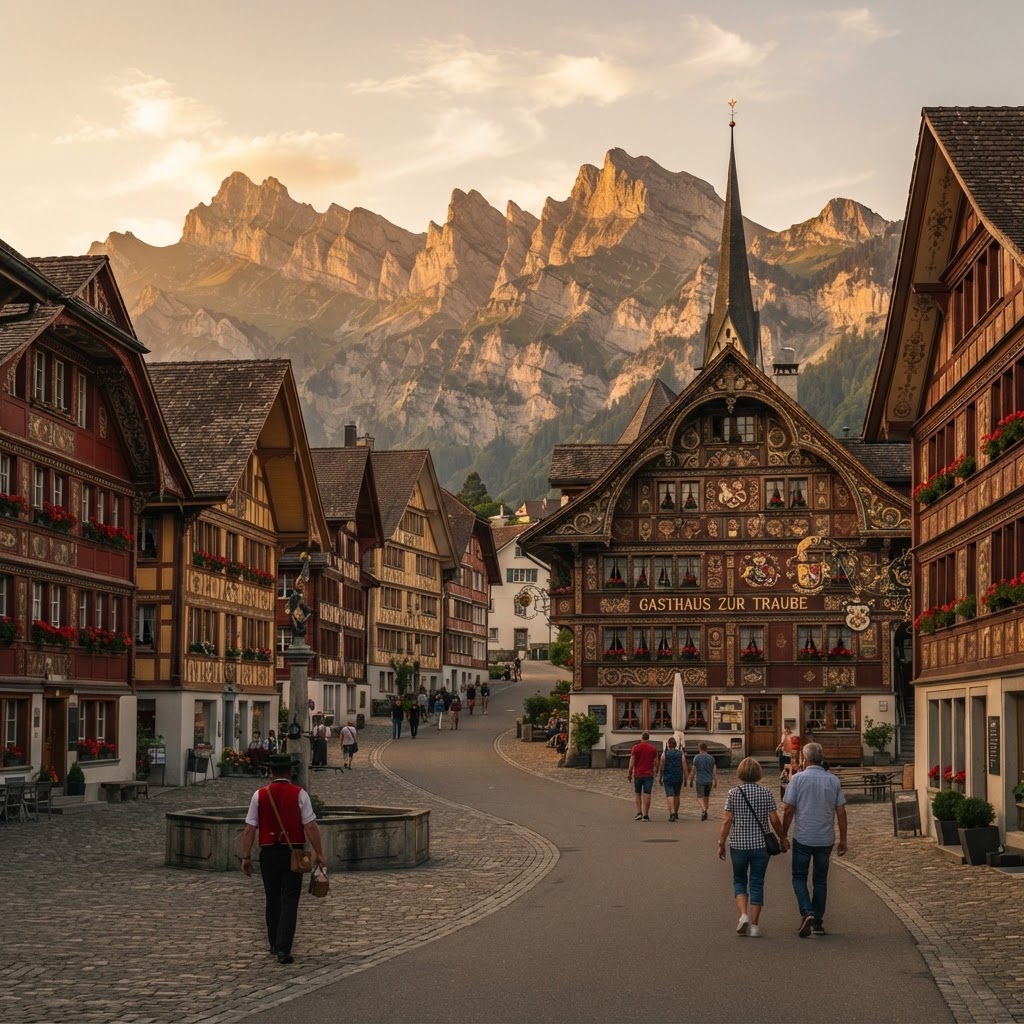
Carved timber facades, fierce traditions, and dramatic Alpstein limestone ridges.
Jungfrau Region, Switzerland
Switzerland
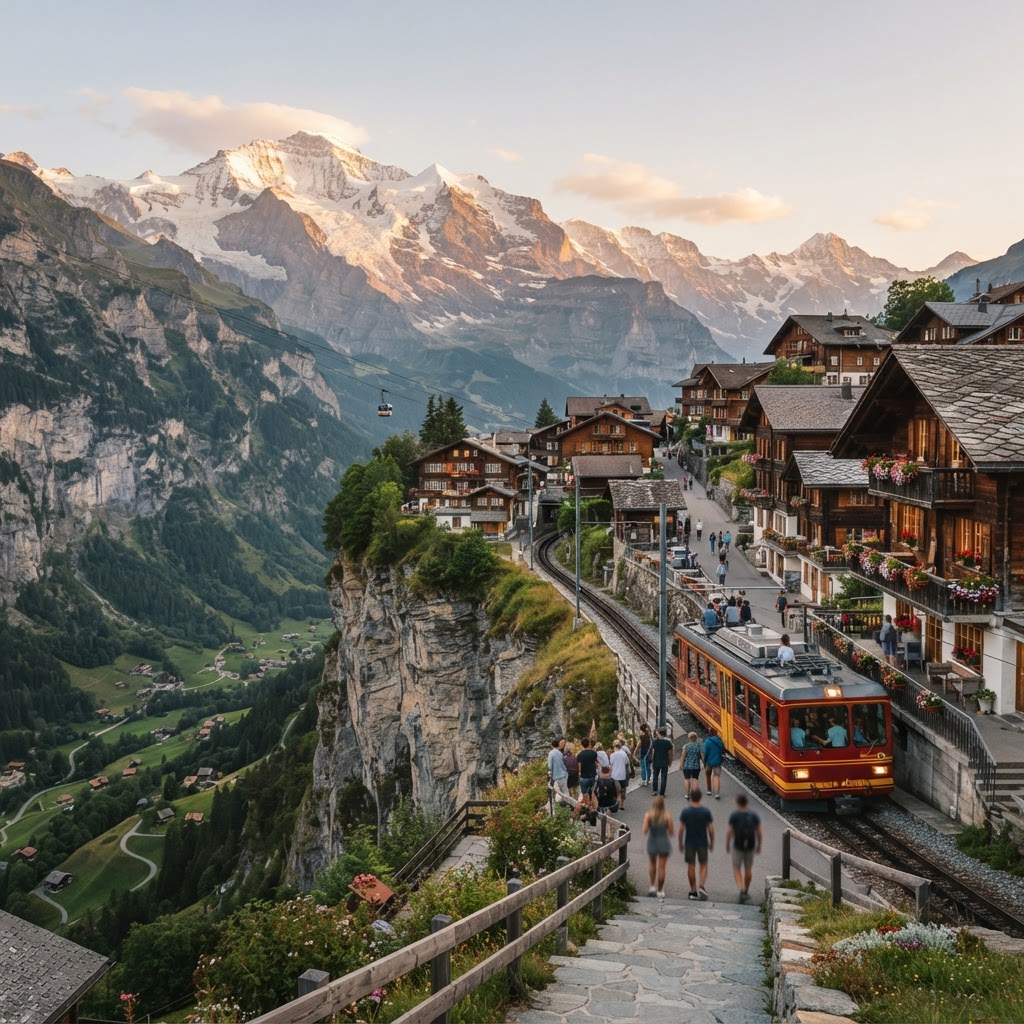
Car-free cliffside villages, vertical alpine walls, and clockwork mountain railways.
St. Moritz
Switzerland
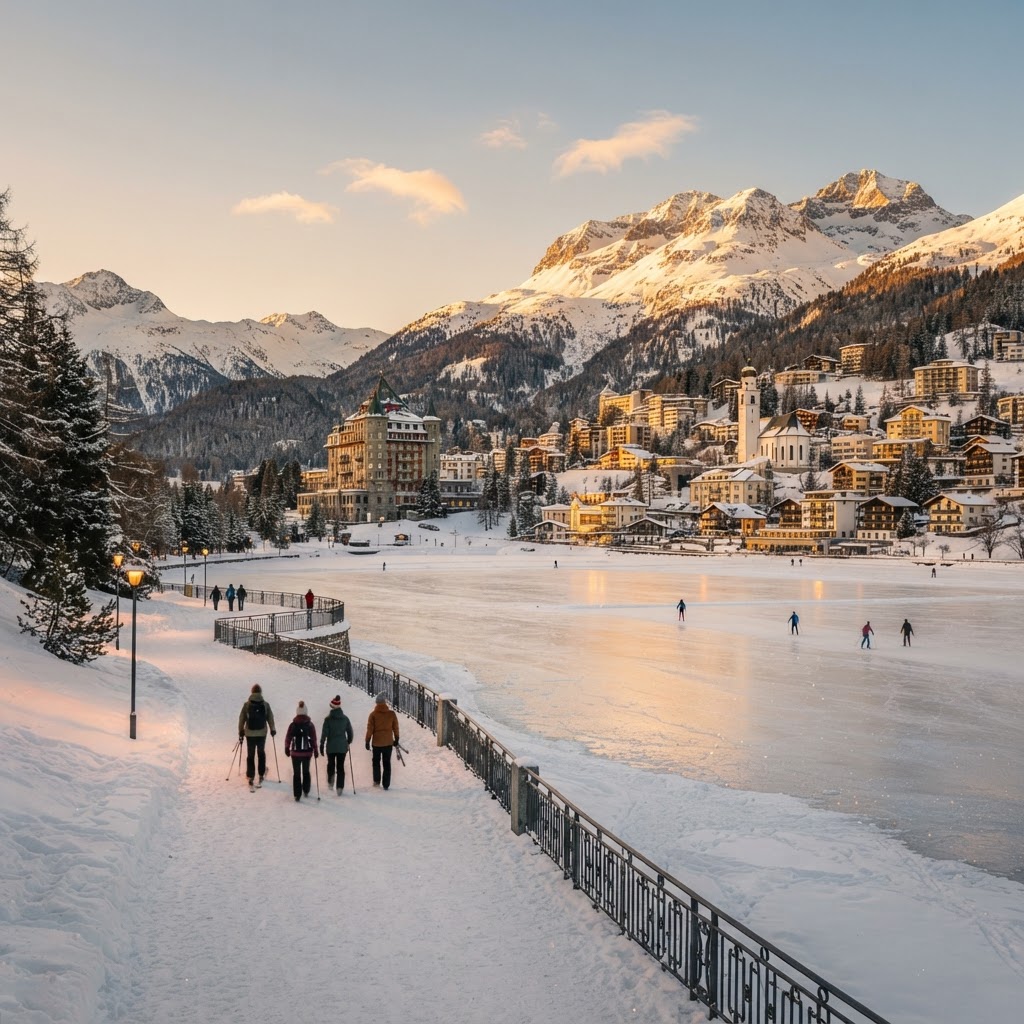
High-altitude Engadine alpine elegance, world-class winter sports, and sparkling lakeside trails
Readymade itineraries
Start from a tested template — then make it yours.
Ready to book
Lock in your Lugano trip
Everything in one place. We may earn a small commission — it never costs you more.
Plan a trip to Lugano
Pick a length and we'll build a day-by-day plan around how you travel — neighborhoods clustered, budget-aware, and editable.
Get better at planning trips like this
Occasional notes on planning smarter — no spam, unsubscribe anytime.
Plan a trip to Lugano
Turn this guide into a day-by-day plan built around your pace, your group, and your budget.
Build my Lugano trip