Switzerland
Jungfrau Region, Switzerland
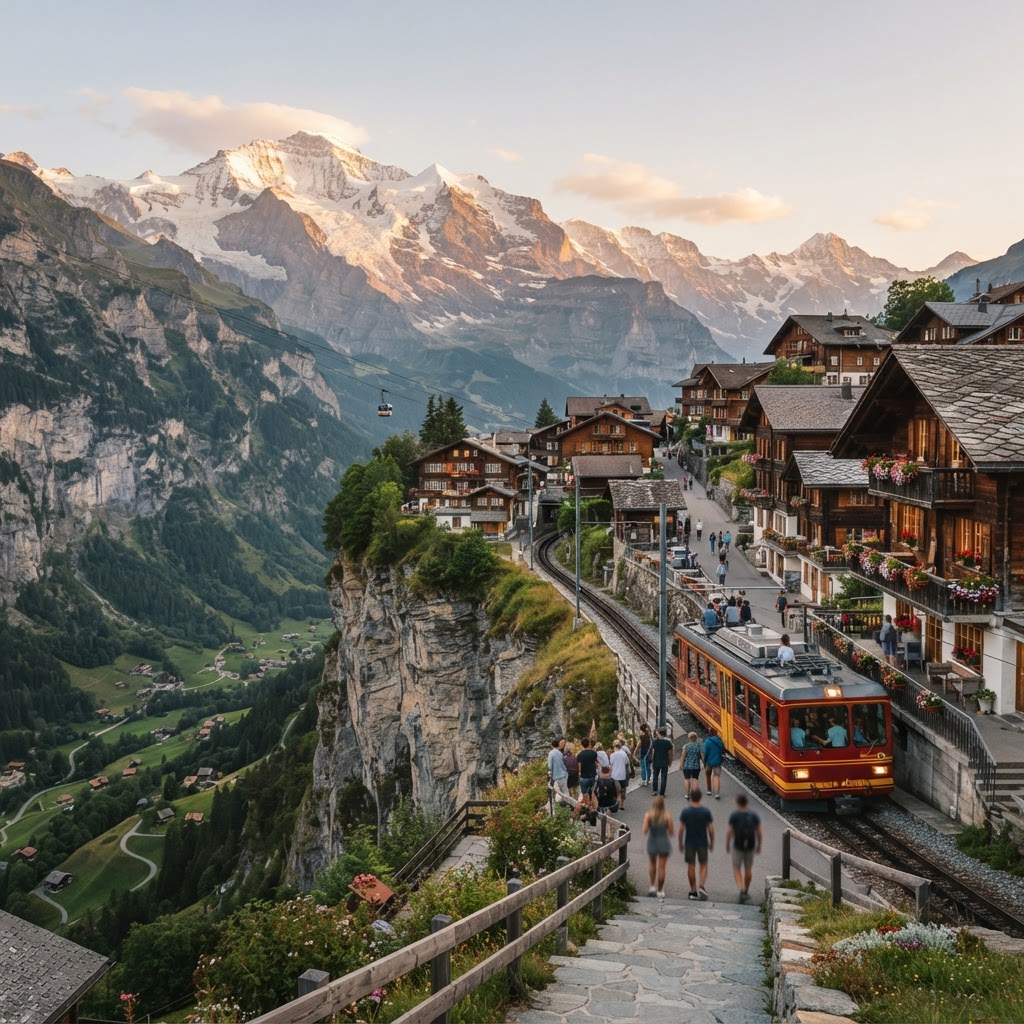
Car-free cliffside villages, vertical alpine walls, and clockwork mountain railways.
Plan & book
Sort your Jungfrau Region, Switzerland trip in one place.
We point you to the booking tools we'd actually use — live prices, no markup. Or let us build the day-by-day plan around you first, then book.
The Jungfrau Region is the geological epicenter of the Bernese Oberland, centered beneath the monumental peaks of the Eiger, Mönch, and Jungfrau. Defined by the sheer glacial canyon of Lauterbrunnen, the sprawling adventure basin of Grindelwald, and the cliff-hanging, car-free perches of Mürren and Wengen, this is Switzerland at its most intensely engineered and scenic. Instead of driving, days here are measured in cogwheel train transfers, cable car ascents, and alpine trailheads connected by world-class transit infrastructure.
4 to 5 days
Best time
Mid-June through September delivers snow-free alpine trails, full cableway schedules, and vibrant high meadows.
Build your own trip with these prebuilt itineraries
Each one is a tested, day-by-day plan for Jungfrau Region, Switzerland — start here, then make it yours.
5-Day Classic Mountain Trekker in Jungfrau Region
Active day hiking along panoramic ridges, linking high-altitude trails like the Panoramaweg and Schilthorn
4-Day Car-Free Family Adventure in Jungfrau Region
Paced family exploration based in car-free Wengen with adventure playgrounds, easy alpine walks, and scenic cogwheel trains
3-Day Alpine Highlights in Jungfrau Region
First-time sightseeing by cable car and rail, prioritizing Jungfraujoch, Mürren, and Lauterbrunnen waterfalls
Go for the sheer density of dramatic alpine landscapes linked seamlessly by electric railways and aerial cableways. Within an hour, you can travel from a glacier-fed valley floor packed with 72 waterfalls up to 2,000-meter ridges without ever touching a car steering wheel. It offers high-alpine hiking, panoramic terrace dining, and serious mountain culture with a level of logistical ease unmatched anywhere else in the Alps.
Where to stay
Getting there
Getting around
Food & drink
What it costs
Skip it if
Skip if your budget cannot withstand $25+ casual lunches and $80–$150 per-person mountain railway tickets, or if you prefer late-night urban nightlife and museum crawls over outdoor-focused mountain villages that go quiet by 9:30 PM.
When to go
High-altitude hiking passes and ridge trails like the Panorama Trail require late June for the last winter snowdrifts to thaw. Visiting during high summer guarantees every mountain train, gondola, and rifugio is fully operational, though midday valley transit fills quickly.
Peak (Mid-June to August & late December to March)
Summer brings wildflower meadows, dry high passes, and packed morning trains; winter transforms the region into world-class ski runs and manicured winter walking trails.
Shoulder (September to mid-October)
Crisp mountain air, golden larches, and dramatically thinner crowds, though daylight shortens and high mountain transit begins phased maintenance by late October.
Low (November to mid-December & mid-April to May)
The seasonal intermission where hiking trails are either mud-bound or snow-covered, major gondolas shut for cable inspections, and village hotels shutter.
Neighborhoods
Where you stay shapes the trip. Here's how to think about it.
Mürren
Sleepy, car-free cliff-edge hamlet facing directly into the colossal faces of the Eiger, Mönch, and Jungfrau.
Best for:Hikers wanting immediate trail access, silence after sunset, and iconic terrace panoramas.
Don't miss:The cliffside descent on foot from Mürren down to the tiny farming hamlet of Gimmelwald.
Wengen
Sun-drenched, car-free Victorian resort town tucked on a high alpine shelf above the valley floor.
Best for:Families, classic hotel traditionalists, and travelers prioritizing swift train connections to Kleine Scheidegg.
Don't miss:The evening golden-hour view looking straight down the canyon from the terrace behind Wengen's village church.
Grindelwald
Sprawling, high-energy mountain town beneath the menacing rock of the Eiger North Face.
Best for:Active families, multi-sport travelers, and visitors wanting extensive dining options and direct gondola infrastructure.
Don't miss:The Eiger Express tricable gondola ride sweeping from the valley terminal directly up to the Eigergletscher station.
Lauterbrunnen Valley Floor
Narrow, roaring glacial trench flanked by 300-meter sheer limestone cliffs and thundering waterfalls.
Best for:Logistics-first travelers wanting zero transit transfers to start their day, and campervan road-trippers.
Don't miss:Taking the illuminated tunnel elevators deep into the mountain rock to witness the roaring Trümmelbach Falls.
Gimmelwald
Rustic, timeless enclave of wood-shingle dairy barns, honesty shops, and pasture trails without commercial resort fluff.
Best for:Budget-conscious hikers, backpackers, and anyone seeking pure agricultural tranquility over resort luxury.
Don't miss:Grabbing farm-fresh mountain cheese, cured sausage, and cider from unattended honesty sheds along the village pathway.
Destination intelligence
Updated 9/14/2026The structured record we plan every Jungfrau Region, Switzerland itinerary from.
Walkability
High within the villages, though steep grades demand reasonable mobility. Paved and packed-gravel alpine walking paths connect lift stations seamlessly.
Transit quality
World-class; trains, funiculars, and cable cars run precisely to schedule and link directly with national SBB mainline trains.
Car needed
No. In fact, bringing a car is an active disadvantage; Mürren and Wengen are completely car-free, and parking is expensive.
Ideal duration
4 to 5 days
Minimum useful
3 days
Peak season
Mid-June through August for peak hiking and wild alpine flowers; late December through March for skiing and winter walking trails.
Shoulder season
September to mid-October (crisp air, golden larches, thinner crowds, though mountain lifts begin staggered maintenance closures by late October).
Low season
November to early December and mid-April to May; many high-altitude lifts close, hiking trails are muddy or snow-blocked, and village hotels shutter for inter-season breaks.
Best for
Common mistakes
- Renting a car to tour the region, only to pay high daily parking fees in Lauterbrunnen or Grindelwald while the villages you visit are pedestrian-only.
- Paying top dollar for a Jungfraujoch ticket on an overcast morning without checking live summit webcams first.
- Basing in Interlaken to save slightly on lodging, adding 45 to 60 minutes of repetitive valley transit onto every single mountain hike.
- Underestimating mountain weather fluctuations by not packing waterproof shells and warm fleece layers in July or August.
Best nearby
How to plan it
- Base yourself in Mürren if you prefer silent mornings, rustic cliff walks, and dramatic sunsets over the Lauterbrunnen canyon.
- Choose Wengen if you want swift morning access to the Kleine Scheidegg pass and family-friendly flat walking village paths.
- Always check live summit webcams at train stations before paying for morning ascents to Schilthorn or Jungfraujoch.
- Walk downhill from Männlichen to Kleine Scheidegg on the Panorama Trail to keep the Eiger, Mönch, and Jungfrau directly in front of you the entire route.
- Avoid staying in Interlaken unless you arrive late at night or require rapid daily mainline train connections to Lucerne or Bern.
Questions
More in Switzerland
Appenzell
Switzerland
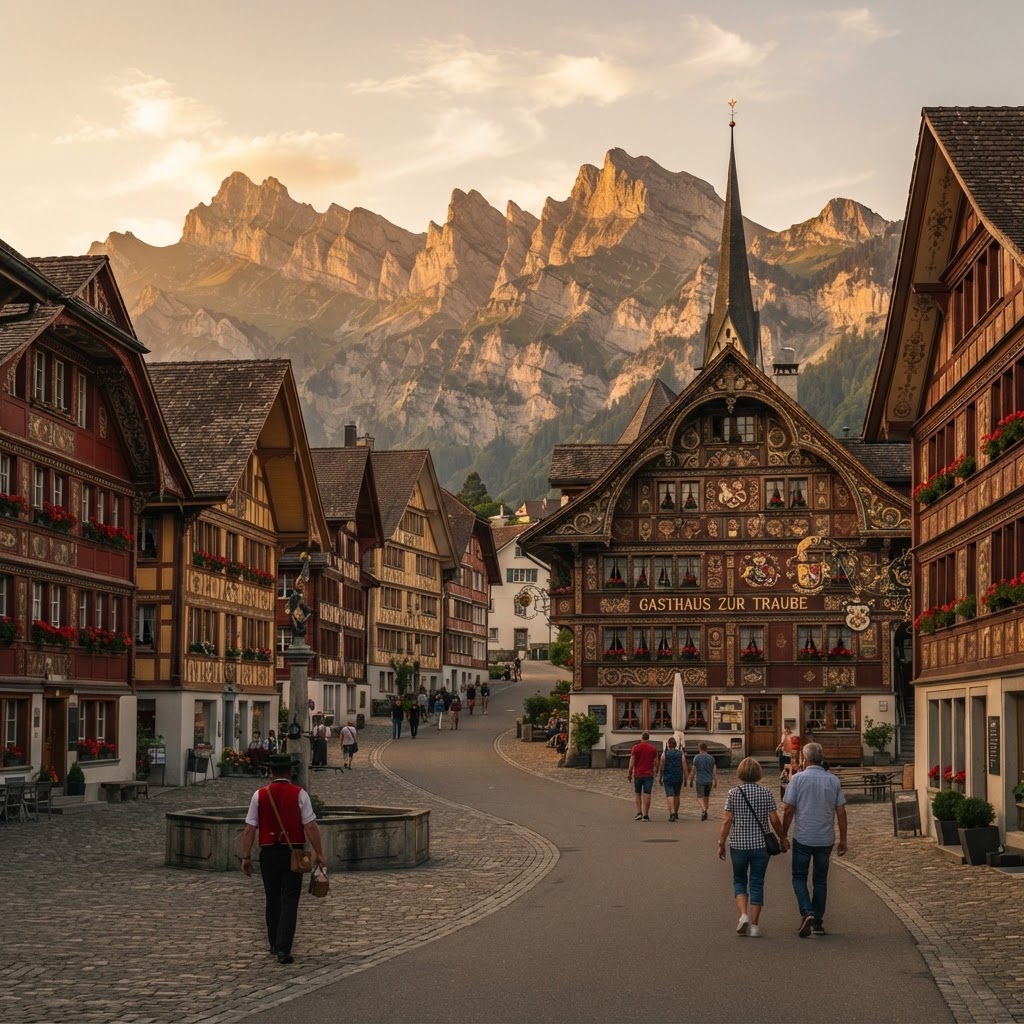
Carved timber facades, fierce traditions, and dramatic Alpstein limestone ridges.
Lugano
Switzerland
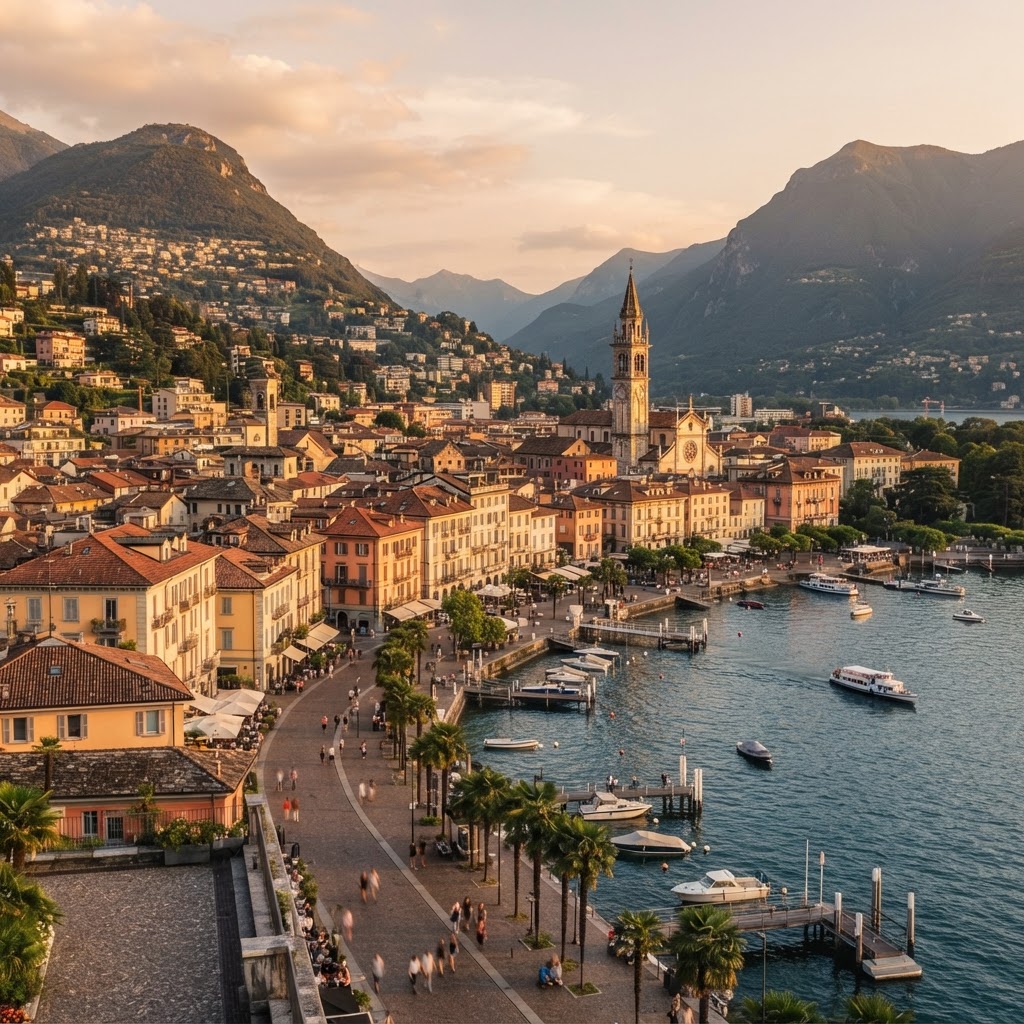
Lombard warmth meets Swiss punctuality across a glacial lake framed by sub-Alpine peaks.
St. Moritz
Switzerland
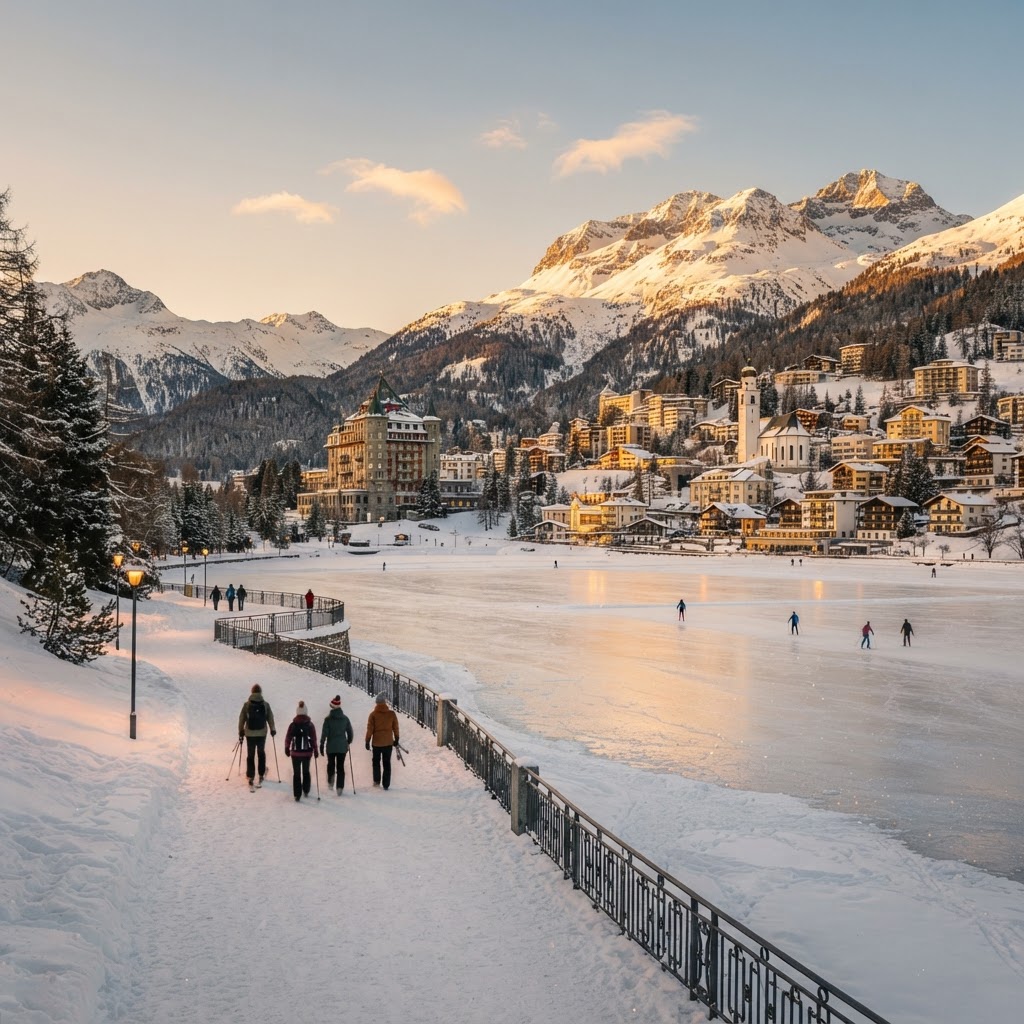
High-altitude Engadine alpine elegance, world-class winter sports, and sparkling lakeside trails
Readymade itineraries
Start from a tested template — then make it yours.
Ready to book
Lock in your Jungfrau Region, Switzerland trip
Everything in one place. We may earn a small commission — it never costs you more.
Plan a trip to Jungfrau Region, Switzerland
Pick a length and we'll build a day-by-day plan around how you travel — neighborhoods clustered, budget-aware, and editable.
Get better at planning trips like this
Occasional notes on planning smarter — no spam, unsubscribe anytime.
Plan a trip to Jungfrau Region, Switzerland
Turn this guide into a day-by-day plan built around your pace, your group, and your budget.
Build my Jungfrau Region, Switzerland trip