Switzerland
Lausanne, Switzerland
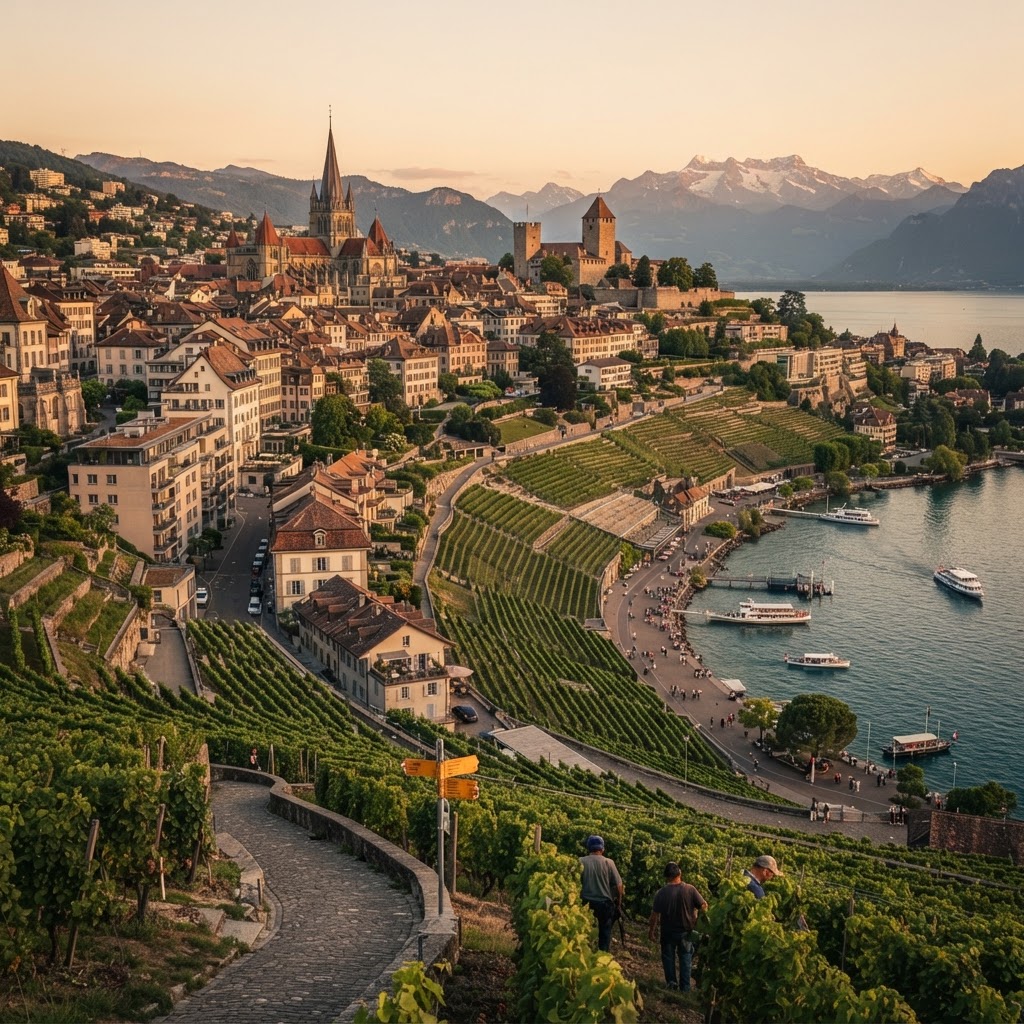
A terraced hillside city of lakeside walks, bold contemporary art, and steep vineyard trails.
Plan & book
Sort your Lausanne, Switzerland trip in one place.
We point you to the booking tools we'd actually use — live prices, no markup. Or let us build the day-by-day plan around you first, then book.
Built steeply over three distinct hills dropping into Lake Geneva (Lac Léman), Lausanne pairs a Gothic hilltop core with a revitalized industrial valley and a tranquil lakeside promenade. It operates at an energetic Swiss-French pace, driven by university students, global athletic federations, and premier hospitality academies. Free public transit provided to overnight hotel guests offsets the brutal vertical climbs, making it an efficient base for exploring both world-class museums and the terraced Lavaux vineyards.
3 days
Best time
September to mid-October for golden vineyard foliage, grape harvest, and crisp walking weather.
Build your own trip with these prebuilt itineraries
Each one is a tested, day-by-day plan for Lausanne, Switzerland — start here, then make it yours.
5 Days: Lake Geneva & French-Swiss Rail Explorer in Lausanne
A slower-paced regional deep-dive using Lausanne as a car-free rail base to explore the Vaud Riviera, Montreux, and scenic lakeside towns.
3 Days: Art, Culture & Lavaux Vineyards in Lausanne
The quintessential balanced experience pairing city museums and historic quarters with unhurried terrace walks and Chasselas tastings in nearby Lavaux.
2 Days: Design, Old Town & Lake Vistas in Lausanne
First-time urban highlights focusing on Gothic architecture, modern arts at Plateforme 10, and lakeside promenades using the M2 metro.
Lausanne offers the visual drama of Lake Geneva and the Savoy Alps without the bureaucratic chill of Geneva or the cruise-tourist swarm of Lucerne. Plateforme 10 concentrates fine art, contemporary photography, and design into a singular arts district adjacent to the main rail terminal, while the Collection de l'Art Brut displays one of Europe's most provocative outsider-art archives. Step out of the urban center, and you are a 10-minute train ride away from hiking through steep UNESCO-listed terraced vineyards with Chasselas wine tastings overlooking the water.
Where to stay
Getting there
Getting around
Food & drink
What it costs
Things to do
Book tours & tickets in Lausanne, SwitzerlandSkip it if
Skip Lausanne if your Swiss travel priority is immediate, direct access to high-alpine glaciers, rugged backcountry hiking, and dramatic jagged horn peaks (head to Zermatt, Lauterbrunnen, or Grindelwald instead), or if severe mobility limitations make steep cobblestone grades and deep multi-tiered inclines challenging.
When to go
Summer brings gorgeous lake swimming but high hotel rates and crowded waterfront promenades, while winter can bring heavy lake fog and dormant vineyards. Early autumn strikes the sweet spot between mild temperatures, open cellar doors in the Lavaux, and uncrowded museum galleries.
Peak (June to August)
Warm days bring lively swimming at Bellerive Plage and packed outdoor terraces, accompanied by top-tier hotel pricing and crowded boat departures.
Shoulder (April to May & September to October)
Crisp air, pleasant walking temperatures, and vibrant seasonal changes; autumn specifically offers harvest energy in the terraced vineyards.
Low (November to March)
Cold conditions and frequent low-hanging fog on the lake, with many vineyard tasting rooms shuttered, though indoor institutions like Plateforme 10 are blissfully empty.
Neighborhoods
Where you stay shapes the trip. Here's how to think about it.
La Cité
Cobbled Gothic heights crowned by the cathedral, quiet courtyards, and sharp ridge-top vistas.
Best for:History buffs, architecture enthusiasts, and romantic evening strolls
Don't miss:The 13th-century rose window inside Cathédrale de Lausanne and the panoramic view from the Esplanade de la Cathédrale.
Le Flon
Converted industrial warehouses turned sleek pedestrian design quarter with bold modernist cubes and terraced rooftops.
Best for:Nightlife, design lovers, quick dining, and transit access
Don't miss:Catching an aperitif at the open-air rooftop bars overlooking the sunken valley plazas.
Ouchy
Breezy lakeside resort feel with Belle Époque facades, weeping willows, and vintage paddle steamers.
Best for:Families, relaxed walkers, and warm-weather lakeside leisure
Don't miss:The Olympic Museum's sculpture garden directly above the lakeshore promenade.
Sous-Gare & Grancy
Gentle, leafy residential slope lined with turn-of-the-century boulevards, specialty bakeries, and neighborhood bistros.
Best for:Independent travelers, foodies, and easy railway access
Don't miss:Sipping local Chasselas on Boulevard de Grancy alongside off-duty university faculty and winemakers.
Place de la Palud & Centre-Ville
Bustling merchant core of stepped staircases, pedestrian shopping lanes, and traditional café terraces.
Best for:First-time visitors, shoppers, and market lovers
Don't miss:Ascending the covered wooden Escaliers du Marché that link the market square directly to the cathedral hill.
Destination intelligence
Updated 9/14/2026The structured record we plan every Lausanne, Switzerland itinerary from.
Walkability
Moderate. Individual neighborhoods like Le Flon and Cité are easily walkable on foot, but traversing between tiered districts involves very steep gradients, bridges, and endless stairs. The M2 metro solves the vertical strain.
Transit quality
Exceptional. Clean, fast, and frequent automated metro lines and trolleybuses run seamlessly. Overnight guests receive the free Lausanne Transport Card, making navigation effortless.
Car needed
No. A rental car is an unnecessary expense and operational hindrance due to pedestrianized centers, steep grades, and expensive parking garages. The regional rail network is world-class.
Ideal duration
3 days
Minimum useful
1 day
Peak season
June to August: Long, warm days ideal for swimming in Lake Geneva, outdoor terrace cafes, and lakeside parks, accompanied by peak hotel rates and higher tourist volumes.
Shoulder season
April to May and September to October: The absolute sweet spot, especially autumn during grape harvest when the Lavaux terraces turn brilliant gold and weather remains crisp.
Low season
November to March: Shorter daylight hours, persistent lakeside fog, and closed vineyard tasting rooms, though hotel rates soften and indoor cultural centers like Plateforme 10 remain uncrowded.
Best for
Common mistakes
- Renting a car for a stay inside Lausanne; parking garages are costly and the one-way street layout is notoriously punitive.
- Buying single bus or metro tickets before arriving at your accommodation, forgetting that overnight hotel and hostel bookings provide a free Lausanne Transport Card for your entire stay.
- Treating the city as completely flat on a map, resulting in exhausting vertical treks from the lakeshore to the cathedral instead of using the M2 metro line.
- Visiting on a Sunday or Monday without checking opening hours, when many independent boutiques, museum galleries, and traditional taverns close entirely.
- Skipping the Lavaux vineyard trails just 10 minutes east of the city center to rush across the country toward the high Bernese Oberland peaks.
Best nearby
How to plan it
- Base yourself in Sous-Gare or near Lausanne-Gare if you plan frequent train excursions into the Lavaux vineyards or Montreux.
- Stay in Ouchy if your primary goal is tranquil water views, lake swimming, and paddle steamer connections.
- Avoid trying to hike the Lavaux vineyard terraces and visit multiple major indoor museums on the same day; steep grades and museum fatigue will clash.
- Catch the CGN paddle steamer from Ouchy to Cully or Vevey rather than taking the train both ways to get the signature view of the terraced vineyards from the water.
- Plan around Monday closures, as both the Olympic Museum and Plateforme 10's fine arts museums close at the start of the week.
Questions
More in Switzerland
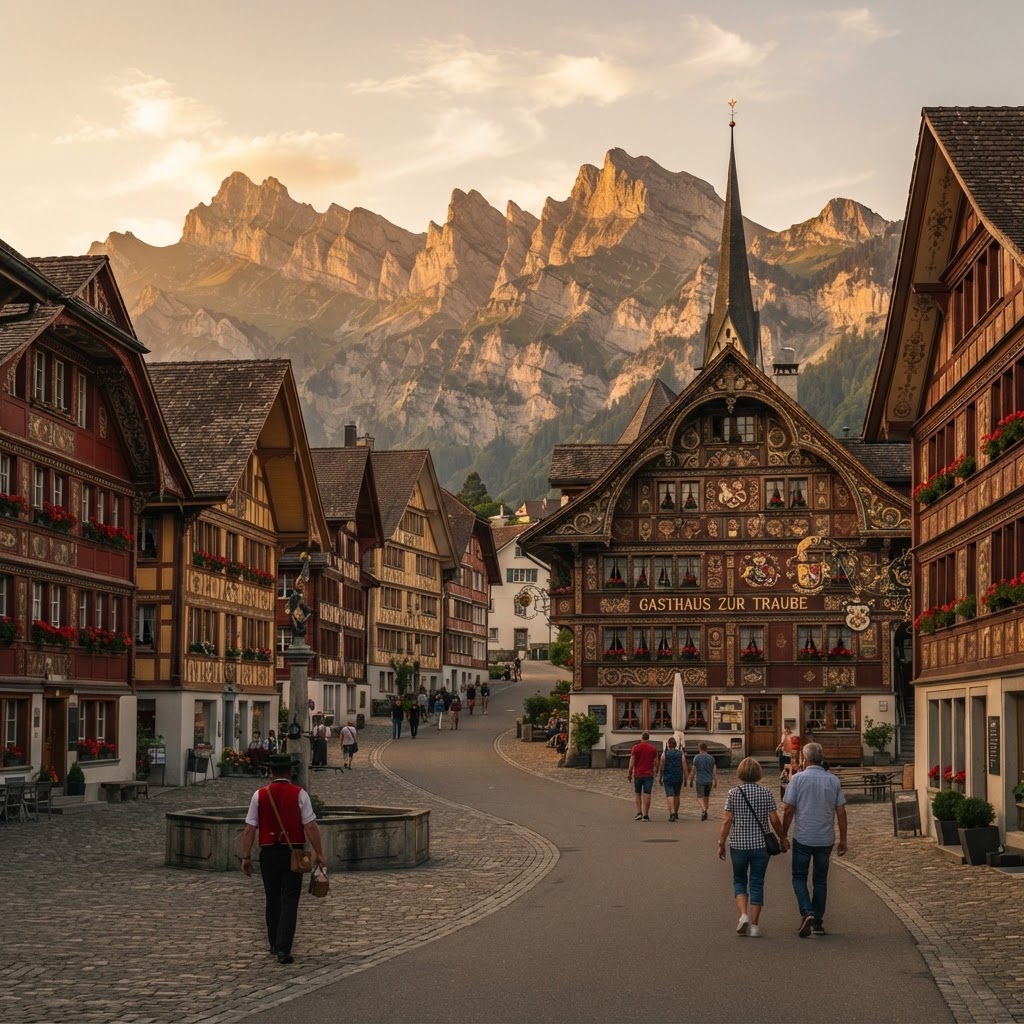
Appenzell
Switzerland
Carved timber facades, fierce traditions, and dramatic Alpstein limestone ridges.
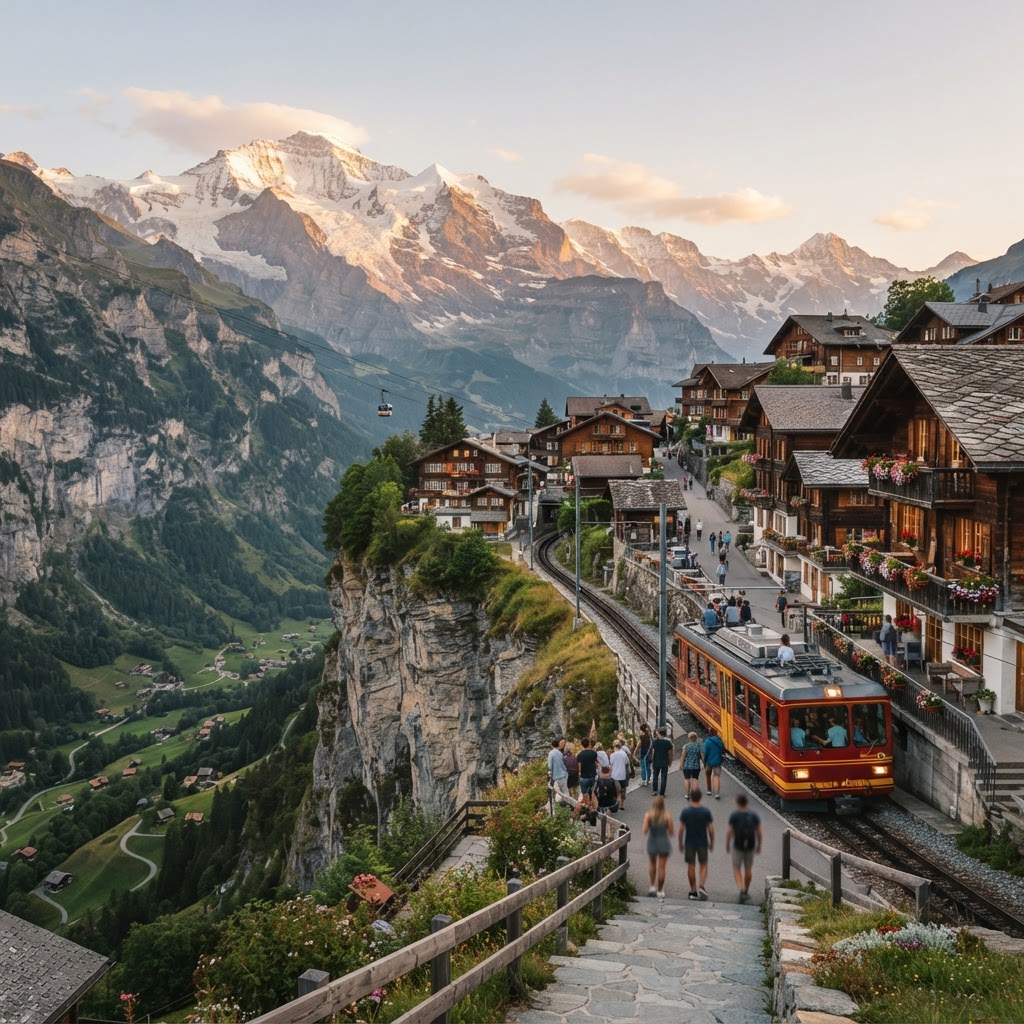
Jungfrau Region, Switzerland
Switzerland
Car-free cliffside villages, vertical alpine walls, and clockwork mountain railways.
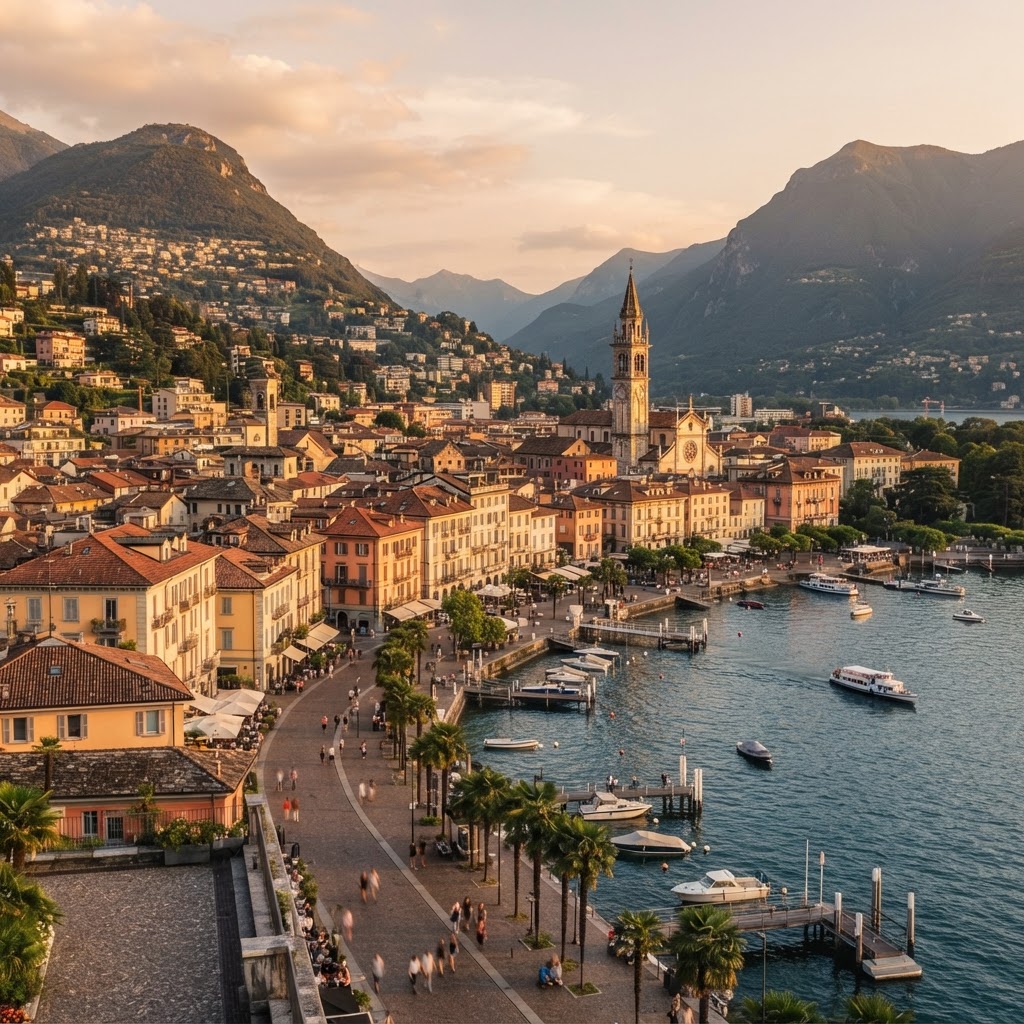
Lugano
Switzerland
Lombard warmth meets Swiss punctuality across a glacial lake framed by sub-Alpine peaks.
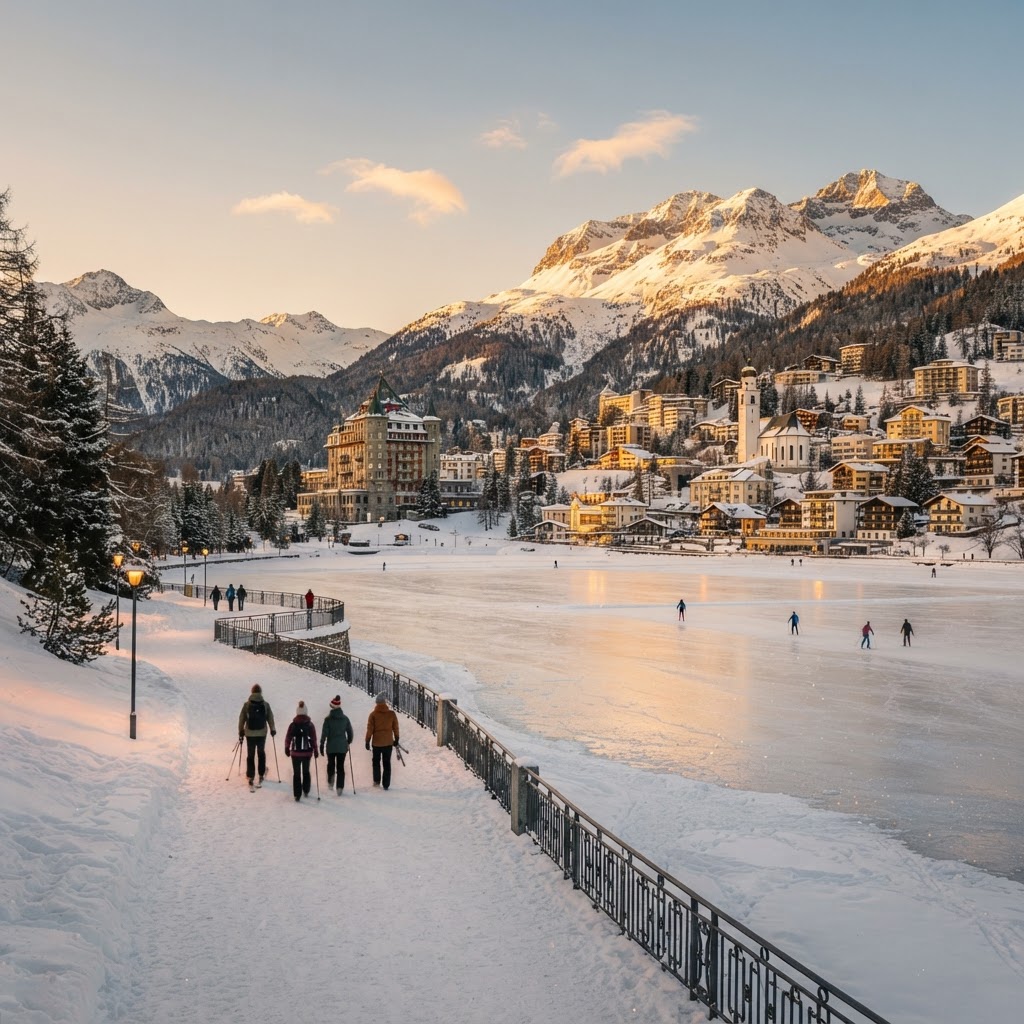
St. Moritz
Switzerland
High-altitude Engadine alpine elegance, world-class winter sports, and sparkling lakeside trails
Readymade itineraries
Start from a tested template — then make it yours.
Ready to book
Lock in your Lausanne, Switzerland trip
Everything in one place. We may earn a small commission — it never costs you more.
Plan a trip to Lausanne, Switzerland
Pick a length and we'll build a day-by-day plan around how you travel — neighborhoods clustered, budget-aware, and editable.
Get better at planning trips like this
Occasional notes on planning smarter — no spam, unsubscribe anytime.
Plan a trip to Lausanne, Switzerland
Turn this guide into a day-by-day plan built around your pace, your group, and your budget.
Build my Lausanne, Switzerland trip