Ireland
Killarney
Ireland’s premier outdoor gateway, where rugged glacial lakes meet classic pub culture
Plan & book
Sort your Killarney trip in one place.
We point you to the booking tools we'd actually use — live prices, no markup. Or let us build the day-by-day plan around you first, then book.
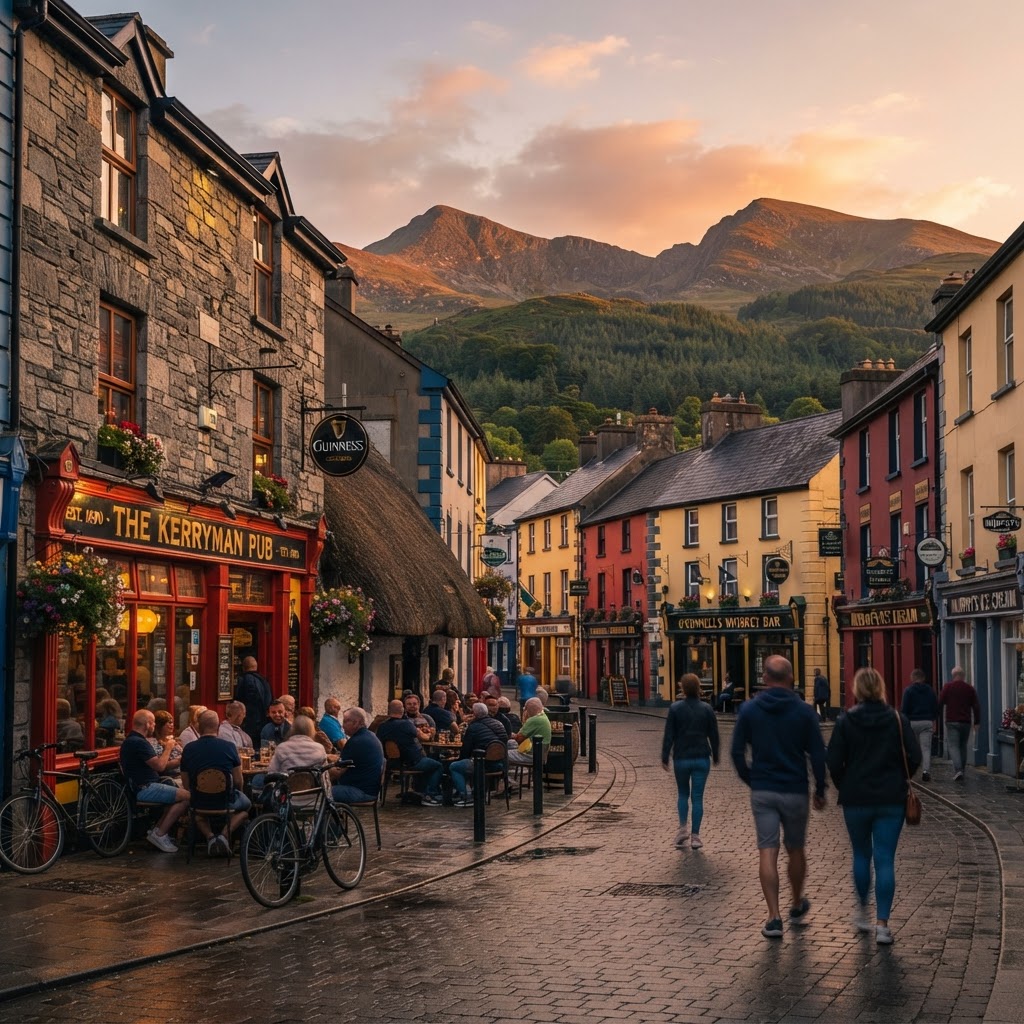
Killarney is Ireland's longest-running tourist hub, serving as the launching pad for Killarney National Park, the Ring of Kerry, and the dramatic Gap of Dunloe. While the town center pulses with lively traditional music bars and traveler-friendly dining, the real appeal lies immediately beyond the pavement: 26,000 acres of oak woodlands, mirrored lakes, and mountain passes waiting to be explored on foot, by bike, or via narrow coastal roads.
3 to 4 days
Best time
May to June or September for 15+ hours of daylight, dry trail walking, and manageable roadway traffic.
Build your own trip with these prebuilt itineraries
Each one is a tested, day-by-day plan for Killarney — start here, then make it yours.
5 Days in Killarney: The Kerry Way & Wild Atlantic Peninsulas in Killarney
Active hiking and coastal road trip base covering Torc Mountain, Dingle Peninsula day trips, and deep park exploration
3 Days in Killarney: Classic Kerry Highlights in Killarney
First-timer blend of Killarney National Park, the Gap of Dunloe, and a clockwise drive along the scenic Ring of Kerry
2 Days in Killarney: Town & National Park by Bike in Killarney
Car-free outdoor escape focusing on cycling Muckross, Ross Castle, and lakeside trails paired with lively pub evenings
Go for the sheer concentration of dramatic southwestern Irish landscape right at your doorstep. In a single base, you can cycle past red deer herds to 15th-century Ross Castle in the morning, hike through the glacial rift of the Gap of Dunloe in the afternoon, and walk straight into a traditional music session at a historic pub by nightfall without spending hours on transit.
Where to stay
Getting there
Getting around
Food & drink
What it costs
Things to do
Book tours & tickets in KillarneySkip it if
Skip Killarney if you dislike tourist infrastructure and seek sleepy, untouched fishing villages; places like Kenmare or the western Dingle Peninsula offer a lower-density, more understated Kerry alternative.
When to go
Summer offers maximum daylight and vibrancy but clogs narrow Ring of Kerry lanes behind tour coaches. May and September bring crisp, clear walking conditions, open seasonal boat routes, and uncrowded pub tables.
Peak (July–August)
Maximum daylight and lively festivals, but hotel rates spike and narrow peninsula roads suffer bumper-to-bumper coach convoys.
Shoulder (May–June, September–October)
The golden window: mild hiking temperatures, crisp autumnal or spring greenery, open tourist infrastructure, and far thinner crowds.
Low (November–April)
Cold, damp, and quiet; daylight drops to around eight hours, and several boat shuttles and park visitor centers reduce their schedules.
Neighborhoods
Where you stay shapes the trip. Here's how to think about it.
Town Centre & Plunkett Street
Bustling, compact core with colorful storefronts, pedestrian lanes, and nightly trad sessions.
Best for:First-timers, pub crawlers, and car-free travelers wanting walking access to rail, dining, and shops.
Don't miss:The Killarney Grand for evening fiddle sets, paired with a pint of local craft stout.
Muckross Road & National Park Fringe
Spacious, greener corridor lined with classic guesthouses, grand hotel lawns, and easy trailheads.
Best for:Cyclists, hikers, and travelers seeking quiet evenings without sacrificing proximity to town.
Don't miss:Renting a hybrid bicycle and heading straight into the pedestrian entrance toward Muckross Abbey.
Ross Island & Lough Leane Gate
Tranquil lakeside enclave where historic battlements meet misty morning rowing waters.
Best for:Nature purists, photographers, and boaters looking to escape street traffic early in the day.
Don't miss:The 15th-century Ross Castle grounds at dawn before tour coaches arrive at the slipway.
Beaufort & The Gap Gateway
Rural pastoral valley dotted with country inns, stone bridges, and looming mountain passes.
Best for:Active trekkers tackling Carrauntoohil or cycling the Gap of Dunloe without navigating town bottlenecks.
Don't miss:Coffee and a scone at Kate Kearney's Cottage before walking through the glacial mountain breach.
Destination intelligence
Updated 9/14/2026The structured record we plan every Killarney itinerary from.
Walkability
High in town center; low for regional peninsulas and scenic loop drives
Transit quality
Moderate: good intercity rail link and local park shuttles, but sparse rural bus coverage
Car needed
Optional for town and national park cycling; recommended for Ring of Kerry flexibility
Ideal duration
3 to 4 days
Minimum useful
2 days
Peak season
June to August, bringing long daylight hours, warmest weather, and dense coach traffic
Shoulder season
April to May and September to October, offering vivid foliage, lighter crowds, and crisp hiking days
Low season
November to March, characterized by chilly temperatures, short daylight, and seasonal winter closures
Best for
Common mistakes
- Driving counter-clockwise on the Ring of Kerry in midsummer and getting trapped behind dozens of tour coaches on single-lane bends.
- Treating Killarney purely as a drive-through pit stop instead of spending full days exploring inside the national park.
- Relying solely on jaunting car rides without walking or cycling the car-free trails deeper into the park.
- Failing to reserve train seats from Dublin or rental cars well in advance during the peak summer months.
Best nearby
How to plan it
- Base yourself within a 10-minute walk of High Street if you want evening pints and live music without needing taxis or designated drivers.
- Rent a bicycle in town to reach Ross Castle and Muckross Abbey via paved trails rather than fighting tour traffic on the main road.
- Never attempt the Ring of Kerry and the Dingle Peninsula on the same day; each demands a dedicated 7- to 9-hour circuit to explore properly.
- Reserve open-boat transfers across Lough Leane for the Gap of Dunloe at least 48 hours ahead during May through September.
- Pair Killarney with Kenmare or Dingle if you want to balance an energetic hub with quieter coastal village stays.
Questions
More in Ireland
Kilkenny, Ireland
Ireland
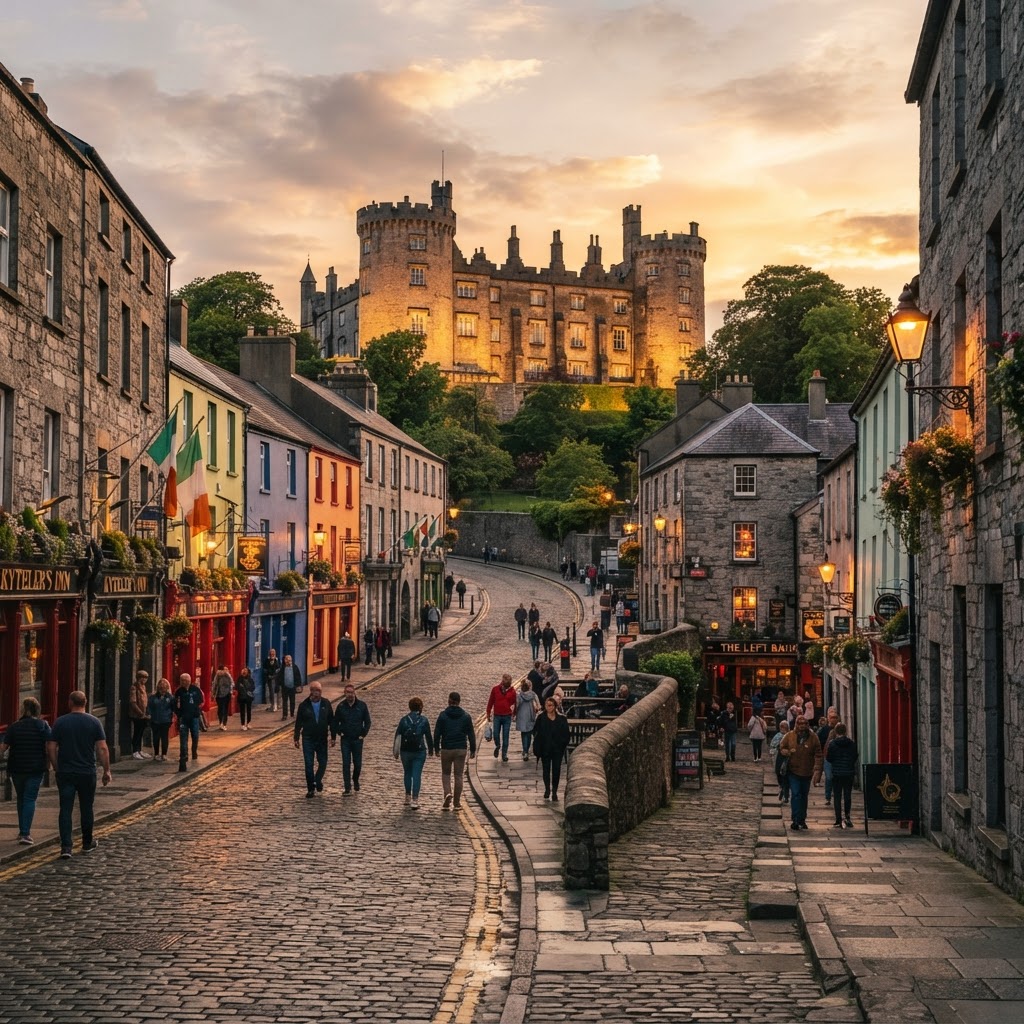
Ireland’s medieval hub of stone slipways, castle grounds, and authentic trad sessions.
Cork, Ireland
Ireland
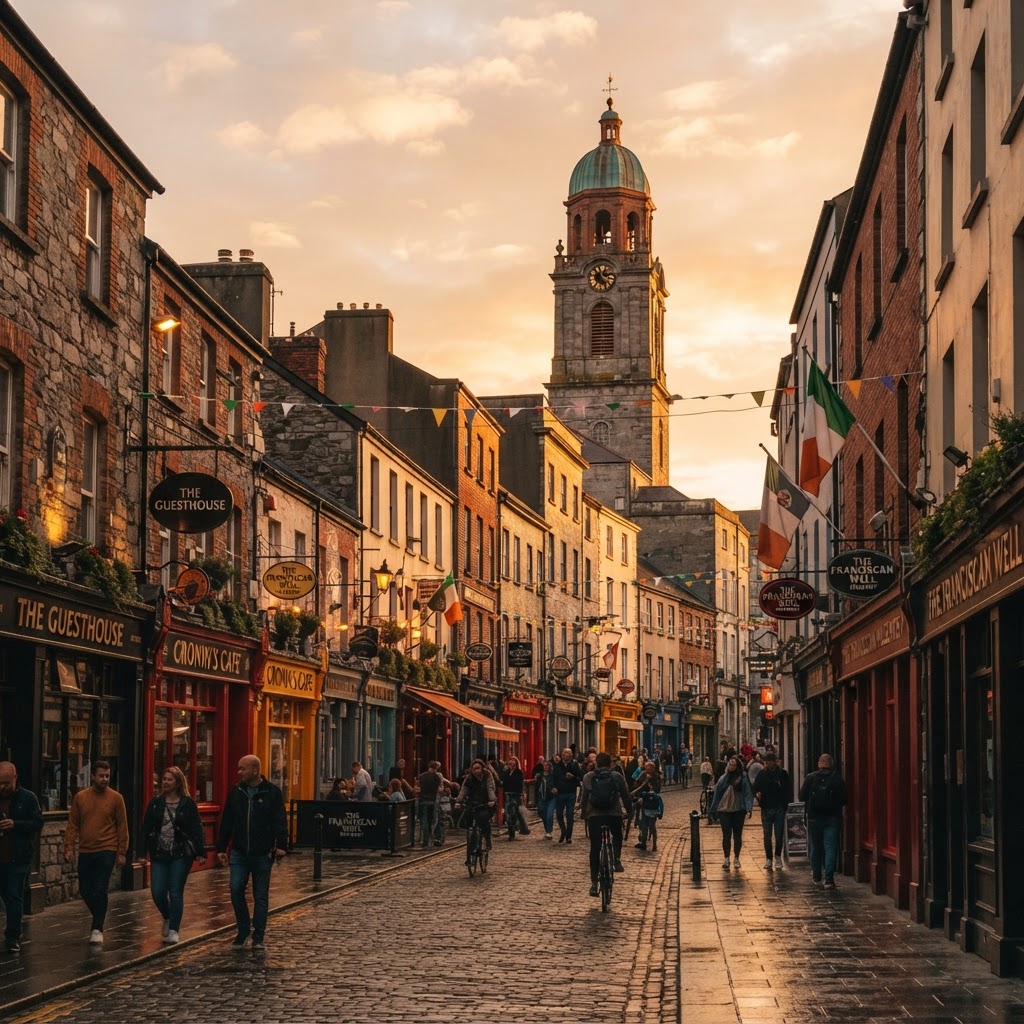
Ireland’s culinary capital with a fierce independent streak and zero pretense.
Ring of Kerry, Ireland
Ireland
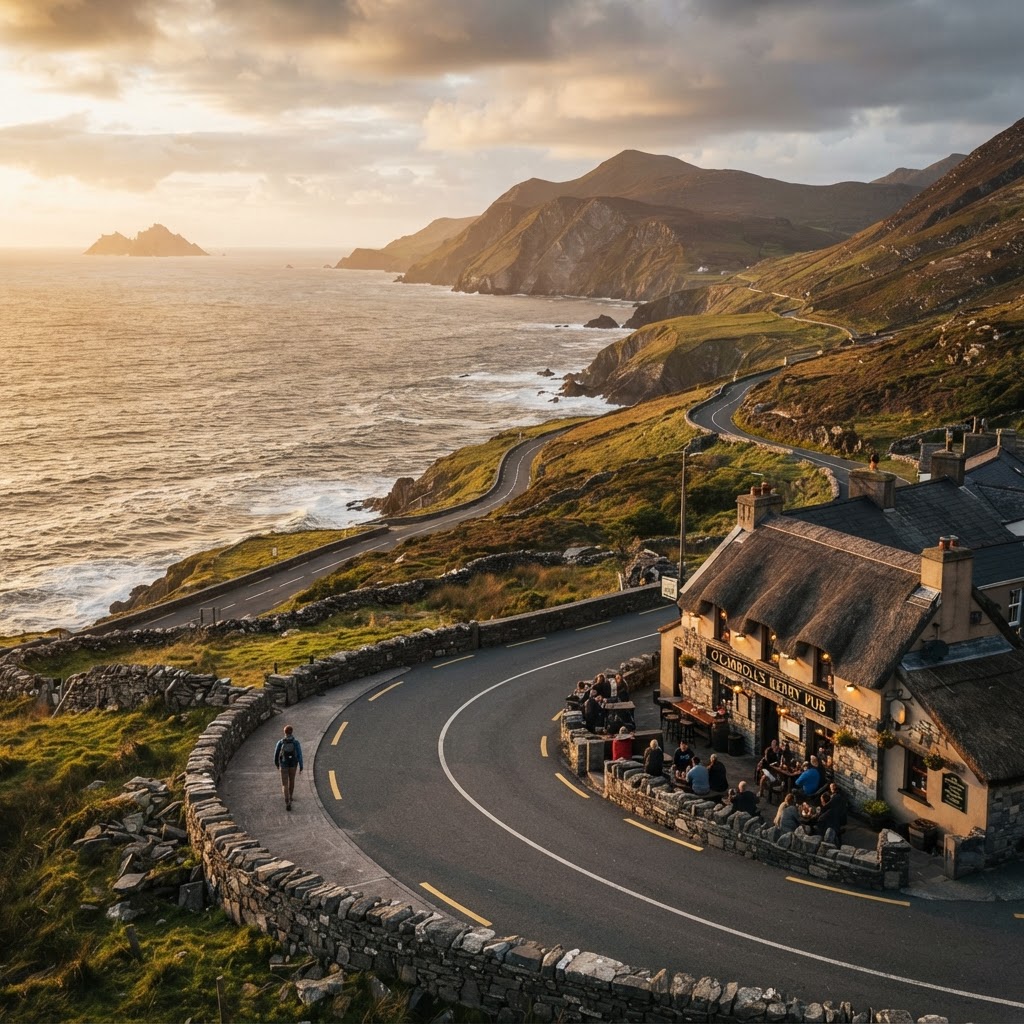
Wild Atlantic coastal panoramas, historic mountain passes, and lively Kerry pub culture.
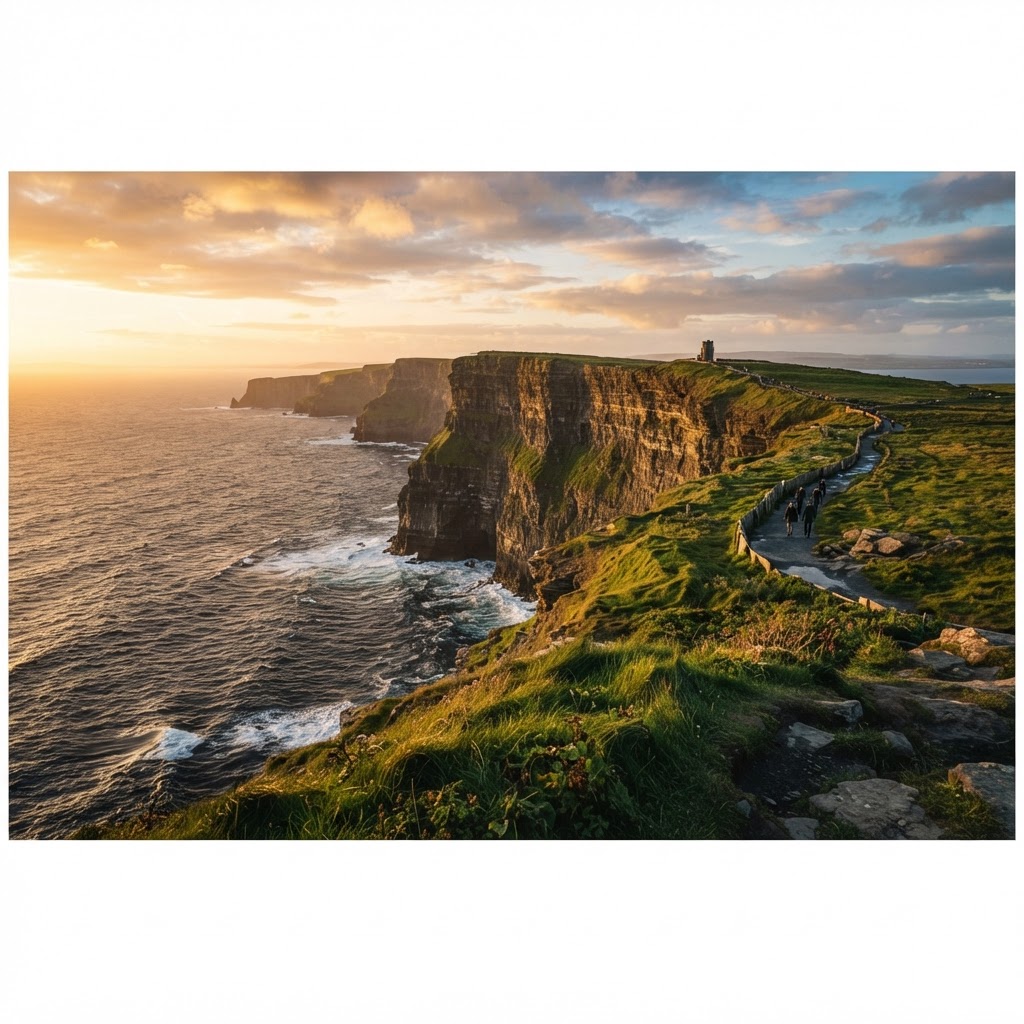
Cliffs of Moher
Ireland
Sheer Atlantic precipices, world-class coastal walking, and County Clare's traditional music heartland.
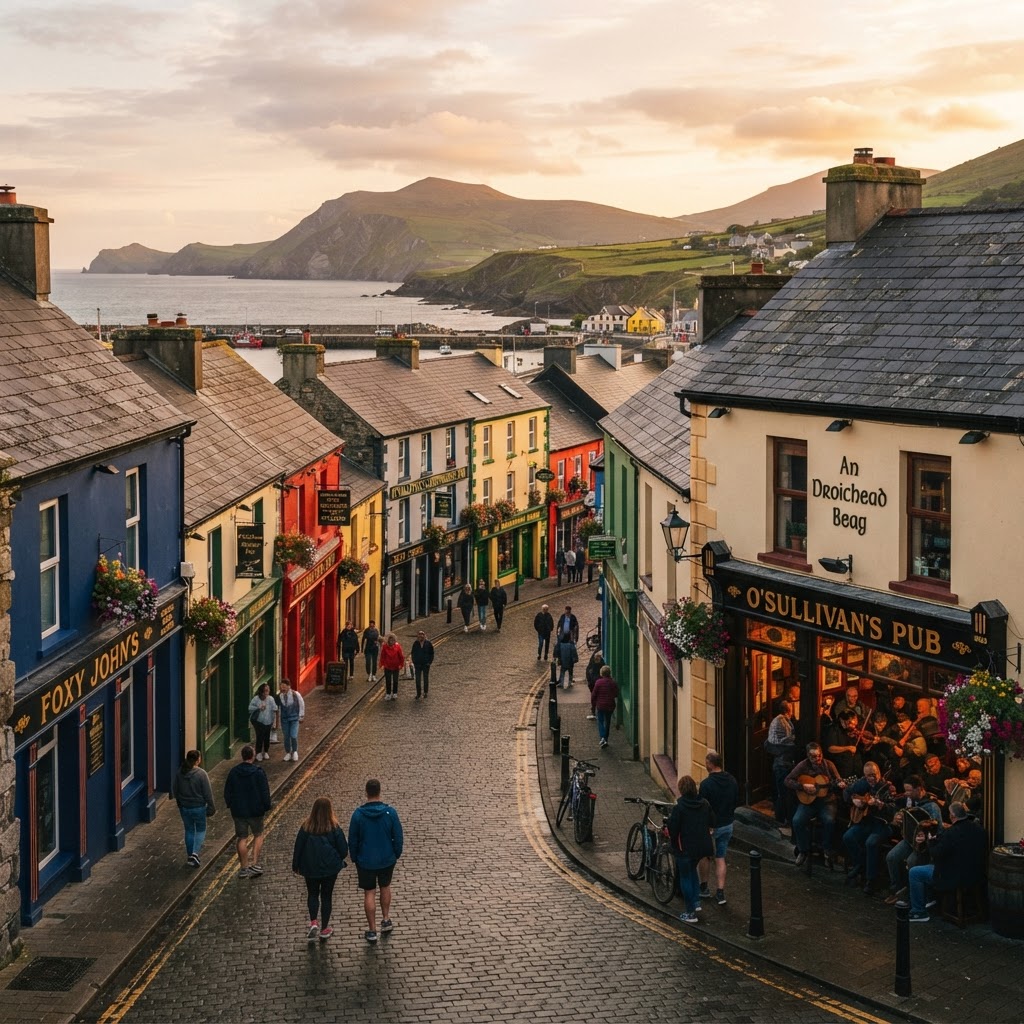
Dingle Peninsula (Corca Dhuibhne)
Ireland
Wild Atlantic coastal fringes, Gaeltacht heritage, and legendary trad sessions.
Readymade itineraries
Start from a tested template — then make it yours.
Ready to book
Lock in your Killarney trip
Everything in one place. We may earn a small commission — it never costs you more.
Plan a trip to Killarney
Pick a length and we'll build a day-by-day plan around how you travel — neighborhoods clustered, budget-aware, and editable.
Get better at planning trips like this
Occasional notes on planning smarter — no spam, unsubscribe anytime.
Plan a trip to Killarney
Turn this guide into a day-by-day plan built around your pace, your group, and your budget.
Build my Killarney trip