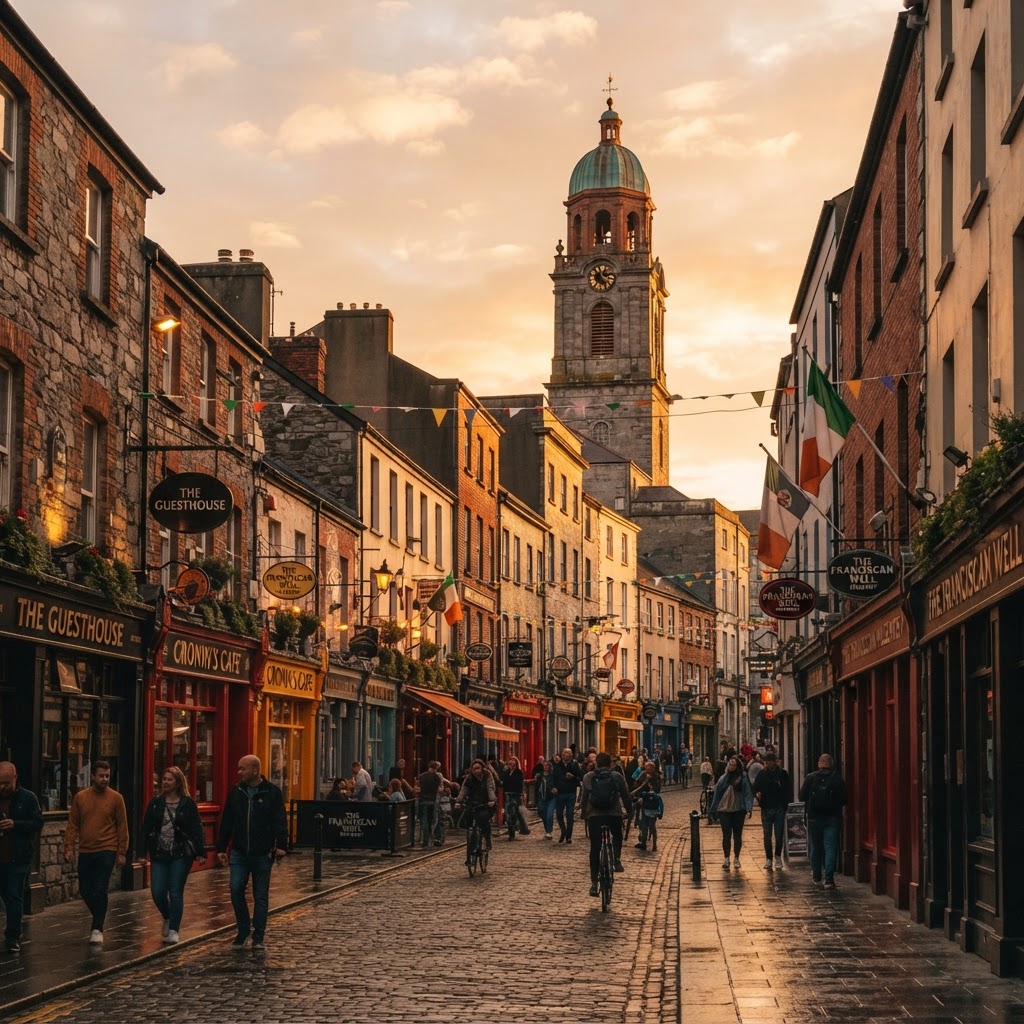
Ireland
Cork, Ireland
Ireland’s culinary capital with a fierce independent streak and zero pretense.
Plan & book
Sort your Cork, Ireland trip in one place.
We point you to the booking tools we'd actually use — live prices, no markup. Or let us build the day-by-day plan around you first, then book.
Set on an island in the River Lee, Cork proudly refers to itself as the 'real capital' of Ireland. It lacks Dublin’s frantic scale and Killarney’s tour-bus queues, trading them for centuries-old covered markets, homegrown stout traditions, independent small plates, and steep Georgian quays. It serves as both a serious gastronomic base and the authentic gateway to the rugged peninsulas of West Cork.
How long
2 to 3 days (expandable to 4-5 days if used as a hub for Cobh, Midleton, and Kinsale)
Best time
May to June or September to October (shoulder months for optimal walking weather and pub space).
Build your own trip with these prebuilt itineraries
Each one is a tested, day-by-day plan for Cork, Ireland — start here, then make it yours.
5 Days in Cork: City & Coastal Rail Hub in Cork
Car-free extended base exploring maritime heritage with train day trips to Cobh and Midleton
3 Days in Cork: Ireland's Culinary Capital in Cork
Deep dive into market food halls, craft stouts, and innovative farm-to-table dining
2 Days in Cork City: Rebel Culture & Local Pints in Cork
First-time urban highlights, social history, and traditional pub culture on foot
Cork is where you experience contemporary Irish urban life without the dilution of mass tour circuits. The city’s identity revolves around food—anchored by the 18th-century English Market and celebrated in casual fine-dining spots like Goldie and Elbow Lane. The pub culture here rejects national marketing in favor of hometown stouts (Murphy's and Beamish) poured alongside spontaneous nightly trad sessions in venues like Sin É.
Where to stay
Getting there
Getting around
Food & drink
What it costs
Things to do
Book tours & tickets in Cork, IrelandSkip it if
Skip Cork if your trip requires sweeping dramatic landscapes right outside your hotel door (head directly to Connemara or the Dingle Peninsula instead), or if you only have 5 days in Ireland and need to stick strictly to Dublin and a brief countryside loop.
When to go
Summer brings higher accommodation rates and festival crowds, while winter days suffer from heavy Atlantic squalls and 4:30 PM dusk. Shoulder season delivers manageable restaurant availability at spots like Goldie, clear daytime strolls, and room at traditional music sessions.
Peak (July–August)
Warmest weather (18°C–20°C) and energetic festival calendars, but hotel rates spike and car parking near the center becomes nearly impossible.
Shoulder (May–June, September–October)
Crisp walking weather, vibrant student and pub energy, and far easier reservations at top dining rooms along MacCurtain and Oliver Plunkett streets.
Low (November–March)
Short daylight, cold rain, and chilly winds; however, traditional pub fires are roaring, rates plummet, and food venues operate without summer queues.
Neighborhoods
Where you stay shapes the trip. Here's how to think about it.
Victorian Quarter (MacCurtain Street)
Energetic, bohemian commercial strip packed with craft beer joints, Victorian facades, and traditional music spots.
Best for:Nightlife, pub crawlers, and independent food lovers
Don't miss:Catching a nightly traditional music session over a pint of Beamish at Sin É.
City Centre Island (Grand Parade & Oliver Plunkett St)
Lively pedestrian core wedged between the River Lee's split channels, buzzing with cafes, bookshops, and market trading.
Best for:First-timers wanting maximum walkability and zero transit hassle
Don't miss:Ordering spiced beef or traditional tripe from stalls inside the English Market followed by lunch at Farmgate Café.
Shandon
Steep, cobblestoned historic quarter offering working-class pride and panoramic city views across the river.
Best for:History buffs and travelers who do not mind uphill walking
Don't miss:Climbing the tower of St. Anne's Church to ring the Shandon Bells over the city quays.
South Gate & Saint Fin Barre's Quarter
Atmospheric, leafy academic pocket anchored by dramatic French Gothic Revival spires and pocket parks.
Best for:Architecture admirers and travelers seeking a quiet, residential pace
Don't miss:Exploring the triple spires and intricate stone carvings of Saint Fin Barre's Cathedral.
Destination intelligence
Updated 9/14/2026The structured record we plan every Cork, Ireland itinerary from.
Walkability
High. The city core, framed by the split channels of the River Lee, is flat and easily navigated on foot, though climbing north into Shandon or south toward St Fin Barre's involves steep inclines.
Transit quality
Moderate. City buses cover major suburban arteries and airports, and local rail lines efficiently link to Cobh and Midleton, though intra-city lines can occasionally run behind schedule.
Car needed
No for the city; Yes for the countryside. A car is an active disadvantage in Cork City itself, but indispensable the moment you set out into West Cork or County Kerry.
Ideal duration
2 to 3 days (expandable to 4-5 days if used as a hub for Cobh, Midleton, and Kinsale)
Minimum useful
1 full day (enough for the English Market, Shandon, and an evening pub crawl)
Peak season
July to August (warmest weather, maximum festival schedules, crowded hotel capacity, and highest rates).
Shoulder season
May to June and September to October (crisp dry days, active pub scene, comfortable walking weather, and simpler restaurant reservations).
Low season
November to March (rainy, cold, short daylight hours, though pubs and culinary venues operate normally with lowest accommodation pricing).
Best for
Common mistakes
- Keeping a rental car while staying in the city center, which results in expensive daily garage fees and navigating awkward one-way river traffic systems.
- Ordering a pint of Guinness in an old-school local pub instead of asking for Cork's native stouts, Beamish or Murphy's.
- Treating Cork merely as a highway pass-through between Dublin and the Ring of Kerry without spending an evening experiencing its dining and live music.
- Prioritizing the tourist-heavy Blarney Stone queue over Cork's genuine culinary and historic center.
- Forgetting to pre-book top-tier dinners like Goldie or Elbow Lane well before arrival.
Best nearby
How to plan it
- Stay along MacCurtain Street or Oliver Plunkett Street if you want full walkability to pubs and morning bakeries without waiting on city buses.
- Take the 25-minute commuter rail from Cork Kent to Cobh or Midleton instead of navigating regional driving traffic.
- Do not pick up your rental car until the morning you depart Cork City for Kinsale, Clonakilty, or the Beara Peninsula.
- Book Goldie 3 to 4 weeks ahead if fin-to-gill sustainable seafood is high on your dining list.
- Allocate a weekday morning to the English Market before 11:30 AM to beat the lunchtime worker rush at Farmgate Café.
Questions
More in Ireland
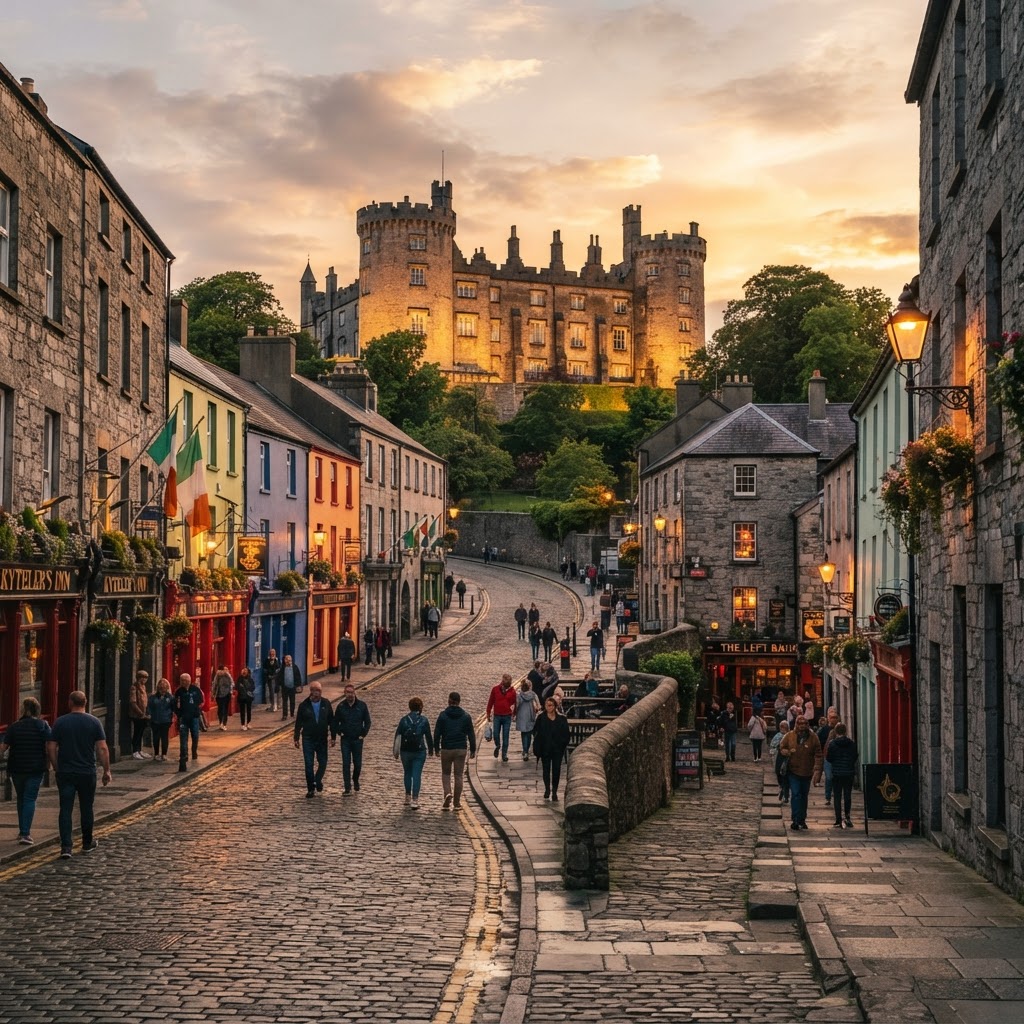
Kilkenny, Ireland
Ireland
Ireland’s medieval hub of stone slipways, castle grounds, and authentic trad sessions.
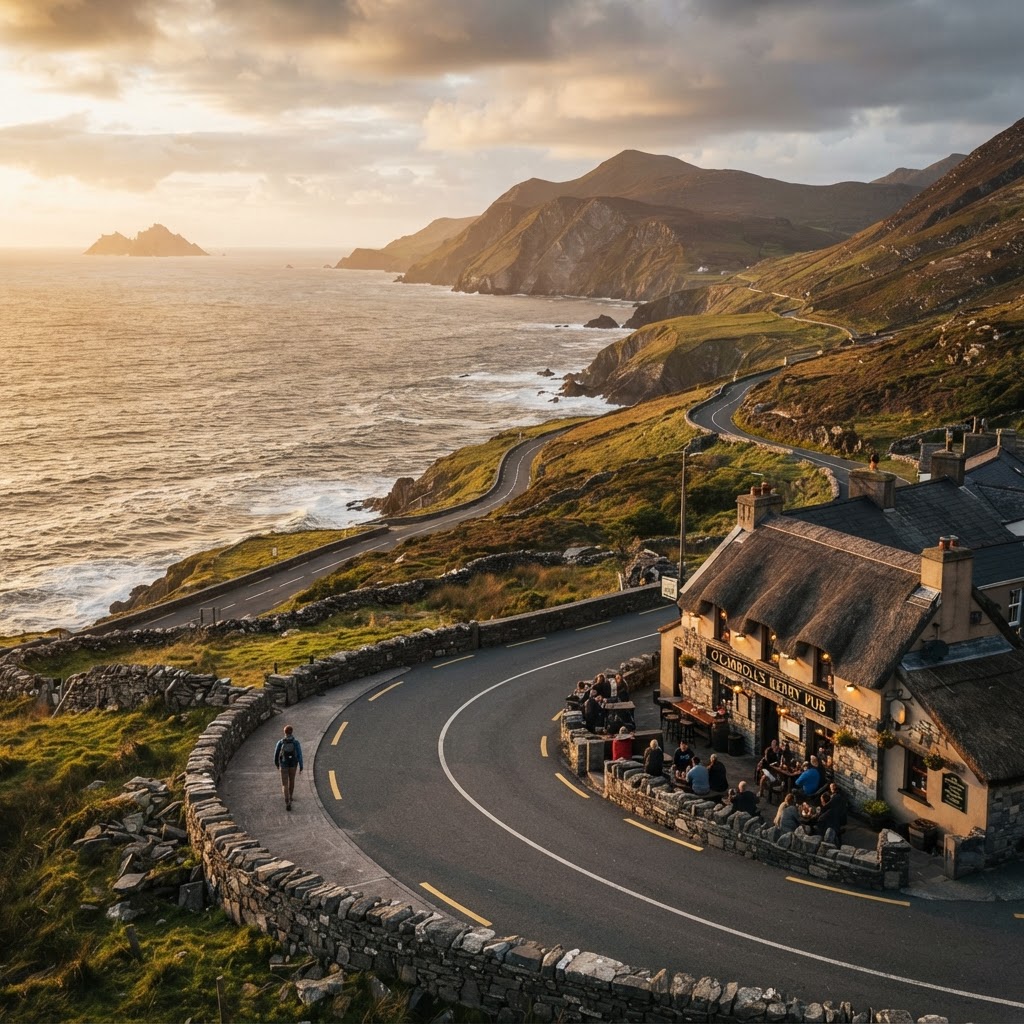
Ring of Kerry, Ireland
Ireland
Wild Atlantic coastal panoramas, historic mountain passes, and lively Kerry pub culture.
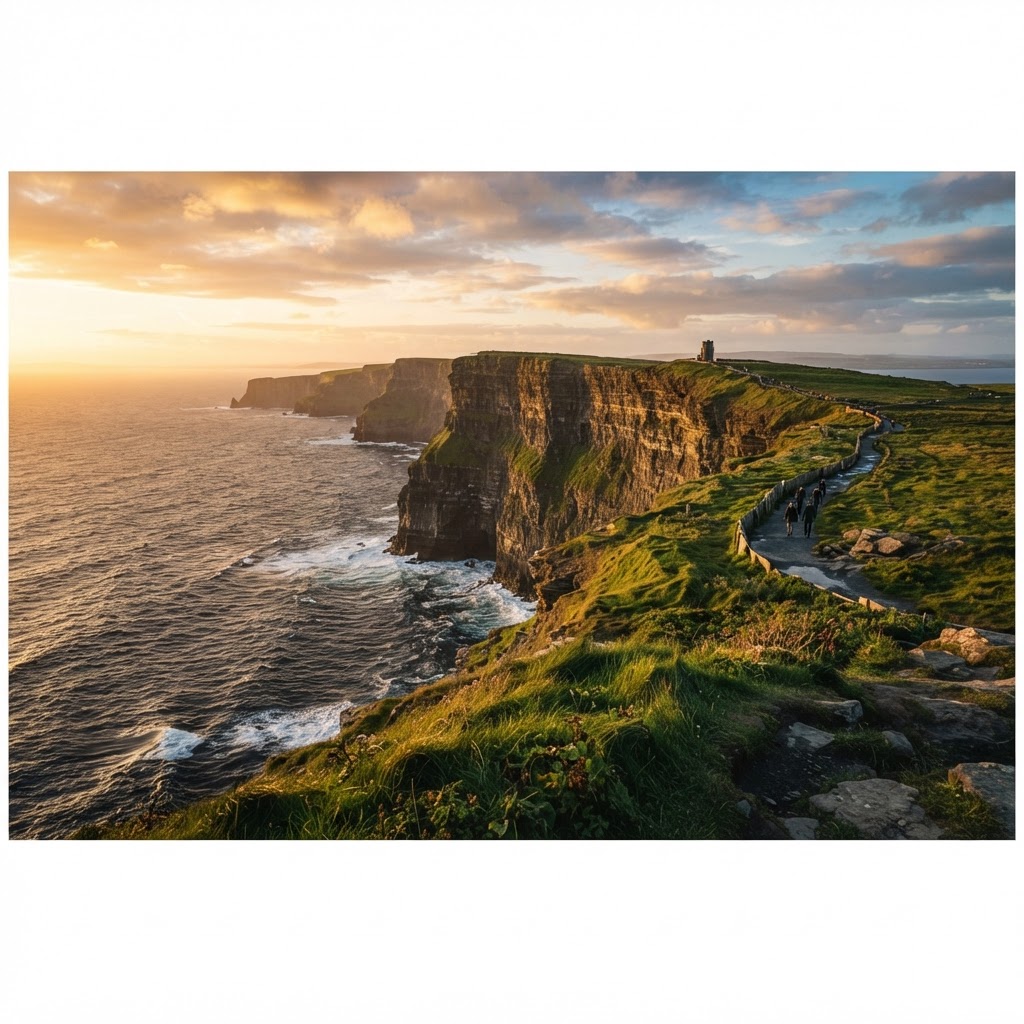
Cliffs of Moher
Ireland
Sheer Atlantic precipices, world-class coastal walking, and County Clare's traditional music heartland.
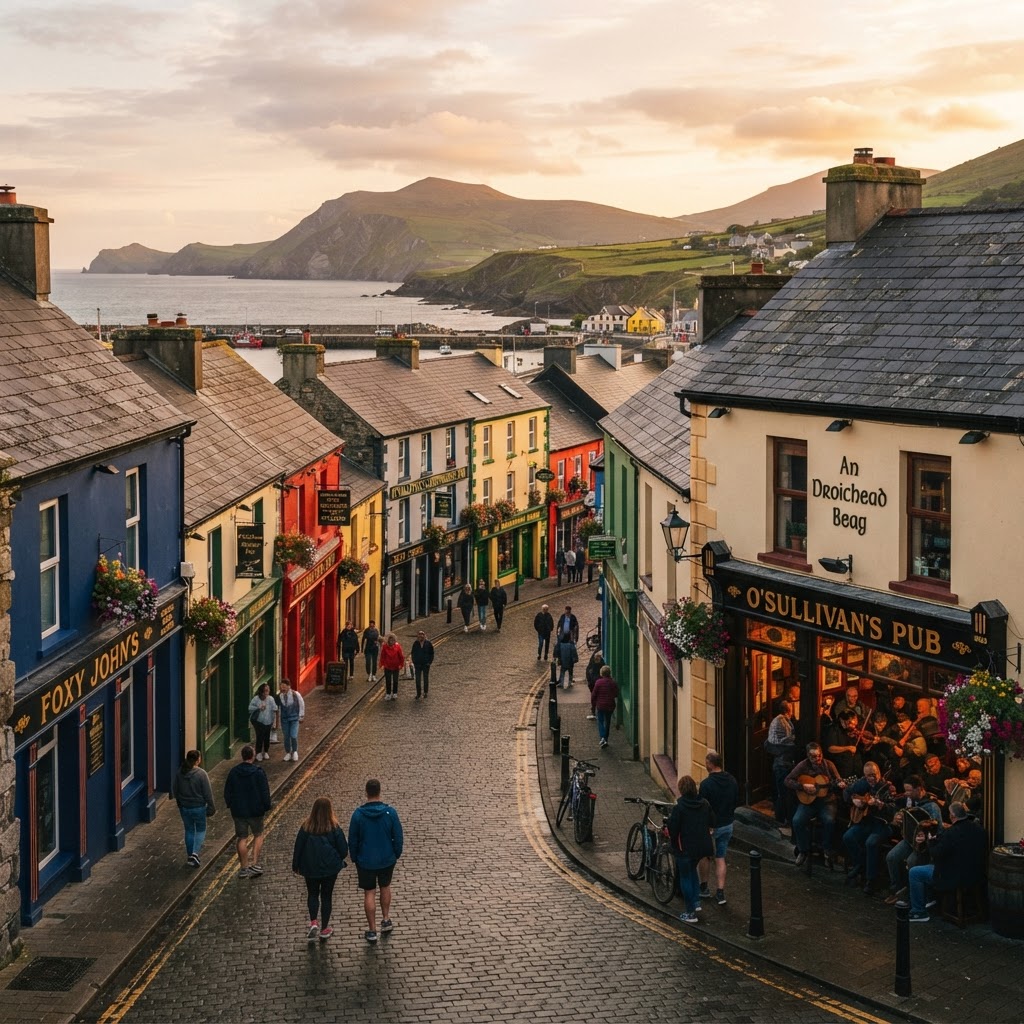
Dingle Peninsula (Corca Dhuibhne)
Ireland
Wild Atlantic coastal fringes, Gaeltacht heritage, and legendary trad sessions.
Readymade itineraries
Start from a tested template — then make it yours.
Ready to book
Lock in your Cork, Ireland trip
Everything in one place. We may earn a small commission — it never costs you more.
Plan a trip to Cork, Ireland
Pick a length and we'll build a day-by-day plan around how you travel — neighborhoods clustered, budget-aware, and editable.
Get better at planning trips like this
Occasional notes on planning smarter — no spam, unsubscribe anytime.
Plan a trip to Cork, Ireland
Turn this guide into a day-by-day plan built around your pace, your group, and your budget.
Build my Cork, Ireland trip