Ireland
Dingle Peninsula (Corca Dhuibhne)
Wild Atlantic coastal fringes, Gaeltacht heritage, and legendary trad sessions.
Plan & book
Sort your Dingle Peninsula (Corca Dhuibhne) trip in one place.
We point you to the booking tools we'd actually use — live prices, no markup. Or let us build the day-by-day plan around you first, then book.
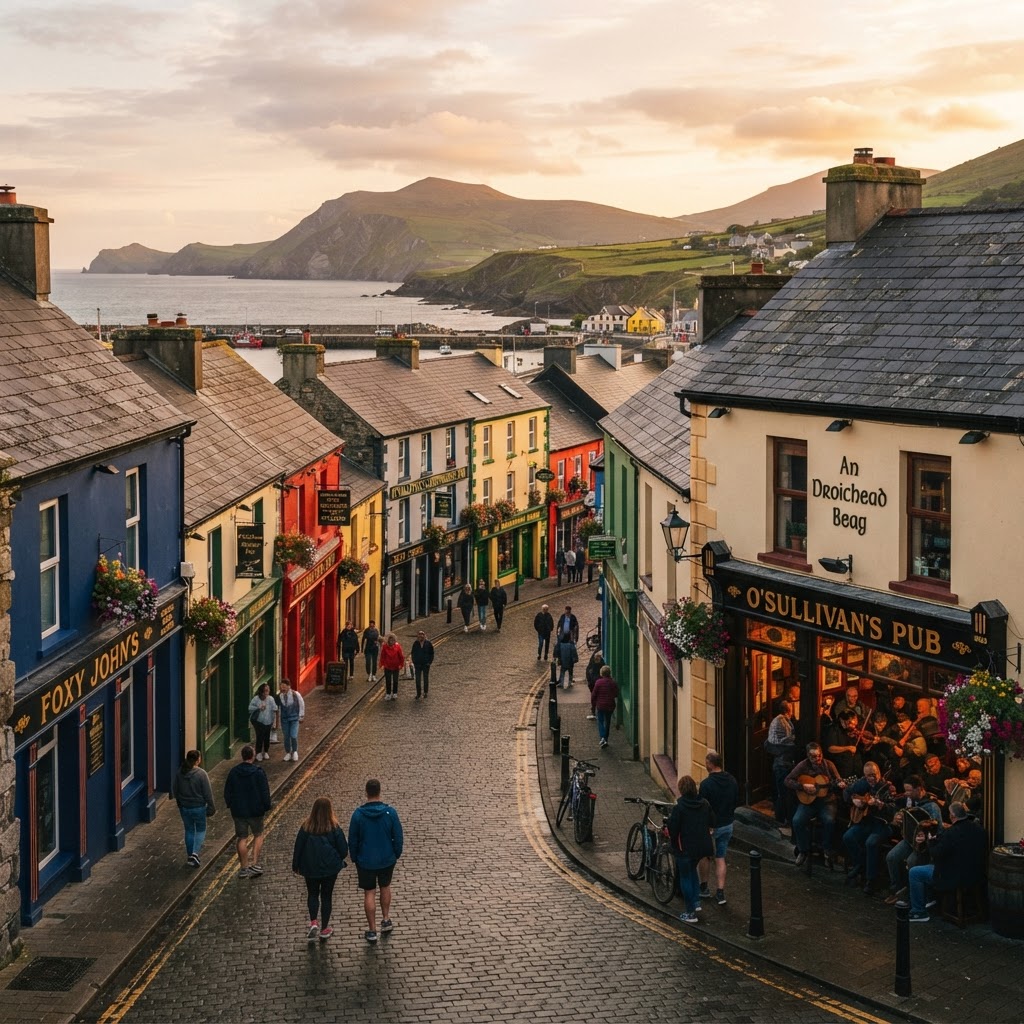
Jutting into the North Atlantic at Ireland's westernmost edge, the Dingle Peninsula (Corca Dhuibhne) pairs stark oceanic drama with an exceptionally lively cultural core. Centered on the colorful fishing harbor of Dingle Town, the peninsula trades the heavy tour-bus traffic of the neighboring Ring of Kerry for narrow mountain passes, ancient drystone heritage, and world-class traditional Irish music. It is a compact coastal sanctuary that rewards travelers who slow down to savor local craft, Atlantic seafood, and coastal hikes.
3 days
Best time
May to June or September to mid-October for long daylight, functioning ferries, and fewer tour buses.
Build your own trip with these prebuilt itineraries
Each one is a tested, day-by-day plan for Dingle Peninsula (Corca Dhuibhne) — start here, then make it yours.
5 Days on the Wild Atlantic Way in Dingle Peninsula
Rugged coastal hiking, Blasket Island crossing, and high mountain pass exploring
2 Days of Pub Culture and Coastal Flavors in Dingle Peninsula
Artisan seafood dining, local gin and whiskey tastings, and authentic evening sessions
3 Days in Dingle Peninsula in Dingle Peninsula
Classic Slea Head coastal drives, lively trad music sessions, and harbor highlights
Dingle offers Ireland at its most concentrated: jagged coastline along the Slea Head Drive, preserved Gaeltacht traditions where Irish is still spoken daily, dramatic mountain terrain across the Conor Pass, and a density of historic music pubs—like Dick Mack's and Foxy John's—that make evening session-hopping an essential cultural ritual.
Where to stay
Getting there
Getting around
Food & drink
What it costs
Skip it if
Skip Dingle if you rely entirely on public transport and disike renting a car, or if you prefer vibrant urban nightspots and international fine dining over rural pub sessions and rugged sea cliffs.
When to go
Summer brings 17-hour daylight and vibrant trad sessions but jams the narrow coastal roads with camper vans and doubles hotel rates. Late spring and early autumn retain open ferry routes and warm pub sessions with breathable driving conditions.
Peak (July–August)
Lively pub sessions and warmest water, but requires booking lodging months in advance; Slea Head and Conor Pass experience heavy traffic jams.
Shoulder (May–June, Sept–Oct)
The sweet spot: manageable roads, easier pub seating, and Blasket Island ferries running reliably, though you should pack waterproof layers for Atlantic squalls.
Low (November–March)
Bracing Atlantic gales and raw coastal beauty with zero crowds; expect shorter daylight, reduced ferry operations, and seasonal pub or B&B closures.
Neighborhoods
Where you stay shapes the trip. Here's how to think about it.
Dingle Town (An Daingean)
Buzzing harbor town lined with brightly colored shopfronts, artisan bakeries, and nightly trad sessions.
Best for:First-timers, pub crawlers, and food-focused travelers wanting everything within a 5-minute walk.
Don't miss:A pint of stout and an unamplified fiddle session at Dick Mack's or Foxy John's hardware-pub.
Dunquin (Dún Chaoin)
Exposed, windswept Atlantic fringe steeped in living Irish language and literary folklore.
Best for:Hikers, solitude seekers, and travelers exploring Blasket Island heritage.
Don't miss:Walking down the famously steep zigzag ramp of Dunquin Pier overlooking the Blasket Sound.
Ballydavid & Feohanagh (Baile na nGall)
Quiet Gaeltacht fishing coves sitting under the shadow of Mount Brandon.
Best for:Hikers doing the Dingle Way, coastal landscape photographers, and travelers escaping tour groups.
Don't miss:A post-hike pint looking across Smerwick Harbour from Tigh T.P. right on the slipway.
Ventry (Ceann Trá)
Gentle, curved bay with wide sandy beaches and easy coastal access just minutes west of town.
Best for:Families, sea kayakers, and road trippers starting the Slea Head Drive early.
Don't miss:Taking an evening beach walk along the crescent shoreline of Ventry Harbour away from town traffic.
Castlegregory & The Maharees
Low-lying sandy spit dividing Brandon Bay and Tralee Bay, dominated by water sports.
Best for:Surfers, windsurfers, and beachcombers wanting wide-open dunes and Atlantic surf breaks.
Don't miss:Watching the Atlantic swells crash along the dune-backed sandy beach of Fermoyle Strand.
Destination intelligence
Updated 9/14/2026The structured record we plan every Dingle Peninsula (Corca Dhuibhne) itinerary from.
Walkability
High within Dingle Town; low across the wider peninsula without a vehicle or bicycle.
Transit quality
Limited. Regional Bus Éireann route 275 connects Tralee and Dingle Town, but outer coastal sights lack frequent links.
Car needed
Yes, highly recommended for exploring the headlands, passes, and coastal routes.
Ideal duration
3 days
Minimum useful
2 days
Peak season
July to August (vibrant atmosphere, bustling pubs, high room rates, congested roads)
Shoulder season
May to June and September to October (long daylight, manageable crowds, great session atmosphere)
Low season
November to March (crisp weather, stormy Atlantic swells, quiet pubs, some seasonal closures)
Best for
Common mistakes
- Rushing through the entire peninsula as a hurried day trip from Killarney instead of staying overnight
- Driving the narrow Slea Head Drive counter-clockwise against tour buses and cycling groups
- Failing to book dinner reservations weeks ahead during the summer season, leaving pubs completely booked
- Assuming sunny skies will hold—Atlantic coastal squalls can roll in rapidly, requiring sturdy waterproof layers
Best nearby
How to plan it
- Base yourself in Dingle Town if you want to walk to evening trad sessions and restaurants without needing a designated driver.
- Start the Slea Head Drive (R559) before 9:30 AM to stay ahead of tour buses originating from Killarney.
- Pair your Dingle trip with West Cork or County Clare, but do not try to squeeze both the Dingle Peninsula and the Ring of Kerry into a single 48-hour window.
- Check sea conditions in the morning before driving to Dunquin if you have booked a crossing to Great Blasket Island, as Atlantic swells cancel sailings on short notice.
- Drive the Conor Pass heading north toward Brandon Bay only when cloud cover is high; in thick Atlantic fog, visibility drops to near zero.
Questions
More in Ireland
Kilkenny, Ireland
Ireland
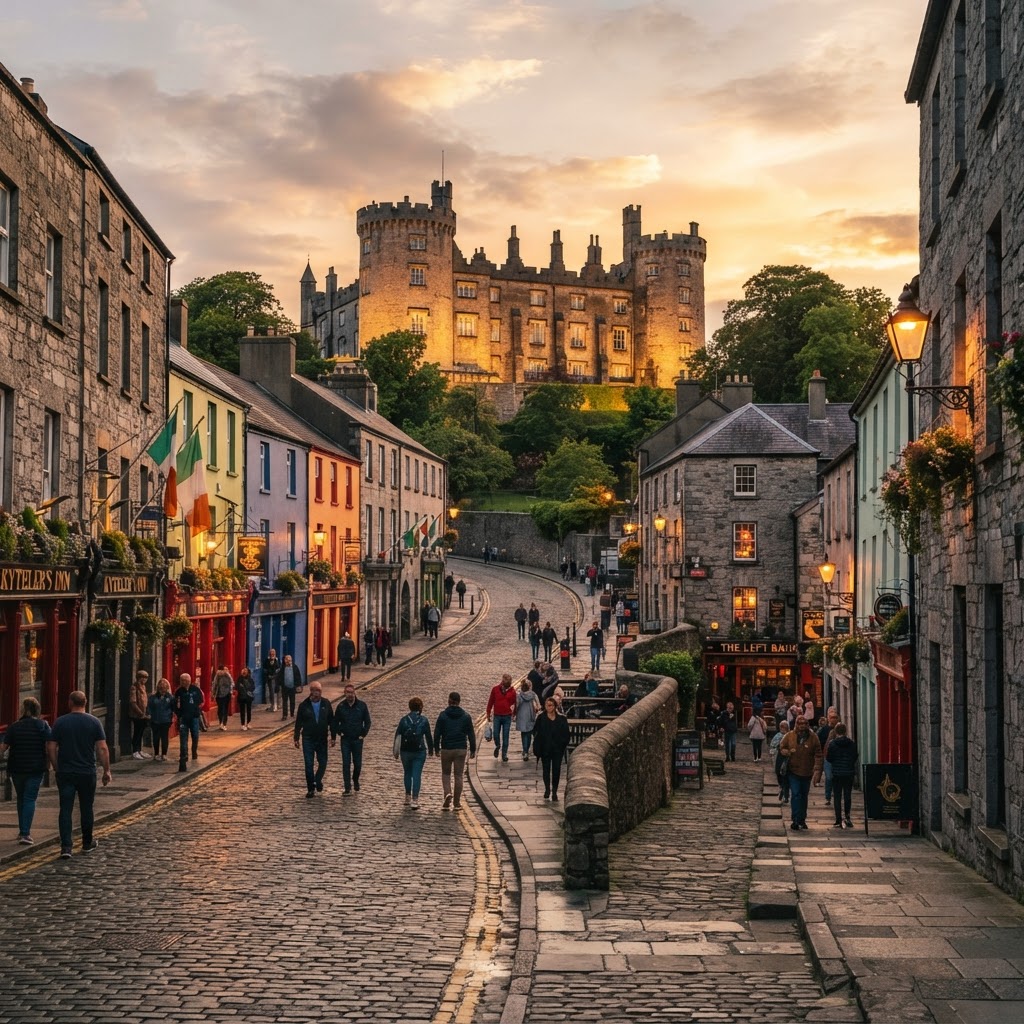
Ireland’s medieval hub of stone slipways, castle grounds, and authentic trad sessions.
Cork, Ireland
Ireland
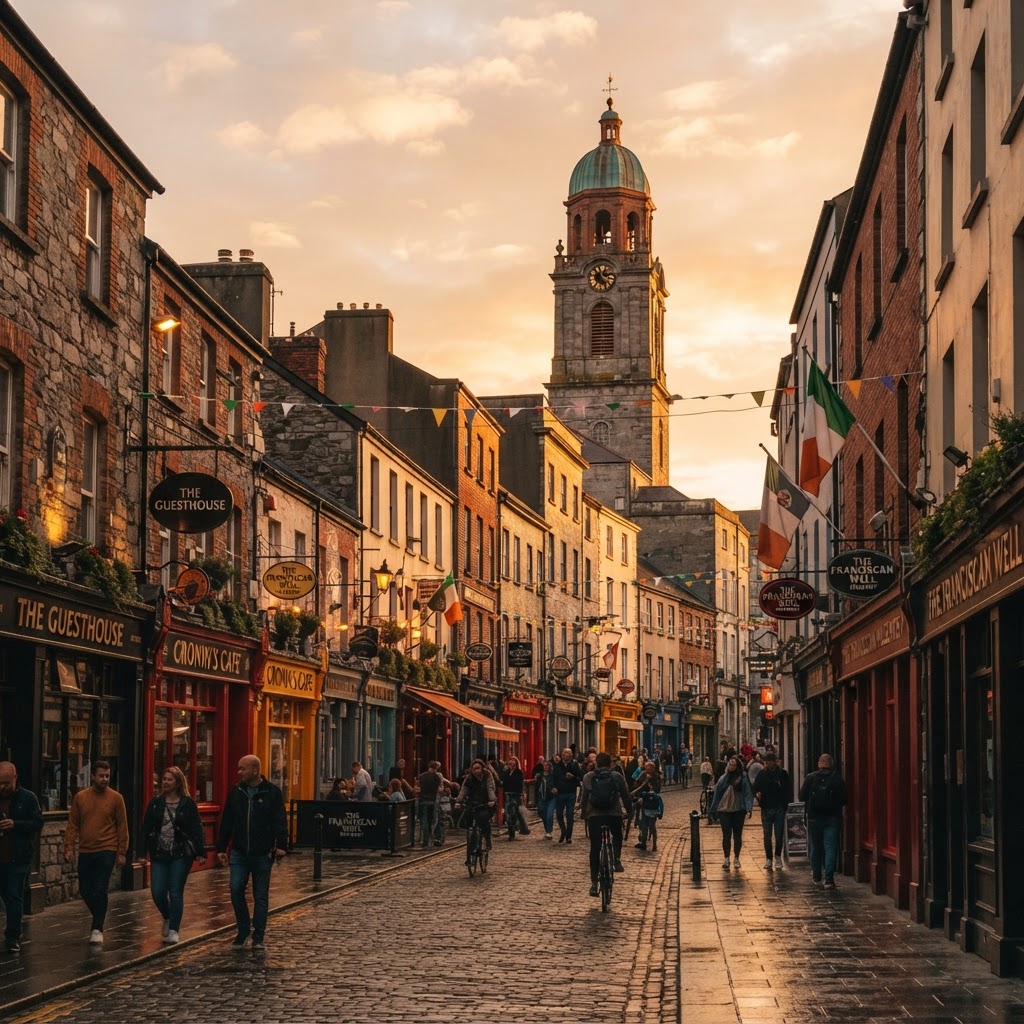
Ireland’s culinary capital with a fierce independent streak and zero pretense.
Ring of Kerry, Ireland
Ireland
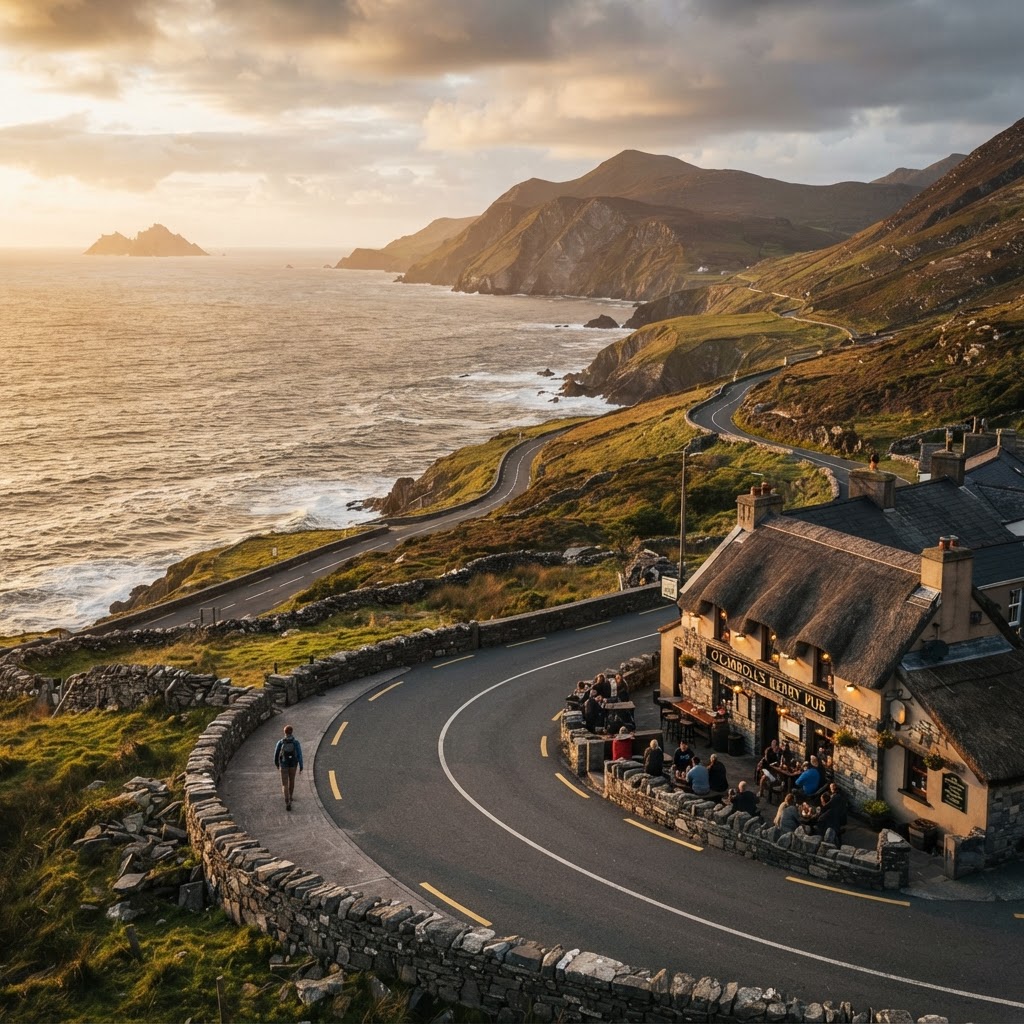
Wild Atlantic coastal panoramas, historic mountain passes, and lively Kerry pub culture.
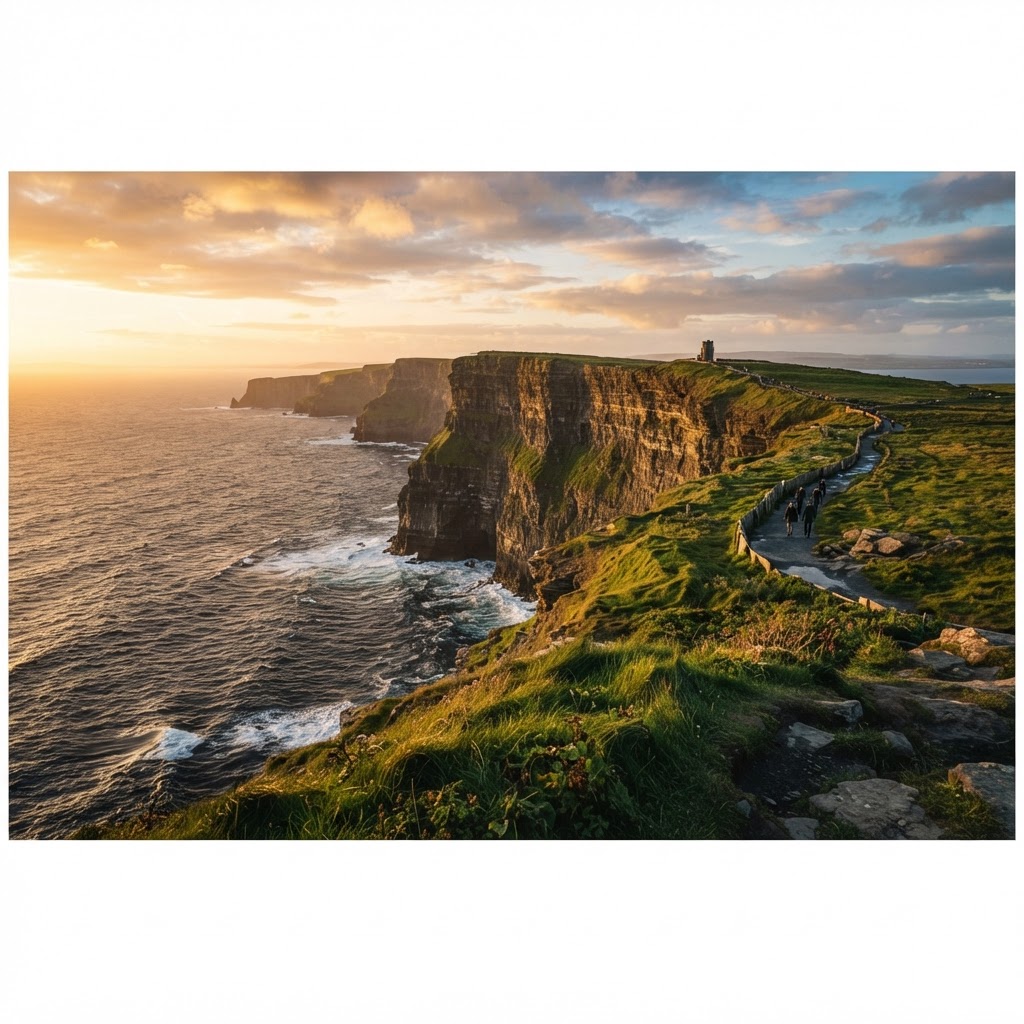
Cliffs of Moher
Ireland
Sheer Atlantic precipices, world-class coastal walking, and County Clare's traditional music heartland.
Readymade itineraries
Start from a tested template — then make it yours.
Ready to book
Lock in your Dingle Peninsula (Corca Dhuibhne) trip
Everything in one place. We may earn a small commission — it never costs you more.
Plan a trip to Dingle Peninsula (Corca Dhuibhne)
Pick a length and we'll build a day-by-day plan around how you travel — neighborhoods clustered, budget-aware, and editable.
Get better at planning trips like this
Occasional notes on planning smarter — no spam, unsubscribe anytime.
Plan a trip to Dingle Peninsula (Corca Dhuibhne)
Turn this guide into a day-by-day plan built around your pace, your group, and your budget.
Build my Dingle Peninsula (Corca Dhuibhne) trip