Germany
Frankfurt am Main, Germany
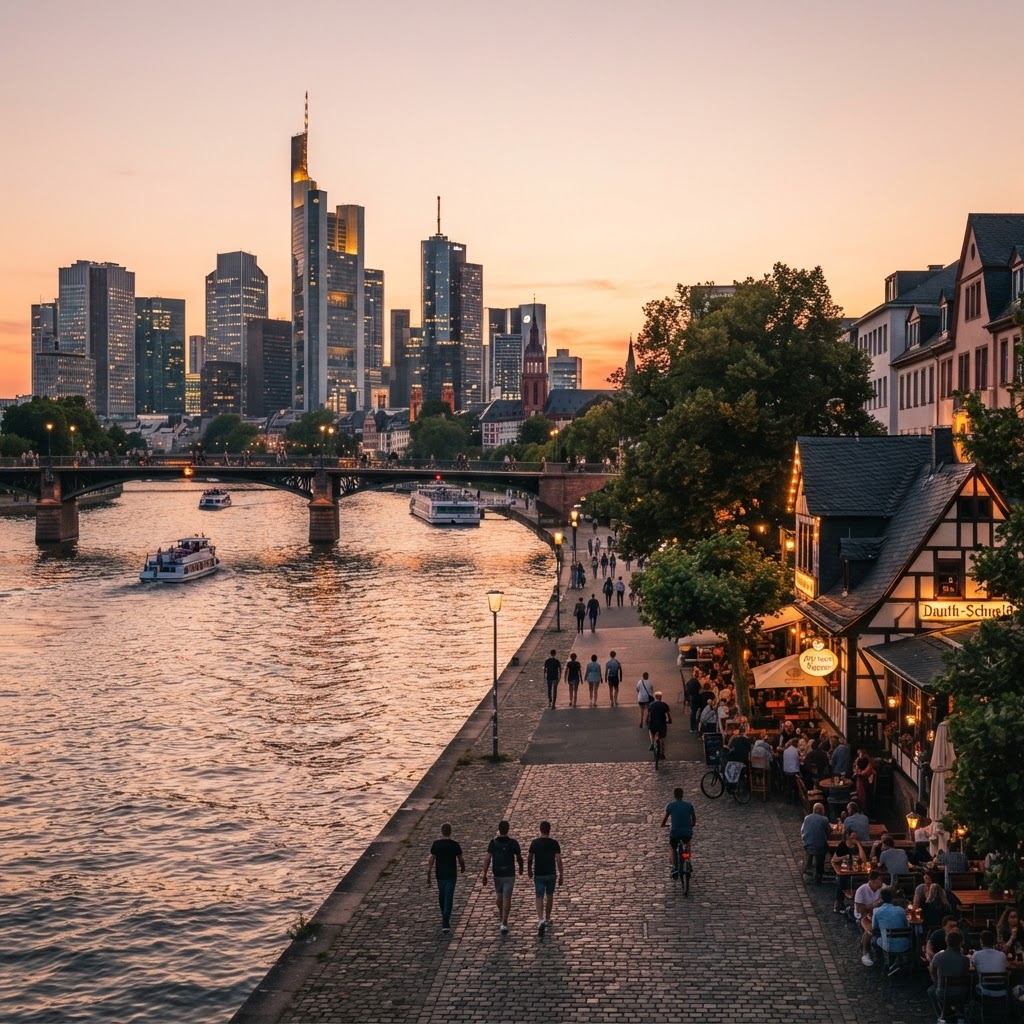
A riverfront clash of financial skyscrapers, world-class museum banks, and rustic cider taverns.
Plan & book
Sort your Frankfurt am Main, Germany trip in one place.
We point you to the booking tools we'd actually use — live prices, no markup. Or let us build the day-by-day plan around you first, then book.
Often dismissed as merely a sterile airport hub or banking center, Frankfurt am Main holds an energetic counter-narrative once you step away from the corporate lobbies. The city splits cleanly across the River Main: on the north bank rise the glassy towers of 'Mainhattan' and the painstakingly rebuilt medieval core of the Dom-Römer quarter; on the south bank sits Sachsenhausen, home to a dense cluster of cultural institutions along the Museumsufer and cobblestone taverns serving tart Ebbelwoi. It is compact, sharply multicultural, and exceptionally easy to navigate.
48 hours (2 full days)
Best time
May to June or September to October, targeting non-trade-fair weeks.
Build your own trip with these prebuilt itineraries
Each one is a tested, day-by-day plan for Frankfurt am Main, Germany — start here, then make it yours.
3 Days: Architecture, Hessian Flavors & Rhine-Main Excursions in Frankfurt
A deeper look at modern urban Germany pairing international food scenes with quick regional S-Bahn day trips.
2 Days: The Essential Urban & Ebbelwoi Weekend in Frankfurt
First-timer highlights balancing reconstructed Altstadt history, Main riverfront strolls, and traditional cider taverns in Sachsenhausen.
1 Day: Modern Culture & Museumsufer Stopover in Frankfurt
A high-efficiency layover or rail stopover spotlighting premier riverbank art museums and contemporary skyline views.
Go for a focused, low-friction European stopover centered on heavy cultural muscle without the sprawling exhaustion of Berlin or Munich. The Museumsufer offers one of the densest stretches of premier art and cultural galleries in Europe (led by the Städel Museum), balanced by a unique culinary heritage of Hessian cider houses, lively street markets, and modern immigrant-driven dining.
Where to stay
Getting there
Getting around
Food & drink
What it costs
Skip it if
Skip it if your ideal German vacation revolves around picturesque Bavarian alpine villages, uninterrupted baroque palaces, or sprawling preserved medieval architecture like Rothenburg ob der Tauber or Heidelberg. Frankfurt is an energetic, high-density modern business city with modern glass towers and postwar reconstruction.
When to go
Spring and early autumn deliver comfortable walking temperatures, thriving outdoor riverside beer gardens, and manageable crowds; you avoid both stifling summer humidity in non-air-conditioned museums and massive hotel price spikes during major commercial conventions.
Peak (May–Jun & Sep–Oct)
Crisp sunny weather and open-air cider terraces along the Main, but hotel rooms quadruple in price whenever major trade fairs take over the Messe grounds.
Shoulder (Jul–Aug & Apr)
Summer brings lull periods in corporate bookings and affordable rooms, though heatwaves hit hard in older city buildings; April brings unpredictable showers.
Low (Nov–Mar)
Cold, overcast skies and short daylight hours dominate, redeemed only from late November to Christmas by the historic market village filling the Römerberg.
Neighborhoods
Where you stay shapes the trip. Here's how to think about it.
Altstadt & Dom-Römer
Reconstructed medieval heritage and timber-framed courtyards standing in direct contrast to modern steel towers.
Best for:First-timers, architecture buffs, and short layovers needing high walkability
Don't miss:The winding walkways of the Neue Altstadt leading to the imperial coronation hall inside Frankfurt Cathedral (Kaiserdom).
Sachsenhausen-Nord
Leafy riverbanks lined with world-tier galleries transitioning into cobblestone alleys packed with rustic cider taverns.
Best for:Museum lovers, foodies, and evening socializers wanting traditional Hessian atmosphere
Don't miss:A late afternoon viewing of Renaissance and modern art at the Städel Museum followed by Ebbelwoi in stone jugs at Apfelwein Wagner or Zum Gemalten Eck.
Westend
Stately 19th-century residential villas, quiet tree-shaded avenues, and manicured green spaces.
Best for:Couples, quiet seekers, and boutique luxury stays away from commuter crowds
Don't miss:The towering tropical greenhouses and open lawns of the Palmengarten botanical gardens.
Bahnhofsviertel
High-contrast, gritty urban energy pairing red-light edges with the city's best third-wave cafes and immigrant dining.
Best for:Culinary adventurers, solo rail travelers, and late-night cocktail seekers
Don't miss:Thursday food market stalls along Kaiserstrasse and specialty coffee roasts along Taunusstrasse.
Ostend
Post-industrial riverfront cool defined by modern skateparks, shipping relics, and the glass shard of the ECB.
Best for:Younger travelers, joggers, and fans of modern European design
Don't miss:Catching riverfront skyline views and outdoor drinks around the restored industrial cranes at Hafenpark.
Bornheim
A neighborhood village rhythm centered along a bustling, independent high street.
Best for:Living like a local, long-stay travelers, and unpretentious patio dining
Don't miss:Browsing fresh regional farm stands and cured meats at the Wednesday and Saturday market along the pedestrianized Berger Strasse.
Destination intelligence
Updated 9/14/2026The structured record we plan every Frankfurt am Main, Germany itinerary from.
Walkability
High in central districts. The downtown core, Museumsufer, Altstadt, and inner Sachsenhausen are flat, paved, and pedestrian-friendly.
Transit quality
Exceptional. The RMV network integrates U-Bahn, S-Bahn, and trams with frequent service and tight scheduling.
Car needed
Not required. A car is an unnecessary expense and operational hindrance in the city center.
Ideal duration
48 hours (2 full days)
Minimum useful
24 hours (1 full day)
Peak season
May to June and September to October (pleasant walking weather and outdoor riverbank dining), plus specific Messe trade fair dates when hotel capacity peaks.
Shoulder season
April and July to August (summer business travel dips, though occasional heatwaves can occur).
Low season
November through March (cold, short daylight hours, though late November through December sees vibrant Christmas markets in Römerberg).
Best for
Common mistakes
- Booking accommodation during major Messe trade fairs (like the Frankfurt Book Fair or automotive expos) when room rates triple across the board
- Judging the entire city by the grittier blocks immediately surrounding the Hauptbahnhof upon arrival
- Ordering beer instead of the regional Ebbelwoi (cider) in traditional Sachsenhausen taverns
- Renting a car for a city visit—inner-city driving and parking are inefficient compared to the RMV transit network
- Expecting a pristine historic old town—most historic structures were reconstructed after WWII
Best nearby
How to plan it
- Base yourself in Sachsenhausen or Westend if you prioritize quiet evenings and character; base near the Altstadt (such as Motel One Frankfurt-Römer) for pure transit convenience.
- Buy the Museumsufer ticket if you plan to visit three or more galleries across two days—it pays for itself across the Städel, German Architecture Museum (DAM), and Liebieghaus.
- Pair Frankfurt with an easy 45-minute regional rail trip to the Roman spa town of Wiesbaden or the vineyards of the Rheingau rather than spending four full days strictly in the commercial core.
- Reserve your dinner table at traditional Sachsenhausen apple wine taverns (like Atschel or Adolf Wagner) at least three days ahead for weekend dining.
- Avoid scheduling heavy museum or retail plans for Monday, as many cultural collections close their doors and retail is already dormant after Sunday closures.
Questions
More in Germany
Berchtesgaden, Germany
Germany
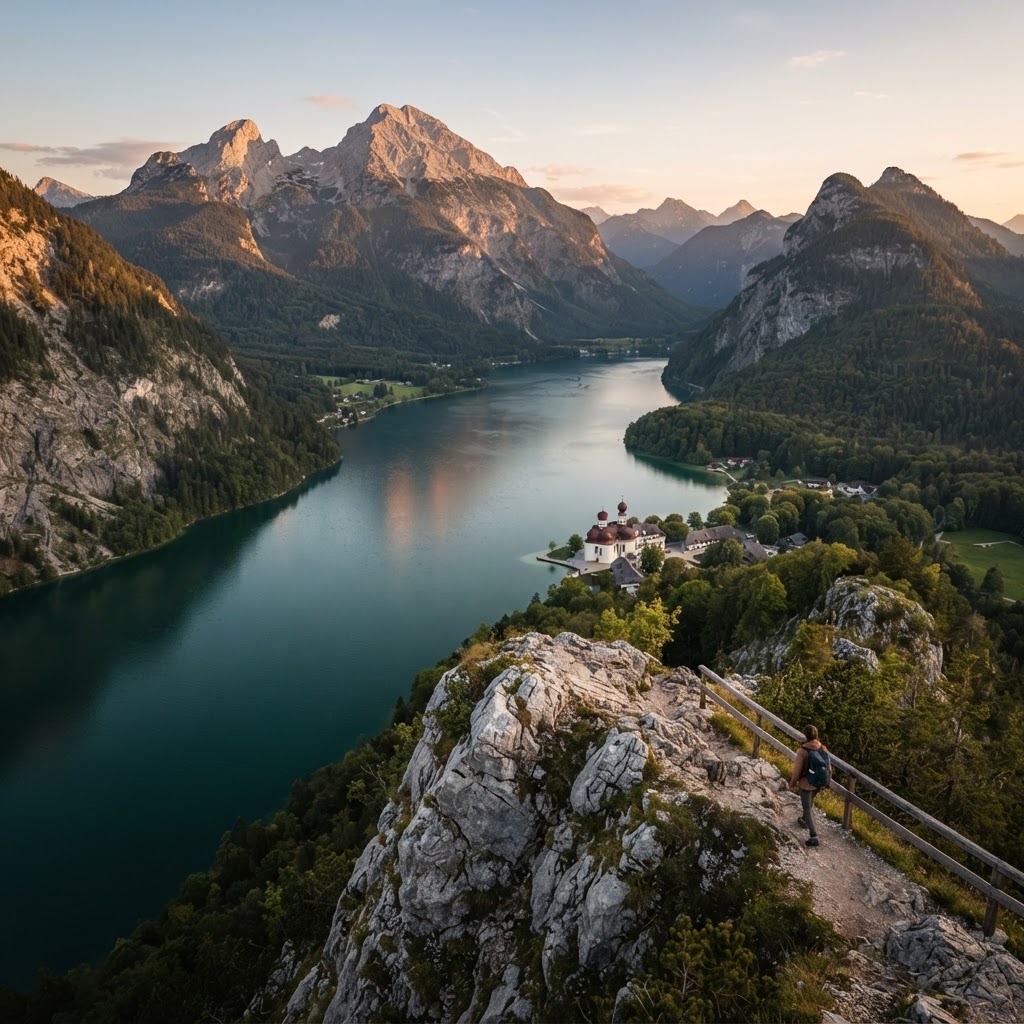
Fjord-like alpine lakes, haunting WW2 history, and serious summit trails on the Austrian frontier.
Garmisch-Partenkirchen
Germany
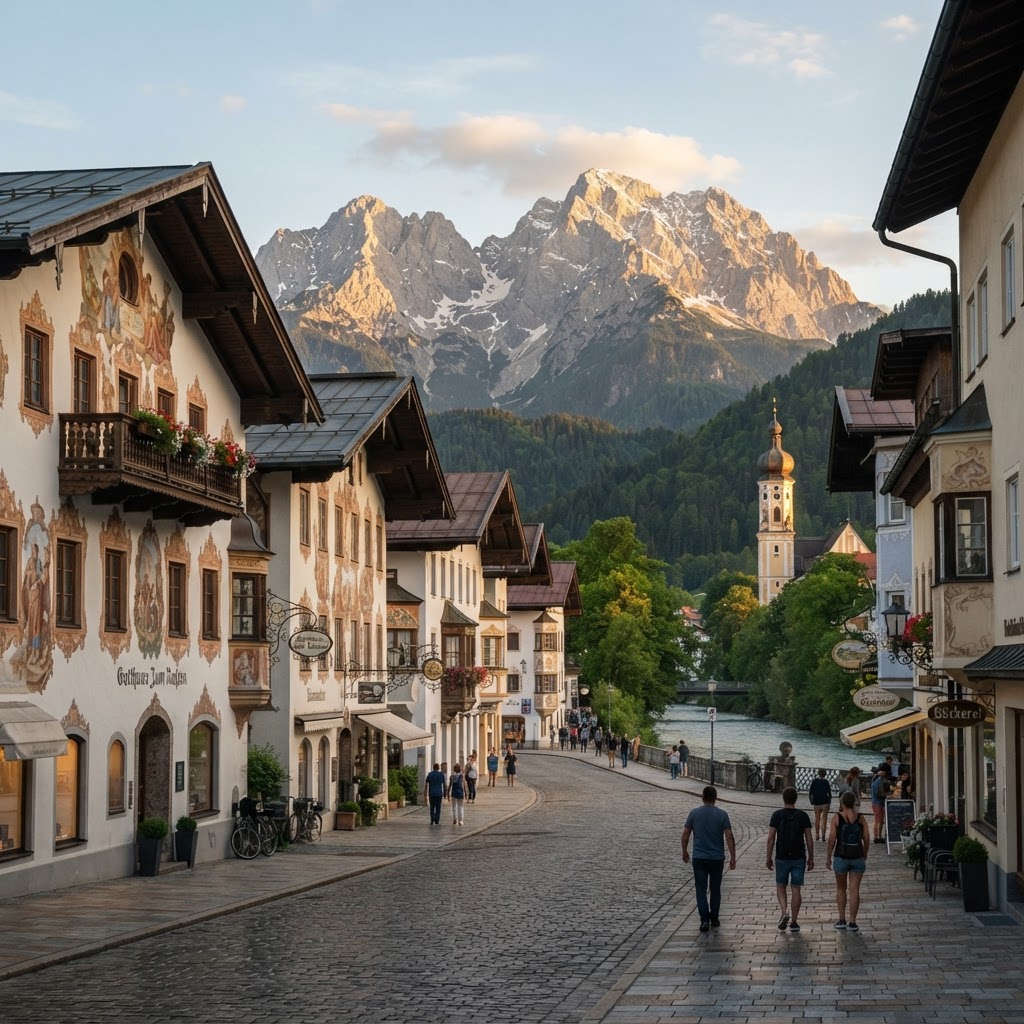
Twin alpine towns beneath Germany's highest peaks, balancing rugged gorges with frescoed taverns.
Freiburg im Breisgau, Germany
Germany
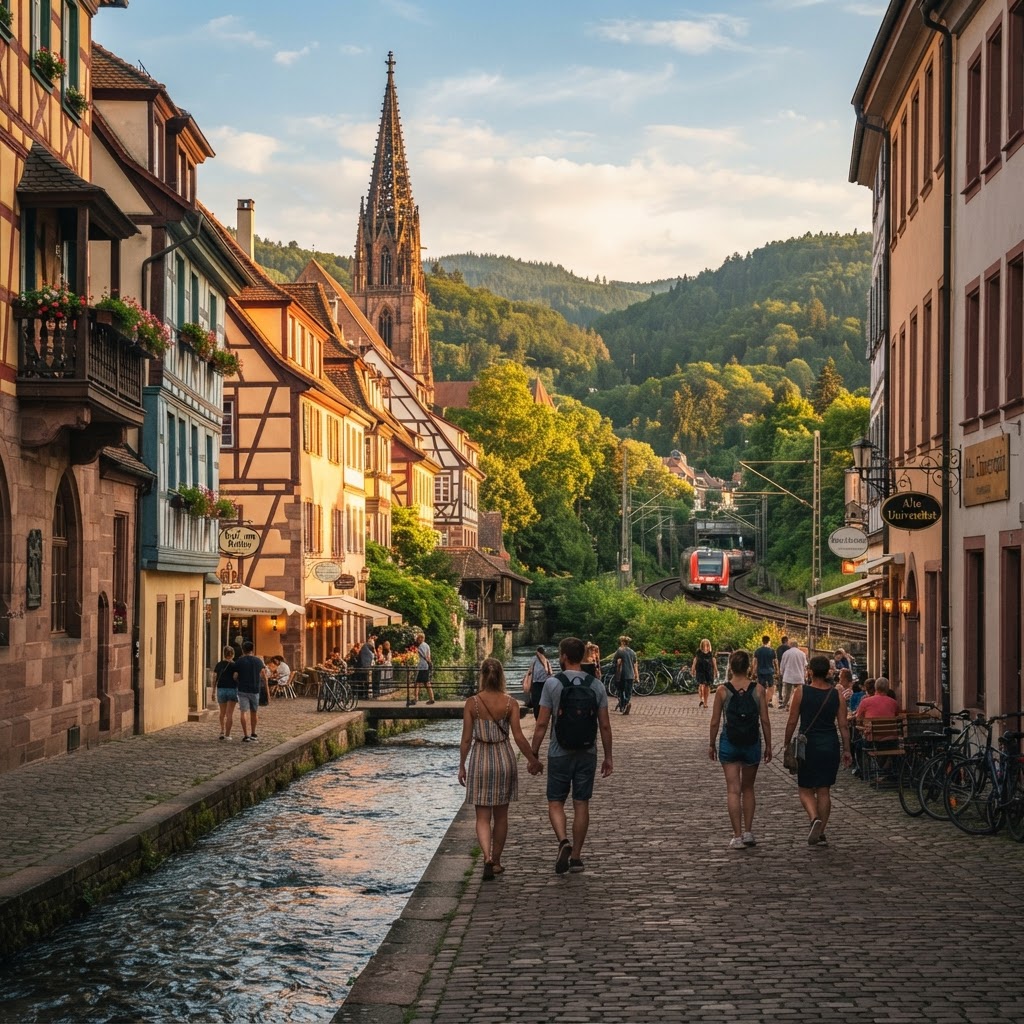
Sun-drenched university streets, medieval canals, and the direct railway gate into the Black Forest.
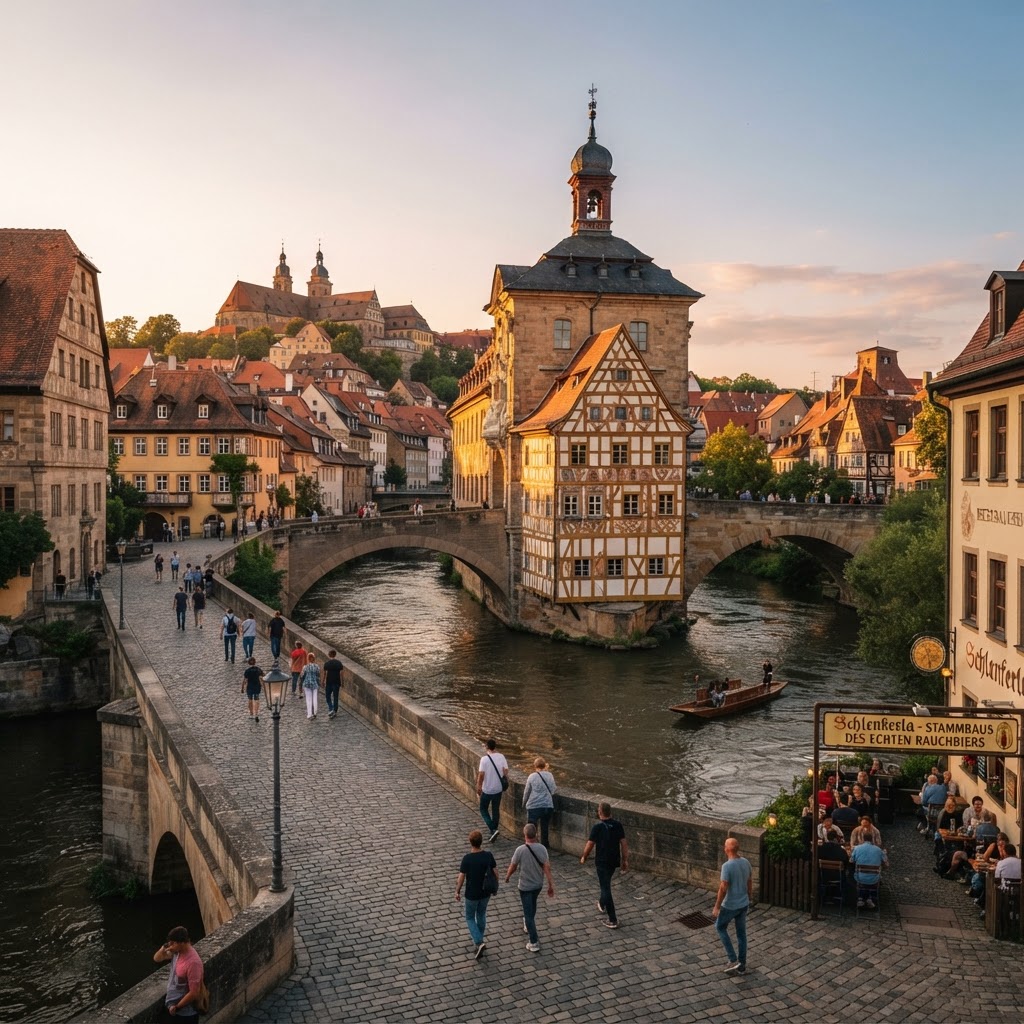
Bamberg
Germany
Centuries of untouched medieval architecture fueled by beechwood-smoked beer
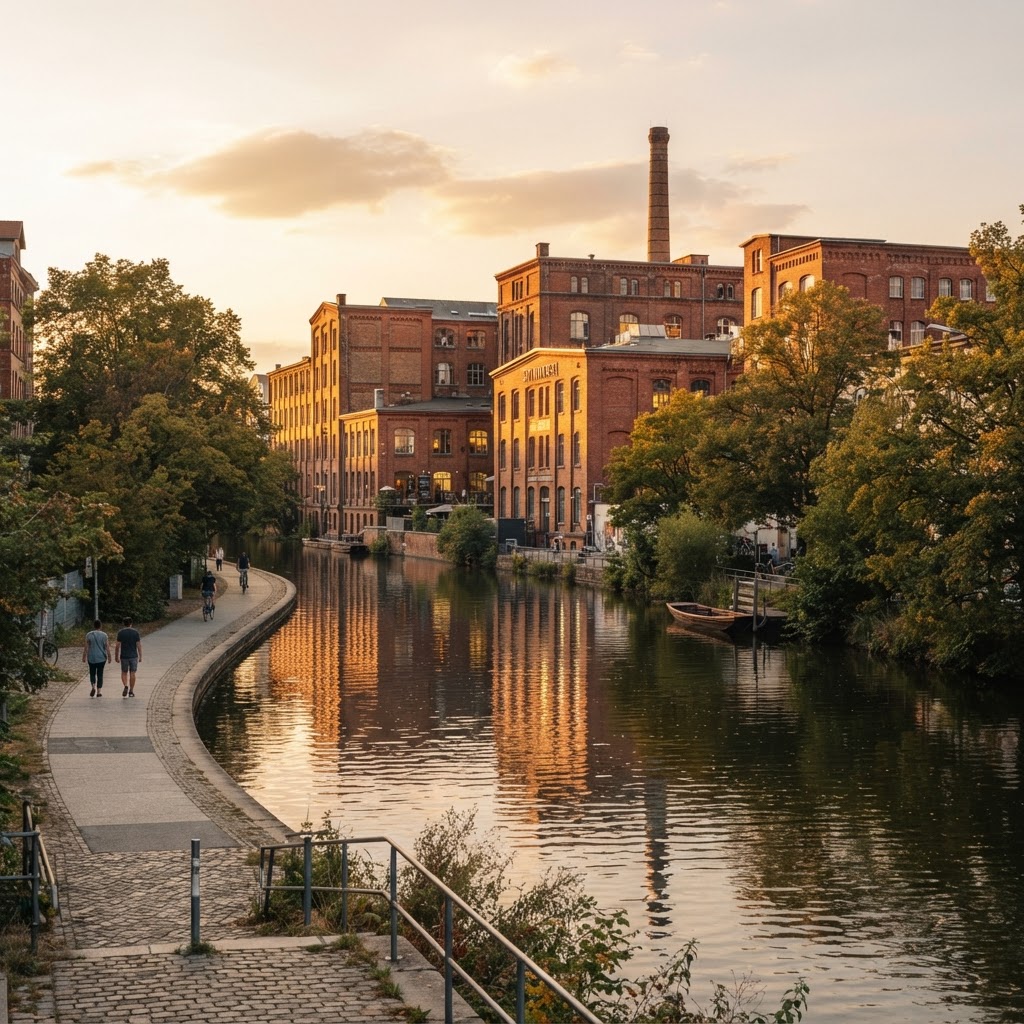
Leipzig
Germany
Industrial grit turned creative powerhouse with peerless musical heritage and quiet canals.
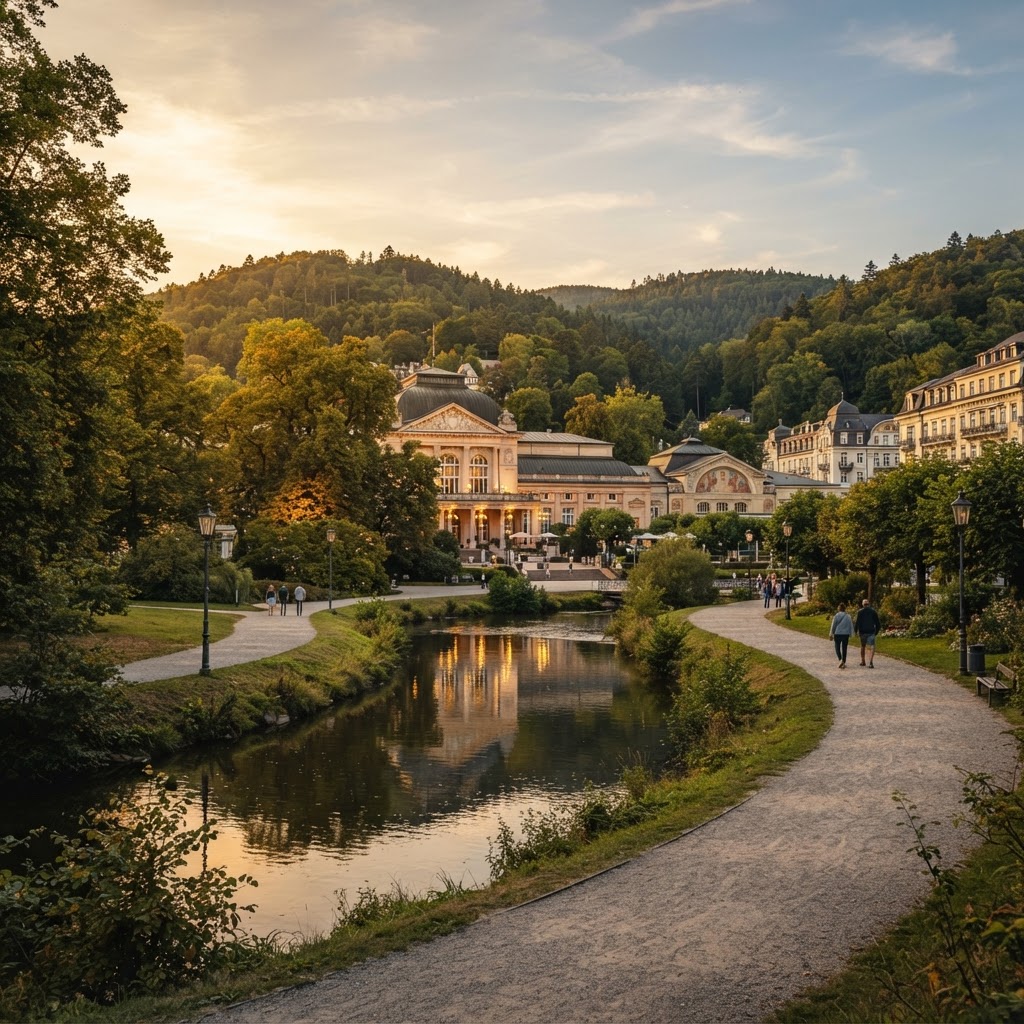
Baden-Baden
Germany
Thermal waters, Belle Époque grandeur, and unhurried woodland walks in the Black Forest foothills.
Readymade itineraries
Start from a tested template — then make it yours.
Ready to book
Lock in your Frankfurt am Main, Germany trip
Everything in one place. We may earn a small commission — it never costs you more.
Plan a trip to Frankfurt am Main, Germany
Pick a length and we'll build a day-by-day plan around how you travel — neighborhoods clustered, budget-aware, and editable.
Get better at planning trips like this
Occasional notes on planning smarter — no spam, unsubscribe anytime.
Plan a trip to Frankfurt am Main, Germany
Turn this guide into a day-by-day plan built around your pace, your group, and your budget.
Build my Frankfurt am Main, Germany trip