Germany
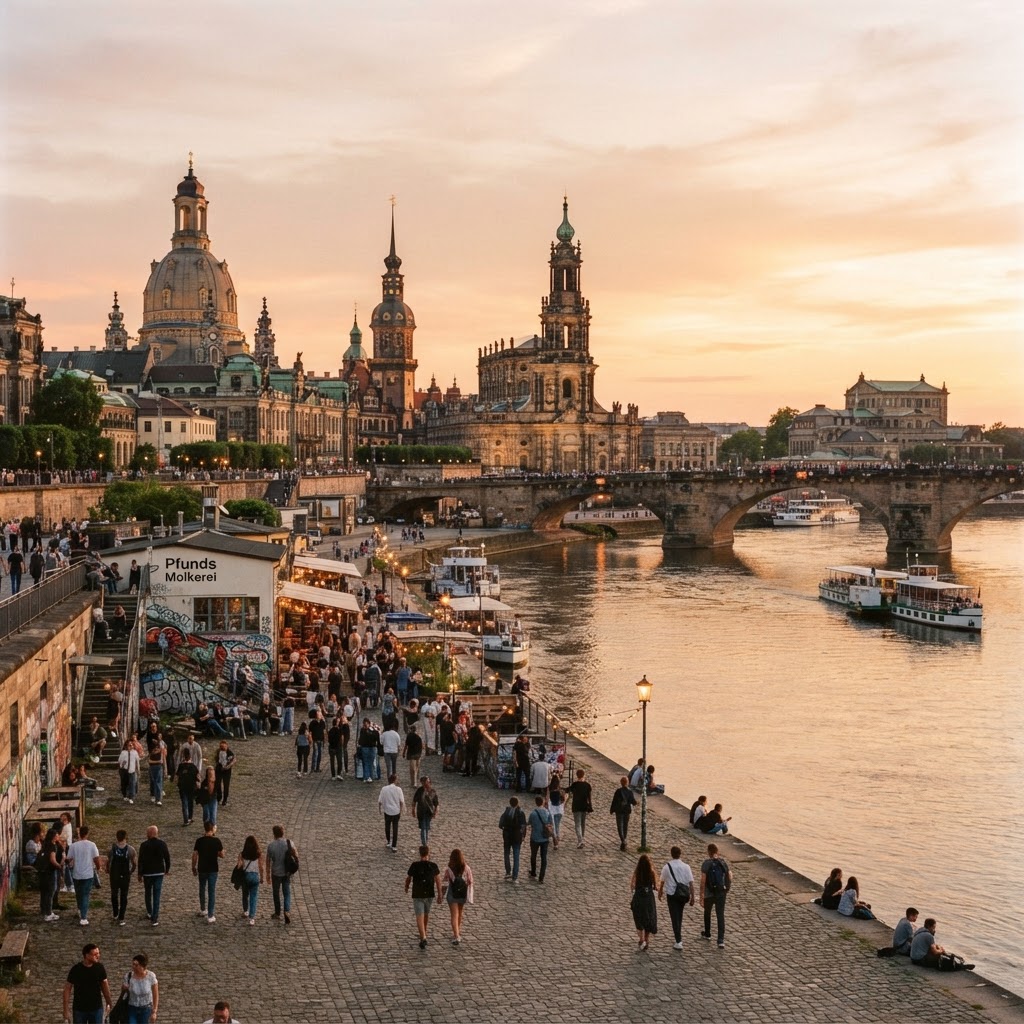
Dresden, Germany
Baroque grandeur meets countercultural grit along the Elbe.
Plan & book
Sort your Dresden, Germany trip in one place.
We point you to the booking tools we'd actually use — live prices, no markup. Or let us build the day-by-day plan around you first, then book.
Dresden presents one of Central Europe's most striking urban contrasts. On the south bank of the Elbe sits the Altstadt, meticulously reconstructed from wartime ashes into a showcase of Saxon Baroque palaces, sandstone cupolas, and treasure vaults. Cross the river to Äussere Neustadt, and you step into an unvarnished district of street art, late-night kneipen, and independent courtyard culture that emerged from East German counterculture. It is a dual-personality city where classical high art and gritty urban life operate within a 15-minute walk of each other.
3 days
Best time
May to June or September to October.
Build your own trip with these prebuilt itineraries
Each one is a tested, day-by-day plan for Dresden, Germany — start here, then make it yours.
5 Days in Dresden: Art, History & Elbe Valley Wonders in Dresden
In-depth cultural deep-dive covering world-class museums, 20th-century history, Meissen porcelain, and Pillnitz riverside vineyards
3 Days in Dresden: Culture, Palaces & Saxon Switzerland in Dresden
Comprehensive city exploration paired with an easy S-Bahn day hike among the Bastei rock formations
2 Days in Dresden: Baroque Splendor & Neustadt Cool in Dresden
Essential highlights balancing Altstadt historic masterworks with the vibrant arts and dining scene of Äußere Neustadt
Go for the sheer concentration of world-tier visual culture—from Raphael's Sistine Madonna in the Gemäldegalerie Alte Meister to the royal jewels in the Historisches Grünes Gewölbe—paired with a relaxed, low-stress pace that Berlin and Munich cannot match. It serves as both a masterclass in architectural resurrection and the easiest launchpad for hiking among the sandstone towers of Saxon Switzerland.
Where to stay
Getting there
Getting around
Food & drink
What it costs
Things to do
Book tours & tickets in Dresden, GermanySkip it if
Skip Dresden if your trip requires non-stop cosmopolitan mega-city energy, high-end shopping avenues, or a massive techno club ecosystem—Berlin handles that far better. Also skip if you dislike reconstructed historic architecture or are uninterested in museum-heavy itineraries.
When to go
Late spring and early autumn deliver pleasant walking weather (15°C–20°C / 59°F–68°F), vibrant riverside greenery or vineyard foliage, and manageable museum queues without midsummer heatwaves or peak summer tour buses.
Peak (July–August & late November–December)
Midsummer brings long daylight and crowded museums, while December draws massive crowds for the historic Striezelmarkt Christmas market; hotel rates spike sharply during both.
Shoulder (April–June & September–October)
The prime balance of comfortable walking conditions, open beer gardens along the Elbe, and easy access to timed-entry tickets at the Residenzschloss.
Low (January–March)
Chilly, damp, and short daylight hours, but hotel prices fall to annual lows and you can explore the Historic Green Vault and Gemäldegalerie without tour groups.
Neighborhoods
Where you stay shapes the trip. Here's how to think about it.
Altstadt
Monumental sandstone Baroque palaces, wide pedestrian plazas, and meticulously reconstructed heritage.
Best for:First-timers, architecture buffs, and museum-focused short stays
Don't miss:Standing in the central courtyard of the Zwinger at early morning before tour groups arrive, followed by the Fürstenzug porcelain mural along Augustusstraße.
Äußere Neustadt
Gritty, energetic countercultural pocket defined by street art, independent courtyards, and dense late-night kneipen.
Best for:Night owls, indie shoppers, casual dining, and travelers who dislike sanitized tourist quarters
Don't miss:The interconnected artist-designed courtyards of the Kunsthofpassage off Görlitzer Straße, specifically the courtyard with musical drainpipes.
Innere Neustadt
Regal late-Baroque avenues, quiet residential courtyards, and upscale antique shops facing the river.
Best for:Couples, boutique hotel seekers, and anyone wanting a quieter base with easy walking access to both banks
Don't miss:Strolling the plane-tree-lined pedestrian boulevard of Königstraße toward the Golden Rider (Goldener Reiter) statue.
Loschwitz & Blasewitz
Leafy riverside elegance, 19th-century hillside villas, beer gardens, and vintage engineering marvels.
Best for:Relaxed afternoons, scenic walkers, and romantic escapes away from the urban core
Don't miss:Walking across the historic 1893 suspension bridge, the Blaues Wunder (Blue Wonder), then riding the 1901 Schwebebahn suspension railway uphill for valley panoramas.
Pieschen
Unpretentious, working-class riverside enclave undergoing slow creative revitalization with community cafes and Elbe path access.
Best for:Budget-minded travelers, cyclists, and repeat visitors seeking an unpolished, ordinary neighborhood rhythm
Don't miss:Renting a bike and pedaling the Elberadweg trail along the riverfront to the historic harbor of Pieschener Hafen.
Destination intelligence
Updated 9/14/2026The structured record we plan every Dresden, Germany itinerary from.
Walkability
High. The historic core is pedestrian-friendly, and crossing between north and south banks via the Augustusbrücke takes roughly 10 minutes on foot.
Transit quality
Excellent. Dense, reliable tram (Straßenbahn) and S-Bahn network operated by DVB, connecting central sights and surrounding regional towns seamlessly.
Car needed
Not required. A car is an active hindrance within the city center and unnecessary even for trips to Saxon Switzerland or Meissen, which have direct S-Bahn lines.
Ideal duration
3 days
Minimum useful
1 full day
Peak season
May to September, plus late November through December for the historic Striezelmarkt (Germany's oldest recorded Christmas market). Expect higher hotel rates and crowded museum halls.
Shoulder season
April and October. Crisp walking weather, vibrant autumn foliage along the Elbe vineyards, and substantially shorter queues at major Altstadt collections.
Low season
January through March. Cold, gray, and occasionally damp, but room rates drop significantly and you can explore the Zwinger and Residenzschloss without crowds.
Best for
Common mistakes
- Treating Dresden solely as a 3-hour train layover between Berlin and Prague, missing the entire vibrant Neustadt side of the river.
- Arriving at the Historisches Grünes Gewölbe without a reserved timed ticket, resulting in sold-out turnstiles.
- Renting a car for the city center; parking is costly and restricted, while trams run efficiently everywhere.
- Skipping Saxon Switzerland National Park when it is only a 35-minute direct commuter train ride away.
Best nearby
How to plan it
- Stay in Innere Neustadt if you want walking access to Altstadt museums by day and Äußere Neustadt dining by night.
- Do not attempt the Gemäldegalerie Alte Meister and both Green Vaults (Historic and New) on the same day; museum fatigue sets in fast across massive royal collections.
- Pair your trip with Saxon Switzerland National Park via the S1 train rather than spending time on an organized bus tour.
- Book your Historic Green Vault timed-entry slot at least 3 to 4 weeks ahead if traveling between May and October or in December.
- Skip sit-down meals in the tourist-heavy Neumarkt square; walk across the river into Äußere Neustadt along Alaunstraße and Görlitzer Straße for far better and cheaper dining.
Questions
More in Germany
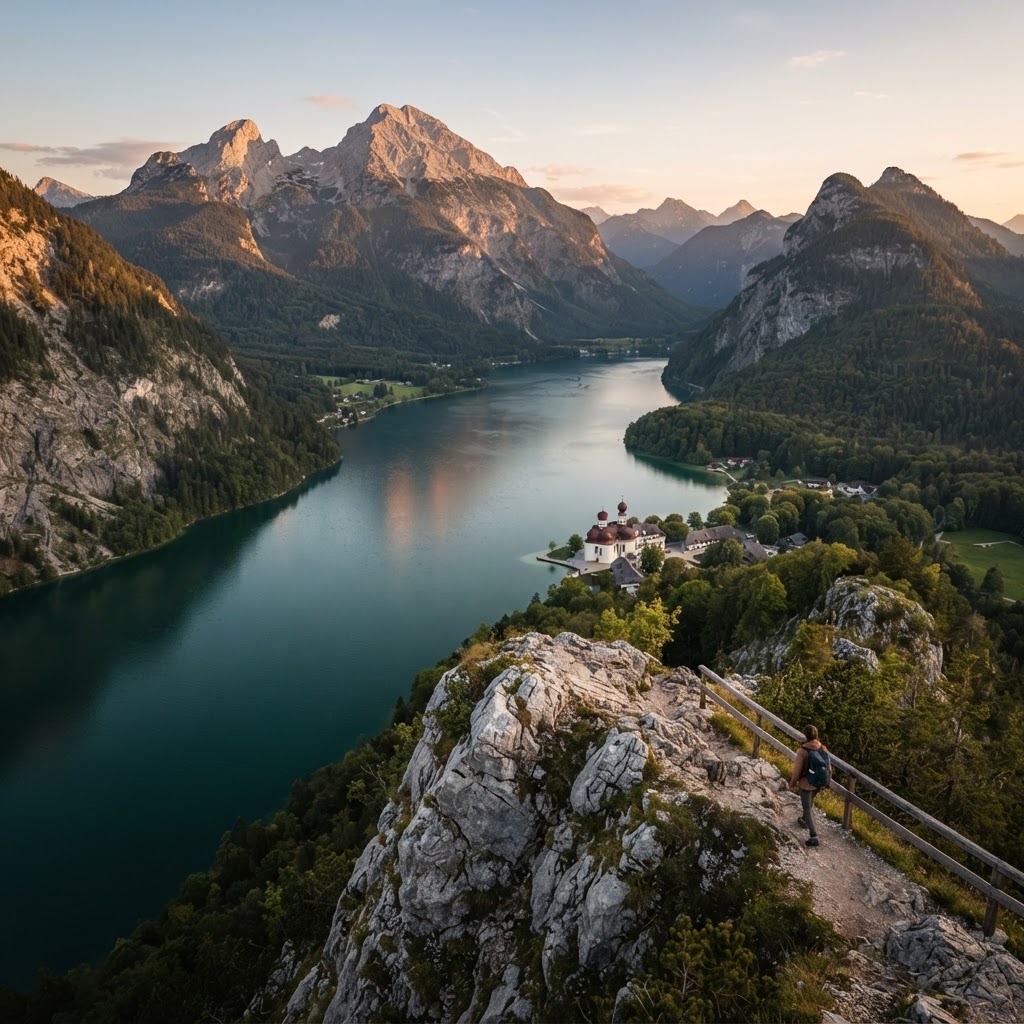
Berchtesgaden, Germany
Germany
Fjord-like alpine lakes, haunting WW2 history, and serious summit trails on the Austrian frontier.
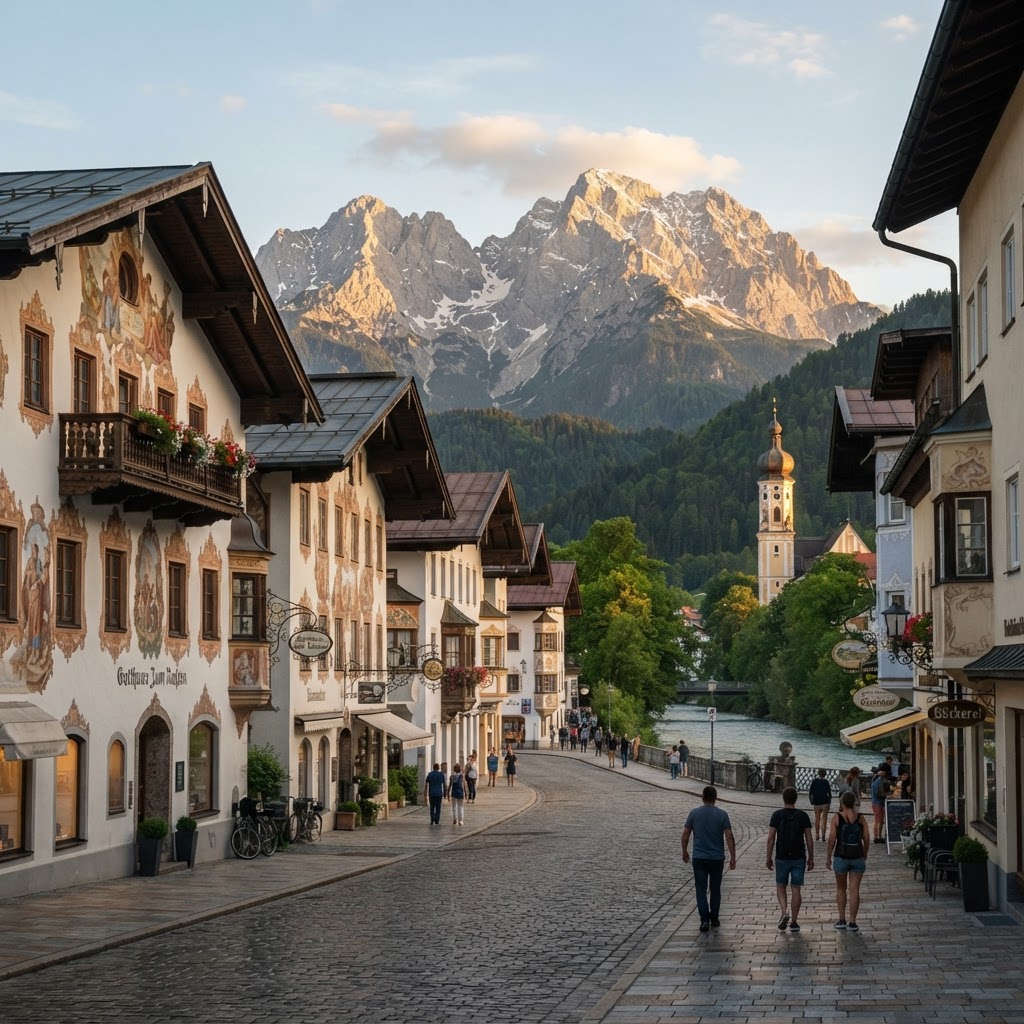
Garmisch-Partenkirchen
Germany
Twin alpine towns beneath Germany's highest peaks, balancing rugged gorges with frescoed taverns.
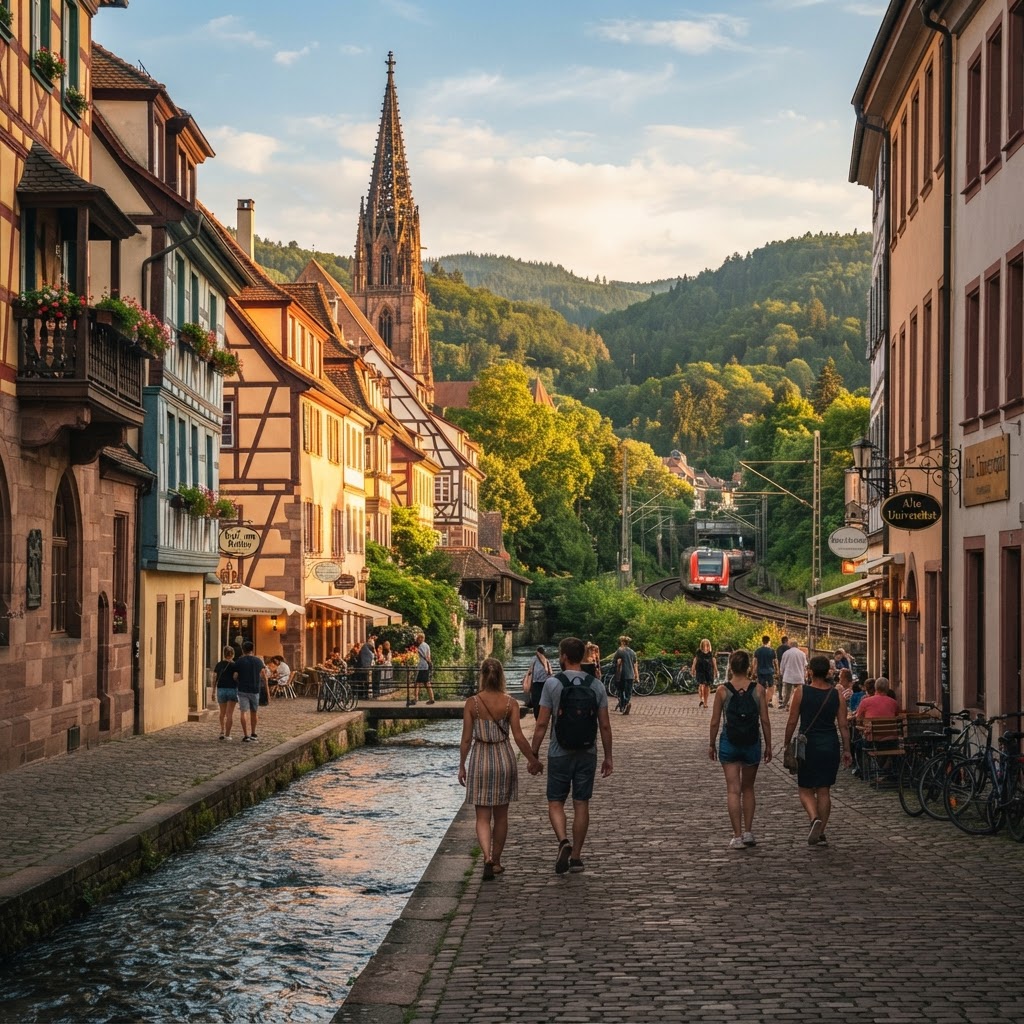
Freiburg im Breisgau, Germany
Germany
Sun-drenched university streets, medieval canals, and the direct railway gate into the Black Forest.
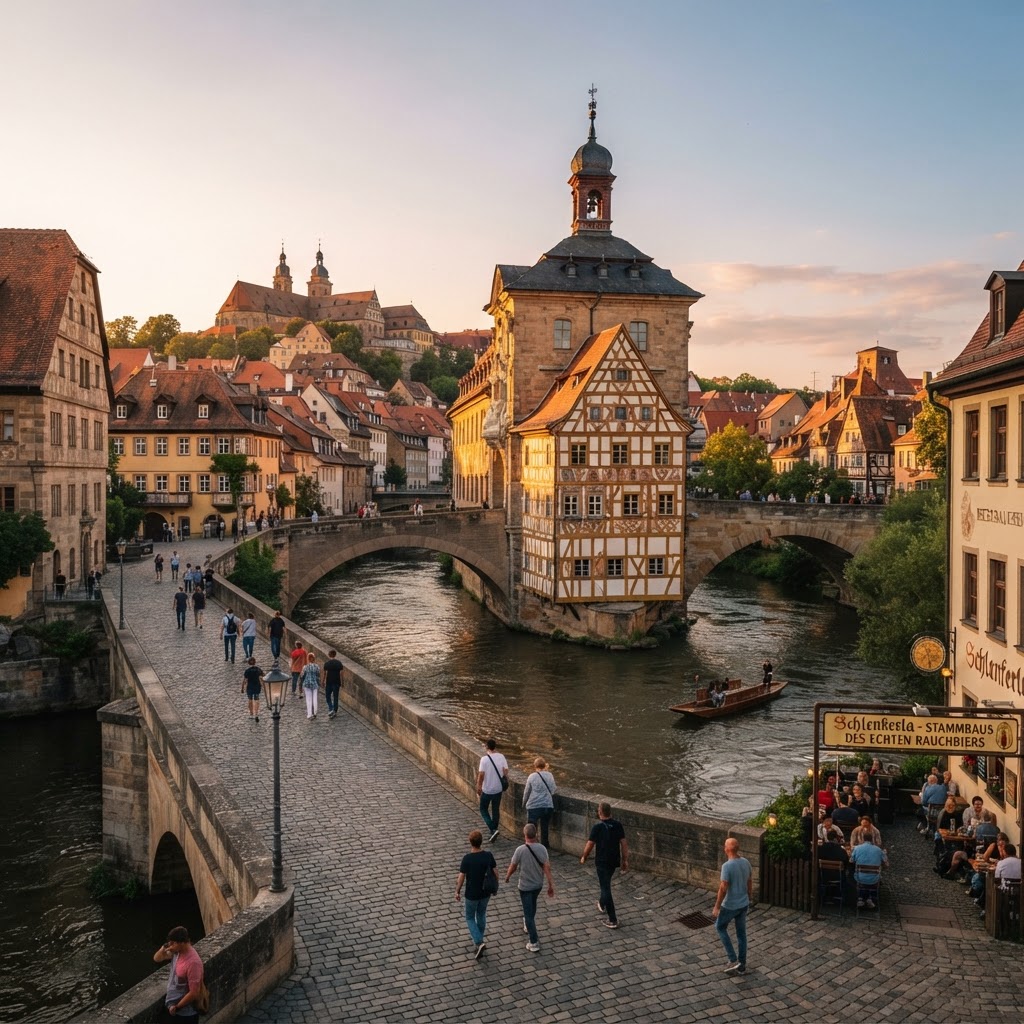
Bamberg
Germany
Centuries of untouched medieval architecture fueled by beechwood-smoked beer
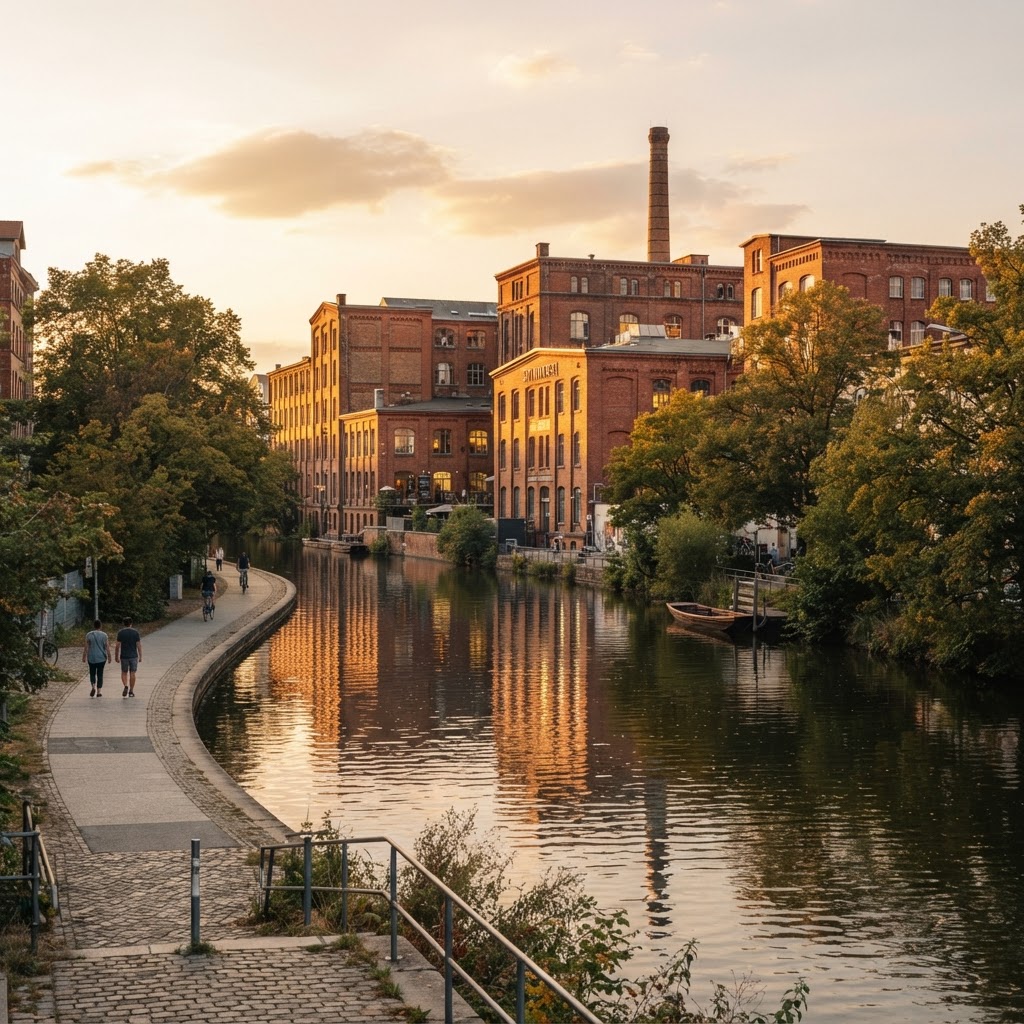
Leipzig
Germany
Industrial grit turned creative powerhouse with peerless musical heritage and quiet canals.
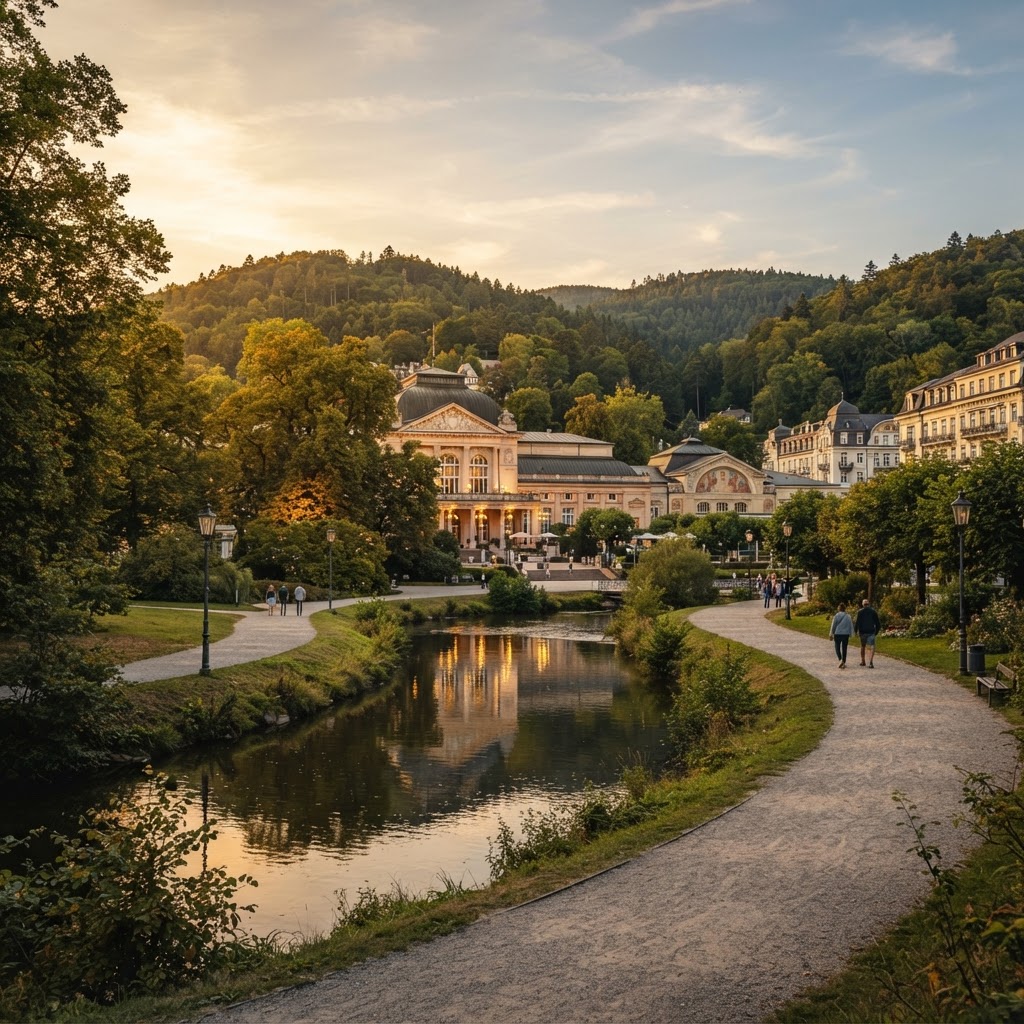
Baden-Baden
Germany
Thermal waters, Belle Époque grandeur, and unhurried woodland walks in the Black Forest foothills.
Readymade itineraries
Start from a tested template — then make it yours.
Ready to book
Lock in your Dresden, Germany trip
Everything in one place. We may earn a small commission — it never costs you more.
Plan a trip to Dresden, Germany
Pick a length and we'll build a day-by-day plan around how you travel — neighborhoods clustered, budget-aware, and editable.
Get better at planning trips like this
Occasional notes on planning smarter — no spam, unsubscribe anytime.
Plan a trip to Dresden, Germany
Turn this guide into a day-by-day plan built around your pace, your group, and your budget.
Build my Dresden, Germany trip