China
Dali, Yunnan, China
A breezy plateau sanctuary between the Cangshan ridge and the alpine shores of Erhai Lake.
Plan & book
Sort your Dali, Yunnan, China trip in one place.
We point you to the booking tools we'd actually use — live prices, no markup. Or let us build the day-by-day plan around you first, then book.
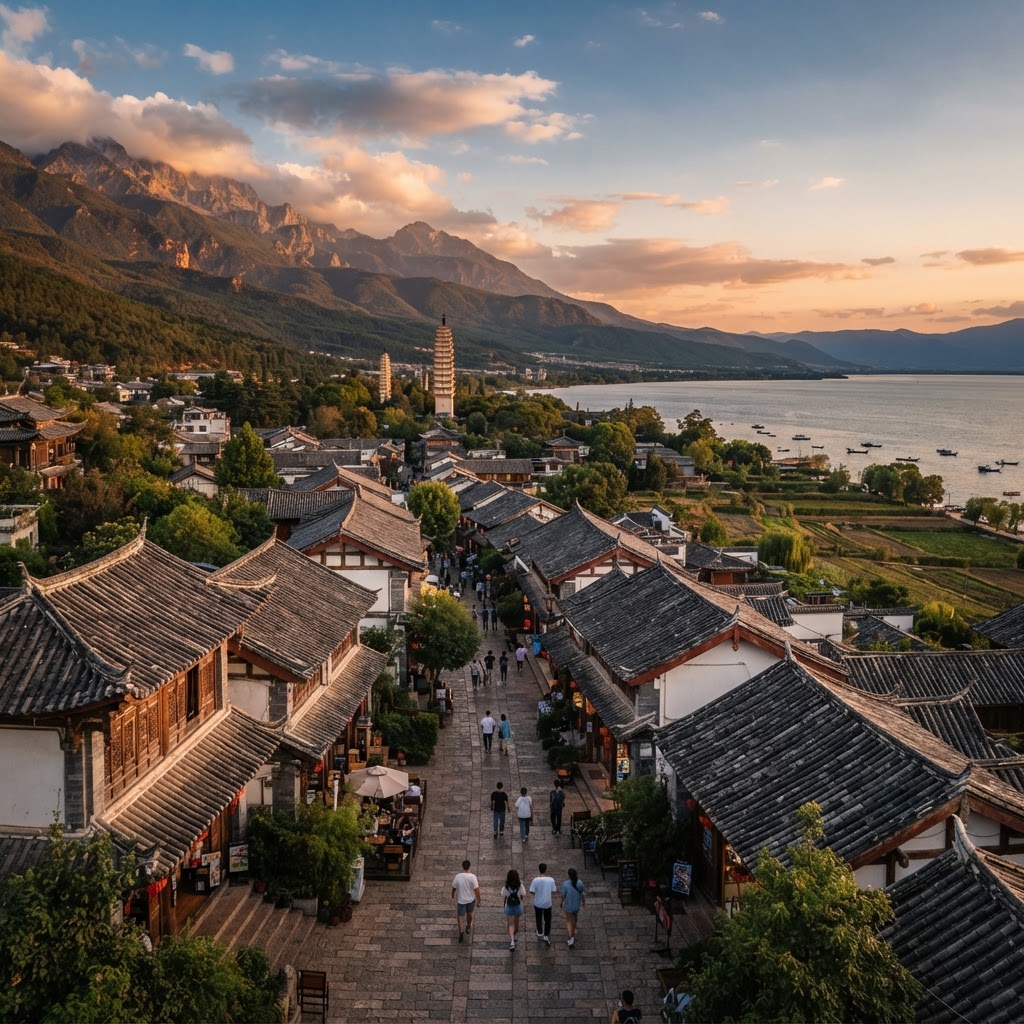
Pitched on a high plateau at 2,000 meters altitude between the dramatic 4,000-meter peaks of the Cangshan range and the vast expanse of Erhai Lake, Dali was historically the capital of the Nanzhao and Dali kingdoms. Today, it serves as China’s favorite bohemian escape. While parts of Dali Old Town are thoroughly commercialized, leaving the central cobblestone axes reveals centuries-old Bai minority courtyard architecture, breezy cycling paths along Erhai's ecological corridor, mountain hiking trails above cloudlines, and a thriving artisan cafe and market culture.
3 to 4 days
Best time
March to May and October to November for pristine skies, dry cycling weather, and minimal crowds.
Build your own trip with these prebuilt itineraries
Each one is a tested, day-by-day plan for Dali, Yunnan, China — start here, then make it yours.
4 Days in Dali: Bai Heritage & Slow Village Life in Dali
Cultural deep-dive focused on traditional Bai architecture, tie-dye crafts, and rural markets around Xizhou and Zhoucheng
2 Days in Dali: Active Trails & Mountain Escape in Dali
Outdoor weekend focused on Cangshan mountain hiking, Cloud Traveler's Path, and dedicated scenic shore cycling
3 Days in Dali: Classic Highlights & Erhai Lake in Dali
First-time overview covering Dali Old Town, Cangshan Mountain views, and easy lakeside cycling
Go for the rare collision of indigenous Bai culture, easy outdoor accessibility, and laid-back alpine living. Unlike China’s mega-metropolises or the tightly regulated Disneyfication of Lijiang, Dali retains open farmland, quiet lakefront villages, and independent coffee roasters. Cycling the protected Erhai Lake ecological corridor on a clear morning, tasting fermented Bai cheeses, and exploring traditional tie-dye workshops in surrounding rural hamlets offer one of the most restorative regional experiences in southwest China.
Where to stay
Getting there
Getting around
Food & drink
What it costs
Things to do
Book tours & tickets in Dali, Yunnan, ChinaSkip it if
Skip Dali if your China itinerary is tightly capped at under 8 days (stick to Beijing, Xi'an, and Shanghai), or if you demand ultra-modern urban transit and zero language barriers. Travelers seeking untouched wilderness should know that the Erhai valley is heavily settled and popular with domestic tourists; those expecting quiet solitude in Dali Old Town's main commercial corridors will be disappointed.
When to go
Spring brings mild mountain air, blooming rhododendrons, and the cultural March Street Fair, while late autumn offers golden rice terraces around Xizhou and crystalline lakeside views. Summer brings high rainfall and domestic school holiday crowds, while winter nights drop near freezing despite bright midday sun.
Peak (July to August; October Golden Week; Spring Festival)
Surging domestic tourism pushes boutique hotel rates up significantly; narrow village lanes in Xizhou and central Dali Old Town gridlock with tour traffic.
Shoulder (March to May; September to November)
The sweet spot. Dry, crisp skies, ideal cycling temperatures around Erhai, and lush scenery without the peak summer downpours.
Low (December to February)
Sunny, clear daytime skies with fierce plateau UV, but crisp alpine morning and night drops; lowest lodging rates of the year and quiet trails.
Neighborhoods
Where you stay shapes the trip. Here's how to think about it.
Dali Old Town (West Gate & Cangshan Foothills)
Bohemian cafe culture tucked among Bai stone alleyways, quiet residential courtyards, and independent bakeries, away from the loud neon souvenir thoroughfares.
Best for:First-timers, remote workers, and travelers who want walkable dining without the midnight commercial noise.
Don't miss:The weekly local vegetable and craft stalls at the March Street market site, plus quiet pour-over coffee spots along Renmin Upper Road.
Xizhou Ancient Town
Pastoral, slow-burning Bai heritage surrounded by irrigated paddy fields, restored courtyard compounds, and morning markets bustling with indigo-clad elders.
Best for:Architecture enthusiasts, culture purists, and travelers prioritizing quiet mornings over evening bars.
Don't miss:The morning produce market around Sifang Street before tour groups arrive, followed by a fresh savory Xizhou baba flatbread from a roadside wood-fired grill.
Shuanglang & Northeast Shore
Upscale lakeside boutique design retreats, floor-to-ceiling glass balconies, and unobstructed sunset vistas over Erhai Lake toward the Cangshan range.
Best for:Couples, design-hotel collectors, and scenery-focused slow travelers willing to trade transit convenience for panoramic lake views.
Don't miss:Sunset drinks on an open-air water terrace watching the Cangshan ridgeline darken against the water.
Caicun & West Erhai Ecological Corridor
Laid-back lakeside village living connected to dedicated shoreline cycling paths, willow-fringed wetlands, and breezy waterside lanes.
Best for:Cyclists, outdoor morning runners, and travelers who want direct Erhai water access within a short ride of Dali Old Town.
Don't miss:Renting a cruiser bicycle at sunrise to ride the car-free ecological path north toward Xizhou before the midday heat and rental tandems clog the way.
Destination intelligence
Updated 9/14/2026The structured record we plan every Dali, Yunnan, China itinerary from.
Walkability
High within individual historic cores (Dali Old Town, Xizhou); low across the broad valley without bikes, buses, or DiDi rides.
Transit quality
Moderate. High-speed rail connections are fast and pristine; local public buses and point-to-point tourist shuttles are reliable, though app-based taxis (DiDi) are often needed for efficiency.
Car needed
No. Driving is discouraged due to pedestrianization in historic towns, heavy traffic bottlenecks along single-lane village roads, and license hurdles for foreign travelers.
Ideal duration
3 to 4 days
Minimum useful
2 days
Peak season
July to August (summer domestic school holiday crowds) and major national holidays (Golden Week in early October, Chinese New Year). Expect peak lodging rates and crowded streets.
Shoulder season
March to May (pleasant spring blooms, mild weather, and the Bai March Street Fair) and September to November (dry, clear skies, crisp autumn air, and golden harvest views around Xizhou).
Low season
December to February. Chilly alpine nights and dry winds, but clear sunny daytime skies, minimal crowds, and lower accommodation rates.
Best for
Common mistakes
- Booking a hotel in Xiaguan (Dali New City) thinking it is close to the sights; it is a generic modern hub 45 minutes south of the Old Town.
- Staying on bustling Foreigner Street (Huguo Road) or near central bars if you are sensitive to late-night amplified live music.
- Paying exorbitant walk-up fees to street touts or unregulated car hires at the railway station instead of using the DiDi app or official bus lines.
- Attempting to circumnavigate the entire 130 km perimeter of Erhai Lake on a bicycle in a single day rather than focusing on dedicated scenic segments.
- Visiting the Three Pagodas at midday when midday sun washes out photographs and massive tour groups clog the central courtyard.
Best nearby
How to plan it
- Stay in Xizhou for at least one night instead of treating it as a midday day trip; you get the morning market and empty courtyard alleys before tourist buses pull in at 10:30 AM.
- Do not try to cycle the entire 120-kilometer loop around Erhai Lake in a single day; focus on the paved, car-free 20-kilometer western corridor between Caicun and Xizhou.
- Pair Dali with Shaxi Ancient Town (2 hours north by car) rather than rushing straight to Lijiang if you prefer well-preserved Tea Horse Road history and quiet cobblestone squares.
- Book Cangshan cable car rides (especially the Zhonghe or Xima Pond routes) for the earliest morning slot to avoid midday mountain cloud-cover and tour-bus queues.
- Take the high-speed bullet train from Kunming (roughly 2 hours); skip regional flights into Dali Airport, which are frequently prone to weather delays and long security lines.
Questions
More in China
Huangshan, China
China
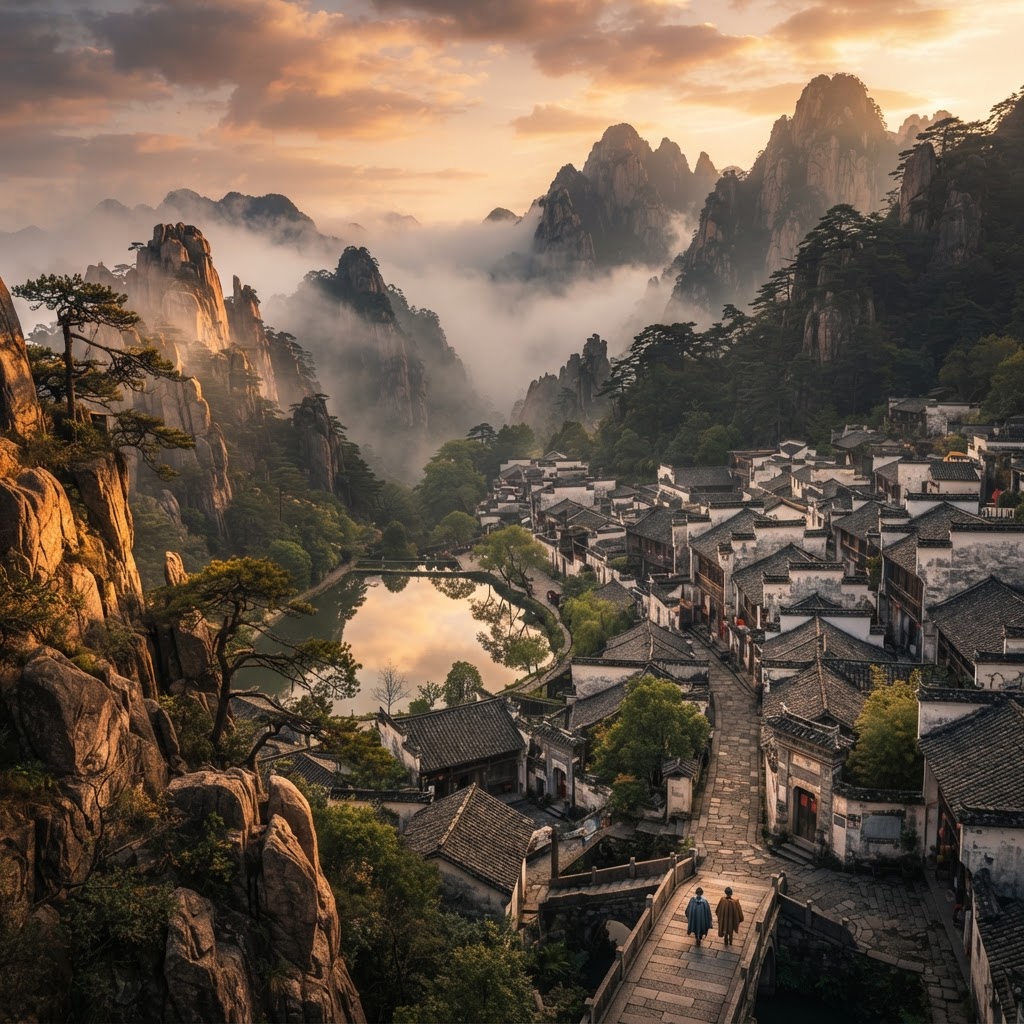
Granite peaks, mist-filled ravines, and Ming-era merchant villages
Sanya, Hainan, China
China
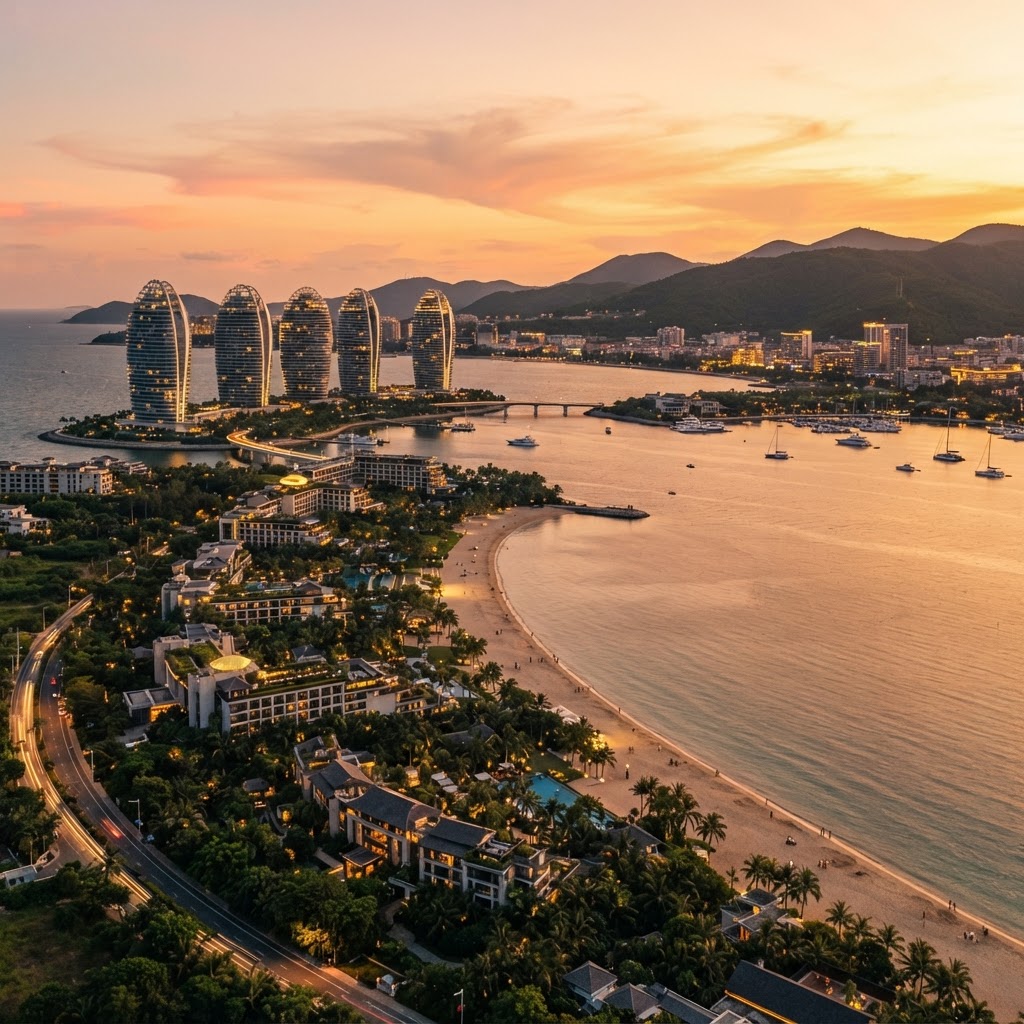
China's tropical resort strip of five-star bays, duty-free hubs, and coastal escapes.

Harbin
China
Siberian sub-zero cold, towering ice palaces, and Russian frontier history.
Chongqing, China
China
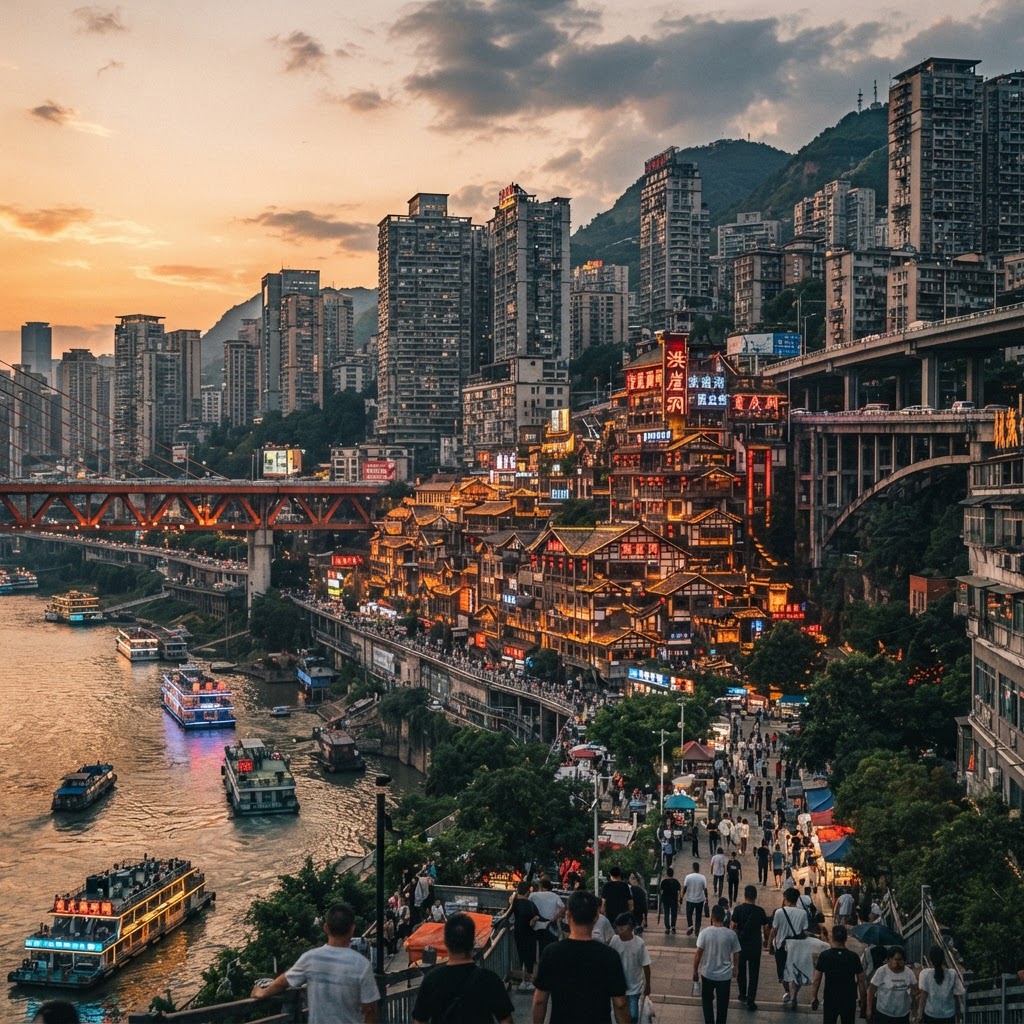
A vertical, neon-drenched mountain megalopolis powered by raw spice and layered topography.
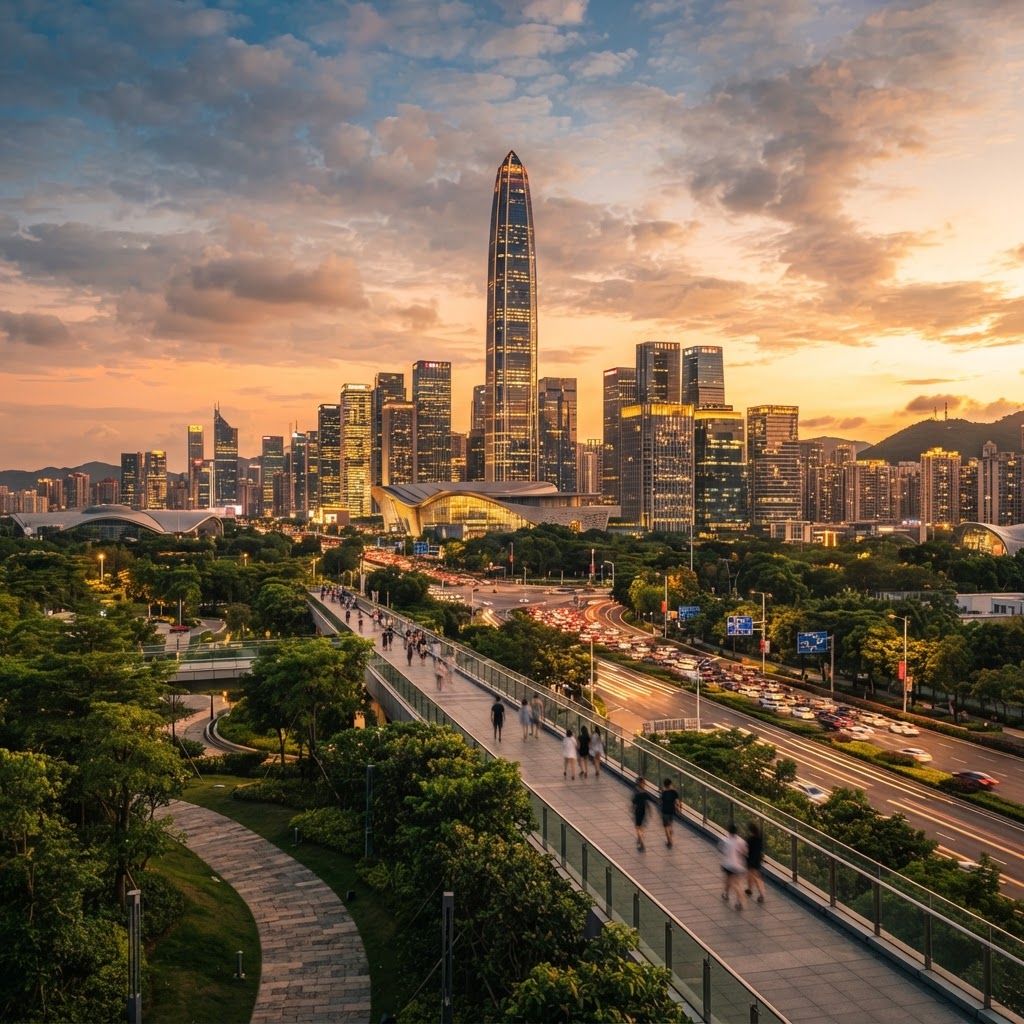
Shenzhen, China
China
The hardware capital of the world and China’s cleanest experiment in hyper-modern urban planning.

Guangzhou, China
China
The spiritual homeland of Cantonese culinary culture and Lingnan architecture, draped along the Pearl River.
Readymade itineraries
Start from a tested template — then make it yours.
Ready to book
Lock in your Dali, Yunnan, China trip
Everything in one place. We may earn a small commission — it never costs you more.
Plan a trip to Dali, Yunnan, China
Pick a length and we'll build a day-by-day plan around how you travel — neighborhoods clustered, budget-aware, and editable.
Get better at planning trips like this
Occasional notes on planning smarter — no spam, unsubscribe anytime.
Plan a trip to Dali, Yunnan, China
Turn this guide into a day-by-day plan built around your pace, your group, and your budget.
Build my Dali, Yunnan, China trip