
Denmark
Copenhagen Itinerary: How Many Days + Sample Plans
Copenhagen is design, bikes, and hygge — expensive, gorgeous, and built to be cycled.
Traveler rating
Loved by design lovers.
Plan & book
Sort your Copenhagen trip in one place.
We point you to the booking tools we'd actually use — live prices, no markup. Or let us build the day-by-day plan around you first, then book.
Pick your trip length
How many days do you need in Copenhagen?
Each of these opens a full day-by-day plan you can make your own.
- 2 days — Two days — the essentials, no rushing.
- 3 days — Three days — the icons plus one neighborhood.
- 4 days — Four days — a full city without sprinting.
- 5 days — Five days — room for a day trip.
- 7 days — A week — the city at a human pace.
- With Kids trip — Shorter days, earlier dinners, what to skip.
- For Couples trip — Two-person pacing with evenings built in.
- Solo trip — A plan that works well on your own.
- Food trip — Meals and markets as the anchors.
- Outdoors trip — Nature, walks and open air.
- Culture trip — History, museums and the streets around them.
Copenhagen is a design-lover's city — canals, Tivoli, and more bikes than cars. Rent a bike, eat at a food hall, and accept it's pricey; the quality matches the price.
2–3 days
Best time
Late May to June or September offers the ideal sweet spot.
Budget
DKK 800–1,500 per person per day at mid-range. Copenhagen is expensive.
Build your own trip with these prebuilt itineraries
Each one is a tested, day-by-day plan for Copenhagen — start here, then make it yours.
2 Days in Copenhagen for First-Time Visitors
2 days in copenhagen first time
3 Days in Copenhagen by Bike
copenhagen by bike itinerary
3 Days in Copenhagen: Design & New Nordic
copenhagen design new nordic food itinerary
3 Days in Copenhagen: A Hyggelige Weekend
copenhagen hygge weekend itinerary
Copenhagen sets the global benchmark for urban livability, pairing mid-century design heritage with the world's most inventive culinary ecosystem. It is an effortlessly navigable harbor city where century-old brick warehouses, clean swimmable waterways, and serene cycling highways exist side by side.
Where to stay
Getting there
Getting around
Food & drink
What it costs
Things to do
Book tours & tickets in CopenhagenSkip it if
Skip Copenhagen if you are traveling on a shoestring backpacker budget where high dining and lodging costs will create constant stress, or if you require warm Mediterranean beach weather and sprawling ancient ruins.
When to go
Peak July and August bring maximum daylight and harbor swimming but also peak hotel pricing and heavy tour crowds. Shoulder months deliver crisp cycling weather, open outdoor seating, and significantly easier restaurant bookings.
Summer (June–August)
Peak daylight with 17+ hours of sun and outdoor harbor baths at their best; hotels hit ceiling rates and popular dining reservations vanish months ahead.
Shoulder (May & September–October)
Crisp cycling conditions, comfortable walking temperatures, and manageable crowds; May brings city parks to life while October offers cozy cafe culture.
Winter (November–March)
Short daylight hours and biting North Sea wind; November and December offer classic hygge and Tivoli Christmas lights, while January and February are dark, quiet, and cheapest.
Neighborhoods
Where you stay shapes the trip. Here's how to think about it.
Indre By
Historic cobblestone core with postcard canal facades, boutique-lined walking streets, and heavy foot traffic.
Best for:First-timers who want every classic sight within a 15-minute walk.
Don't miss:The quiet inner courtyards off Strøget and the Designmuseum Danmark courtyard cafe.
Vesterbro
Former meatpacking and red-light district evolved into an energetic dining hub anchored by industrial warehouses.
Best for:Nightlife seekers, design-conscious couples, and food lovers wanting evening buzz.
Don't miss:Dinner and craft beer in Kødbyen (the Meatpacking District) followed by sourdough cardamom buns at Hart Bageri.
Nørrebro
Multicultural, creative enclave packed with independent roasters, vintage clothing dens, and natural wine bars.
Best for:Younger travelers, solo explorers, and foodies looking for local rhythm over tourist polish.
Don't miss:Strolling Jægersborggade for ceramics and bakeries, cutting through tree-shaded Assistens Cemetery.
Christianshavn
Dutch-inspired canal district with houseboats, maritime brick buildings, and an easygoing bohemian edge.
Best for:Couples and architecture fans who prioritize canal views and a slightly slower residential pace.
Don't miss:The corkscrew climb up the spire of Church of Our Saviour for harbor panoramas.
Frederiksberg
Upscale, leafy, self-governing enclave with wide avenues, historic gardens, and elegant mid-century cafes.
Best for:Families, repeat visitors, and anyone looking for upscale, quiet neighborhood refinement.
Don't miss:A morning walk through Frederiksberg Have followed by the underground cisterns exhibition at Cisternerne.
Money & essentials
Currency
Danish krone (DKK). Cards near-universal; carry little cash.
Language
Danish. English is universally and fluently spoken.
Safety
Exceptionally high safety profile across all neighborhoods day and night.
Budget range
DKK 800–1,500 per person per day at mid-range. Copenhagen is expensive.
Tipping
Not expected; service charges and living wages are baked into bill totals, though rounding up 5–10% for stand-out table service is appreciated.
How to plan it
- Base yourself in Indre By if you want to walk everywhere without thinking about transit schedules, or pick Vesterbro if your evenings revolve around eating and drinking.
- Do not rent a bike during weekday morning rush hour (7:30–9:00 AM) until you know Danish cycling hand signals; traffic on Dronning Louises Bro moves fast and locals commute aggressively.
- Reserve high-end dinners and bakeries on opposite sides of town intentionally; cycling 20 minutes between meals across the harbor bridges is the best way to see how the districts connect.
- Pair your city break with a 45-minute train ride north to Louisiana Museum of Modern Art in Humlebæk rather than trying to cram in a castle tour to Kronborg on the same afternoon.
- Skip the overpriced sit-down canal tours at Nyhavn's main basin and take the regular 991/992 public yellow harbor bus or rent an electric GoBoat to explore Christianshavn's waterways at your own pace.
Questions
More in Denmark
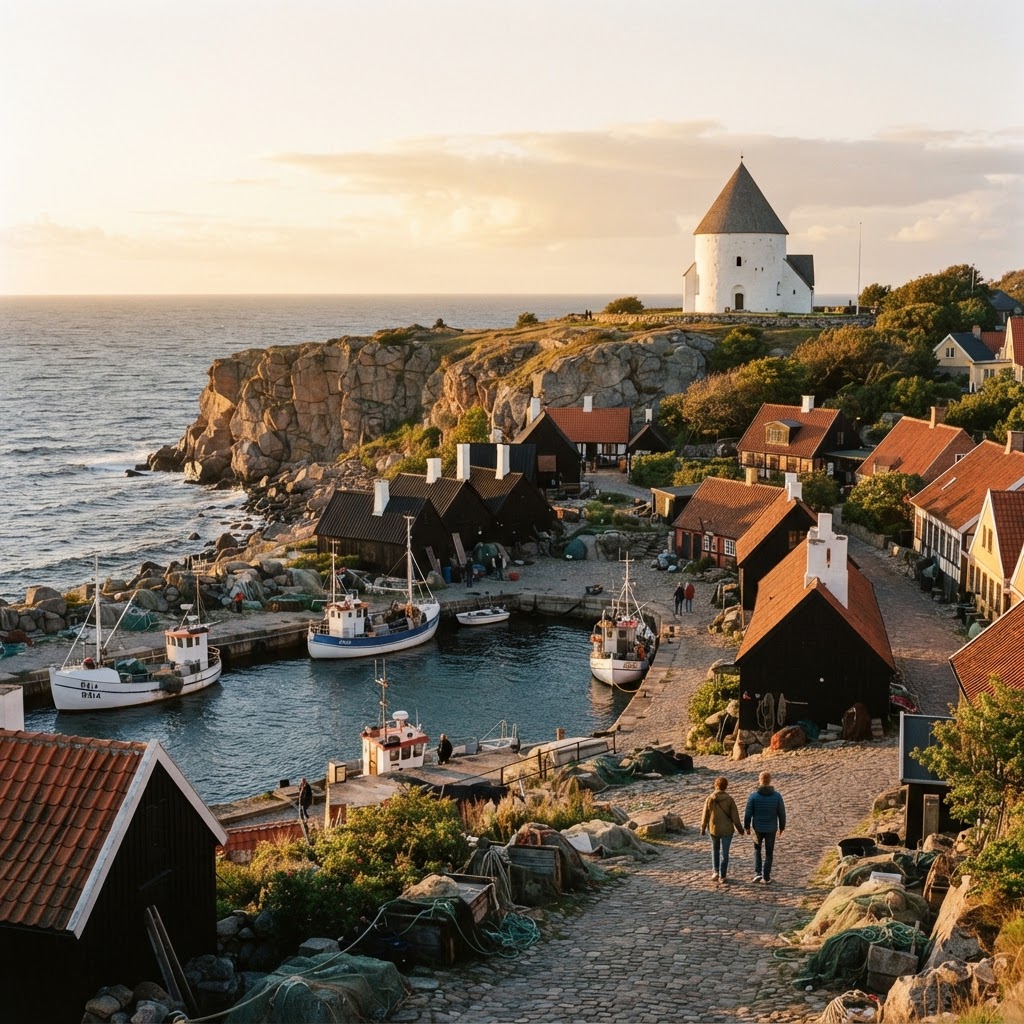
Bornholm, Denmark
Denmark
Baltic granite cliffs, medieval round churches, and timbered smokehouses.
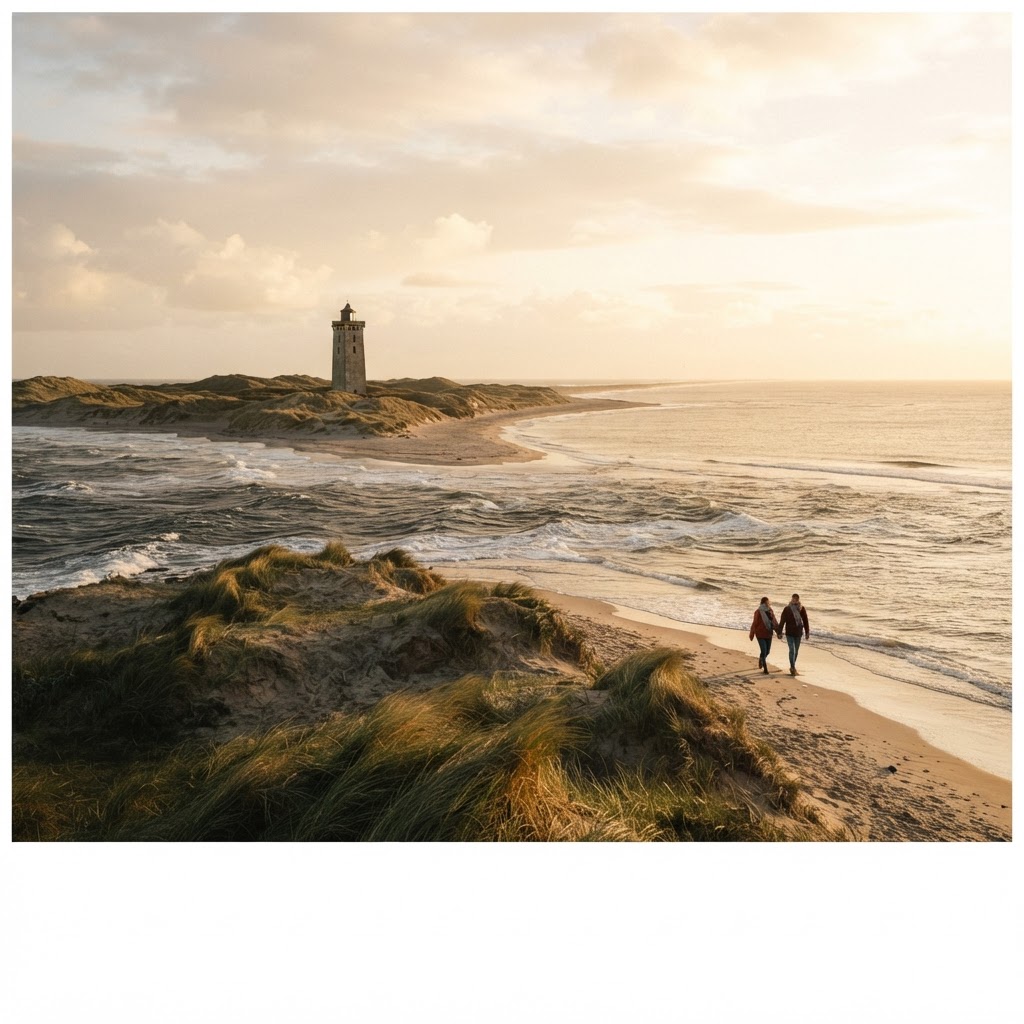
Skagen, Denmark
Denmark
Windswept dunes, luminous Nordic light, and the collision of two wild seas.
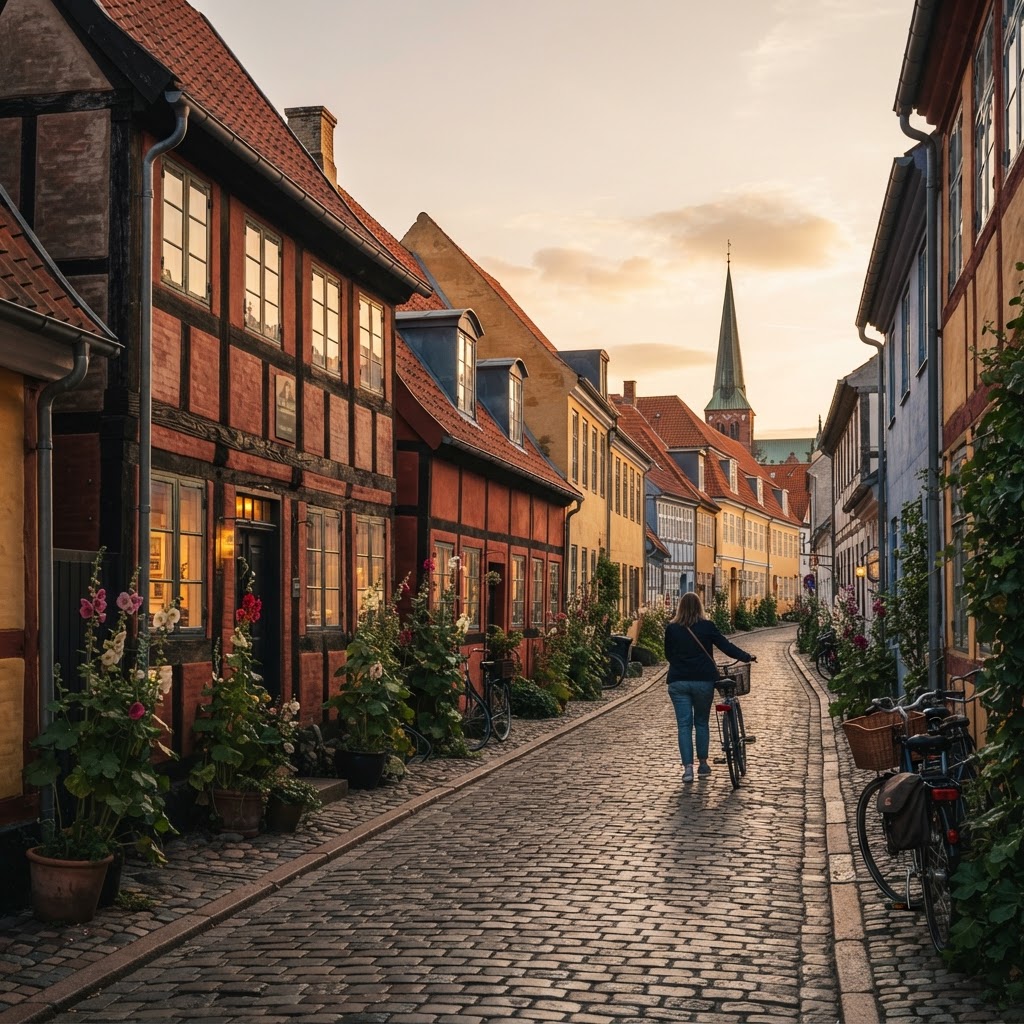
Odense, Denmark
Denmark
Architectural fairy tales, timbered lanes, and calm Danish provincial living
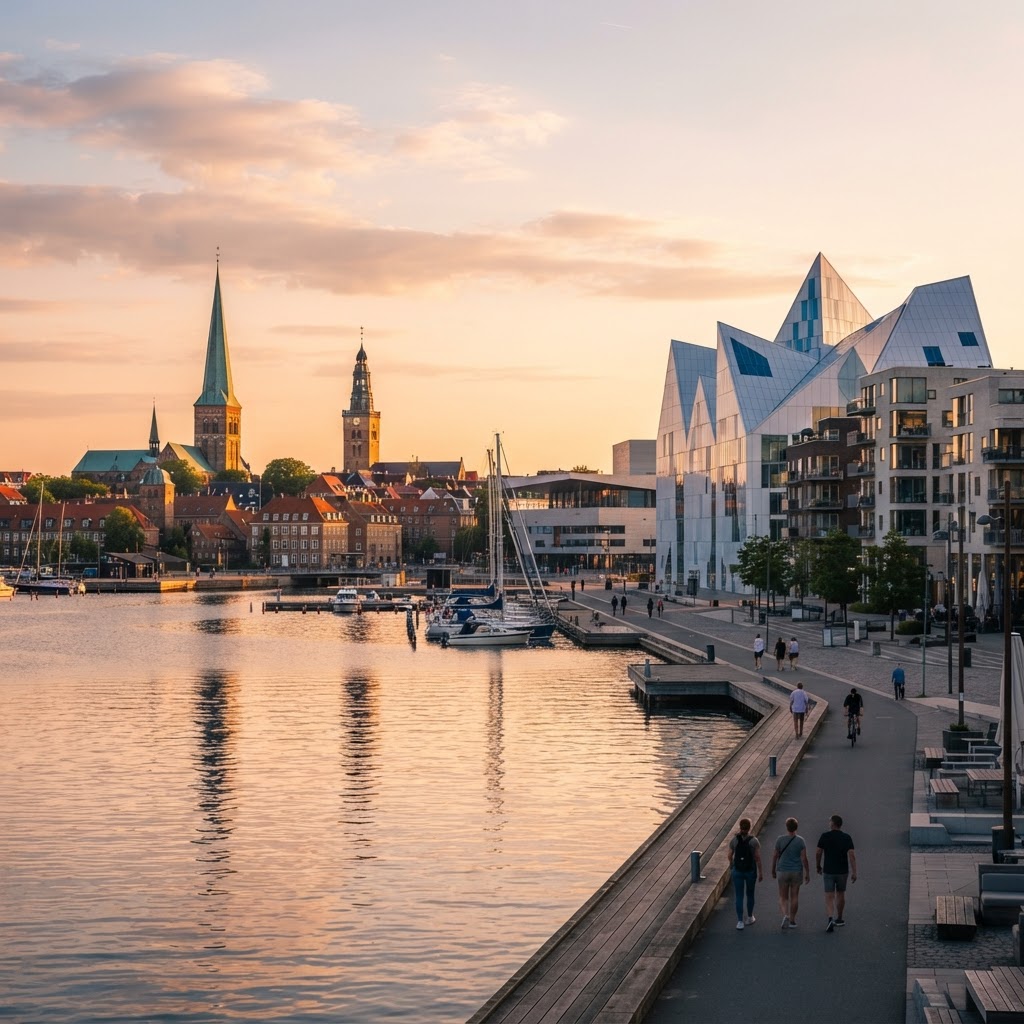
Aarhus, Denmark
Denmark
Denmark's intellectual second city of Viking origins, bold harbor architecture, and accessible Nordic gastronomy.
Readymade itineraries
Start from a tested template — then make it yours.
Ready to book
Lock in your Copenhagen trip
Everything in one place. We may earn a small commission — it never costs you more.
Plan a trip to Copenhagen
Pick a length and we'll build a day-by-day plan around how you travel — neighborhoods clustered, budget-aware, and editable.
Get better at planning trips like this
Occasional notes on planning smarter — no spam, unsubscribe anytime.
Plan a trip to Copenhagen
Turn this guide into a day-by-day plan built around your pace, your group, and your budget.
Build my Copenhagen trip