Denmark
Odense, Denmark
Architectural fairy tales, timbered lanes, and calm Danish provincial living
Plan & book
Sort your Odense, Denmark trip in one place.
We point you to the booking tools we'd actually use — live prices, no markup. Or let us build the day-by-day plan around you first, then book.
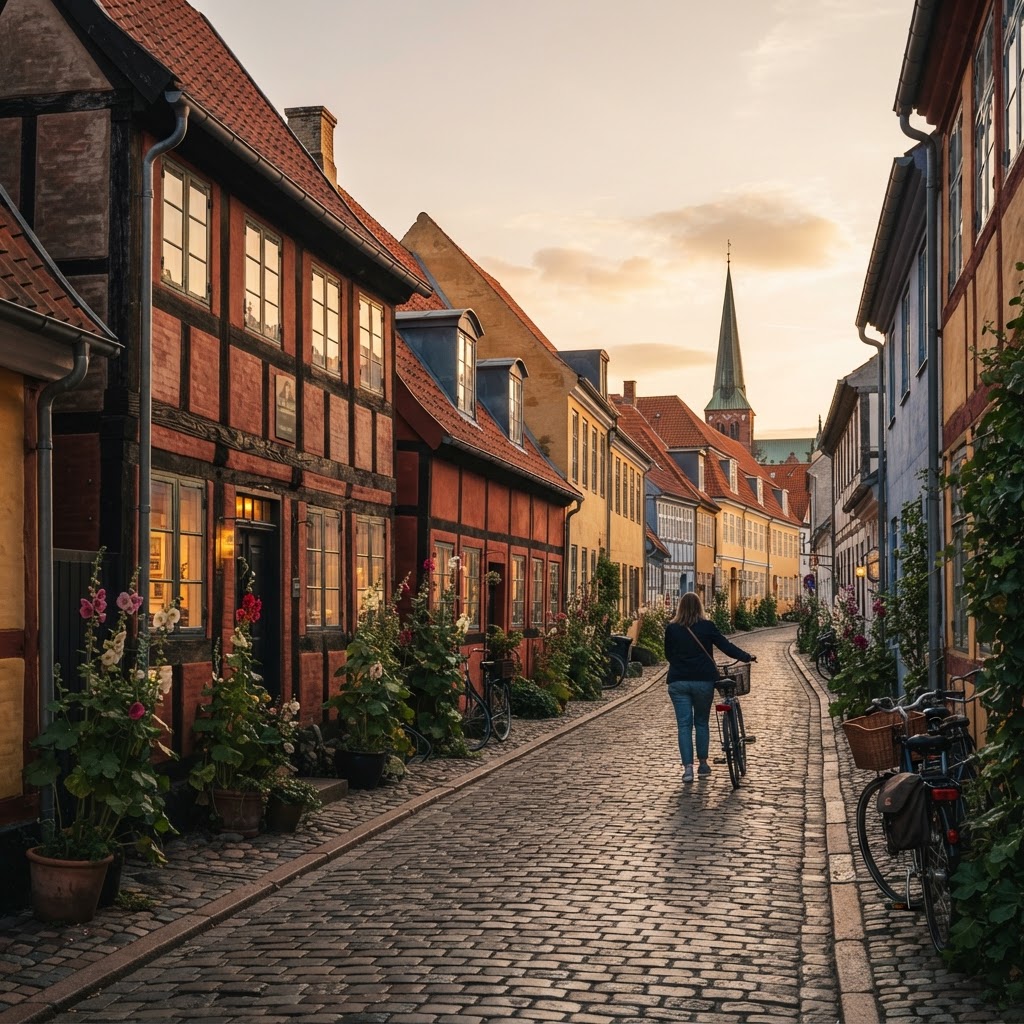
Odense is Denmark’s third-largest city, sitting at the core of the island of Funen just 75 to 90 minutes by rail from Copenhagen. While long framed solely around Hans Christian Andersen, the modern reality is a thoroughly redesigned, human-scaled city anchored by Kengo Kuma’s subterranean museum architecture, cobbled historic quarters, thriving outdoor parks along the Odense Å river, and a relaxed culinary scene unburdened by capital-city hype.
2 days
Best time
Late May through August for outdoor river life, or early December for historic winter charm.
Odense offers the ideal decompression stop between Copenhagen and Jutland without feeling provincial in the wrong ways. Rather than presenting static fairy tale kitsch, the city invested heavily in modern urban renewal—re-routing highway traffic, building an electric light rail network (Letbane), and commissioning Kengo Kuma to design the H.C. Andersens Hus museum complex. It delivers authentic half-timbered streets, canal-side cycling, world-class design, and easy access to Egeskov Slot without the crowds or prices of Copenhagen.
Where to stay
Getting there
Getting around
Food & drink
What it costs
Things to do
Book tours & tickets in Odense, DenmarkSkip it if
Skip Odense if your Danish itinerary is under 4 days total (keep your base in Copenhagen) or if you demand late-night high-octane clubbing, towering dramatic nature, or coastal cliffs—Odense is flat, residential, design-forward, and deliberate.
When to go
Summer delivers up to 17 hours of Nordic daylight, active river boat rentals in Munke Mose, and lively courtyard dining, balancing peak season room rates. December brings atmospheric festive markets across the historic quarter, whereas mid-winter is dim and blustery.
Peak (June–August)
Pleasant temperatures (18–22°C), long sunlit evenings, and open-air events along the river; hotel rooms book fast for summer weekends.
Shoulder (May & September–October)
Crisp walking weather, glorious autumn foliage along the Odense Å trail, zero lines at museums, and slightly discounted boutique hotel rates.
Low (November–March)
Cold winds and short 7-hour daylight days, but December sparkles with the historic H.C. Andersen Christmas Market in the old quarter.
Neighborhoods
Where you stay shapes the trip. Here's how to think about it.
H.C. Andersen Kvarteret
Cobbled, crooked timber-framed streets preserved from the 1800s, blending seamlessly into modern subterranean museum architecture.
Best for:First-timers, architecture buffs, and fairy-tale history seekers wanting a hyper-walkable base.
Don't miss:Wandering down Nedergade and Bangs Boder before stepping into Kengo Kuma's immersive H.C. Andersens Hus.
Brandts Klædefabrik (Latin Quarter)
A reimagined textile factory enclave packed with independent boutiques, art galleries, outdoor dining, and arthouse cinema.
Best for:Design lovers, shoppers, and evening café-crawlers.
Don't miss:Contemporary photography exhibitions at Kunstmuseum Brandts followed by a courtyard coffee at Café Biografen.
Odense Havn (The Harbour)
Industrial-maritime regeneration featuring modern waterfront lofts, outdoor harbor pools, and raw repurposed shipping halls.
Best for:Casual dinner crowds, craft beer fans, and urban swimmers.
Don't miss:Grabbing street food from local stalls inside Storms Pakhus, a repurposed warehouse right across the railway footbridge.
Vesterbro & Munke Mose
Lush riverside greenery merging with a laid-back residential fringe of indie bakeries and relaxed pubs.
Best for:Families, joggers, and travelers seeking quiet green space just five minutes from the shopping streets.
Don't miss:Renting a pedal boat or boarding the classic wooden Aafart riverboat from Munke Mose down the Odense Å.
Destination intelligence
Updated 9/14/2026The structured record we plan every Odense, Denmark itinerary from.
Walkability
Excellent. The center is compact, completely level, and heavily pedestrianized.
Transit quality
High. Frequent national intercity trains, the modern Letbane tram network, and comprehensive regional FynBus connections.
Car needed
No. A car is an unnecessary expense and parking nuisance inside Odense; only rent if driving through the coastal archipelago of South Funen.
Ideal duration
2 days
Minimum useful
1 day
Peak season
June through August. Warm weather, full garden blooms, river cruise operations, long Nordic daylight, and outdoor festival programming.
Shoulder season
May and September to October. Mild temperatures, crisp autumn colors along the river walk, lower hotel rates, and empty museum galleries.
Low season
November through March. Short daylight hours, cold winds, and quiet streets; atmospheric during the December H.C. Andersen Christmas Market.
Best for
Common mistakes
- Treating Odense as only a 3-hour day trip from Copenhagen: Rushing through H.C. Andersens Hus and heading straight back to the capital misses the atmosphere of the evening old town, the harbor precinct, and the Funen Village.
- Renting a car for a city-only visit: Driving inside central Odense is restricted, parking fees are steep, and the rail station is within a 7-minute walk of the historic core; save car rentals for exploring rural southern Funen.
- Assuming H.C. Andersens Hus is an old-fashioned wax museum: It is a conceptual, audio-led architectural installation requiring a pre-booked time slot and 2.5 focused hours to experience properly.
- Forgetting to check Monday museum closures: Many provincial Danish cultural sites, including portions of Brandts and historic properties, are closed on Mondays.
Best nearby
How to plan it
- Stay within 10 minutes' walk of Odense Station or H.C. Andersen Kvarteret so you can skip local transit entirely during your stay.
- Pair your visit with an onward rail journey to Aarhus or a car loop through the thatched fishing villages of South Funen.
- Don't cram H.C. Andersens Hus into an hour; allocate 2 to 3 hours to take in the underground exhibits, audio soundscape, and surrounding gardens.
- Cross the footbridge behind the station for dinner at Storms Pakhus instead of eating in standard chain restaurants on the Vestergade pedestrian street.
- Rent a bicycle through local rental programs if you plan to visit the open-air Funen Village (Den Fynske Landsby) south of the center.
Questions
More in Denmark
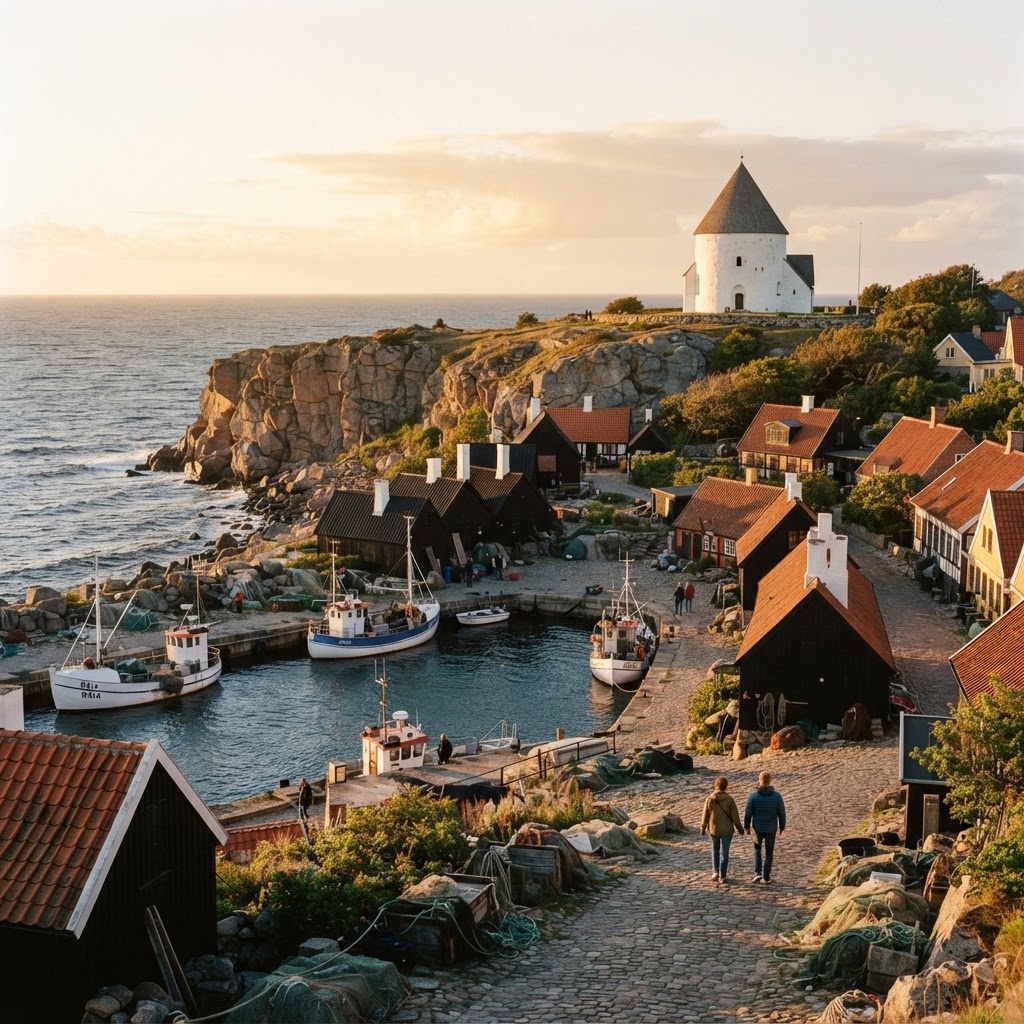
Bornholm, Denmark
Denmark
Baltic granite cliffs, medieval round churches, and timbered smokehouses.
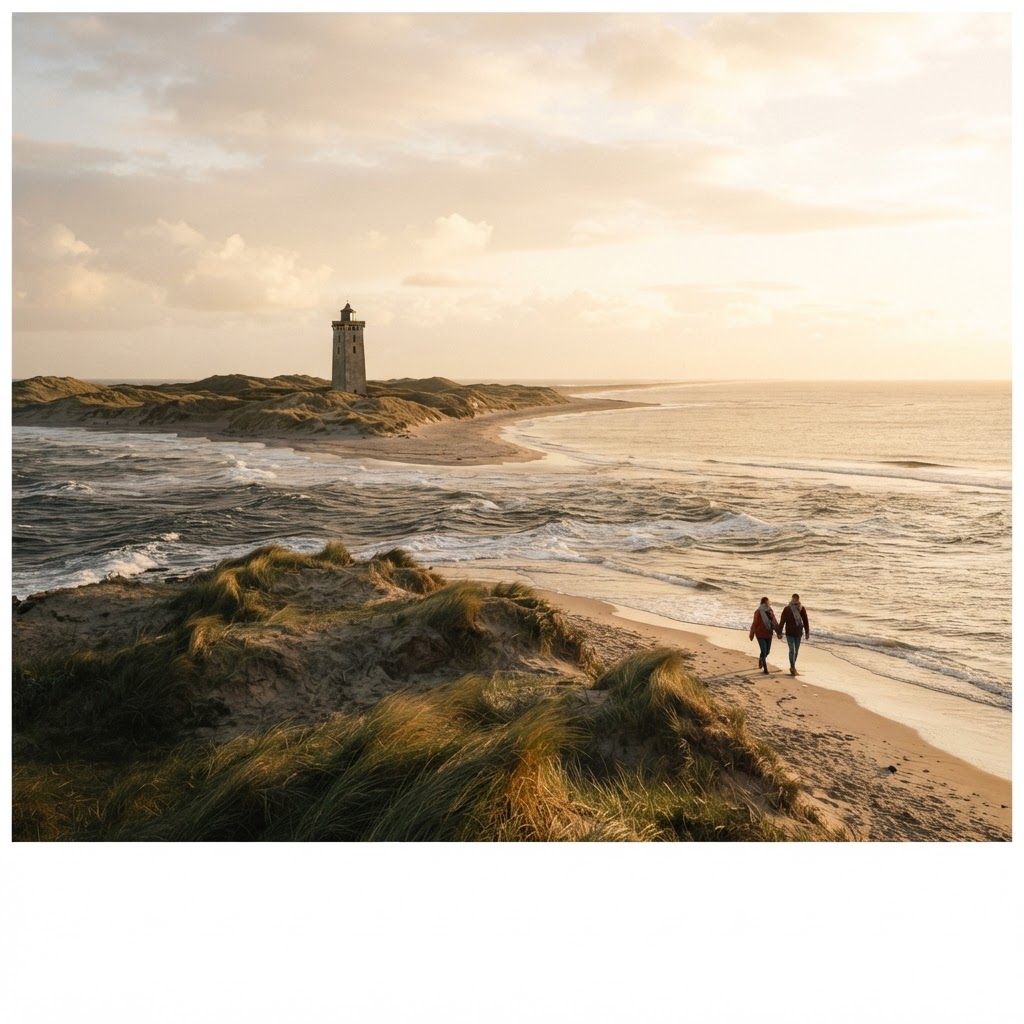
Skagen, Denmark
Denmark
Windswept dunes, luminous Nordic light, and the collision of two wild seas.
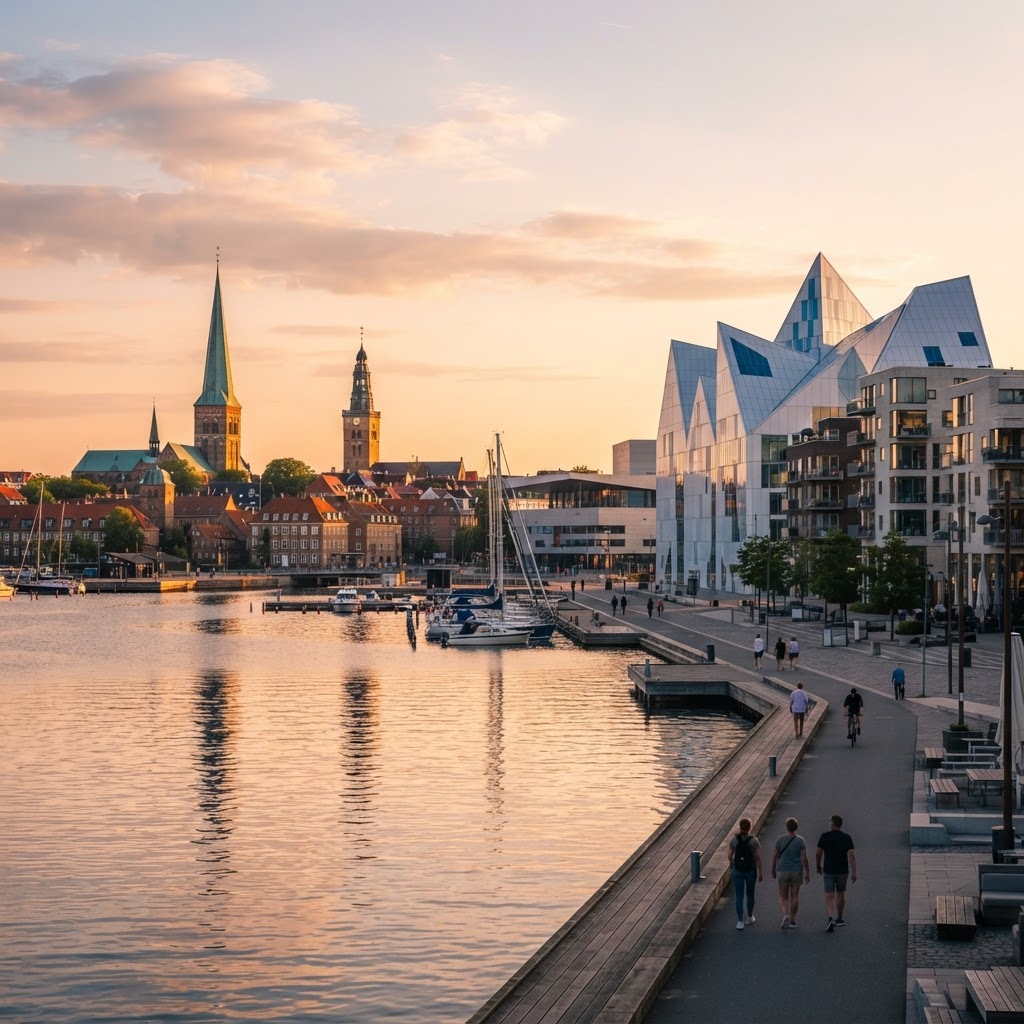
Aarhus, Denmark
Denmark
Denmark's intellectual second city of Viking origins, bold harbor architecture, and accessible Nordic gastronomy.
Readymade itineraries
Start from a tested template — then make it yours.
Ready to book
Lock in your Odense, Denmark trip
Everything in one place. We may earn a small commission — it never costs you more.
Plan a trip to Odense, Denmark
Pick a length and we'll build a day-by-day plan around how you travel — neighborhoods clustered, budget-aware, and editable.
Get better at planning trips like this
Occasional notes on planning smarter — no spam, unsubscribe anytime.
Plan a trip to Odense, Denmark
Turn this guide into a day-by-day plan built around your pace, your group, and your budget.
Build my Odense, Denmark trip