Denmark
Skagen, Denmark
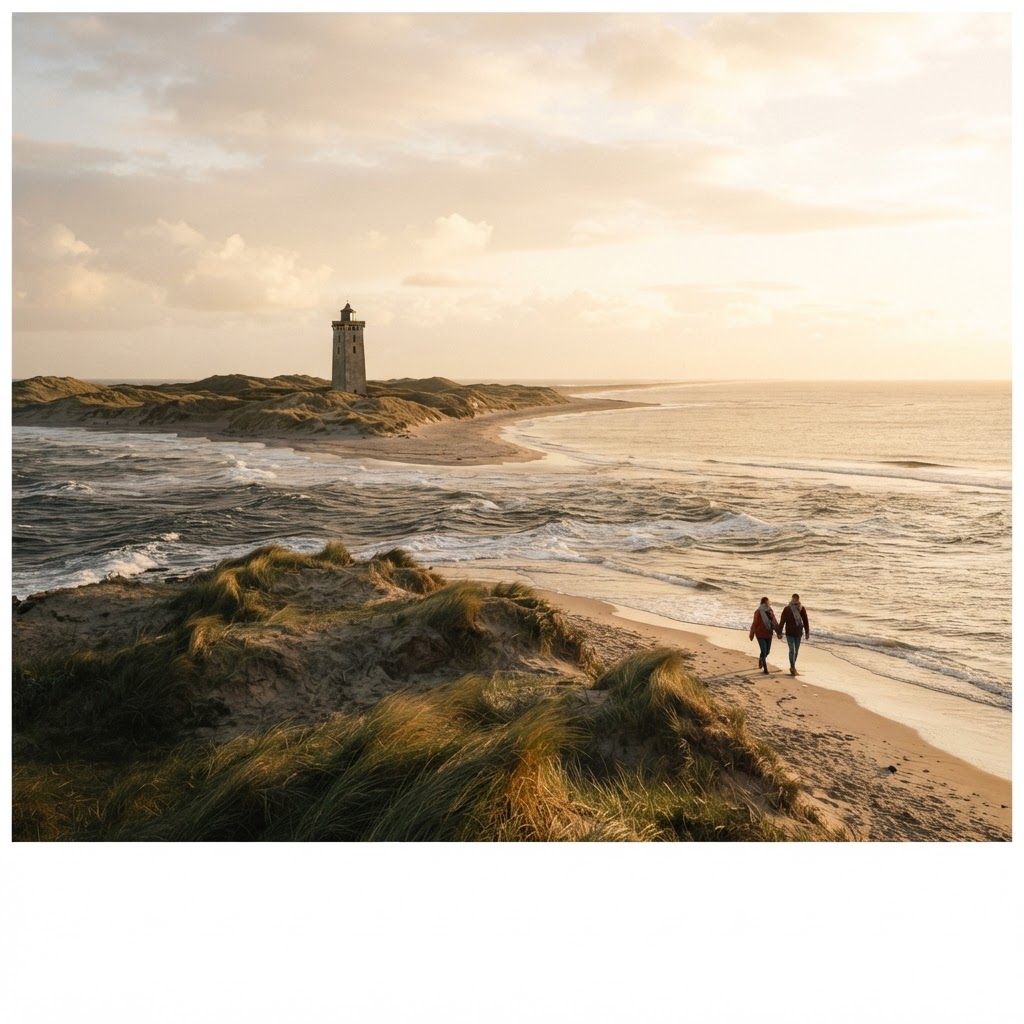
Windswept dunes, luminous Nordic light, and the collision of two wild seas.
Plan & book
Sort your Skagen, Denmark trip in one place.
We point you to the booking tools we'd actually use — live prices, no markup. Or let us build the day-by-day plan around you first, then book.
Perched at the northernmost point of Denmark where the Baltic and North Seas crash together, Skagen is defined by brilliant coastal light, ochre-yellow fishermen's cottages with white-edged roof tiles, and shifting maritime landscapes. Once the 19th-century summer colony of Denmark's most renowned naturalist painters, it remains a refined, breezy seaside outpost that balances art heritage with rugged dunes and freshly caught seafood.
3 days
Best time
Late May to late June, or early September.
Build your own trip with these prebuilt itineraries
Each one is a tested, day-by-day plan for Skagen, Denmark — start here, then make it yours.
3 Days in Skagen: Coastal Biking & Wild Dunes in Skagen
Outdoor and cycling-led exploration across beaches, lighthouses, and Råbjerg Mile
2 Days in Skagen: Art, Light & Grenen Highlights in Skagen
First-timer focus on Skagen painters, coastal light, and the colliding seas at Grenen
1 Day in Skagen: Seafood Smokehouses & Harbour Sights in Skagen
A brisk car-free day trip centered on the working harbour, fresh fish, and town heritage
Skagen offers one of Europe's most dramatic maritime borders at Grenen, where the waves of the Skagerrak and Kattegat collide head-on. Beyond the geographical spectacle, the town houses an extraordinary cluster of Scandinavian Impressionist art in Skagens Museum and Anchers Hus, set against moving sand dunes like Råbjerg Mile and the submerged spire of the Sand-Covered Church (Den Tilsandede Kirke).
Where to stay
Getting there
Getting around
Food & drink
What it costs
Things to do
Book tours & tickets in Skagen, DenmarkSkip it if
Skip Skagen if you are looking for vibrant urban nightlife, high-tempo city sightseeing, or warm tropical swimming beaches. It will also disappoint travelers unwilling to make the 5-to-6-hour overland transit trek from Copenhagen unless they are already committed to exploring mainland Jutland.
When to go
You capture Skagen's famous luminous evening light and long days without navigating the immense summer crowds or peak hotel surcharges of July. Everything remains open, while coastal winds are generally gentler than during early spring.
Peak (July – mid-August)
Energetic harbour terraces and maximum daylight, but severe crowds, high hotel prices, and intense traffic during Week 29 ('Hellerup Week').
Shoulder (May – June & September)
Crisp air, open museums, and quiet dunes. The optimal balance of clear light, accessible dining, and peaceful nature walks.
Low (October – April)
Dark, biting winds, and quiet streets. Most seasonal seafood bistros shutter, but offers total solitude for dramatic coastal walking.
Neighborhoods
Where you stay shapes the trip. Here's how to think about it.
Gammel Skagen (Højen)
Upscale, quiet coastal enclave tucked behind rugged dunes on the Skagerrak coast.
Best for:Couples, quiet retreats, and dramatic sunset watching.
Don't miss:Gathering at Solnedgangspladsen in the evening to watch the sun drop over the North Sea.
Østerby
Classic painter-colony charm filled with historic yellow houses and trimmed rose gardens.
Best for:Art lovers, walkers, and travelers seeking quintessential Skagen architecture.
Don't miss:Anchers Hus on Markvej, the remarkably preserved historic home and studio of painters Anna and Michael Ancher.
Vesterby
Residential, tranquil, and leafy district edging toward the southern plantation and beaches.
Best for:Families, longer stays, and travelers wanting a low-key base near forest trails.
Don't miss:Walking south through Skagen Klitplantage toward Den Tilsandede Kirke.
Skagen Havn & Midtby
Bustling harbourfront energy with red wooden fish packing warehouses and lively outdoor patios.
Best for:First-timers, food lovers, and travelers arriving without a rental car.
Don't miss:Ordering freshly peeled cold-water shrimp and smoked herring directly from the smokehouses along Fiskehuskajen.
Destination intelligence
Updated 9/14/2026The structured record we plan every Skagen, Denmark itinerary from.
Walkability
High within the central town and harbour; moderate to high for active walkers and cyclists exploring the flat trails to the northern beaches and lighthouses.
Transit quality
Moderate. Regional trains link Skagen reliably to Frederikshavn and Aalborg, but local buses around the outer dunes are sparse outside peak summer.
Car needed
Optional. The town center and Grenen are fully reachable by bike or train, though a car adds significant convenience for Råbjerg Mile and coastal dunes to the south.
Ideal duration
3 days
Minimum useful
1 full day (as an overnight stop)
Peak season
Late June through mid-August. Characterized by long daylight hours, vibrant harbour terraces, packed galleries, and peak hotel pricing, particularly during 'Week 29' (Hellerup week).
Shoulder season
May to early June and September. Crisp days, clear artistic light, open museums, and substantially fewer crowds along the sandy headlands.
Low season
October through April. Dark, quiet, and windy. Many seaside hotels and seasonal eateries shutter, but appeals to solitude-seekers drawn to dramatic stormy seascapes.
Best for
Common mistakes
- Attempting to swim at Grenen: the colliding currents and undertows make entering the water strictly prohibited and lethal
- Visiting in July without booking dinner reservations weeks ahead, especially in the harbour warehouses and seaside inns
- Underestimating coastal winds and failing to pack windproof outer layers even in mid-summer
- Assuming you can only see the area by car: cycling paths between central Skagen, the lighthouses, and Grenen are flat, paved, and often faster than searching for parking
Best nearby
How to plan it
- Stay in Skagen Havn or Østerby if you are relying on public transit, giving you immediate walking access to regional trains, bakeries, and the Skagens Museum.
- Book a table for lunch at Brøndums Hotel well in advance to pair an afternoon museum visit with their traditional Danish smørrebrød.
- Do not attempt to bike to Råbjerg Mile on a very windy day; the exposed coastal winds can easily turn a 45-minute ride into an exhausting slog.
- Visit Grenen early in the morning before 9:30 AM to watch harbor seals resting on the sand spit before day-tripper tour crowds arrive.
- Rent a sturdy city bike with a basket on day one from the bike depot by the train station—it remains the most practical way to bridge town and the outer headlands.
Questions
More in Denmark
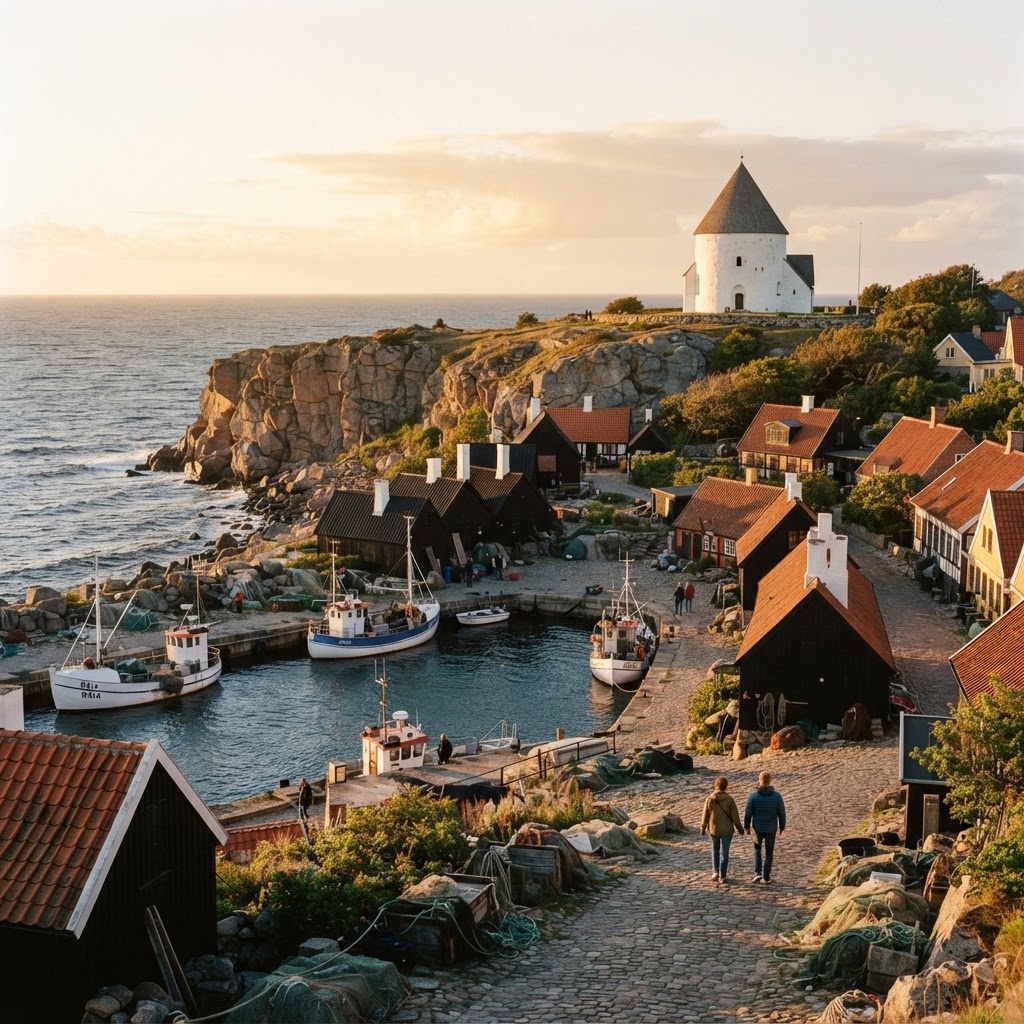
Bornholm, Denmark
Denmark
Baltic granite cliffs, medieval round churches, and timbered smokehouses.
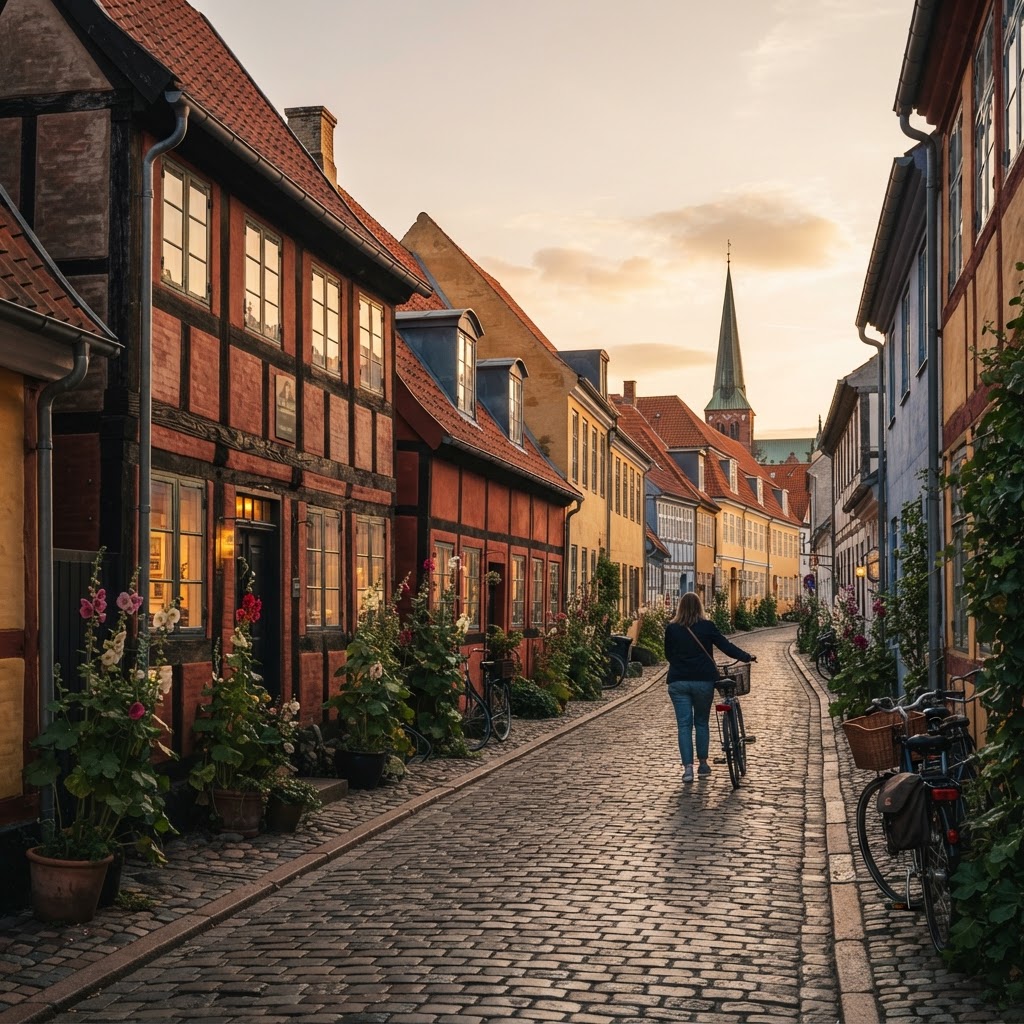
Odense, Denmark
Denmark
Architectural fairy tales, timbered lanes, and calm Danish provincial living
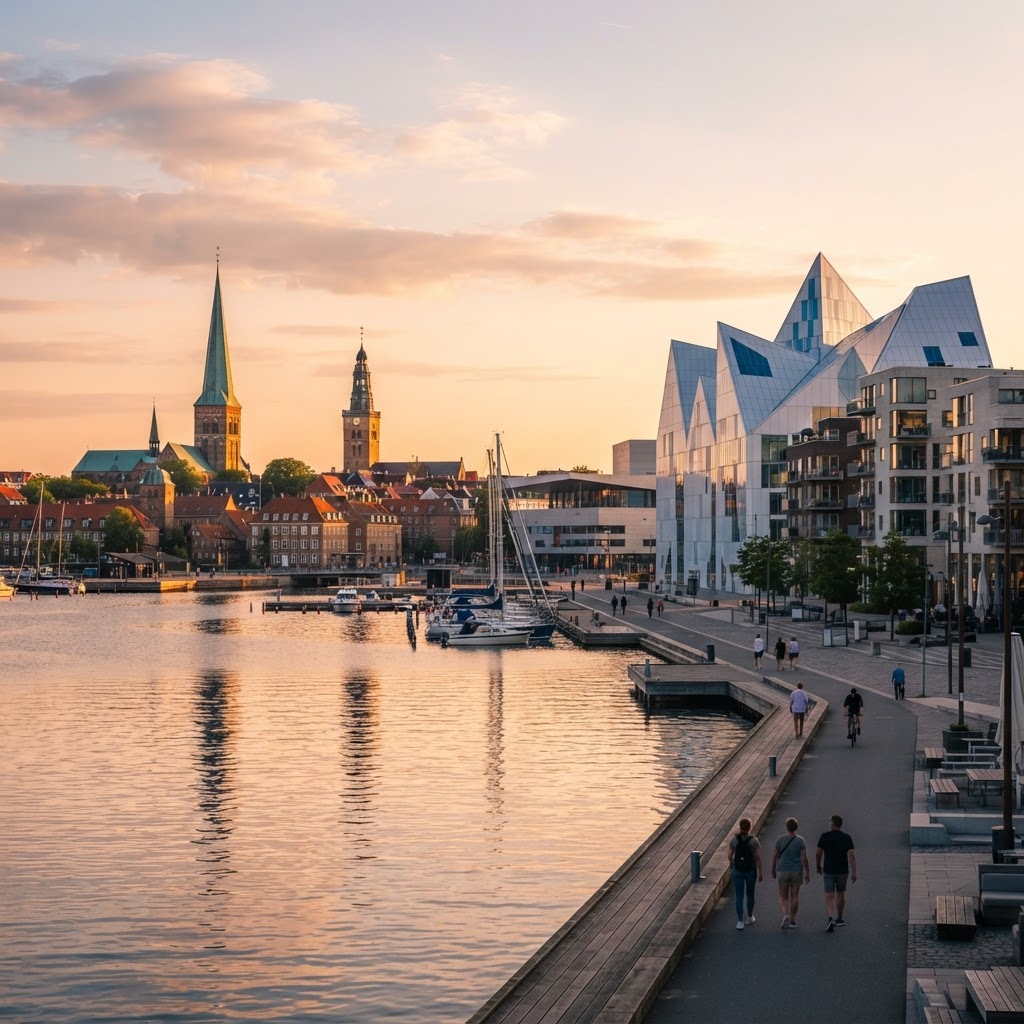
Aarhus, Denmark
Denmark
Denmark's intellectual second city of Viking origins, bold harbor architecture, and accessible Nordic gastronomy.
Readymade itineraries
Start from a tested template — then make it yours.
Ready to book
Lock in your Skagen, Denmark trip
Everything in one place. We may earn a small commission — it never costs you more.
Plan a trip to Skagen, Denmark
Pick a length and we'll build a day-by-day plan around how you travel — neighborhoods clustered, budget-aware, and editable.
Get better at planning trips like this
Occasional notes on planning smarter — no spam, unsubscribe anytime.
Plan a trip to Skagen, Denmark
Turn this guide into a day-by-day plan built around your pace, your group, and your budget.
Build my Skagen, Denmark trip