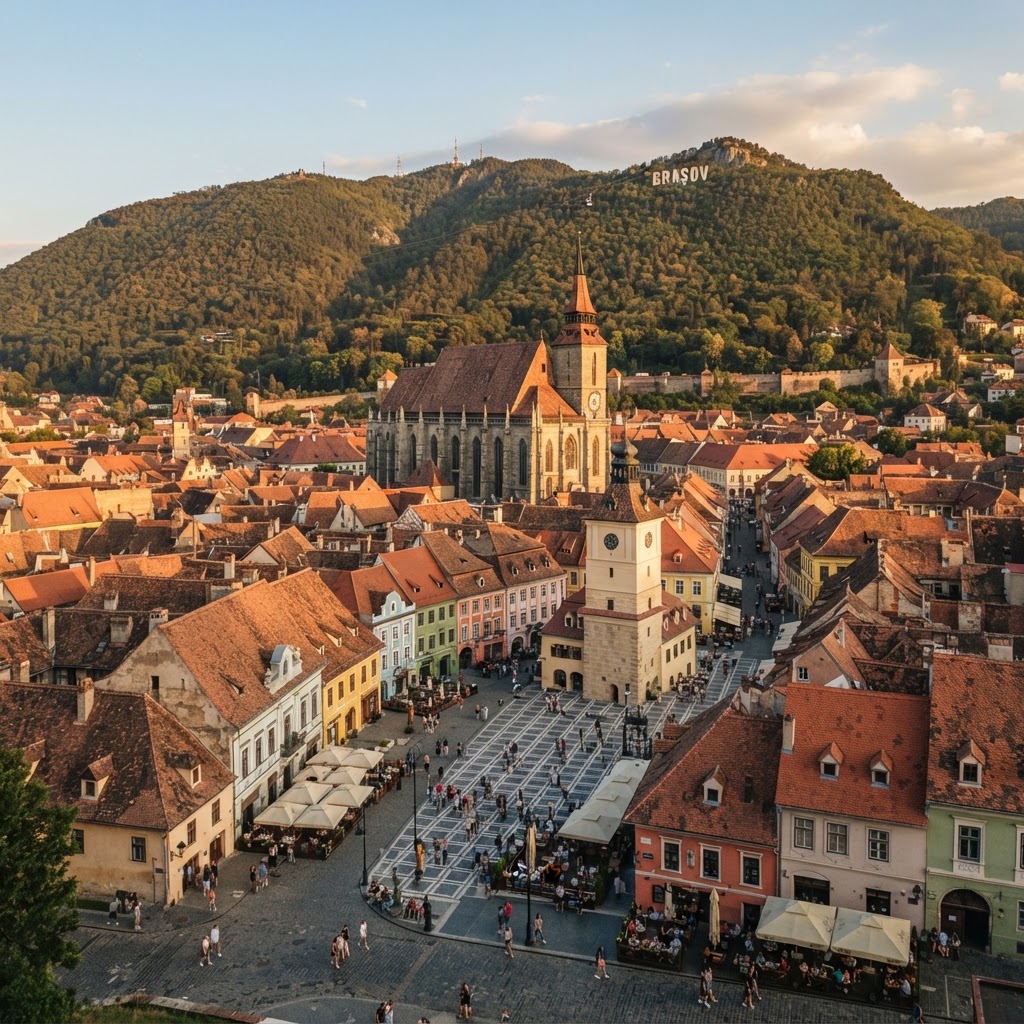
Romania
Brașov & Transylvania
Fortified Saxon bastions, wild Carpathian roads, and untamed medieval villages.
Plan & book
Sort your Brașov & Transylvania trip in one place.
We point you to the booking tools we'd actually use — live prices, no markup. Or let us build the day-by-day plan around you first, then book.
Transylvania is frequently flattened into Bram Stoker folklore, but the reality on the ground is richer, grittier, and architecturally distinct. Framed by the Southern Carpathian Mountains, Brașov serves as the strategic tactical anchor for a landscape shaped by medieval German Saxons, Austrian monarchs, and fortified rural redoubts. Beyond the spires of the Black Church and the cobbled alleys of Council Square, Transylvania rewards those who leave the crowded tourist corridors for fortified stone churches, unhurried mountain highways, and quiet pastoral life.
5 to 7 days
Build your own trip with these prebuilt itineraries
Each one is a tested, day-by-day plan for Brașov & Transylvania — start here, then make it yours.
7 Days Saxon Towns & Castles in Brașov & Transylvania
Circuit connecting Brașov, Sighișoara's preserved citadel, and Sibiu's cultural squares
5 Days Medieval Transylvania in Brașov & Transylvania
Brașov base, Black Church, Bran Castle, Peleș Castle in Sinaia, and Râșnov Fortress
Transylvania offers one of the best preserved blends of medieval Gothic architecture and wild alpine scenery in Europe at exceptional value. Using Brașov as an operational base lets you transition effortlessly between urban cafe culture, dramatic mountain drives like the Transfăgărășan, and UNESCO-listed fortified villages like Viscri. It is a destination where centuries-old pastoral routines operate alongside thriving specialty coffee houses and rugged hiking trails.
Where to stay
Getting there
Getting around
Food & drink
What it costs
Things to do
Book tours & tickets in Brașov & TransylvaniaSkip it if
Skip if your idea of a vacation requires ultra-fast high-speed transit connections, cosmopolitan nightlife, or luxury resort lounging without rustic road travel.
Destination intelligence
Updated 9/12/2026The structured record we plan every Brașov & Transylvania itinerary from.
Walkability
High within Brașov's historic center; very low across the broader Transylvanian countryside where sights are spread across mountain passes.
Transit quality
Moderate; regular trains connect Bucharest, Sinaia, Brașov, and Sibiu, but rural Saxon villages require private vehicles or organized transfers.
Car needed
Car strongly recommended if exploring fortified churches, the Transfăgărășan highway, and rural valleys; car not needed if sticking strictly to Brașov, Sinaia, and Sibiu town centers.
Ideal duration
5 to 7 days
Minimum useful
3 days
Peak season
July and August; brings the warmest weather, alpine road openings, and peak festival crowds, but causes highway traffic through the Prahova Valley.
Shoulder season
May to June and September to October; optimal conditions with mild temperatures, vivid fall foliage or spring wildflowers, and manageable tourist density.
Low season
November through March; characterized by cold alpine temperatures, snow cover, and seasonal closures on high-altitude mountain passes.
Best for
Common mistakes
- Underestimating driving times: Romanian rural routes and mountain passes frequently average 40–50 km/h due to single lanes, heavy trucks, and winding geography.
- Fixating exclusively on Bran Castle: The castle draws massive queues and features commercialized Dracula displays; Peleș Castle in Sinaia and the fortress at Rupea are far more rewarding historical stops.
- Assuming the Transfăgărășan is always accessible: High-altitude snow keeps this mountain pass completely closed roughly eight months of the year, usually opening only from late June through October.
Best nearby
See what a trip to Romania actually costs. Travel Budget Co.
More in Romania
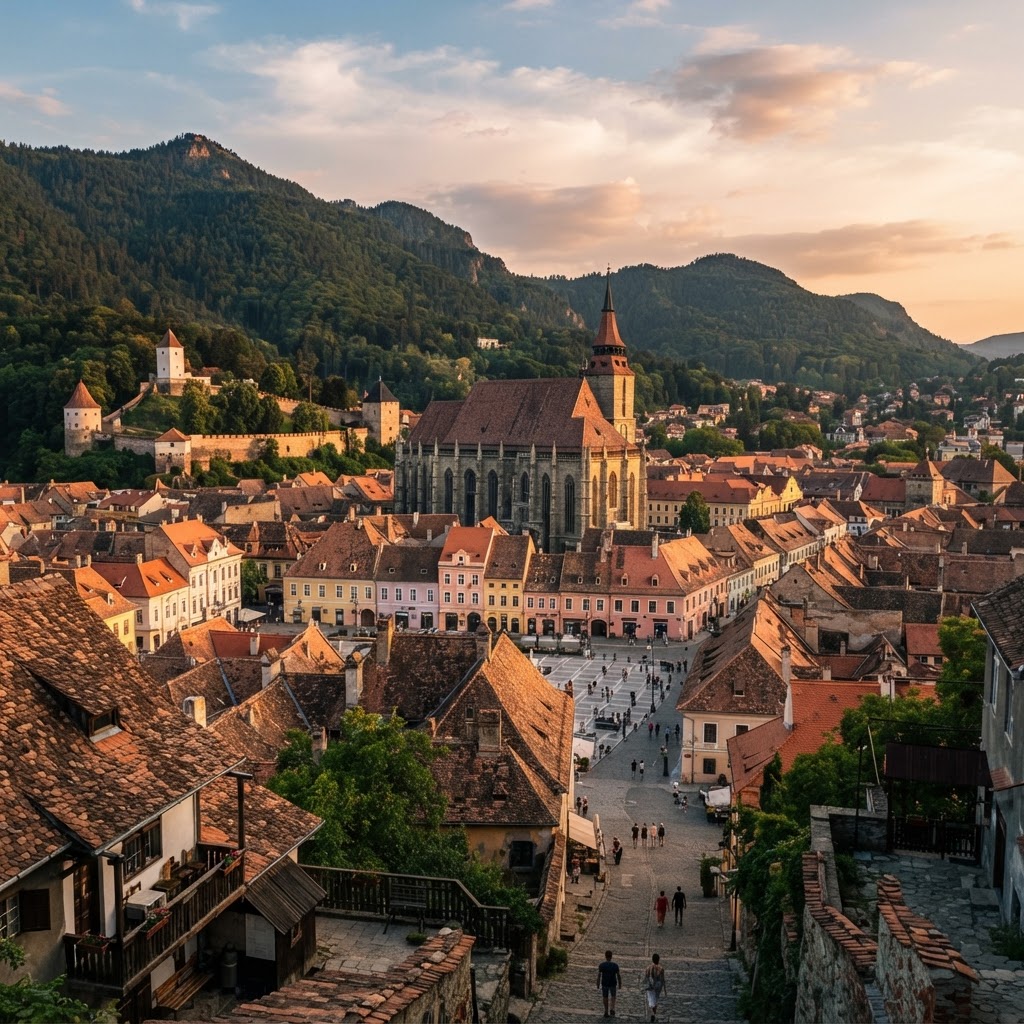
Brașov
Romania
Gothic spires, Carpathian forests, and the definitive gateway to Transylvanian history
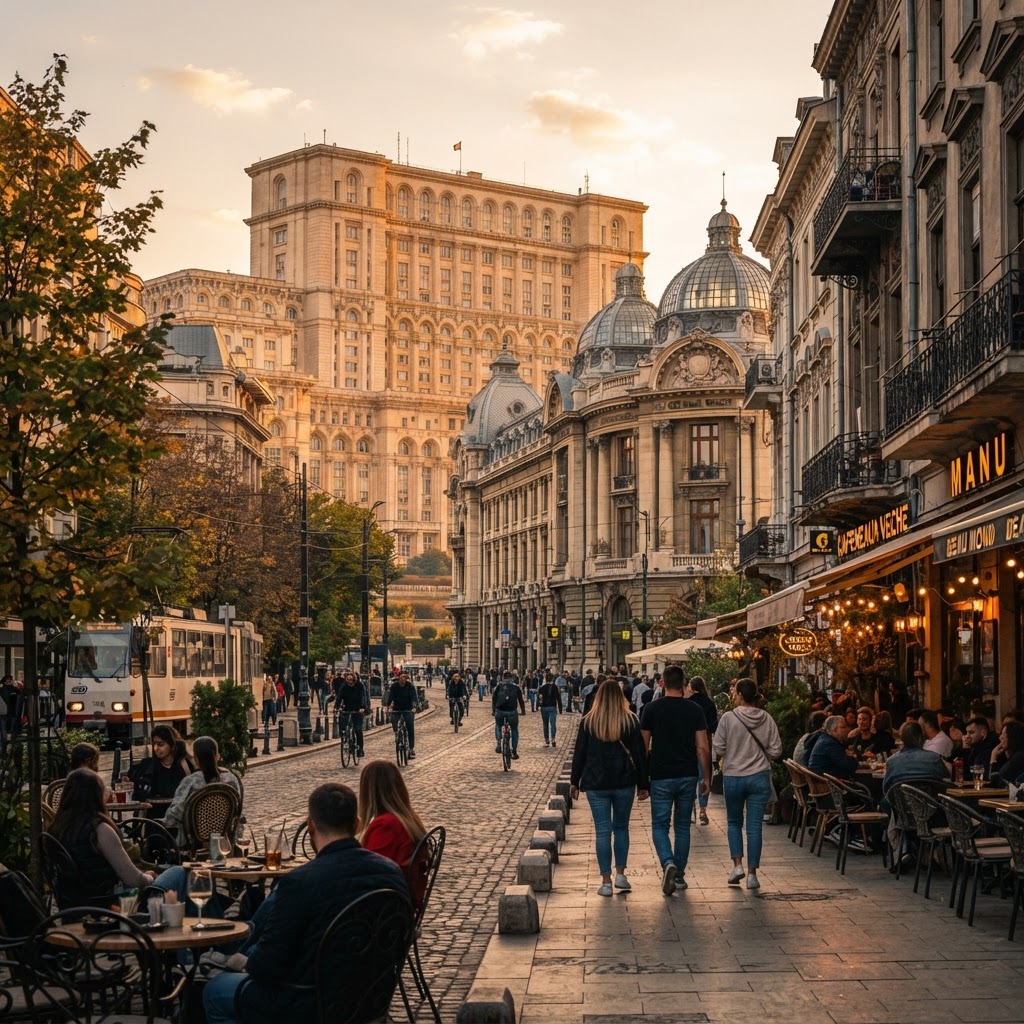
Bucharest
Romania
Brutalist scale, Belle Époque remnants, and one of Europe’s sharpest café scenes.
Readymade itineraries
Start from a tested template — then make it yours.
Ready to book
Lock in your Brașov & Transylvania trip
Everything in one place. We may earn a small commission — it never costs you more.
Plan a trip to Brașov & Transylvania
Pick a length and we'll build a day-by-day plan around how you travel — neighborhoods clustered, budget-aware, and editable.
Get better at planning trips like this
Occasional notes on planning smarter — no spam, unsubscribe anytime.
Plan a trip to Brașov & Transylvania
Turn this guide into a day-by-day plan built around your pace, your group, and your budget.
Build my Brașov & Transylvania trip