Switzerland
Bern
Arcaded sandstone alleys, political dignity, and high-velocity river floats in Switzerland's calmest capital
Plan & book
Sort your Bern trip in one place.
We point you to the booking tools we'd actually use — live prices, no markup. Or let us build the day-by-day plan around you first, then book.
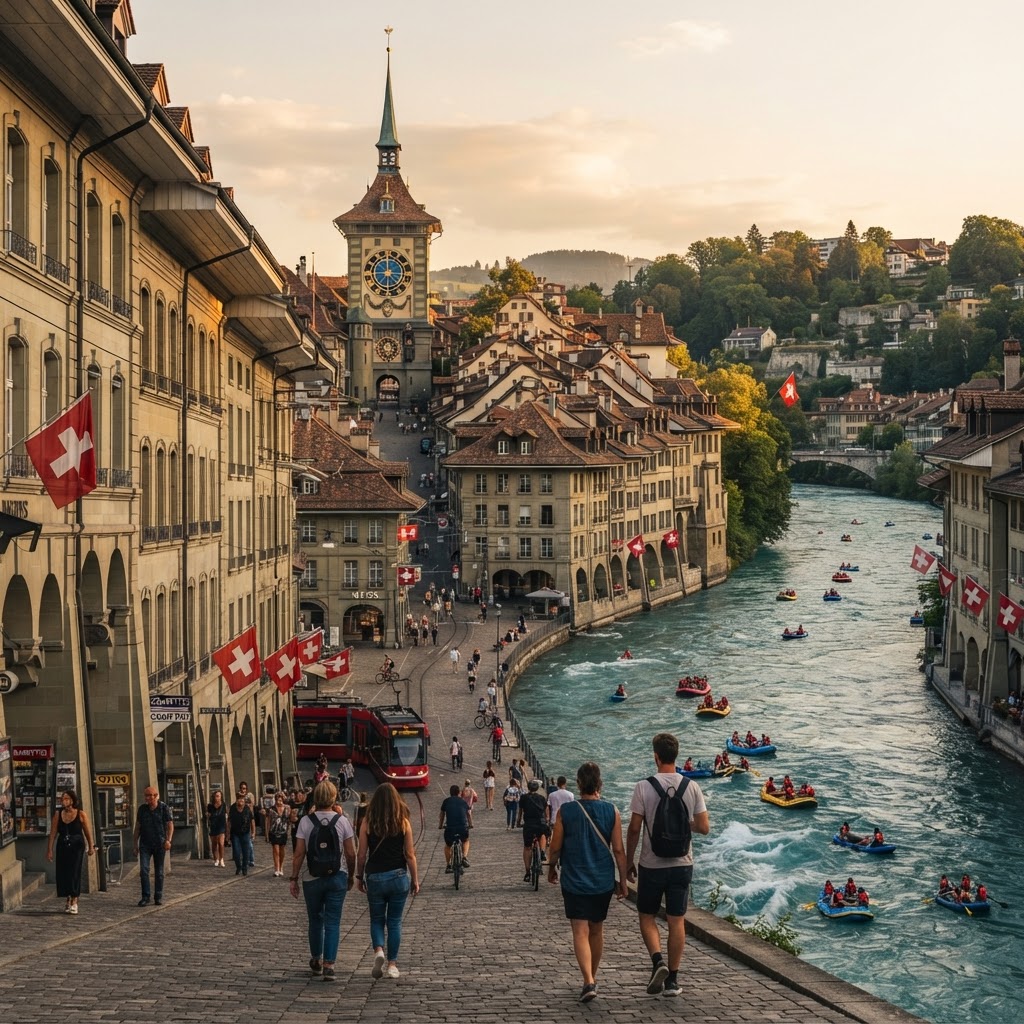
Bern operates at a notably unhurried cadence compared to Zurich or Geneva. Cradled in a hairpin loop of the turquoise Aare River, the federal seat of Switzerland is essentially an impeccably preserved medieval citadel built of greenish Molasse sandstone, shielded from alpine rain by four miles of covered street arcades (Lauben). It is not a place for frantic checklist tourism; Bern is a city designed for quiet walking, museum hopping on wet afternoons, watching parliamentarians bike past the Bundeshaus without bodyguards, and leaping into glacier-fed river currents in midsummer.
2 to 3 days
Best time
June through August for quintessential river culture; September to October for golden foliage and museum wandering.
Build your own trip with these prebuilt itineraries
Each one is a tested, day-by-day plan for Bern — start here, then make it yours.
4 Days in Bern: Culture & Central Swiss Rail Hub in Bern
Comprehensive city exploration combined with scenic day-darting into the nearby Emmental and Oberland by train
3 Days in Bern: Urban Nature & Aare River Life in Bern
Summer outdoor lifestyle focusing on river swimming culture, green terraces, parks, and slow urban exploring
2 Days in Bern: Medieval Old Town & Highlights in Bern
First-time architectural and cultural highlights featuring UNESCO arcades, evening vistas, and historic landmarks
Bern delivers the most intact UNESCO-recognized medieval city core in Switzerland without the antiseptic theme-park feeling of Lucerne or the banking austerity of Zurich. Its six kilometers of sheltered sandstone arcades make it weatherproof, while the turquoise Aare River forms an urban swimming arena unlike any other European capital. It also serves as the nation's most functional rail junction, putting the Bernese Oberland and Lake Geneva within direct, one-hour strikes.
Where to stay
Getting there
Getting around
Food & drink
What it costs
Things to do
Book tours & tickets in BernSkip it if
Skip staying overnight in Bern if your entire trip is centered around intense high-alpine trekking, mountaineering, or ski-in/ski-out logistics; staying directly in Grindelwald, Mürren, or Zermatt saves you two to three hours of daily rail commuting. Skip it also if you demand thumping 4 a.m. metropolitan nightlife and high-energy clubbing, which Zurich and Berlin do far better.
When to go
Summer allows you to experience the city's signature ritual—floating down the crystal-clear Aare River—though hotel rates hit peak levels. Autumn exchanges warm water for crisp alpine air, vivid hillside colors along the river loop, and room to walk the arcades without tour groups.
Peak (June–August, late November, December)
Aare river floating is in full swing, open-air cafes take over the squares, and late autumn brings the legendary Zibelemärit (Onion Market) and Christmas markets. Book hotels 3 to 4 months in advance.
Shoulder (April–May & September–October)
Crisp daytime temperatures, lower room rates, and clear mountain views from Rosengarten, though the Aare is too cold for casual urban swimming.
Low (January–March)
Cold, damp weather often dominated by valley fog (Hochnebel), offset by deeply discounted hotel rates, quiet museums, and reliable day-trip train connections into snowy Bernese Oberland peaks.
Neighborhoods
Where you stay shapes the trip. Here's how to think about it.
Altstadt (Old Town)
Medieval arcade corridors, sandstone guild houses, and the constant chime of ancient clock towers.
Best for:First-timers, architecture purists, and travelers prioritizing foot-only access to every major landmark.
Don't miss:The hourly mechanical puppet show inside the 13th-century Zytglogge tower and browsing the vaulted cellar shops beneath the six kilometers of Lauben arcades.
Marzili
Sun-drenched riverside lawns, stripped-down bathing culture, and communal outdoor energy.
Best for:Swimmers, active travelers, and summer visitors wanting direct access to the Aare River.
Don't miss:Taking the 1885 Marzilibahn funicular down from the Parliament Terrace to swim free freshwater laps at the Marzilibad outdoor pool.
Kirchenfeld
Stately, leaf-canopied diplomatic quarter with grand historicist villas and cavernous museum lawns.
Best for:Culture-heavy itineraries, museum buffs, and families wanting quiet streets away from tour groups.
Don't miss:The vast historical galleries at the Bernisches Historisches Museum, which houses the dedicated Einstein Museum.
Lorraine & Breitenrain
Post-industrial bohemian pocket with worker cottages, indie record shops, and community craft beer gardens.
Best for:Travelers seeking local nightlife, specialty coffee, and contemporary Bernese counterculture.
Don't miss:Sipping local craft beer on the sun terrace at Turnhalle or browsing alternative artist stalls along the former industrial alleys.
Matte
Quiet waterfront enclave at the base of the cathedral cliff, retaining the historic flavor of its artisan roots.
Best for:Slow travelers, quiet dinner seekers, and photographers wanting postcard river bends.
Don't miss:Riding the Senkeltram (Matte-Plattform elevator) straight up to the Minster terrace for an abrupt switch from riverside calm to Gothic grandeur.
Destination intelligence
Updated 9/14/2026The structured record we plan every Bern itinerary from.
Walkability
exceptional
Transit quality
world_class
Car needed
never
Ideal duration
2 to 3 days
Minimum useful
1 full day (or overnight)
Peak season
June through August, plus December for Christmas markets and the fourth Monday of November for the Zibelemärit (Onion Market). Warm days, outdoor terraces, and peak river-swimming life, paired with high room rates.
Shoulder season
April to May and September to October. Mild temperatures, dramatic autumn foliage along the Aare gorge, and manageable crowd levels without the summer swimming peak.
Low season
January to March. Cold, damp, and frequently foggy (Hochnebel), but hotel prices soften and museum galleries remain blissfully empty.
Best for
Common mistakes
- Treating Bern solely as a rushed two-hour day trip connection between Zurich and Interlaken, missing its evening quiet once day tour buses depart.
- Attempting to swim in the Aare without strong swimming skills or without knowing the exit points; the glacial current is powerful, cold, and strictly for competent swimmers.
- Paying for local bus or tram tickets when your accommodation already provides a complimentary Bern Ticket for your entire stay.
- Visiting during the four annual sessions of the Federal Parliament (Sessionen) or the Zibelemärit (Onion Market, fourth Monday in November) without booking hotel rooms months ahead.
- Renting a car to tour the city; driving in the Old Town is heavily restricted, confusing, and penalized by severe parking rates.
Best nearby
How to plan it
- Base yourself in Altstadt if you want cobblestone atmosphere on your doorstep; choose Kirchenfeld if you want tranquil green streets and larger rooms.
- Do not cram the Zentrum Paul Klee into a rushed morning; the Renzo Piano structure sits on the eastern outskirts and demands at least a half-day bus-and-gallery excursion.
- Pair Bern with the Bernese Oberland: leave early from Bern rail station to be hiking underneath the Eiger in Lauterbrunnen or Grindelwald within 70 minutes.
- Time your visit to the Rosengarten terrace for an hour before sunset to catch the low sun lighting the sandstone facades and the Aare River horseshoe loop below.
- Book dinner reservations at least one week out if you want a table at Kornhauskeller or waterfront spots in Matte, as indoor seating fills rapidly with government and local patrons.
Questions
More in Switzerland
Appenzell
Switzerland
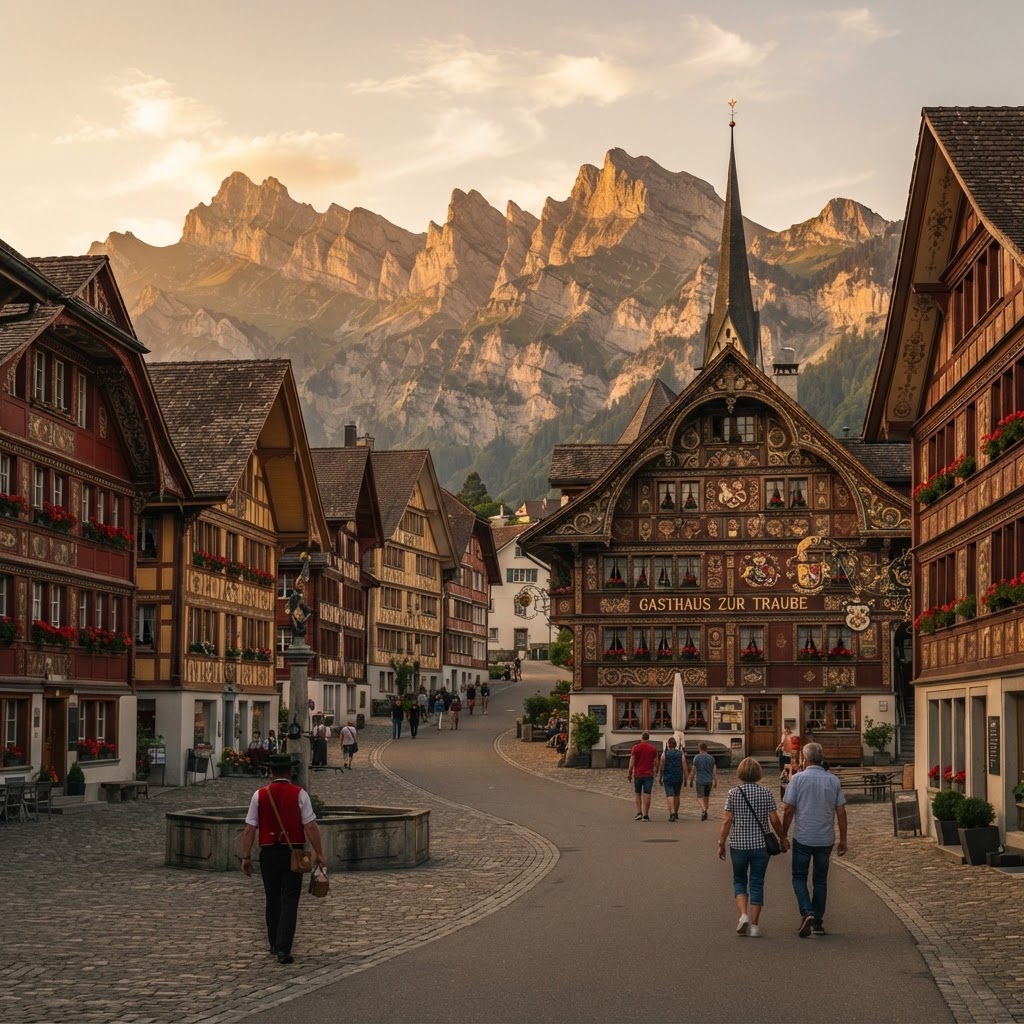
Carved timber facades, fierce traditions, and dramatic Alpstein limestone ridges.
Jungfrau Region, Switzerland
Switzerland
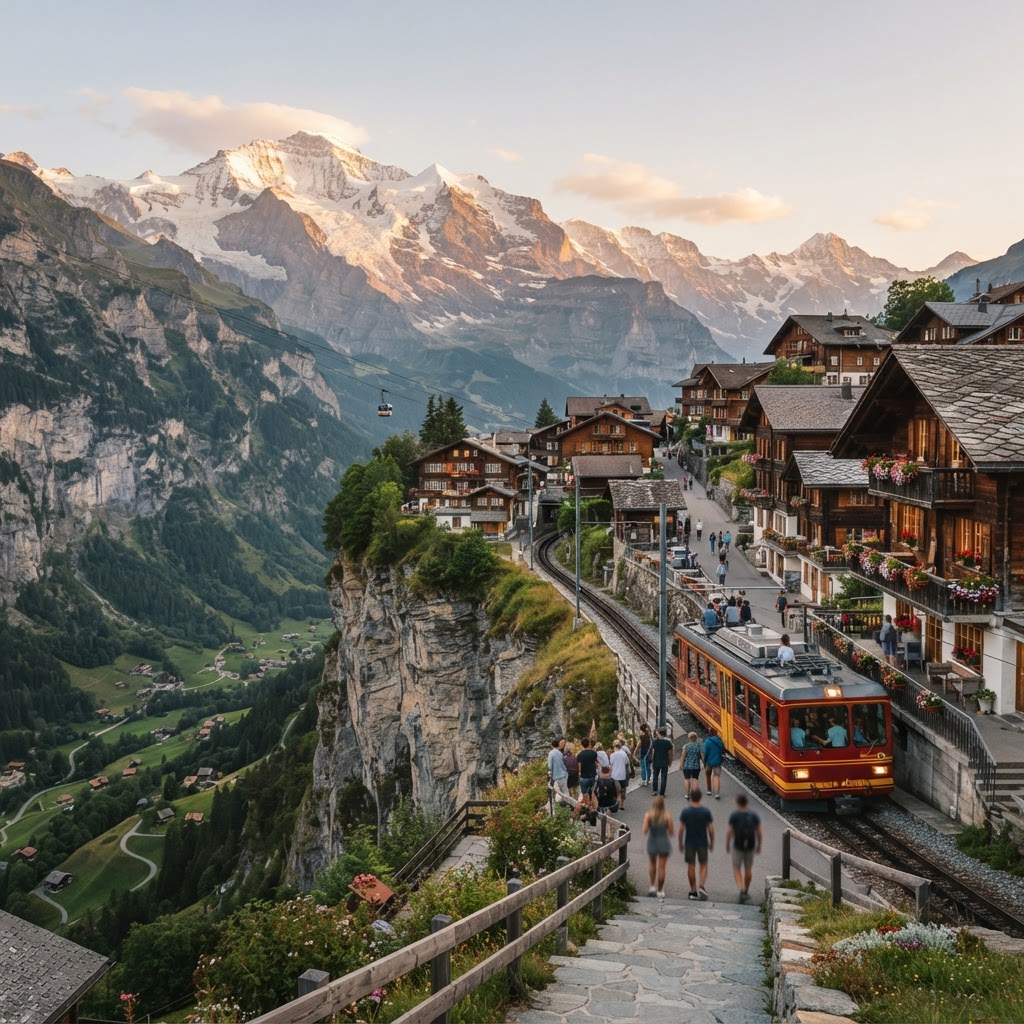
Car-free cliffside villages, vertical alpine walls, and clockwork mountain railways.
Lugano
Switzerland
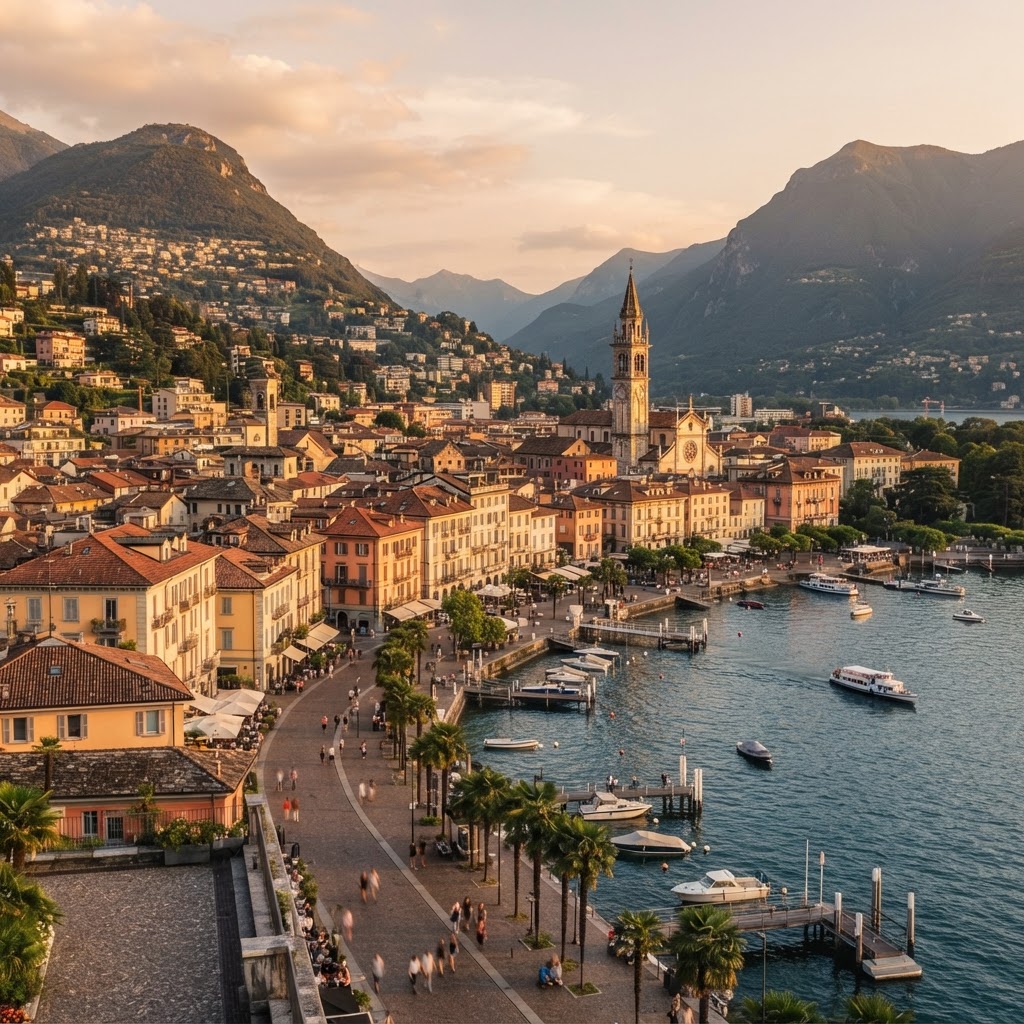
Lombard warmth meets Swiss punctuality across a glacial lake framed by sub-Alpine peaks.
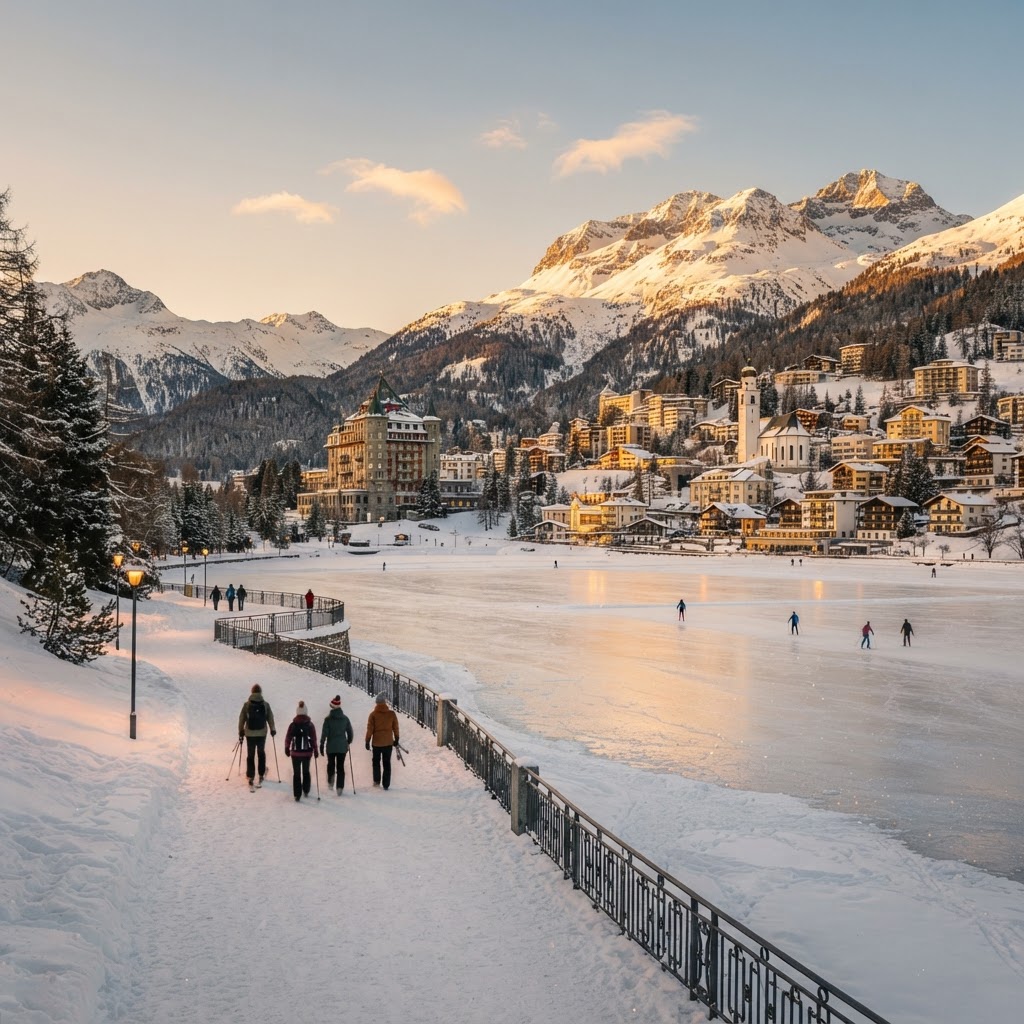
St. Moritz
Switzerland
High-altitude Engadine alpine elegance, world-class winter sports, and sparkling lakeside trails
Readymade itineraries
Start from a tested template — then make it yours.
Ready to book
Lock in your Bern trip
Everything in one place. We may earn a small commission — it never costs you more.
Plan a trip to Bern
Pick a length and we'll build a day-by-day plan around how you travel — neighborhoods clustered, budget-aware, and editable.
Get better at planning trips like this
Occasional notes on planning smarter — no spam, unsubscribe anytime.
Plan a trip to Bern
Turn this guide into a day-by-day plan built around your pace, your group, and your budget.
Build my Bern trip