
Saudi Arabia
Al Baha & Asir Mountains, Saudi Arabia Itinerary: How Many Days + Sample Plans
Cloud forests, ancient stone fortresses, and cliffside switchbacks in Saudi Arabia's green highlands.
Traveler rating
Loved by independent road-trippers comfortable with steep alpine driving.
Plan & book
Sort your Al Baha & Asir Mountains, Saudi Arabia trip in one place.
We point you to the booking tools we'd actually use — live prices, no markup. Or let us build the day-by-day plan around you first, then book.
Pick your trip length
How many days do you need in Al Baha & Asir Mountains, Saudi Arabia?
Each of these opens a full day-by-day plan you can make your own.
- 2 days — Two days — the essentials, no rushing.
- 3 days — Three days — the icons plus one neighborhood.
- 4 days — Four days — a full city without sprinting.
- 5 days — Five days — room for a day trip.
- 7 days — A week — the city at a human pace.
- With Kids trip — Shorter days, earlier dinners, what to skip.
- For Couples trip — Two-person pacing with evenings built in.
- Solo trip — A plan that works well on your own.
- Food trip — Meals and markets as the anchors.
- Outdoors trip — Nature, walks and open air.
- Culture trip — History, museums and the streets around them.
Shattering every flat-sand cliché of the Arabian Peninsula, the Sarawat Mountains carve a 3,000-meter-high spine of mist, ancient juniper forests, and jagged granite through southwestern Saudi Arabia. The route linking Al Baha to Abha via Asir National Park delivers some of the most dramatic mountain driving in the Middle East, winding past tiered stone hamlets, terrace farms, and colonies of hamadryas baboons.
5 to 6 days
Best time
September to November and March to May deliver ideal trekking conditions with clear skies, flowering terraced valleys, and calm mountain roads.
Build your own trip with these prebuilt itineraries
Each one is a tested, day-by-day plan for Al Baha & Asir Mountains, Saudi Arabia — start here, then make it yours.
Asir National Park Hiking & Highlands in Al Baha & Asir Mountains
Jabal Sawda summit trails, juniper forest walks, and traditional Al-Qatt Al-Asiri art workshops
Cloud Highway Road Trip in Al Baha & Asir Mountains
Dramatic mountain drive between Taif, Al Baha, and Abha, stopping at Thee Ain marble village
Heritage Castles of the South in Al Baha & Asir Mountains
Abha viewpoints, cable car descents, and the gingerbread-stone architecture of Rijal Almaa
Go for an unexpected sub-alpine road trip in a region that sees monsoon-fed greenery, crisp mountain air, and profound cultural distinctiveness. Highlights include Thee Ain, an 8th-century stone village built atop an outcrop of white marble; Rijal Almaa, a 900-year-old multi-story citadel of quartz-inlaid stone; and the sheer drop-offs of Jabal Sawdah, where the desert gives way to cloud forests and dramatic escarpments.
Where to stay
Getting there
Getting around
Food & drink
What it costs
Skip it if
Skip this if you refuse to drive yourself, get severe car sickness on winding mountain roads, or expect high-density luxury resort infrastructure like that found in AlUla or Dubai. It is also not suitable for travelers looking for vibrant nightlife or walk-out-the-door pedestrian city breaks.
When to go
Summer (June to August) brings mild 25°C highland temperatures that escape the Arabian lowlands' heat, but it sparks intense domestic traffic, packed cable cars, and surging hotel rates. Winter features empty scenic trails, but dense morning fog can reduce cliffside driving visibility to near zero.
Peak (June to August)
Cool, pleasant refuge from Gulf summer heat; expect heavy domestic crowds, fully booked escarpment hotels, and bumper-to-bumper traffic on Route 15.
Shoulder (March to May & September to November)
Sweet-spot weather with warm daytime sun (20–26°C), crisp mountain nights, spring wildflowers, and empty heritage villages.
Low (December to February & Ramadan)
Chilly highland mornings (5–10°C) with persistent fog hazards on mountain passes; Ramadan brings extensive daytime dining closures.
Neighborhoods
Where you stay shapes the trip. Here's how to think about it.
Abha City Center & Al Muftaha
Urban highland hub defined by traditional mud-and-stone architecture, colorful geometric Al-Qatt Al-Asiri murals, and breezy pedestrian plazas.
Best for:First-timers, culture lovers, and travelers wanting walkable evening dining
Don't miss:Strolling the gallery arcades of Al Muftaha Art Village and Souq Al Thulatha (Tuesday Market) for local wild honey and frankincense.
Al Soudah & Jabal Sawda
High-altitude mist, dramatic cliff ledges, and fragrant wild juniper forests perched above 3,000 meters elevation.
Best for:Hikers, landscape photographers, and summer heat escapes
Don't miss:The cliffside overlooks along the Asir National Park ridge trail during afternoon cloud inversions.
Al Baha City & Raghadan Forest
Sprawling terrace-farming hub ringed by baboon-inhabited acacias, stone watchtowers, and panoramic valley escarpments.
Best for:Road-trippers breaking up the northern drive and travelers seeking cooler highland pine parks
Don't miss:The forested rim trails of Raghadan Forest Park overlooking the twisting Aqabat Al Baha switchbacks.
Tanomah & Al Namas
Sleepy, rural mountain hamlets with terraced fields, plunging granite waterfalls, and dramatic ridge-top palaces.
Best for:Escaping highway crowds and travelers hunting traditional stone fortresses
Don't miss:The multi-tiered stone architecture of Al-Maqar Palace and the quiet nature trails around Al Shallal Park.
Khamis Mushait
Bustling, modern commercial highland city with wide boulevards, major hotel chains, and authentic tribal heritage enclaves.
Best for:Value-conscious travelers, families needing modern conveniences, and base-camp logistics
Don't miss:Bin Hamsan Heritage Village for regional folk exhibits and a traditional seated Southern lunch.
Destination intelligence
Updated 10/6/2026The structured record we plan every Al Baha & Asir Mountains, Saudi Arabia itinerary from.
Walkability
Low. Points of interest, heritage villages, and scenic overlooks are separated by dozens of miles of steep winding mountain highways.
Transit quality
Poor to non-existent. There are no regional trains or rural bus networks connecting mountain attractions; self-driving is essential.
Car needed
Yes, absolutely required. A car is mandatory for reaching viewpoints, valleys, and heritage sites across the Sarawat range.
Ideal duration
5 to 6 days
Minimum useful
3 days
Peak season
June through August (when Gulf domestic travelers escape extreme desert heat for mild mountain temperatures) and December to February (crisp winter hiking)
Shoulder season
September to November and March to May (moderate temperatures, wildflower blooms, spring rainfall, and significantly fewer domestic road trippers)
Low season
Ramadan (daytime closures and limited dining options) and late winter when high-altitude fog and freezing drizzle can occasionally restrict ridge visibility
Best for
Common mistakes
- Underestimating driving times on mountain switchbacks—30 kilometers on a serpentine mountain descent can easily take over an hour
- Leaving food unattended or baiting baboons along mountain passes, which creates aggressive animal encounters and vehicle damage
- Visiting the low-altitude valleys (Tihamah) during midday in midsummer when temperatures can be 15°C hotter than the high ridges above
- Renting an underpowered subcompact sedan that struggles to climb steep alpine passes with air conditioning running
Best nearby
How to plan it
- Book a one-way car rental from Taif/Al Baha Airport (ABT) down to Abha International (AHB) to avoid back-tracking over 350 km of mountain curves.
- Reserve an entire morning for Rijal Almaa to arrive before midday valley heat, pairing the descent with lunch in the lower foothills before returning to the Abha plateau.
- Split your stays: spend 2 nights in Al Baha, 1 night in Tanomah or Al Namas for quiet mountain serenity, and 2 nights in Abha or Khamis Mushait.
- Check morning weather radars before driving the Aqabat switchbacks; if heavy fog rolls in from the Red Sea, delay your drive until midday when visibility clears.
- Lock in your vehicle and hotel bookings at least 4 to 6 weeks in advance if you are traveling between June and August when domestic tourism peaks.
Questions
More in Saudi Arabia
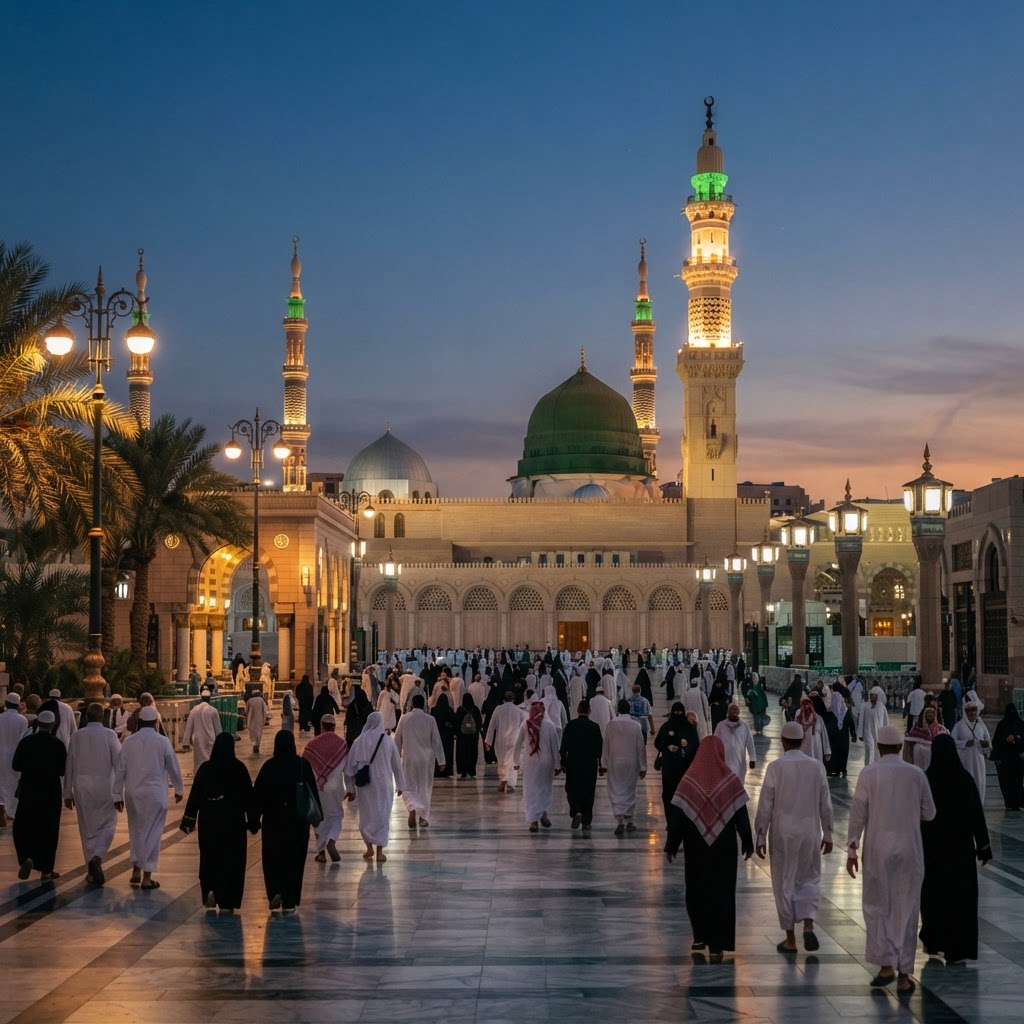
Medina (Al-Madinah Al-Munawwarah)
Saudi Arabia
The City of the Prophet: where deep spiritual sanctuary meets the living history of the Hejaz.
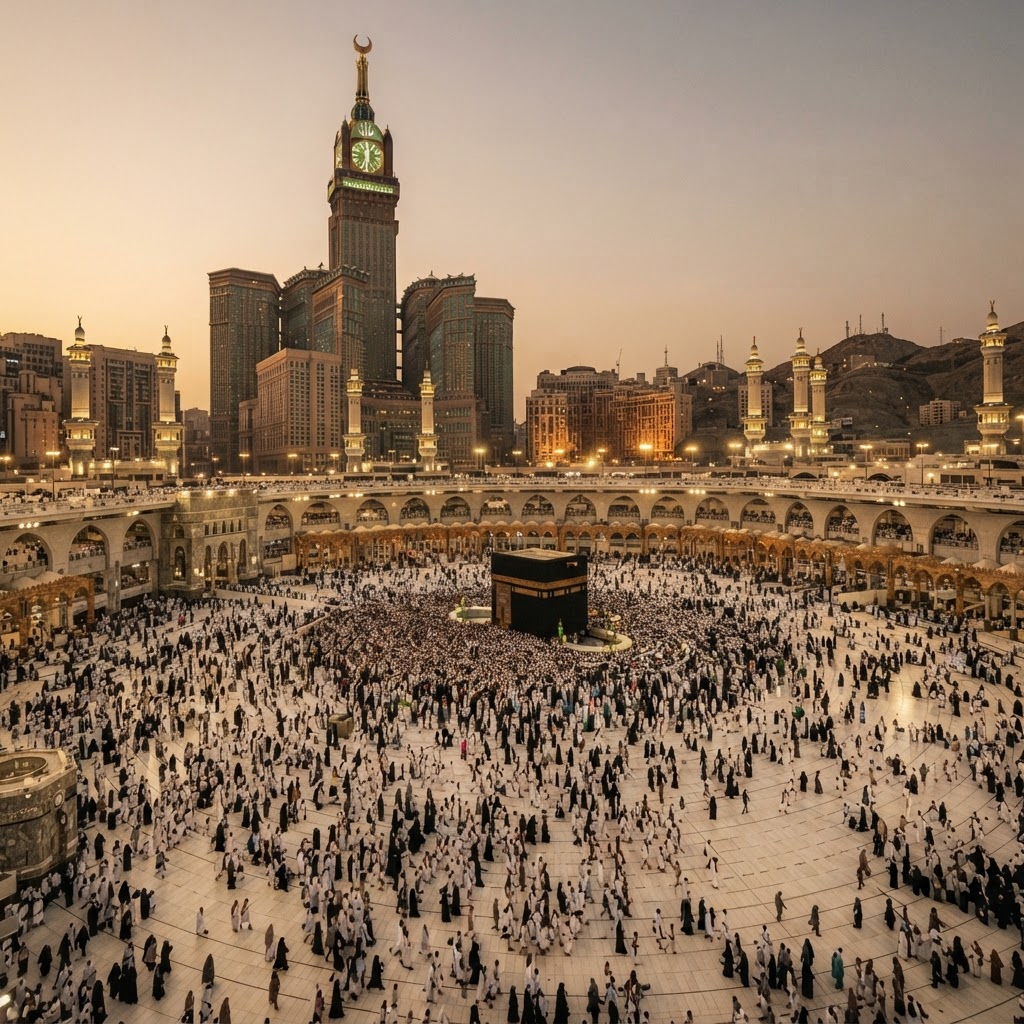
Mecca (Makkah), Saudi Arabia
Saudi Arabia
The spiritual epicenter of Islam, navigated through ritual, endurance, and precise logistics.
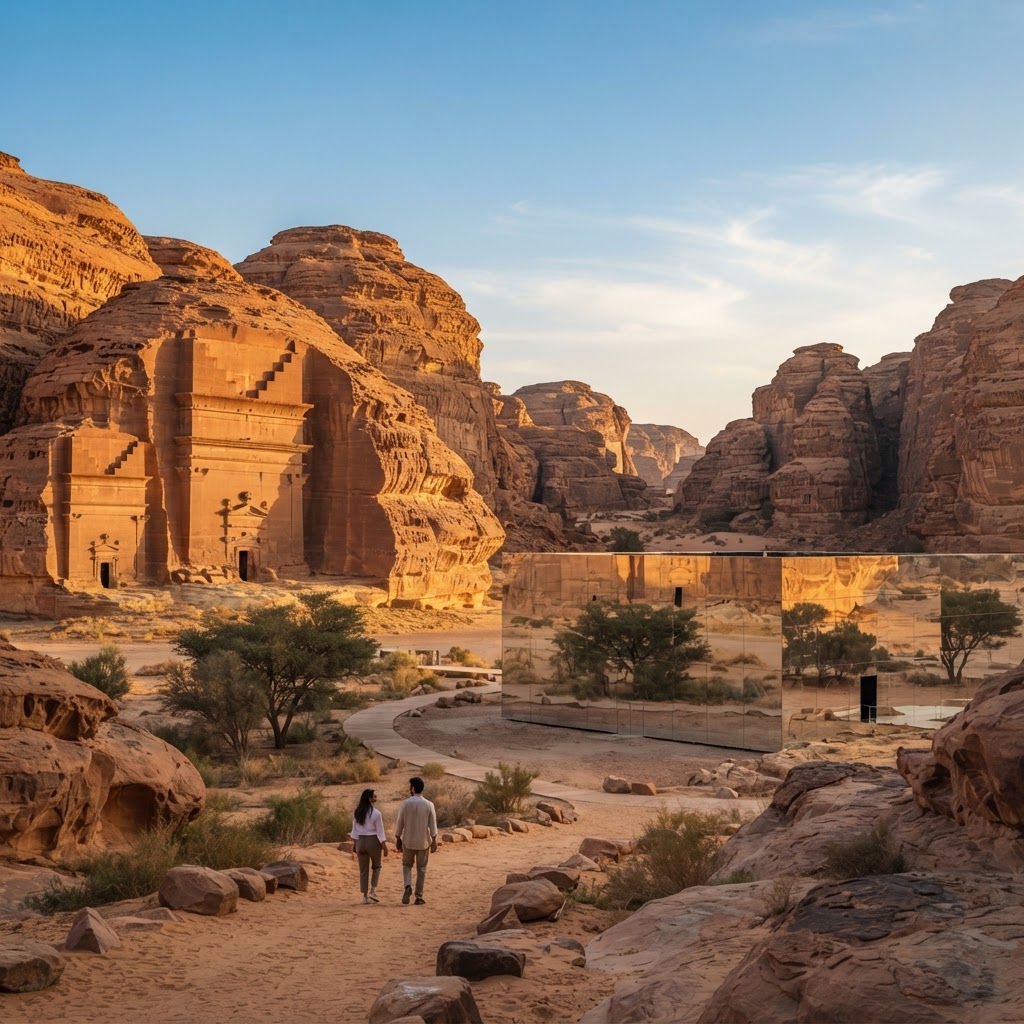
AlUla
Saudi Arabia
Monolithic Nabataean tombs and mirrored art carved into dramatic red sandstone canyons
Readymade itineraries
Start from a tested template — then make it yours.
Ready to book
Lock in your Al Baha & Asir Mountains, Saudi Arabia trip
Everything in one place. We may earn a small commission — it never costs you more.
Plan a trip to Al Baha & Asir Mountains, Saudi Arabia
Pick a length and we'll build a day-by-day plan around how you travel — neighborhoods clustered, budget-aware, and editable.
Get better at planning trips like this
Occasional notes on planning smarter — no spam, unsubscribe anytime.
Plan a trip to Al Baha & Asir Mountains, Saudi Arabia
Turn this guide into a day-by-day plan built around your pace, your group, and your budget.
Build my Al Baha & Asir Mountains, Saudi Arabia trip