Saudi Arabia
Mecca (Makkah), Saudi Arabia
The spiritual epicenter of Islam, navigated through ritual, endurance, and precise logistics.
Plan & book
Sort your Mecca (Makkah), Saudi Arabia trip in one place.
We point you to the booking tools we'd actually use — live prices, no markup. Or let us build the day-by-day plan around you first, then book.
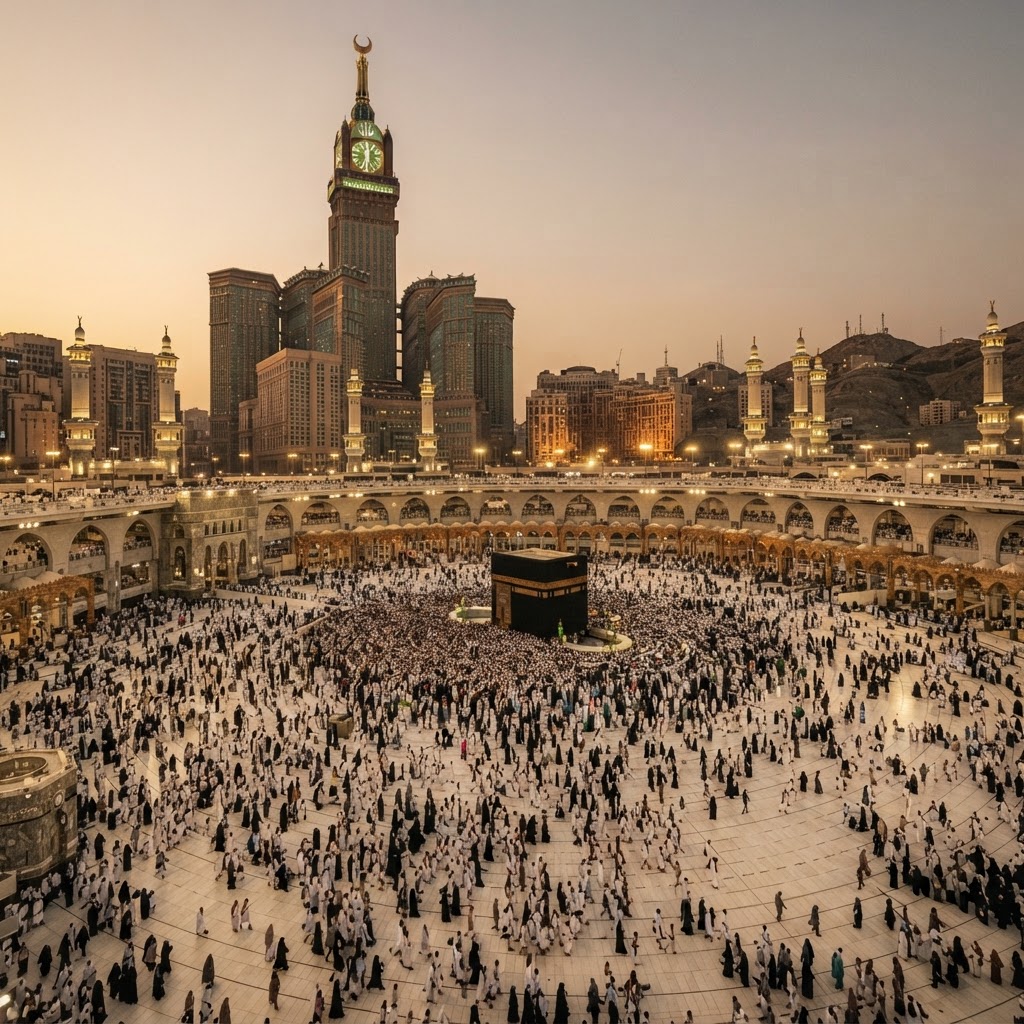
Mecca is unlike any other city on earth: an ancient valley transformed into an ultra-modern pilgrimage nexus where geography, architecture, and urban planning exist to serve a singular ritual purpose. For Muslim travelers, entering the Haram boundary marks the fulfillment of a lifelong duty or profound spiritual intention. It is not a conventional leisure destination; days are dictated by the five prayer windows, crowd flows through marble courtyards, and ritual routes through the Hejazi mountains.
4 to 5 days
Best time
November to February for mild desert temperatures and manageable non-peak Umrah schedules.
Build your own trip with these prebuilt itineraries
Each one is a tested, day-by-day plan for Mecca (Makkah), Saudi Arabia — start here, then make it yours.
4 Days in Mecca: Multigenerational Family Pilgrimage in Mecca
Paced spiritual stay designed for families and elders, emphasizing seamless shuttle transit, accessibility, and indoor cultural exhibits
5 Days in Mecca: Sacred History & Heritage in Mecca
Comprehensive pilgrimage paired with dawn historical hikes, the Cave of Hira, Jabal Thawr, and pilgrimage geography
3 Days in Mecca: The Classic Umrah in Mecca
Focused spiritual journey covering core Umrah rituals, quiet Haram worship hours, and central sanctuary reflection
To stand in the courtyard of Masjid al-Haram, perform the Tawaf around the Kaaba, and experience a monumental global gathering of faith. Mecca offers an unmatched encounter with living sacred history, ancient geographic landmarks like Jabal al-Nour, and the sheer logistical spectacle of millions moving in shared devotion.
Where to stay
Getting there
Getting around
Food & drink
What it costs
Skip it if
Non-Muslim travelers are legally prohibited by Saudi law from entering the holy boundaries (Haram sanctuary zone) of Mecca. Leisure tourists looking for casual sightseeing, beaches, or secular nightlife should skip Mecca entirely and focus on Jeddah, AlUla, or Riyadh instead.
When to go
Daytime temperatures hover around 25°C to 30°C instead of exceeding 45°C, making the physical strain of circumambulation and walking the Safa-Marwah gallery safe. While hotel rates spike sharply during Ramadan and the designated Hajj window, standard winter weeks offer the optimal balance of tolerable weather and navigable sanctuary access.
Peak (Ramadan & Dhu al-Hijjah / Hajj dates)
Millions converge on the sanctuary; hotel rates quadruple, elevator waits exceed 45 minutes, and prayer capacity inside the Haram fills hours before the call to prayer.
Shoulder (October, February to April outside Ramadan)
Temperatures are tolerable (mid-30s Celsius) and crowd volumes drop substantially between major school breaks, making floor-level Tawaf much easier.
Low (May to September)
Intense desert heat regularly tops 43°C to 47°C; outdoor courtyards become searing by mid-morning, forcing all ritual movement into the late night and early dawn hours.
Neighborhoods
Where you stay shapes the trip. Here's how to think about it.
Ajyad / Central Haram Area
Ultra-dense, monumental prayer corridor dominated by the Abraj Al-Bait towers, where elevator banks empty straight into the mosque courtyard.
Best for:First-timers, elderly travelers, and anyone prioritizing direct walking access to prayer gates over quiet.
Don't miss:The upper observation terrace and exhibits inside the Clock Tower Museum atop Abraj Al-Bait.
Jabal Omar
Modern hillside luxury development featuring terraced high-rises connected by private pedestrian podiums and escalators flowing down to the western Haram courtyards.
Best for:Pilgrims wanting western hotel chains, spacious family suites, and slightly buffer-separated walking access to King Fahd Gate.
Don't miss:The pedestrian skybridge connecting Jabal Omar towers, offering wide views over the Ibrahim Al Khalil thoroughfare.
Al Aziziyah
Sprawling, pragmatic pilgrimage suburb centered around multi-lane boulevards, local shopping malls, and massive budget hotels.
Best for:Value-oriented travelers, extended Umrah stays, and pilgrims preparing for ritual movements toward Mina.
Don't miss:Local late-night eateries along Aziziyah Main Street serving authentic Saudi kabsa and Yemeni mandi.
Al Misfalah
Bustling, high-energy residential and hospitality strip packed with international street food vendors, money changers, and souvenir souks.
Best for:Budget-conscious travelers willing to walk 15 to 20 minutes along pedestrian-heavy sidewalks to reach the southern gates.
Don't miss:Street stalls serving freshly pressed pomegranate juice and warm mutabbaq along Hijrah Street.
Al Shubaikah / Souq Al Sagheer
Transit-heavy northwest approach defined by continuous streams of shuttle buses, multi-story pharmacy rows, and fast casual counters.
Best for:Pilgrims seeking mid-range hotels with rapid covered escalator access directly into the expanded King Abdullah prayer halls.
Don't miss:Al Baik counter runs along the outer arcades for the quintessential post-Isha fried chicken meal.
Destination intelligence
Updated 9/14/2026The structured record we plan every Mecca (Makkah), Saudi Arabia itinerary from.
Walkability
High within the immediate Haram and Abraj Al-Bait pedestrian zones; very low across the broader city due to steep ring roads, heavy traffic, and desert climate.
Transit quality
Moderate. World-class high-speed rail connects Mecca to Jeddah and Medina, but inner-city mobility relies heavily on hotel shuttles, licensed taxis, and crowded bus lines.
Car needed
No. Personal rental cars are an impediment due to strict checkpoint cordons, severe pedestrian closures, and sparse parking near the central sanctuary.
Ideal duration
4 to 5 days
Minimum useful
2 days
Peak season
The annual Hajj pilgrimage dates (lunar Dhu al-Hijjah) and the entire holy month of Ramadan, especially the final ten nights.
Shoulder season
October to December and February to April (outside Ramadan), offering milder desert temperatures and manageable prayer crowds.
Low season
May through August, when daytime temperatures frequently exceed 45°C (113°F) and midday heat makes outdoor rituals physically punishing.
Best for
Common mistakes
- Failing to register and secure necessary prayer/Umrah time slots on the mandatory Nusuk app prior to arrival.
- Booking a distant hotel without dedicated round-the-clock shuttle transit, resulting in grueling two-mile walks in intense midday heat.
- Attempting to climb Jabal al-Nour to the Cave of Hira in the heat of midday rather than before dawn or after sunset.
- Carrying bulky backpacks or professional camera gear into Masjid al-Haram security checkpoints, where they will be confiscated or denied entry.
Best nearby
How to plan it
- Stay within a 10-minute walk of the Haram courtyard if traveling with elderly relatives or young children; shuttle buses get blocked in gridlock around prayer times.
- Pair your Mecca itinerary with 3 to 4 days in Medina, taking the 2-hour-20-minute Haramain High-Speed Railway rather than a 6-hour highway coach ride.
- Schedule your Tawaf and Sa'i between 1:00 AM and 4:30 AM (before Fajr) to avoid peak crowd crush and sun exposure.
- Reserve the Clock Tower Museum tickets 3 to 5 days ahead for an afternoon slot to combine the astronomy exhibition with sunset viewing over the valley.
- If planning a second Umrah during your stay, book a licensed taxi out to Masjid Aisha (Taneem) to assume Ihram before returning directly to the sanctuary.
Questions
More in Saudi Arabia
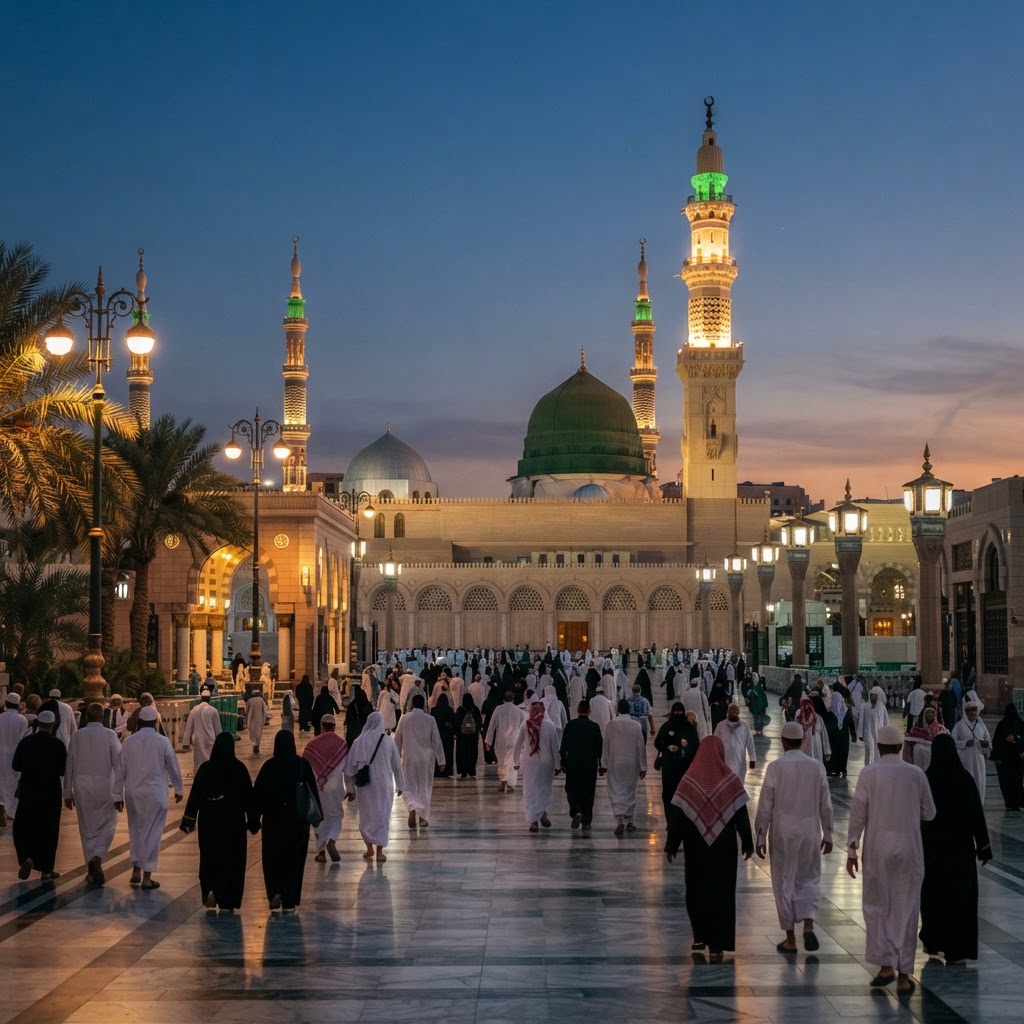
Medina (Al-Madinah Al-Munawwarah)
Saudi Arabia
The City of the Prophet: where deep spiritual sanctuary meets the living history of the Hejaz.
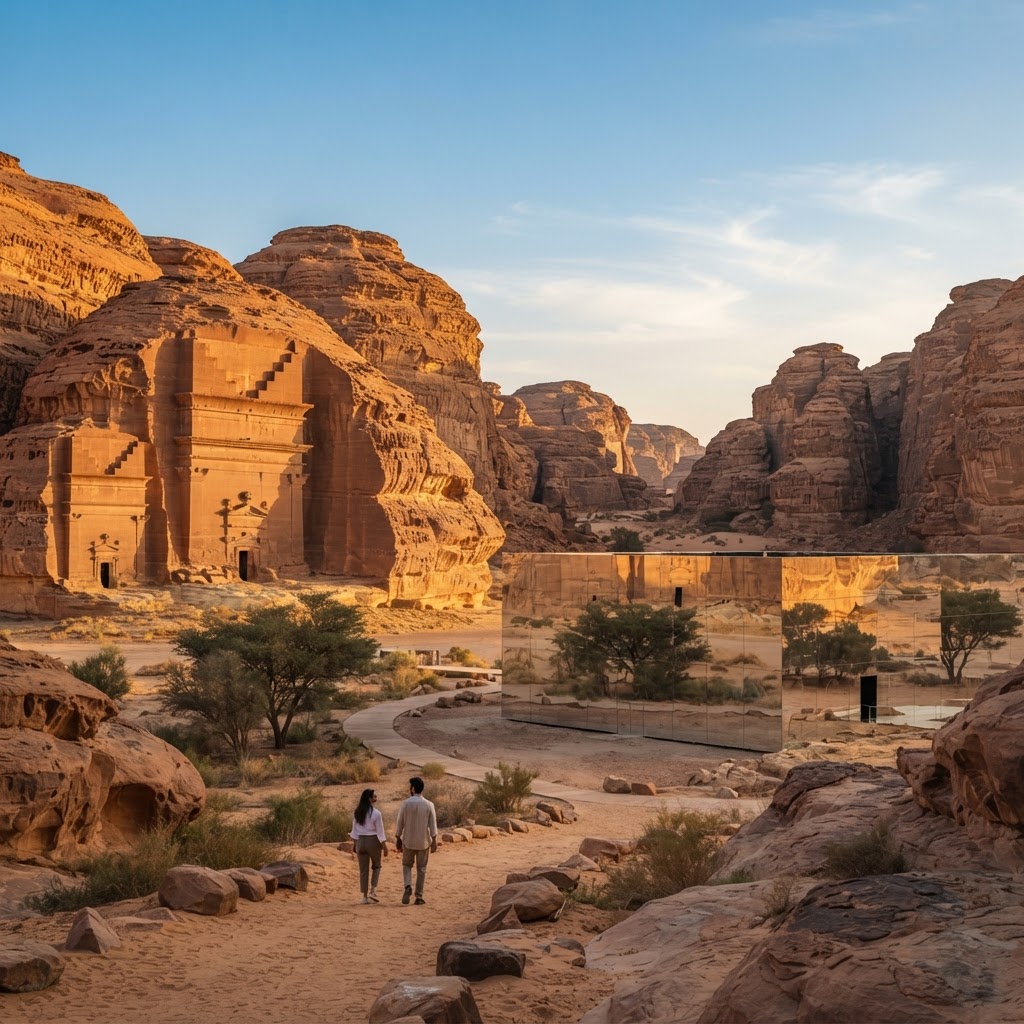
AlUla
Saudi Arabia
Monolithic Nabataean tombs and mirrored art carved into dramatic red sandstone canyons
Readymade itineraries
Start from a tested template — then make it yours.
Ready to book
Lock in your Mecca (Makkah), Saudi Arabia trip
Everything in one place. We may earn a small commission — it never costs you more.
Plan a trip to Mecca (Makkah), Saudi Arabia
Pick a length and we'll build a day-by-day plan around how you travel — neighborhoods clustered, budget-aware, and editable.
Get better at planning trips like this
Occasional notes on planning smarter — no spam, unsubscribe anytime.
Plan a trip to Mecca (Makkah), Saudi Arabia
Turn this guide into a day-by-day plan built around your pace, your group, and your budget.
Build my Mecca (Makkah), Saudi Arabia trip