Saudi Arabia
AlUla
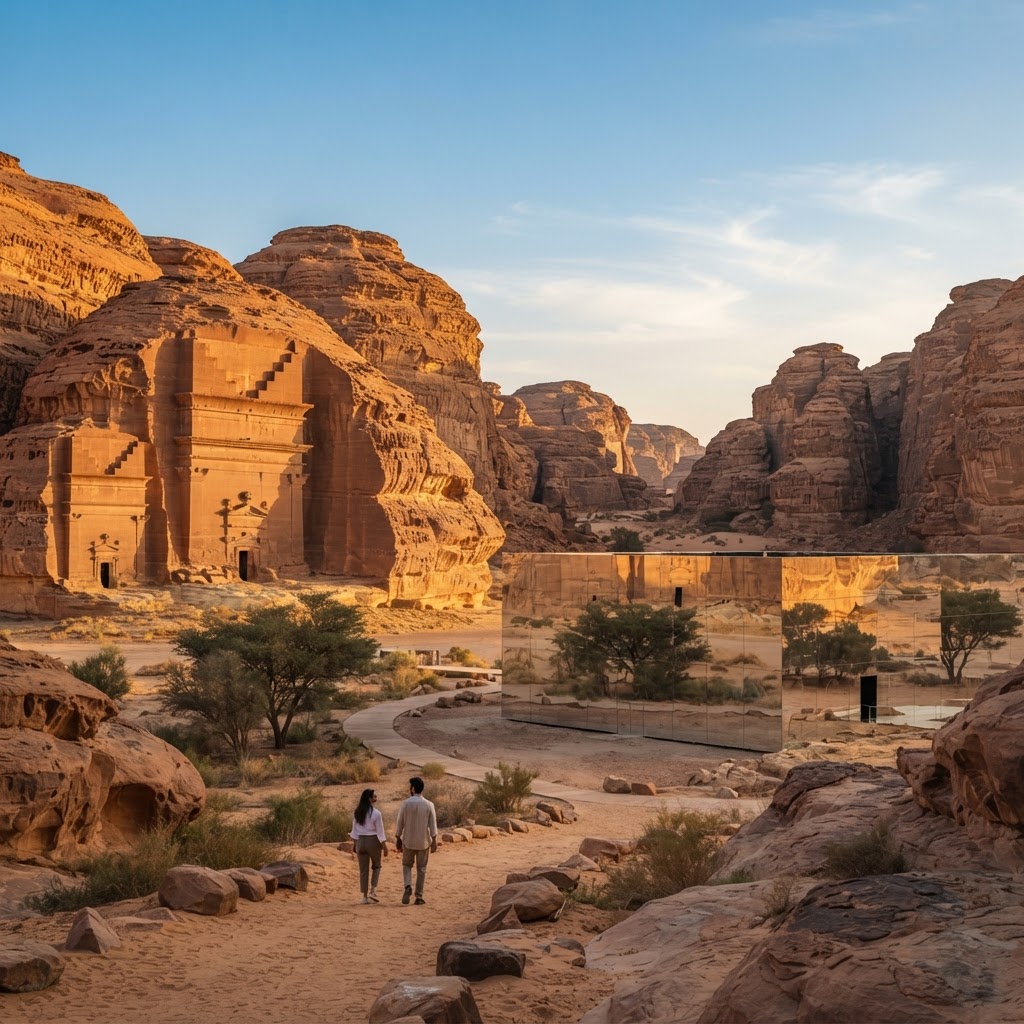
Monolithic Nabataean tombs and mirrored art carved into dramatic red sandstone canyons
Plan & book
Sort your AlUla trip in one place.
We point you to the booking tools we'd actually use — live prices, no markup. Or let us build the day-by-day plan around you first, then book.
AlUla is Saudi Arabia's premier cultural and archaeological landscape, centering on an ancient oasis valley framed by towering sandstone massifs. It serves as an open-air museum anchored by Hegra—the southern counterpart to Petra—alongside striking contemporary architecture and lush palm groves. While formerly remote and strictly controlled, significant modern infrastructure now accommodates international travelers, though navigating its spread-out geography requires deliberate logistical planning.
3 to 4 days
Best time
November through March for comfortable daytime walking temperatures and evening cultural festivals.
Build your own trip with these prebuilt itineraries
Each one is a tested, day-by-day plan for AlUla — start here, then make it yours.
4 Days in AlUla: Luxury Retreat & Architectural Design in AlUla
High-end secluded wellness, architectural landmarks like Maraya, fine dining, and evening stargazing amidst the desert canyons
2 Days in AlUla: Express Heritage & Old Town Walk in AlUla
A fast-paced weekend focused on guided archaeological excursions, AlUla Old Town exploration, and sunset at Elephant Rock
3 Days in AlUla: Ancient Wonders & Desert Highlights in AlUla
First-time essential highlights covering Hegra, Dadan, Jabal Ikmah, and dramatic desert rock formations via rental car
Hegra stands as the main draw: over 110 remarkably preserved monumental Nabataean tombs chiseled directly into desert outcrop rock faces, minus the dense crowds found at other world-famous heritage sites. Beyond archaeology, the sheer juxtaposition of ancient ruins, the world's largest mirrored structure (Maraya) reflecting desert canyons, and date palm oases makes it one of the most visually extraordinary landscapes in the Middle East.
Where to stay
Getting there
Getting around
Food & drink
What it costs
Things to do
Book tours & tickets in AlUlaSkip it if
Budget backpackers looking for cheap hostels and walkable street life should skip AlUla; there is virtually no budget hostel infrastructure, public transit is sparse, and activities require paid tour permits. Travelers who dislike structured, time-slotted heritage tours and prefer entirely spontaneous self-guided exploration may find the protected monument regulations restrictive.
When to go
Winter brings ideal 18°C–25°C daytime temps for open-air desert touring, but nightly lodging rates peak and top restaurants book weeks out. Shoulder months save cash if you can tolerate mid-afternoon heat spikes.
Peak (November–March)
Pleasant daytime weather, chilly desert nights requiring warm layers, Winter at Tantora festivals, and the highest hotel pricing.
Shoulder (October & April)
Warmer midday sun but manageable crowds and better room availability before seasonal venues wind down.
Low (May–September)
Brutal desert heat regularly above 40°C; outdoor heritage sites limit daytime hours and several luxury open-air lounges close entirely.
Neighborhoods
Where you stay shapes the trip. Here's how to think about it.
Ashar Valley
Ultra-luxury secluded desert basin framed by stark canyon walls and mirrored architectural wonders.
Best for:Luxury travelers, couples, and architecture buffs
Don't miss:The mirrored facade of Maraya Concert Hall and stargazing from the canyon-side pool decks
AlUla Old Town & Cultural Oasis
Walkable heritage labyrinth of mudbrick ruins fringed by shaded date palm groves and artisan stalls.
Best for:First-timers, heritage lovers, and cafe hoppers
Don't miss:The winding mudbrick corridor of Old Town Village and evening dinner along Market Street
AlJadidah Cultural District
Pedestrianized creative hub packed with outdoor art installations, murals, design shops, and indie coffee bars.
Best for:Design lovers, pedestrians, and casual evening dining
Don't miss:Madrasat Addeera craft school and strolling the carpeted pedestrian arts avenue after sunset
Elephant Rock (Jabal AlFil) Area
Laid-back desert plateau with low-slung sunken seating pits designed for dusk social gatherings.
Best for:Sunset chasers, groups, and relaxed nightcaps
Don't miss:A sunset drink from the sunken sand lounges directly facing the 52-meter monolith
Destination intelligence
Updated 9/14/2026The structured record we plan every AlUla itinerary from.
Walkability
Low. Individual heritage pockets like AlUla Old Town and specific canyon trails are pedestrianized, but traversing between valleys, archaeological sites, and hotels requires a motor vehicle across wide desert distances.
Transit quality
Limited. Public transit consists of limited-schedule regional tourist shuttles centered around Winter Park. There is no rail network or frequent municipal bus system connecting the major sites.
Car needed
Yes. Renting a vehicle at the airport provides crucial independence, as distances between sights average 20–45 minutes of driving and rideshares are virtually absent outside central town pockets.
Ideal duration
3 to 4 days
Minimum useful
2 days
Peak season
November through March brings pleasant daytime weather (18°C–25°C / 64°F–77°F), clear desert evenings, active outdoor trails, and the Winter at Tantora arts and culture festival.
Shoulder season
October and April feature moderate crowds, slightly warmer midday temperatures, and good hotel availability before the summer slowdown.
Low season
May through September experiences extreme desert heat reaching 40°C–45°C (104°F–113°F), prompting midday tour suspensions and off-season closures of outdoor lounges.
Best for
Common mistakes
- Assuming you can explore Hegra independently; private vehicles are forbidden inside the site and visitors must book official Royal Commission tours via Land Rover or shared coach well in advance.
- Relying on Uber or street taxis to get around, which leaves travelers stranded at remote desert sites without service.
- Underestimating travel distances; sights are clustered miles apart rather than set inside a single walkable town.
- Visiting between May and September without accounting for extreme midday desert heat that exceeds 40°C (104°F) and suspends daytime outdoor tours.
- Failing to reserve dinner and tour slots prior to arrival during the busy winter festival season.
Best nearby
How to plan it
- Book Hegra morning slots early to avoid harsh midday shadows on the tomb facades and beat desert heat.
- Base yourself in AlUla Town or near AlJadidah if you want easy evening access to dining without hiring a private driver.
- Stay in Ashar Valley only if your budget supports $600+ nightly rates and you prefer secluded canyon isolation over town walkability.
- Never attempt Hegra, Dadan, and Jabal Ikmah on the same day; split them across two mornings to protect your energy.
- Pair AlUla with direct flights to Riyadh or Jeddah rather than attempting an arduous 10-hour overland drive.
Questions
More in Saudi Arabia
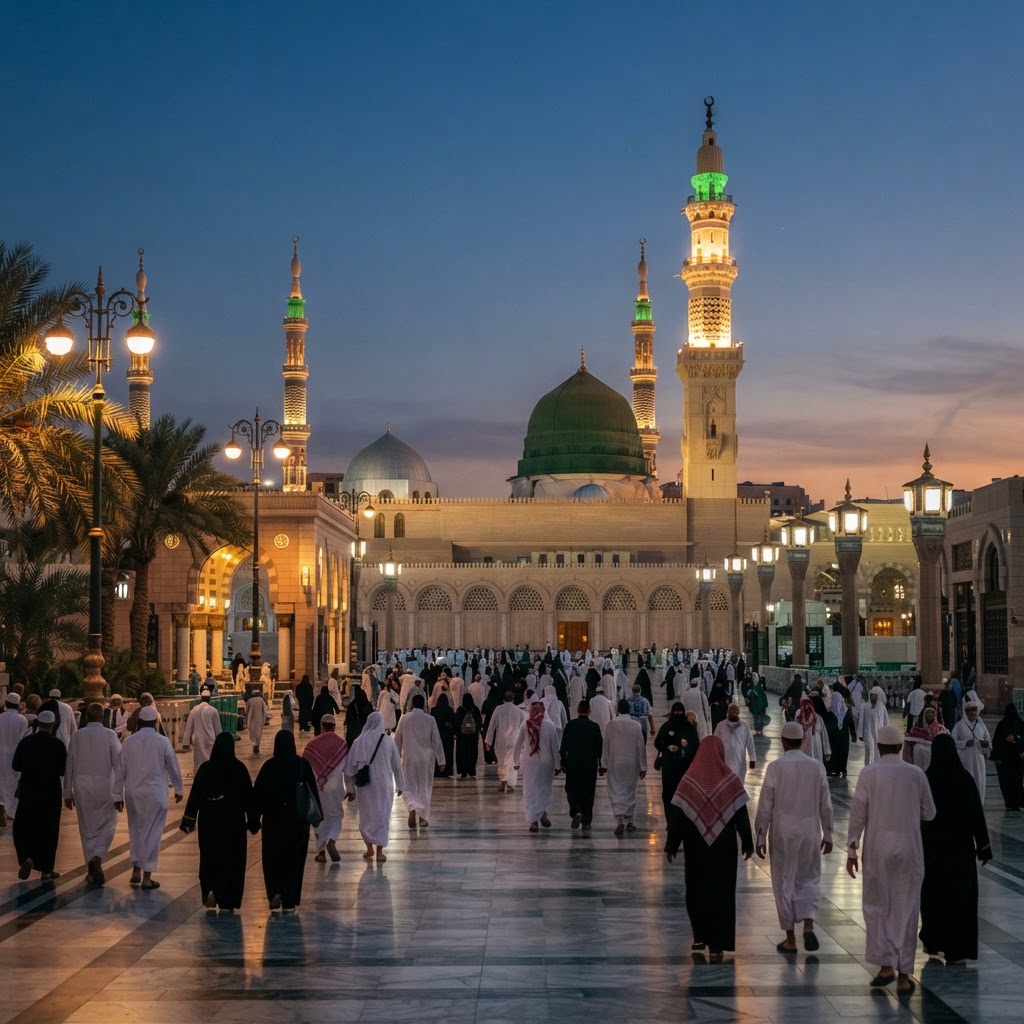
Medina (Al-Madinah Al-Munawwarah)
Saudi Arabia
The City of the Prophet: where deep spiritual sanctuary meets the living history of the Hejaz.
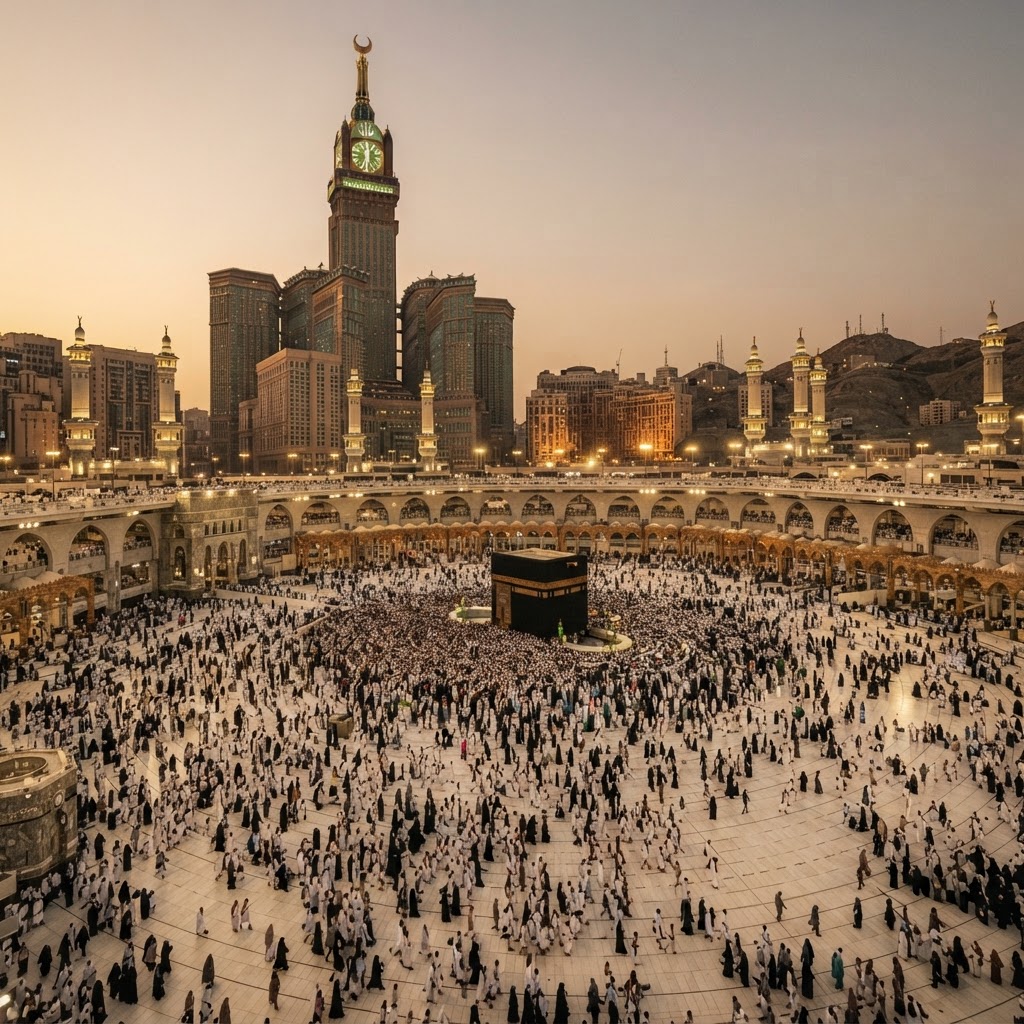
Mecca (Makkah), Saudi Arabia
Saudi Arabia
The spiritual epicenter of Islam, navigated through ritual, endurance, and precise logistics.
Readymade itineraries
Start from a tested template — then make it yours.
Ready to book
Lock in your AlUla trip
Everything in one place. We may earn a small commission — it never costs you more.
Plan a trip to AlUla
Pick a length and we'll build a day-by-day plan around how you travel — neighborhoods clustered, budget-aware, and editable.
Get better at planning trips like this
Occasional notes on planning smarter — no spam, unsubscribe anytime.
Plan a trip to AlUla
Turn this guide into a day-by-day plan built around your pace, your group, and your budget.
Build my AlUla trip