Austria
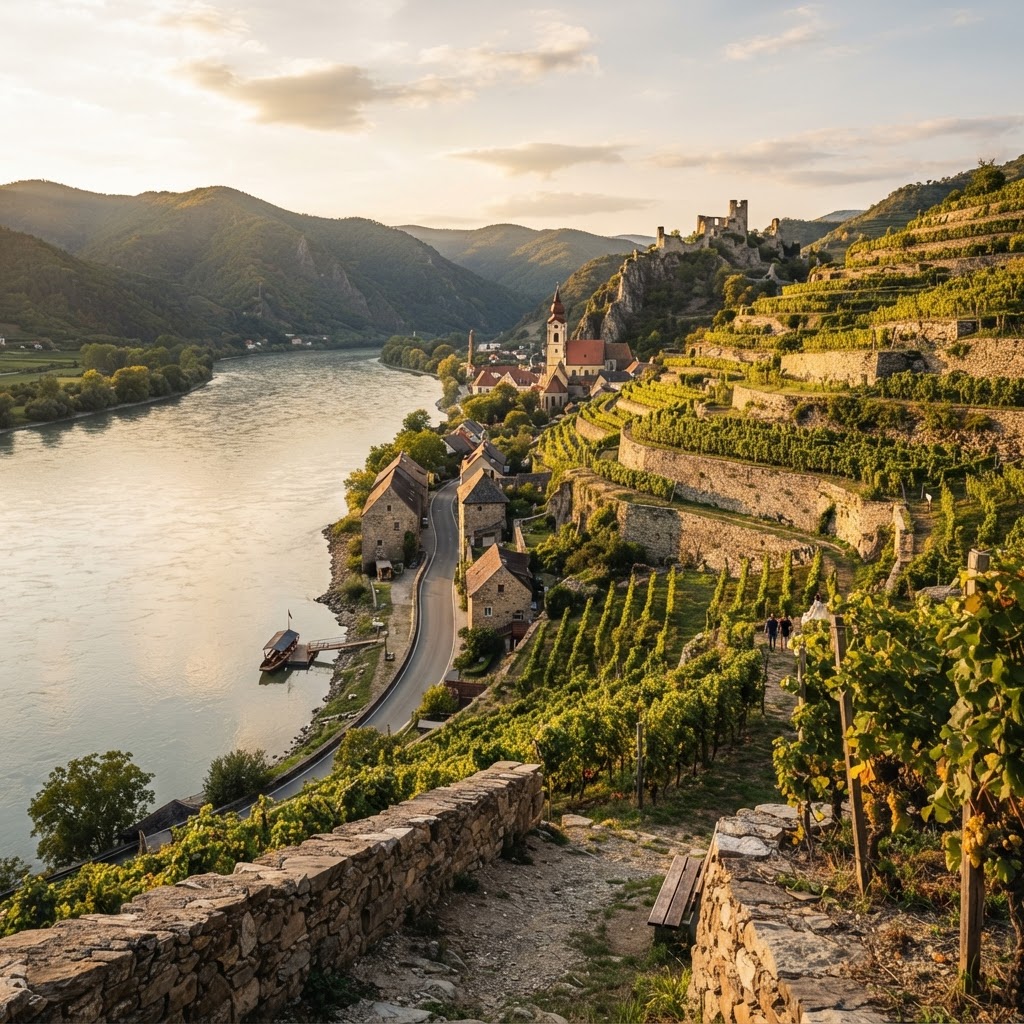
Wachau Valley, Austria
Steep stone terraces, world-class dry whites, and baroque river bends just an hour from Vienna.
Plan & book
Sort your Wachau Valley, Austria trip in one place.
We point you to the booking tools we'd actually use — live prices, no markup. Or let us build the day-by-day plan around you first, then book.
Carved by the Danube over a 36-kilometer stretch between Melk and Krems, the Wachau Valley is an intensely concentrated cultural landscape of dry-stone vineyard terraces, medieval hamlets, and monumental monastic architecture. It provides an unhurried, pastoral counterweight to Vienna's grand imperial avenues, offering bicycle-paced wine crawls, cliff-perched castle ruins, and authentic family-run tavern hospitality.
3 days
Best time
May to June and September to mid-October provide the optimal balance of weather, vineyard activity, and transport availability.
Build your own trip with these prebuilt itineraries
Each one is a tested, day-by-day plan for Wachau Valley, Austria — start here, then make it yours.
4-Day Slow Heritage & Castle Trail in Wachau Valley
Immersive cultural stay focused on medieval castle ruins, baroque libraries, seasonal apricot orchards, and village life
3-Day Donauradweg Cycling & Vineyards in Wachau Valley
Active exploration combining scenic Danube bike paths, hillside vineyard walks, and Smaragd wine cellars
2-Day Wachau Valley Highlights & Wine in Wachau Valley
Abbey heritage, Danube river cruises, and relaxed evening Heurigen wine tastings
The Wachau delivers world-renowned Grüner Veltliner and Riesling directly at source, set within an extraordinarily preserved river valley that avoids theme-park artificiality. Unlike sprawling European wine regions that require designated drivers and endless highway mileage, the Wachau can be thoroughly navigated by bicycle along flat river paths, regional passenger ferries, and local buses. It balances high-culture monastic treasures—like the breathtaking Benedictine Stift Melk—with intimate Heurigen (wine taverns) where vintners pour current vintages alongside platters of cold roast pork, regional cheeses, and warm Wachauer Laberl rolls.
Where to stay
Getting there
Getting around
Food & drink
What it costs
Things to do
Book tours & tickets in Wachau Valley, AustriaSkip it if
Skip the Wachau if you crave high-energy urban nightlife, late-night cocktail bars, and designer retail, or if your trip already feels over-indexed on small wine-producing European towns. Travelers with serious mobility impairments may also struggle with the steep cobblestones, gravel vineyard paths, and rocky ascents in Dürnstein.
When to go
Summer brings packed tour boats and midday heat on the steep stone terraces, while late spring and autumn showcase blooming apricot trees or harvest-time wine taverns with crisp, comfortable cycling weather.
Peak (May to September)
Sunlit days, riverboats running on full frequency, and open-air wine garden seating, but expect dense daytime crowds in Dürnstein and busy bike paths.
Shoulder (April & October)
April delivers pale pink apricot blossoms across the valley floor; October brings brilliant golden vine foliage, fresh Sturm wine, and cool hiking air, though some ferry schedules taper down.
Low (November to March)
A very quiet period where DDSG cruise boats halt, bike rental depots shutter, and most seasonal Heurigen close, leaving only Melk Abbey and Krems' museums reliably open.
Neighborhoods
Where you stay shapes the trip. Here's how to think about it.
Dürnstein
Fairytale fortified village with cobalt church towers, cobblestone alleys, and mid-day tourist surges.
Best for:Romantic getaways, short stays, and castle-ruin hikers
Don't miss:The 25-minute rocky ascent up to Burgruine Dürnstein for sweeping Danube views, followed by fresh apricot pastries from Bäckerei Schmidl.
Weißenkirchen in der Wachau
Authentic wine-grower village dominated by 14th-century gothic church spires and authentic Heurigen.
Best for:Serious wine lovers, slow travelers, and peaceful village immersion
Don't miss:A flight of Smaragd Grüner Veltliner paired with cold roast pork and Liptauer spread at an open family Heuriger on the village hillside.
Spitz an der Donau
Bustling river hub framed by the terraced Tausendeimerberg vine hill and tranquil ferry docks.
Best for:Cyclists, ferry hoppers, and travelers wanting a balanced transit hub
Don't miss:Taking the motorless Rollfähre reaction ferry across the Danube to Arnsdorf for an uncrowded south-bank bicycle ride.
Melk
Grand monastic outpost anchored by a massive golden baroque abbey commanding the western river bend.
Best for:Baroque architecture fans and travelers entering directly via rail from Vienna
Don't miss:The imperial library and frescoed Marble Hall inside Stift Melk, followed by a walk through the manicured abbey gardens.
Krems an der Donau & Stein
Historic twin river town blending medieval gates, modern art galleries, and lively pedestrian streets.
Best for:Culture lovers wanting evening dining variety, urban amenities, and direct train links
Don't miss:Passing through the 15th-century Steiner Tor gate to browse independent food purveyors along the cobblestoned Landstraße.
Destination intelligence
Updated 9/14/2026The structured record we plan every Wachau Valley, Austria itinerary from.
Walkability
High within individual historic villages, but low between towns without utilizing the bike path, local bus line, or Danube ferry.
Transit quality
High. Seamless train links from Vienna anchor both ends at Melk and Krems, supplemented by north-bank regional buses, local river ferries, and seasonal rail.
Car needed
No. The combination of hourly express trains, riverside cycling trails, and punctual regional buses makes a private car unnecessary and unadvisable for wine tasting.
Ideal duration
3 days
Minimum useful
1 day
Peak season
May through September, alongside early October harvest. Expect warm sunny days, full wine tavern schedules, blossoming vines, and higher tourist crowds in Dürnstein and Melk.
Shoulder season
Late March to April for the spectacular apricot blossom season; late October for golden vine foliage and crisp, uncrowded hiking weather.
Low season
November through March. Many seasonal hotels, Heurigen, bike hire depots, and riverboat cruises close for the winter.
Best for
Common mistakes
- Treating the Wachau purely as an 8-hour bus day trip from Vienna, leaving just as the tour buses depart and the villages settle into their magical, quiet evening Heurigen culture.
- Driving a rental car between winery tastings—Austrian blood-alcohol limits are strictly enforced at 0.05%, making bikes and local buses far safer and more relaxing.
- Visiting in deep winter (November to mid-March) when riverboats do not operate, seasonal Wachaubahn trains are shut, and most vineyard guesthouses and Heurigen are closed.
- Forgetting to verify the regional 'Heurigenkalender' in advance, leading to frustration when specific family wineries are shuttered on their off-weeks.
Best nearby
How to plan it
- Base yourself in Weißenkirchen or Spitz if you prioritize authentic wine taverns over souvenir storefronts.
- Cycle downstream from Melk toward Krems so you ride with the prevailing wind and Danube river current.
- Do not cram Melk Abbey, a long bike ride, Dürnstein castle, and multiple wine tastings into a single day trip; pick two major anchors.
- Check the Heurigenkalender before arriving on a Monday or Tuesday, when many smaller village taverns observe quiet rest days.
- Cross the Danube using the wire-cable ferry between Spitz and Oberarnsdorf to access the quieter, shaded south bank cycling paths.
Questions
More in Austria
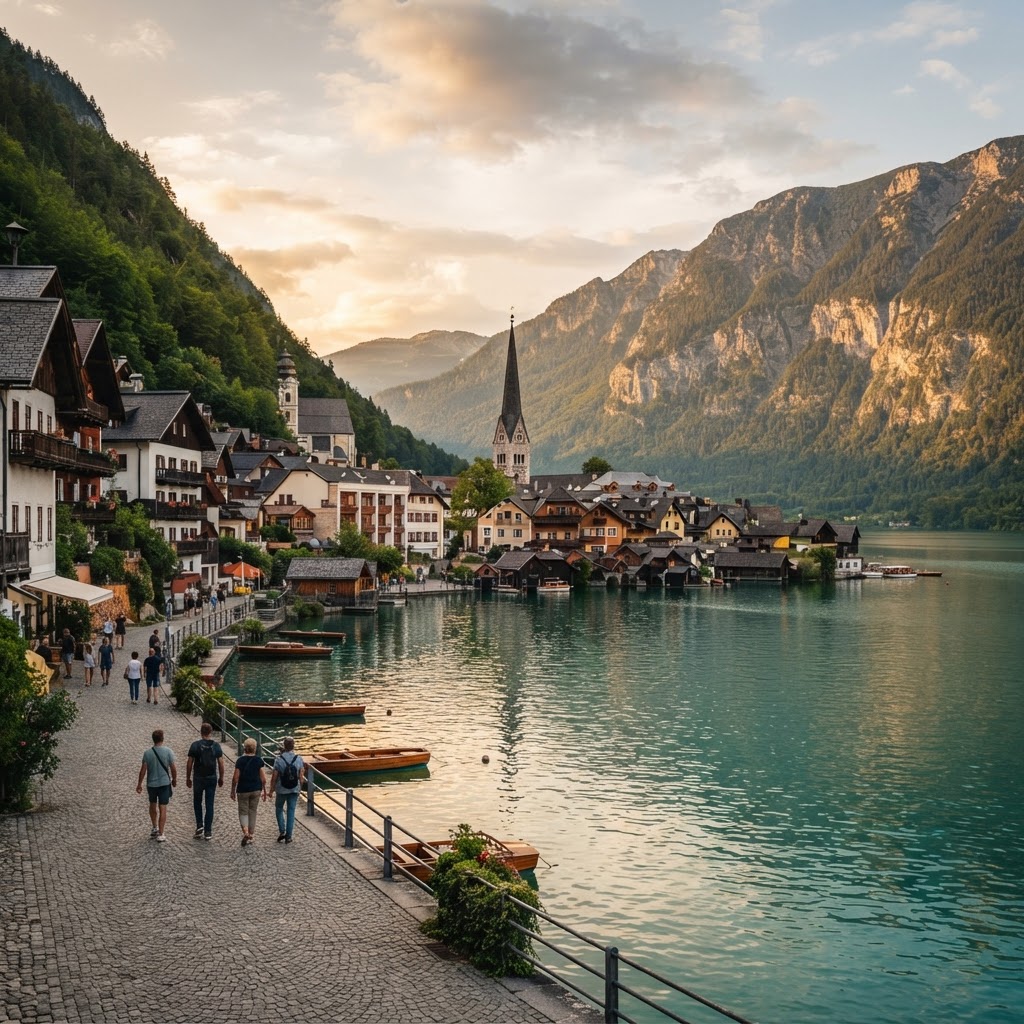
Salzkammergut, Austria
Austria
Turquoise glacial lakes, Habsburg spa towns, and jagged limestone ridges.
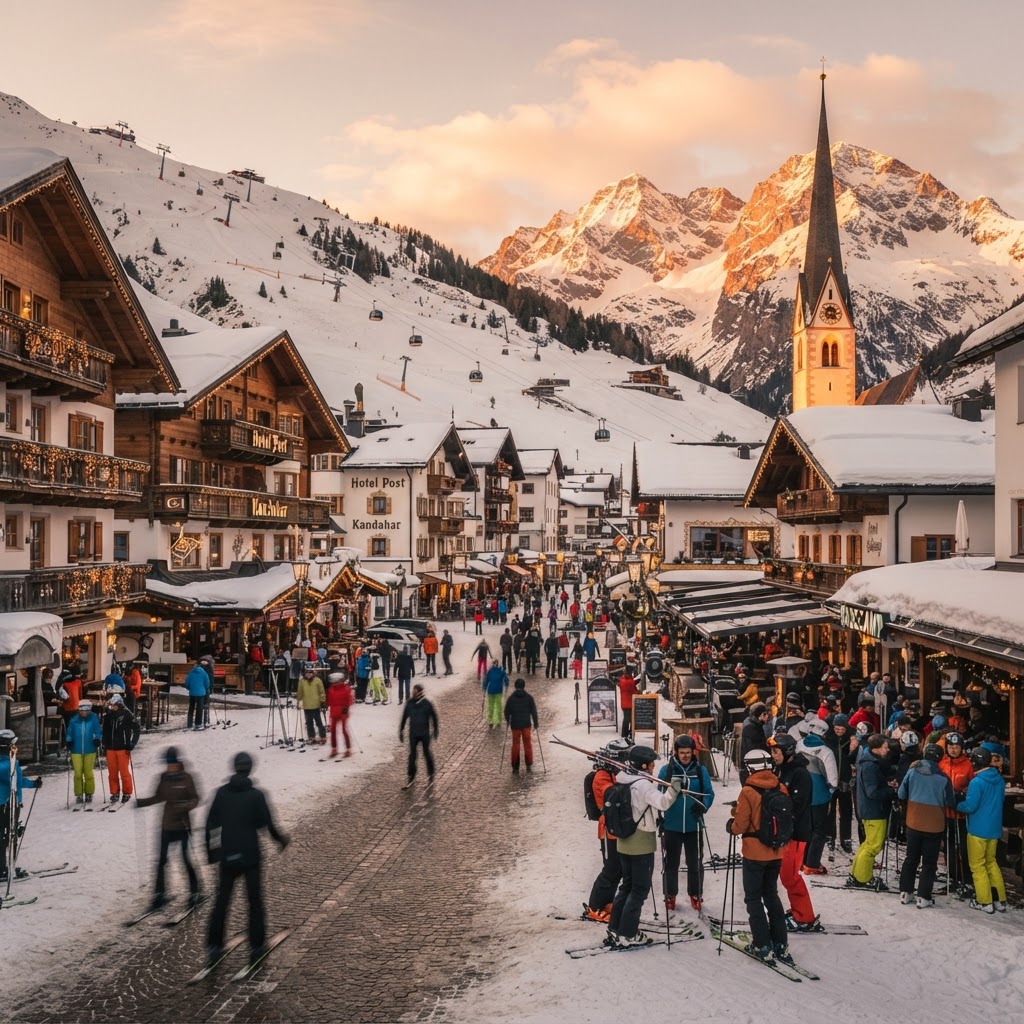
St. Anton am Arlberg
Austria
The cradle of alpine skiing, unmatched off-piste terrain, and Europe's most raucous après-ski.
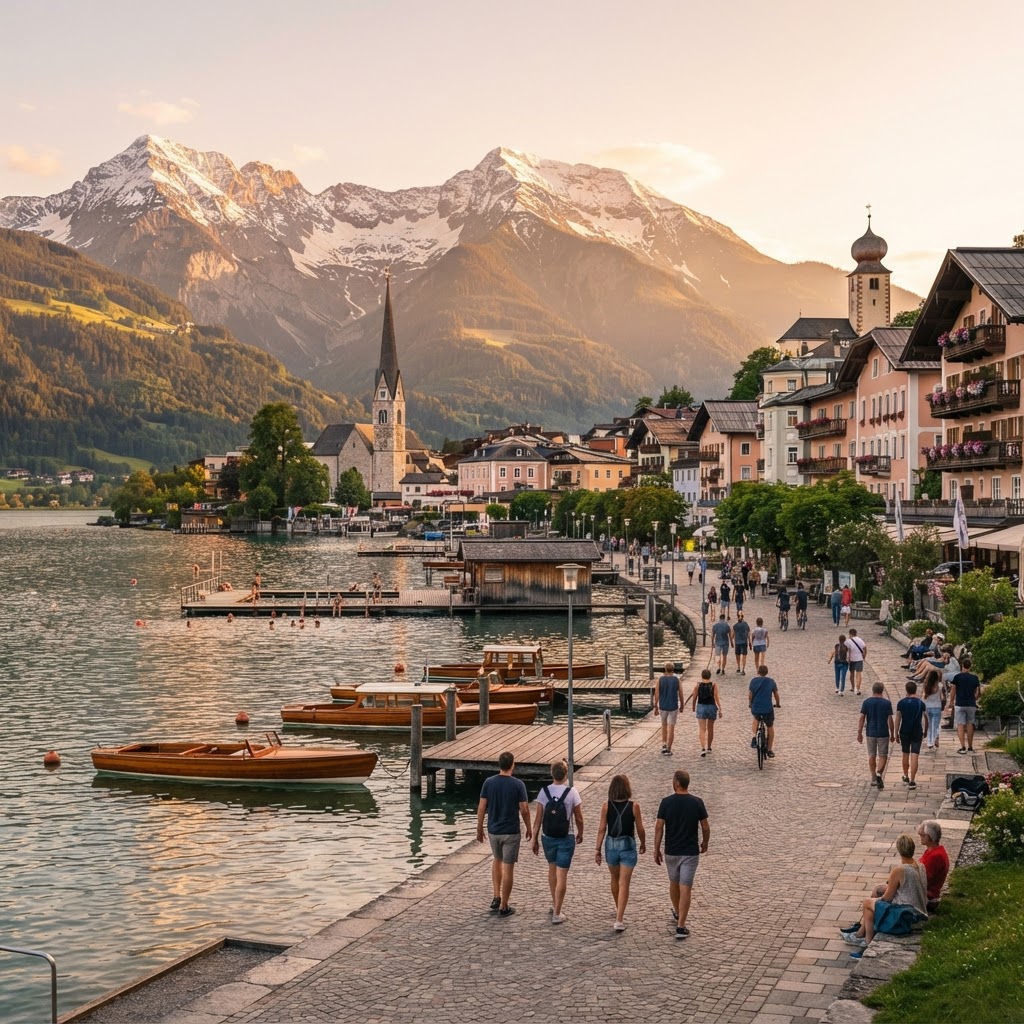
Zell am See, Austria
Austria
A car-free Alpine crossroad where glacial peaks plunge straight into swimming waters.
Readymade itineraries
Start from a tested template — then make it yours.
Ready to book
Lock in your Wachau Valley, Austria trip
Everything in one place. We may earn a small commission — it never costs you more.
Plan a trip to Wachau Valley, Austria
Pick a length and we'll build a day-by-day plan around how you travel — neighborhoods clustered, budget-aware, and editable.
Get better at planning trips like this
Occasional notes on planning smarter — no spam, unsubscribe anytime.
Plan a trip to Wachau Valley, Austria
Turn this guide into a day-by-day plan built around your pace, your group, and your budget.
Build my Wachau Valley, Austria trip