Austria
Salzkammergut, Austria
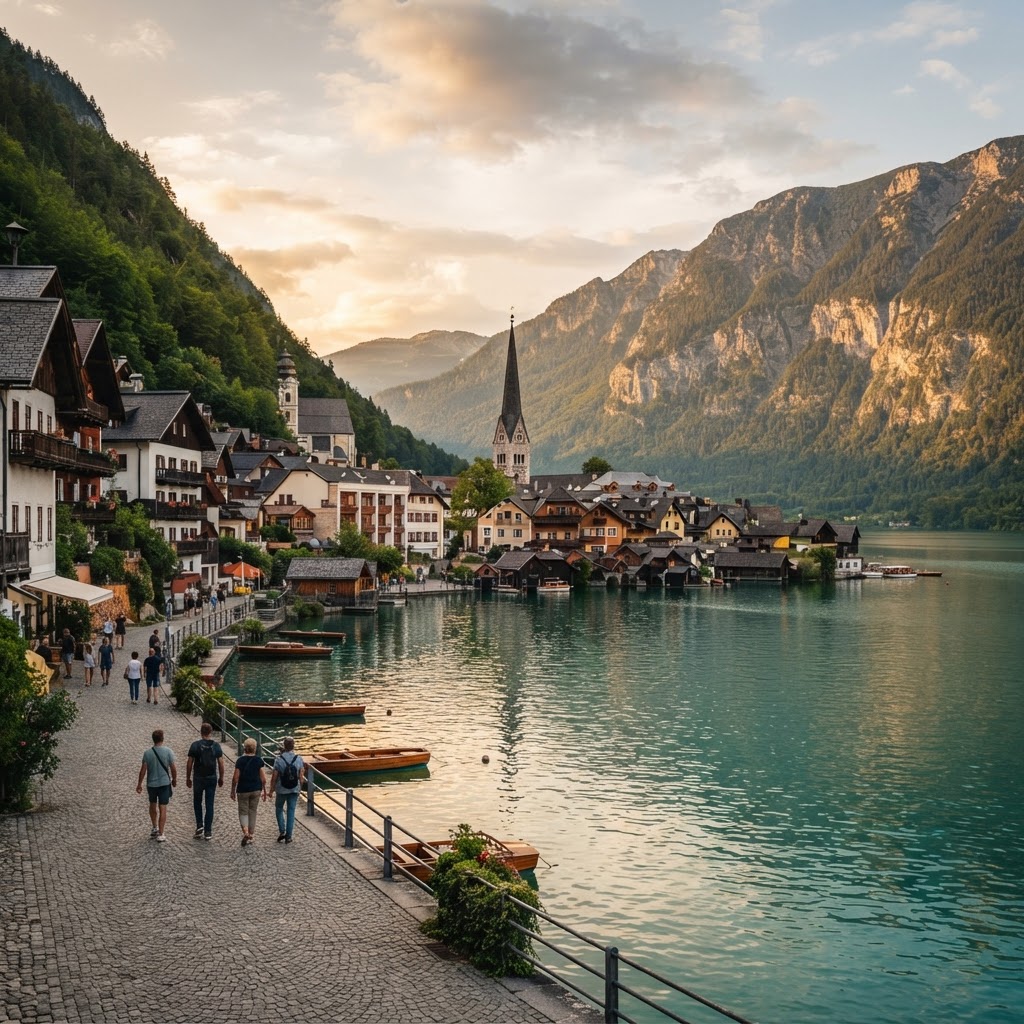
Turquoise glacial lakes, Habsburg spa towns, and jagged limestone ridges.
Plan & book
Sort your Salzkammergut, Austria trip in one place.
We point you to the booking tools we'd actually use — live prices, no markup. Or let us build the day-by-day plan around you first, then book.
Stretching across three Austrian provinces just east of Salzburg, the Salzkammergut encompasses dozens of alpine lakes framed by the dramatic limestone faces of the Dachstein Alps and the Salzkammergut Prealps. Historically enriched by prehistoric salt mining and favored as an imperial summer retreat by Emperor Franz Joseph, the region trades city bustle for ferry rides across cobalt waters, historic cogwheel railways, and quiet lakeside trails. While mass tourism concentrates heavily along Hallstatt's tight shoreline, the true value of the Salzkammergut lies in branching out to historic spa towns like Bad Ischl, navigating Lake Wolfgang by passenger ferry, or hiking the forested shoreline of the Altaussee.
4 to 5 days
Best time
June, September, and early October offer the best balance of open mountain transit, comfortable hiking weather, and thinner crowds.
Build your own trip with these prebuilt itineraries
Each one is a tested, day-by-day plan for Salzkammergut, Austria — start here, then make it yours.
5 Days in Salzkammergut: Alpine Peaks & Deep Valleys in Salzkammergut
Outdoor and hiking road trip covering Gosau lakes, Dachstein alpine trails, cogwheel mountain rail, and watersports
3 Days in Salzkammergut: Classic Lakes & Heritage in Salzkammergut
First-timer highlights connecting Wolfgangsee, imperial Bad Ischl, and early-morning Hallstatt using scenic boats and regional buses
4 Days in Salzkammergut: Imperial Spas & Lakeside Culture in Salzkammergut
Relaxed cultural escape centered on Habsburg history, thermal baths, Austrian coffeehouse tradition, and gentle lakeside promenades
The Salzkammergut provides quintessential Austrian alpine drama without requiring extreme backcountry mountaineering. You can take a 19th-century steam cog railway directly to the summit of Mount Schafberg for panoramic views across five lakes, visit prehistoric salt mines via funiculars, swim in pristine glacial waters, and finish afternoons with imperial pastries at historic cafes. It is easily accessed from Salzburg, offering a blend of genuine Austrian lake culture, well-marked hiking infrastructure, and imperial resort architecture.
Where to stay
Getting there
Getting around
Food & drink
What it costs
Things to do
Book tours & tickets in Salzkammergut, AustriaSkip it if
Skip the Salzkammergut if you need vibrant late-night nightlife and urban entertainment; the region runs on early-to-bed alpine schedules. It is also not ideal for fast-paced itinerary travelers who only have 24 hours to spare between Vienna and Salzburg, as navigating the winding lake valleys takes time that is wasted on a hasty highway detour.
When to go
July and August offer the best lake swimming temperatures and full ferry frequencies, but central parking lots fill by 9:00 AM and village lanes are overwhelmed by tour groups. May through June brings blooming alpine pastures, while September and October deliver stable, crisp hiking days and brilliant autumn foliage with noticeably relaxed cafe tables.
Peak (July–August)
Warm waters for swimming, full boat timetables, and bustling lidos, but high lodging prices and severe congestion in Hallstatt and St. Wolfgang.
Shoulder (May–June & September–mid-October)
Ideal temperatures for ridge hikes and cycling, calm lake paths, and easier hotel bookings, though mountain lifts close by late October.
Low (November–April)
Lakeside passenger ferries and mountain cog railways cease operations; Bad Ischl's thermal spas stay open and December brings atmospheric regional Advent markets.
Neighborhoods
Where you stay shapes the trip. Here's how to think about it.
Bad Ischl
Grand imperial spa heritage with belle époque villas, riverside cafes, and authentic year-round local life.
Best for:Logistical pragmatists and culture travelers wanting a central base with rail and bus connections in every direction.
Don't miss:Coffee and Zaunerstollen on the shaded terrace at Konditorei Zauner, followed by an afternoon exploring the Kaiservilla park.
St. Wolfgang im Salzkammergut
Picturesque lakeside market village fronted by historic frescoes, traditional wooden boathouses, and lively ferry docks.
Best for:First-time visitors seeking classic lakeside scenery, boat trips, and immediate mountain lift access.
Don't miss:The historic Schafbergbahn rack railway ride to the summit ridge for views overlooking seven alpine lakes.
St. Gilgen
Charming, slower-paced Mozart-heritage village on the quiet western tip of Lake Wolfgang.
Best for:Families, relaxed walkers, and travelers arriving directly via Salzburg on Bus 150 without a car.
Don't miss:Taking the retro Zwölferhorn cable car up from town for panoramic hiking trails above the Wolfgangsee.
Altaussee & Bad Aussee
Literary retreat meets pristine Styrian nature, surrounded by dark pine forests and dramatic limestone cliffs.
Best for:Hikers, landscape purists, and repeat visitors who want tranquility far away from the tour-bus circuit.
Don't miss:The undisturbed 7.5-kilometer foot trail tracing the perimeter of the Altausseer See beneath the Loser mountain.
Obertraun & Hallstatt
Dramatic fjord-like waters beneath high limestone walls, split between hyper-crowded historic lanes and sleepy shores.
Best for:Day visits, early-morning photographers, and Dachstein adventure seekers.
Don't miss:Boarding the morning wooden boat across Hallstätter See from the train station, or riding the cable car to Dachstein Krippenstein's 5 Fingers lookout.
Destination intelligence
Updated 9/14/2026The structured record we plan every Salzkammergut, Austria itinerary from.
Walkability
High within individual historic village centers and along flat lake promenades, but the regional geography between valleys requires buses, ferries, or a car.
Transit quality
Good along main corridors (Bus 150 and the Salzkammergutbahn train line), but transit frequency drops sharply in early evening and across secondary mountain passes.
Car needed
Optional for a Wolfgangsee and Bad Ischl trip using public buses and lake ferries; highly recommended if exploring remote trailheads, Gosau lakes, or the Styrian Salzkammergut.
Ideal duration
4 to 5 days
Minimum useful
2 days
Peak season
July to August (warmest swimming weather, fully operational ferry lines, high room rates, and crowded central parking areas).
Shoulder season
May to June and September to mid-October (ideal hiking temperatures, clear mountain views, autumn colors, and far fewer day-tour crowds).
Low season
November to March (many lakeside hotels, boat routes, and mountain attractions close, though Bad Ischl's spas and regional Christmas markets open in December).
Best for
Common mistakes
- Day-tripping exclusively to Hallstatt between 11:00 AM and 3:00 PM, which exposes you to the worst overcrowding and full parking decks while missing the rest of the region.
- Underestimating mountain cable car and cogwheel costs, which easily add €40–€60 per adult per ascent; consider getting the Salzkammergut Sommer-Card if staying three nights or more.
- Assuming every town has direct train connections—many key towns (like Sankt Wolfgang and Sankt Gilgen) are served only by buses and boats, not trains.
- Failing to pre-book summer dining reservations in compact towns like Sankt Wolfgang and Bad Ischl where popular waterside tables sell out days in advance.
Best nearby
How to plan it
- Base in Bad Ischl if you rely on public transit: it sits at the central junction of Bus 150 to Salzburg and the Salzkammergutbahn train line connecting to Hallstatt and Gmunden.
- Never drive into Hallstatt between 10:00 AM and 4:00 PM; park outside at Obertraun or take the train and cross by boat to bypass tunnel traffic and filled garages.
- Pair Lake Wolfgang's ferry service with the Schafbergbahn by buying a combined ticket, taking the boat from St. Gilgen to St. Wolfgang Schafbergbahn terminal.
- Reserve the Gosausee for clear mornings; the reflection of the Dachstein Glacier over the Vorderer Gosausee is sharpest before midday cloud build-up.
- Combine Bad Ischl's imperial heritage stops—the Kaiservilla and Konditorei Zauner—with an afternoon thermal soak at the EurothermenResort.
Questions
More in Austria
St. Anton am Arlberg
Austria
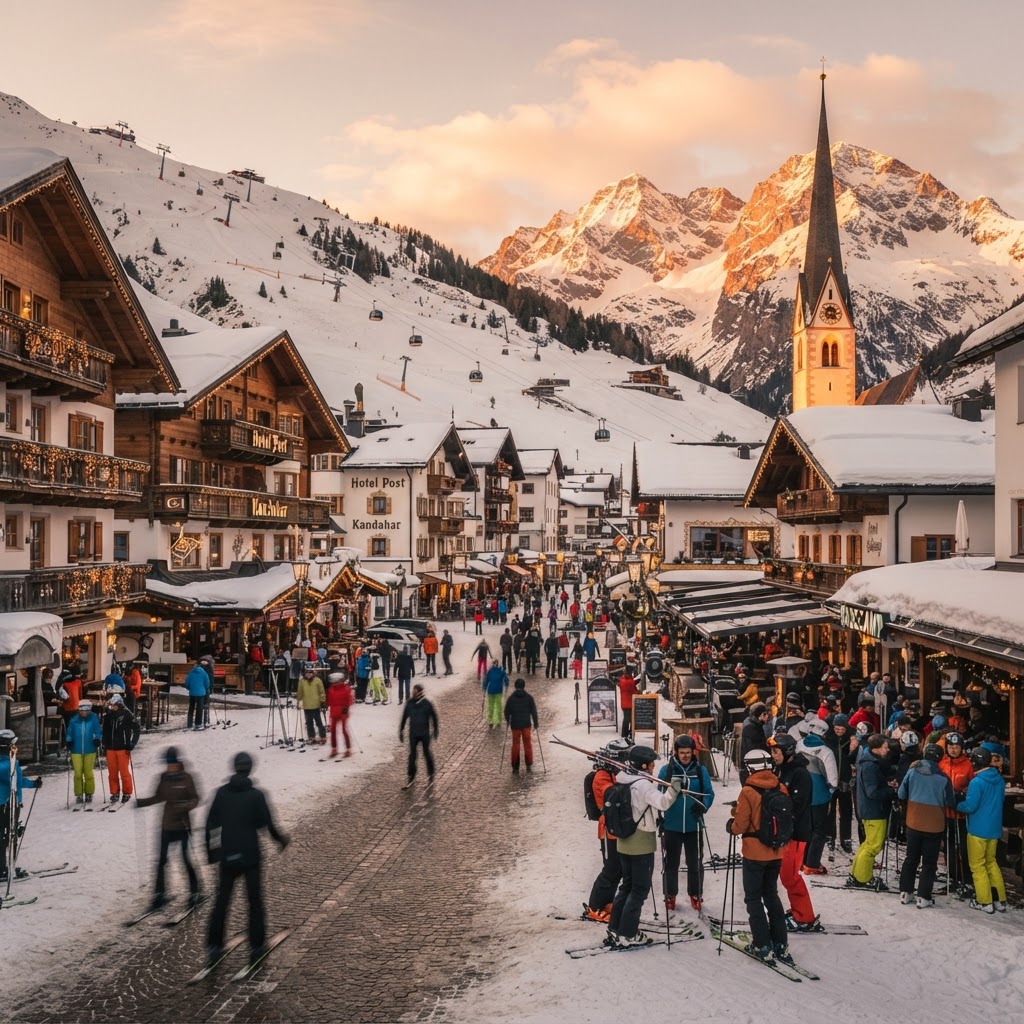
The cradle of alpine skiing, unmatched off-piste terrain, and Europe's most raucous après-ski.
Zell am See, Austria
Austria
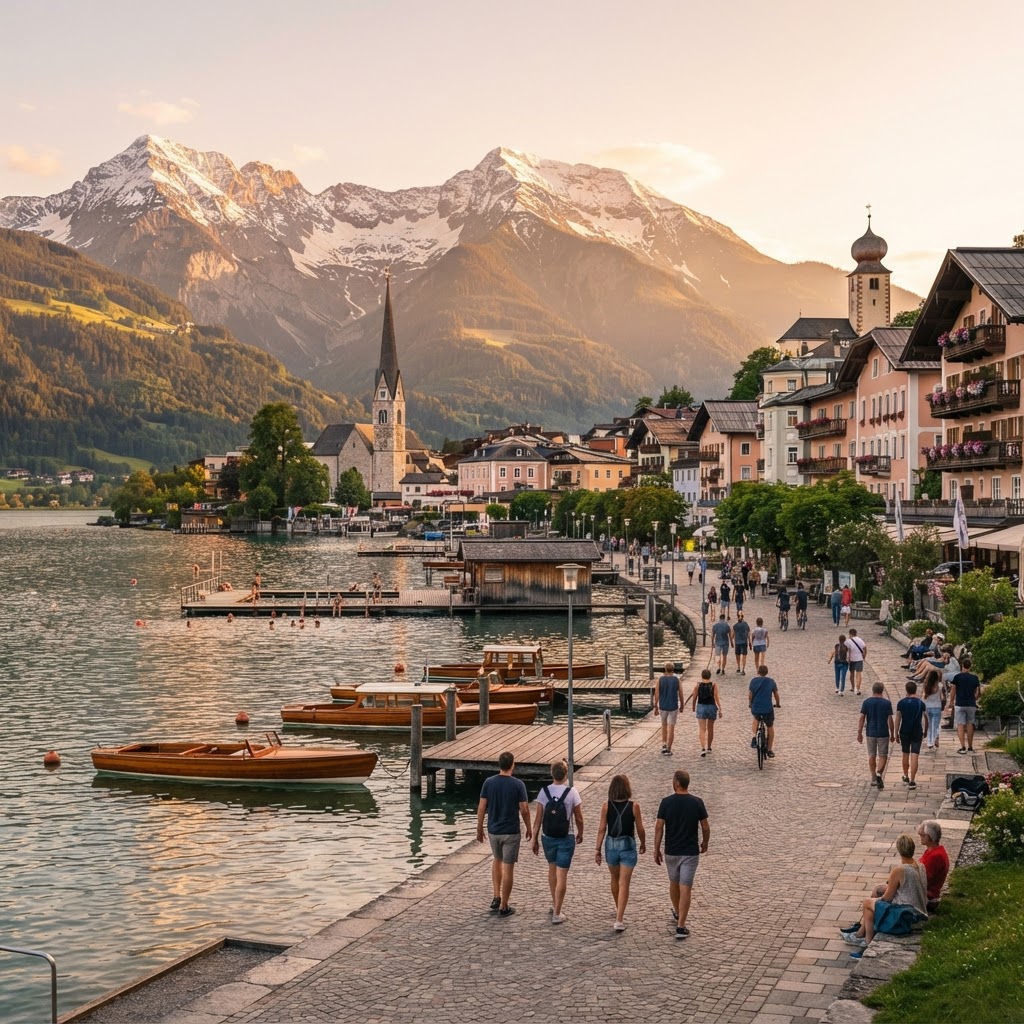
A car-free Alpine crossroad where glacial peaks plunge straight into swimming waters.
Readymade itineraries
Start from a tested template — then make it yours.
Ready to book
Lock in your Salzkammergut, Austria trip
Everything in one place. We may earn a small commission — it never costs you more.
Plan a trip to Salzkammergut, Austria
Pick a length and we'll build a day-by-day plan around how you travel — neighborhoods clustered, budget-aware, and editable.
Get better at planning trips like this
Occasional notes on planning smarter — no spam, unsubscribe anytime.
Plan a trip to Salzkammergut, Austria
Turn this guide into a day-by-day plan built around your pace, your group, and your budget.
Build my Salzkammergut, Austria trip