
Austria
Vienna
Imperial scale, world-class institutions, and an unhurried coffee-house culture designed for walking.
Plan & book
Sort your Vienna trip in one place.
We point you to the booking tools we'd actually use — live prices, no markup. Or let us build the day-by-day plan around you first, then book.
Vienna delivers an uncommon balance of monumental grandeur and low-friction urban ease. Built around the sweeping Ringstraße and wrapped in an exceptionally efficient transit network, it lets you bounce from world-class art collections to quiet leafy courtyards and neighborhood wine taverns in under twenty minutes.
4 days
Best time
Late April through May or September through early October offer the sweet spot of warm garden days, lively outdoor dining, and manageable cultural lines.
Build your own trip with these prebuilt itineraries
Each one is a tested, day-by-day plan for Vienna — start here, then make it yours.
3 Days in Vienna for First-Time Visitors
3 days in vienna first time
3 Days in Vienna: Music & Cafés
vienna music cafes itinerary
4 Days in Vienna at Christmas
vienna christmas markets itinerary
4 Days in Vienna for Couples (Palaces)
vienna couples palaces itinerary
Vienna is compelling because it functions as both an intellectual powerhouse and a remarkably liveable city. Rather than forcing you through high-stress transit or endless tourist traps, its cultural giants—like the Kunsthistorisches Museum, Belvedere, and State Opera—sit directly alongside an unhurried café ritual where lingering for hours over a melange is explicitly encouraged.
Where to stay
Getting there
Getting around
Food & drink
What it costs
Things to do
Book tours & tickets in ViennaSkip it if
Skip Vienna if your ideal European trip involves rugged wilderness, sandy beaches, or gritty, fast-paced 24/7 hyper-modern chaos. If you find manicured historic districts, formal dining etiquette, and classical fine art dull or museum-like, you will likely prefer cities like Berlin or Budapest.
When to go
Summer brings hot, airless afternoons and heavy tour groups, while deep winter is chilly and gray. The shoulder months give you the best of Schönbrunn's gardens and Vienna's Schanigarten terrace culture without peak hotel markups.
Peak (May-Jun, Sep-Oct & mid-Nov-Dec)
Late spring and early autumn bring perfect patio and park weather; mid-November through December brings world-famous Christmas markets, heavy crowds, and maximum hotel pricing.
Shoulder (Apr, early May, late Oct-mid Nov)
Pleasant walking temperatures, blooming palace grounds or crisp autumn light, shorter lines at the Belvedere, and fair hotel availability.
Low (Jan-Mar, except ball weekends)
Cold, damp days with early sunsets, but deeply discounted rooms, peaceful art museum halls, and the winter ball season and Rathausplatz ice-skating ribbon in full swing.
Neighborhoods
Where you stay shapes the trip. Here's how to think about it.
Innere Stadt (1st District)
Monumental imperial majesty with pedestrian-only cobblestone alleys framed by palaces, grand coffee houses, and luxury flagships.
Best for:First-timers, architecture buffs, and visitors on short stays who prioritize walking directly to major monuments
Don't miss:The quiet, arcaded courtyard passages around Blutgasse behind St. Stephen's Cathedral, avoiding the midday crowds on Kärntner Straße.
Neubau (7th District)
Design-forward, independent, and creative hub lined with indie boutiques, contemporary galleries, and courtyard eateries.
Best for:Design lovers, younger travelers, cafe hoppers, and dining enthusiasts looking for an alternative to imperial pomp
Don't miss:Wandering the vintage stores and specialty coffee spots along Neubaugasse before an evening drink inside the MuseumsQuartier courtyards.
Leopoldstadt (2nd District)
A leafy, evolving enclave between the Danube Canal and Prater park that blends a historic Jewish quarter with energetic market stalls.
Best for:Families, food lovers, and travelers seeking lower hotel rates within a fifteen-minute walk across the canal to the center
Don't miss:Karmelitermarkt on Saturday mornings for regional farmhouse cheeses, fresh produce, and casual terrace breakfasts.
Wieden (4th District)
Intimate, bookish, and understated neighborhood filled with embassies, quiet residential streets, and artisan grocers.
Best for:Slow travelers, return visitors, and couples who want local dining ten minutes on foot from the Vienna State Opera
Don't miss:Schleifmühlgasse's dense cluster of contemporary art galleries, indie magazine shops, and neighborhood bistros.
Spittelberg (Inside 7th District)
A preserved 18th-century Biedermeier village core featuring narrow flagstone lanes, ivy-draped facades, and artisanal craft studios.
Best for:Evening strolls, intimate romantic dinners, and travelers seeking village character right off the Ringstraße
Don't miss:Dinner at an unhurried Biedermeier courtyard Beisl off Spittelberggasse, particularly atmospheric when lit by evening gas lamps.
Destination intelligence
Updated 9/14/2026The structured record we plan every Vienna itinerary from.
Walkability
Exceptional. The entire 1st District inside the Ringstraße is pedestrian-first, flat, and connected to adjoining districts by wide sidewalks and pedestrianized boulevards like Mariahilfer Straße.
Transit quality
Outstanding. Wiener Linien's subway (U-Bahn), extensive street-level tram routes, and suburban rail (S-Bahn) run cleanly, punctually, and frequently with zero ticket barrier friction.
Car needed
No. A car is an active disadvantage in Vienna due to one-way systems, pedestrian zones, low-emission controls, and scarce €4+/hour short-term garage parking.
Ideal duration
4 days
Minimum useful
2 days
Peak season
May to June and September to October for optimal park weather, outdoor dining, and cultural events; mid-November through December brings high crowds for world-famous Christmas markets.
Shoulder season
April and early May, plus late October to mid-November, providing pleasant sightseeing temperatures, thinned-out museum crowds, and moderate hotel rates.
Low season
January to March (excluding the prestigious New Year's Concert week and key ball season weekends), characterized by gray, chilly winter weather but short queues and deep hotel discounts.
Best for
Common mistakes
- Renting a car—parking is prohibitively expensive, central driving is heavily restricted, and transit is far faster.
- Rushing through Viennese coffee houses like an American takeaway chain instead of sitting with a newspaper or book for an hour.
- Paying high ticket fees for tourist-trap Mozart costumed string concerts instead of booking genuine performances at the Staatsoper or Musikverein.
- Assuming museums and restaurants are open seven days a week; many traditional Gasthäuser and cultural venues close on Mondays.
- Forgetting to validate paper transit tickets before boarding, which results in strict spot fines from plainclothes inspectors.
Best nearby
How to plan it
- Stay in Neubau (7th) or Wieden (4th) if you want independent local dining and quiet nights within a 10-minute tram ride of the Ringstraße.
- Do not pair Schönbrunn Palace and the Kunsthistorisches Museum on the same day; imperial scale will cause mental and physical museum fatigue by 2 PM.
- Book your Kunsthistorisches Museum and Schönbrunn Grand Tour time-slots at least 1 to 2 weeks ahead to bypass the main entrance queues.
- Pair your trip with Bratislava via a 60-minute direct regional train from Wien Hauptbahnhof, or take a 1-hour train into the Wachau Valley for terraced vineyards.
- Reserve classic dining rooms like Figlmüller (Wollzeile) or Plachutta 3 to 4 weeks early, or bypass the waits by booking traditional neighborhood Gasthäuser like Zum Weißen Rauchfangkehrer.
Questions
More in Austria
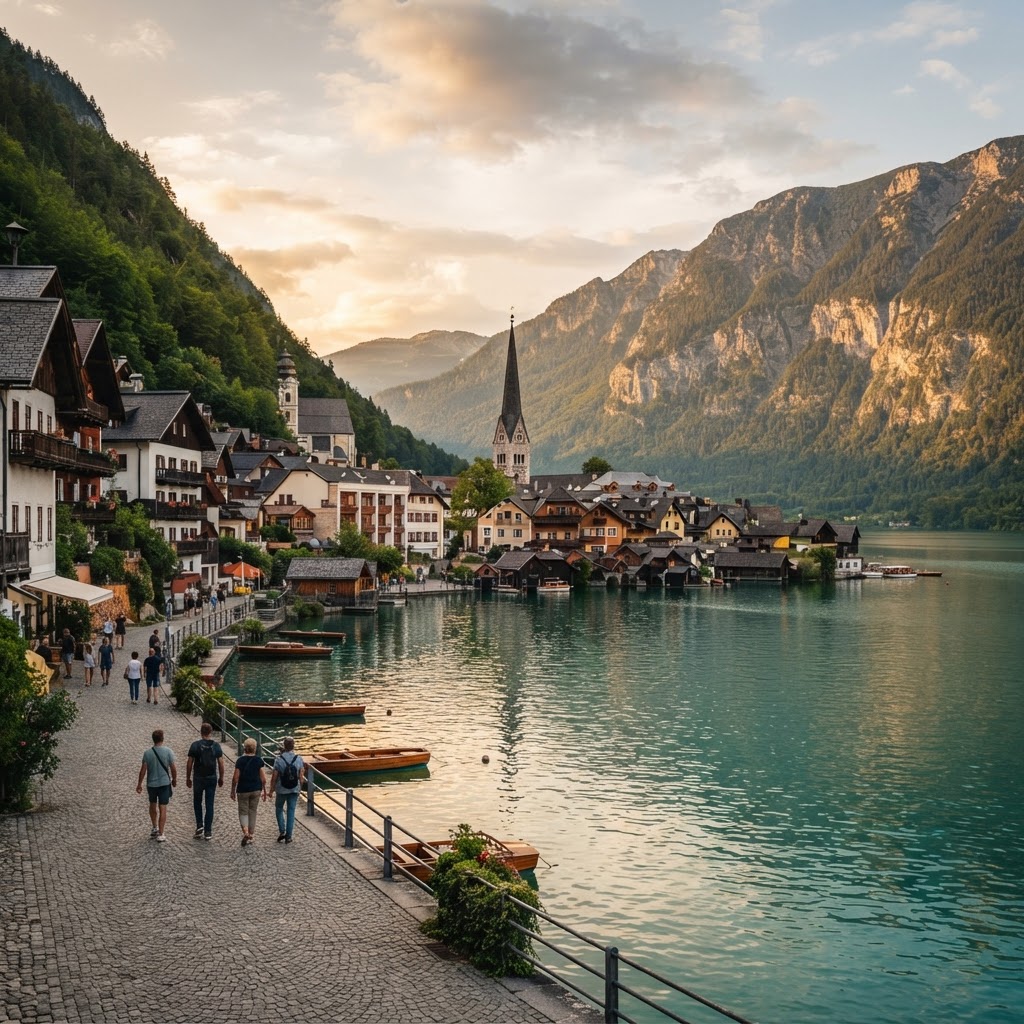
Salzkammergut, Austria
Austria
Turquoise glacial lakes, Habsburg spa towns, and jagged limestone ridges.
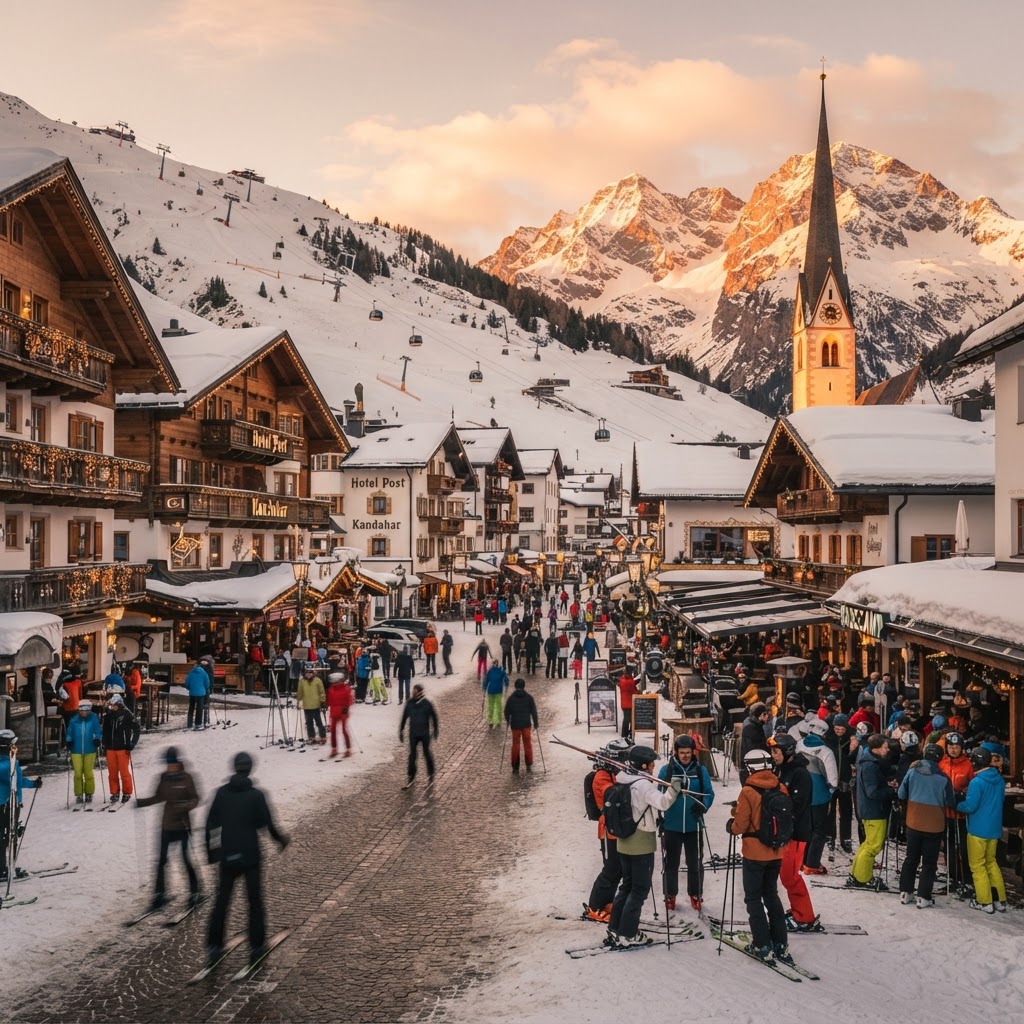
St. Anton am Arlberg
Austria
The cradle of alpine skiing, unmatched off-piste terrain, and Europe's most raucous après-ski.
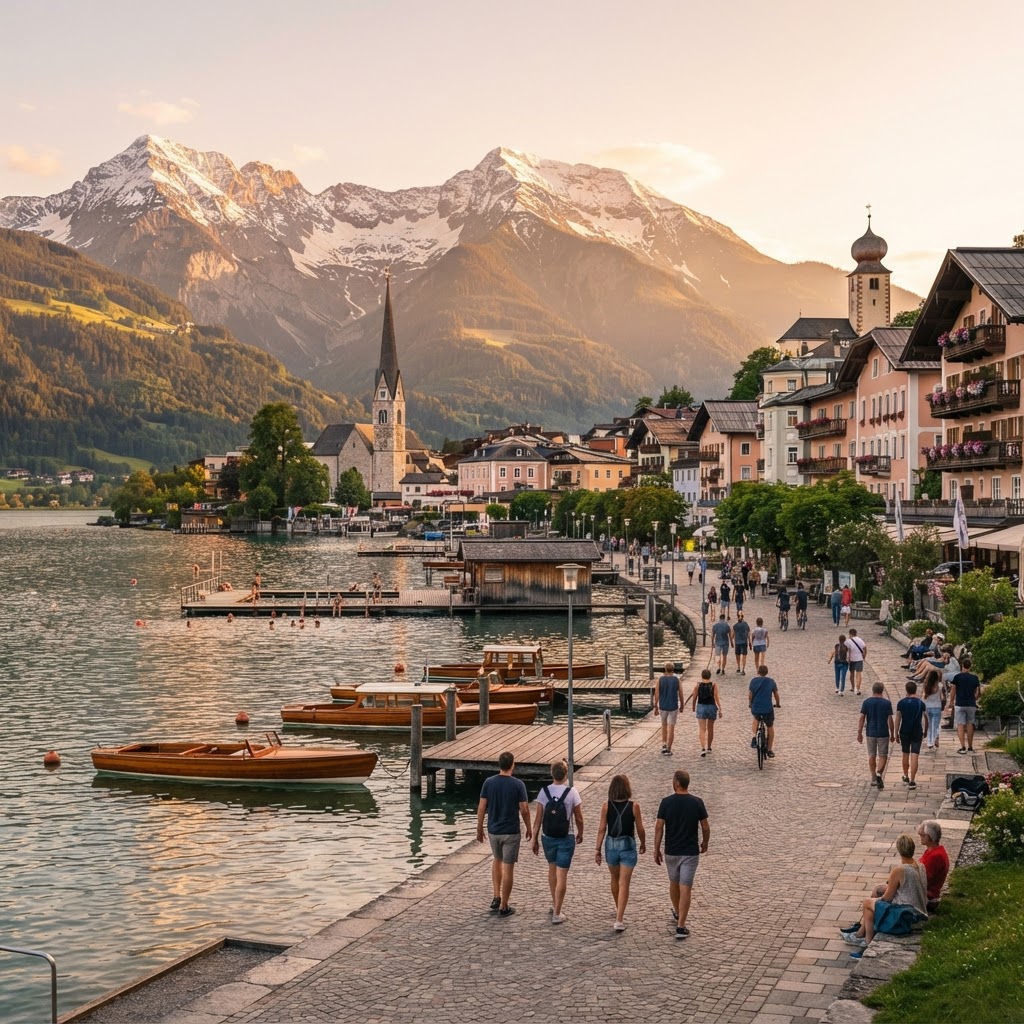
Zell am See, Austria
Austria
A car-free Alpine crossroad where glacial peaks plunge straight into swimming waters.
Readymade itineraries
Start from a tested template — then make it yours.
Ready to book
Lock in your Vienna trip
Everything in one place. We may earn a small commission — it never costs you more.
Plan a trip to Vienna
Pick a length and we'll build a day-by-day plan around how you travel — neighborhoods clustered, budget-aware, and editable.
Get better at planning trips like this
Occasional notes on planning smarter — no spam, unsubscribe anytime.
Plan a trip to Vienna
Turn this guide into a day-by-day plan built around your pace, your group, and your budget.
Build my Vienna trip