
Iceland
Reykjavik Itinerary: How Many Days + Sample Plans
Reykjavik is a small capital at the edge of the Arctic — design, geothermal pools, and a gateway to waterfalls, geysers, and glaciers.
Traveler rating
Loved by nature.
Plan & book
Sort your Reykjavik trip in one place.
We point you to the booking tools we'd actually use — live prices, no markup. Or let us build the day-by-day plan around you first, then book.
Pick your trip length
How many days do you need in Reykjavik?
Each of these opens a full day-by-day plan you can make your own.
- 2 days — Two days — the essentials, no rushing.
- 3 days — Three days — the icons plus one neighborhood.
- 4 days — Four days — a full city without sprinting.
- 5 days — Five days — room for a day trip.
- 7 days — A week — the city at a human pace.
- With Kids trip — Shorter days, earlier dinners, what to skip.
- For Couples trip — Two-person pacing with evenings built in.
- Solo trip — A plan that works well on your own.
- Food trip — Meals and markets as the anchors.
- Outdoors trip — Nature, walks and open air.
- Culture trip — History, museums and the streets around them.
Reykjavik is one of Europe's smallest, most distinctive capitals — a design-forward city of 130,000 on a bay, with colorful rooftops, geothermal pools, and a culture that runs on coffee and the long summer light (or the long winter dark).
It's the gateway to everything that makes Iceland Iceland: the Golden Circle's geysers and waterfalls, the South Coast's black-sand beaches, glacier lagoons, and the Blue Lagoon. Most travelers use Reykjavik as a base and drive the ring road or the south in a week.
It's expensive — Iceland is one of the priciest countries in the world — but the landscape is free, and the light, the silence, and the space are the point. Chase the Northern Lights from October to March; chase the midnight sun from June.
4–7 days
Best time
June–August for midnight sun; September–March for Northern Lights
Budget
ISK 30,000–60,000 per person per day at mid-range. Iceland is one of the world's most expensive countries.
Build your own trip with these prebuilt itineraries
Each one is a tested, day-by-day plan for Reykjavik — start here, then make it yours.
3 Days in Reykjavik for First-Time Visitors
3 days in reykjavik first time
4 Days in Reykjavik with the Golden Circle
reykjavik golden circle itinerary
5 Days from Reykjavik: South Coast & Ring Road
iceland south coast ring road 5 days
3 Days in Reykjavik for Northern Lights (Winter)
reykjavik northern lights winter itinerary
Reykjavik pairs Nordic design, innovative dining, and a deep-seated public bathing culture with immediate access to raw subarctic wilderness. You can start the morning drinking third-wave roastery coffee beside timber clad houses, spend midday walking between tectonic plates at Thingvellir, and end the evening soaking in naturally heated outdoor pools beneath the aurora or the midnight sun.
Where to stay
Getting there
Getting around
Food & drink
What it costs
Things to do
Book tours & tickets in ReykjavikSkip it if
Skip treating Reykjavik as a prolonged standalone city destination if you crave massive art metropolises, ornate historic palaces, or budget-friendly street life—Reykjavik is small, and its true power is unlocked when tethered to outdoor Icelandic excursions.
When to go
Two completely different trips. Summer has 24-hour light and green; winter has darkness, auroras, and ice caves. Both are magical.
Summer (Jun–Aug)
Midnight sun, green, and all roads open. The classic Iceland trip.
Aurora season (Sep–Mar)
Long nights and Northern Lights; ice caves open in deep winter.
Shoulder (May, Sep)
Fewer crowds and a mix of light; changeable weather.
Neighborhoods
Where you stay shapes the trip. Here's how to think about it.
Central Reykjavik (Miðborg)
The walkable center — Laugavegur shopping street, Hallgrímskirkja church, and the old harbor. Stay here.
Best for:First-timers, everyone
Don't miss:The view from Hallgrímskirkja tower and the old harbor at dusk.
Old Harbor (Grandi)
The old fishing harbor turned food-and-design district — whale-watching boats, bakeries, and microbreweries.
Best for:Food, returning visitors
Don't miss:A hot dog from Bæjarins Beztu (the famous one) and a microbrew.
Vesturbær & Laugardalur
Residential neighborhoods with the city's best geothermal pools — the local ritual.
Best for:Returning visitors, wellness
Don't miss:An evening soak at Laugardalslaug or Vesturbæjarlaug.
The Golden Circle (day trip)
Not Reykjavik, but the essential day trip — Þingvellir, Geysir, and Gullfoss waterfall, in a loop.
Best for:Day trip, everyone
Don't miss:Gullfoss in spray and Geysir erupting.
The South Coast (road trip)
The classic extension — Seljalandsfoss, the black sand at Reynisfjara, and the Jökulsárlón glacier lagoon.
Best for:Road trip, nature
Don't miss:Icebergs on the black sand at Jökulsárlón.
Money & essentials
Currency
Icelandic króna (ISK). Cards everywhere; cash almost unnecessary.
Language
Icelandic. English is universal and fluent.
Safety
Very safe. The risks are the weather (it changes fast), the sea (sneaker waves on black-sand beaches), and the roads in winter.
Budget range
ISK 30,000–60,000 per person per day at mid-range. Iceland is one of the world's most expensive countries.
Tipping
Not expected — service is included.
Destination intelligence
Updated 10/6/2026The structured record we plan every Reykjavik itinerary from.
Airports
KEF, RKV
Peak season
June–August
Shoulder season
May, September
Low season
October–April
How to plan it
- Rent a car and do the Golden Circle and South Coast yourself — it's the freedom that makes Iceland.
- Check the weather and road conditions daily — Iceland's weather changes by the hour.
- Chase auroras, don't book them — use an aurora forecast app and go when the sky is clear, October–March.
- Pack layers and a wind/waterproof shell; the wind is the real weather.
- Soak in a local geothermal pool (not just the Blue Lagoon) — it's how Icelanders actually live.
Questions
More in Iceland
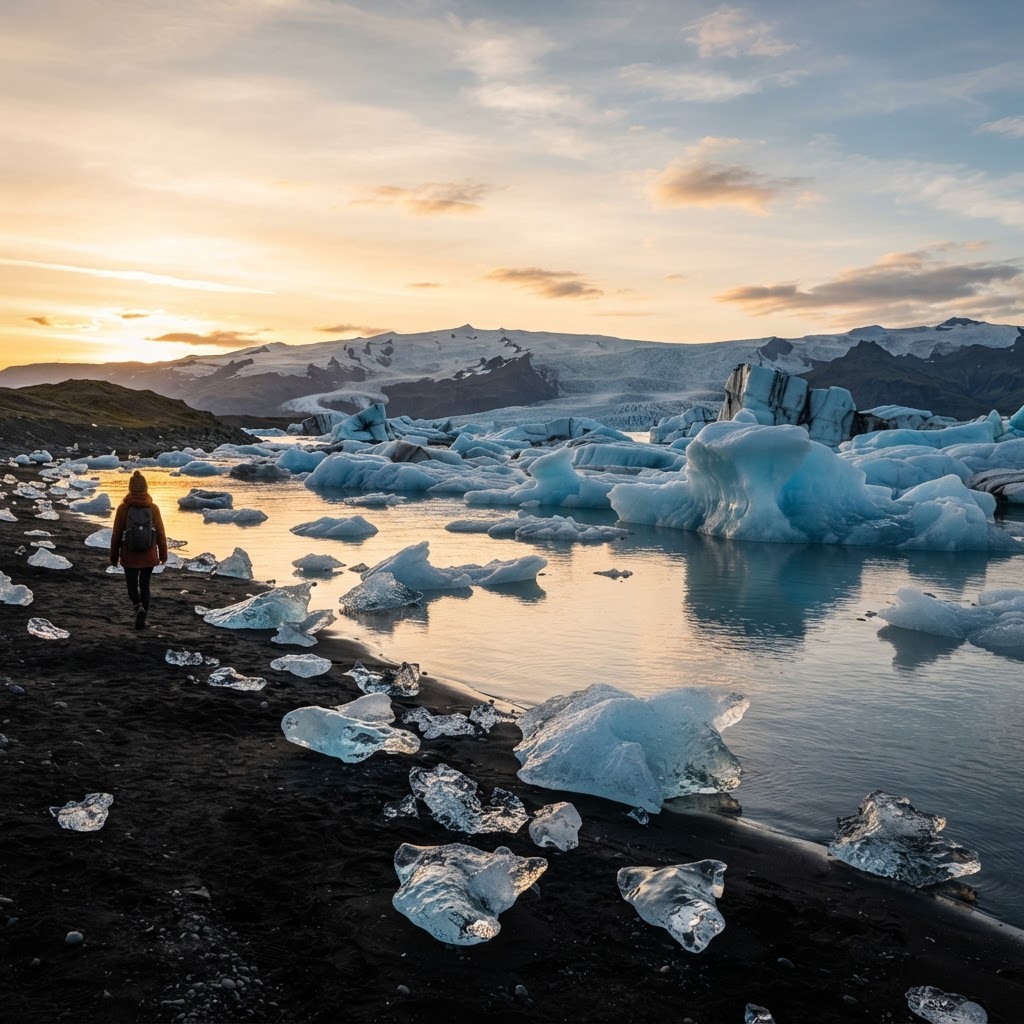
Jökulsárlón, Iceland
Iceland
Drifting blue icebergs, volcanic black sands, and silent glacial tides.
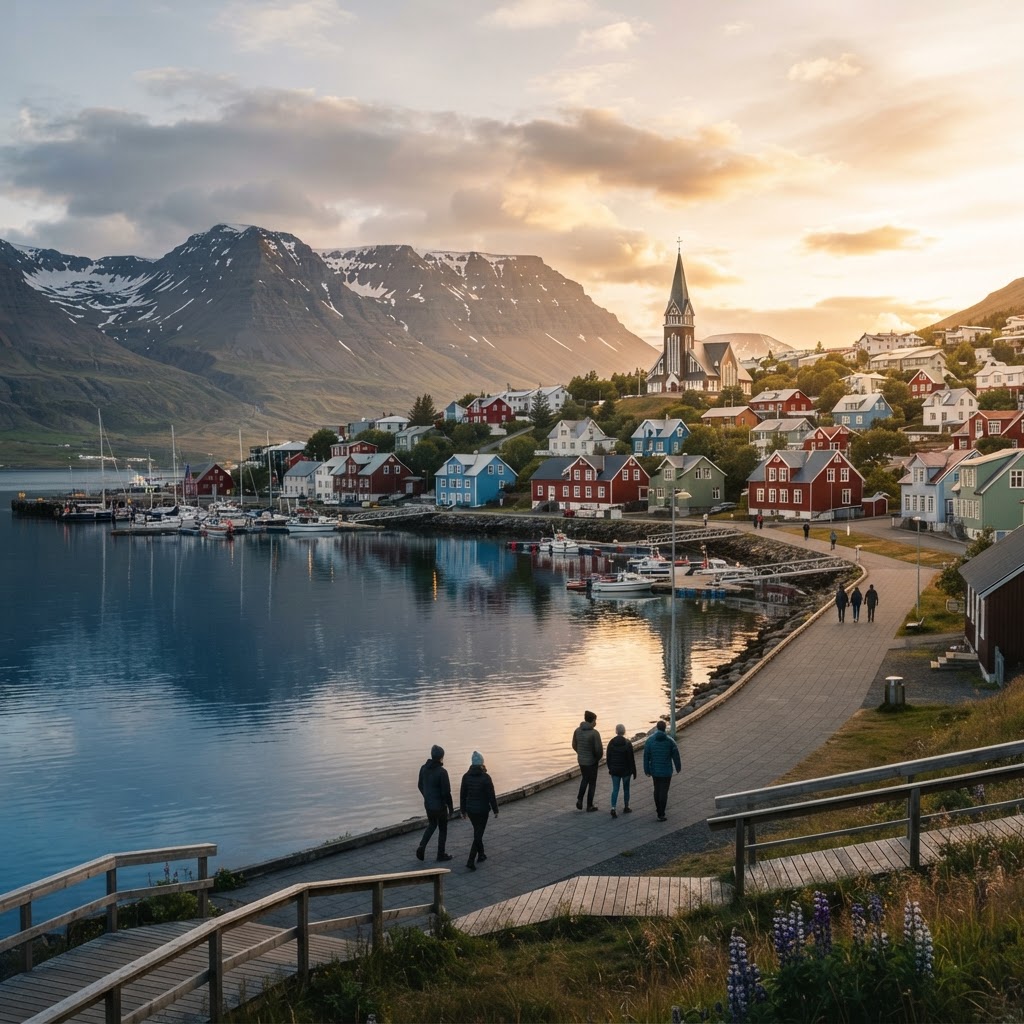
Akureyri, Iceland
Iceland
The low-stress fjord capital anchoring North Iceland's volcanic Diamond Circle.
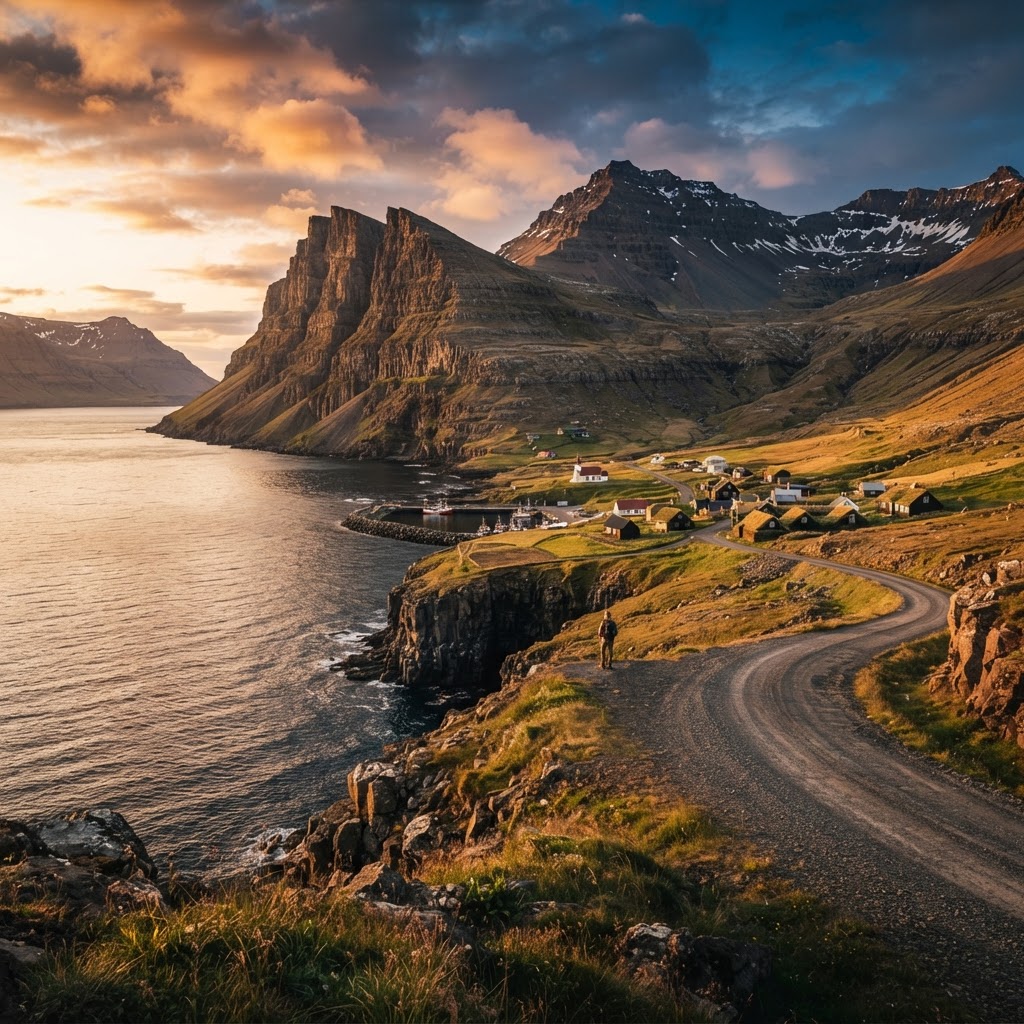
Westfjords, Iceland
Iceland
Raw, cliff-carved coastline and solitary fjords far beyond the Ring Road circuit.
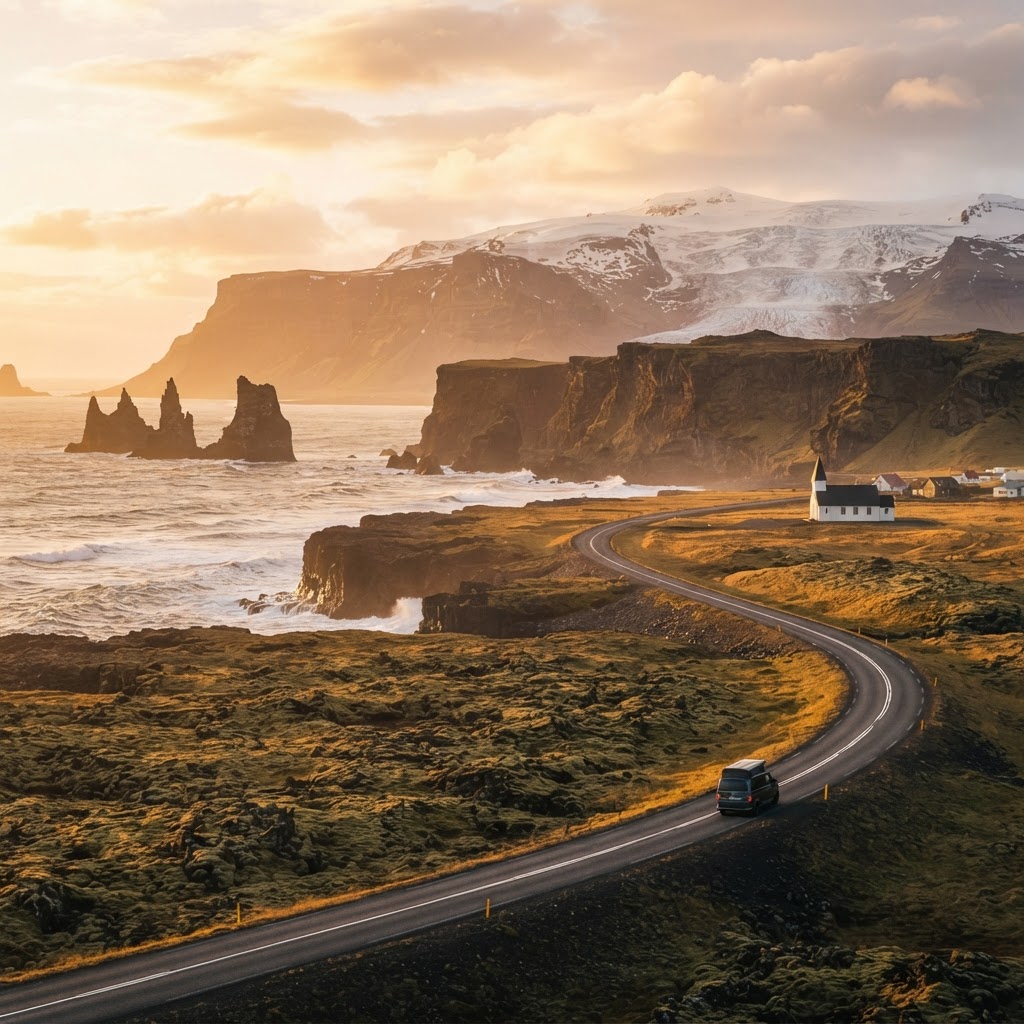
Snæfellsnes Peninsula
Iceland
Basalt cliffs, glacial crowns, and desolate lava fields condensed into a single coastal loop.
Readymade itineraries
Start from a tested template — then make it yours.
Ready to book
Lock in your Reykjavik trip
Everything in one place. We may earn a small commission — it never costs you more.
Plan a trip to Reykjavik
Pick a length and we'll build a day-by-day plan around how you travel — neighborhoods clustered, budget-aware, and editable.
Get better at planning trips like this
Occasional notes on planning smarter — no spam, unsubscribe anytime.
Plan a trip to Reykjavik
Turn this guide into a day-by-day plan built around your pace, your group, and your budget.
Build my Reykjavik trip