Iceland
Jökulsárlón, Iceland
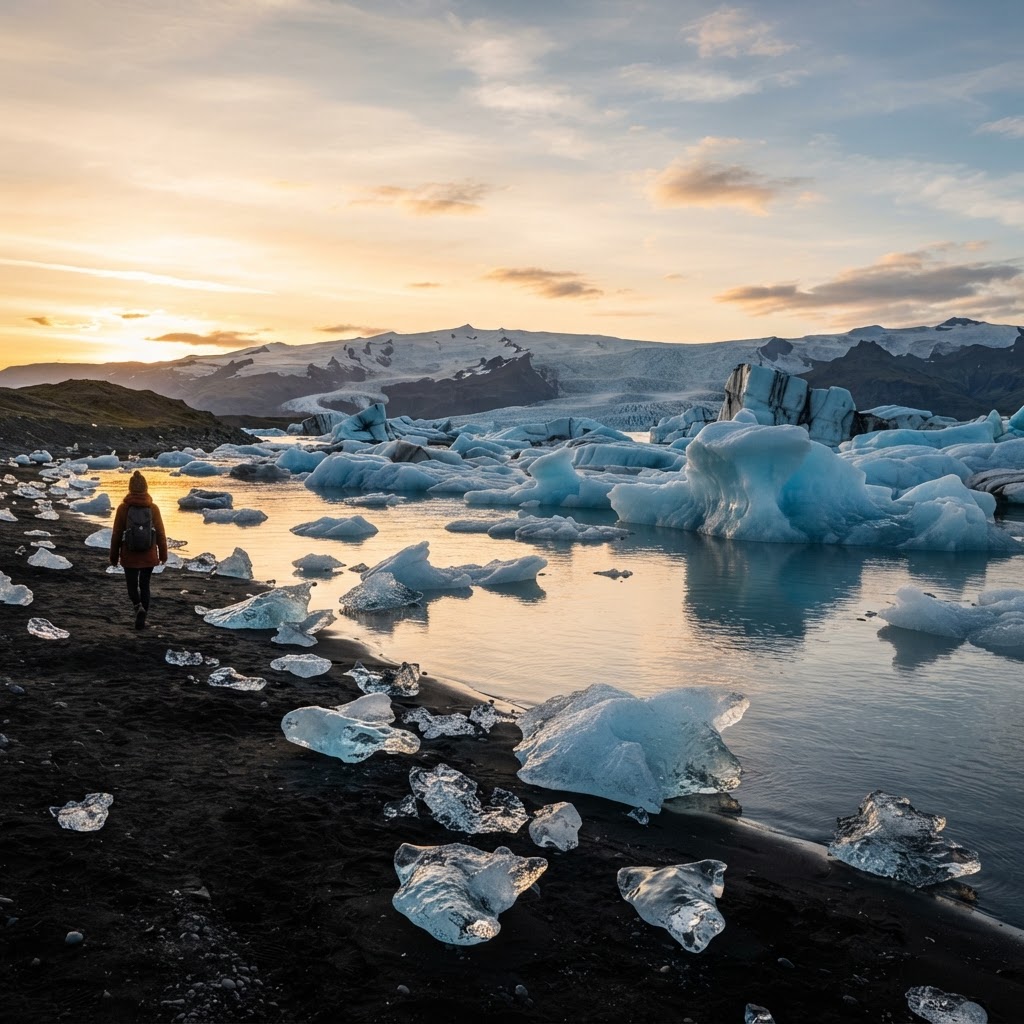
Drifting blue icebergs, volcanic black sands, and silent glacial tides.
Plan & book
Sort your Jökulsárlón, Iceland trip in one place.
We point you to the booking tools we'd actually use — live prices, no markup. Or let us build the day-by-day plan around you first, then book.
Set along the southeastern bend of Route 1 at the foot of Breiðamerkurjökull, Jökulsárlón is Iceland’s deepest glacier lagoon and an ever-evolving theater of luminous blue bergs calving directly from the Vatnajökull ice cap. Rather than a self-contained town, it functions as a dramatic natural outpost where ice drifts through a tidal waterway into the North Atlantic, washing ashore at Diamond Beach. It demands thoughtful staging: driving here from Reykjavík is a 380-kilometer commitment each way, making overnight planning around Skaftafell or Höfn essential.
How long
2 days (including surrounding glacial reserves)
Best time
Mid-May to mid-June, or September for clear roads, operating Zodiac tours, and manageable crowds.
Build your own trip with these prebuilt itineraries
Each one is a tested, day-by-day plan for Jökulsárlón, Iceland — start here, then make it yours.
3 Days in Jökulsárlón: Vatnajökull Wilderness & Ice Expeditions in Jökulsárlón
Deep glacial adventure combining lagoon exploration with subglacial blue ice cave tours, Skaftafell glacier hiking, and remote wilderness trails
2 Days in Jökulsárlón: Glacial Highlights & Diamond Beach in Jökulsárlón
Essential South Coast stopover featuring Zodiac lagoon cruising, Diamond Beach iceberg spotting at low and high tides, and seal watching
1 Day in Jökulsárlón: Fast-Paced Photographer's Chase in Jökulsárlón
Intense dawn-to-dusk landscape photography circuit focused on changing tidal ice formations, black sand contrast, and golden hour lighting
To watch electric-blue, thousand-year-old ice calve from Breiðamerkurjökull and drift through a narrow sea mouth before stranding onto pitch-black basalt sands at Diamond Beach (Breiðamerkursandur). Its dynamic tidal landscape looks completely different every few hours, and during winter it offers a backdrop for viewing natural subglacial ice caves beneath Vatnajökull.
Where to stay
Getting there
Getting around
Food & drink
What it costs
Things to do
Book tours & tickets in Jökulsárlón, IcelandSkip it if
Travelers with fewer than 3 total days in Iceland should skip driving to Jökulsárlón; rushing out and back leaves zero time for the Golden Circle or south coast waterfalls. Families traveling with infants who cannot manage long vehicular journeys or cold, exposed arctic shorelines may find the transit-to-payoff ratio poor.
When to go
Summer offers 20+ hours of daylight and full boat access, but brings relentless tour buses and booked-out coastal hotels. Mid-May through June cuts down on the midday surge, while September pairs calmer waters with the first return of dark skies for Northern Lights reflections.
Peak (June–August)
Maximum daylight and warmest temps (9°C–14°C), with Zodiac and amphibian tours running all day. Expect heavy midday crowds around the parking lot and book roadside lodging 4 to 6 months ahead.
Shoulder (May & September–October)
A prime window for photographers. Boat tours operate through October, the highway is generally clear of ice, and September introduces dark night skies without deep-winter road closures.
Low (November–April)
Lagoon boat tours shut down, but natural subglacial ice cave tours inside Vatnajökull open up. Route 1 requires a 4WD, winter driving vigilance, and constant monitoring of the Vedur and Road.is alerts.
Destination intelligence
Updated 9/14/2026The structured record we plan every Jökulsárlón, Iceland itinerary from.
Walkability
Low overall. Requires a vehicle to reach, though the immediate lagoon rims and black sands are explored comfortably on foot via dirt and stone paths.
Transit quality
Poor. There is no municipal public transit; travel is restricted to rental cars, pre-booked intercity summer coaches (Strætó lines with sparse schedules), or structured group tours.
Car needed
Yes. A rental car (preferably 4WD from October through April) provides the essential flexibility needed to adapt to changing tides, light, and arctic storms.
Ideal duration
2 days (including surrounding glacial reserves)
Minimum useful
2 to 3 hours (viewpoints and quick boat tour)
Peak season
June through August. Mildest weather, midnight sun for late photography, operating amphibian and Zodiac boat tours, but maximum tour bus crowds and limited hotel availability.
Shoulder season
May and September to October. Fewer tour buses, functioning boat operators in early autumn, manageable driving conditions, and the return of dark skies for Northern Lights spotting.
Low season
November through April. Freezing temperatures, unpredictable snow and ice storms on Route 1, and closed lagoon boat tours, balanced by subglacial ice cave tours and dark skies for aurora photography.
Best for
Common mistakes
- Attempting a round-trip day trip from Reykjavík in a single day, which turns into an exhausting 12-to-14-hour marathon with little time to absorb the scenery
- Climbing or stepping onto floating icebergs on the lagoon shoreline or beach, which presents severe hypothermia and drowning hazards due to hidden balance tipping and undertows
- Skipping the western side of the river outlet at Diamond Beach, where tides frequently push larger ice deposits ashore depending on current wind directions
- Failing to pre-book summer Zodiac boat rides or winter ice cave tours weeks in advance
- Underestimating coastal gale-force winds and opening car doors into prevailing blasts without holding them securely
Best nearby
How to plan it
- Book your lodging around Hali, Skaftafell, or Höfn before locking in any other South Coast reservations; room availability here dictates your entire route.
- Cross under Route 1 to Diamond Beach during low tide or just after sunrise to see the dense field of sculpted bergs washed onto the black basalt sand.
- Pair Jökulsárlón with the quieter Fjallsárlón lagoon 10 minutes west to experience floating icebergs without large bus tour crowds.
- If traveling between November and March, schedule a morning Vatnajökull ice-caving expedition that departs directly from the Jökulsárlón base camp parking lot.
- Do not pass the fuel stations in Kirkjubæjarklaustur or Vík without a full tank; there is no fuel sold at Jökulsárlón itself.
Questions
More in Iceland
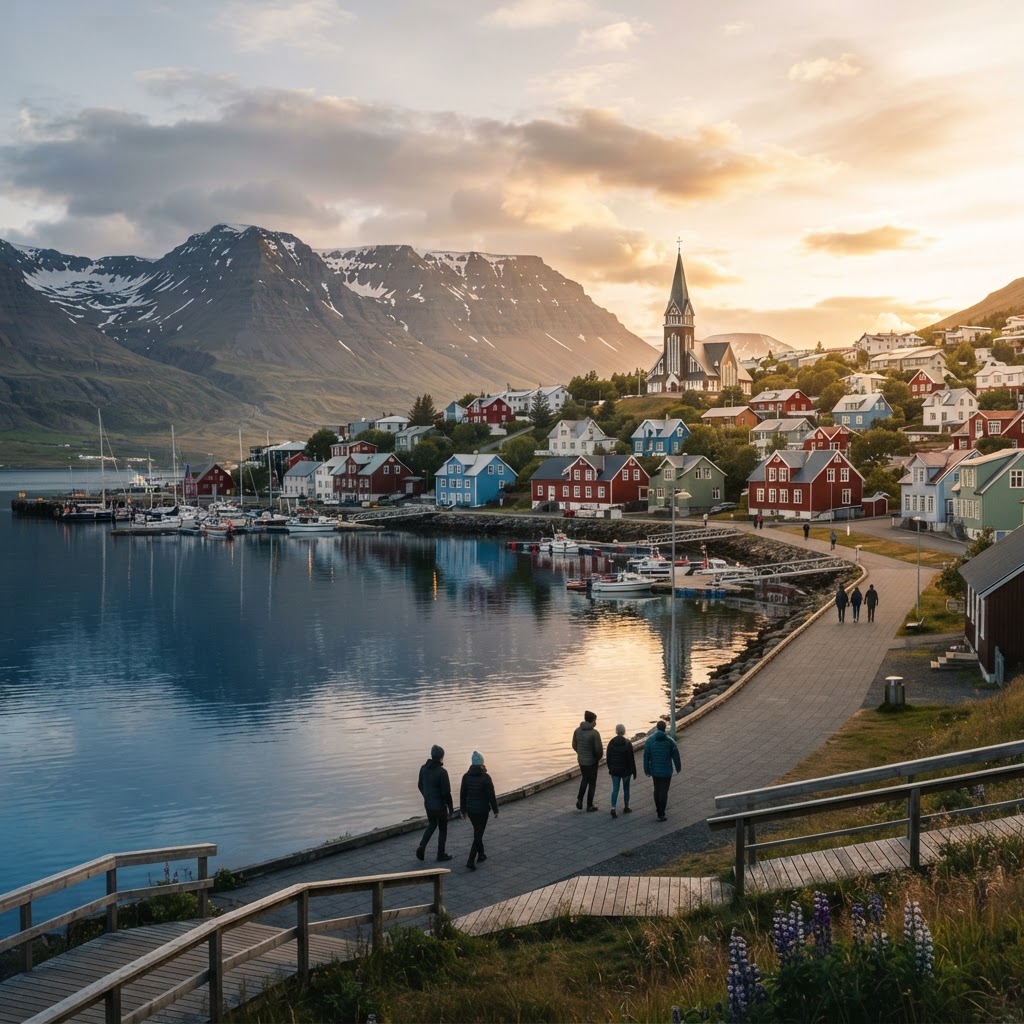
Akureyri, Iceland
Iceland
The low-stress fjord capital anchoring North Iceland's volcanic Diamond Circle.
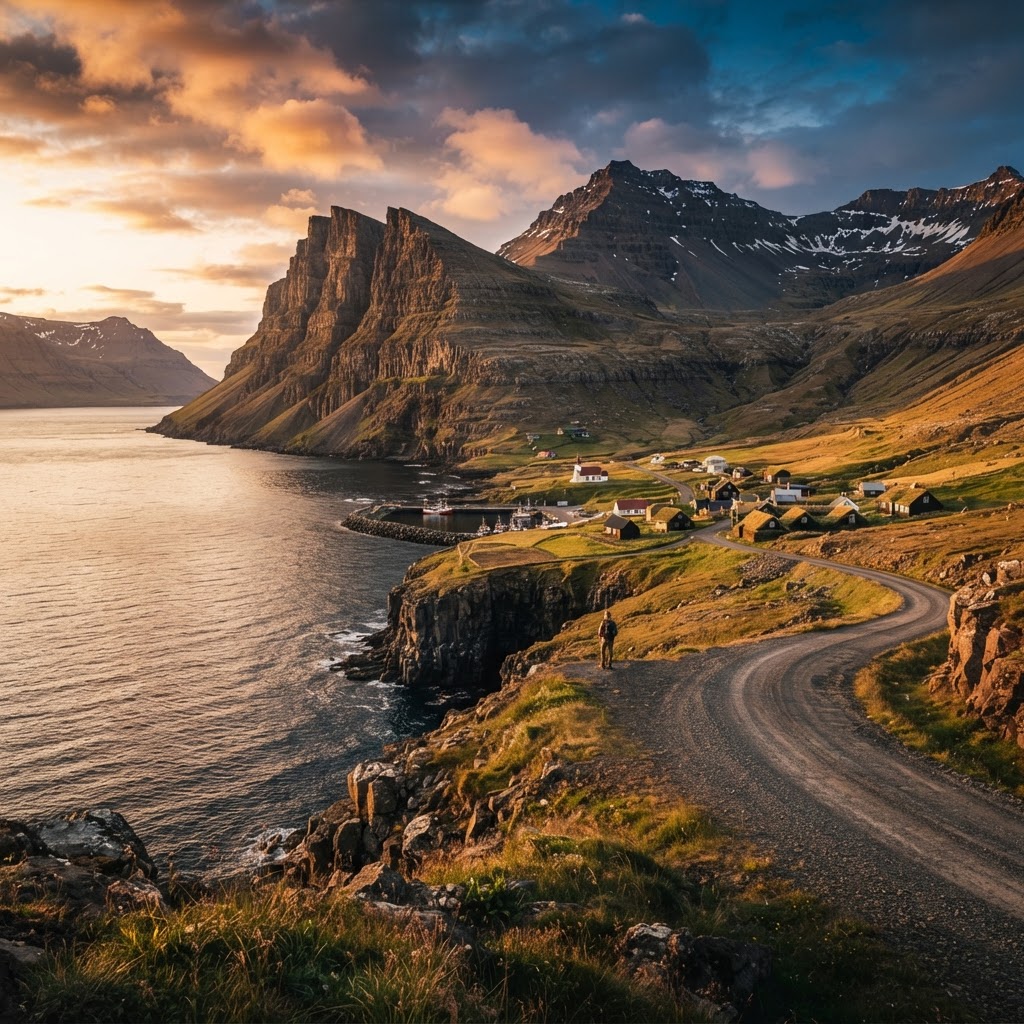
Westfjords, Iceland
Iceland
Raw, cliff-carved coastline and solitary fjords far beyond the Ring Road circuit.
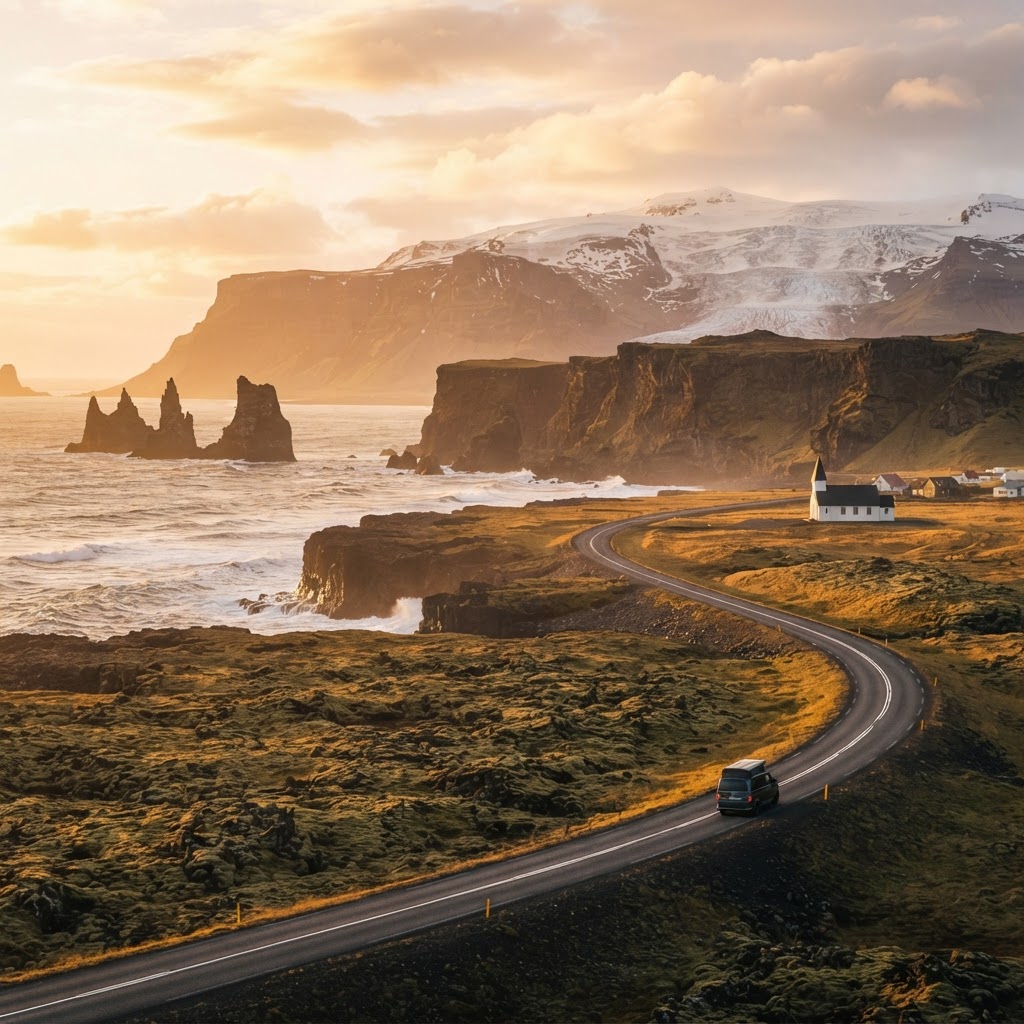
Snæfellsnes Peninsula
Iceland
Basalt cliffs, glacial crowns, and desolate lava fields condensed into a single coastal loop.
Readymade itineraries
Start from a tested template — then make it yours.
Ready to book
Lock in your Jökulsárlón, Iceland trip
Everything in one place. We may earn a small commission — it never costs you more.
Plan a trip to Jökulsárlón, Iceland
Pick a length and we'll build a day-by-day plan around how you travel — neighborhoods clustered, budget-aware, and editable.
Get better at planning trips like this
Occasional notes on planning smarter — no spam, unsubscribe anytime.
Plan a trip to Jökulsárlón, Iceland
Turn this guide into a day-by-day plan built around your pace, your group, and your budget.
Build my Jökulsárlón, Iceland trip