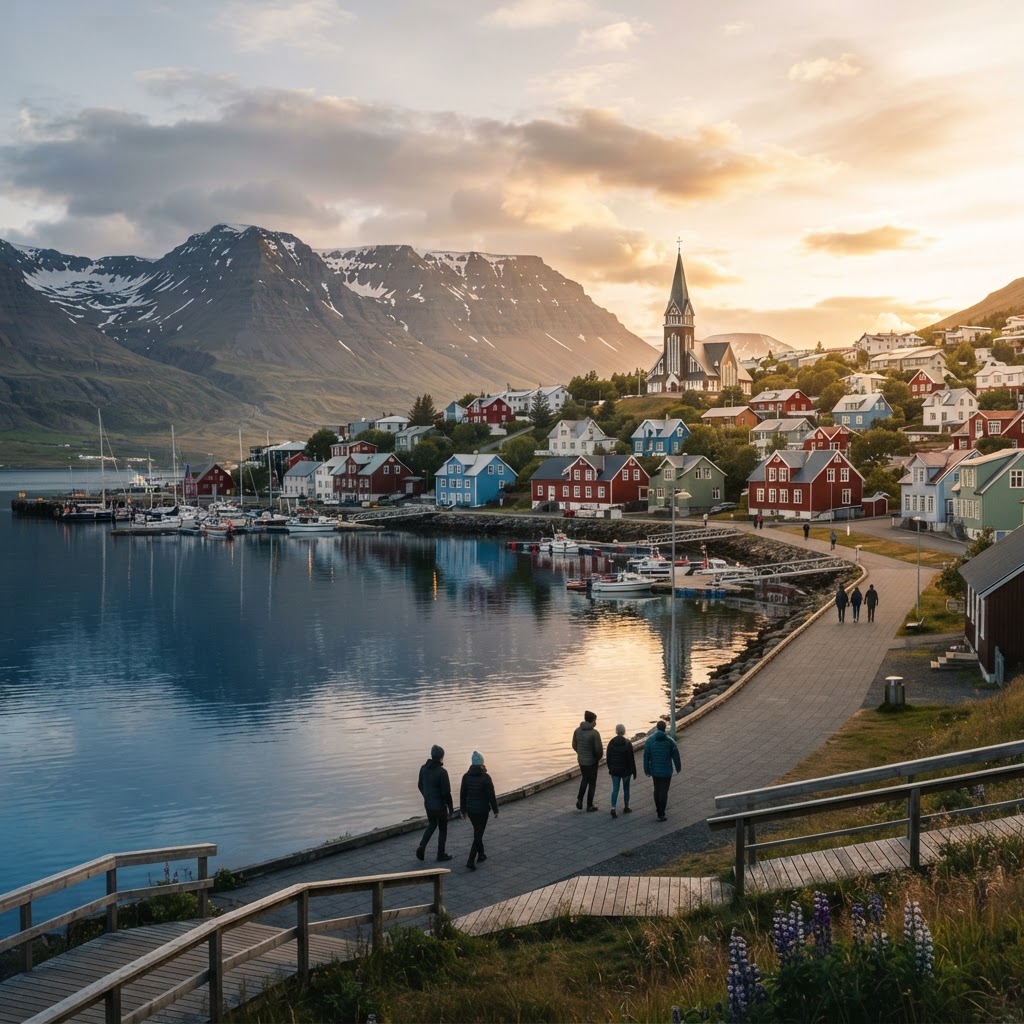
Iceland
Akureyri, Iceland
The low-stress fjord capital anchoring North Iceland's volcanic Diamond Circle.
Plan & book
Sort your Akureyri, Iceland trip in one place.
We point you to the booking tools we'd actually use — live prices, no markup. Or let us build the day-by-day plan around you first, then book.
Akureyri sits at the head of Eyjafjordur, Iceland's longest fjord, offering a rare balance: genuine urban amenities—bistros, microbreweries, and geothermal pools—without the crushing tour-bus congestion of the Golden Circle. With fewer than 20,000 residents, it functions as the cultural capital of the north and the ultimate staging ground for exploring Goðafoss, Lake Myvatn, and Husavik.
3 to 4 days
Best time
September delivers the absolute best compromise of open roads, crisp hiking, active northern lights, and manageable crowds.
Build your own trip with these prebuilt itineraries
Each one is a tested, day-by-day plan for Akureyri, Iceland — start here, then make it yours.
4 Days in Akureyri: Winter Lights & Alpine Adventures in Akureyri
Active winter road trip combining Hlidarfjall slopes, northern lights hunting, and snow-draped volcanic landscapes
2 Days in Akureyri: Walkable Culture & Geothermal Wellness in Akureyri
Car-free, relaxed city break focusing on walkable historic streets, local botanical gardens, geothermal pools, and coastal spas
3 Days in Akureyri: North Iceland Highlights in Akureyri
First-timer highlights balancing town culture, whale watching, and iconic day trips to Godafoss and Lake Myvatn
Go because it delivers dramatic North Iceland landscapes—smoking fumaroles, frozen waterfalls, and fjord-dwelling humpbacks—paired with a walkable, civilized town to return to each evening. It bypasses the frenetic pace of Reykjavik and provides seamless access to skiing at Hlidarfjall in winter and midnight sun explorations of the Diamond Circle in summer.
Where to stay
Getting there
Getting around
Food & drink
What it costs
Things to do
Book tours & tickets in Akureyri, IcelandSkip it if
Skip it if your total Iceland trip is four days or fewer; the domestic transfer or 10 hours of round-trip driving eats too much valuable sightseeing time from the Capital and South Coast.
When to go
Summer offers 24 hours of light and clear highland access, but brings peak rental car rates and heavy cruise traffic. Mid-winter is dark and frigid—ideal for Hlidarfjall skiing and auroras, but plagued by icy roads and sudden mountain pass closures.
Peak (Mid-June to August)
Endless daylight and fully accessible mountain roads, but accommodation books up months ahead and popular waterfalls get busy.
Shoulder (May & September to October)
September brings vibrant autumn foliage in Hamrar, returning dark skies for auroras, and lower prices, though late May can still see rogue snowstorms.
Low (November to April)
Cold, snow-heavy months offering reliable aurora viewing and Hlidarfjall downhill skiing, though daylight shrinks to 4-5 hours in December and driving requires winter confidence.
Neighborhoods
Where you stay shapes the trip. Here's how to think about it.
Midbaer (Downtown)
Compact pedestrian strip with colorful corrugated-iron storefronts, heart-shaped traffic lights, and lively coffee bars.
Best for:First-timers, dining without a rental car, and travelers prioritizing walkability.
Don't miss:Climbing the architectural stone steps to Akureyrarkirkja before grabbing a lamb pylsa with red cabbage on Hafnarstraeti.
Innbærinn (Old Town)
Historic, wind-protected enclave of preserved 19th-century timber buildings along the harbor shoreline.
Best for:History buffs, quiet-seeking couples, and architectural photographers.
Don't miss:The historic Nonnahus museum and the restored timber architecture lining early settlement street Adalstraeti.
Brekkan
Residential hillside neighborhood overlooking the fjord, leafy and home to the town's premier botanical park.
Best for:Families, pool lovers, and travelers wanting a quiet residential perch close to town amenities.
Don't miss:Akureyri Botanical Garden (Lystigardurinn) and the outdoor waterslides at Sundlaug Akureyrar.
Oddeyri
Working maritime spit transitioning from industrial docks and craft brewing to residential side streets.
Best for:Craft beer fans, budget travelers, and harbor watchers.
Don't miss:Pours of local Kaldi microbrew at nearby taps and early-morning harbor walks along the marina.
Eyjafjordur Countryside
Peaceful agricultural valley flanked by dramatic snow-capped peaks and steaming thermal hillsides.
Best for:Self-drive road-trippers, northern lights chasing, and romantic retreats.
Don't miss:Soaking at the pine-fringed Forest Lagoon (Skogarbodin) across the fjord.
Destination intelligence
Updated 9/14/2026The structured record we plan every Akureyri, Iceland itinerary from.
Walkability
High downtown; central Hafnarstraeti and surrounding streets are very compact and easily navigated on foot, though winter conditions demand slip-on traction cleats.
Transit quality
Moderate; the local city bus system is remarkably reliable and completely free, though reaching regional nature reserves requires organized excursions or private vehicle rental.
Car needed
Optional within town limits, but strongly recommended if you intend to explore Lake Myvatn, Godafoss, and the surrounding Tröllaskagi peninsula.
Ideal duration
3 to 4 days
Minimum useful
2 days
Peak season
Mid-June to August (endless daylight, blooming gardens, full boat schedules, busiest road traffic).
Shoulder season
May and September to October (crisp weather, emerging autumn colors or late snow melt, dwindling crowds).
Low season
November to April (darker days, heavy snow, superb northern lights viewing, active ski season at Hlidarfjall).
Best for
Common mistakes
- Treating Akureyri merely as a one-night Ring Road pit stop and missing the Myvatn volcanic basin.
- Forgetting to pre-pay the Vadlaheidagong tunnel toll online within 24 hours when driving east toward Godafoss.
- Underestimating winter mountain pass closures on Route 1 between Reykjavik and Akureyri.
- Relying on public transit to reach the Diamond Circle sights; outside the free municipal town lines, rural buses are sparse.
Best nearby
How to plan it
- Stay in Midbaer if you want to walk to dinner and pubs, but stay along Eyjafjordur countryside if your primary focus is aurora chasing without streetlights.
- Pair your trip with Lake Myvatn and Husavik rather than treating North Iceland merely as a fast overnight stop on a hurried Ring Road lap.
- Do not attempt to drive the complete Diamond Circle (Godafoss, Myvatn, Dettifoss, Asbyrgi) in a single winter day; daylight is limited and snowplow schedules dictate travel safety.
- Book your Forest Lagoon slot for an hour before dusk to enjoy daylight views of the fjord before soaking under twilight or night skies.
- Skip paying for private downtown transportation; the yellow local Strato buses inside Akureyri limits are entirely free of charge.
Questions
More in Iceland
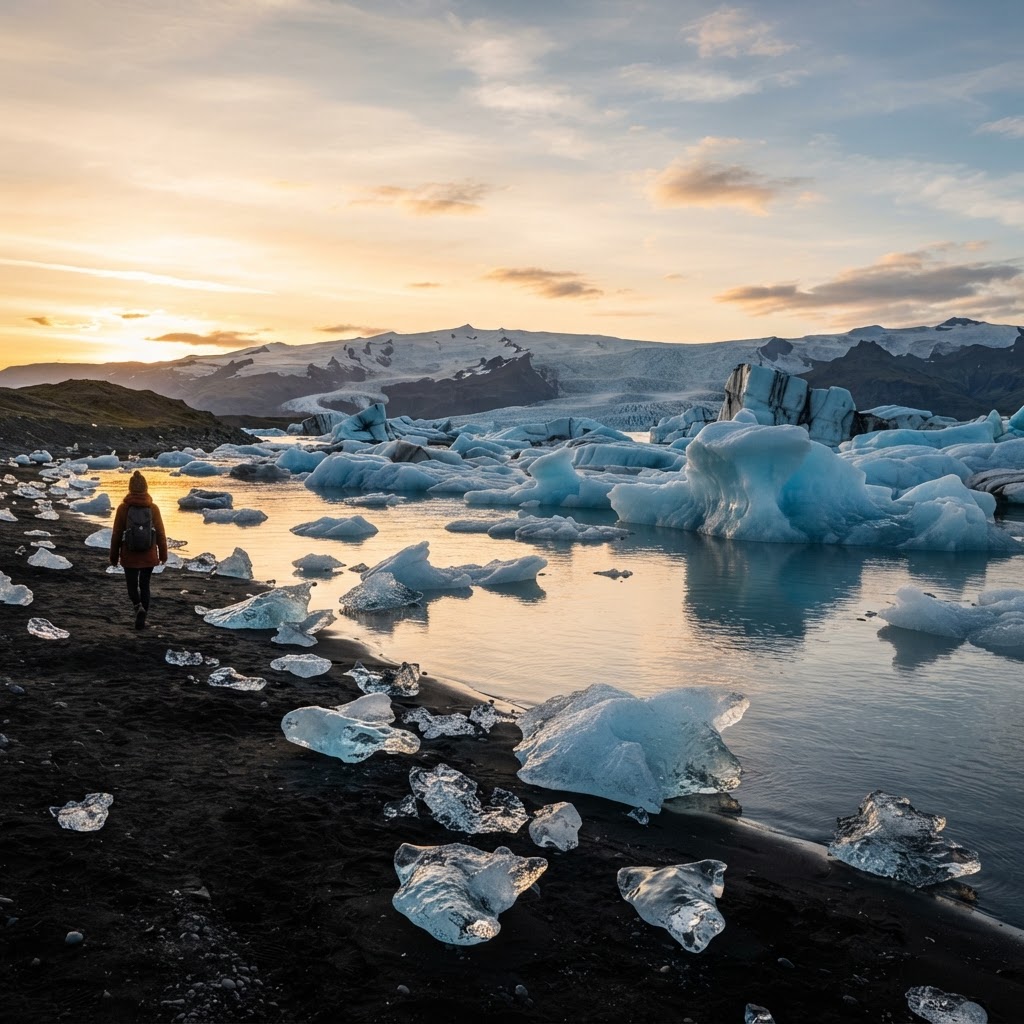
Jökulsárlón, Iceland
Iceland
Drifting blue icebergs, volcanic black sands, and silent glacial tides.
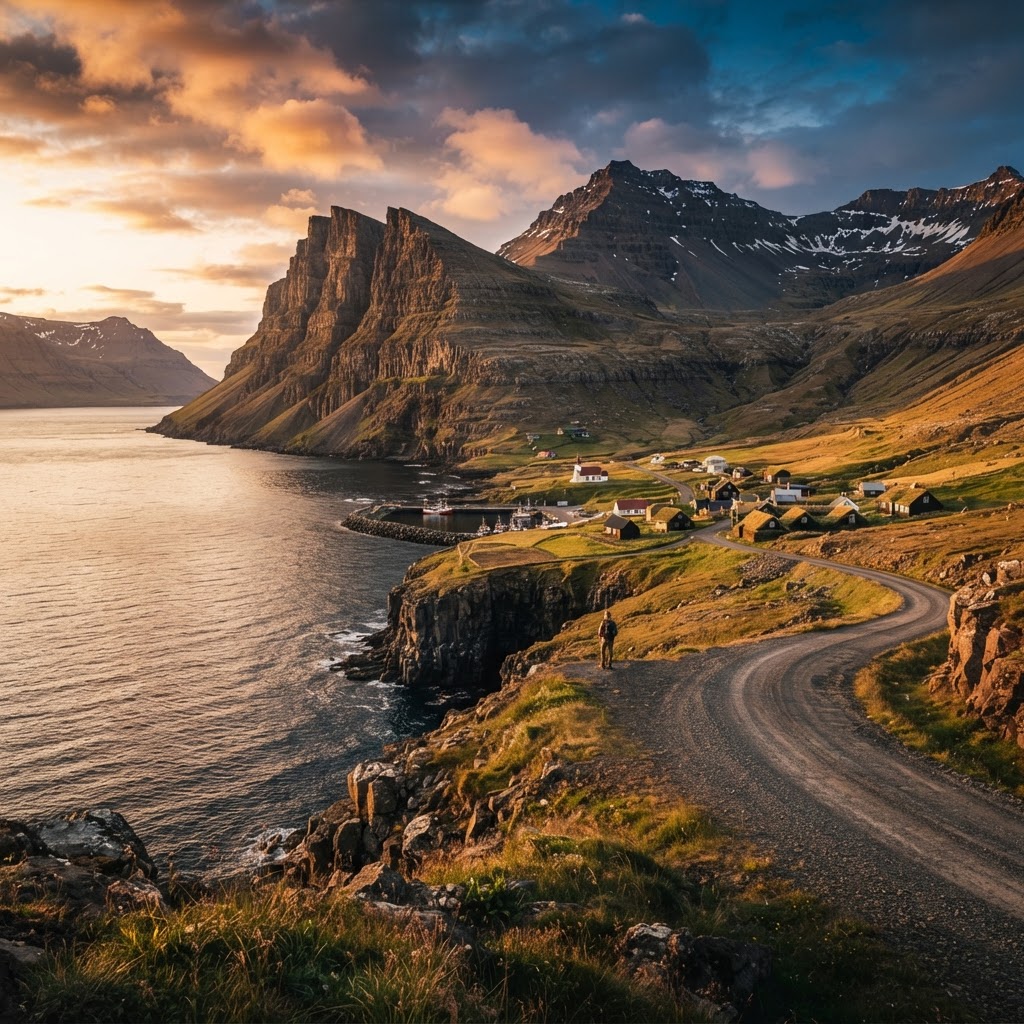
Westfjords, Iceland
Iceland
Raw, cliff-carved coastline and solitary fjords far beyond the Ring Road circuit.
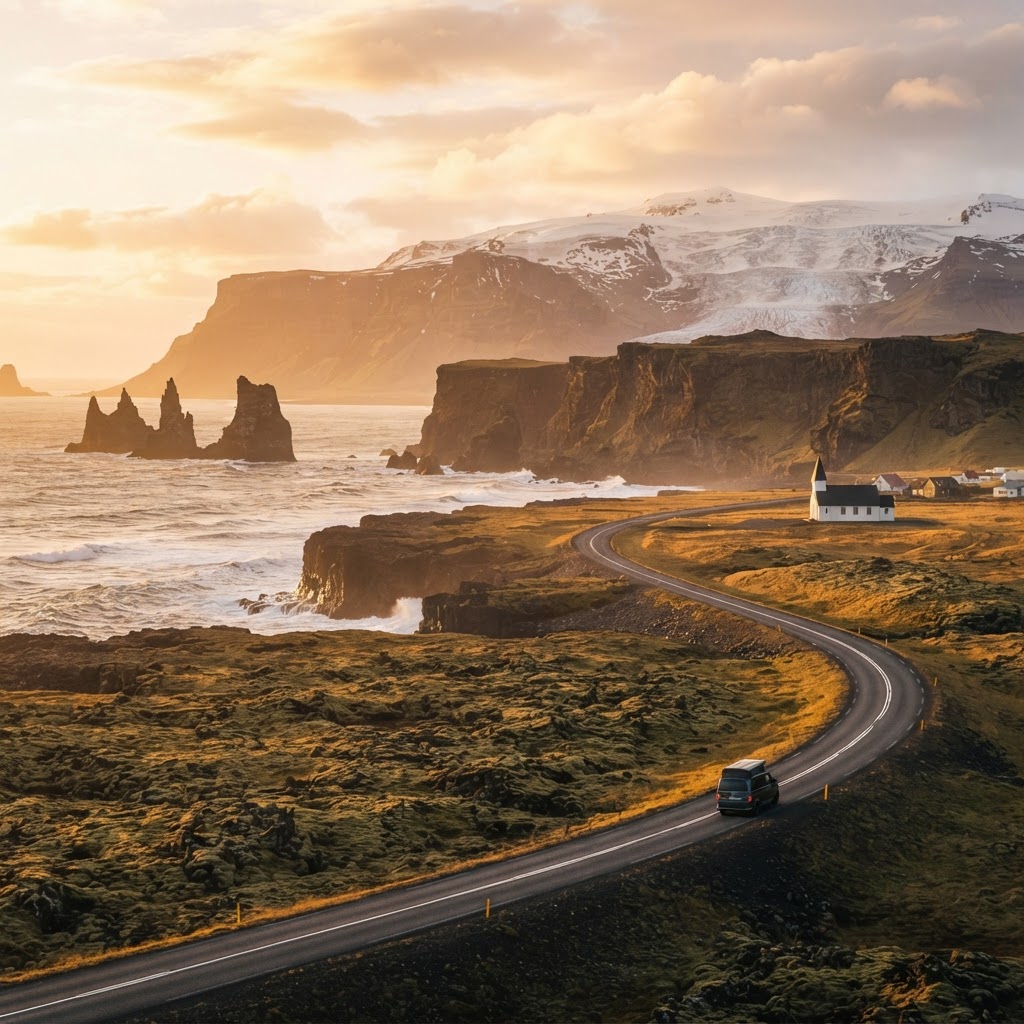
Snæfellsnes Peninsula
Iceland
Basalt cliffs, glacial crowns, and desolate lava fields condensed into a single coastal loop.
Readymade itineraries
Start from a tested template — then make it yours.
Ready to book
Lock in your Akureyri, Iceland trip
Everything in one place. We may earn a small commission — it never costs you more.
Plan a trip to Akureyri, Iceland
Pick a length and we'll build a day-by-day plan around how you travel — neighborhoods clustered, budget-aware, and editable.
Get better at planning trips like this
Occasional notes on planning smarter — no spam, unsubscribe anytime.
Plan a trip to Akureyri, Iceland
Turn this guide into a day-by-day plan built around your pace, your group, and your budget.
Build my Akureyri, Iceland trip