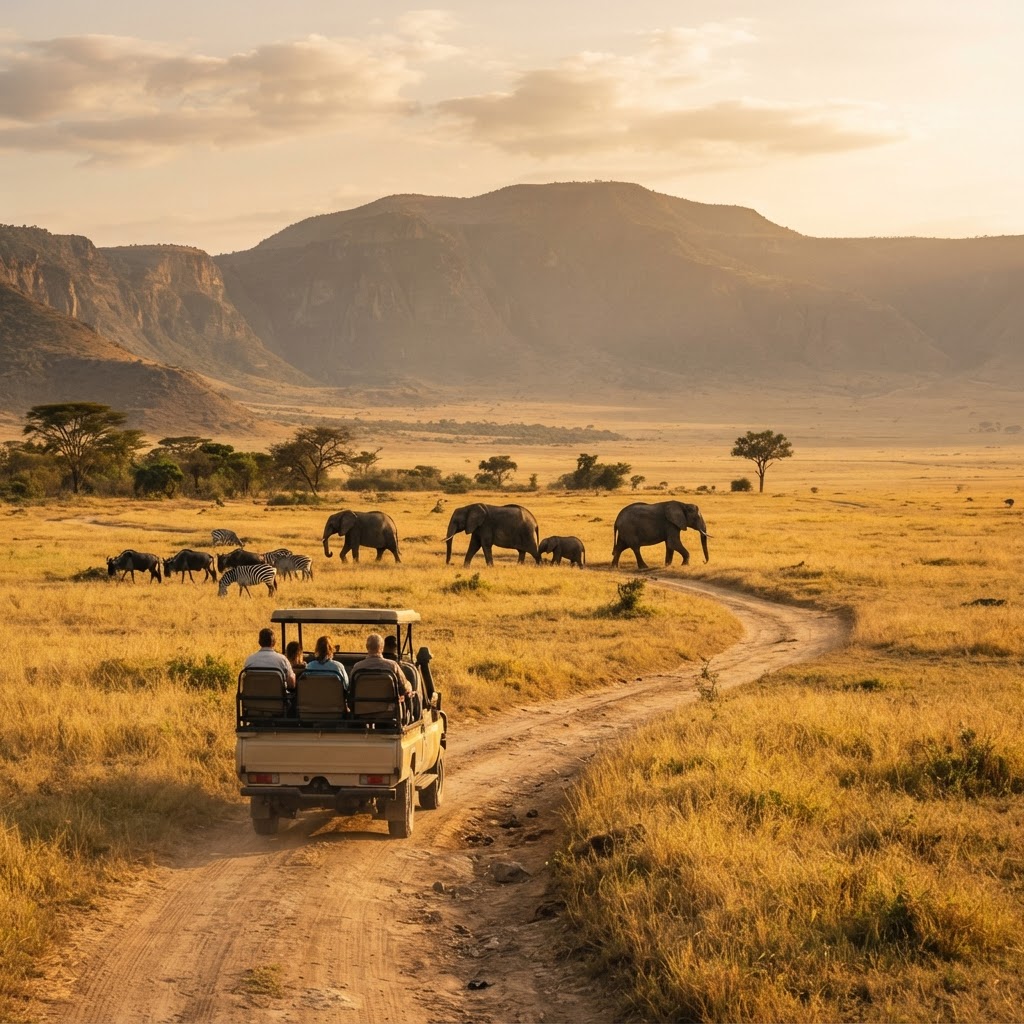
Tanzania
Ngorongoro Crater
The world's highest-density natural amphitheater for Big Five wildlife
Plan & book
Sort your Ngorongoro Crater trip in one place.
We point you to the booking tools we'd actually use — live prices, no markup. Or let us build the day-by-day plan around you first, then book.
Ngorongoro Crater is a collapsed volcanic caldera spanning roughly 260 square kilometers with 600-meter-high walls that naturally fence in roughly 25,000 large mammals. Located inside the wider Ngorongoro Conservation Area in northern Tanzania, it offers one of the most reliable places on earth to view endangered black rhinos, pride lions, tusked elephants, and massive flamingo flocks in a single morning drive. Because the crater floor is a self-contained ecosystem, wildlife does not migrate away in mass numbers, making it a guaranteed high-yield safari stop that requires strict logistical planning around entry permits and gate timings.
2 days
Best time
June to September for easiest wildlife spotting around water sources; late January to February for lush scenery and predator calving action.
Build your own trip with these prebuilt itineraries
Each one is a tested, day-by-day plan for Ngorongoro Crater — start here, then make it yours.
3 Days in Ngorongoro Conservation Area in Ngorongoro Crater
Highlands Exploration, Caldera Rim Walks & Maasai Culture
2 Days in Ngorongoro Crater in Ngorongoro Crater
Classic Safari & Rim Trekking Highlights
1 Day in Ngorongoro Crater in Ngorongoro Crater
Dawn-to-Dusk Crater Floor Safari & Big Five Express
No other safari destination delivers Big Five sightings with this speed and density. The dramatic descent down the mist-shrouded crater wall brings you directly onto a flat grassland plain where interactions between apex predators and dense herds play out openly against a sweeping volcanic amphitheater.
Where to stay
Getting there
Getting around
Food & drink
What it costs
Things to do
Book tours & tickets in Ngorongoro CraterSkip it if
Skip spending multiple nights if you crave open, solitary wilderness without seeing another vehicle; the crater floor is compact and popular sightings inevitably draw vehicle clusters. Choose southern Tanzania (Ruaha or Nyerere) instead for private, uncrowded tracking.
When to go
The dry winter (July to October) offers short grasses and maximum black rhino visibility, but brings freezing rim temperatures and dense vehicle queues around sightings. January and February provide emerald green caldera landscapes, cleaner air, and fewer vehicles on the floor with prime Ndutu calving just next door.
Peak (July–October)
Dry, clear conditions concentrate 25,000 animals near permanent wetlands; high vehicle traffic at lion sightings, premium lodge pricing, and near-freezing dawn temperatures on the rim.
Shoulder / Calving (January–February)
Lush green grass, sensational photography lighting, and manageable crowds; wildebeest calving is peaking in adjacent Ndutu.
Low (April–May)
The 'long rains' make steep caldera access roads slick and tall grass obscures smaller cats, but hotel rates in Karatu plummet and vehicle traffic is at its absolute lowest.
Neighborhoods
Where you stay shapes the trip. Here's how to think about it.
Crater Rim (South & West)
Misty, cliffside luxury perched directly above the caldera floor with teeth-chattering morning cold and instant sunrise gate access.
Best for:First-timers prioritizing a 6:00 AM crater descent, luxury splurges, and panoramic view-seekers.
Don't miss:Watching the early cloud inversion burn off the crater floor from the deck of Ngorongoro Serena or Crater Lodge before the morning descent.
Crater Rim (North & East Highlands)
Wild, wind-whipped highland acacia forests feeling far more remote and untamed than the busy western track.
Best for:Active adventurers, wilderness purists, and travelers booking guided walking treks with Maasai rangers.
Don't miss:A guided walking trek along the rim through the acacia woods near Entamanu camp looking out toward Olmoti Crater.
Karatu Foothills
Verdant coffee farm retreats and lower-elevation village ease just outside the Loduare Gate entry station.
Best for:Value-conscious travelers, families wanting swimming pools, and multi-night stays avoiding NCA conservation fees on rest days.
Don't miss:Touring an operational highland Arabica coffee plantation at Gibb's Farm or Kitela Lodge between safari legs.
Empakaai & Olmoti Caldrons (Highland Outliers)
Isolated volcanic wilderness of steep green calderas, emerald crater lakes, and zero vehicle traffic.
Best for:Hikers, returning safari travelers, and birdwatchers craving solitude away from 4x4 convoys.
Don't miss:The steep foot descent through cloud forest down to the flamingo-ringed soda lake on the floor of Empakaai Crater.
Ndutu Plains (NCA / South Serengeti Border)
Sweeping short-grass plains echoing with predator calls during the southern migration calving corridor.
Best for:Big cat enthusiasts and dry-season or calving-season migration seekers willing to drive two hours west.
Don't miss:Off-road tracking of cheetah coalitions and newborn wildebeest calves across the Lake Ndutu shoreline between January and March.
Destination intelligence
Updated 9/14/2026The structured record we plan every Ngorongoro Crater itinerary from.
Walkability
Zero walkability inside the crater floor due to apex predators and conservation laws; walking is strictly confined to guided rim hikes with armed rangers or lodge grounds.
Transit quality
No public transit exists; logistics rely 100% on pre-booked private 4x4 safari vehicles and light aircraft transfers.
Car needed
Yes, an authorized 4x4 safari vehicle with a registered driver-guide is mandatory for park entry and crater floor access.
Ideal duration
2 days
Minimum useful
1 day
Peak season
July to October (Dry winter season with short grass, concentrated waterhole gatherings, cold rim mornings, and peak vehicle traffic).
Shoulder season
January to February (Calving season in the southern Serengeti eco-corridor; short rains have ended, crater is lush and green with excellent game density).
Low season
April to May (Heavy rains bring slippery descent roads and tall vegetation, but dramatic skies, low crowds, and significantly lower lodge rates in Karatu).
Best for
Common mistakes
- Entering the crater at 09:30 or 10:00, which puts you right behind crowds of tour vehicles when predator activity is lowest.
- Staying multiple days doing nothing but descending to the crater floor; one or two descent permits are sufficient, as the floor loop can be fully explored in 6 to 8 hours.
- Packing only light safari khakis and neglecting fleece or thermal layers; the crater rim sits at 2,200 meters elevation and is freezing, windy, and damp early in the morning and at night.
- Attempting a self-drive descent without severe off-road experience; descent routes are steep, rutted, and heavily regulated.
Best nearby
How to plan it
- Stay on the crater rim the night before your safari so you can descend the Seneto road right at 6:00 AM, getting a full 75-minute lead before the Karatu convoys arrive.
- Do not book more than one descent into the crater floor; spend your second conservation day hiking the rim of Empakaai Crater or visiting Olduvai Gorge to avoid doubling vehicle descent fees.
- Pair Ngorongoro with Tarangire National Park for giant elephant herds and baobabs, or head west into the Serengeti rather than treating the crater as a standalone trip.
- Pack thermal base layers and a windproof fleece: while the crater floor heats up by midday, dawn rim temperatures hover around 2°C to 7°C (35°F to 45°F) with dense damp mist.
- If traveling between January and March, split your stay between the Ngorongoro crater rim and Ndutu to witness the synchronized wildebeest calving on the short-grass plains.
Questions
More in East Africa
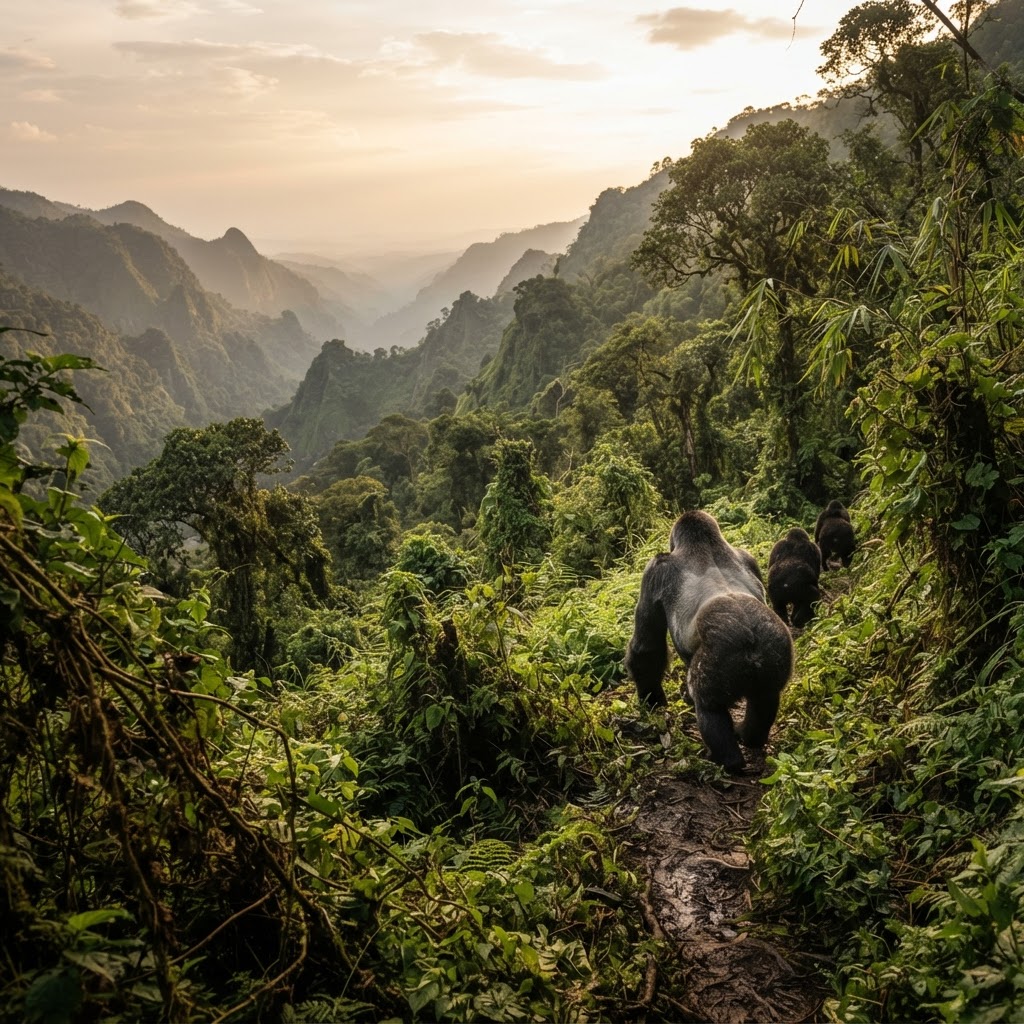
Bwindi Impenetrable Forest, Uganda
Uganda
Steep primal jungle, razor ridges, and heart-stopping wild gorilla encounters.
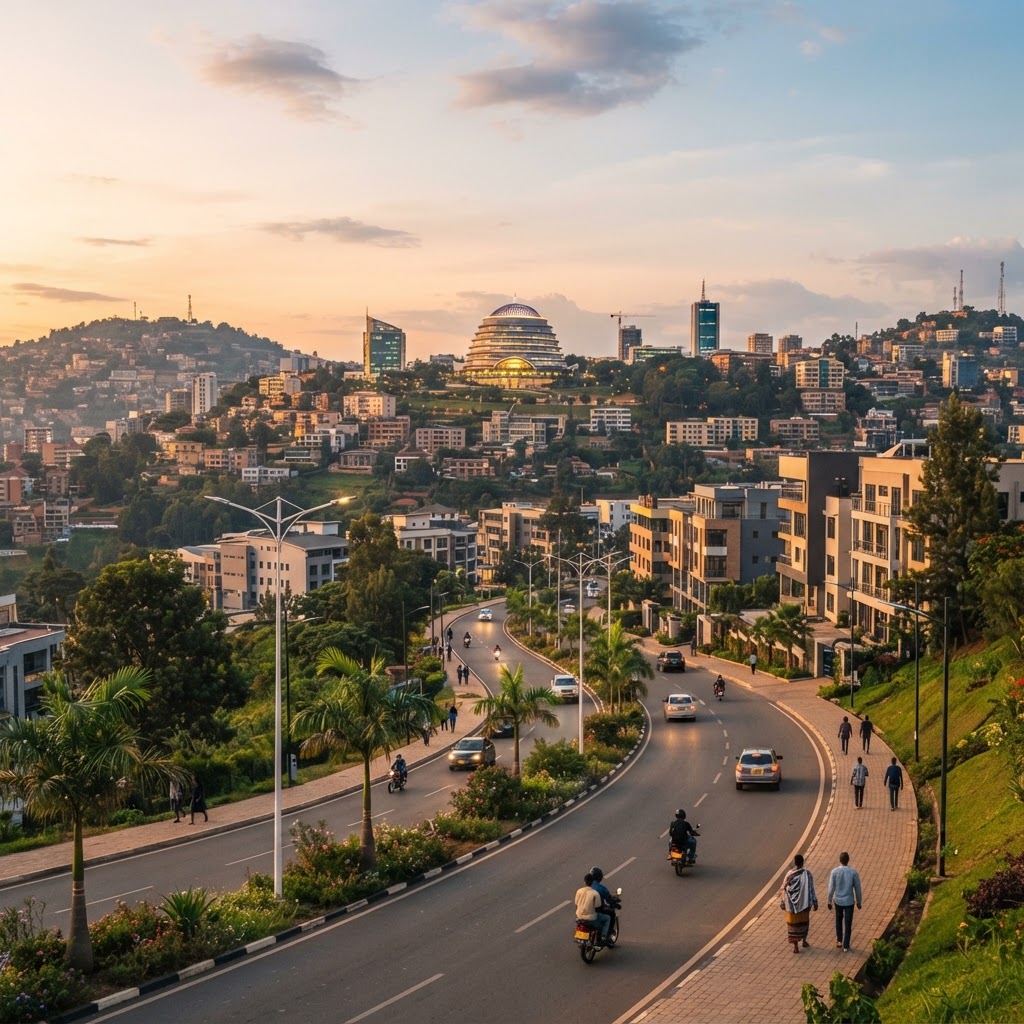
Kigali, Rwanda
Rwanda
A spotless, hill-crested capital trading chaos for creative energy and modern African urbanism.
Readymade itineraries
Start from a tested template — then make it yours.
Ready to book
Lock in your Ngorongoro Crater trip
Everything in one place. We may earn a small commission — it never costs you more.
Plan a trip to Ngorongoro Crater
Pick a length and we'll build a day-by-day plan around how you travel — neighborhoods clustered, budget-aware, and editable.
Get better at planning trips like this
Occasional notes on planning smarter — no spam, unsubscribe anytime.
Plan a trip to Ngorongoro Crater
Turn this guide into a day-by-day plan built around your pace, your group, and your budget.
Build my Ngorongoro Crater trip