Tanzania
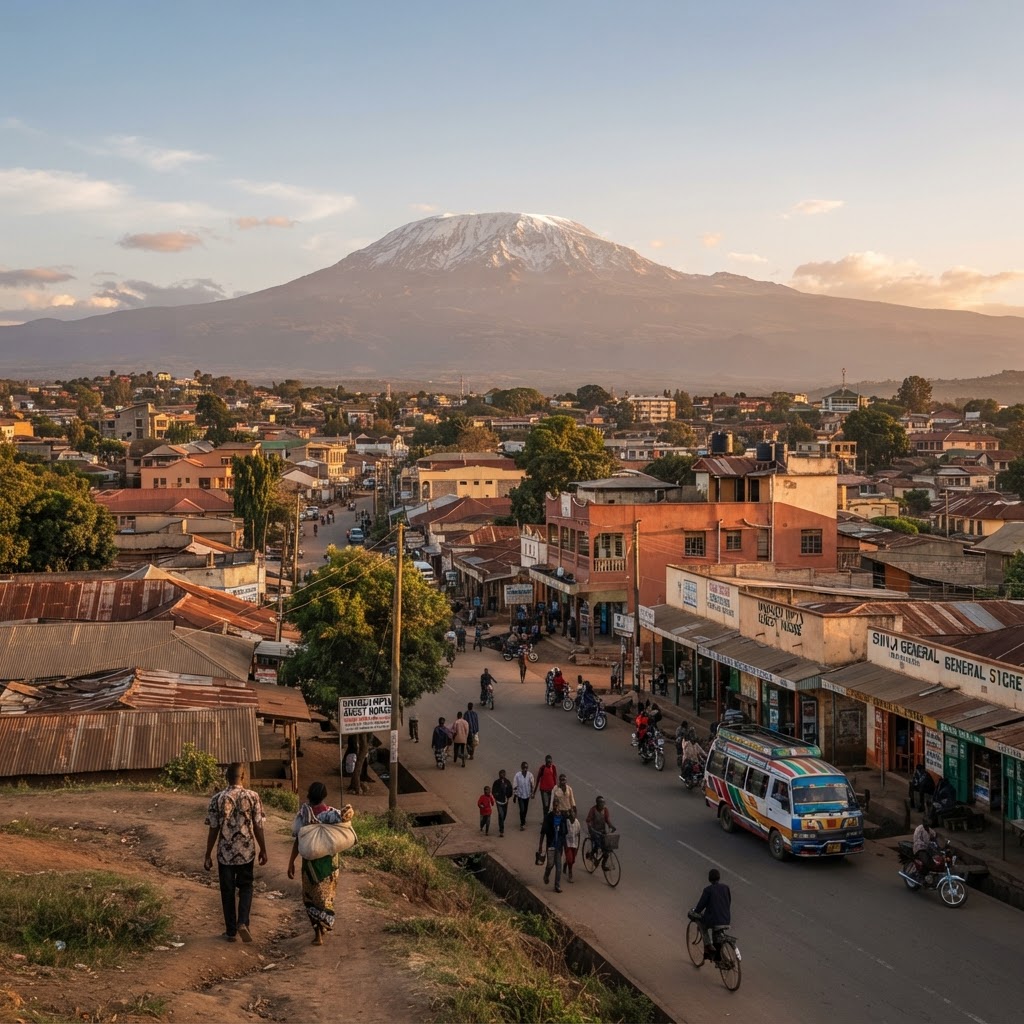
Mount Kilimanjaro & Moshi, Tanzania
The non-technical rooftop of Africa, where pacing beats muscle every time.
Plan & book
Sort your Mount Kilimanjaro & Moshi, Tanzania trip in one place.
We point you to the booking tools we'd actually use — live prices, no markup. Or let us build the day-by-day plan around you first, then book.
Mount Kilimanjaro is the world's highest free-standing mountain at 5,895 meters (19,341 feet), rising directly from Tanzania's dry savannahs into an equatorial glacier. The experience is an endurance-testing, high-altitude trekking expedition anchored out of Moshi, where you walk through five distinct microclimates—cultivated foothills, rainforest, heath, alpine desert, and arctic scree—without needing technical mountaineering gear.
How long
9–10 days (including 7–8 days on the mountain plus arrival and recovery nights in Moshi)
Best time
July through September or late January through February for clear skies, dry trails, and manageable winds.
Build your own trip with these prebuilt itineraries
Each one is a tested, day-by-day plan for Mount Kilimanjaro & Moshi, Tanzania — start here, then make it yours.
10 Days via the Remote Northern Circuit in Mount Kilimanjaro
The ultimate uncrowded wilderness expedition traversing the secluded northern slopes with maximum acclimatization time and 360-degree views
9 Days via the Acclimatization-First Lemosho Route in Mount Kilimanjaro
The premier high-success summit attempt offering slow altitude gains, wild western approach scenery, and basecamp recovery in Moshi
7 Days via the Scenic Machame Route in Mount Kilimanjaro
Classic high-energy ascent with dramatic ridge climbs, Barranco Wall scrambling, and optimal climb-high sleep-low acclimatization
It offers the rare opportunity to touch an extreme 19,000-foot summit purely on foot, with fully supported mountain crews making an otherwise brutal logistics exercise accessible to determined, fit hikers.
Where to stay
Getting there
Getting around
Food & drink
What it costs
Skip it if
Skip it if you cannot tolerate basic camping hygiene for a week, suffer from chronic unmanaged cardiovascular or respiratory issues, or prefer unstructured travel where you explore independently without a guide team.
When to go
Dry seasons offer high summit visibility and safe footing over alpine scree, but peak months (July-August) bring trail traffic and premium pricing. January to February is slightly warmer at the crater rim and quieter, making it the sweet spot for experienced trekkers.
Peak (July–October & January–February)
Dry trails and cloudless summit attempts. Book climbs and lodges 4–6 months ahead; expect shared camps on Machame and Marangu.
Shoulder (June & December)
Transitional weather with lower route traffic. June can remain chilly and wet at lower elevations, while late December brings festive spikes.
Low (March–May & November)
Heavy persistent rain turns rainforest tracks into mud chutes and blankets Uhuru Peak in thick cloud. Most operators pause departures; discount lodging is widely available.
Neighborhoods
Where you stay shapes the trip. Here's how to think about it.
Moshi Town Center
Dusty, compact trade hub buzzing with gear rental shops, street stalls, and Swahili chatter.
Best for:first-timers and budget explorers
Don't miss:browsing spices and seasonal fruit at the open-air Moshi Central Market.
Shanty Town
Leafy, quiet residential enclave favored by expedition agencies, safari expats, and boutique lodges.
Best for:pre-climb rest, light sleepers, and families
Don't miss:sipping local Arabica on the garden terrace at Union Café or grabbing a calm craft beer along Lema Road.
Kiboriloni
High-octane commercial ward dominated by wholesale trading, motor repair, and secondhand gear stalls.
Best for:experienced travelers hunting budget secondhand outdoor clothing
Don't miss:the sprawling Kiboriloni Market for spare layers, wool beanies, and gaiters on non-trekking mornings.
Rau
Fringe green belt blending semi-rural homesteads with protected indigenous groundwater forest.
Best for:nature lovers and walkers seeking shade outside the central ring
Don't miss:walking the damp nature tracks inside Rau Forest Reserve to spot black-and-white colobus monkeys.
Materuni (Foothills)
Lush Chagga highland village situated 40 minutes uphill, scented with ripening bananas and roasting coffee.
Best for:active day-trippers and culture-focused travelers
Don't miss:hiking through organic Chagga smallholdings to the foot of the 80-meter Materuni Waterfalls.
Destination intelligence
Updated 9/14/2026The structured record we plan every Mount Kilimanjaro & Moshi, Tanzania itinerary from.
Walkability
Low overall across the region; Moshi's town center is easily walkable, but the mountain and regional day excursions require organized 4x4 transport.
Transit quality
Limited formal public transit; private operator transfers and local bajajis handle all practical transport.
Car needed
Not recommended to self-drive; tour operators provide mandatory 4WD safari vehicles and airport shuttles.
Ideal duration
9–10 days (including 7–8 days on the mountain plus arrival and recovery nights in Moshi)
Minimum useful
7 days (6 days on-mountain plus 1 overnight base camp transit)
Peak season
July to October and January to February (dry, crisp trekking windows with optimal trail conditions and clear skies).
Shoulder season
June and December (transitional weather, fewer climbers on the trails, and lush green lower altitudes).
Low season
March to May and November (heavy rainy seasons, persistent cloud cover, slippery scree, and challenging camp setups).
Best for
Common mistakes
- Booking cheap 5-day itineraries via the Marangu or Machame routes; rushing drastically spikes altitude sickness failure rates
- Undertipping or booking exploitative cut-rate outfitters that compromise porter welfare and oxygen safety standards
- Ignoring the 'pole pole' (slowly, slowly) pace enforced by guides early in the trek, blowing endurance before high camp
- Failing to break in boots beforehand and neglecting to pack zero-degree sleeping bags and spare thermal base layers
Best nearby
How to plan it
- Stay in Shanty Town for a tranquil, leafy night of sleep before your early-morning expedition trailhead departure.
- Add a buffer rest day in Moshi post-climb before boarding long bush flights or starting a Northern Circuit safari.
- Pair your summit climb with a 3-day recovery safari through Tarangire and Ngorongoro Crater rather than flying directly home.
- Don't try to visit Chemka Hot Springs and Materuni Waterfalls on the same day; bad dirt roads make combining them an exhausting 7-hour transit slog.
- Book an 8-day Lemosho or 7-day Rongai trek over cheaper 5-day options; extra acclimatization days make the difference between summiting and evacuation.
Questions
More in East Africa
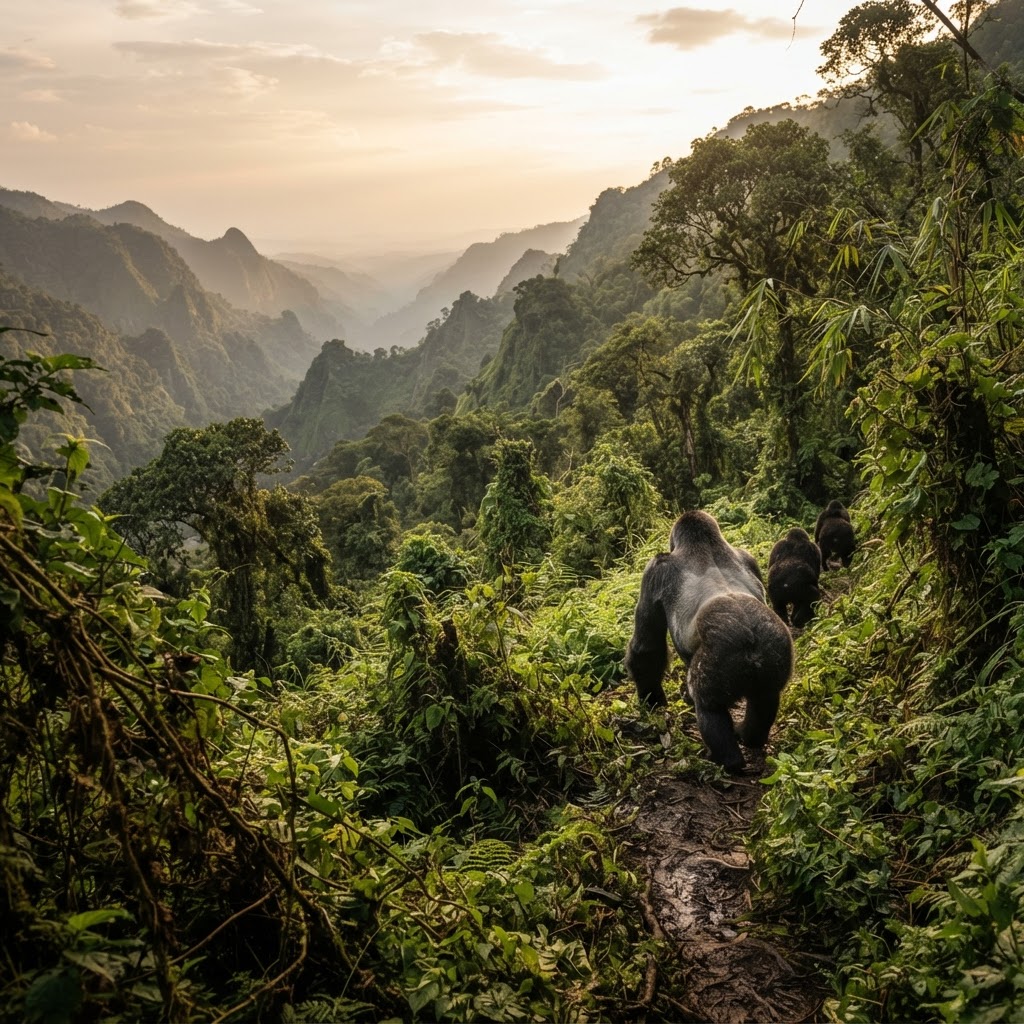
Bwindi Impenetrable Forest, Uganda
Uganda
Steep primal jungle, razor ridges, and heart-stopping wild gorilla encounters.
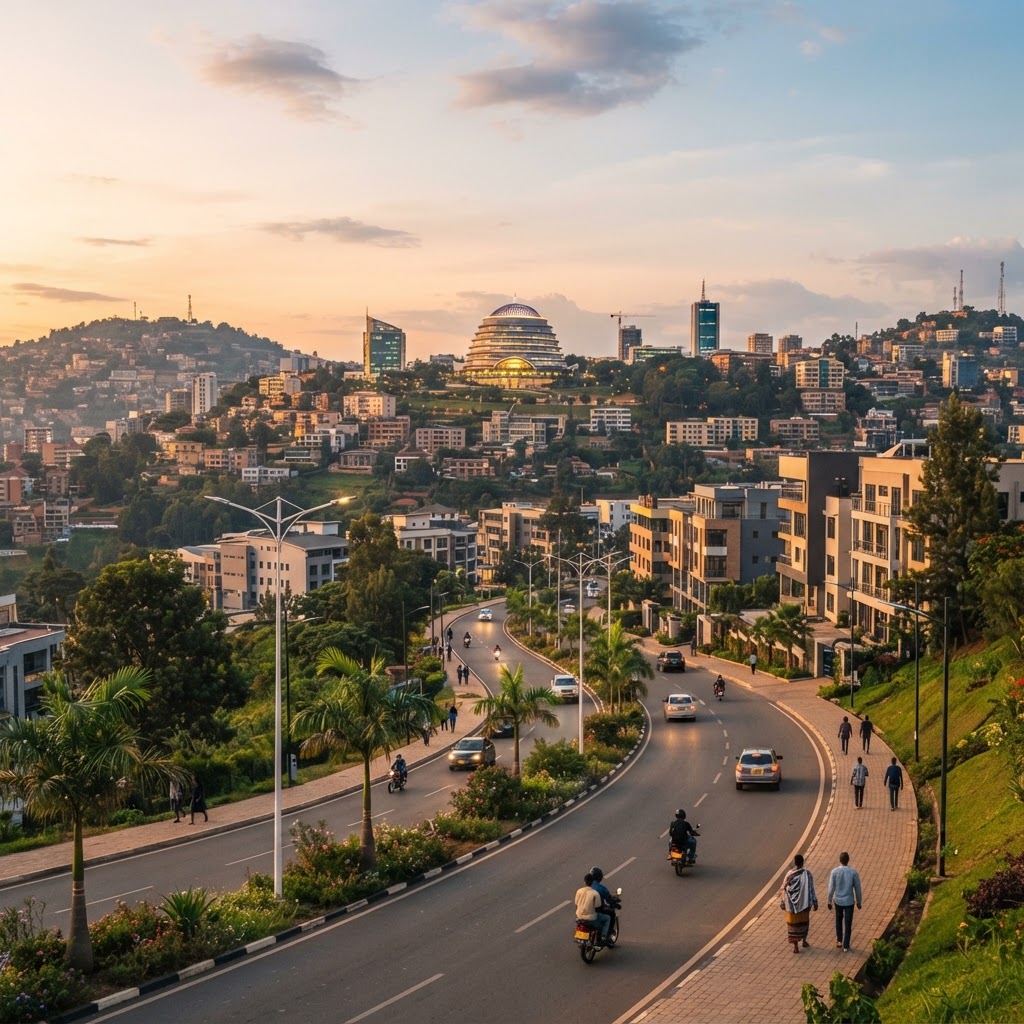
Kigali, Rwanda
Rwanda
A spotless, hill-crested capital trading chaos for creative energy and modern African urbanism.
Readymade itineraries
Start from a tested template — then make it yours.
Ready to book
Lock in your Mount Kilimanjaro & Moshi, Tanzania trip
Everything in one place. We may earn a small commission — it never costs you more.
Plan a trip to Mount Kilimanjaro & Moshi, Tanzania
Pick a length and we'll build a day-by-day plan around how you travel — neighborhoods clustered, budget-aware, and editable.
Get better at planning trips like this
Occasional notes on planning smarter — no spam, unsubscribe anytime.
Plan a trip to Mount Kilimanjaro & Moshi, Tanzania
Turn this guide into a day-by-day plan built around your pace, your group, and your budget.
Build my Mount Kilimanjaro & Moshi, Tanzania trip