
Romania
Maramureș
Europe's last surviving medieval agrarian landscape, framed by hand-carved oak gates and gothic wooden steeples.
Plan & book
Sort your Maramureș trip in one place.
We point you to the booking tools we'd actually use — live prices, no markup. Or let us build the day-by-day plan around you first, then book.
Tucked against the Ukrainian border in northwestern Romania, Maramureș is a living agrarian relic where daily life remains tethered to the scythe, horse cart, and orthodox faith. While Transylvania's fortified towns cater to gothic tourism, Maramureș operates on an archaic village scale: octogenarian woodcarvers chisel elaborate solar symbols into oak gateways, centuries-old wooden spires pierce valley mist, and farmsteads feed visitors from backyard vegetable gardens and stone cellars. Visiting here requires slowing down, trading fast-paced sightseeing for rutted gravel paths, and stepping into Europe's last genuine peasant ecosystem.
4 days
Build your own trip with these prebuilt itineraries
Each one is a tested, day-by-day plan for Maramureș — start here, then make it yours.
Northern Romania Heritage Road Trip in Maramureș
Connecting Maramureș with the painted monasteries of Bucovina across the Prislop Pass
Vaser Valley & Rural Maramureș Discovery in Maramureș
Riding the Mocănița forestry steam train combined with traditional agro-tourism farmstays
UNESCO Wooden Churches & Traditional Crafts in Maramureș
Exploring oak architecture, folk weavers, and the Merry Cemetery of Săpânța
Go to experience a living pre-industrial agrarian culture that has essentially vanished from the rest of the continent. Unlike open-air heritage parks, Maramureș is entirely functioning: hand-stacked haystacks (căpițe) cover the hills, century-old timber watermills still churn wool blankets, and eight 17th- and 18th-century wooden churches are designated UNESCO World Heritage sites for their daring gothic-scale carpentry. It provides a rare encounter with heartfelt rural hospitality where homestay hosts welcome you with warm sarmale and generous carafes of fiery plum horincă.
Where to stay
Getting there
Getting around
Food & drink
What it costs
Things to do
Book tours & tickets in MaramureșSkip it if
Skip Maramureș if you cannot drive a car, need fast public transportation, expect high-end luxury resorts and boutique nightlife, or cannot handle slow country roads, unpaved village lanes, and rustic home-cooked menus.
Destination intelligence
Updated 9/13/2026The structured record we plan every Maramureș itinerary from.
Walkability
Low. Village centers are scenic to walk, but historic churches, artisan workshops, and towns are scattered 10 to 40 kilometers apart across steep rural valleys.
Transit quality
Poor. Trains connect major perimeter hubs like Baia Mare and Sighet, but regional bus transport between traditional villages is sporadic, infrequent, and unsuitable for independent travelers.
Car needed
Yes, absolutely essential. Without your own vehicle, reaching valley villages like Breb, Ieud, and Desești is logistically impractical.
Ideal duration
4 days
Minimum useful
2 days
Peak season
July to August, plus Orthodox Easter and Christmas. Summer brings lush green hills, active haymaking, and open artisan workshops, while holidays bring deeply festive village rituals.
Shoulder season
May to June and September to October. Ideal travel windows featuring pleasant weather, vibrant autumn foliage, harvest activities, and clear roads with far fewer tour groups.
Low season
November to April. Cold, damp conditions transition into heavy snow; while picturesque in winter, unplowed backroads and shorter museum operating hours make driving and logistics challenging.
Best for
Common mistakes
- Attempting to visit Maramureș as a whirlwind day-trip from Cluj-Napoca, which burns 7 hours on mountain roads leaving no daylight for exploring.
- Relying on public buses, which run erratically between major towns and leave rural hamlets and wooden churches completely inaccessible.
- Driving rural roads after nightfall, when unmarked horse-drawn wagons, unlit bicycles, and deep road ruts pose significant hazards.
- Booking modern concrete hotels in Baia Mare rather than authentic village pensiuni where the true culinary and cultural experience happens.
Best nearby
See what a trip to Romania actually costs. Travel Budget Co.
More in Romania
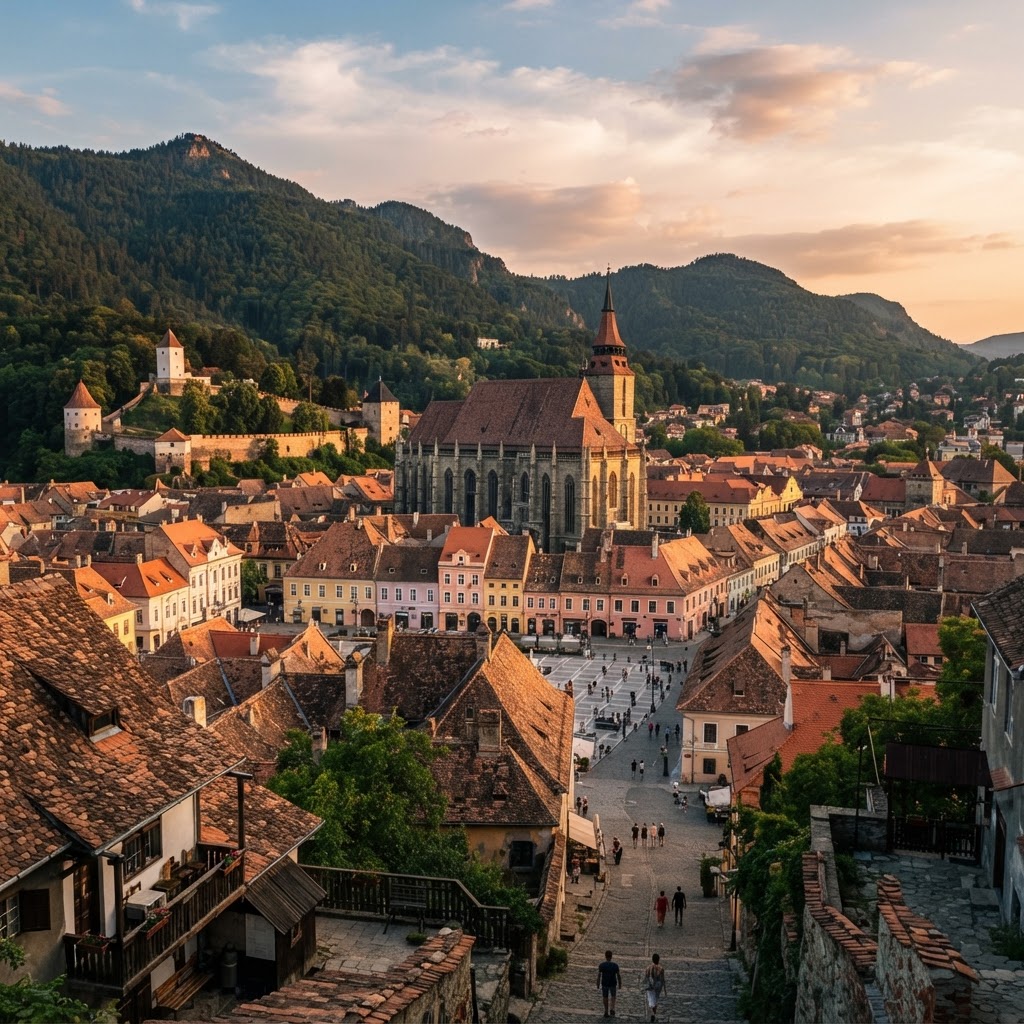
Brașov
Romania
Gothic spires, Carpathian forests, and the definitive gateway to Transylvanian history
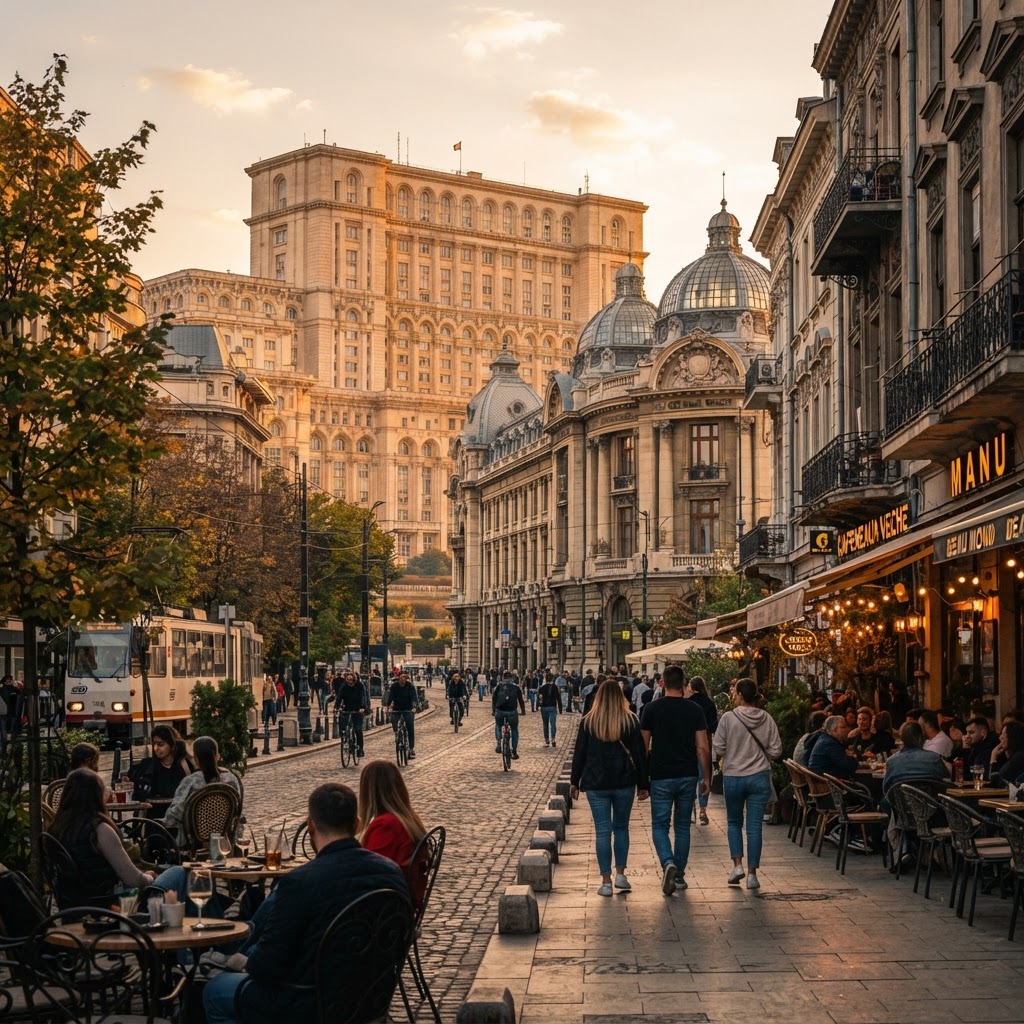
Bucharest
Romania
Brutalist scale, Belle Époque remnants, and one of Europe’s sharpest café scenes.
Readymade itineraries
Start from a tested template — then make it yours.
Ready to book
Lock in your Maramureș trip
Everything in one place. We may earn a small commission — it never costs you more.
Plan a trip to Maramureș
Pick a length and we'll build a day-by-day plan around how you travel — neighborhoods clustered, budget-aware, and editable.
Get better at planning trips like this
Occasional notes on planning smarter — no spam, unsubscribe anytime.
Plan a trip to Maramureș
Turn this guide into a day-by-day plan built around your pace, your group, and your budget.
Build my Maramureș trip