Kenya
Maasai Mara, Kenya Itinerary: How Many Days + Sample Plans
Dense big-cat savannah and the theater of the Great Migration.
Traveler rating
Loved by big-cat enthusiasts tracking lion, leopard, and cheetah.
Plan & book
Sort your Maasai Mara, Kenya trip in one place.
We point you to the booking tools we'd actually use — live prices, no markup. Or let us build the day-by-day plan around you first, then book.
Pick your trip length
How many days do you need in Maasai Mara, Kenya?
Each of these opens a full day-by-day plan you can make your own.
- 2 days — Two days — the essentials, no rushing.
- 3 days — Three days — the icons plus one neighborhood.
- 4 days — Four days — a full city without sprinting.
- 5 days — Five days — room for a day trip.
- 7 days — A week — the city at a human pace.
- With Kids trip — Shorter days, earlier dinners, what to skip.
- For Couples trip — Two-person pacing with evenings built in.
- Solo trip — A plan that works well on your own.
- Food trip — Meals and markets as the anchors.
- Outdoors trip — Nature, walks and open air.
- Culture trip — History, museums and the streets around them.
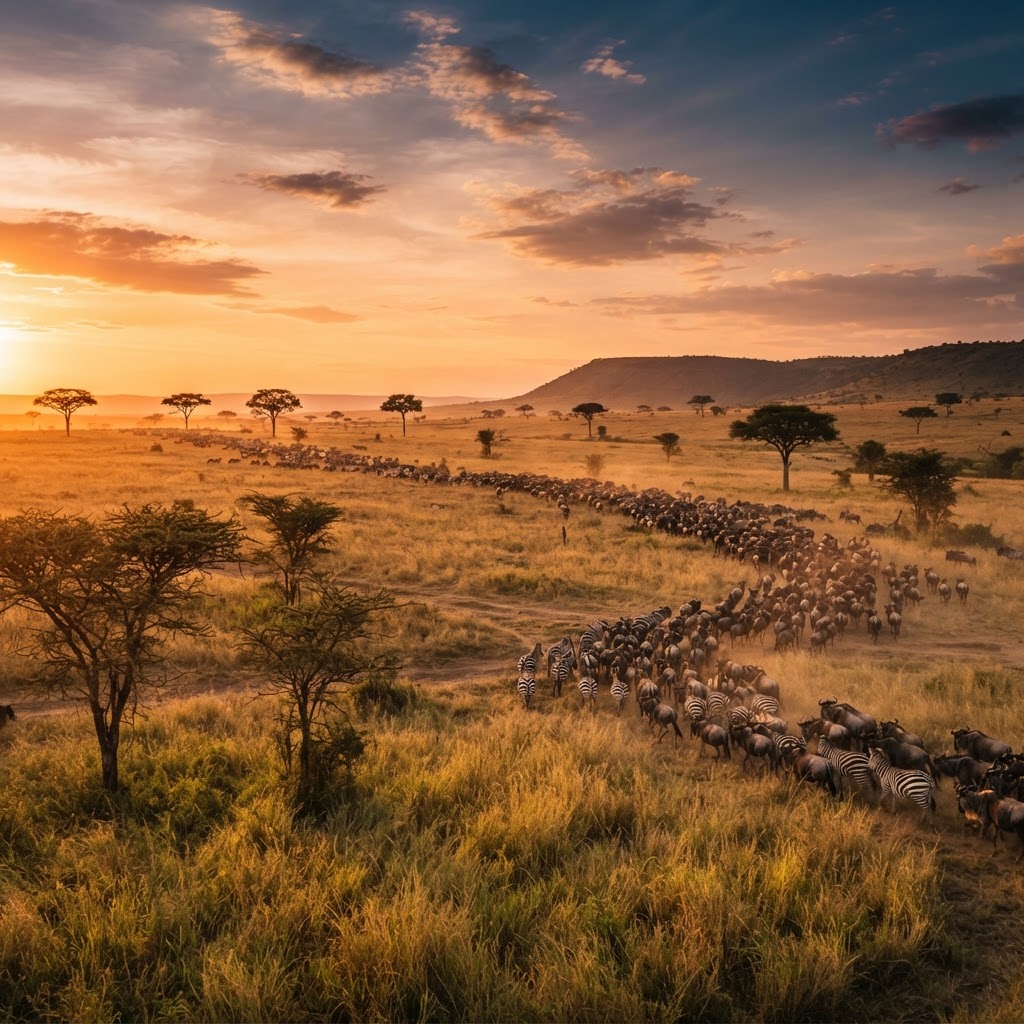
The Maasai Mara is Africa's undisputed benchmark for apex predator sightings and wide-open savanna drama. Spanning roughly 1,500 square kilometers in the National Reserve and doubled in scope by surrounding community conservancies, it delivers Big Five game viewing year-round, punctuated by the dramatic Mara River crossings of over a million wildebeest and zebra between July and October.
4 to 5 nights
Best time
Late July through October for dramatic river crossings; late January through March for fewer vehicles and supreme big-cat tracking.
Build your own trip with these prebuilt itineraries
Each one is a tested, day-by-day plan for Maasai Mara, Kenya — start here, then make it yours.
Unlike heavily wooded parks where wildlife spotting is a game of patience behind thick brush, the Mara's rolling grasslands offer unparalleled visibility and the highest predator densities on the continent. Beyond the seasonal river crossings, you get reliable close encounters with resident lion prides, cheetah coalitions on open hunts, and massive elephant herds without spending entire days tracking single animals.
Where to stay
Getting there
Getting around
Food & drink
What it costs
Things to do
Book tours & tickets in Maasai Mara, KenyaSkip it if
Skip the Mara if you are on a shoestring backpacker budget, as conservation permits and 4x4 operations make bare-minimum trips poor value; skip it also if you cannot tolerate being confined to a vehicle for hours over rough terrain or if you require vibrant urban nightlife and independent exploration.
When to go
Peak season coincides with the Great Migration river crossings, bringing unmatched spectacle but steep pricing and congested sightings in the public reserve. The dry shoulder months provide identical resident predator quality with clearer photography conditions and far lower vehicle pressure.
Peak (July to October)
Over 1.5 million wildebeest and zebra churn through the Mara; prime river crossing drama, dry road conditions, high lodging rates, and dense vehicle clusters at major sightings.
Shoulder (January to March)
Warm and predominantly dry; grasses are cropped low, calvings attract hyperactive big cats, and tourist density drops significantly compared to migration months.
Low (April to May)
The 'long rains' turn the black cotton soil into sticky mud, challenging vehicle transit; however, luxury camps slash rates by 30-50% and the savannah turns intensely green.
Neighborhoods
Where you stay shapes the trip. Here's how to think about it.
Mara Triangle
Well-managed dramatic grasslands managed by a non-profit trust, bordered by the Siria Escarpment and Mara River.
Best for:First-timers, Great Migration river crossing watchers, and photographers seeking strict anti-off-roading rules.
Don't miss:Watching crossing points along the Mara River near the Purungat Bridge and scanning the escarpment base for black rhinos.
Central Reserve & Talek
Dense wildlife hub buzzing with high vehicle traffic, open savannah, and the epicenter of classic Big Five action.
Best for:Big-cat tracking, budget-to-midrange travelers staying near Talek Gate, and travelers wanting high predator density.
Don't miss:Tracking resident lion prides along the Talek River and visiting the wide open plains of Paradise Plains.
Mara North Conservancy
Private, low-density wilderness with strict vehicle limits and exclusive access on communal Maasai land.
Best for:Travelers seeking uncrowded luxury, night game drives, and guided bush walks away from reserve mini-vans.
Don't miss:The Leopard Gorge, a prime rocky habitat known for exceptional resident leopard and lion activity.
Naboisho Conservancy
Conservation-forward community sanctuary with deep acacia woodlands and an extraordinary density of lion prides.
Best for:Walking safari enthusiasts, repeat safari travelers, and those interested in genuine Maasai community partnerships.
Don't miss:An armed walking safari across the plains followed by a nocturnal spotlight drive to spot servals, caracals, and aardvarks.
Olare Motorogi Conservancy
Ultra-exclusive private tract bordering the northern reserve, delivering high luxury and premier apex-predator encounters.
Best for:Honeymooners, luxury safari goers, and serious wildlife photographers wanting uncrowded big-cat sightings.
Don't miss:Tracking the famous Enkoyanai lion pride along the Ntiakitiak River valley with minimal other vehicles around.
Destination intelligence
Updated 10/6/2026The structured record we plan every Maasai Mara, Kenya itinerary from.
Walkability
Non-existent. You cannot walk independently due to dangerous wildlife. Walking is strictly limited to armed-ranger escorted bush walks inside private conservancies or within fenced lodge perimeters.
Transit quality
Organized safari 4x4s and light aircraft only. No public transit operates inside the reserve.
Car needed
Yes, but strictly via a hired safari vehicle with a professional guide; self-driving in rental cars is heavily discouraged due to deep ruts, black cotton mud, and navigation challenges.
Ideal duration
4 to 5 nights
Minimum useful
3 nights
Peak season
July to October (Great Migration river crossings, dry weather, thinned vegetation, premium lodging rates)
Shoulder season
January to March (Warm, dry, lower crowd levels, exceptional resident predator viewing and lion pride activity)
Low season
April to May (Long rains, muddy tracks, heavy foliage, but deeply discounted luxury rates and zero crowds)
Best for
Common mistakes
- Driving 6+ hours from Nairobi on a short 3-day itinerary instead of booking the 45-minute flight from Wilson Airport
- Staying outside park gates to save money without realizing entry permits are single-entry per 24 hours, forcing full days out in the heat
- Expecting guaranteed river crossings on a 1- or 2-night stay; crossings require patience and often hours of stationary waiting
- Overlooking private conservancies, which offer night drives and off-road tracking strictly forbidden in the National Reserve
- Packing hard-shell rolling luggage instead of soft-sided duffel bags, which are required for internal bush flight cargo holds
Best nearby
How to plan it
- Book a split-stay of 2 nights in a private conservancy (for walking safaris and night drives) and 2 nights in the Mara Triangle or Central Reserve (for migration river crossings).
- Opt for bush flights from Wilson Airport (WIL) instead of a vehicle transfer unless you are explicitly pairing the Mara with a stop at Lake Naivasha or Lake Nakuru.
- Do not book full-day game drives every day; 8 hours bounced around in a Land Cruiser creates fatigue—prioritize dawn and dusk game drives with mid-day camp rests.
- Schedule your hot-air balloon safari for the second or third morning so weather-related cancellations can roll over to your backup morning.
- Pack soft-sided duffel bags under 15 kg (33 lbs); regional light bush aircraft enforce strict baggage weight and dimension rules without exception.
Questions
More in East Africa
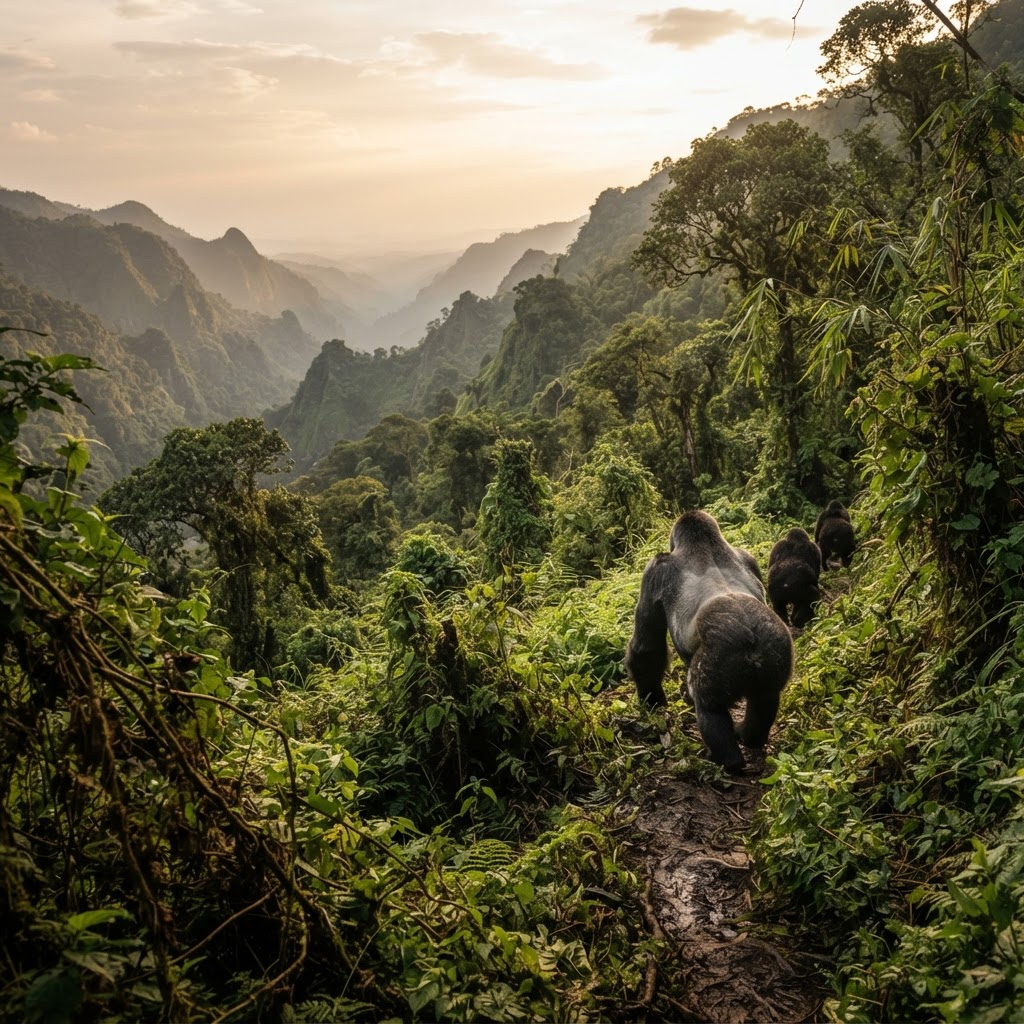
Bwindi Impenetrable Forest, Uganda
Uganda
Steep primal jungle, razor ridges, and heart-stopping wild gorilla encounters.
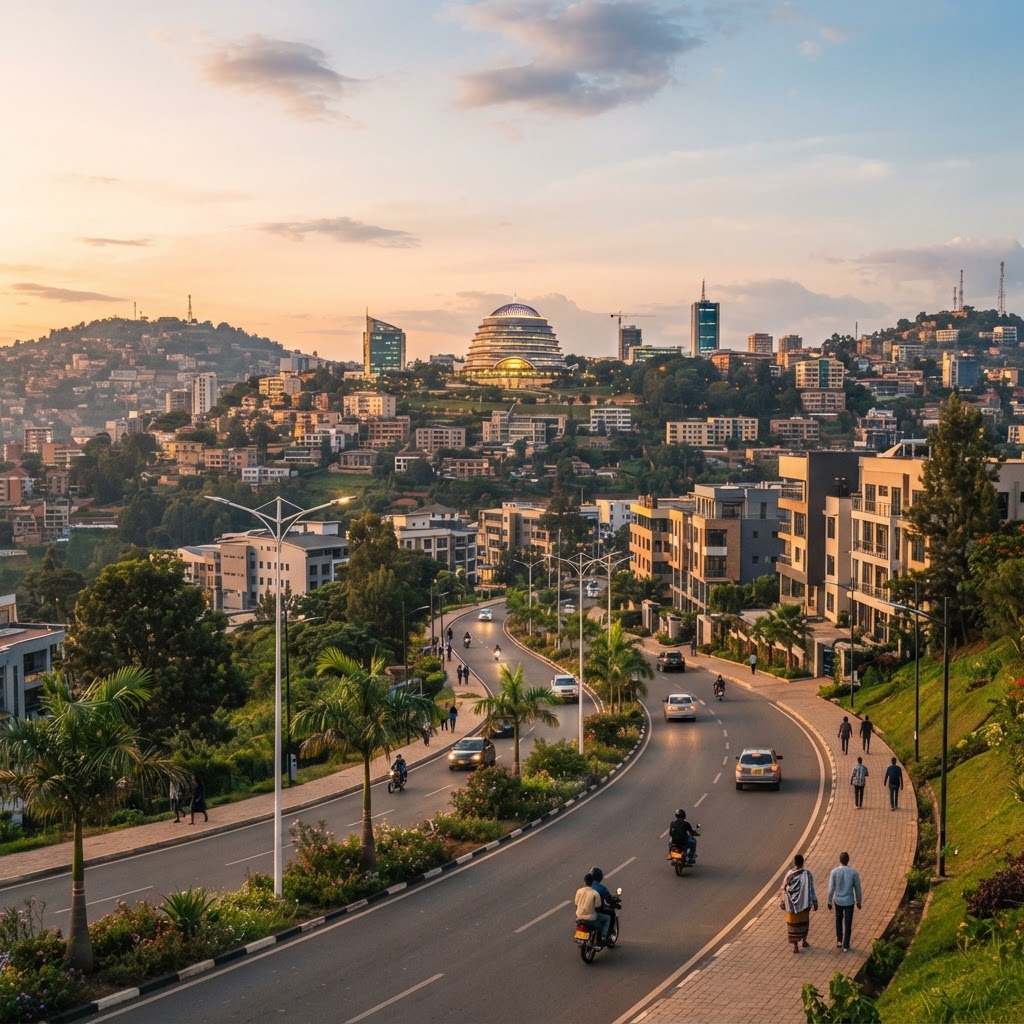
Kigali, Rwanda
Rwanda
A spotless, hill-crested capital trading chaos for creative energy and modern African urbanism.
Readymade itineraries
Start from a tested template — then make it yours.
Ready to book
Lock in your Maasai Mara, Kenya trip
Everything in one place. We may earn a small commission — it never costs you more.
Plan a trip to Maasai Mara, Kenya
Pick a length and we'll build a day-by-day plan around how you travel — neighborhoods clustered, budget-aware, and editable.
Get better at planning trips like this
Occasional notes on planning smarter — no spam, unsubscribe anytime.
Plan a trip to Maasai Mara, Kenya
Turn this guide into a day-by-day plan built around your pace, your group, and your budget.
Build my Maasai Mara, Kenya trip