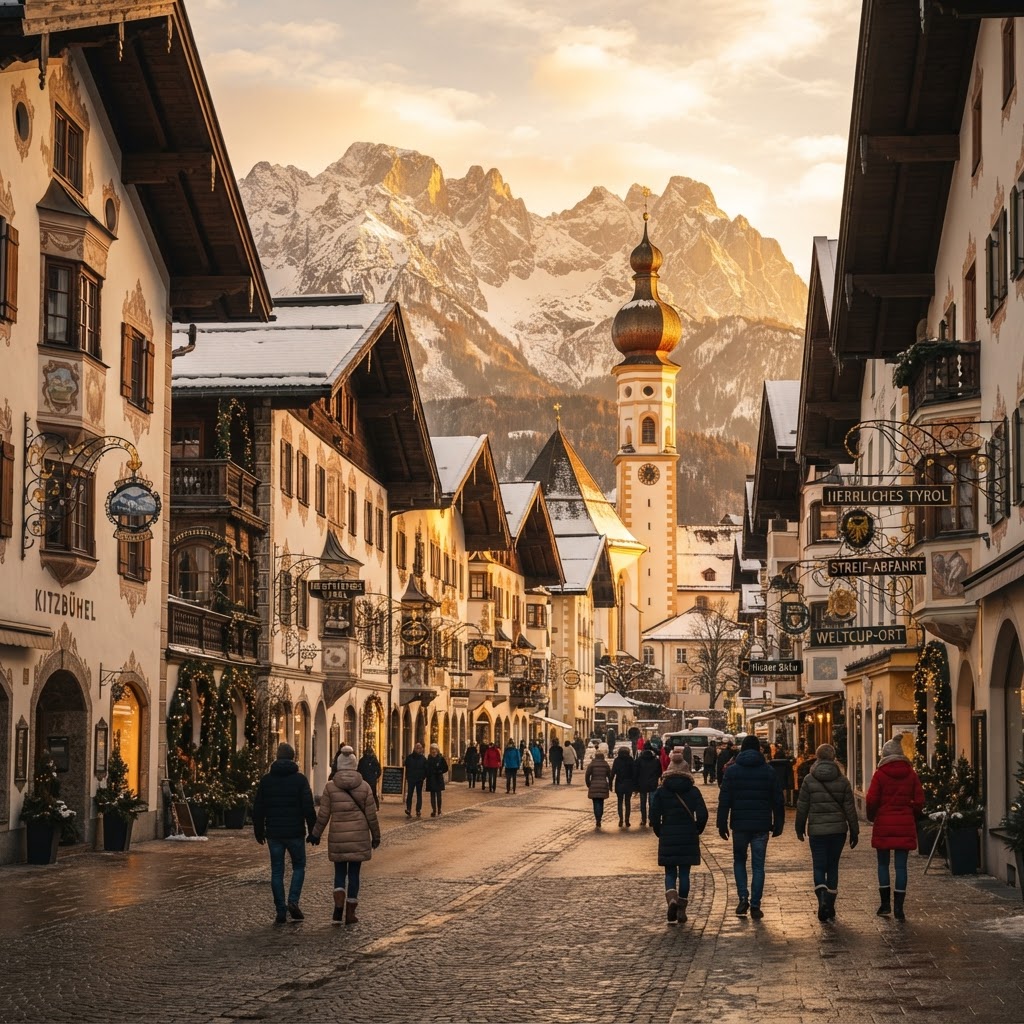
Austria
Kitzbühel
Gilded Alpine heritage, World Cup downhill lore, and refined Tyrolean living.
Plan & book
Sort your Kitzbühel trip in one place.
We point you to the booking tools we'd actually use — live prices, no markup. Or let us build the day-by-day plan around you first, then book.
Perched beneath the craggy ridge of the Wilder Kaiser and the slopes of the Hahnenkamm, Kitzbühel blends medieval pastel merchant houses with century-old international ski pedigree. Unlike high-altitude purpose-built resorts, it functions as a living Tyrolean town of cobbled alleys, wood-paneled taverns, and year-round Alpine sports culture.
4 to 5 days
Best time
Mid-January to late February for peak alpine ski conditions, or September to early October for crisp, golden hiking without summer crowds.
Build your own trip with these prebuilt itineraries
Each one is a tested, day-by-day plan for Kitzbühel — start here, then make it yours.
5 Days of Summer Ridges & Alm Hut Hiking in Kitzbühel
Gondola-assisted high-alpine trails, panoramic peaks, and traditional mountain huts
4 Days of Winter Skiing & Alpine Legend in Kitzbühel
World Cup downhill history, iconic pistes, and classic après-ski culture
3 Days of Alpine Wellness & Chic Boutiques in Kitzbühel
Luxury mountain spas, Tyrolean fine dining, and scenic town strolling
Kitzbühel delivers a rare convergence: 233 kilometers of interconnected skiing across KitzSki paired with a genuine 16th-century town center. You can descend the legendary Streif course, ski right back to the edge of the pedestrian core, stroll pastel-walled streets like Vorderstadt without needing a car, and wind down in atmospheric Gasthäuser serving mountain-cured speck and Tiroler Gröstl.
Where to stay
Getting there
Getting around
Food & drink
What it costs
Things to do
Book tours & tickets in KitzbühelSkip it if
Skip Kitzbühel if you are traveling on a strict shoestring budget, as lodging and dining carry an Alpine luxury premium, or if you demand high-altitude glacier skiing late in spring, as its valley floor sits relatively low at roughly 760 meters.
When to go
Winter brings guaranteed snowpack and legendary Alpine atmosphere, but costs peak sharply around late January's Hahnenkamm Race. Summer is lush and scenic, yet September delivers cooler trail temperatures, lower room rates, and zero cable car queues before seasonal closures hit in November.
Peak (Mid-Dec–Mar & Jul–Aug)
High energy and full operations. Expect maximum lodging rates, packed aprés-ski spots, and massive crowds during January's World Cup race week; summer brings warm lake swimming and festival programming.
Shoulder (Late May–Jun & Sep–Oct)
Ideal hiking weather and golden fall larches. Lifts run through early autumn, room rates drop significantly, and town feels authentically Tyrolean rather than congested.
Low (Apr–mid-May & Nov)
A transitional period to avoid. Mountain huts close, major cable cars shut down for routine safety overhauls, weather is unpredictable, and many restaurants take off-season breaks.
Neighborhoods
Where you stay shapes the trip. Here's how to think about it.
Altstadt (Old Town)
Cobblestoned, pastel medieval townhouses framed by high-end luxury boutiques, historic cafes, and bustling pedestrian alleys.
Best for:First-timers, dining enthusiasts, and travelers who want walkable access to nightlife without a car.
Don't miss:Coffee and traditional pastries at Café Praxmair, followed by inspecting the original upper-gable cargo beams on historic merchant houses along Vorderstadt.
Hahnenkamm Base & Gries
High-energy ski epicenter anchored by the Hahnenkammbahn terminal, train platform, and sports-bar terrace terraces.
Best for:Dedicated skiers and World Cup fans prioritizing lift proximity above everything else.
Don't miss:A slope-side Tyrolean lunch of Tiroler Gröstl on the sprawling sun terrace at Rasmushof directly at the base of the Streif.
Gundhabing & Schwarzsee
Tranquil lakefront nature retreat surrounded by pine forests, mountain vistas of the Wilder Kaiser, and quiet chalet estates.
Best for:Couples, summer wild swimmers, and travelers seeking alpine spa serenity five minutes away from town bustle.
Don't miss:A morning loop trail or swim in the warm, peat-rich waters of lake Schwarzsee with views stretching to the crags of the Wilder Kaiser.
Bichlach & Reith
Rural Tyrolean hamlets characterized by sweeping meadows, working farmhouses, wide cross-country ski tracks, and open skies.
Best for:Cross-country skiers, road cyclists, and families wanting quiet, pastoral self-catering lodges.
Don't miss:Nordic skiing or snowshoeing along the groomed, gently undulating Bichlach tracks far from alpine gondola queues.
Hornbahn Quarter
Sunny residential base on the eastern valley flank, offering direct access up the gentler, expansive Kitzbüheler Horn.
Best for:Intermediate cruisers, snowboarders, and summer hikers seeking immediate morning sun and cable-car transit.
Don't miss:Riding the Hornbahn early to reach the alpine flower garden and catch uninterrupted March sunshine across the summit ridges.
Destination intelligence
Updated 9/14/2026The structured record we plan every Kitzbühel itinerary from.
Walkability
High
Transit quality
High
Car needed
No
Ideal duration
4 to 5 days
Minimum useful
2 days
Peak season
Mid-December through late March (winter sports) and July through August (summer alpine hiking)
Shoulder season
Late May to June and September to October (crisp hiking, autumn foliage, and uncrowded trails)
Low season
April to early May and November (cable car maintenance closures, transitional weather, and shuttered hotels)
Best for
Common mistakes
- Renting a car when staying in the town center, where parking is scarce and trains/ski buses connect every lift and trailhead
- Visiting during the late-January Hahnenkamm Race weekend without realizing accommodation is booked a year out and non-race skiing is heavily constrained
- Assuming all mountain huts accept contactless cards; carry cash for mid-mountain Alm huts
- Skiing the actual Streif downhill racecourse as a casual intermediate—it contains pitches up to an 85% gradient that freeze rock-hard
Best nearby
How to plan it
- Stay in the Altstadt or near the Hahnenkammbahn station if you want a car-free ski-in/ski-out experience using the train and footpaths.
- Pair Kitzbühel with Zell am See or Innsbruck via the direct ÖBB regional rail line rather than attempting a hurried single-day driving detour.
- Don't try to tackle both the Kitzbüheler Horn and Hahnenkamm trail systems on the same day; assign one full day to each mountain to respect lift transit schedules.
- Book dinner reservations at upscale spots like Lois Stern or Neuwirt at least two to three weeks ahead during peak ski season and summer festival weekends.
- In summer, swap midday alpine descents for an afternoon paddleboard or peat-water swim at Lake Schwarzsee to avoid afternoon heat and mountain thunderstorms.
Questions
More in Austria
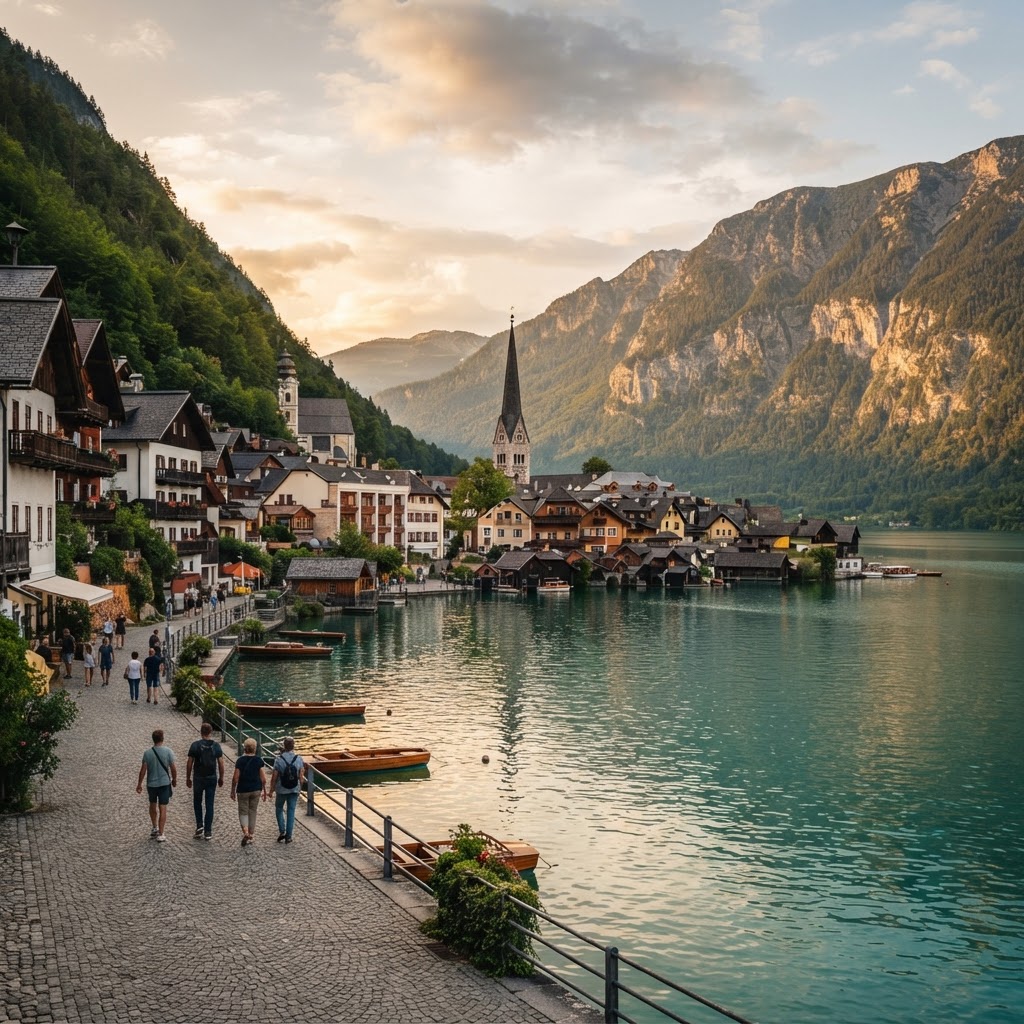
Salzkammergut, Austria
Austria
Turquoise glacial lakes, Habsburg spa towns, and jagged limestone ridges.
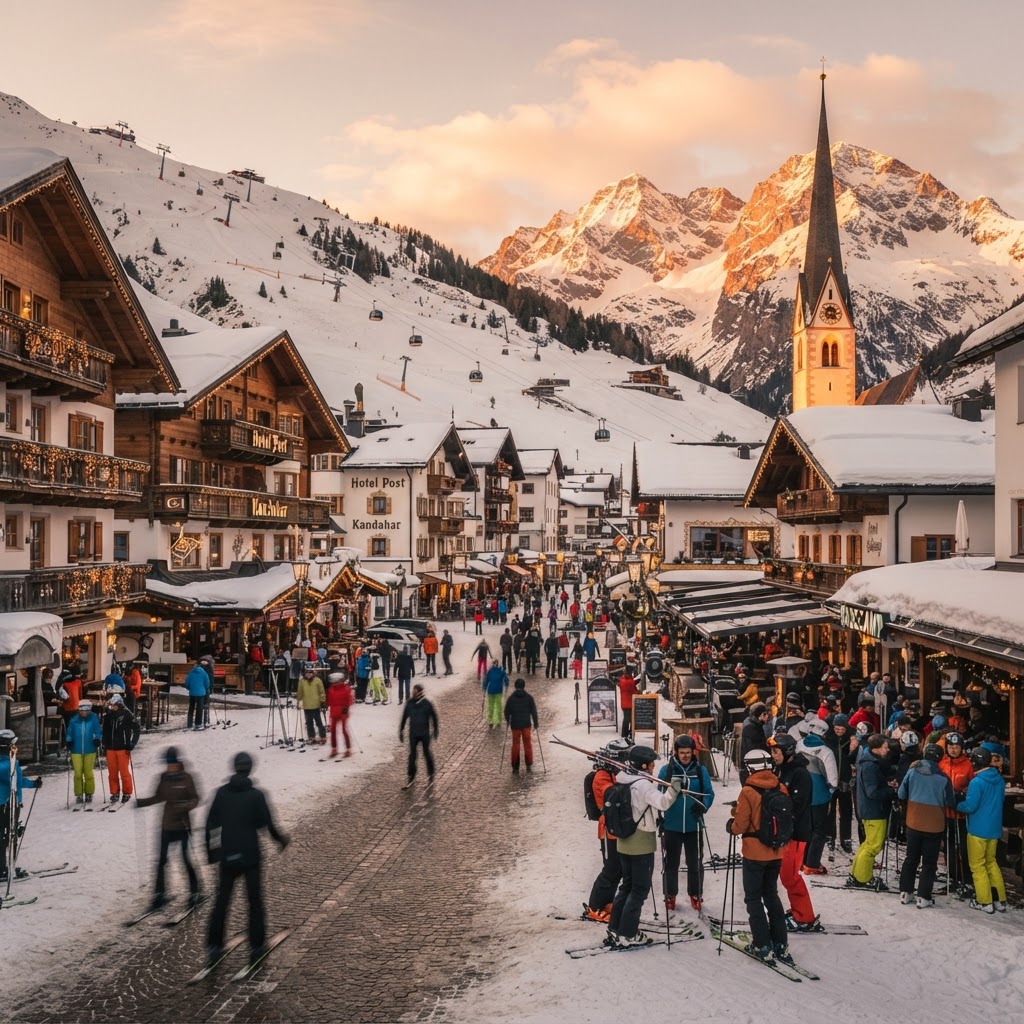
St. Anton am Arlberg
Austria
The cradle of alpine skiing, unmatched off-piste terrain, and Europe's most raucous après-ski.
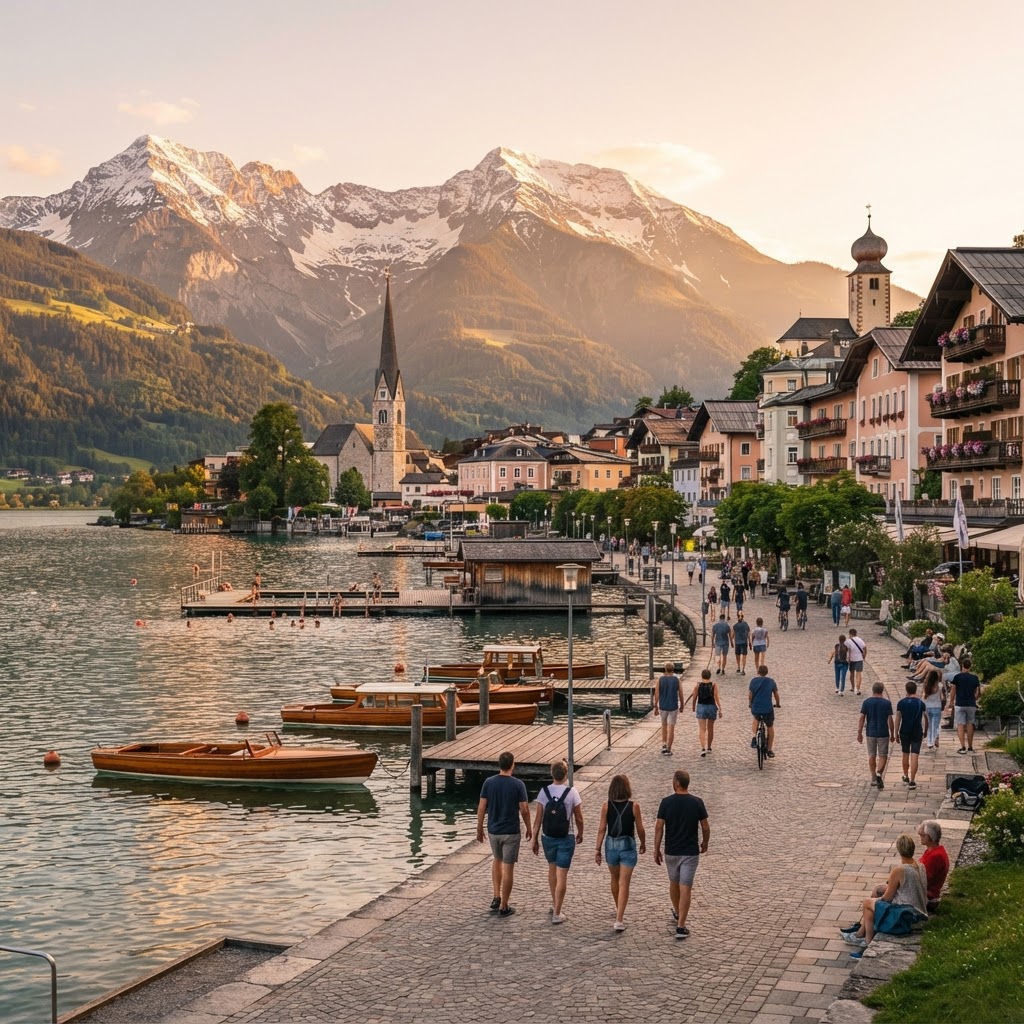
Zell am See, Austria
Austria
A car-free Alpine crossroad where glacial peaks plunge straight into swimming waters.
Readymade itineraries
Start from a tested template — then make it yours.
Ready to book
Lock in your Kitzbühel trip
Everything in one place. We may earn a small commission — it never costs you more.
Plan a trip to Kitzbühel
Pick a length and we'll build a day-by-day plan around how you travel — neighborhoods clustered, budget-aware, and editable.
Get better at planning trips like this
Occasional notes on planning smarter — no spam, unsubscribe anytime.
Plan a trip to Kitzbühel
Turn this guide into a day-by-day plan built around your pace, your group, and your budget.
Build my Kitzbühel trip