United Kingdom
Isle of Skye
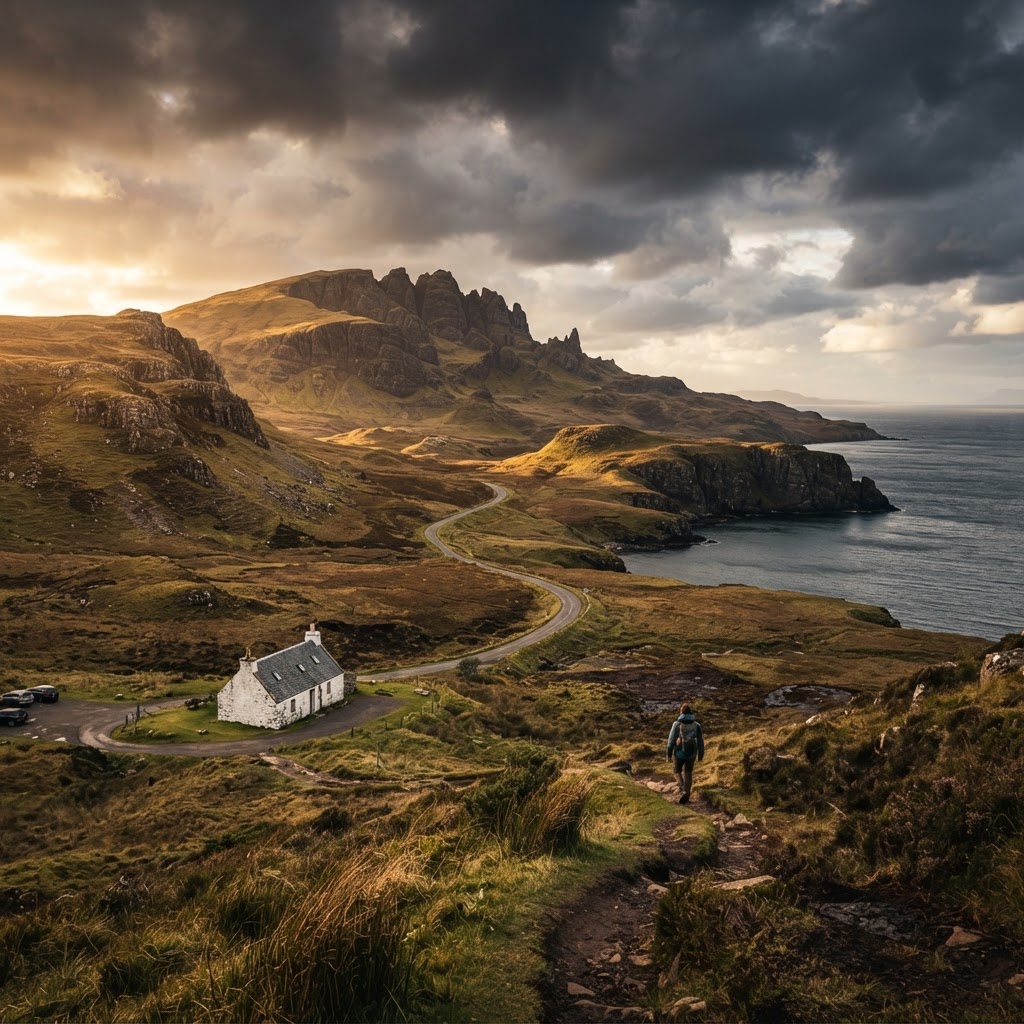
Drama-carved geological ridges, coastal sea lochs, and unforgiving Atlantic weather.
Plan & book
Sort your Isle of Skye trip in one place.
We point you to the booking tools we'd actually use — live prices, no markup. Or let us build the day-by-day plan around you first, then book.
The largest of the Inner Hebrides, Skye delivers an immense concentration of jagged basalt pinnacles, ancient landslides, and wave-battered coastal cliffs. It is an outdoor-focused destination best experienced on foot and behind the wheel of a compact car, where moody shifts in highland weather dictate the day's pace.
4 days
Best time
May to early June or September offer the sharpest balance of usable daylight, lower rain volumes, and minimal midges.
Build your own trip with these prebuilt itineraries
Each one is a tested, day-by-day plan for Isle of Skye — start here, then make it yours.
5 Days of Island Malts & Seafood Feasts in Isle of Skye
A leisurely road trip combining distillery tastings, lochside oyster shacks, fine dining, and craft workshops across the peninsulas
4 Days of Mountain Treks & Rugged Ridges in Isle of Skye
An active hillwalking route tackling the dramatic Quiraing circuit, Cuillin scrambles, and exposed coastal cliffs
3 Days of Iconic Landscapes & Photography in Isle of Skye
First-timer highlights focusing on early-morning ridge photography, classic geologic landmarks, and scenic coastal loops
Skye concentrates Scotland's most dramatic landscapes into a single island: the massive landslip of the Quiraing, the sea-drop cliffs at Kilt Rock, and the serrated ridge of the Black Cuillin. Beyond the trails, it offers exceptional hyper-local seafood and storied whisky traditions without requiring ferry-only logistics, thanks to the Skye Bridge.
Where to stay
Getting there
Getting around
Food & drink
What it costs
Things to do
Book tours & tickets in Isle of SkyeSkip it if
Skip Skye if you are uncomfortable driving on narrow single-track roads with blind summits, if you demand bustling urban nightlife, or if you refuse to hike and explore in persistent wind and horizontal rain.
When to go
Summer features 18-hour daylight stretches, but you trade it for unrelenting single-track traffic queues, booked-out lodging, and aggressive biting midges whenever the wind drops. Late spring and early autumn deliver crisp hiking weather, manageable trail car parks, and active seasonal ferry and restaurant operations without the peak crush.
Peak (June to August)
Endless daylight and open seasonal venues, offset by maxed-out car parks at the Storr, full hotels, and intense Highland midge swarms in still air.
Shoulder (April to May & September to October)
The sweet spot for walking: drier spring days, vivid autumn bracken, fewer biting insects, and reasonable reservation availability.
Low (November to March)
Bleak, atmospheric, and practically empty roads, but severe Atlantic gales, 7-hour daylight windows, and shuttered seasonal restaurants make it strictly for self-sufficient travelers.
Neighborhoods
Where you stay shapes the trip. Here's how to think about it.
Portree
Pastel-fronted working harbour acting as Skye's commercial and culinary hub.
Best for:first-timers and base-campers who want evening dining walkable from their lodging
Don't miss:Pre-booking dinner along Quay Street and grabbing locally landed fish and chips on the pier wall.
Trotternish Peninsula
Exposed, windswept rural crofting land framed by ancient sheer basalt ridges.
Best for:hikers and photographers prioritizing trailheads over pub life
Don't miss:The early morning ridgeline loop at the Quiraing before tourist coaches arrive at the car park.
Waternish & Duirinish
Remote sea cliffs, single-track dead ends, and quiet craft workshops facing the Minch.
Best for:slow travelers seeking isolation and dramatic sunset viewpoints
Don't miss:Walking out to Neist Point Lighthouse on clear evenings, or dining at the Waternish Stein Inn on the water.
Broadford & Strath
Sprawling bay village serving as the logistical southern gateway to the Red and Black Cuillin.
Best for:practical road trippers and Munro baggers wanting reliable grocery access and quick mainland exits
Don't miss:Catching the twisting single-track detour south to Elgol for uninterrupted views across Loch Scavaig.
Sleat Peninsula
Sheltered coastal woodland, gentle sea lochs, and Gaelic cultural estates dubbed 'the Garden of Skye'.
Best for:travelers seeking refined manor stays, gardens, and quick ferry access to Mallaig
Don't miss:Walking through the coastal ruins of Knock Castle before exploring the gardens at Armadale Castle.
Destination intelligence
Updated 9/14/2026The structured record we plan every Isle of Skye itinerary from.
Walkability
Poor. Towns like Portree are compact on foot, but the island itself covers 639 square miles; accessing trailheads requires transport.
Transit quality
Limited. Local buses exist between primary villages, but service to scenic trailheads is sparse and inflexible.
Car needed
Yes. A rental car is strongly recommended for practical access to trailheads and rural peninsula roads.
Ideal duration
4 days
Minimum useful
2 days
Peak season
June through August brings 18 hours of daylight alongside heavy road congestion, scarce accommodation, and biting midges.
Shoulder season
April to May and September to October offer crisp hiking conditions, lower lodging pressure, and fewer midges.
Low season
November through March features short days, shut seasonal restaurants, and harsh Atlantic gales, but totally empty roads.
Best for
Common mistakes
- Treating Skye as a day-trip sprint from Inverness or Fort William, spending 8 hours driving and barely seeing trails.
- Not understanding single-track road etiquette: failing to use passing places on the left or blocking traffic by refusing to pull over.
- Failing to pre-book dinner tables weeks in advance, leading to closed kitchens and scarce evening dining options.
- Arriving without waterproof jackets and sturdy hiking boots, expecting paved paths at major natural sights.
Best nearby
How to plan it
- Base yourself in Portree if you want evening pints and dinner without a 45-minute rural dark drive; stay in Sleat or Trotternish only if you plan to self-cater or dine at your lodge.
- Don't try to link the Quiraing, Neist Point, and the Fairy Pools in a single day—they sit on opposing peninsulas separated by slow, single-track cattle roads.
- Arrive at the Old Man of Storr or the Fairy Pools before 8:30 AM or after 5:30 PM to bypass gridlocked car parks and full coach tours.
- Pair your trip with the scenic mainland route through Glen Coe and the Road to the Isles, taking the Mallaig-to-Armadale ferry on the way in and the Skye Bridge on the way out.
- Download offline road maps and OS trail files before leaving the mainland; mobile cell service disappears completely in deep glens and coastal corners.
Questions
More in United Kingdom
Stonehenge & Salisbury, Wiltshire
United Kingdom
Beyond the standing stones: medieval spires, original charters, and ancient landscapes
Windsor, England
United Kingdom
Beyond the royal gates, an intimate Thames-side enclave best savored after the day-trippers depart.
Canterbury, Kent
United Kingdom
Living medieval history without the London transit exhaustion
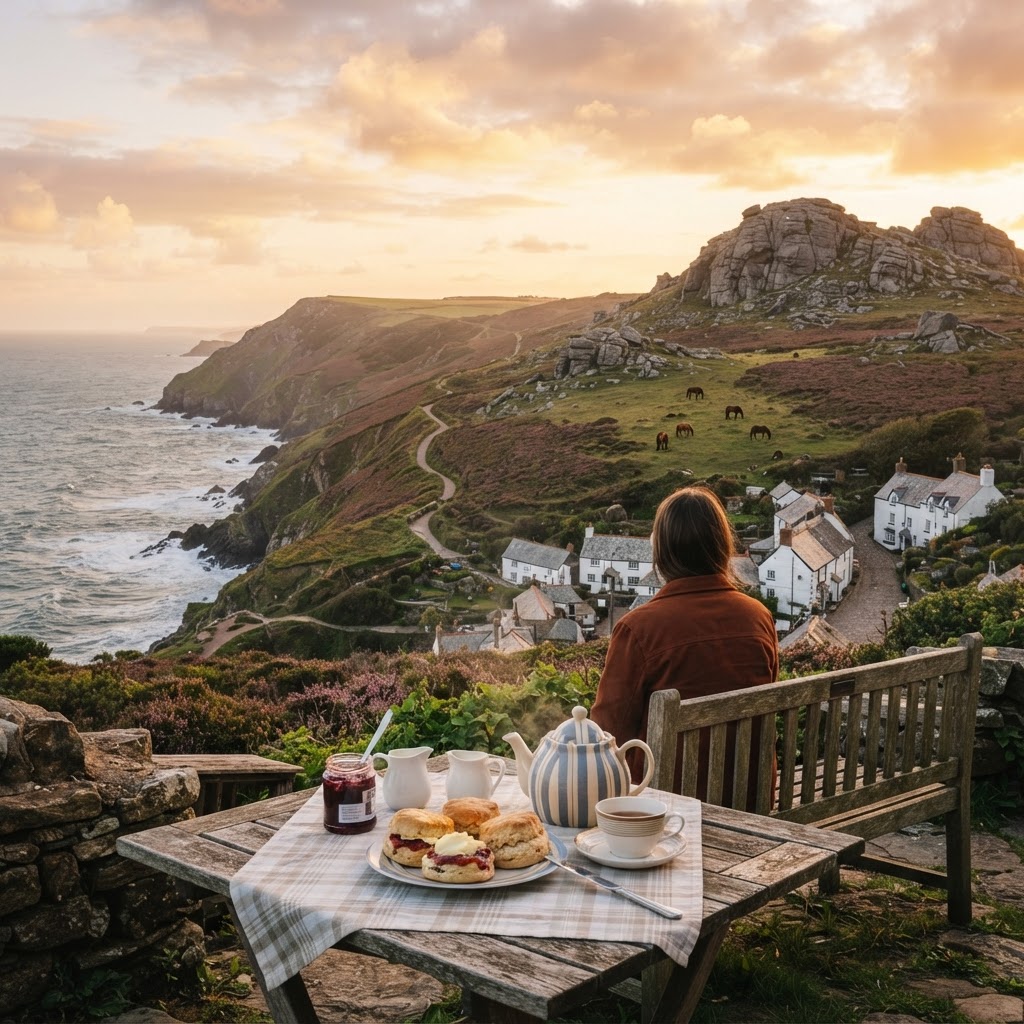
Devon
United Kingdom
Two wild coastlines, high granite moorland, and unmatched cream teas
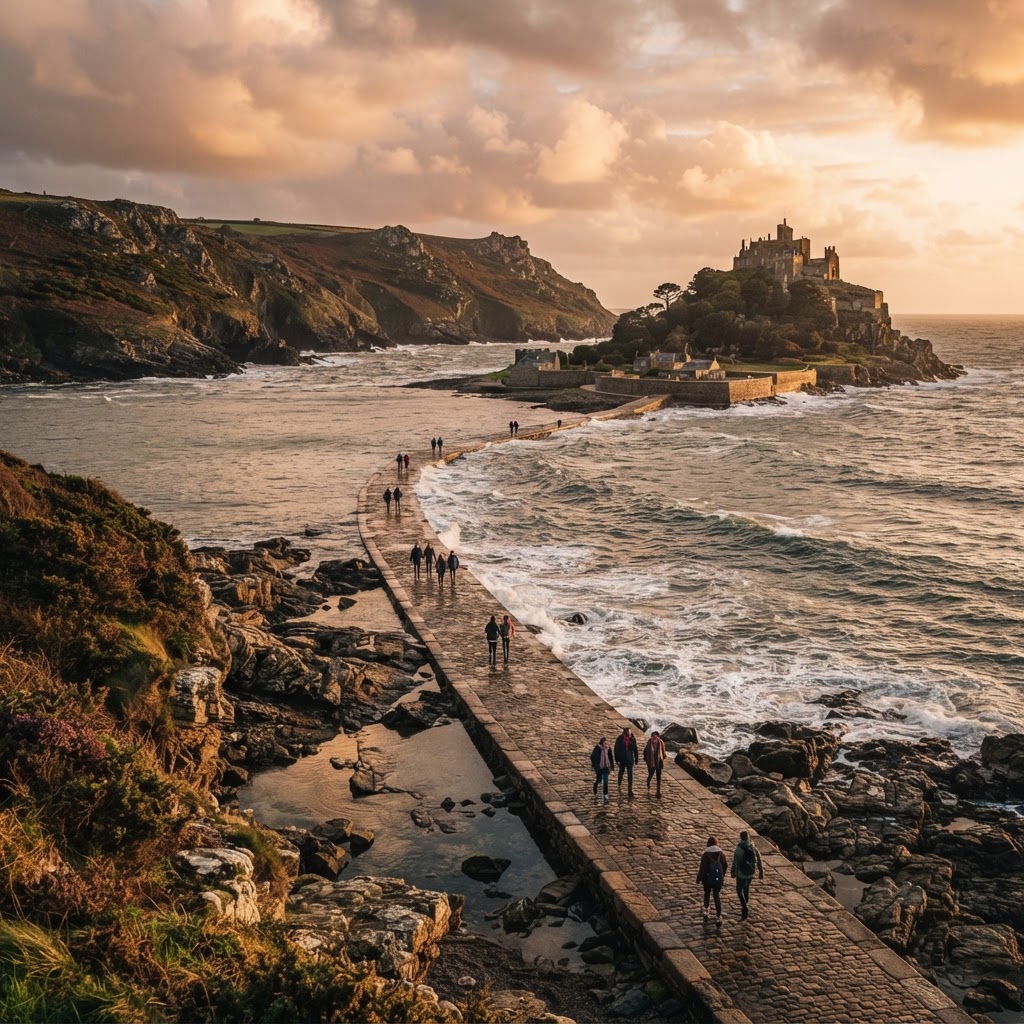
Cornwall, England
United Kingdom
Tidal causeways, windswept coastal cliffs, and wild Celtic sea culture.
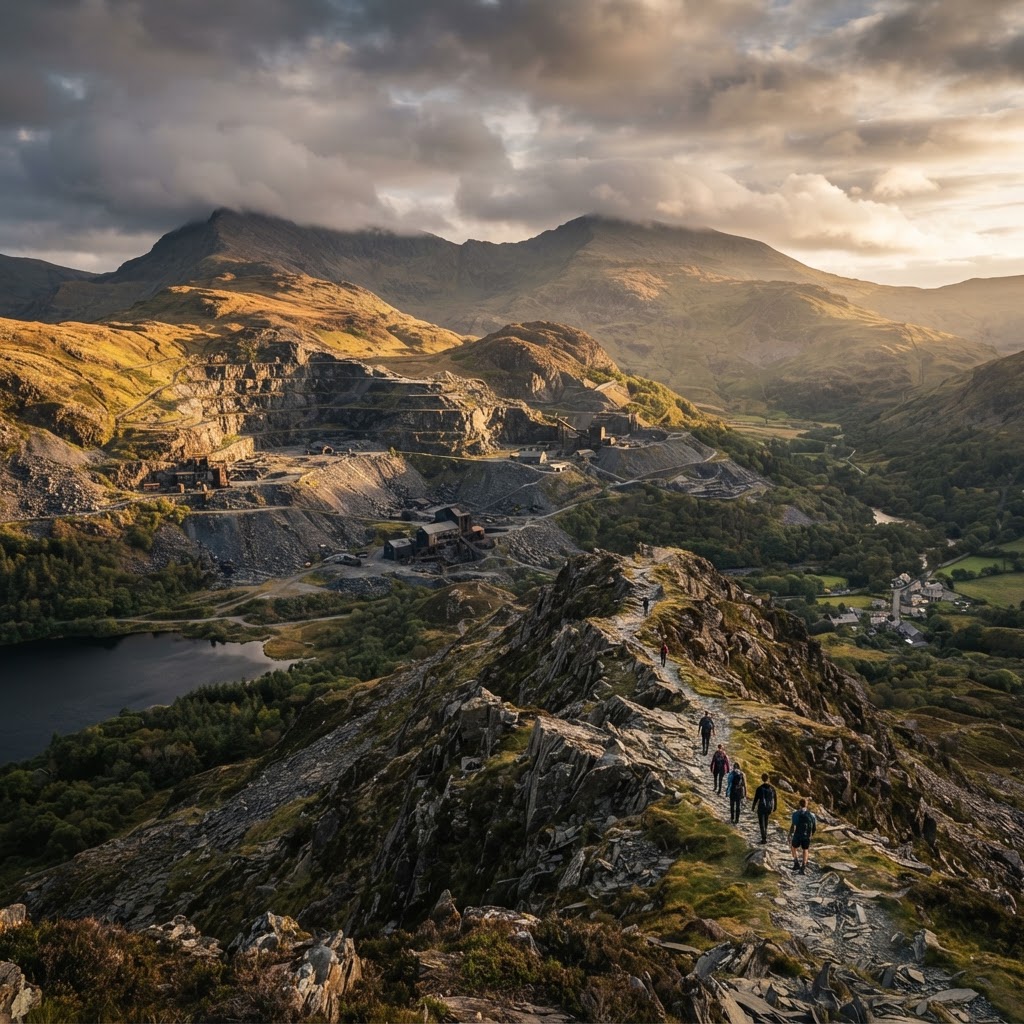
Eryri (Snowdonia), Wales
United Kingdom
Glacial valleys, Celtic slate quarries, and cloud-swept ridge walks in Wales' rugged heartland.
Readymade itineraries
Start from a tested template — then make it yours.
Ready to book
Lock in your Isle of Skye trip
Everything in one place. We may earn a small commission — it never costs you more.
Plan a trip to Isle of Skye
Pick a length and we'll build a day-by-day plan around how you travel — neighborhoods clustered, budget-aware, and editable.
Get better at planning trips like this
Occasional notes on planning smarter — no spam, unsubscribe anytime.
Plan a trip to Isle of Skye
Turn this guide into a day-by-day plan built around your pace, your group, and your budget.
Build my Isle of Skye trip