Austria
Innsbruck, Austria
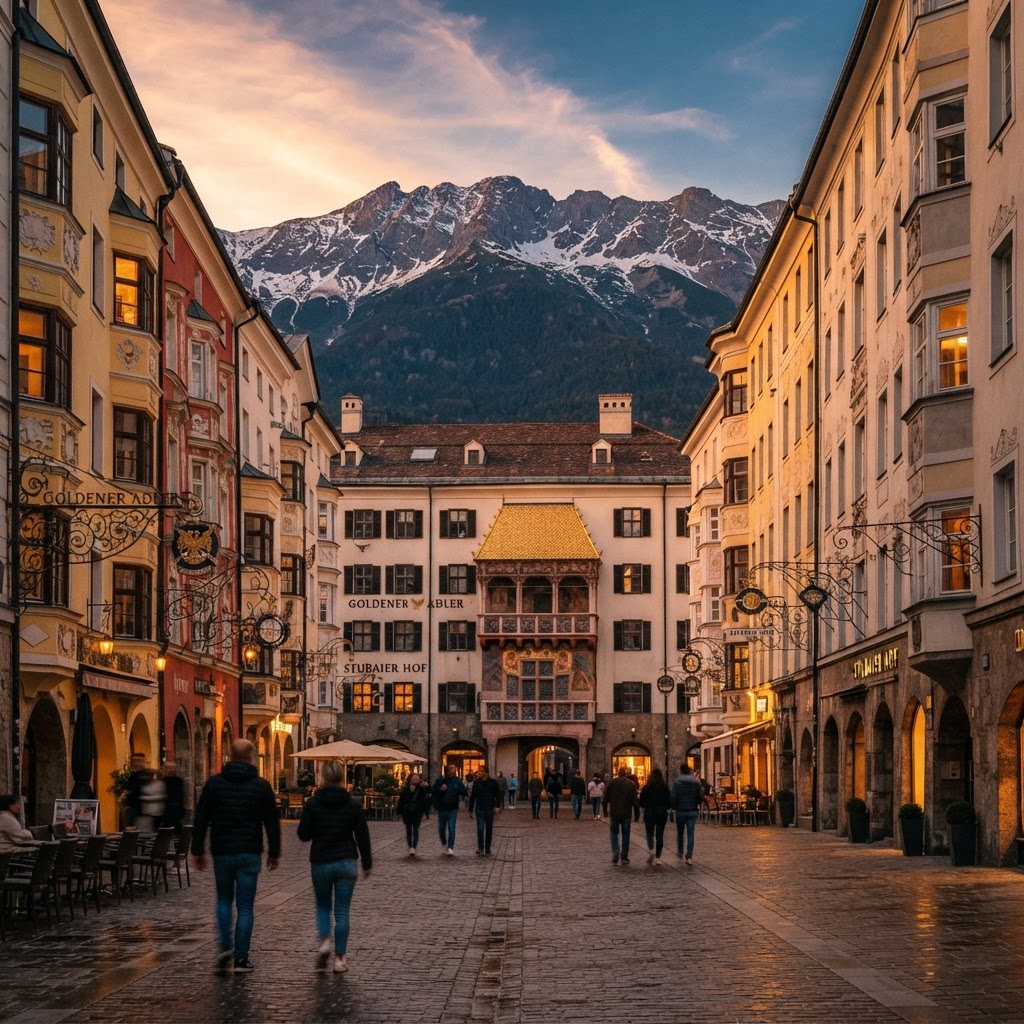
Imperial Habsburg architecture flanked by vertical limestone peaks.
Plan & book
Sort your Innsbruck, Austria trip in one place.
We point you to the booking tools we'd actually use — live prices, no markup. Or let us build the day-by-day plan around you first, then book.
Innsbruck delivers an immediate contrast rarely matched in Europe: Zaha Hadid-designed transit stations and imperial Gothic courtyards set against the sheer vertical wall of the Nordkette mountain range. As the capital of Tyrol, it balances a lively university town atmosphere with serious high-alpine access, letting you transition from a medieval cobblestone alley to 2,256 meters elevation at Hafelekar in under thirty minutes.
3 days
Best time
Mid-May to June for alpine trails and uncrowded streets, or January to February for powder snow.
Build your own trip with these prebuilt itineraries
Each one is a tested, day-by-day plan for Innsbruck, Austria — start here, then make it yours.
5 Days: Active Mountain Hiking & Valley Excursions in Innsbruck
Outdoors-focused exploration tackling alpine trails, high-altitude ridges, and day trips into surrounding valleys via public transit
3 Days: The Complete Alpine City Break in Innsbruck
First-time overview balancing historic Altstadt sights, panoramic Nordkette vistas, and Tyrolean cultural traditions using the Innsbruck Card
2 Days: Imperial History & Modernist Architecture in Innsbruck
Focusing on Habsburg heritage and modern architectural landmarks like Zaha Hadid cable car stations and Bergisel Ski Jump without renting a car
Go for the friction-free intersection of urban alpine culture and wilderness. You do not need to choose between visiting Renaissance art collections at Schloss Ambras, drinking crisp Tyrolean lagers in a student quarter, and hiking ridgelines above tree line. The city infrastructure is integrated directly with the mountains via the Hungerburgbahn and Nordkette cable cars, eliminating the logistical slog typical of remote ski and mountaineering bases.
Where to stay
Getting there
Getting around
Food & drink
What it costs
Things to do
Book tours & tickets in Innsbruck, AustriaSkip it if
Skip Innsbruck if you want a cozy, quiet car-free alpine hamlet like Wengen or Hallstatt; this is an energetic university city of 130,000 residents with traffic, modern buildings, and train yards. It is also skippable if your primary goal is wide, gentle ski cruising for beginner families—dedicated ski resorts deeper in the Stubaital or Zillertal offer far better extensive beginner terrain.
When to go
Summer hiking and winter ski seasons offer the true alpine city experience, whereas shoulder months trade crowds for seasonal maintenance shutdowns on major mountain cable cars.
Peak (Dec–Feb & Jul–Aug)
Skiers and Christmas market travelers pack December to February; July and August bring European summer hiking crowds and peak hotel rates.
Shoulder (May–Jun & Sep–Oct)
Ideal hiking conditions, blossoming meadows or autumn foliage, and manageable street crowds, though higher mountain peaks may still carry snow into early June.
Low (Nov & Apr)
A quiet inter-season when the Nordkette and surrounding cable cars undergo bi-annual maintenance closures and alpine trails are unpleasantly slushy or bare.
Neighborhoods
Where you stay shapes the trip. Here's how to think about it.
Altstadt (Old Town)
Cobblestone pedestrian lanes, pastel baroque facades, and tourists milling beneath medieval arcades.
Best for:first-timers and short weekenders
Don't miss:The 28 life-sized Renaissance bronze figures surrounding Emperor Maximilian I's cenotaph in the Hofkirche.
Maria-Theresien-Straße & Innenstadt
Grand imperial boulevard, modern retail flagship stores, open-air café terraces, and students rushing to lectures.
Best for:shoppers, café hoppers, and transit convenience
Don't miss:The 360-degree mountain view looking north along the pedestrian street toward the Nordkette peaks framed past St. Anne's Column.
Wilten
Laid-back residential leafy district with ornate art nouveau facades, independent bakeries, and quiet squares.
Best for:repeat visitors, food lovers, and travelers seeking quiet evenings
Don't miss:The roccoco gilded interior of the Wilten Basilica, followed by an espresso on the terrace at nearby Leipziger Platz.
St. Nikolaus & Mariahilf
Postcard-perfect pastel riverfront row houses backed immediately by steep, wooded foothills.
Best for:photographers, evening strolls, and travelers wanting local neighborhood wine taverns
Don't miss:The classic view across the turquoise Inn River from the Marktplatz bridge toward the painted facades of Mariahilf at dusk.
Saggen
Affluent, quiet Belle Époque district defined by expansive Habsburg-era villas and manicured gardens.
Best for:architecture enthusiasts and travelers avoiding tourist foot traffic
Don't miss:The Zaha Hadid-designed Hungerburgbahn funicular stations at Congress and Loewenhaus bordering the neighborhood.
Destination intelligence
Updated 9/14/2026The structured record we plan every Innsbruck, Austria itinerary from.
Walkability
High. The entire historic center, riverfront, and university district are compact and predominantly pedestrianized.
Transit quality
High. IVB operates frequent, clean trams and electric buses, supplemented by ÖBB S-Bahn links and mountain funiculars.
Car needed
No. A rental car is a financial liability inside the city due to strict resident parking and expensive garage rates.
Ideal duration
3 days
Minimum useful
2 days
Peak season
December to February for winter sports and holiday markets, plus July to August for alpine hiking.
Shoulder season
May to June for wildflower meadows and uncrowded streets, and September to October for stable hiking weather.
Low season
November and April, when seasonal transitions lead to lift closures and wet, unpredictable weather.
Best for
Common mistakes
- Paying for individual mountain cable cars and tram tickets instead of buying an Innsbruck Card, which pays for itself with a single trip to Top of Innsbruck (Nordkette) plus one museum
- Renting a car to tour the city; driving inside the ring and finding parking near the pedestrianized Altstadt is expensive and inconvenient
- Visiting in November, when many alpine cable cars shut down for routine seasonal maintenance and before winter ski and Christmas market infrastructure opens
- Assuming Nordkette is a beginner-friendly ski zone; the terrain down from Hafelekar is extremely steep, rocky, and suited only to advanced freeriders
Best nearby
How to plan it
- Check mountain summit webcams in the morning before buying cable car tickets to Hafelekar; shift your schedule to museums like Hofburg if cloud cover settles on the ridge.
- Stay in Altstadt or Innenstadt if you want to walk to dinner and funicular stations without navigating tram timetables.
- Do not bundle both Bergisel Ski Jump and Ambras Castle into the same afternoon as they lie on opposite southern and eastern flanks of the city.
- Pair Innsbruck with a rail-connected alpine stay in the Stubaital or Seefeld in Tirol if you want true rural village hiking without renting a vehicle.
Questions
More in Austria
Salzkammergut, Austria
Austria
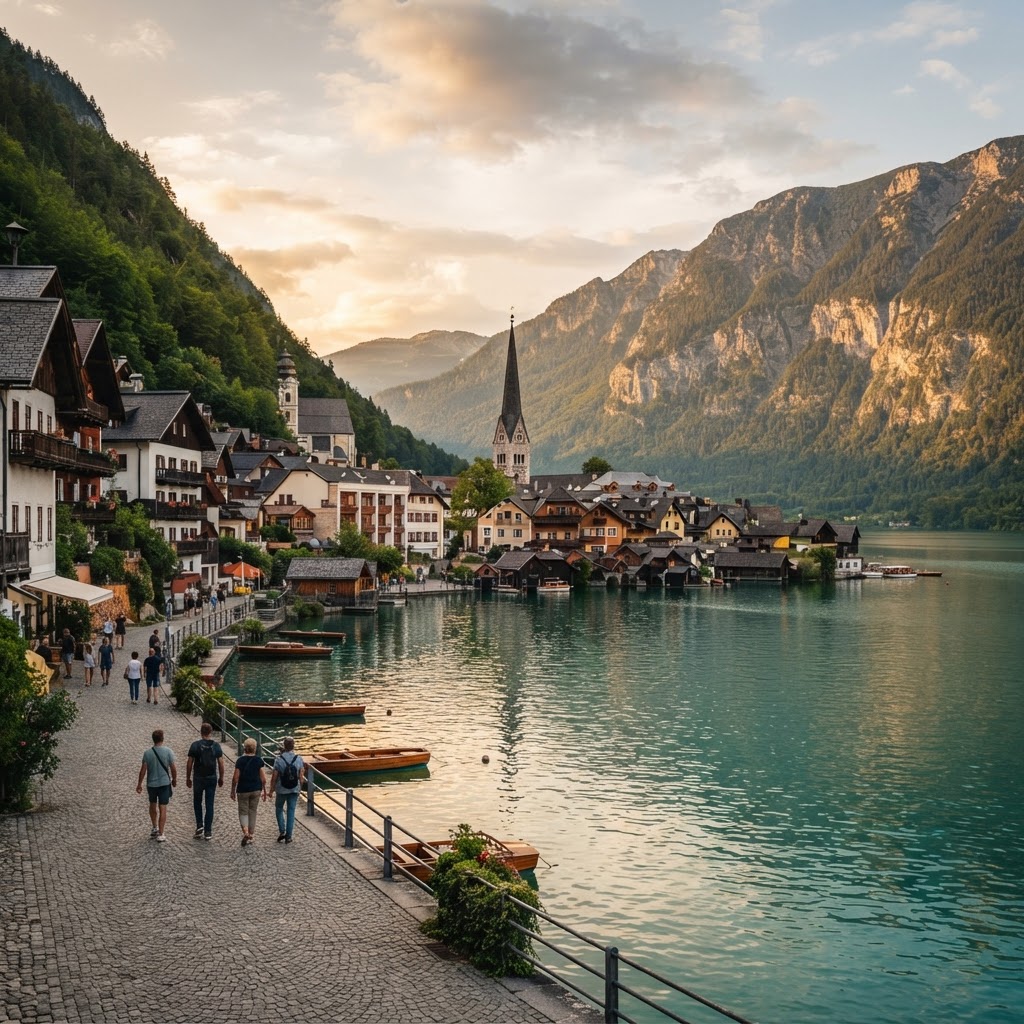
Turquoise glacial lakes, Habsburg spa towns, and jagged limestone ridges.
St. Anton am Arlberg
Austria
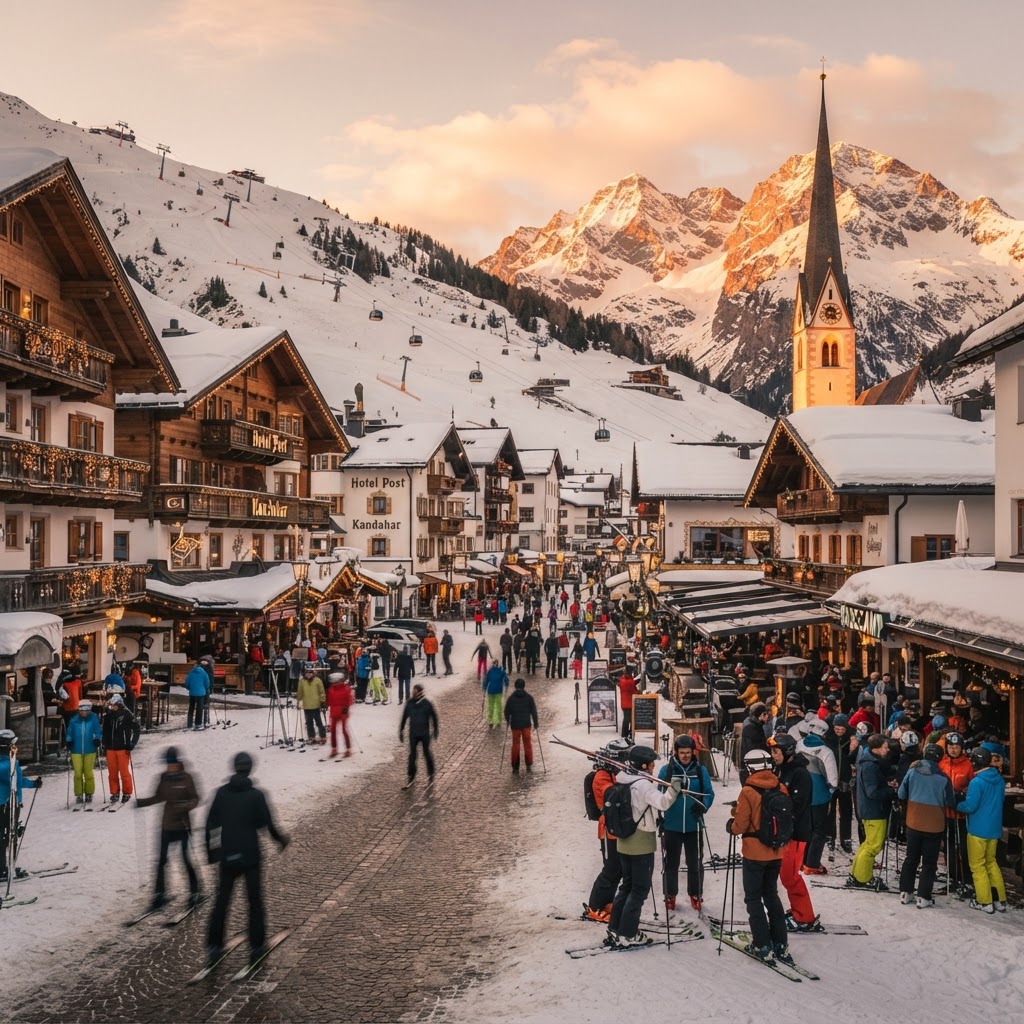
The cradle of alpine skiing, unmatched off-piste terrain, and Europe's most raucous après-ski.
Zell am See, Austria
Austria
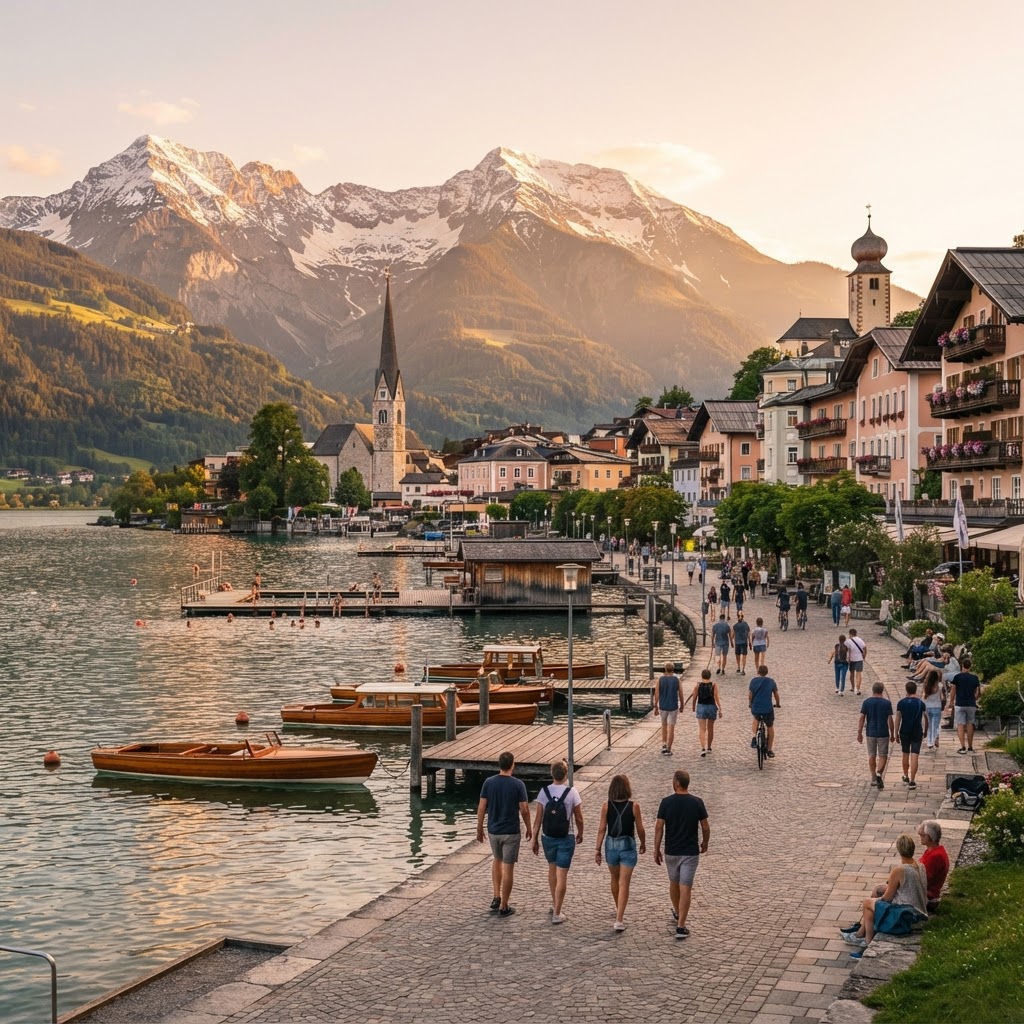
A car-free Alpine crossroad where glacial peaks plunge straight into swimming waters.
Readymade itineraries
Start from a tested template — then make it yours.
Ready to book
Lock in your Innsbruck, Austria trip
Everything in one place. We may earn a small commission — it never costs you more.
Plan a trip to Innsbruck, Austria
Pick a length and we'll build a day-by-day plan around how you travel — neighborhoods clustered, budget-aware, and editable.
Get better at planning trips like this
Occasional notes on planning smarter — no spam, unsubscribe anytime.
Plan a trip to Innsbruck, Austria
Turn this guide into a day-by-day plan built around your pace, your group, and your budget.
Build my Innsbruck, Austria trip