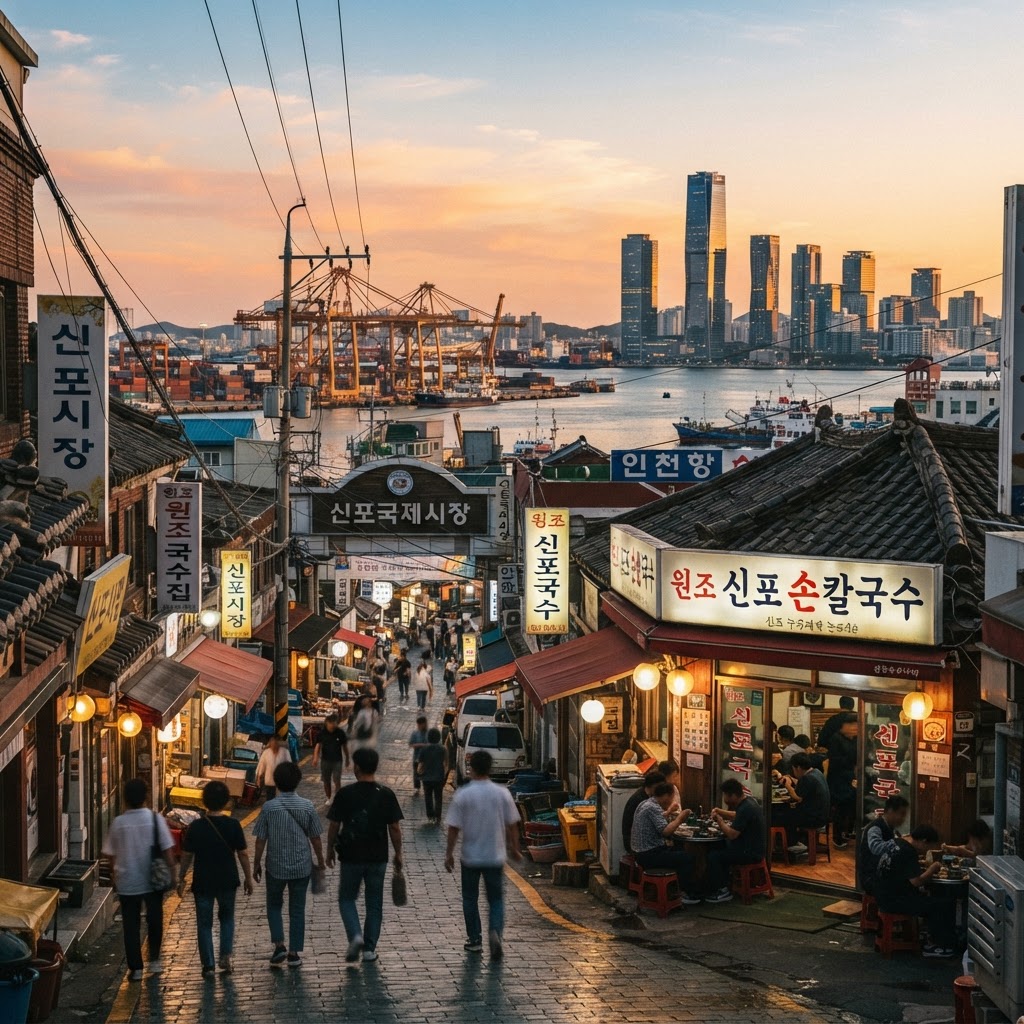
South Korea
Incheon
Beyond Seoul's airport runway lies a maritime hub of modern master plans, open ports, and historic noodle shops.
Plan & book
Sort your Incheon trip in one place.
We point you to the booking tools we'd actually use — live prices, no markup. Or let us build the day-by-day plan around you first, then book.
Most visitors know Incheon solely as the tarmac where their flight touches down before boarding the AREX express train to Seoul. Look closer and you find South Korea's primary maritime gateway, characterized by three distinct faces: the retro, red-brick streets of the 19th-century Open Port and historic Chinatown; the master-planned smart city of Songdo International Business District with its seawater canals; and the leisure-heavy coastlines of Yeongjongdo and Ganghwado.
2 to 3 days
Best time
Late September to late October, followed closely by mid-April to May.
Build your own trip with these prebuilt itineraries
Each one is a tested, day-by-day plan for Incheon — start here, then make it yours.
3 Days of Coastal Flavors & Island Escapes in Incheon
Deep culinary culture across street markets paired with an island venture to Ganghwado
2 Days in Modern Songdo & Heritage Incheon in Incheon
Classic highlights contrasting futuristic smart city architecture in Songdo with historic harbor markets
1 Day Incheon Layover & Port History in Incheon
Historic Chinatown, Open Port heritage, and regional culinary highlights on an airport bookend stop
Incheon provides a compelling counterpoint to Seoul's dense capital corridors without requiring a domestic flight. It delivers the birthplace of modern Korean Chinese cuisine (specifically jjajangmyeon), the retro industrial architecture of Korea's first open treaty port, and the hyper-futuristic, aerotropolis infrastructure of Songdo, all while sitting right on the Yellow Sea.
Where to stay
Getting there
Getting around
Food & drink
What it costs
Things to do
Book tours & tickets in IncheonSkip it if
Skip Incheon as a multi-day stay if you only have four to five days total in South Korea; keep your base strictly in central Seoul to maximize sightseeing and use Incheon only as a brief half-day transit stop.
When to go
Autumn brings dry, crisp Yellow Sea breezes and crystal-clear skies, making canal walks and port explorations comfortable without summer humidity. Spring delivers blooming cherry trees in Jayu Park, though you trade that scenery for occasional Yellow Dust smog days.
Peak (April to May & September to October)
Comfortable temperatures averaging 15°C–22°C; hotel rates in Songdo and Yeongjongdo spike on weekends, requiring bookings 4 to 6 weeks out.
Shoulder (June & late August)
Warm and breezy along the coast, but punctuated by occasional heavy monsoon downpours and humid afternoons that push activities indoors.
Low (December to February)
Freezing Siberian windchills blast unshielded seaside boardwalks and Songdo's wide boulevards; hotel bargains are abundant, but outdoor walking requires heavy thermal gear.
Neighborhoods
Where you stay shapes the trip. Here's how to think about it.
Songdo International Business District
Futuristic, hyper-planned smart city anchored by seawater canals, geometric towers, and open waterfront plazas.
Best for:Architecture fans, families needing walkable open spaces, business travelers, and luxury hotel seekers.
Don't miss:Taking an evening electric water taxi along the seawater canal at Songdo Central Park as the surrounding skyscrapers illuminate.
Open Port Historic District (Gaehangjang) & Chinatown
Late-19th-century atmospheric port enclave filled with Japanese-era timber warehouses, red-brick heritage banks, and steep Paifang-lined lanes.
Best for:History buffs, heritage cafe hoppers, street food grazers, and photographers.
Don't miss:The original Korean-Chinese style black bean noodles at Gonghwachun, followed by walking through the Incheon Open Port Museum.
Yeongjongdo
Breezy seaside airport-island hub mixing high-end integrated casino resorts with seaside mudflat boardwalks and clam-bake shacks.
Best for:Long layovers, bookend nights before early flights, and resort-based luxury stays.
Don't miss:Soaking at the Cimer European-style wellness spa complex inside Paradise City, just five minutes by shuttle from Terminal 1.
Wolmido
Nostalgic, high-decibel coastal boardwalk lined with retro carnival rides, fresh raw fish halls, and ferry slips overlooking the Yellow Sea.
Best for:People-watching, retro carnival nostalgia, and couples seeking casual waterfront evenings.
Don't miss:Riding the elevated Wolmi Sea Train monorail for a bird's-eye perimeter loop of the working cargo docks and the world-record Silo Mural.
Bupyeong
Sprawling, high-density underground retail labyrinth topped with student-heavy pubs, late-night BBQ joints, and karaoke alleys.
Best for:Bargain shoppers, night owls, and subway-connected commuters.
Don't miss:Getting intentionally lost navigating the subterranean retail passages of Bupyeong Underground Shopping Mall, containing over 1,400 compact shops.
Destination intelligence
Updated 9/14/2026The structured record we plan every Incheon itinerary from.
Walkability
Pockets of high walkability in designated zones (Songdo Central Park, Open Port/Chinatown), but poorly walkable between separated districts.
Transit quality
High — well integrated into the broader Seoul Metropolitan Subway network alongside dedicated Incheon lines and comprehensive bus routes.
Car needed
Not required for urban Incheon, though advantageous if exploring outer island routes across Ganghwado.
Ideal duration
2 to 3 days
Minimum useful
1 full day (or a structured 8-hour transit layover)
Peak season
Spring (April to May) for mild weather and cherry blossoms around Jayu Park, and Autumn (September to October) for clear, crisp harbor days.
Shoulder season
June and late August to September, offering warm weather with fluctuating coastal humidity.
Low season
Winter (December to February), marked by bitter Siberian coastal winds off the Yellow Sea.
Best for
Common mistakes
- Assuming Incheon is simply an airport suburb of Seoul and rushing out without seeing the port history
- Underestimating transit time between Songdo, Chinatown, and the airport islands, which can take 45 to 70 minutes each way on local transit
- Renting a car for central Incheon when the metro and local taxis navigate parking crunches far better
Best nearby
See what a trip to South Korea actually costs. Travel Budget Co.
How to plan it
- Base yourself in Songdo if you prioritize sleek hotels, wide sidewalks, and calm evenings; base yourself in Jung-gu near Incheon Station if you want immediate walking access to historic streets and noodle houses.
- Do not attempt to combine Ganghwado island and Songdo on the same day—they sit on opposite ends of the metropolitan boundary, separated by over two hours of traffic and transfers.
- Pair an afternoon wandering the Japanese-era timber warehouses of Gaehangjang directly with sunset at Jayu Park and dinner in Chinatown, as they share the same hillside.
- If staying on Yeongjongdo for an airport connection, double-check your hotel's airport shuttle hours; off-peak taxis across Yeongjong Bridge or Incheon Bridge incur costly toll surcharges.
- Schedule your market run to Sinpo International Market around mid-afternoon on weekdays to avoid the brutal 45-minute weekend queues for dakgangjeong (crispy sweet-spicy chicken).
Questions
More in South Korea
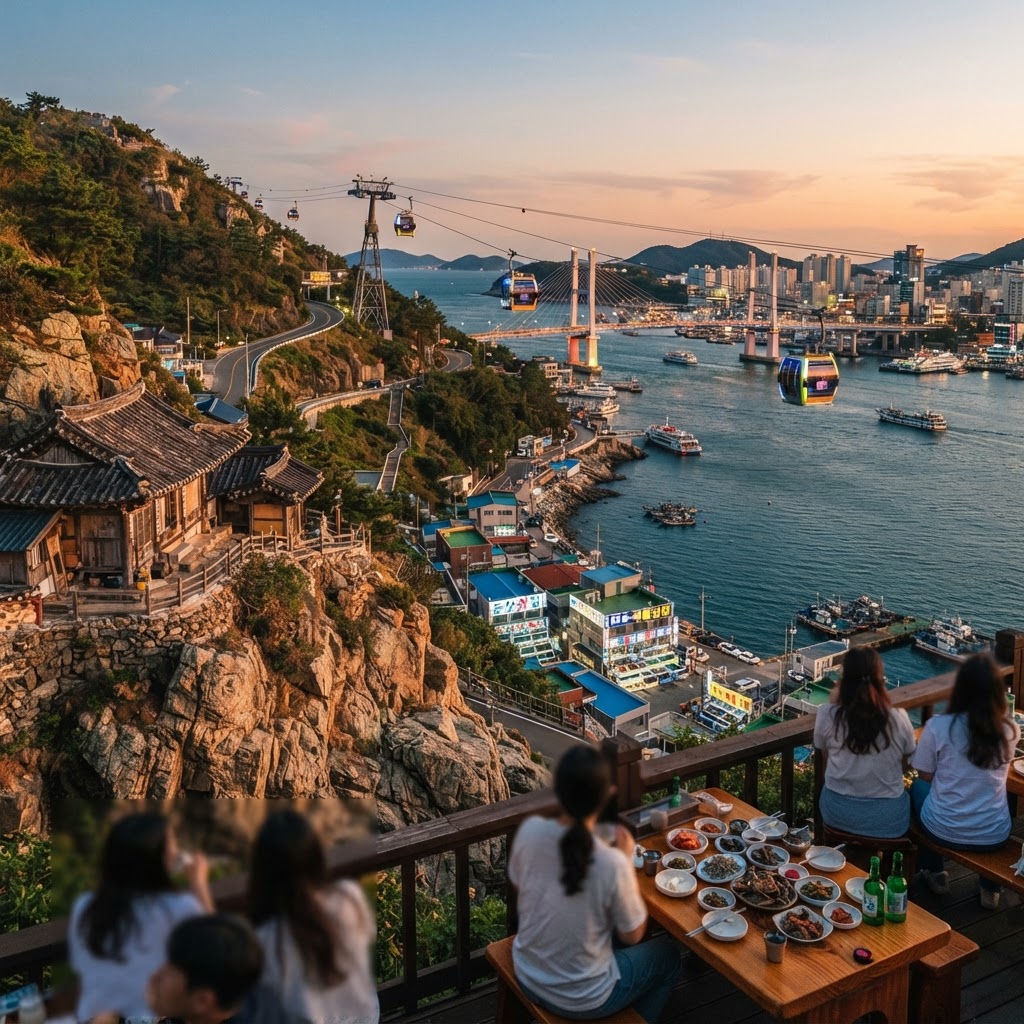
Yeosu, South Korea
South Korea
Korea's southern maritime retreat of cliffside hermitages, sea cable cars, and coastal banchan
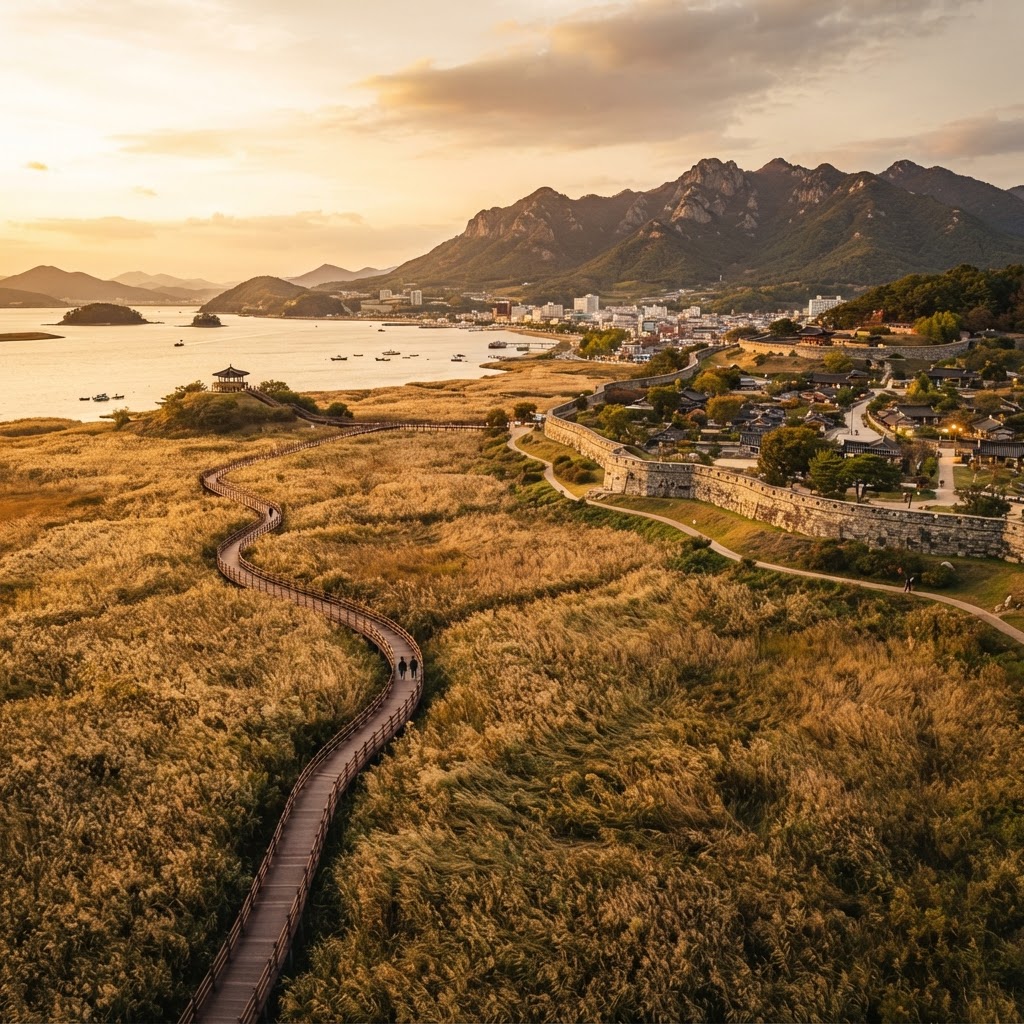
Suncheon, South Korea
South Korea
Expansive coastal reed beds, living fortress walls, and quiet southern culinary depth.
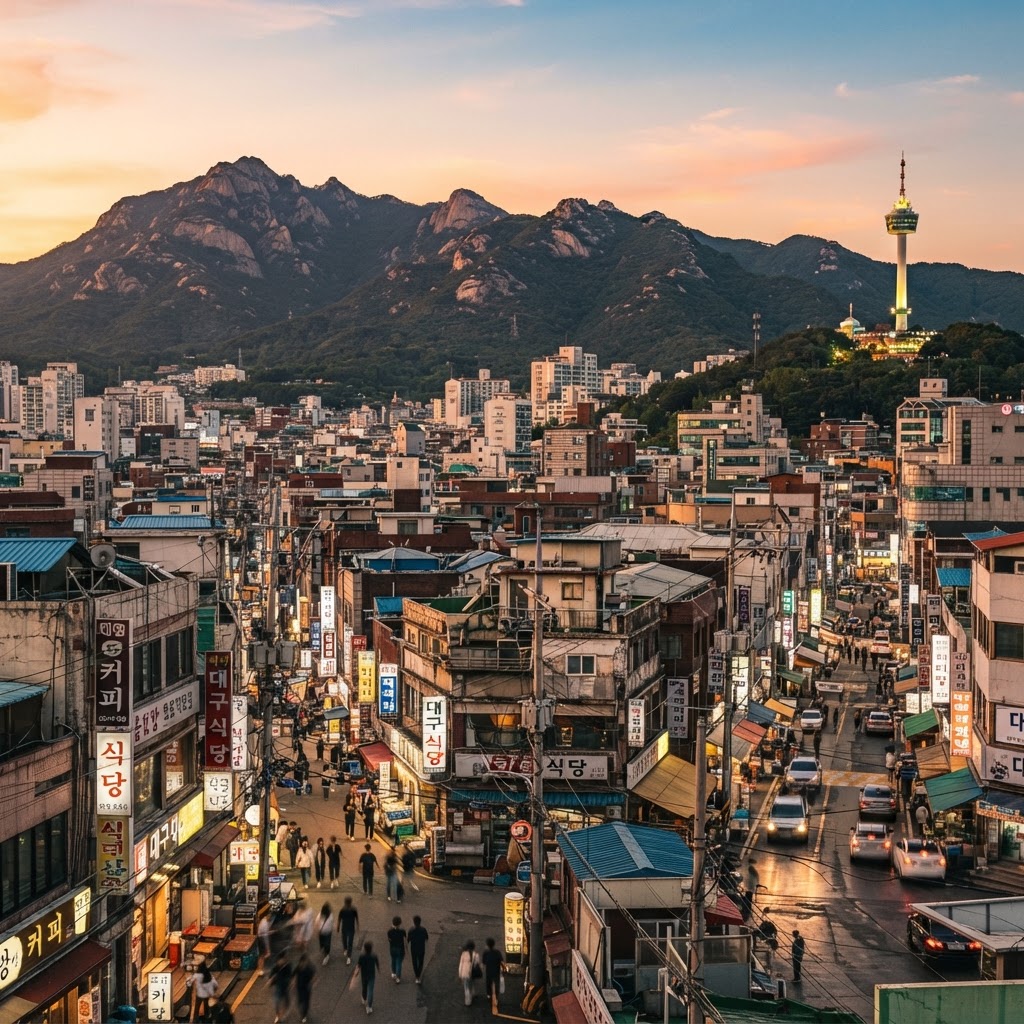
Daegu
South Korea
A gritty mountain-ringed textile hub turned coffee capital and culinary heavyweight
More in East Asia
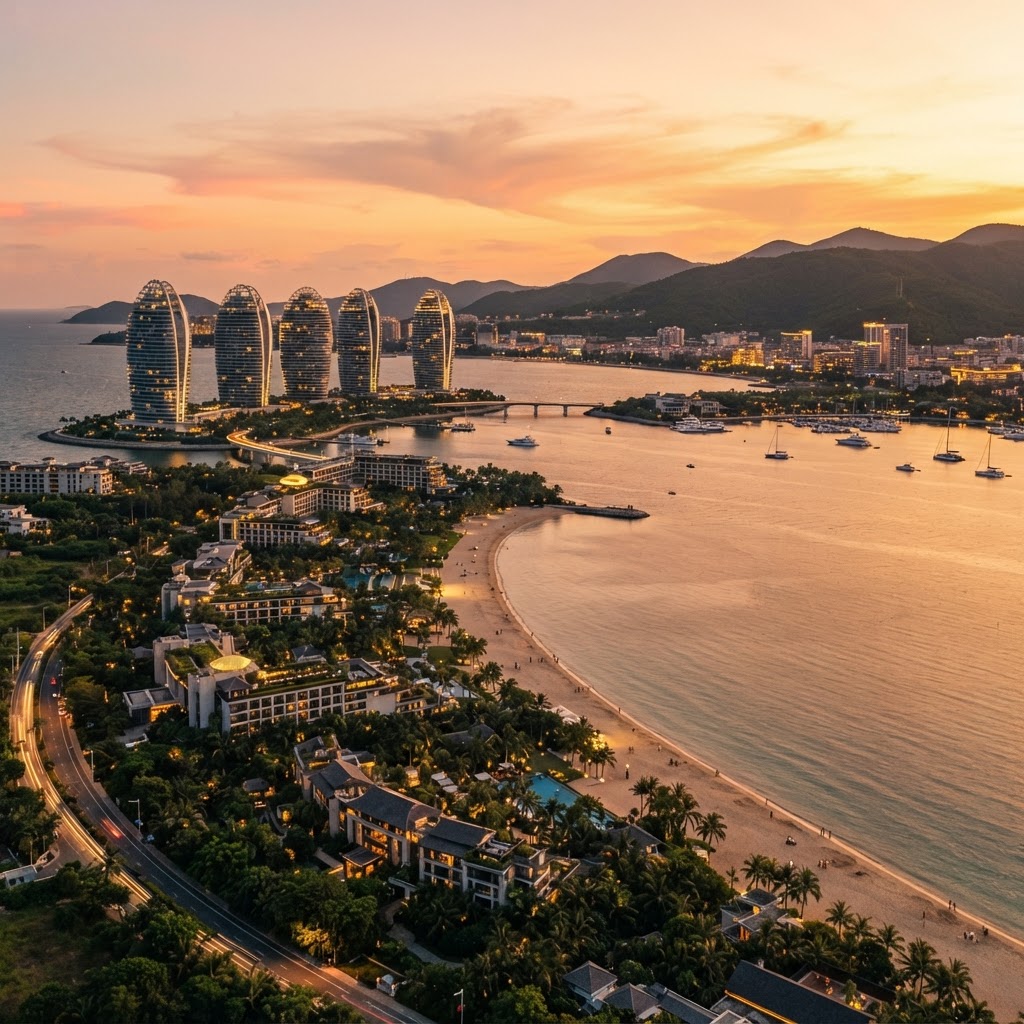
Sanya, Hainan, China
China
China's tropical resort strip of five-star bays, duty-free hubs, and coastal escapes.
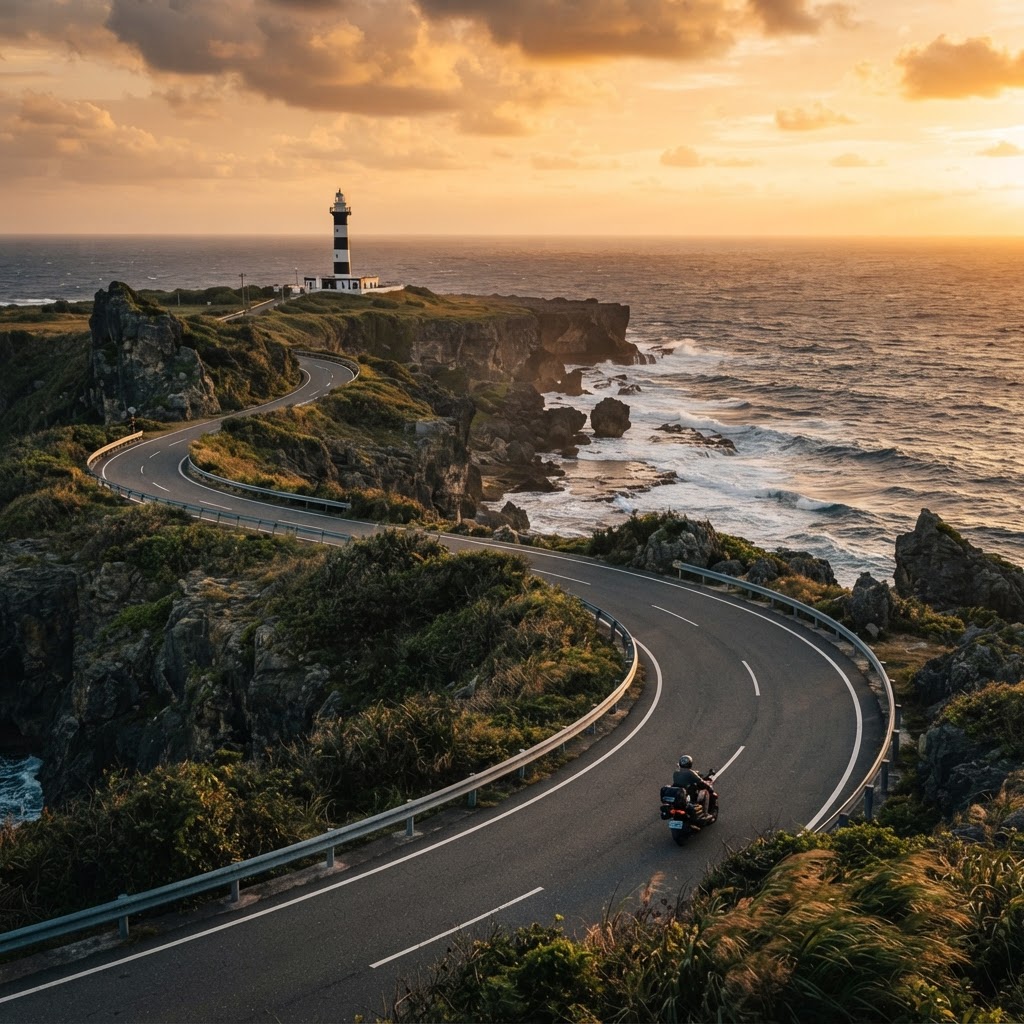
Kenting, Taiwan
Taiwan
Windswept coastal cliffs, coral reefs, and open-throttle peninsula roads at Taiwan’s southernmost tip.
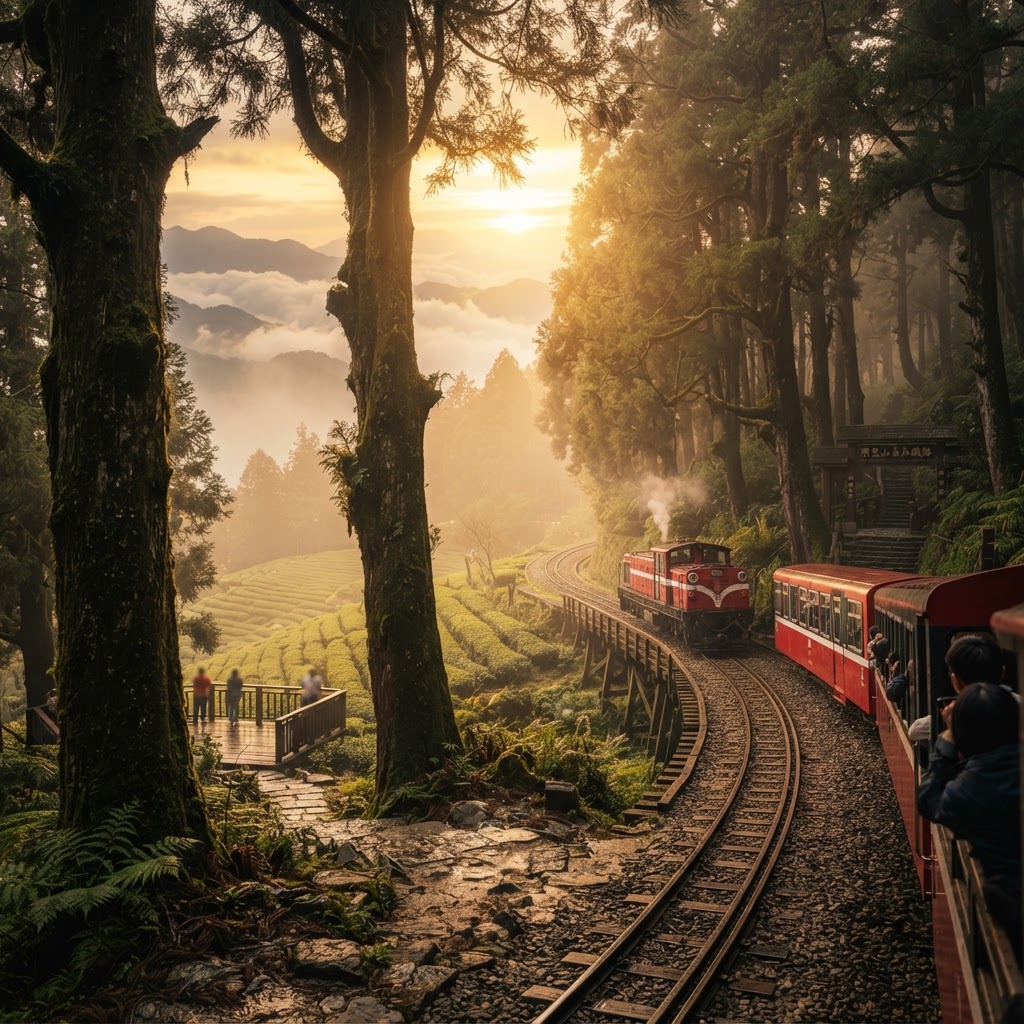
Alishan, Chiayi County
Taiwan
Ancient red cypresses, sunrise railway ascents, and high-mountain oolong shrouded in mist.
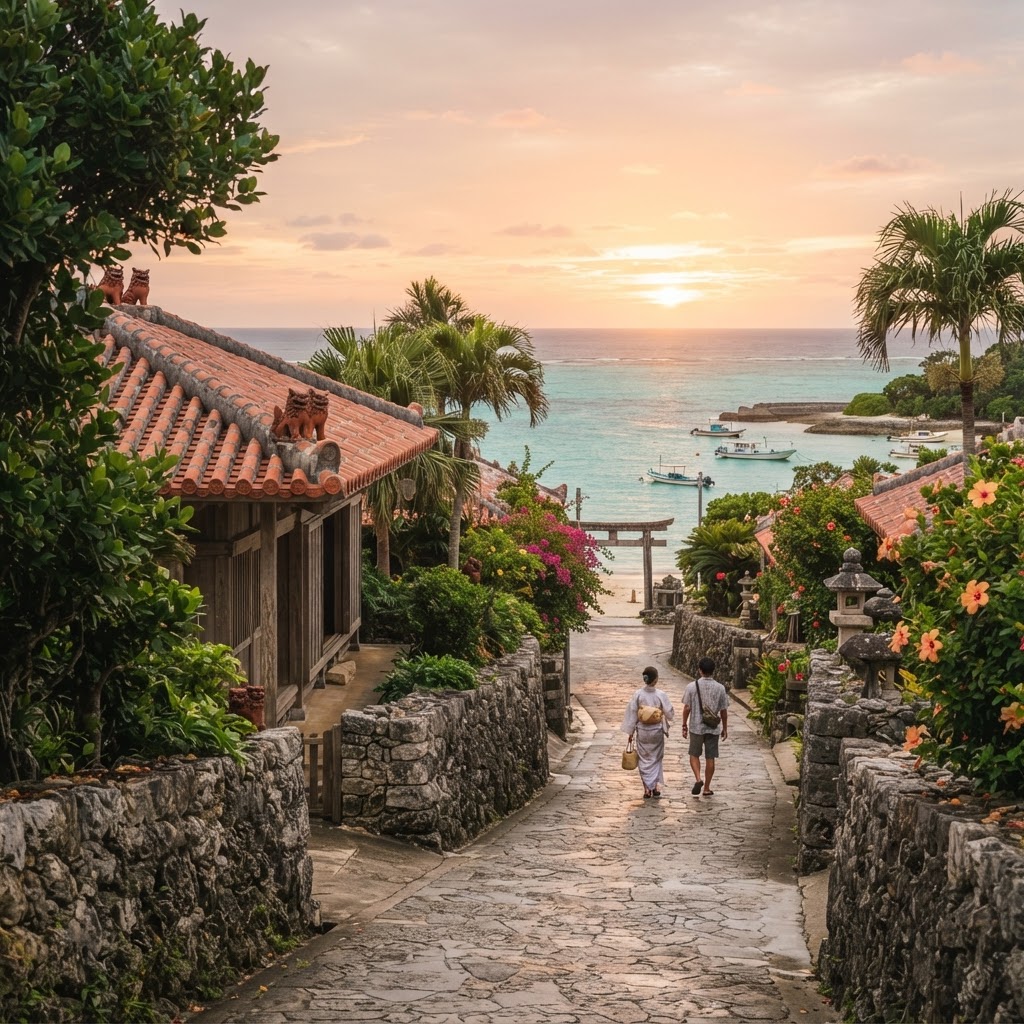
Okinawa, Japan
Japan
Subtropical Ryukyu heritage meets turquoise Pacific waters and slow island living
Readymade itineraries
Start from a tested template — then make it yours.
Ready to book
Lock in your Incheon trip
Everything in one place. We may earn a small commission — it never costs you more.
Plan a trip to Incheon
Pick a length and we'll build a day-by-day plan around how you travel — neighborhoods clustered, budget-aware, and editable.
Get better at planning trips like this
Occasional notes on planning smarter — no spam, unsubscribe anytime.
Plan a trip to Incheon
Turn this guide into a day-by-day plan built around your pace, your group, and your budget.
Build my Incheon trip