Austria
Hallstatt, Austria
A 7,000-year-old salt alpine hamlet that rewards anyone willing to stay the night.
Plan & book
Sort your Hallstatt, Austria trip in one place.
We point you to the booking tools we'd actually use — live prices, no markup. Or let us build the day-by-day plan around you first, then book.
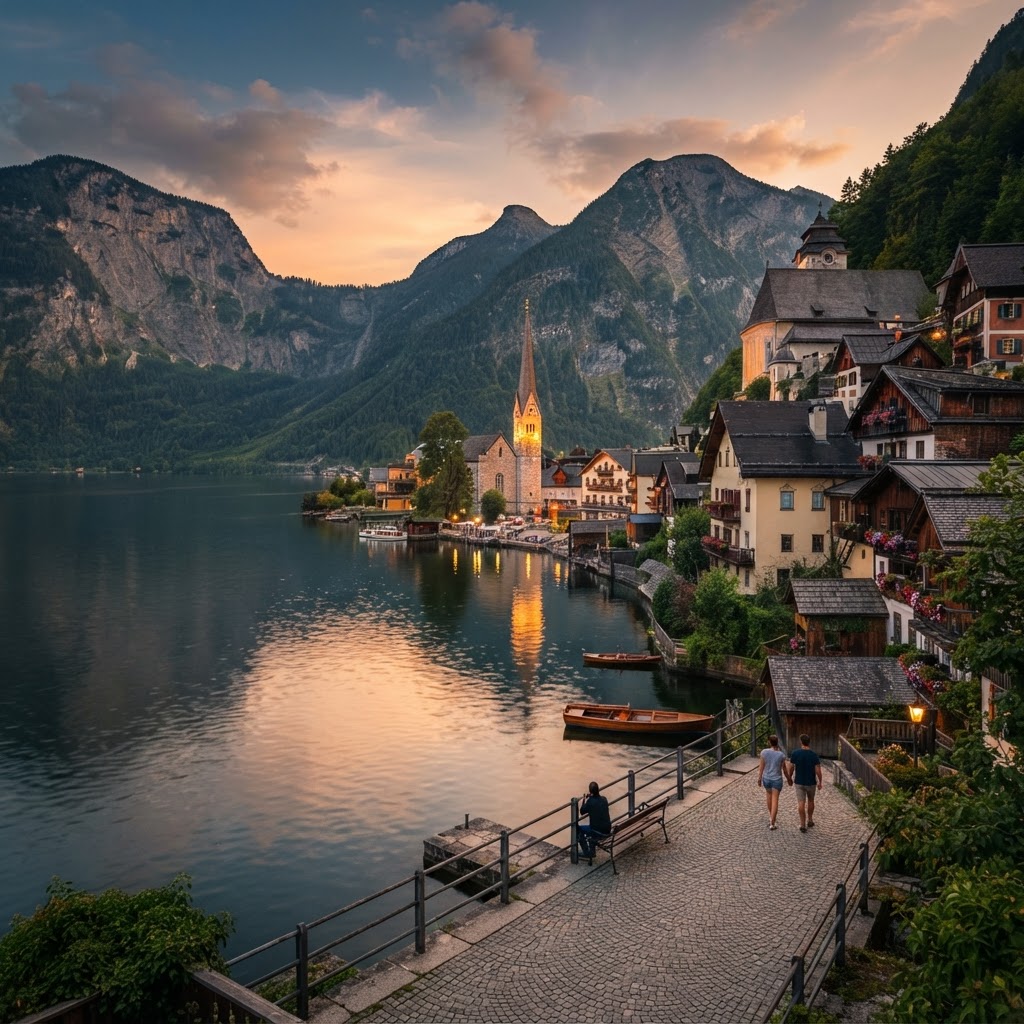
Clinging to a narrow ledge between the precipitous Dachstein Alps and the dark waters of Lake Hallstatt, this UNESCO World Heritage village is among the most photographed settlements on earth. By day, tour buses and excursion crowds flood its single main thoroughfare; by dusk, silence settles over the 16th-century pastel chalets, woodsmoke hangs in the crisp alpine air, and the lake mirrors towering crags. Visiting Hallstatt successfully hinges entirely on timing—spending an overnight stay here transforms an overwhelming selfie gauntlet into an intimate, spellbinding alpine experience.
24 to 36 hours (1 night)
Best time
Mid-May to early June or late September to mid-October.
Build your own trip with these prebuilt itineraries
Each one is a tested, day-by-day plan for Hallstatt, Austria — start here, then make it yours.
3 Days in Hallstatt & Salzkammergut: Scenic Lakes & Trails in Hallstatt
Slow alpine retreat featuring lake crossings, nature hikes, and quiet regional villages
2 Days in Hallstatt: Salt Heritage & Dachstein Heights in Hallstatt
In-depth prehistoric salt mine history, high-altitude Dachstein exploration, and lakeside serenity
1 Day in Hallstatt: Classic Overnight in Hallstatt
First-time alpine highlights and dusk-to-dawn views to beat the tour bus rush
Go for the astonishing harmony of ancient human industry and sheer alpine geology: the world's oldest salt mine operating above pastel timber houses reflected in a glass-smooth fjord-like lake. The true reward is experiencing the village before 9:00 AM and after 5:00 PM, when the day-tripper boats depart and the car-free alleys regain their haunting mountain quietude.
Where to stay
Getting there
Getting around
Food & drink
What it costs
Things to do
Book tours & tickets in Hallstatt, AustriaSkip it if
Skip it if you despise crowded tourist hubs and cannot spare an overnight stay—the midday squeeze will frustrate you. Also skip if you have severe mobility limitations, as the hillside steps and cobblestones are demanding, or if you expect a bustling late-night dining and bar scene.
When to go
You dodge the oppressive midday tour bus gridlock of July and August while keeping full operating access to the salt mine funicular, lake boats, and Dachstein cable cars in comfortable walking temperatures.
Peak (July–August, Christmas–New Year)
Bracingly crowded between 10:00 AM and 4:30 PM, premium hotel room rates, and car parks fill before 9:30 AM.
Shoulder (May–June, September–October)
Optimal balance: crisp alpine air, vibrant autumn foliage or spring blooms, full transport schedules, and peaceful evenings.
Low (November, January–March)
Magical snowy scenery with zero tour crowds after dusk, though electric boat hires pause and upper mountain attractions close for maintenance.
Neighborhoods
Where you stay shapes the trip. Here's how to think about it.
Marktplatz & Historic Center
16th-century pastel merchant homes clustered around the central cobblestone square and Evangelische Pfarrkirche.
Best for:First-time overnight visitors who want immediate access to early morning walks before excursion buses arrive.
Don't miss:Coffee on the terrace at Seehotel Grüner Baum before the ferry crowd unloads at 9:00 AM.
Kirchenweg & Upper Terraces
Steep hillside pathways and stone ramps tucked directly behind the waterfront, framed by mountain runoff and alpine rock.
Best for:Photographers and travelers seeking quiet seclusion above the street-level day-tripper flow.
Don't miss:The Beinhaus (Charnel House) at St. Michael's Chapel, home to over 600 hand-painted decorative skulls.
Lahn & Salzberg Base
The practical, slightly more modern southern entrance where the bus depot, ferry dock, and funicular converge.
Best for:Travelers with wheeled luggage, families, and anyone arriving late via regional Postbus.
Don't miss:The Salzbergbahn funicular station for direct morning transit up to the Salzwelten salt mine.
Obertraun (Lakeside Satellite)
A quiet, low-density alpine village across the southern lake shore with wide meadows and mountain views.
Best for:Budget-conscious travelers, outdoor hikers, and drivers wanting hassle-free parking and rail links.
Don't miss:The Dachstein Krippenstein cable car ascent to the Dachstein Giant Ice Cave and 5 Fingers viewing platform.
Destination intelligence
Updated 9/14/2026The structured record we plan every Hallstatt, Austria itinerary from.
Walkability
High within the village, though steep: Hallstatt is car-free and compact, but exploring requires stone stairs, cobblestone inclines, and hillside ramps.
Transit quality
Moderate: well-coordinated connection via regional trains, lake ferries, and Postbus 150/542, but frequency slows down sharply in late afternoons.
Car needed
Not required, and often a liability; day visitors must park in expensive peripheral tunnels or garages (P1/P2) and walk or shuttle in.
Ideal duration
24 to 36 hours (1 night)
Minimum useful
4 to 5 hours (day trip)
Peak season
July to August and mid-December to early January: packed daily with day-trippers, high hotel rates, and crowded funicular queues.
Shoulder season
May to June and September to October: milder weather, foliage or spring blooms, full mine and boat schedules, and manageable tour groups.
Low season
November and January to March: quiet, dramatic snowscapes and zero crowds after dusk, though boat rentals and some upper attractions close for winter maintenance.
Best for
Common mistakes
- Visiting purely as a midday tour from 11:00 AM to 3:00 PM, when pedestrian congestion peaks and the village feels like a theme park.
- Attempting to drive directly into the village; street parking does not exist inside town and enforcement will turn you back into paid peripheral lots.
- Failing to carry cash in small denominations for the Beinhaus, luggage lockers, and small lakeside snack stalls that do not take credit cards.
- Treating the residential lanes as a photo studio without respecting local privacy; avoid leaning into open windows or stepping onto private docks.
Best nearby
How to plan it
- Book an overnight stay in Marktplatz or Kirchenweg so you have the postcard viewpoints entirely to yourself before 9:00 AM.
- Pair Hallstatt with Salzburg (2.5 hours by train/bus) or Bad Ischl (30 minutes by train) rather than attempting a grueling 8-hour round trip from Vienna.
- Reserve your Salzwelten funicular and mine tour entry online at least 48 hours in advance to bypass ticket counter lines.
- If accommodations in the historic core are sold out or over budget, book across the water in Obertraun and use the regional train or passenger ferry to commute.
- Schedule your arrival for late afternoon (after 4:00 PM) when tour buses depart, drop your bags, and spend the evening wandering uninterrupted.
Questions
More in Austria
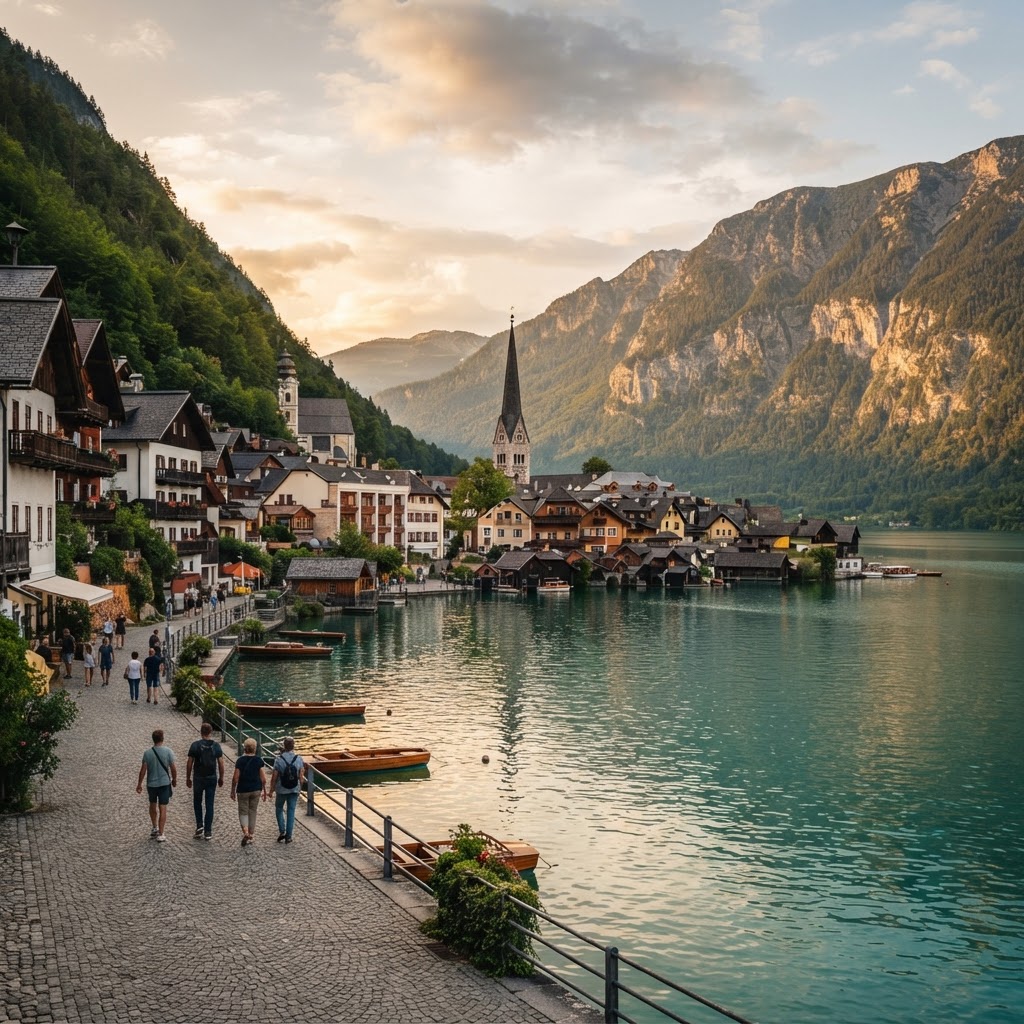
Salzkammergut, Austria
Austria
Turquoise glacial lakes, Habsburg spa towns, and jagged limestone ridges.
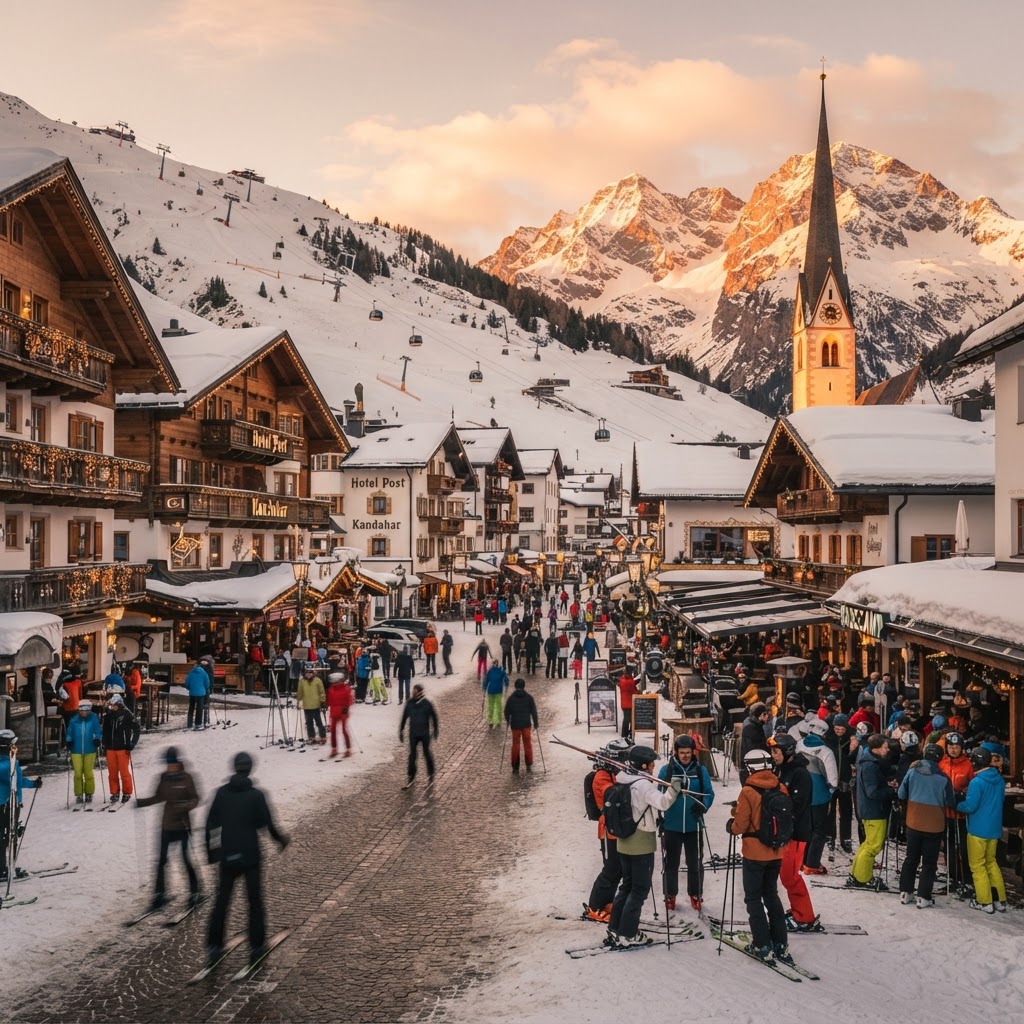
St. Anton am Arlberg
Austria
The cradle of alpine skiing, unmatched off-piste terrain, and Europe's most raucous après-ski.
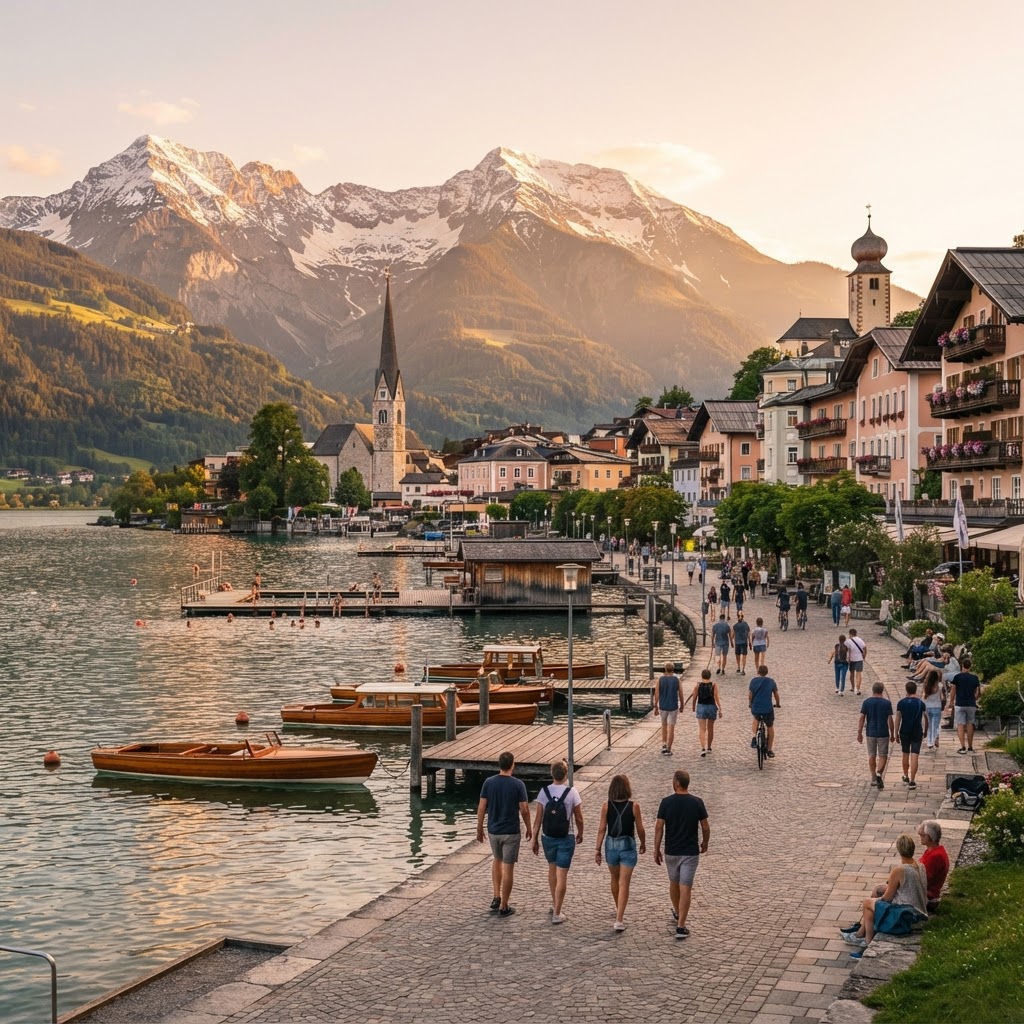
Zell am See, Austria
Austria
A car-free Alpine crossroad where glacial peaks plunge straight into swimming waters.
Readymade itineraries
Start from a tested template — then make it yours.
Ready to book
Lock in your Hallstatt, Austria trip
Everything in one place. We may earn a small commission — it never costs you more.
Plan a trip to Hallstatt, Austria
Pick a length and we'll build a day-by-day plan around how you travel — neighborhoods clustered, budget-aware, and editable.
Get better at planning trips like this
Occasional notes on planning smarter — no spam, unsubscribe anytime.
Plan a trip to Hallstatt, Austria
Turn this guide into a day-by-day plan built around your pace, your group, and your budget.
Build my Hallstatt, Austria trip