Austria
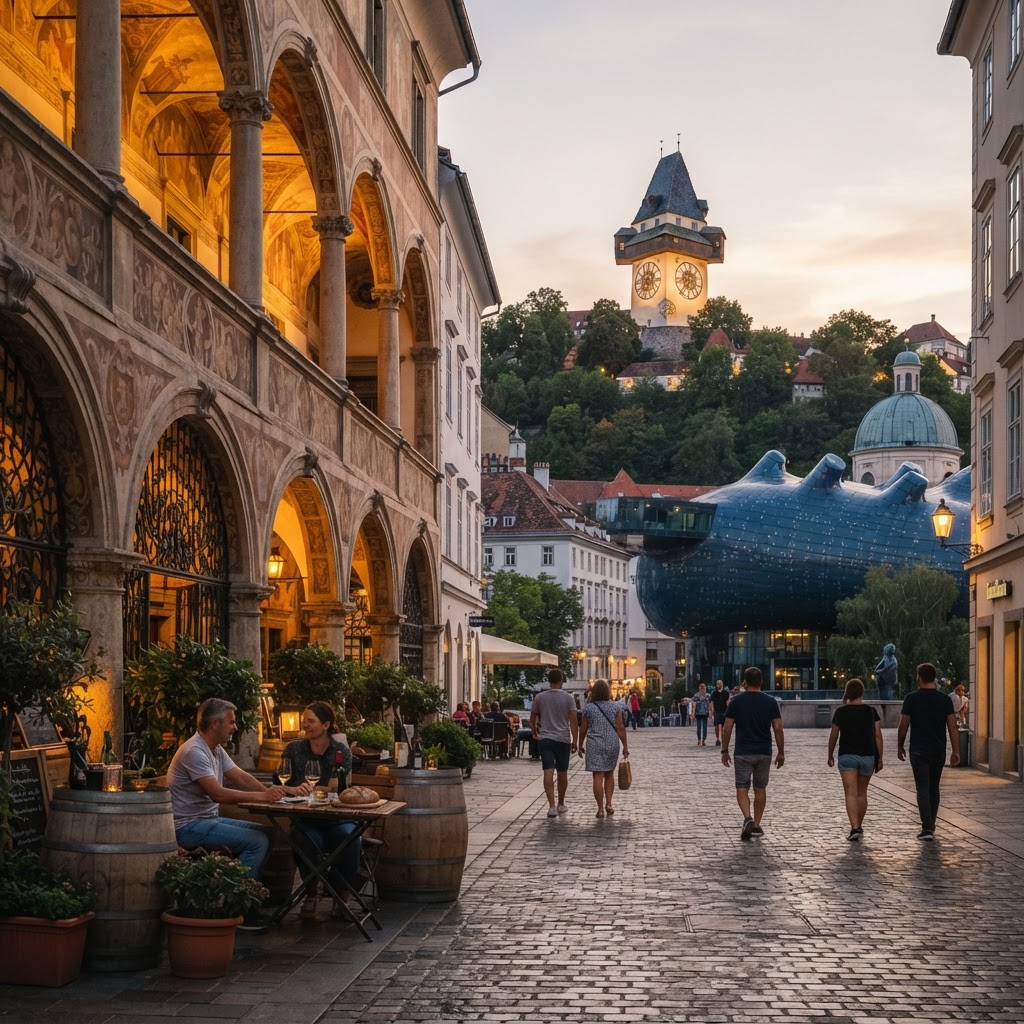
Graz, Austria
Renaissance arcades, avant-garde architecture, and Styrian culinary soul without the tour bus crowds.
Plan & book
Sort your Graz, Austria trip in one place.
We point you to the booking tools we'd actually use — live prices, no markup. Or let us build the day-by-day plan around you first, then book.
Austria's second city sits south of the Alps, bathed in Mediterranean light and driven by a large student population that keeps it inventive rather than museum-bound. Graz pairs a UNESCO-listed red-tile historic core with striking modern design like the iridescent Kunsthaus Graz, anchored around the iconic forested Schlossberg. For travelers seeking authentic Austrian culture without the Vienna pricing or Salzburg souvenir bottlenecks, Graz delivers world-class wine, regional culinary distinction, and relaxed walkability.
2 to 3 days
Best time
May to June or September to mid-October.
Build your own trip with these prebuilt itineraries
Each one is a tested, day-by-day plan for Graz, Austria — start here, then make it yours.
4 Days in Graz: Castles, Culture & Green Escapes in Graz
A relaxed cultural exploration featuring UNESCO World Heritage sites, museums, and regional day trips like Eggenberg Palace and Gösting
3 Days in Graz: Culinary Capital & Wine in Graz
Deep dive into Styrian culinary traditions, farmers markets, local taverns, and South Styrian wine culture
2 Days in Graz: Classic Highlights & Design in Graz
First-time urban highlights blending historic landmarks, Schlossberg views, and bold contemporary architecture
Graz trades high-gloss imperial theater for lived-in authenticity. Designated Austria's 'Capital of Culinary Delights,' it sits surrounded by Styrian rolling vineyards and pumpkin fields, meaning farm-to-table food and fresh local wine dominate every tavern. It gives you 16th-century Italianate Renaissance courtyards right alongside unapologetic contemporary architecture, with zero need to dodge packaged tour crowds.
Where to stay
Getting there
Getting around
Food & drink
What it costs
Things to do
Book tours & tickets in Graz, AustriaSkip it if
Skip Graz if you are on a whirlwind first-time Austria tour checking off postcard-famous alpine peaks and imperial Habsburg sights; Salzburg and Vienna provide higher-density spectacle for tight timelines.
When to go
Spring and early autumn offer sunny, Mediterranean-leaning weather ideal for outdoor courtyard dining and hill climbing, avoiding midsummer humidity and the cold grey fog of deep winter. Autumn also aligns directly with the Styrian wine harvest and tavern festivities just outside the city.
Peak (July to August & December)
Summer brings vibrant street life, outdoor festivals, and warm weather, though some independent restaurants close for staff holidays in August. December sees crowded squares for the Advent markets and Glühwein stands.
Shoulder (April to June & September to October)
The sweet spot for Graz: comfortable temperatures for climbing the Schlossberg, bustling open-air markets at Kaiser-Josef-Platz, and peak seasonal Styrian produce like wild garlic in spring and fresh pumpkin oil in fall.
Low (January to March)
Damp, chilly, and quiet with shorter daylight hours. While hotel rates drop and sights are deserted, outdoor courtyards are shut and the city loses its lively alfresco atmosphere.
Neighborhoods
Where you stay shapes the trip. Here's how to think about it.
Innere Stadt (Altstadt)
Cobblestone alleys, Italianate Renaissance arcades, and grand civic squares below the Schlossberg.
Best for:First-timers, architecture buffs, and travelers wanting everything within a 10-minute walk.
Don't miss:The Renaissance courtyard of the Landhaus and the dramatic gothic double-spiral staircase (Doppelwendeltreppe) hidden inside the Graz Burg.
Lend
Gritty-turned-creative river quarter with design studios, third-wave espresso, and lively market plazas.
Best for:Independent travelers, cafe hounds, and anyone who prefers a local neighborhood energy over polished monuments.
Don't miss:The morning farmers market at Lendplatz for Styrian pumpkin seed oil, followed by an evening Spritzer at one of the surrounding outdoor tavern tables.
Gries
Multicultural, energetic, and slightly edgy district filled with indie galleries, bakeries, and bars.
Best for:Budget travelers, night owls, and contemporary art visitors.
Don't miss:The bubble-shaped Kunsthaus Graz (nicknamed the 'Friendly Alien') right on the Mur riverbank, and browsing vinyl and second-hand design shops along Mariahilferstraße.
Geidorf
Leafy, dignified academic quarter of grand 19th-century villas, university lawns, and relaxed student cafes.
Best for:Quiet-seeking travelers, academics, and long walks under mature trees.
Don't miss:The sprawling Graz University Botanical Gardens (Botanischer Garten) and afternoon coffee around Halbärthgasse away from city-center bustle.
Jakomini
Bustling transit hub transitioning south into quiet residential blocks and expansive green park space.
Best for:Budget-conscious travelers needing immediate tram connections and open parkland.
Don't miss:A stroll through Augarten park along the Mur riverbank, especially in the afternoon when locals picnic and cycle along the water.
Destination intelligence
Updated 9/14/2026The structured record we plan every Graz, Austria itinerary from.
Walkability
High
Transit quality
High
Car needed
No
Ideal duration
2 to 3 days
Minimum useful
1 full day
Peak season
June through August, plus December for festive holiday markets and Glühwein stalls.
Shoulder season
April to May and September to October, offering pleasant weather and active wine harvest events across Styria.
Low season
January through March, bringing cold, grey weather and shorter attraction hours, though crowds are non-existent.
Best for
Common mistakes
- Visiting on a Sunday expecting to shop or browse the farmer markets; retail is closed and market squares are quiet, making it better reserved for Schlossberg walks and museum visits.
- Renting a car for the city stay; central parking is limited, tightly regulated, and expensive, while the historic core is almost entirely pedestrian-only.
- Rushing through on a 3-hour day trip and only seeing the Uhrturm, which misses the evening restaurant scene and market culture that make Graz rewarding.
Best nearby
How to plan it
- Stay in Innere Stadt if you want doorstep access to Renaissance courtyards, but cross the Mur into Lend or Gries if you prefer craft coffee roasters, lower room rates, and late-night drinks.
- Do not try to combine Eggenberg Palace, the Landeszeughaus armory, and a hike up the Schlossberg on the same day; split Eggenberg into its own morning via Tram 1 to allow two unhurried hours in its gardens and staterooms.
- Pair your Graz stay with southern Styria's rolling vineyards by taking the local S-Bahn to Leibnitz or Ehrenhausen rather than doing an exhausting same-day round trip from Vienna.
- Visit the Kaiser-Josef-Platz market before 11:00 AM on a weekday or Saturday morning to taste raw cured Speck, Käferbohnen (scarlet runner beans), and warm Käsekrainer straight from farm stalls.
Questions
More in Austria
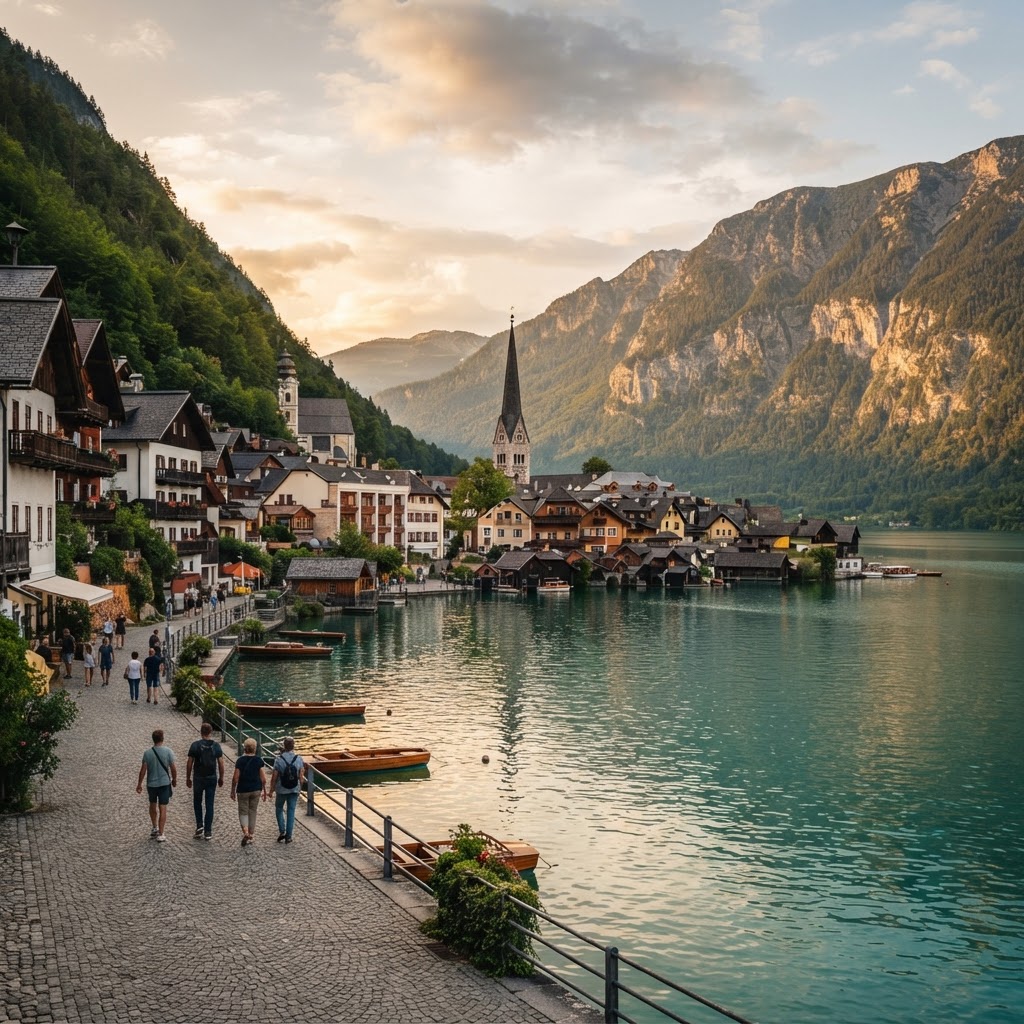
Salzkammergut, Austria
Austria
Turquoise glacial lakes, Habsburg spa towns, and jagged limestone ridges.
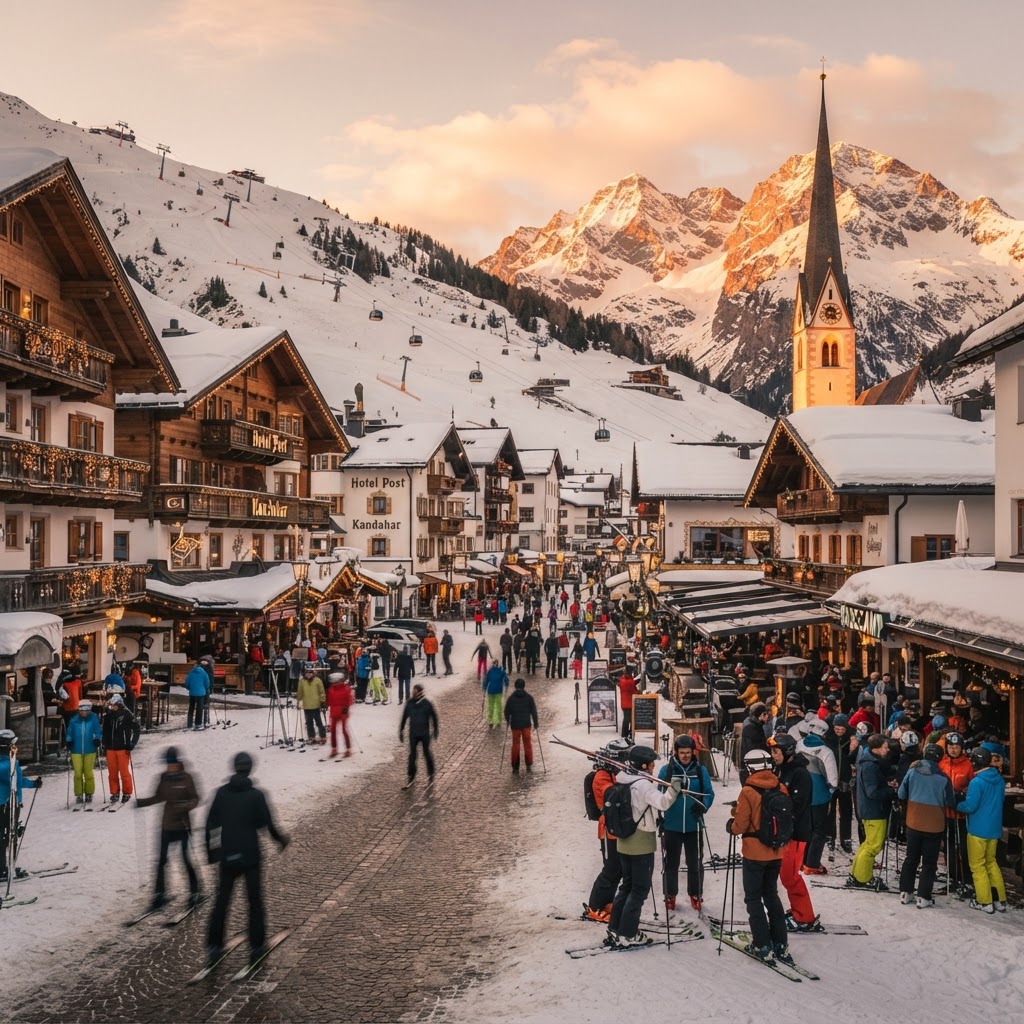
St. Anton am Arlberg
Austria
The cradle of alpine skiing, unmatched off-piste terrain, and Europe's most raucous après-ski.
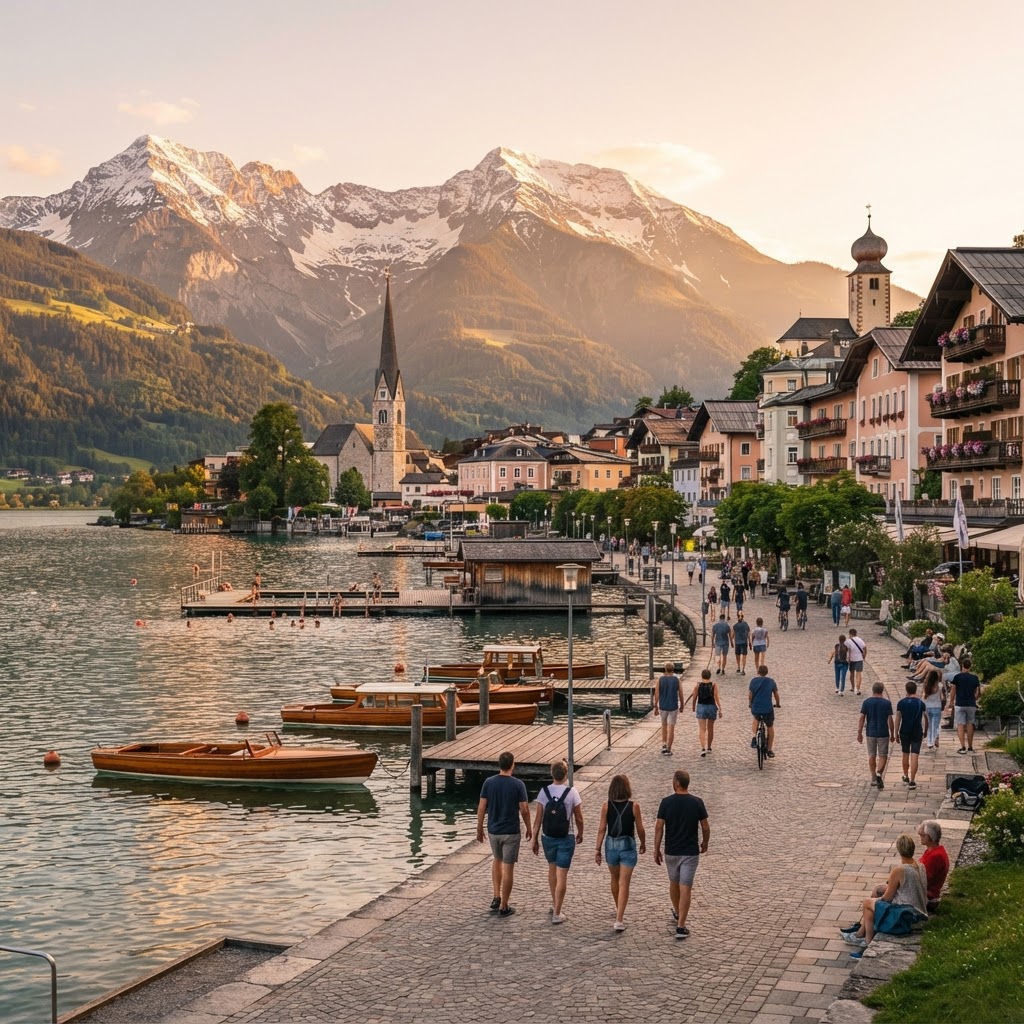
Zell am See, Austria
Austria
A car-free Alpine crossroad where glacial peaks plunge straight into swimming waters.
Readymade itineraries
Start from a tested template — then make it yours.
Ready to book
Lock in your Graz, Austria trip
Everything in one place. We may earn a small commission — it never costs you more.
Plan a trip to Graz, Austria
Pick a length and we'll build a day-by-day plan around how you travel — neighborhoods clustered, budget-aware, and editable.
Get better at planning trips like this
Occasional notes on planning smarter — no spam, unsubscribe anytime.
Plan a trip to Graz, Austria
Turn this guide into a day-by-day plan built around your pace, your group, and your budget.
Build my Graz, Austria trip