Iceland
Golden Circle, Iceland
Rifting continents, scalding steam, and glacial cascades within a day's drive of Reykjavik.
Plan & book
Sort your Golden Circle, Iceland trip in one place.
We point you to the booking tools we'd actually use — live prices, no markup. Or let us build the day-by-day plan around you first, then book.
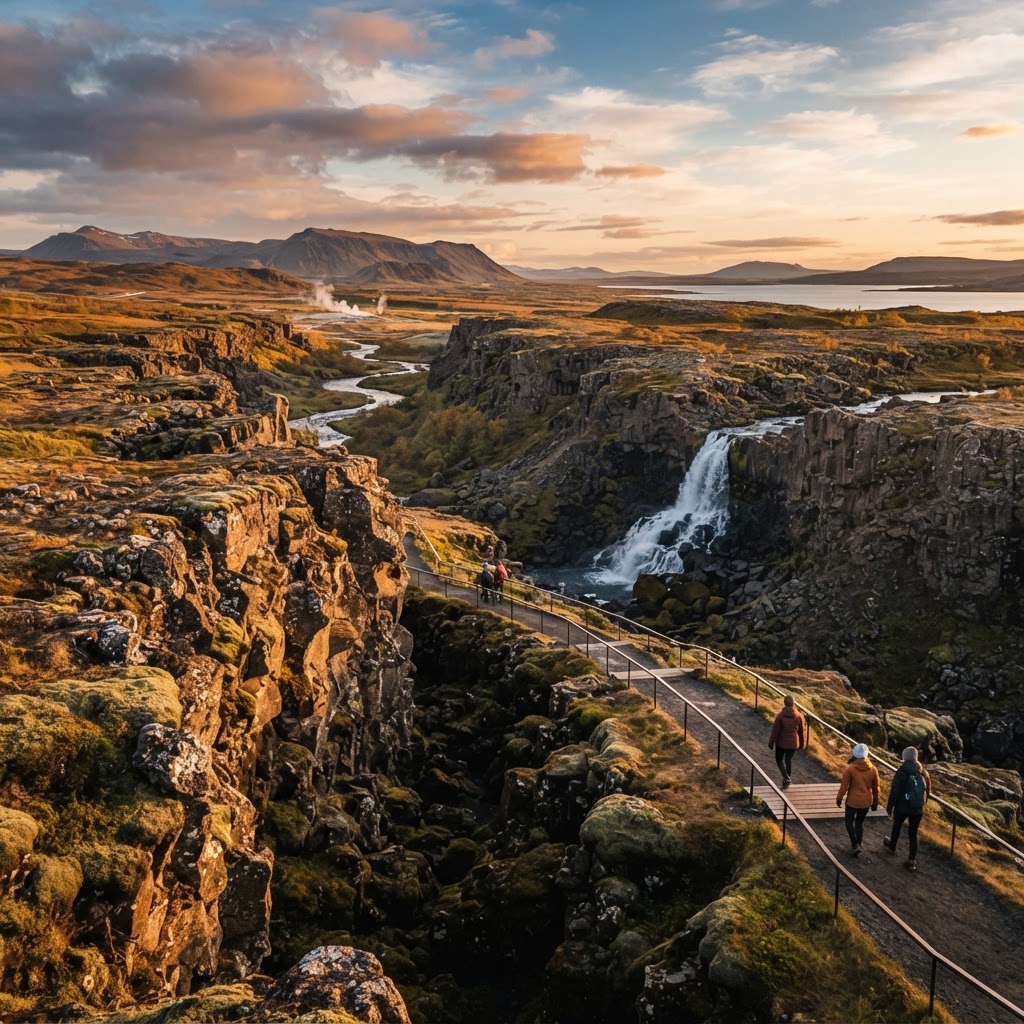
The Golden Circle is Iceland's quintessential 300-kilometer overland loop, linking the tectonic canyon of Þingvellir, the erupting geothermal vent of Strokkur, and the glacial drop of Gullfoss. While it is Iceland’s most touristed circuit, driving it independently reveals why it earned that reputation: geological milestones that sit just hours apart on well-paved roads.
1 to 2 days
Best time
Late May through June, or September for manageable crowds and usable daylight.
Build your own trip with these prebuilt itineraries
Each one is a tested, day-by-day plan for Golden Circle, Iceland — start here, then make it yours.
2-Day Active Geology & Winter Lights in Golden Circle
Outdoor adventure focus featuring Silfra fissure snorkeling, canyon hiking, and rural dark-sky aurora hunting
2-Day Geothermal & Culinary Loop in Golden Circle
Slow-paced route emphasizing greenhouse dining, farm-to-table stops, volcanic craters, and thermal baths with an overnight stay
1-Day Golden Circle Express in Golden Circle
First-time classic circuit beating the bus crowds to Þingvellir, Geysir, and Gullfoss with an evening lagoon soak
The Golden Circle compresses plate tectonics, hydrothermal pressure, and raw glacial runoff into a single day of driving. In eight hours, you can walk between North American and Eurasian crusts at Þingvellir, watch Strokkur spout 30-meter water columns every eight minutes at the Geysir Geothermal Area, and stand above the roaring two-tier plunge of Gullfoss.
Where to stay
Getting there
Getting around
Food & drink
What it costs
Things to do
Book tours & tickets in Golden Circle, IcelandSkip it if
Skip spending a dedicated day here if you are an experienced Iceland hand taking an extended 10-day Ring Road or Westfjords expedition; the sights here will feel crowded and tame compared to the remote north and east.
When to go
Summer offers 20 to 24 hours of light so you can explore late at night with empty parking lots, but prices peak. September brings autumn colors to Þingvellir, fewer tour buses, and early northern lights without extreme winter road hazards.
Peak (Mid-June to August)
Round-the-clock daylight and effortless dry road conditions, counterbalanced by packed boardwalks, midday tour bus waves, and high lodge rates.
Shoulder (May & September–October)
Crisp air, lower lodging prices, and lighter traffic; September brings rust-colored foliage to the rift valley and the start of aurora season.
Low (November to April)
Dramatic frozen falls and high northern lights potential, but limited to 4–6 hours of daylight with frequent black ice, blowing snow, and required studded tires.
Neighborhoods
Where you stay shapes the trip. Here's how to think about it.
Laugarvatn
Sleepy lakeside village anchored by geothermal steam baths and quiet countryside lodges.
Best for:Midway rest stops, evening thermal soaks, and calm countryside stays
Don't miss:Soaking in the lakeside geothermal pools and rye-bread bakery at Laugarvatn Fontana.
Haukadalur Valley
Active geothermal valley filled with erupting plumes, bubbling mud, and sulfur scent.
Best for:Walking directly to geysers early in the morning before tour bus arrivals
Don't miss:Catching Strokkur fountain geyser blowing boiling water 20 meters high every 6 to 10 minutes.
Flúðir
Agricultural hub powered by geothermal greenhouse farming and natural hot springs.
Best for:Unwinding in thermal pools, casual farm eats, and peaceful rural rentals
Don't miss:Floating with noodle floats in the mineral-rich, steam-clouded waters of the Secret Lagoon (Gamla Laugin).
Reykholt (Bláskógabyggð)
Horticultural enclave lined with illuminated greenhouses, tomato vine canopies, and quiet guesthouses.
Best for:Greenhouse dining experiences and convenient positioning between Þingvellir and Gullfoss
Don't miss:Tasting bottomless tomato soup and fresh-baked bread inside the greenhouse at Friðheimar.
Selfoss
Practical Southern lowlands service hub with a re-created historic commercial center and supermarket supply stops.
Best for:Families, self-catering road trippers, and travelers pivoting south to the South Coast / Route 1
Don't miss:Stopping for casual dining and craft beer inside the Old Dairy Food Hall (Mjólkurbúið Mathöll).
Destination intelligence
Updated 9/14/2026The structured record we plan every Golden Circle, Iceland itinerary from.
Walkability
Low overall across the driving circuit, though each individual attraction features 1 to 3 kilometers of dedicated boardwalks, gravel trails, and stairs.
Transit quality
Poor; there is no scheduled regional public transit between attractions, requiring either a self-drive rental or an organized commercial day tour.
Car needed
Yes, unless you book an all-inclusive guided day tour from Reykjavik.
Ideal duration
1 to 2 days
Minimum useful
8 hours (day trip)
Peak season
Mid-June through August: 24-hour daylight, accessible hiking trails, but peak crowds and heavily booked accommodations.
Shoulder season
May and September–October: manageable road traffic, crisp walking weather, lower lodging rates, and dark enough nights for autumn aurora viewing.
Low season
November through April: heavy snow, icy roads, and 4 to 6 hours of daylight, offset by ethereal low-angled light, frozen falls, and prime Northern Lights conditions.
Best for
Common mistakes
- Visiting Geysir and Gullfoss between 11:00 AM and 3:00 PM when Reykjavik tour coaches arrive in bulk
- Neglecting to pre-book lunch at Friðheimar weeks in advance
- Wearing jeans or casual sneakers instead of waterproof shell jackets and sturdy trail boots
- Underestimating short daylight hours (4 to 5 hours) during December and January
- Skipping car park payment kiosks at Þingvellir and Kerið, which carry automatic camera-based fines
Best nearby
How to plan it
- Run the loop counter-clockwise—heading to Gullfoss and Geysir first, saving Þingvellir for late afternoon—to travel opposite the massive coach tour rush departing Reykjavik between 8:30 AM and 9:30 AM.
- Book a lunch sitting at Friðheimar in Reykholt at least a month ahead; if fully booked, grab hearty local mushroom and tomato soup without reservations at nearby Farmers Bistro instead.
- If continuing east toward Vik and the South Coast waterfalls, do not drive back to Reykjavik—sleep near Selfoss or Flúðir to chop an hour off your morning transit.
- Schedule your hot water soak (Secret Lagoon in Flúðir or Laugarvatn Fontana) as the final stop of the day so you can soak out the chill right before heading to your lodge.
Questions
More in Iceland
Jökulsárlón, Iceland
Iceland
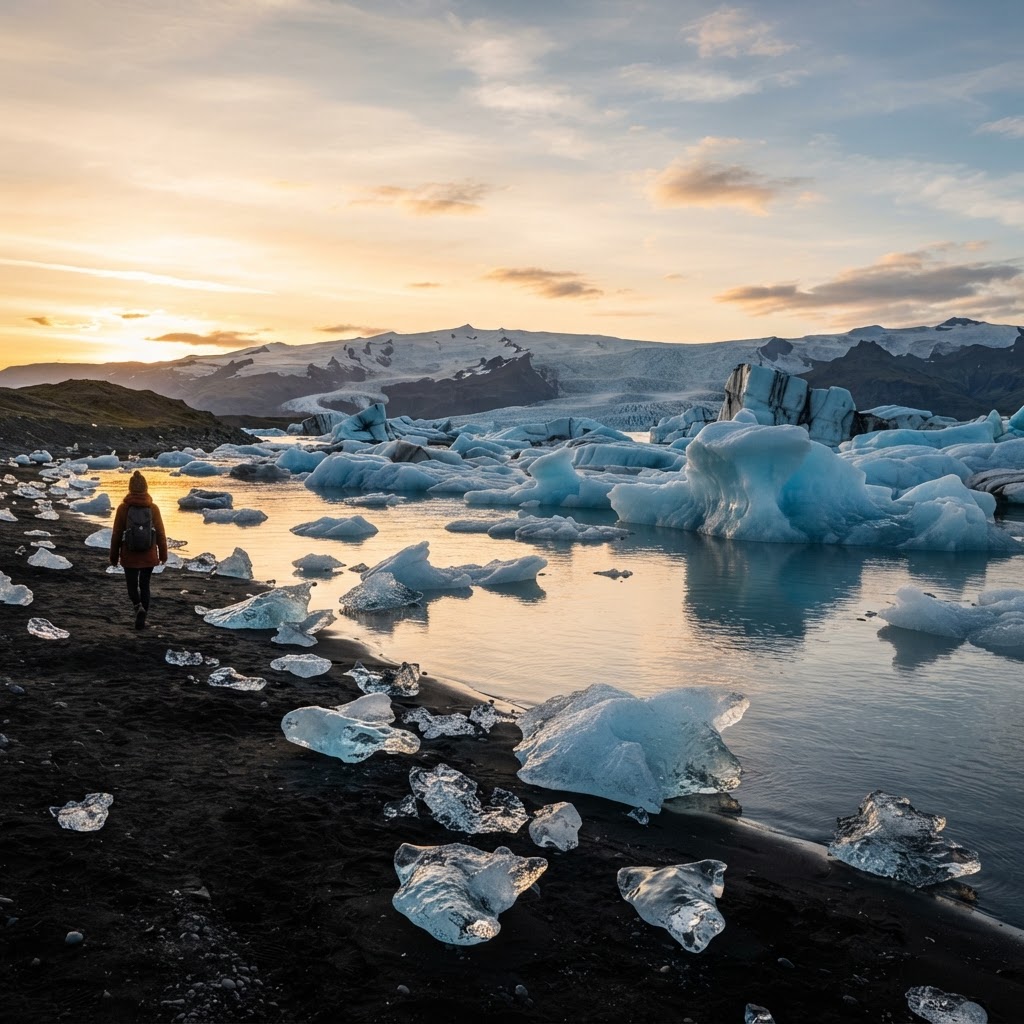
Drifting blue icebergs, volcanic black sands, and silent glacial tides.
Akureyri, Iceland
Iceland
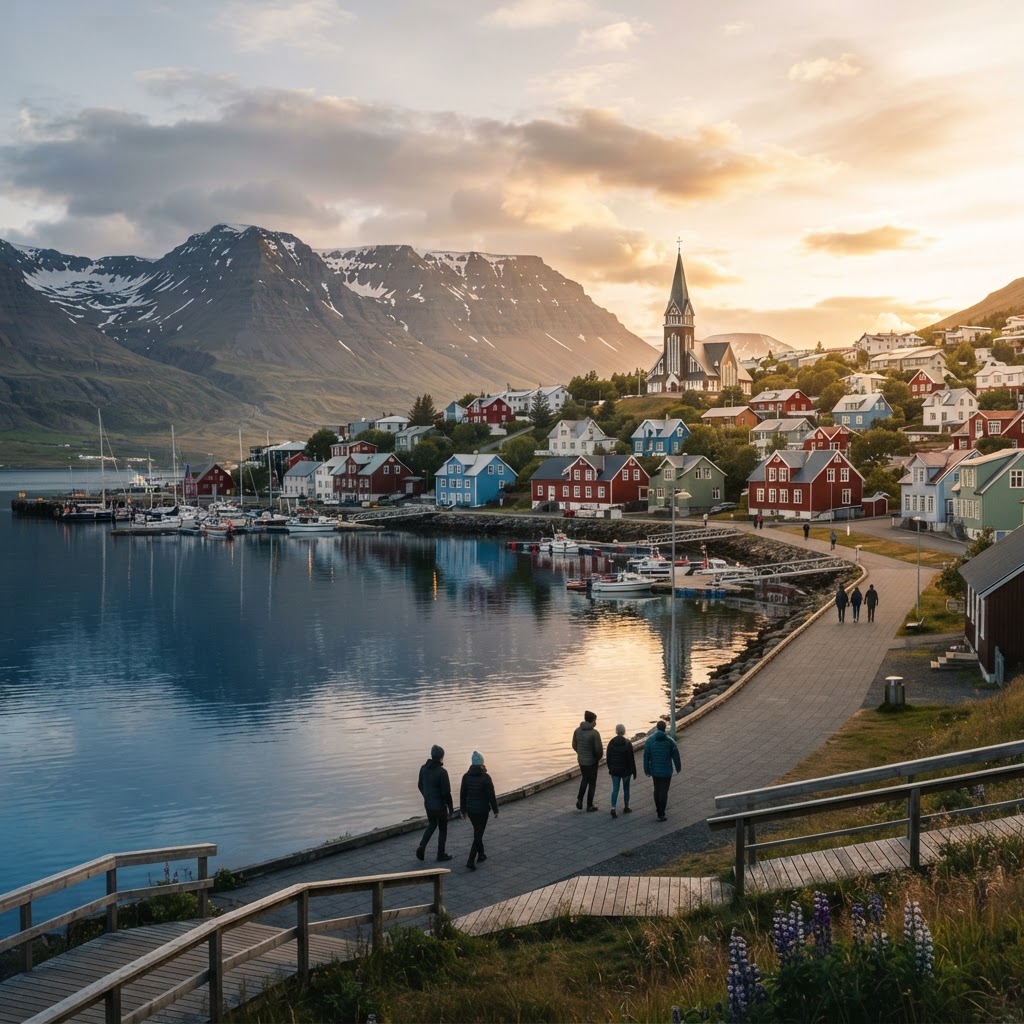
The low-stress fjord capital anchoring North Iceland's volcanic Diamond Circle.
Westfjords, Iceland
Iceland
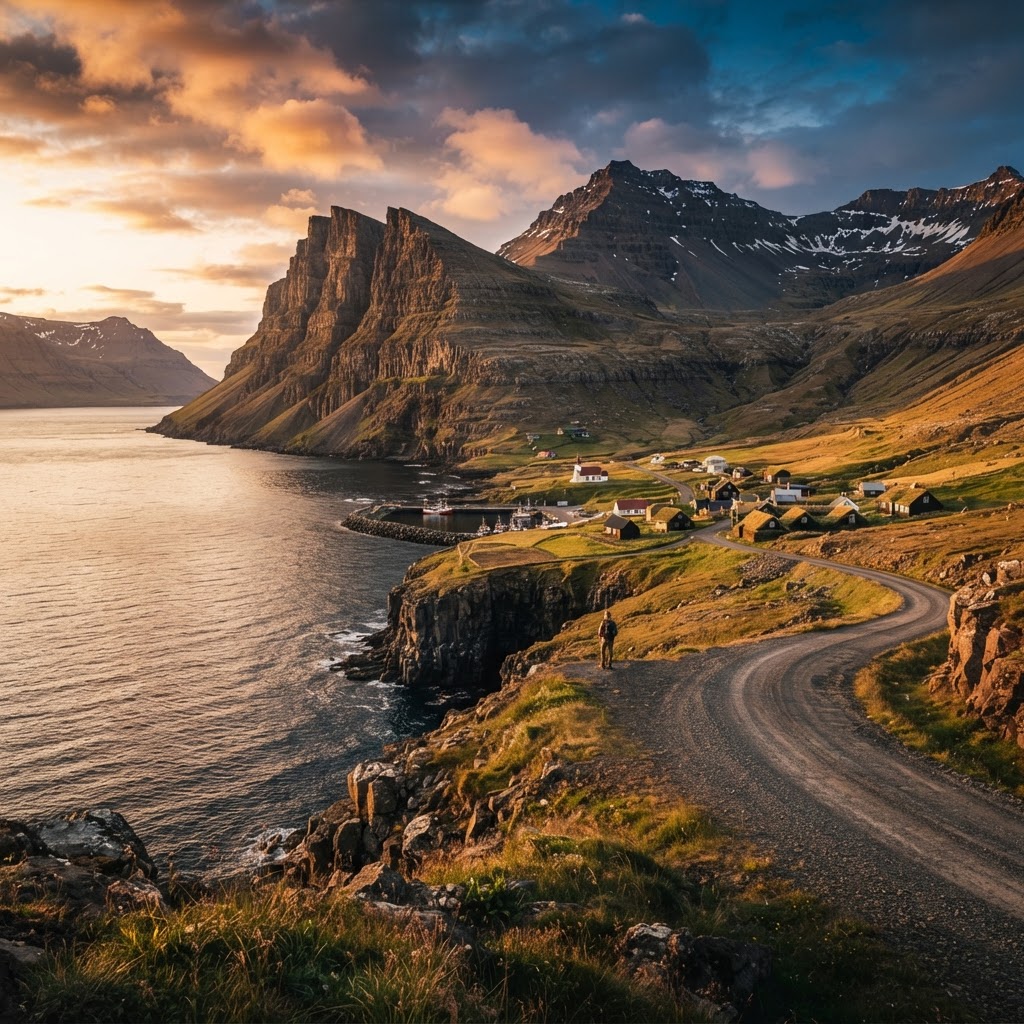
Raw, cliff-carved coastline and solitary fjords far beyond the Ring Road circuit.
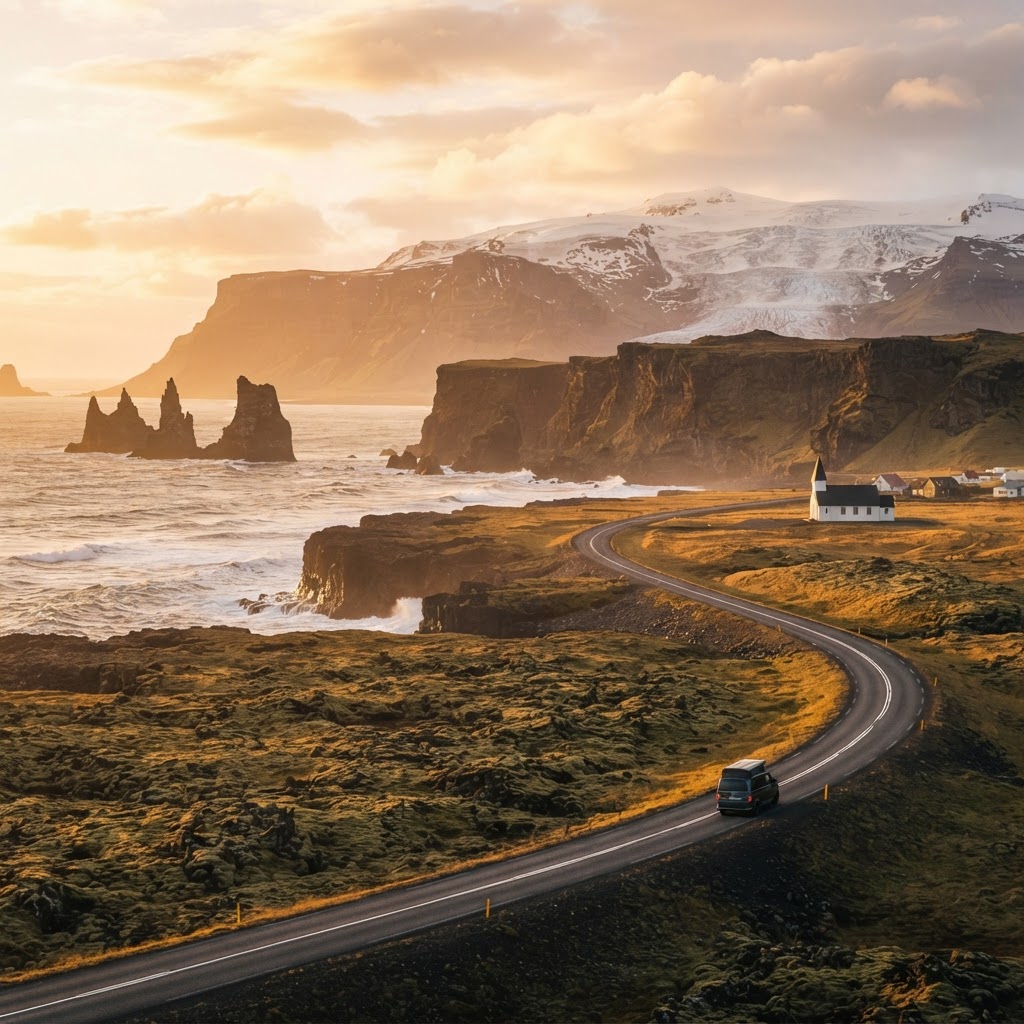
Snæfellsnes Peninsula
Iceland
Basalt cliffs, glacial crowns, and desolate lava fields condensed into a single coastal loop.
Readymade itineraries
Start from a tested template — then make it yours.
Ready to book
Lock in your Golden Circle, Iceland trip
Everything in one place. We may earn a small commission — it never costs you more.
Plan a trip to Golden Circle, Iceland
Pick a length and we'll build a day-by-day plan around how you travel — neighborhoods clustered, budget-aware, and editable.
Get better at planning trips like this
Occasional notes on planning smarter — no spam, unsubscribe anytime.
Plan a trip to Golden Circle, Iceland
Turn this guide into a day-by-day plan built around your pace, your group, and your budget.
Build my Golden Circle, Iceland trip