Tanzania
Dar es Salaam
The sensory, unvarnished pulse of the Swahili Coast
Plan & book
Sort your Dar es Salaam trip in one place.
We point you to the booking tools we'd actually use — live prices, no markup. Or let us build the day-by-day plan around you first, then book.
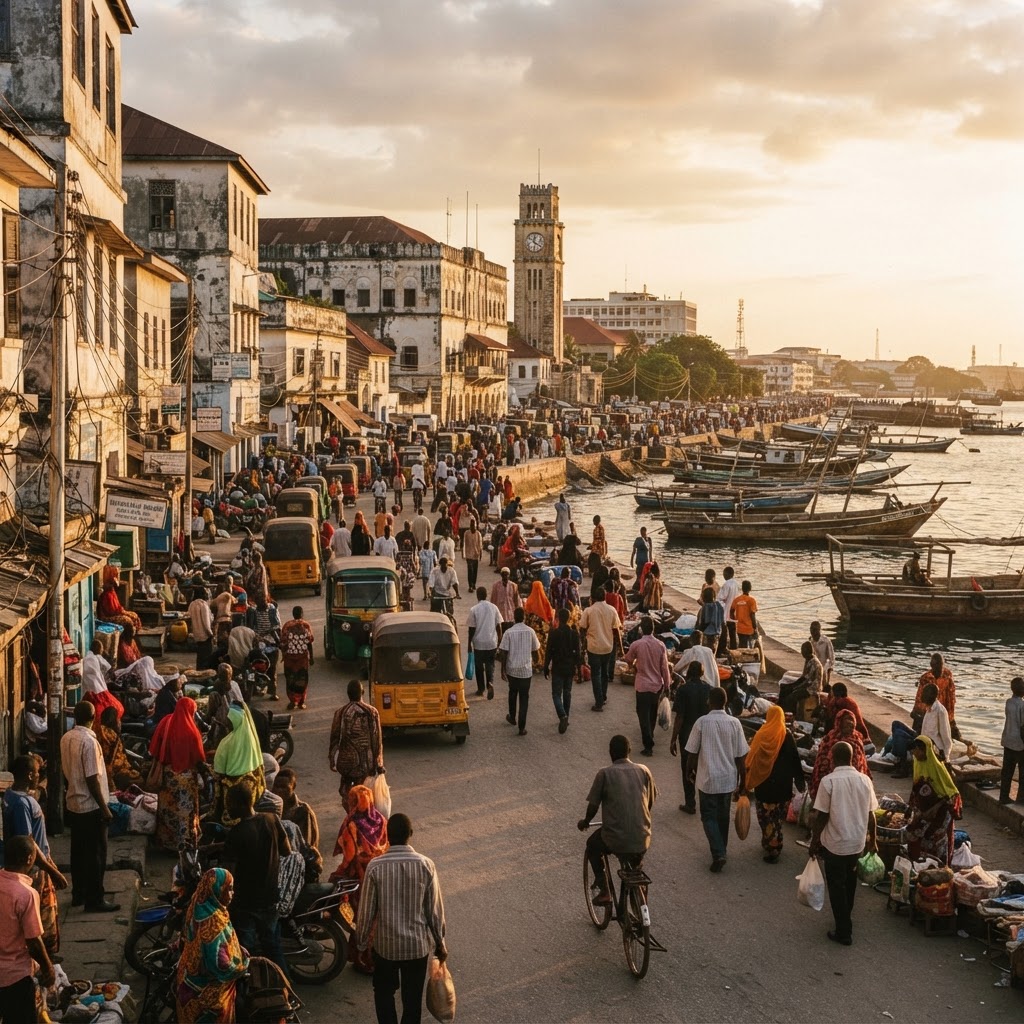
Tanzania's commercial capital is rarely treated as an end destination, but travelers who treat it solely as an airport transit point miss its layered Swahili-Indian identity. Dar es Salaam is defined by early-morning maritime commotion at Kivukoni, German and British colonial architecture along Sokoine Drive, and an electric night street food culture driven by skewers of grilled mishkaki and bowls of urojo.
2 to 3 days
Best time
July to October for crisp ocean breezes, dry streets, and minimal humidity.
Build your own trip with these prebuilt itineraries
Each one is a tested, day-by-day plan for Dar es Salaam — start here, then make it yours.
4 Days in Dar es Salaam: City Pulse & Offshore Escapes in Dar es Salaam
Balanced itinerary mixing bustling urban heritage, craft markets, and leisurely island day trips to Mbudya or Bongoyo
3 Days in Dar es Salaam: Swahili Flavors & Coastal Culture in Dar es Salaam
Deep dive into culinary heritage, vibrant coastal markets, contemporary art hubs, and Masaki evening dining
2 Days in Dar es Salaam: Stopover Essentials & History in Dar es Salaam
Quick urban introduction covering colonial history, the Kivukoni fish market, and downtown architecture en route to Zanzibar or safari
Dar es Salaam offers an authentic portrait of urban East African life untainted by tourist bubble infrastructure. Come for the raw kinetic energy of the Kivukoni Fish Market at sunrise, boat day trips to uninhabited marine reserves like Mbudya Island, Tingatinga art workshops in Oysterbay, and some of the finest coastal Swahili and Gujarati-influenced seafood in the Indian Ocean basin.
Where to stay
Getting there
Getting around
Food & drink
What it costs
Things to do
Book tours & tickets in Dar es SalaamSkip it if
Skip spending extra days here if you only want manicured resort beaches, silence, or wildlife viewings; Dar es Salaam is a dense, noisy, developing metropolis with intense humidity and snarled traffic.
When to go
Dar is relentlessly tropical, making the cooler, dry winter window essential for walking and sightseeing. Visiting outside this window means dealing with intense equatorial humidity or disruptive road flooding during the rains.
Peak (July–October)
Clear skies, lower humidity, and reliable breezes off the Indian Ocean; ideal for combining urban days with southern circuit safaris in Nyerere National Park.
Shoulder (January–February)
Dry and sunny, but accompanied by ferocious midday heat and thick humidity that makes midday walking draining.
Low (March–May)
The heavy Masika rains deliver torrential daily cloudbursts, intense urban street flooding, and severe traffic gridlock; best avoided.
Neighborhoods
Where you stay shapes the trip. Here's how to think about it.
Masaki
Affluent coastal enclave of leafy residential avenues, diplomatic compounds, and open-air espresso bars on the tip of the Msasani Peninsula.
Best for:First-timers wanting international dining, safety, and modern coastal conveniences.
Don't miss:Catching sundowner drinks and wood-fired pizza over the water at The Slipway waterfront complex.
Kivukoni
High-octane, salty working harbor defined by the morning maritime trade, ferry horns, and waterfront government offices.
Best for:Early risers and photography and street-life enthusiasts.
Don't miss:The 6:30 AM dhow landings and live fish auctions at the chaotic Kivukoni Fish Market.
Oysterbay
Breezy coastal strip blending classic colonial estates with beachside street food shacks and local creative studios.
Best for:Culture seekers, art shoppers, and sunset strollers.
Don't miss:Watching the evening crowds snack on roasted cassava and coconut juice along Coco Beach, followed by a visit to the Tingatinga Arts Cooperative Society.
Posta (City Centre)
Dense, bustling commercial downtown blending German-era brickwork, 1960s modernist blocks, and lively Indian-Swahili commerce.
Best for:History buffs and urban explorers seeking walkability.
Don't miss:A walking detour past Azania Front Lutheran Church and St. Joseph's Cathedral leading into the chaotic spice and fabric lanes of Kisutu.
Kariakoo
Overwhelming, hyper-dense commercial heart where millions of Tanzanians trade textiles, produce, electronics, and hardware.
Best for:Adventurous cultural purists and market lovers (leave valuables behind).
Don't miss:The brutalist Kariakoo Market building designed by Beda Amuli and the surrounding labyrinth of fabric merchants.
Destination intelligence
Updated 9/14/2026The structured record we plan every Dar es Salaam itinerary from.
Walkability
Low. Outside of localized pockets in Masaki, Oysterbay, or the downtown Posta grid, pedestrian infrastructure is fractured, sidewalks are irregular, and humidity limits long walks.
Transit quality
Moderate. The DART bus rapid transit system is excellent along its designated corridors, while ride-hailing apps provide affordable door-to-door transit citywide.
Car needed
No. Self-driving is inadvisable due to aggressive traffic patterns and frequent gridlock; Uber, Bolt, and pre-arranged private drivers are cheap and plentiful.
Ideal duration
2 to 3 days
Minimum useful
1 full day
Peak season
July to October, featuring cooler, drier weather, low humidity, and prime conditions for combining urban stops with southern circuit safaris.
Shoulder season
January to February, marked by dry, sunny weather that is significantly hotter and more humid.
Low season
March to May, the long rainy season ('Masika'), bringing daily torrential downpours, high humidity, and localized street flooding.
Best for
Common mistakes
- Underestimating gridlock traffic: Peak-hour transit between the airport and the Masaki peninsula can take upwards of two hours; plan flight departures with wide buffers.
- Walking along unlit streets or isolated beaches after dark: Petty crime and bag snatching occur; take ride-hailing services door-to-door at night rather than walking.
- Skipping the city entirely: Rushing immediately to a safari vehicle or the Zanzibar ferry means missing East Africa's most dynamic modern urban melting pot.
Best nearby
How to plan it
- Base yourself in Masaki or Oysterbay if you want evening restaurant dining and ocean breezes, but base in Posta if your focus is catching an early Zanzibar ferry.
- Do not attempt to cross the city from Masaki to the airport during weekday rush hours (7:00–9:30 AM and 4:30–7:30 PM); allow at least two hours for transit.
- Pair your city trip with an offshore escape: hire a small motorized dhow from the White Sands area or The Slipway out to Mbudya Island for grilled lobster on the sand.
- Plan your Kivukoni Fish Market visit between 6:00 AM and 7:30 AM; any later and the dhow fleet has already unloaded and the maritime spectacle fades under blistering sun.
- Book the Azam Marine VIP or Business class ticket for the Zanzibar crossing to avoid chaotic boarding queues and crowded baggage holds.
Questions
More in East Africa
Bwindi Impenetrable Forest, Uganda
Uganda
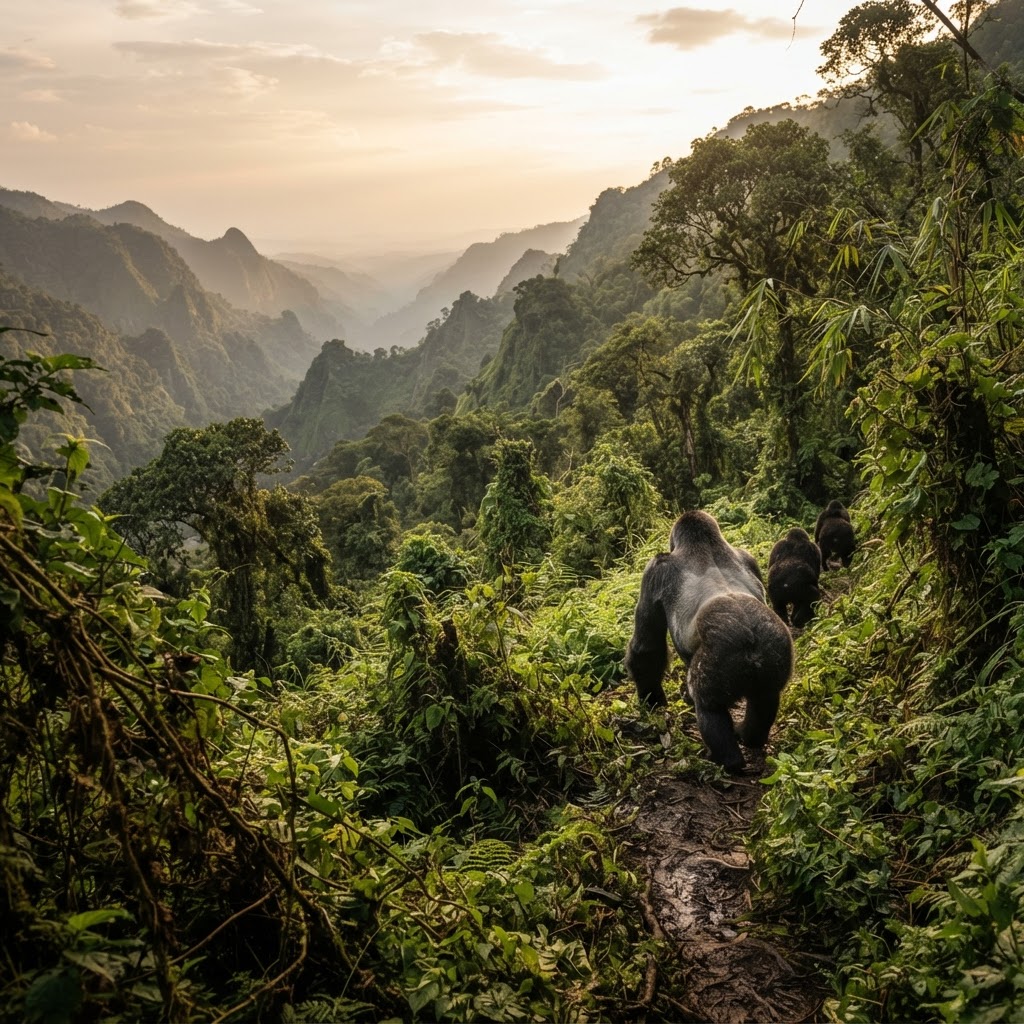
Steep primal jungle, razor ridges, and heart-stopping wild gorilla encounters.
Kigali, Rwanda
Rwanda
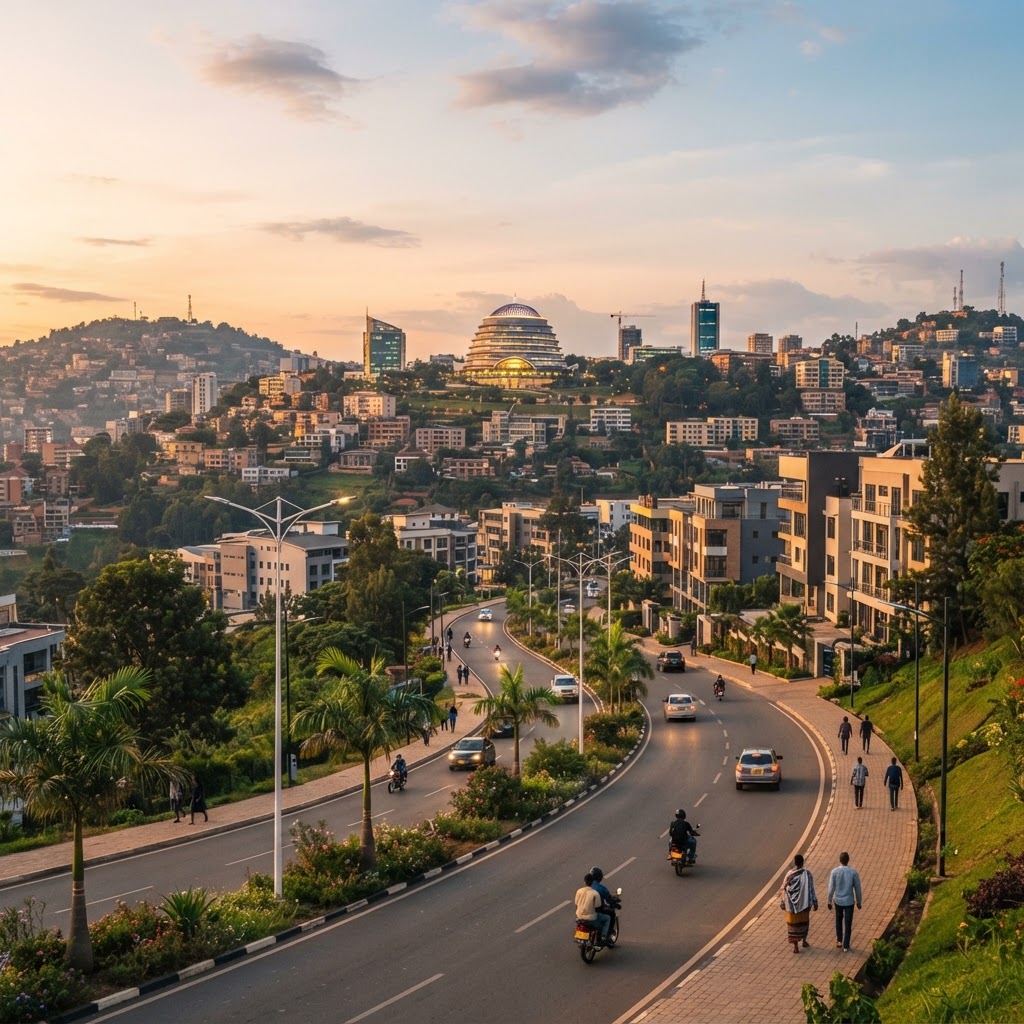
A spotless, hill-crested capital trading chaos for creative energy and modern African urbanism.
Readymade itineraries
Start from a tested template — then make it yours.
Ready to book
Lock in your Dar es Salaam trip
Everything in one place. We may earn a small commission — it never costs you more.
Plan a trip to Dar es Salaam
Pick a length and we'll build a day-by-day plan around how you travel — neighborhoods clustered, budget-aware, and editable.
Get better at planning trips like this
Occasional notes on planning smarter — no spam, unsubscribe anytime.
Plan a trip to Dar es Salaam
Turn this guide into a day-by-day plan built around your pace, your group, and your budget.
Build my Dar es Salaam trip