Philippines
Coron, Palawan
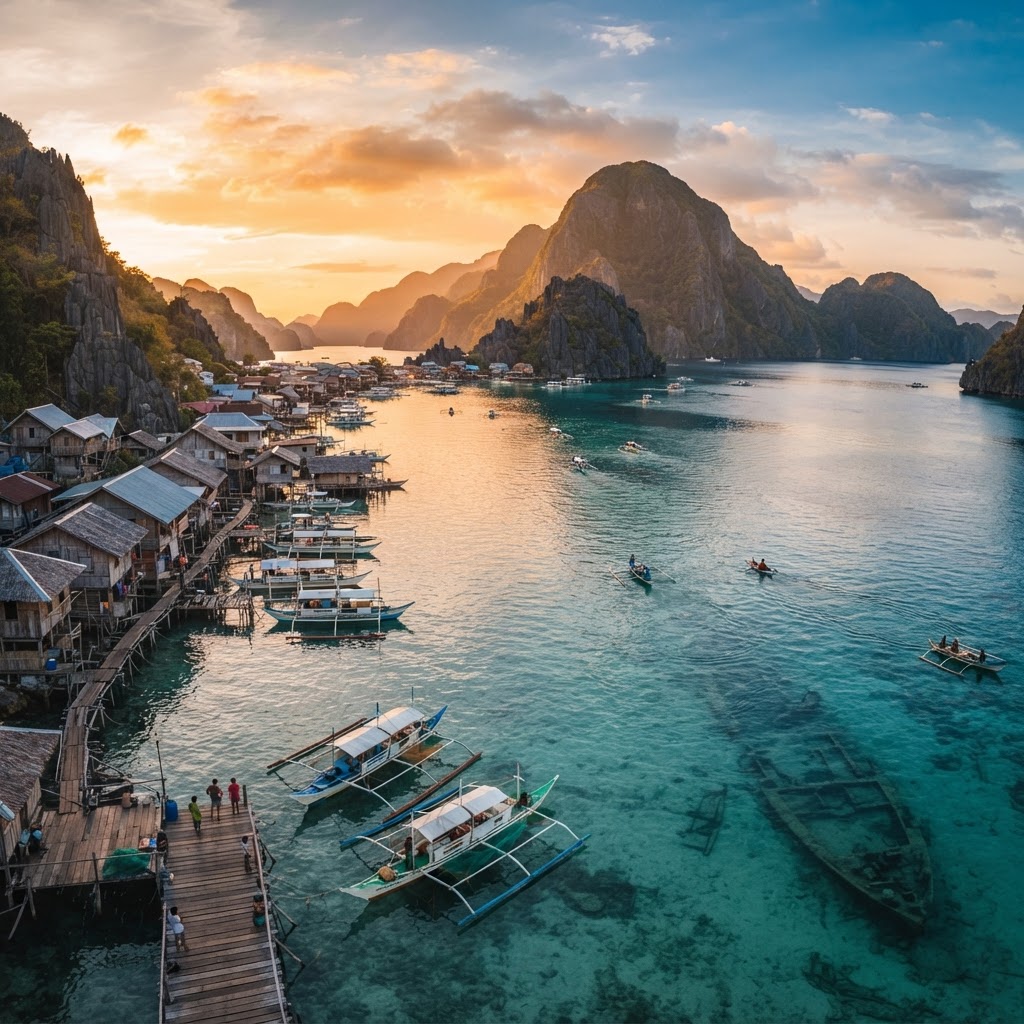
Sunken WWII warships, jagged karst peaks, and the clearest inland lakes in Southeast Asia.
Plan & book
Sort your Coron, Palawan trip in one place.
We point you to the booking tools we'd actually use — live prices, no markup. Or let us build the day-by-day plan around you first, then book.
Coron refers to both the rugged ancestral island of the Tagbanwa people and the bustling base town on neighboring Busuanga Island. It is world-renowned for its surreal karst formations, brackish lakes, and some of the best shallow-to-deep World War II wreck diving on earth.
4 to 5 days
Best time
December through April for calm seas, peak underwater visibility, and guaranteed tour departures.
Build your own trip with these prebuilt itineraries
Each one is a tested, day-by-day plan for Coron, Palawan — start here, then make it yours.
5 Days in Coron: Historic WWII Wreck Diving & Marine Life in Coron
Sub-surface exploration focused on world-class Japanese WWII shipwrecks, thermocline diving at Barracuda Lake, and outer reef biodiversity.
6 Days in Coron: Remote Escapes & Busuanga Overland in Coron
Slow travel combining classic Coron Island with overland motorbike or tricycle trips across rural Busuanga, secluded north beaches, and Calauit.
4 Days in Coron: Classic Karst & Island Lagoons in Coron
First-time island hopping prioritizing early-departure private bangka boats to beat the crowds at iconic karst lakes and marine sanctuaries.
Coron offers dramatic limestone seascape scenery comparable to El Nido, but with far superior snorkeling, intact coral shelves, and world-class historical wreck diving. The clarity and dramatic haloclines of spots like Barracuda Lake and Kayangan Lake provide an otherworldly freshwater-saltwater underwater terrain that cannot be matched elsewhere in the Philippines.
Where to stay
Getting there
Getting around
Food & drink
What it costs
Things to do
Book tours & tickets in Coron, PalawanSkip it if
Skip Coron if you demand walkable beachfront resorts right outside your hotel door or a vibrant, late-night cocktail club culture. Coron is an active maritime expedition base; those who dislike spending hours bouncing on outrigger boats, climbing slippery boat ladders, or wearing life vests will find the daily logistics tiring.
When to go
Coron revolves around sea travel; dry season guarantees that Philippine Coast Guard advisories won't cancel your bangka boats to the outer lakes and wrecks. The tradeoff is high season rates and crowded lagoons, especially from Christmas through Easter.
Peak (December to April)
Crystal-clear visibility for diving, flat water, and blue skies, but requires booking boutique hotels and private charters weeks in advance.
Shoulder (May and November)
May brings hotter temperatures and glassy waters with thinning crowds; November marks the windy transition out of the rains with solid hotel bargains.
Low (June to October)
Southwest monsoon (Habagat) delivers heavy rain squalls, rough crossings, and frequent coast guard cancellations of island-hopping tours.
Neighborhoods
Where you stay shapes the trip. Here's how to think about it.
Coron Town Proper
Bustling, gritty hub filled with dive shops, tricycle noise, and practical tour staging.
Best for:First-timers and social budget travelers who want to walk to dinner and the boat docks.
Don't miss:Climbing the 700-plus steps of Mount Tapyas right from the town edge for sunset over the bay.
Barangay Tagumpay & Bayside
Scenic waterfront strip along the bay with upscale boutique stays and direct water views.
Best for:Mid-range travelers and couples wanting harbor views without losing fast tricycle access to town.
Don't miss:Dinner along the harbor at Sinugba de Coron overlooking the outrigger boat anchorage.
Concepcion (West Busuanga)
Sleepy, remote coastal village surrounded by mangroves and quiet bays.
Best for:Dedicated wreck divers and slow travelers looking to avoid town congestion entirely.
Don't miss:Direct boat charters out to the Okikawa Maru and Akitsushima wrecks without the 45-minute boat ride from town.
Outlying Private Islands (Bulalacao & Dimakya)
Secluded, ultra-quiet coral atolls and luxury eco-sanctuaries isolated from the mainland.
Best for:Honeymooners, luxury escapes, and marine-life enthusiasts willing to pay for seclusion.
Don't miss:Snorkeling the protected house reefs to spot resident dugongs and sea turtles off Dimakya Island.
Destination intelligence
Updated 9/14/2026The structured record we plan every Coron, Palawan itinerary from.
Walkability
Moderate within the small downtown grid of Coron Town Proper, though roads are narrow and lack formal sidewalks. Zero walkability to natural attractions, which require tricycles or boats.
Transit quality
Limited. There is no public rail or standard city bus transit; transportation relies entirely on motorized tricycles, shared airport vans, and bangka boats.
Car needed
No. Rental cars are rare and unnecessary. Travelers rely on tricycles for town-level trips, airport vans for transit, and rented motorbikes only if comfortable navigating rough provincial roads to north Busuanga.
Ideal duration
4 to 5 days
Minimum useful
3 days
Peak season
December to April (dry season characterized by sunny days, flat seas, and peak holiday crowds)
Shoulder season
May and November (transition months offering warmer waters, manageable crowds, and occasional short rains)
Low season
June to October (southwest monsoon season bring frequent rain, choppy seas, and occasional coast guard tour cancellations)
Best for
Common mistakes
- Booking standard large-group joiner day tours that dump dozens of boats at Kayangan Lake and Twin Lagoon simultaneously between 10:00 AM and 1:00 PM
- Failing to bring cash (Philippine Pesos); local ATMs frequently run out of bills or go offline during regional power dips
- Skipping proper water shoes (booties); the jagged karst limestone and shallow reefs will easily cut bare feet
- Assuming Coron Town itself has a swimmable beach; all prime swimming and sandbars require a boat trip or an overland tricycle ride
Best nearby
See what a trip to Philippines actually costs. Travel Budget Co.
How to plan it
- Charter a private bangka from Coron Port at 7:00 AM sharp to see Kayangan Lake and Barracuda Lake two hours before the commercial group tour armada lands.
- Pair Coron with El Nido via the 3.5-to-4-hour fast ferry across the Linapacan Strait, but avoid traveling during heavy swells in July and August.
- Don't try to cram shipwreck diving and outer sandbars like Malcapuya Island into the same day—they sit in opposite directions and burn hours in transit.
- Reserve dive shops and specialty liveaboard or multi-day expeditions at least a month ahead between January and April when dive guides book to capacity.
- Schedule your trek up the 700 stairs of Mount Tapyas for 5:00 PM, then hire a tricycle directly to Maquinit Hot Springs to soak your legs in saltwater springs after dark.
Questions
More in Philippines

Banaue, Philippines
Philippines
Carved stone, emerald amphitheatres, and high-altitude endurance in Luzon's northern mountains
Sagada, Philippines
Philippines
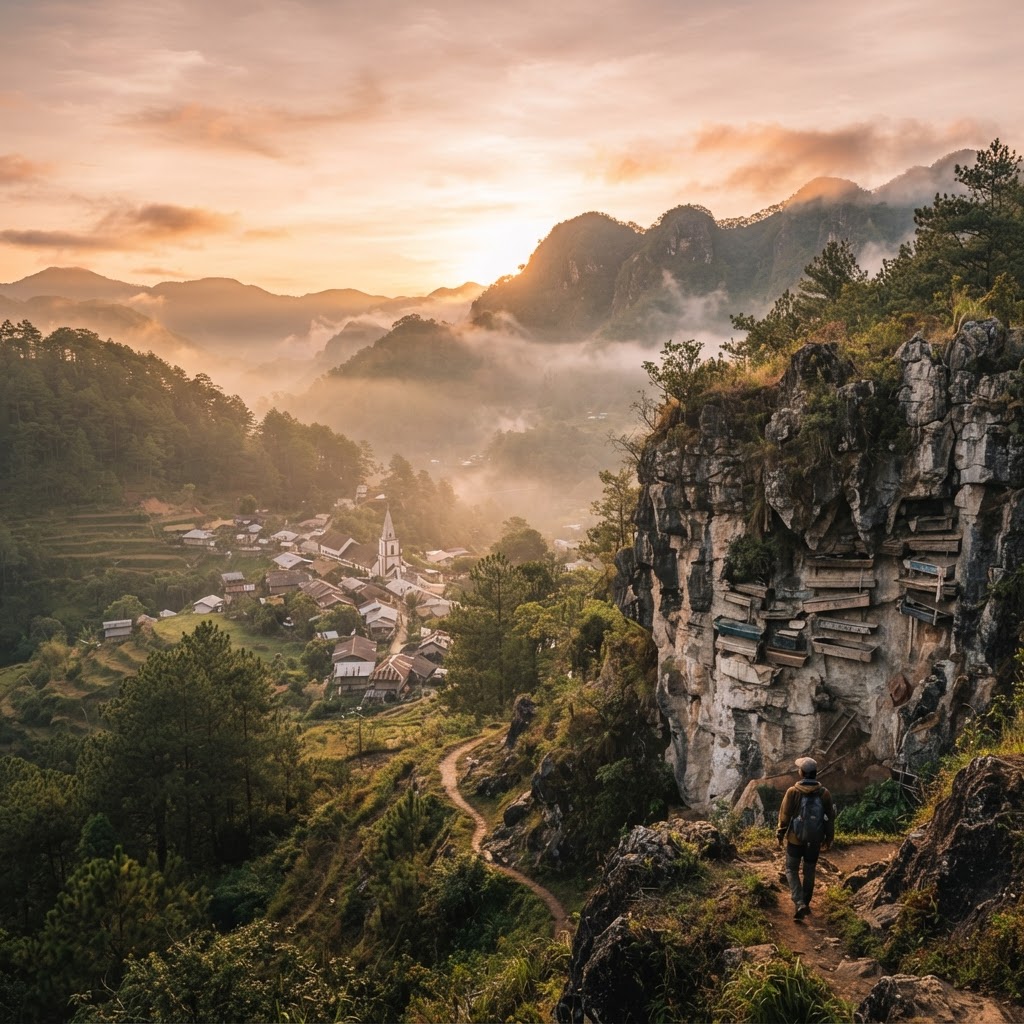
A misty Cordillera sanctuary of pine ridges, subterranean rivers, and ancestral limestone cliff burials.

Siargao, Philippines
Philippines
World-class reef breaks, coconut-canopy backroads, and raw island pace
Bohol, Philippines
Philippines
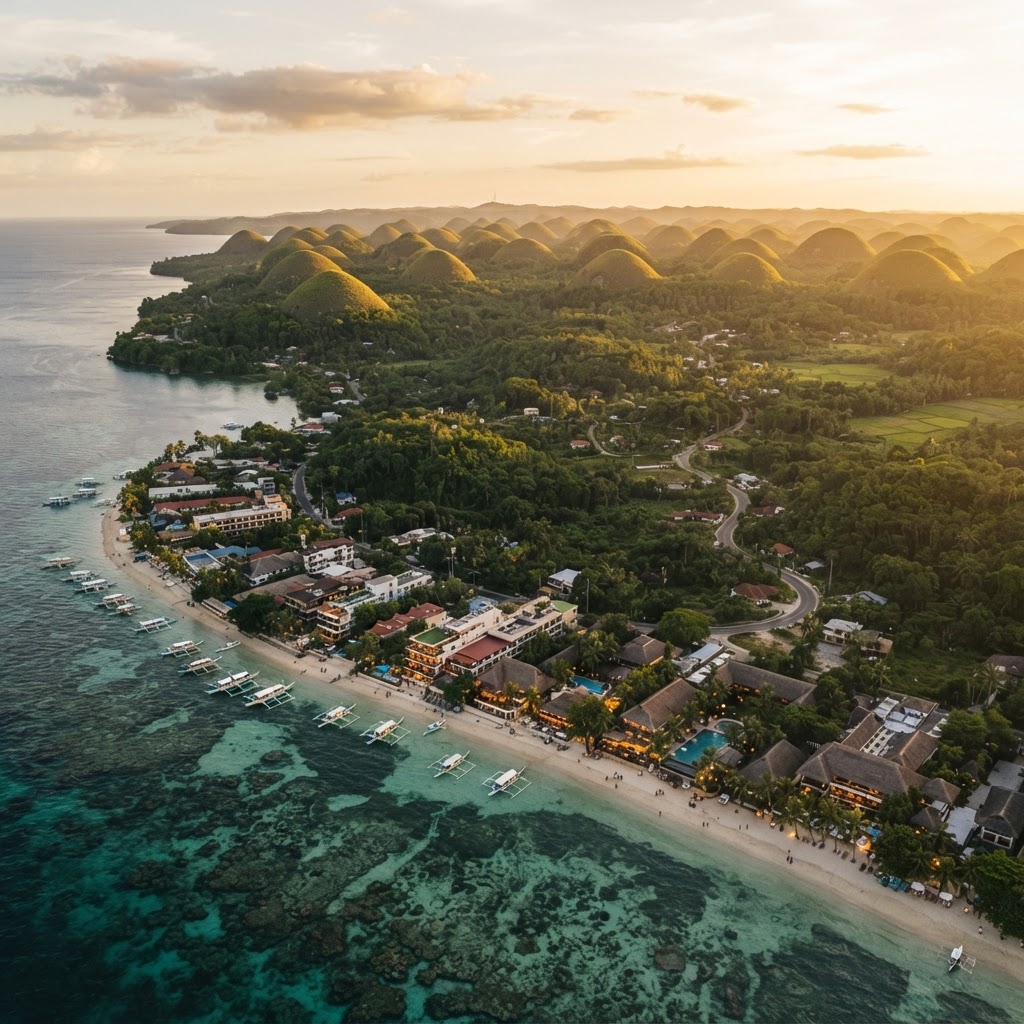
Limestone karst hills, reef-fringed outposts, and a distinct split between resort strip and quiet interior.

Cebu, Philippines
Philippines
Urban heritage, roast lechon, and gateway to Visayan reefs and canyons
Readymade itineraries
Start from a tested template — then make it yours.
Ready to book
Lock in your Coron, Palawan trip
Everything in one place. We may earn a small commission — it never costs you more.
Plan a trip to Coron, Palawan
Pick a length and we'll build a day-by-day plan around how you travel — neighborhoods clustered, budget-aware, and editable.
Get better at planning trips like this
Occasional notes on planning smarter — no spam, unsubscribe anytime.
Plan a trip to Coron, Palawan
Turn this guide into a day-by-day plan built around your pace, your group, and your budget.
Build my Coron, Palawan trip