China
Chengdu
The laid-back culinary capital of Sichuan, where tea culture and ancient history balance the panda rush.
Plan & book
Sort your Chengdu trip in one place.
We point you to the booking tools we'd actually use — live prices, no markup. Or let us build the day-by-day plan around you first, then book.
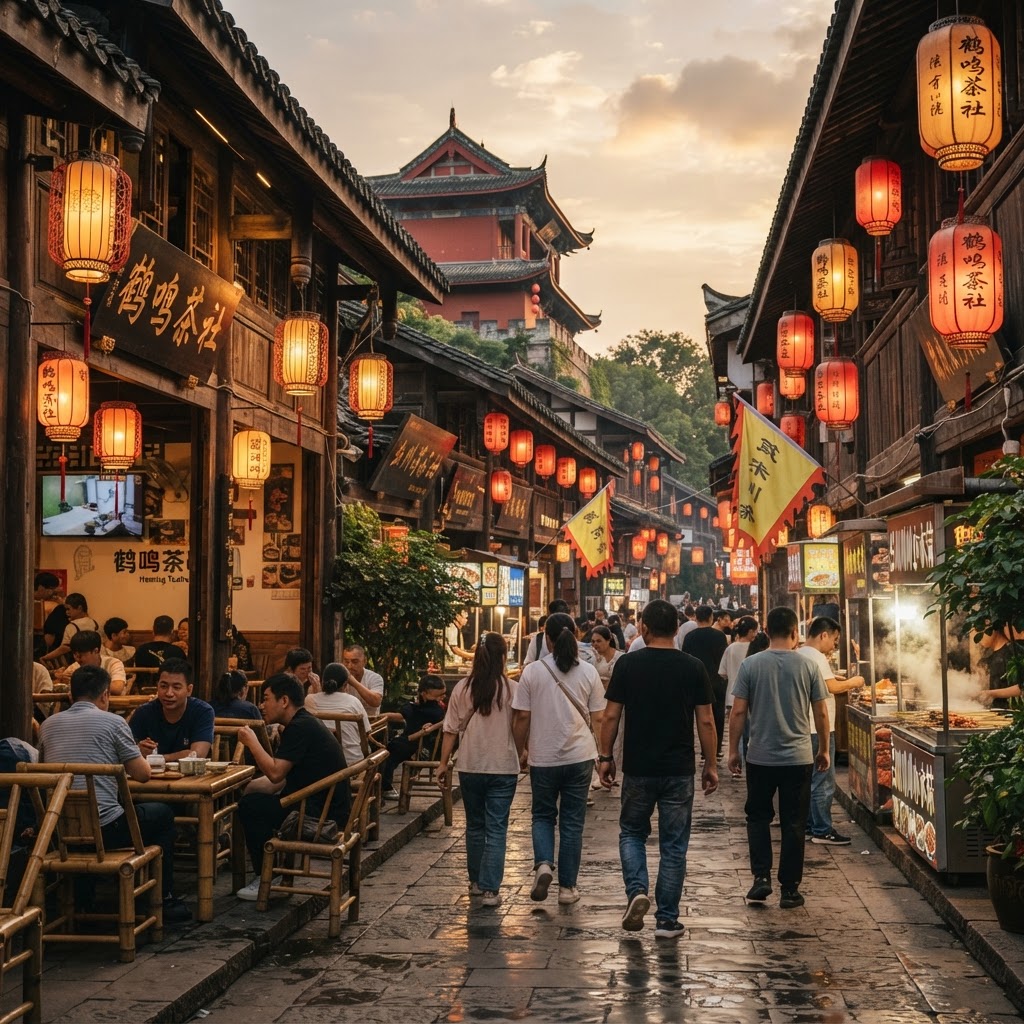
Chengdu moves at a distinctly deliberate pace compared to the coastal metropolises of Beijing and Shanghai. Known globally for the giant panda conservation breeding centers and its fiery Sichuan peppercorn cuisine, the city’s true pulse lives under the canopies of bamboo teahouses in People's Park and down century-old alleys. It delivers an essential counterweight to hyper-modern China: a metropolis that unapologetically values long afternoons sipping jasmine tea, communal hotpot banquets, and effortless urban living inside its historic Second Ring Road.
4 days
Best time
March to May and September to early November are the clearest windows for comfortable weather and outdoor park life.
Build your own trip with these prebuilt itineraries
Each one is a tested, day-by-day plan for Chengdu — start here, then make it yours.
5 Days in Chengdu: Beyond the City & Regional Day Trips in Chengdu
Extended itinerary balancing central city sights with high-speed rail excursions to Mount Qingcheng, Dujiangyan, and the Leshan Giant Buddha
4 Days in Chengdu: Sichuan Gastronomy & Street Food Deep-Dive in Chengdu
Culinary focus dedicated to UNESCO gastronomy, back-alley Sichuan eateries, spice markets, and leisurely hotpot evenings
3 Days in Chengdu: Essential Culture & Pandas in Chengdu
First-time urban highlights featuring early morning panda visits, teahouse culture, and central historic districts
Go for the contrast of world-class wildlife conservation alongside China's most celebrated food city. Chengdu lets you watch giant pandas feed at sunrise, spend mid-day tucked under camphor trees in open-air teahouses observing mahjong players, and finish the night over blistering Chongqing-style tallow hotpot or hand-pulled dan dan noodles. Unlike frantic business capitals, Chengdu has elevated slow living into a civic art form.
Where to stay
Getting there
Getting around
Food & drink
What it costs
Things to do
Book tours & tickets in ChengduSkip it if
Skip Chengdu if your China itinerary is limited to 5–6 days total and already includes Beijing and Shanghai; spending full transit days just to check off a 2-hour panda photo stop will derail your route. Travelers who cannot tolerate any chili heat, spicy oils, or numbing peppercorns will also find navigating the city's food scene genuinely frustrating.
When to go
Chengdu sits in the Sichuan Basin and is notorious for heavy cloud cover, stifling summer humidity, and damp winters. Spring and autumn keep temperatures pleasant (15°C to 24°C), allowing long afternoons outdoors in teahouses and active morning panda encounters without torrential rain or blistering heat.
Peak (April–May & September–October)
Temperate weather and active wildlife, but expect major crowds and inflated hotel rates around May Day (first week of May) and National Day Golden Week (first week of October); avoid these specific holiday weeks at all costs.
Shoulder (March & November)
Cooler days with frequent mist, but major sights like the Research Base and Qingcheng Mountain have manageable queues and easier boutique hotel availability.
Low (July–August & December–February)
Summers bring sweltering humidity over 33°C, driving pandas into indoor air-conditioned enclosures; winters are overcast, raw, and damp around 5°C with minimal indoor central heating.
Neighborhoods
Where you stay shapes the trip. Here's how to think about it.
Chunxi Road & Sino-Ocean Taikoo Li
Slick open-air luxury retail meets ancient temple flagstones, humming with non-stop foot traffic and late-night noodle stalls.
Best for:First-timers, seamless transit connections, and travelers who want dining options open past midnight.
Don't miss:The contrast of serene Daci Temple courtyard right against the futuristic open-air shopping complex, followed by Dan Dan noodles on pedestrian Chunxi Road.
Kuanzhai Alleys (Wide & Narrow Alleys)
Restored Qing Dynasty courtyard gray-brick lanes layered with tea vendors, ear-cleaning masters, and boutique heritage guesthouses.
Best for:Culture lovers, atmospheric courtyard boutique stays, and morning strolls before day-tripper tour groups arrive.
Don't miss:Waking up early to wander Zhai Alley before 9:00 AM while the flagstones are still damp and teahouses are lighting their first braziers.
Wenshu Monastery Quarter
A grounded, residential pocket of incense-tinged alleys, neighborhood spice vendors, and antique calligraphers.
Best for:Budget-conscious travelers, vegetarian diners, and travelers seeking an authentic local community feel.
Don't miss:Wenshufang street snacks like Liang Pi cold skin noodles and visiting the monastery's tranquil vegetarian teahouse.
Wuhou Shrine & Jinli / Tibetan Quarter
Three Kingdoms history and souvenir-packed lantern corridors colliding with the Yak-butter scents and prayer flags of Little Tibet.
Best for:History buffs, street-snack grazers, and travelers wanting quick access to authentic Tibetan textiles and momos.
Don't miss:Stepping off the lantern-heavy tourist crush of Jinli Street directly into Wuhouci Heng Street to explore genuine Tibetan handicraft shops and bakeries.
People's Park & Renmin Road
Unapologetically slow, leafy urban oasis dominated by bamboo deck chairs, matchmaking corners, and clinking gaiwan teacups.
Best for:Slow travelers, people-watchers, and anyone seeking the soul of Chengdu's famed leisure culture.
Don't miss:Ordering a bowl of Mengding ganlu green tea at the century-old Heming Teahouse while watching locals play Mahjong.
Destination intelligence
Updated 9/14/2026The structured record we plan every Chengdu itinerary from.
Walkability
High within central districts like Taikoo Li, Kuanzhai Alleys, and around People's Park, though the broader metropolitan footprint requires jumping on the metro or using DiDi between neighborhoods.
Transit quality
World-class. Chengdu's metro network spans over a dozen lines with English station signage, simple tap-to-pay via mobile apps, and direct high-speed express links to Tianfu Airport.
Car needed
Not at all. Driving in the city center or navigating parking is counterproductive. High-speed trains and taxis cover all day trips effortlessly.
Ideal duration
4 days
Minimum useful
2 days
Peak season
April to May and September to October, offering pleasant, temperate weather, along with the chaotic domestic golden weeks (early May and the first week of October).
Shoulder season
March and November, featuring cooler weather, occasional misty overcast skies, and far smaller crowds at major cultural sites.
Low season
July to August (heavy humidity, heat, and seasonal summer downpours) and December to February (damp, chilly, and perpetually gray skies).
Best for
Common mistakes
- Booking a hotel near Tianfu Airport or outside the Second Ring Road to save money, creating a 60-to-90-minute daily commute into the city center
- Arriving at the Panda Breeding Base after 10:00 AM, when pandas retreat indoors to sleep and tour groups overwhelm the paths
- Visiting Jinli Ancient Street or Kuanzhai Alleys solely for meals, where tourist prices and muted flavors pale compared to neighborhood back-alley eateries
- Attempting to combine both Dujiangyan and Mount Qingcheng with a Leshan Giant Buddha excursion in a single rushed day
Best nearby
How to plan it
- Book your Giant Panda Breeding Base ticket online in advance and arrive at the gate by 7:30 AM; pandas sleep during the midday heat and become inactive after 10:00 AM.
- Stay inside the Second Ring Road within a 5-minute walk of Line 2 or Line 3 (Chunxi Road station is the optimal nexus) to avoid cross-town traffic gridlock.
- Do not attempt to do Mount Qingcheng and Mount Emei on the same trip unless you have a full week; pick Mount Qingcheng for Taoist mist and forest walks 40 minutes away, or Emei for an intense multi-day pilgrimage.
- Pair fiery evening Sichuan hotpot dinners with an afternoon doing nothing at Heming Teahouse in People's Park to experience the local lifestyle balance.
- Set aside an evening for the Sichuan Opera face-changing (bian lian) performance at Shufeng Yayun inside the Chengdu Culture Park, booking your teahouse table seat at least three days ahead.
Questions
More in China
Huangshan, China
China
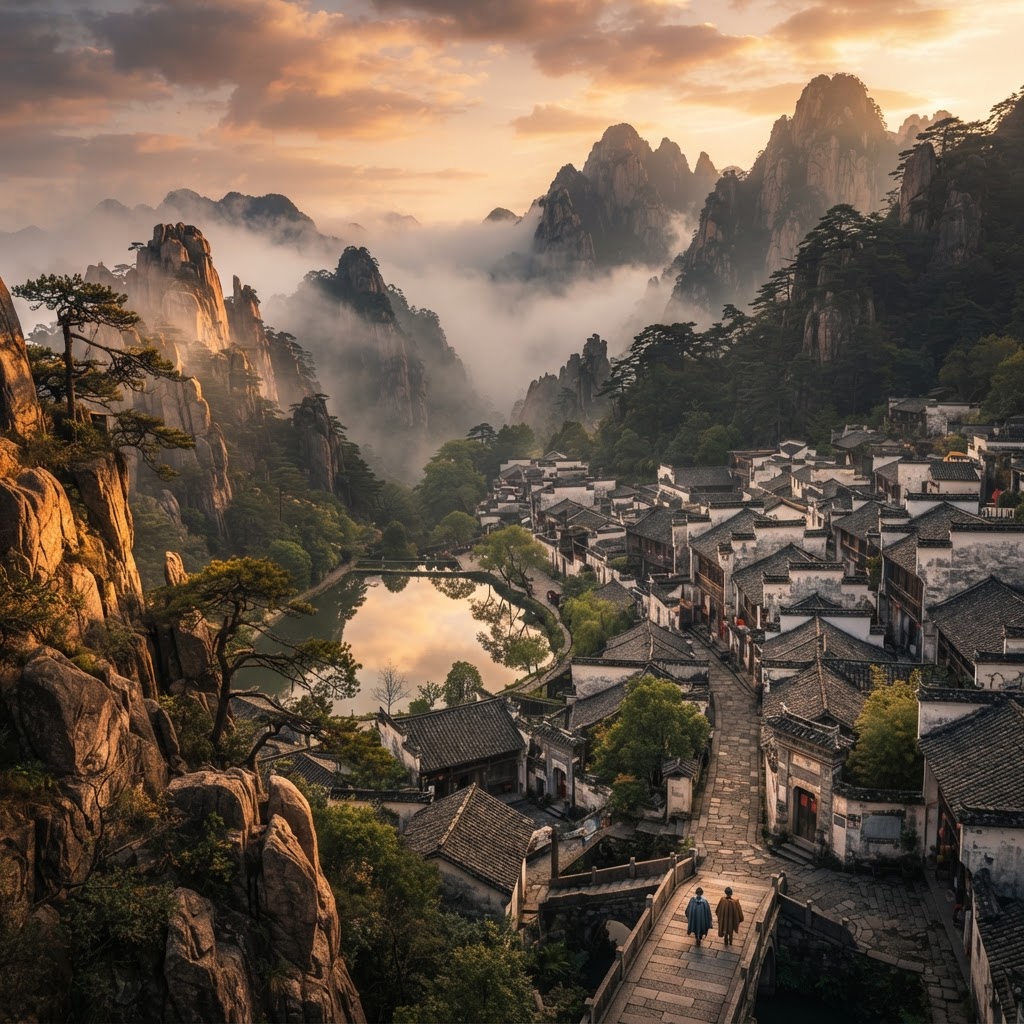
Granite peaks, mist-filled ravines, and Ming-era merchant villages
Sanya, Hainan, China
China
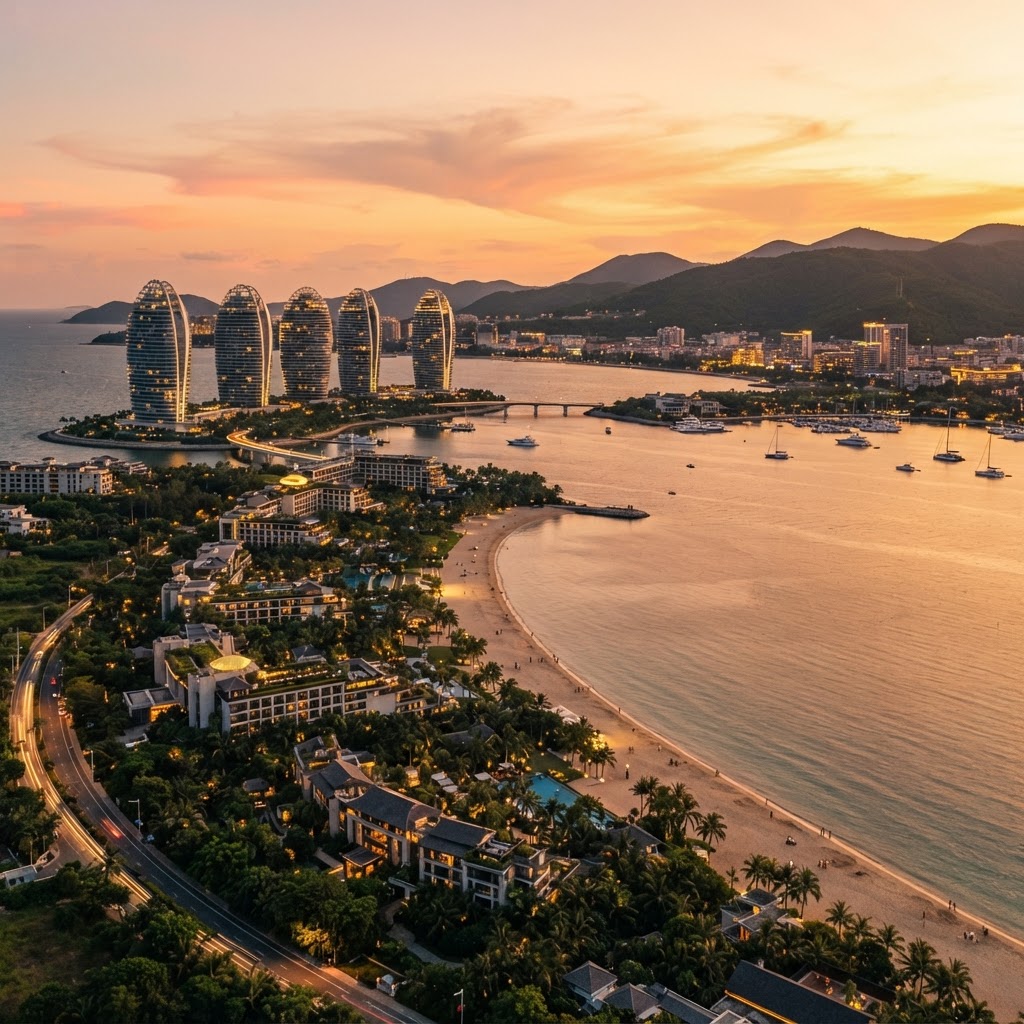
China's tropical resort strip of five-star bays, duty-free hubs, and coastal escapes.

Harbin
China
Siberian sub-zero cold, towering ice palaces, and Russian frontier history.
Chongqing, China
China
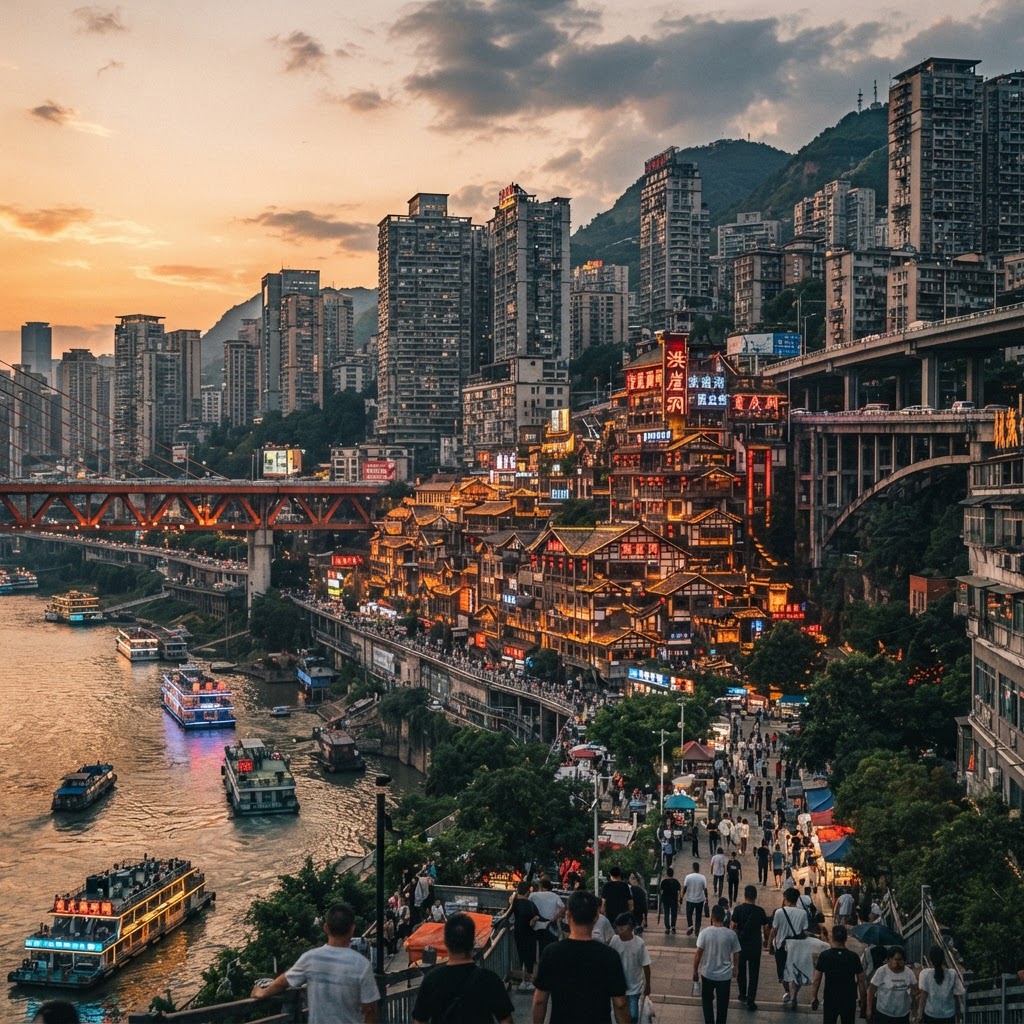
A vertical, neon-drenched mountain megalopolis powered by raw spice and layered topography.
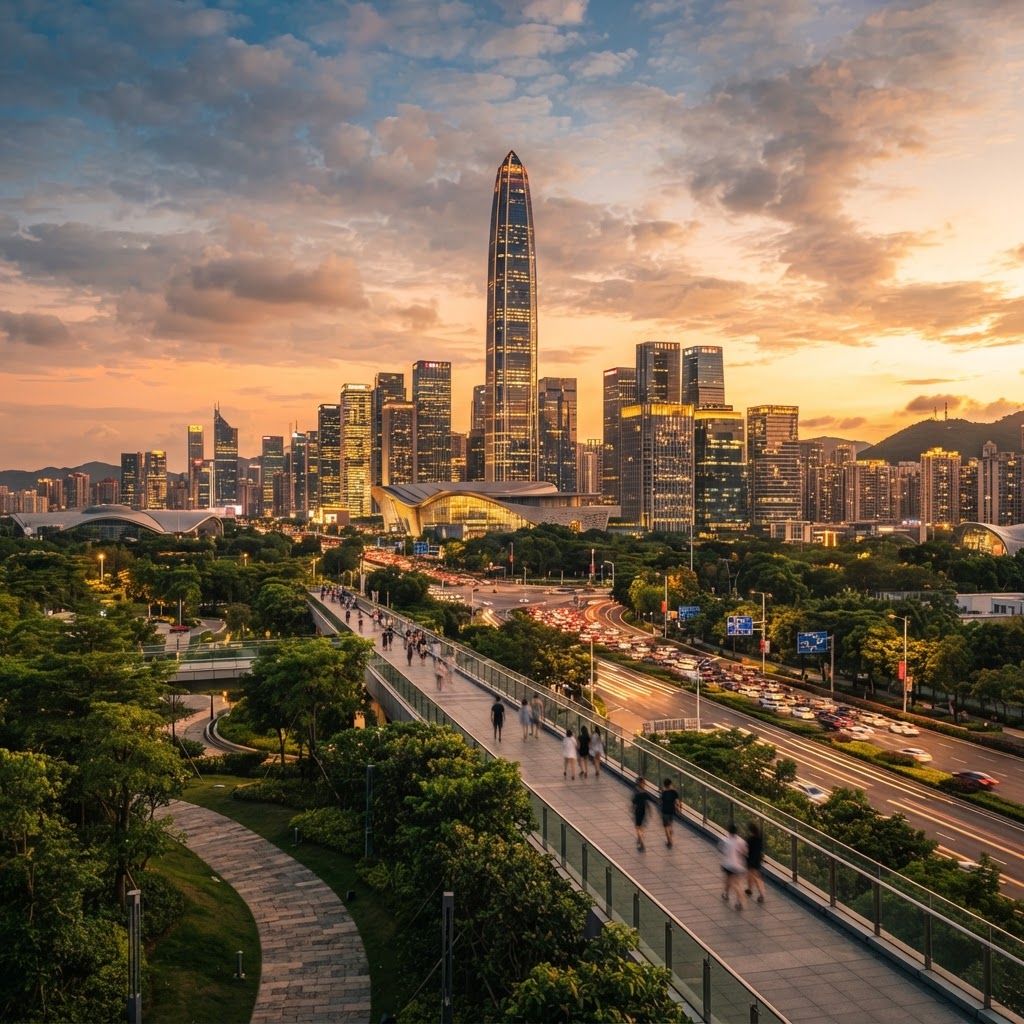
Shenzhen, China
China
The hardware capital of the world and China’s cleanest experiment in hyper-modern urban planning.
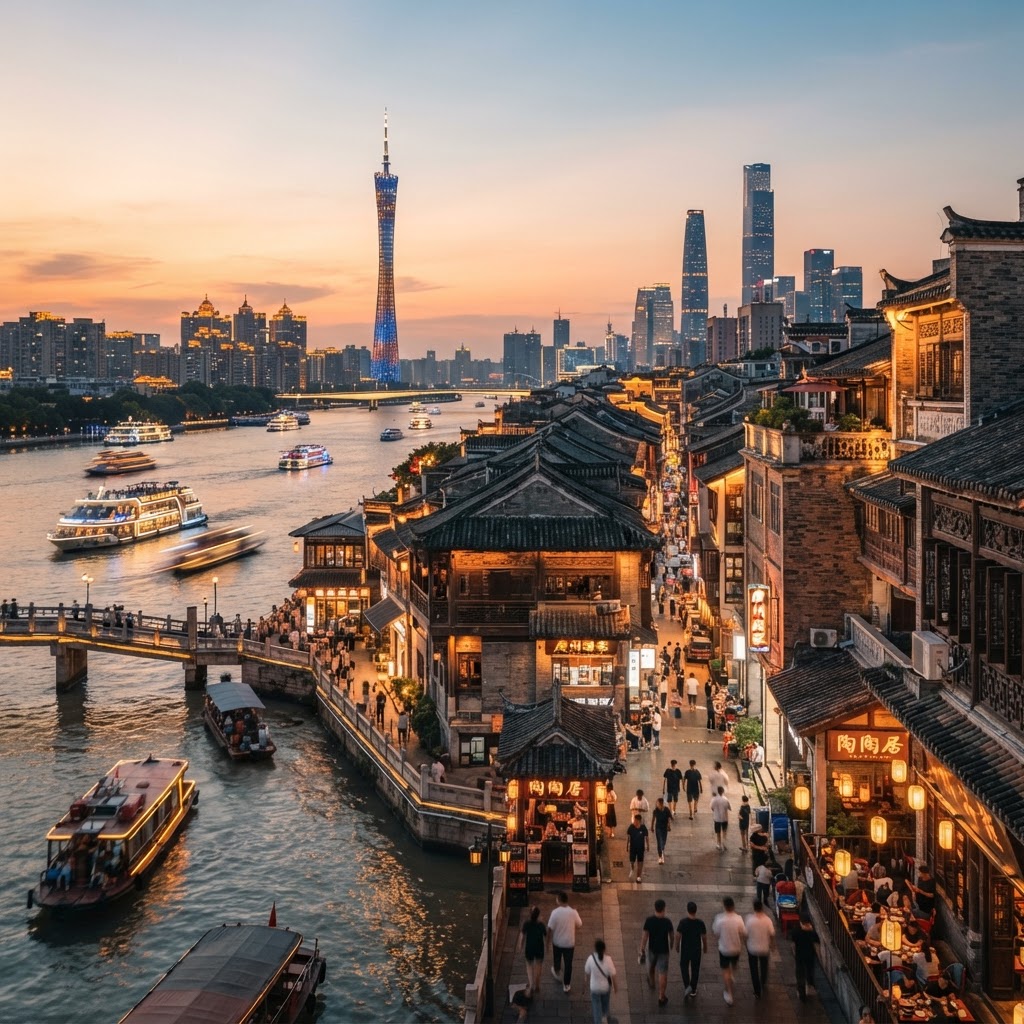
Guangzhou, China
China
The spiritual homeland of Cantonese culinary culture and Lingnan architecture, draped along the Pearl River.
Readymade itineraries
Start from a tested template — then make it yours.
Ready to book
Lock in your Chengdu trip
Everything in one place. We may earn a small commission — it never costs you more.
Plan a trip to Chengdu
Pick a length and we'll build a day-by-day plan around how you travel — neighborhoods clustered, budget-aware, and editable.
Get better at planning trips like this
Occasional notes on planning smarter — no spam, unsubscribe anytime.
Plan a trip to Chengdu
Turn this guide into a day-by-day plan built around your pace, your group, and your budget.
Build my Chengdu trip