France
Carcassonne, France
Europe’s grandest fortified citadel, rewarding those who stay for nightfall.
Plan & book
Sort your Carcassonne, France trip in one place.
We point you to the booking tools we'd actually use — live prices, no markup. Or let us build the day-by-day plan around you first, then book.
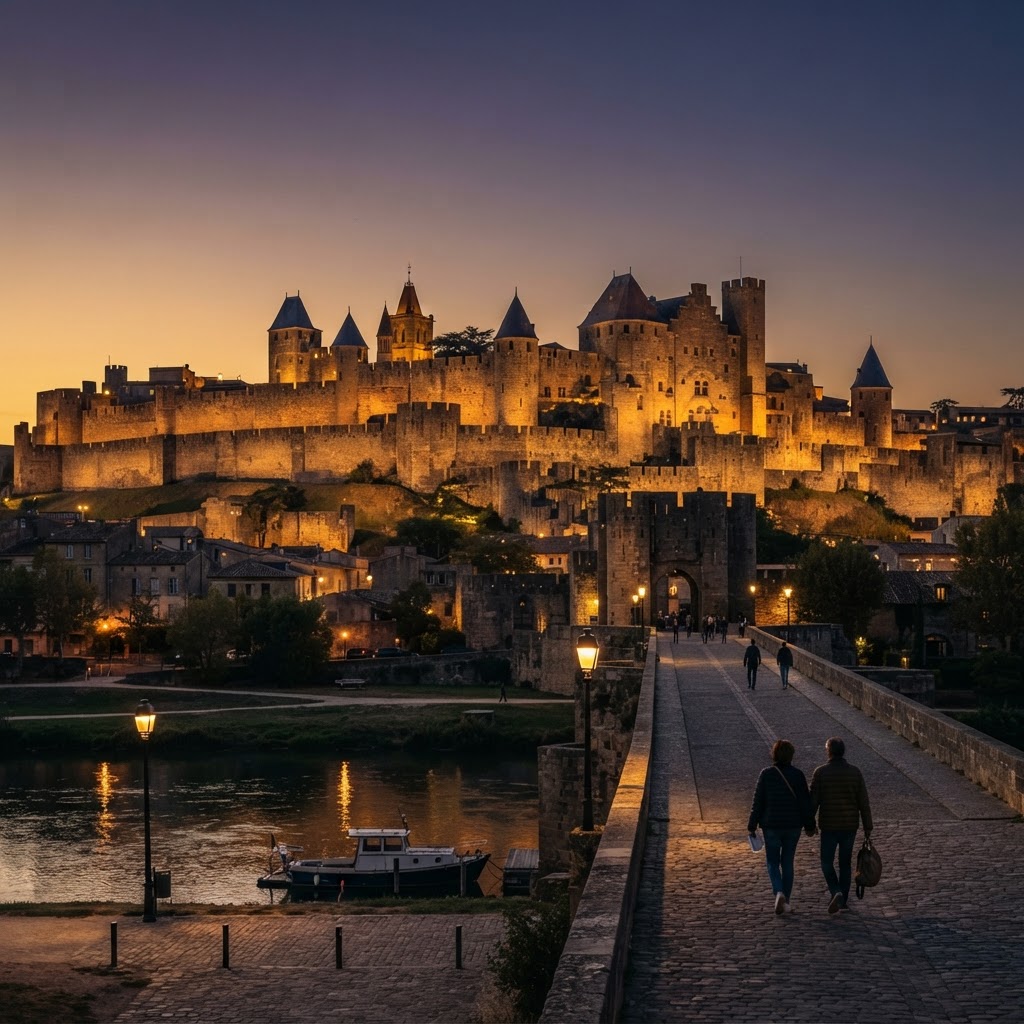
Perched on a rocky spur overlooking the Aude River and the Canal du Midi, Carcassonne is the quintessential medieval fortified city. Restored by Eugène Viollet-le-Duc in the nineteenth century, its double ring of ramparts and fifty-two towers can feel overrun and theatrical at midday. However, once the day-trippers disperse, its quiet cobblestone alleys, illuminated battlements, and hearty Languedoc culinary heritage reveal an enchanting historic destination.
2 days
Best time
May to June or September to October.
Build your own trip with these prebuilt itineraries
Each one is a tested, day-by-day plan for Carcassonne, France — start here, then make it yours.
3 Days: Medieval History & Cathar Heritage in Carcassonne
Deep historical immersion expanding beyond the town into nearby Cathar country and regional vineyards
2 Days in Carcassonne: The Complete Cité & Bastide in Carcassonne
Balanced classic visit pairing the fortified upper fortress with the lower Bastide Saint-Louis and Canal du Midi
1 Day Highlights: Medieval Citadel & Ramparts in Carcassonne
First-time overview focused on the iconic walled Cité, Château Comtal, and evening illuminated battlements
To walk the longest medieval city walls in Europe at dusk when the tour buses have retreated. The scale of the double defensive enceinte, the deep history of the Cathar crusades, and the hearty local gastronomy make it an exceptional overnight stop along the rail line between Toulouse and the Mediterranean.
Where to stay
Getting there
Getting around
Food & drink
What it costs
Things to do
Book tours & tickets in Carcassonne, FranceSkip it if
Skip if you are looking for an untouched, undiscovered medieval village—Viollet-le-Duc's heavy 19th-century restoration and busy souvenir stalls inside La Cité turn off travelers seeking gritty authenticity. Also reconsider if you have acute mobility limitations, as the citadel's steep grades and slick cobblestones present genuine accessibility hurdles.
When to go
Summer brings punishing Languedoc heat, tour bus saturation, and high hotel premiums, while deep winter sees biting tramontane winds and many shuttered storefronts. The shoulder months strike the exact balance of comfortable walking weather and manageable foot traffic on the ramparts.
Peak (July to August)
Sweltering midday temperatures exceed 30°C and narrow alleys clog with families; July hosts the vibrant Festival de Carcassonne, making hotel bookings essential months ahead.
Shoulder (April to June & September to October)
Crisp mornings, pleasant afternoon walking temperatures, full restaurant opening hours, and reasonable room rates make this the undisputed sweet spot.
Low (November to March)
Chilly, damp, and battered by the strong northern tramontane wind; prices drop drastically and you will have the ramparts to yourself, though many seasonal venues close.
Neighborhoods
Where you stay shapes the trip. Here's how to think about it.
La Cité Médiévale
Theatrical hilltop fortress that empties into atmospheric, quiet stone corridors after dusk.
Best for:Romantics, history buffs, and anyone willing to pay a premium for quiet night walks.
Don't miss:Walking the lices (the ground between the double ramparts) under floodlights at 10:00 PM when the day crowds vanish.
Bastide Saint-Louis (Ville Basse)
A grounded 13th-century grid of real town life, leafy squares, boulangeries, and neighborhood dining.
Best for:Budget-conscious travelers, train-hoppers, and food lovers seeking authentic regional cooking over tourist menus.
Don't miss:The morning produce market in Place Carnot beneath the Neptune fountain on Tuesday, Thursday, or Saturday.
La Trivalle
A quiet former artisan district sitting along the river slope between the lower town and the high walls.
Best for:Walkers wanting quick pedestrian access to both the citadel and the Bastide without paying upper-fortress prices.
Don't miss:Crossing the 14th-century Pont Vieux at sunrise for the best eastward view of the fortified ridge.
Port du Canal du Midi
Shaded, tree-lined basin buzz with houseboats, towpath cyclists, and terrace cafes opposite the train station.
Best for:Slow travelers, boat cruisers, and day-trippers needing effortless luggage logistics near the station.
Don't miss:Renting a towpath cruiser bike to cycle the tree-canopied banks out toward Trèbes.
Destination intelligence
Updated 9/14/2026The structured record we plan every Carcassonne, France itinerary from.
Walkability
High: both the Bastide Saint-Louis and the upper Cité are best explored on foot, though the hill climb connecting them requires modest fitness.
Transit quality
Moderate: excellent regional rail links to Toulouse and Narbonne; town transit is simple and functional with municipal buses and seasonal shuttles.
Car needed
No: unneeded for visiting the citadel, canal, and lower town; only necessary if venturing out to remote Cathar ruins in the Corbières hills.
Ideal duration
2 days
Minimum useful
1 night
Peak season
July to August: hot weather, heavy family crowds, high hotel rates, and the annual Festival de Carcassonne.
Shoulder season
April to June and September to October: mild temperatures, comfortable walking conditions, and far fewer tour groups.
Low season
November to March: quiet streets and low hotel rates, though brisk winds blow and some tourist-focused shops and restaurants close.
Best for
Common mistakes
- Visiting purely as a three-hour day trip in the midday heat, which subjects you to dense crowds and leaves before the citadel's atmospheric lighting turns on.
- Dragging heavy rolling suitcases across the cobblestones into the walled citadel instead of using luggage storage or staying down in the Bastide.
- Eating at generic tourist traps clustered immediately inside the Porte Narbonnaise rather than researching traditional bistros inside the citadel or in the lower town.
- Renting a car for a stay confined only to Carcassonne; within the town, a car is a liability due to tight gates and expensive perimeter parking.
Best nearby
How to plan it
- Arrive by train in mid-afternoon, check into your hotel, and head straight across Pont Vieux as the day-tour buses begin to depart.
- Book your Château Comtal and upper ramparts ticket for 9:30 AM before tour crowds enter through Porte Narbonnaise.
- Do not eat dinner at the obvious tourist plazas inside the Cité; cross down into Bastide Saint-Louis for authentic, slow-cooked cassoulet.
- Pair your visit with an afternoon boat hire or towpath cycle along the Canal du Midi right from the Port de Carcassonne basin.
- If you have a second day and a car, spend it driving south into the Corbières hills to hike the wild ruin of Château de Peyrepertuse.
Questions
More in France
Corsica, France
France
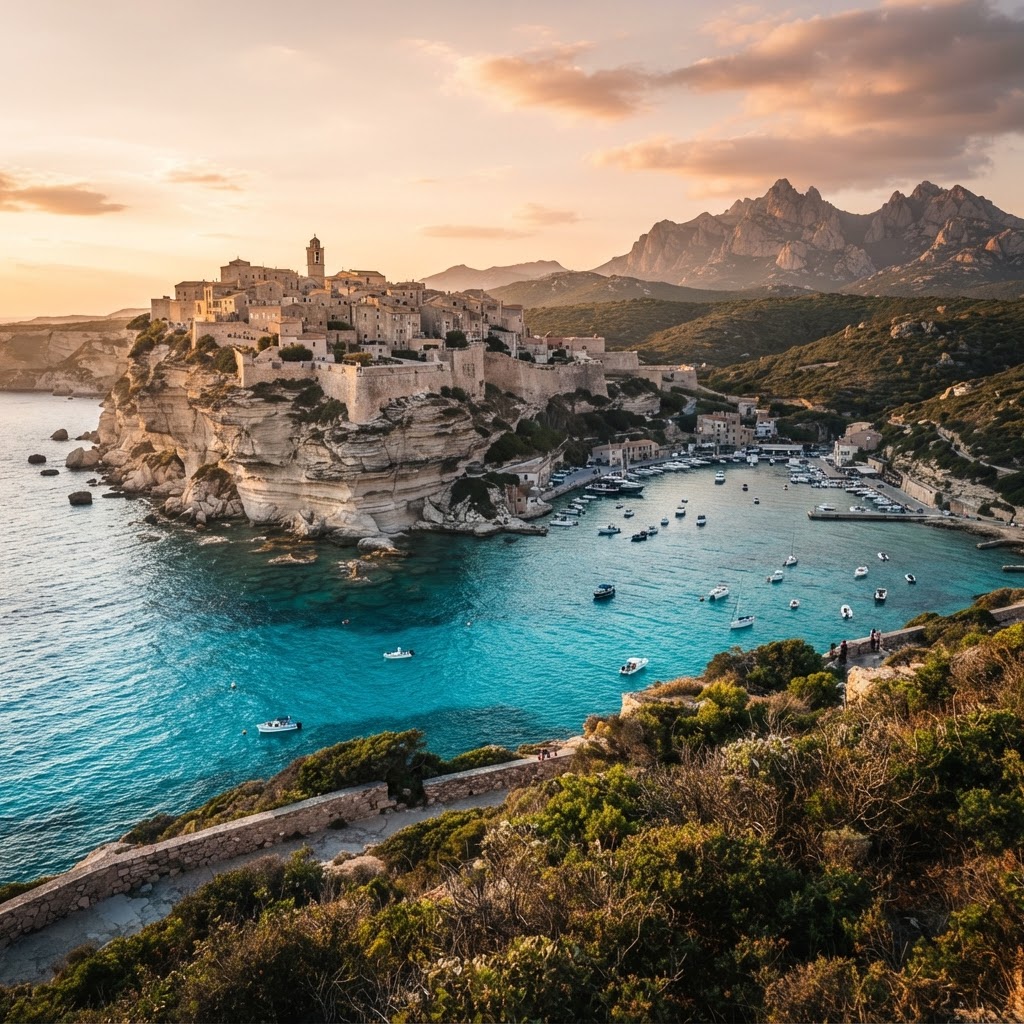
Granite peaks rising from turquoise bays, untamed maquis, and fiercely independent coastal citadels.
Rouen, France
France
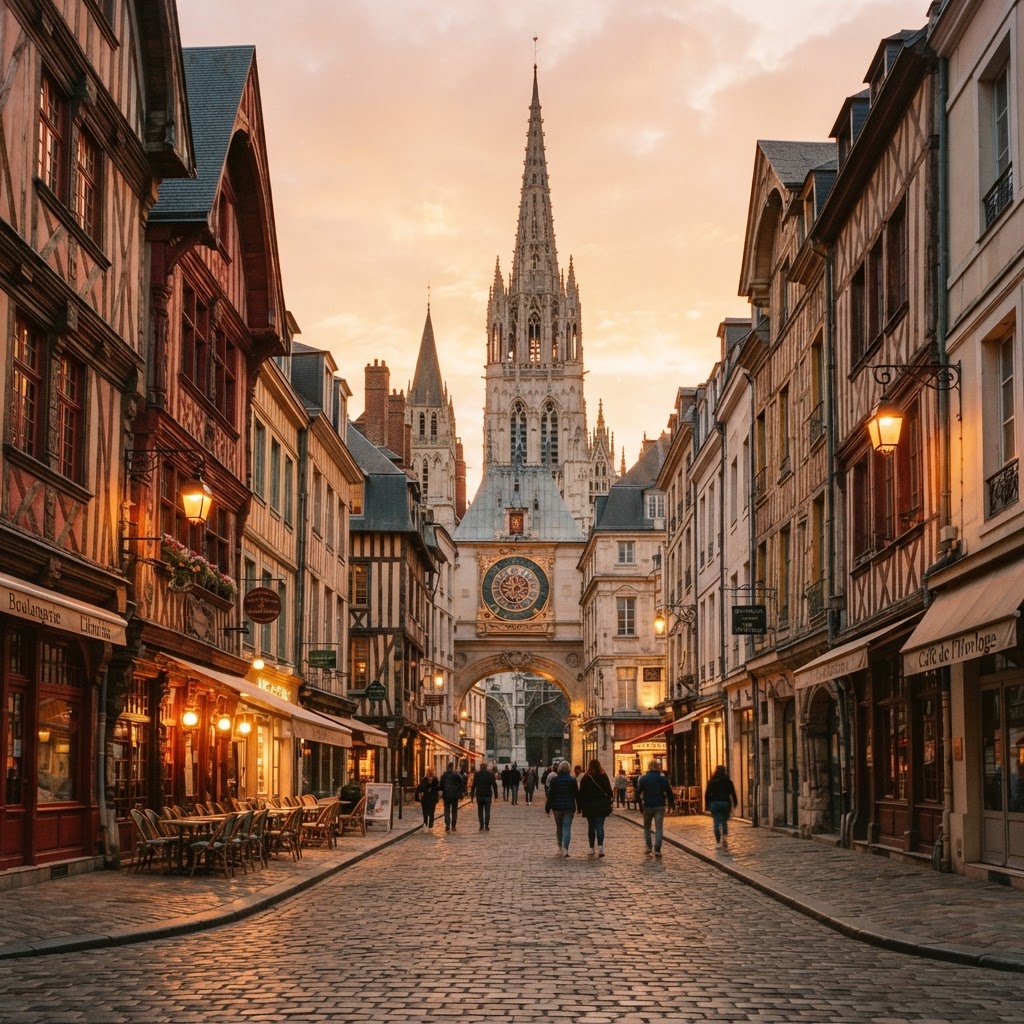
Gothic spires, timbered medieval quarters, and impressionist light just 90 minutes from Paris.
Reims, Grand Est, France
France
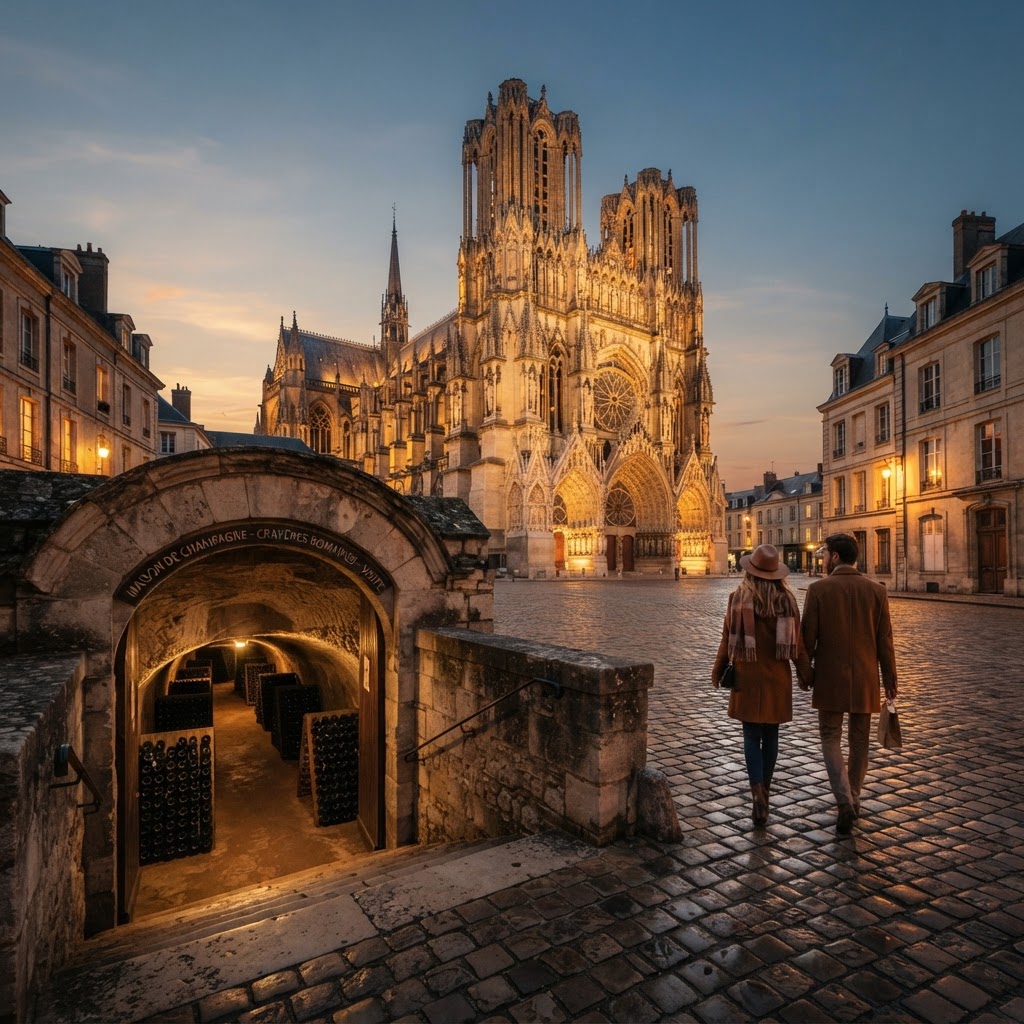
Gothic coronation grandeur and subterranean Roman chalk cellars filled with Champagne
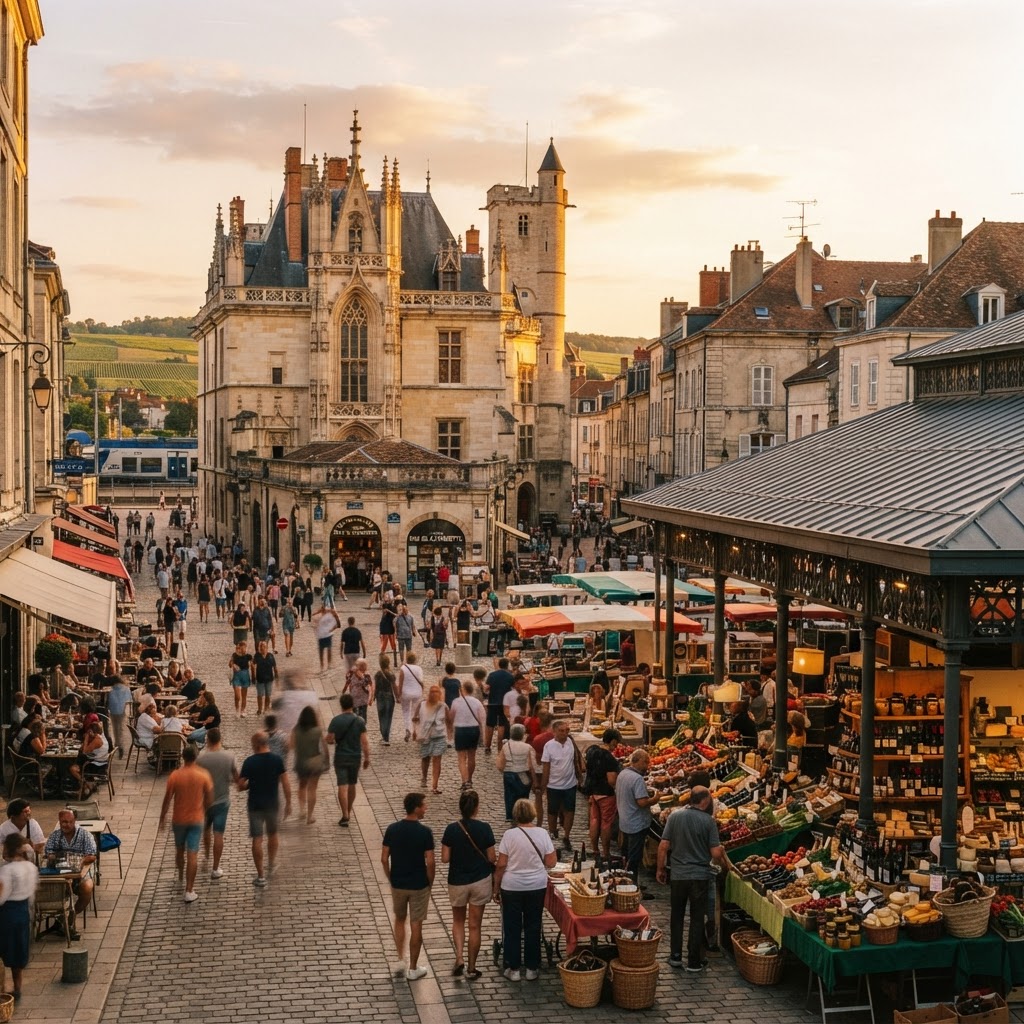
Dijon
France
Ducal architecture, legendary market tables, and the direct rail gateway to the Côte de Nuits.
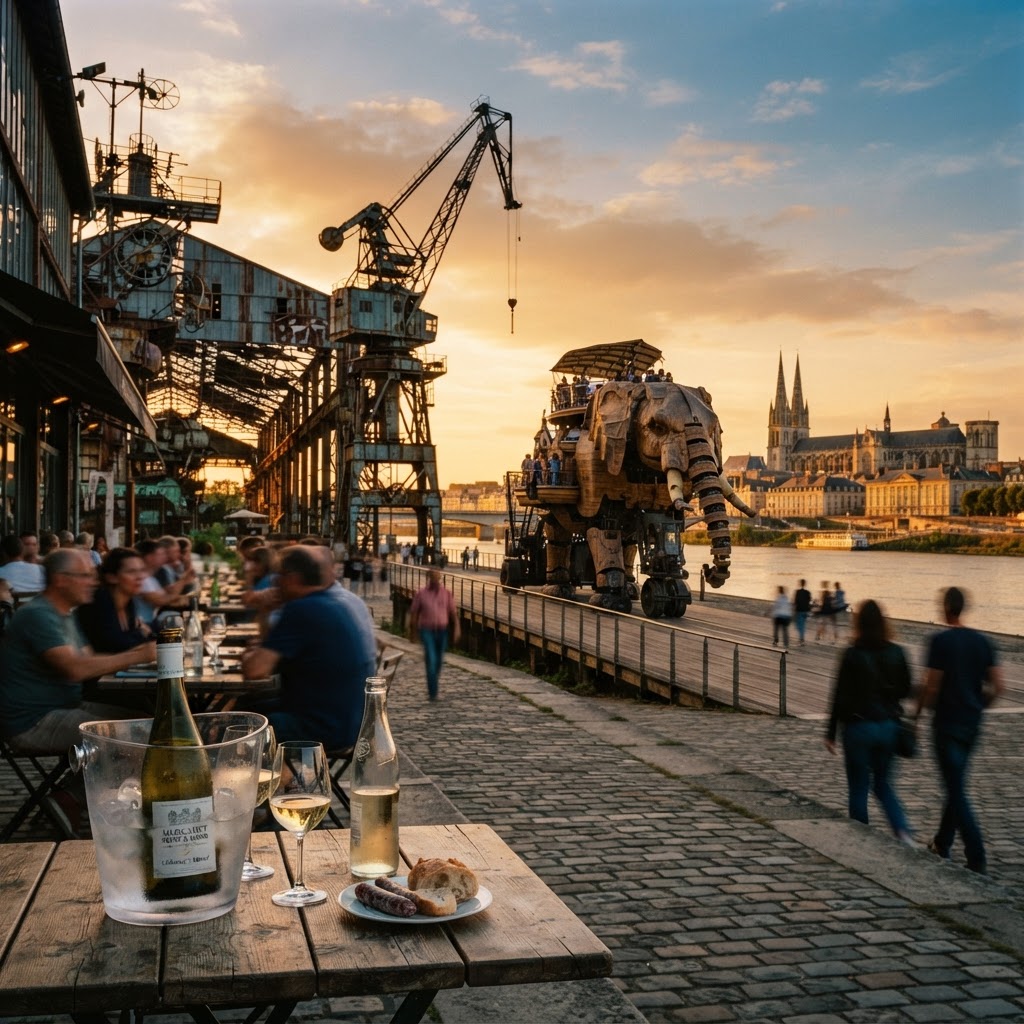
Nantes, France
France
Industrial shipyards reimagined through Jules Verne surrealism, crisp Muscadet, and radical public art.
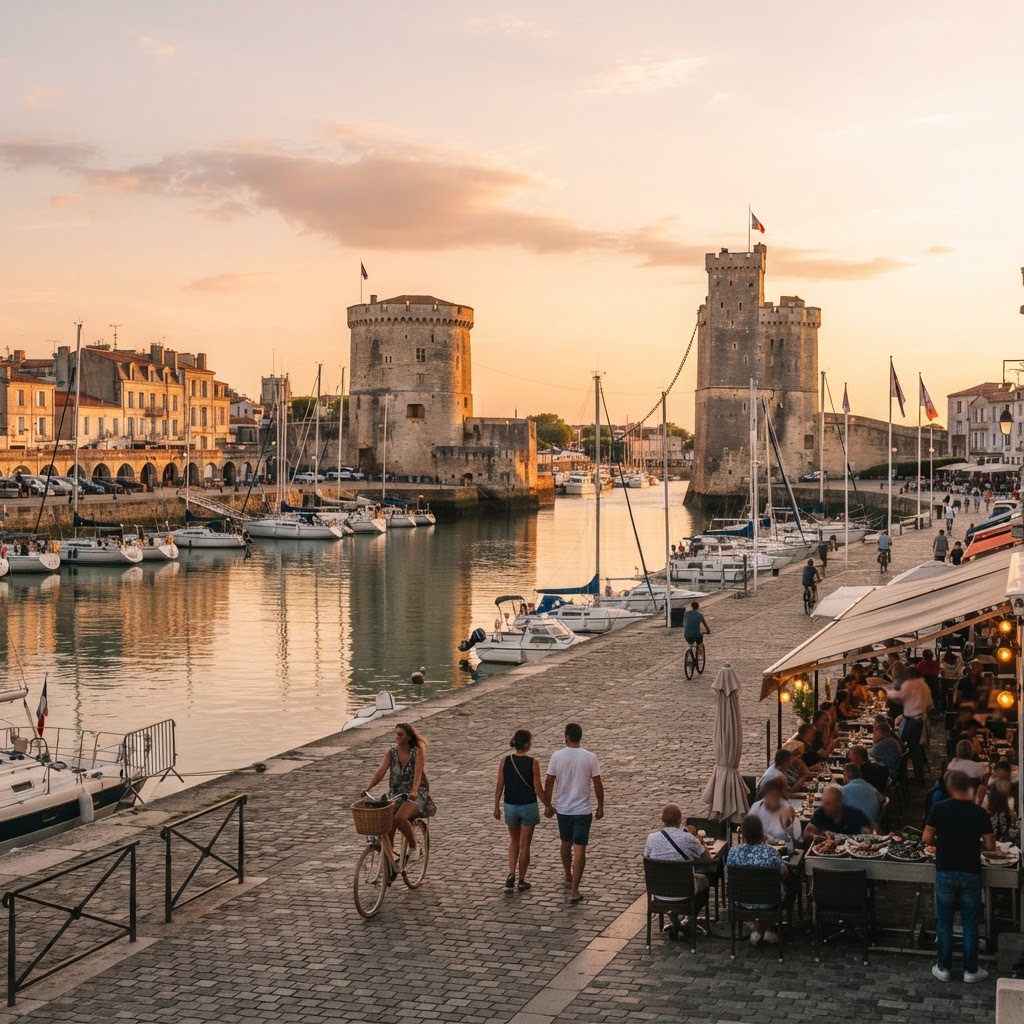
La Rochelle
France
A luminous Atlantic maritime fortress tuned for seafood, cycling, and island hopping
Readymade itineraries
Start from a tested template — then make it yours.
Ready to book
Lock in your Carcassonne, France trip
Everything in one place. We may earn a small commission — it never costs you more.
Plan a trip to Carcassonne, France
Pick a length and we'll build a day-by-day plan around how you travel — neighborhoods clustered, budget-aware, and editable.
Get better at planning trips like this
Occasional notes on planning smarter — no spam, unsubscribe anytime.
Plan a trip to Carcassonne, France
Turn this guide into a day-by-day plan built around your pace, your group, and your budget.
Build my Carcassonne, France trip