France
Rouen, France
Gothic spires, timbered medieval quarters, and impressionist light just 90 minutes from Paris.
Plan & book
Sort your Rouen, France trip in one place.
We point you to the booking tools we'd actually use — live prices, no markup. Or let us build the day-by-day plan around you first, then book.
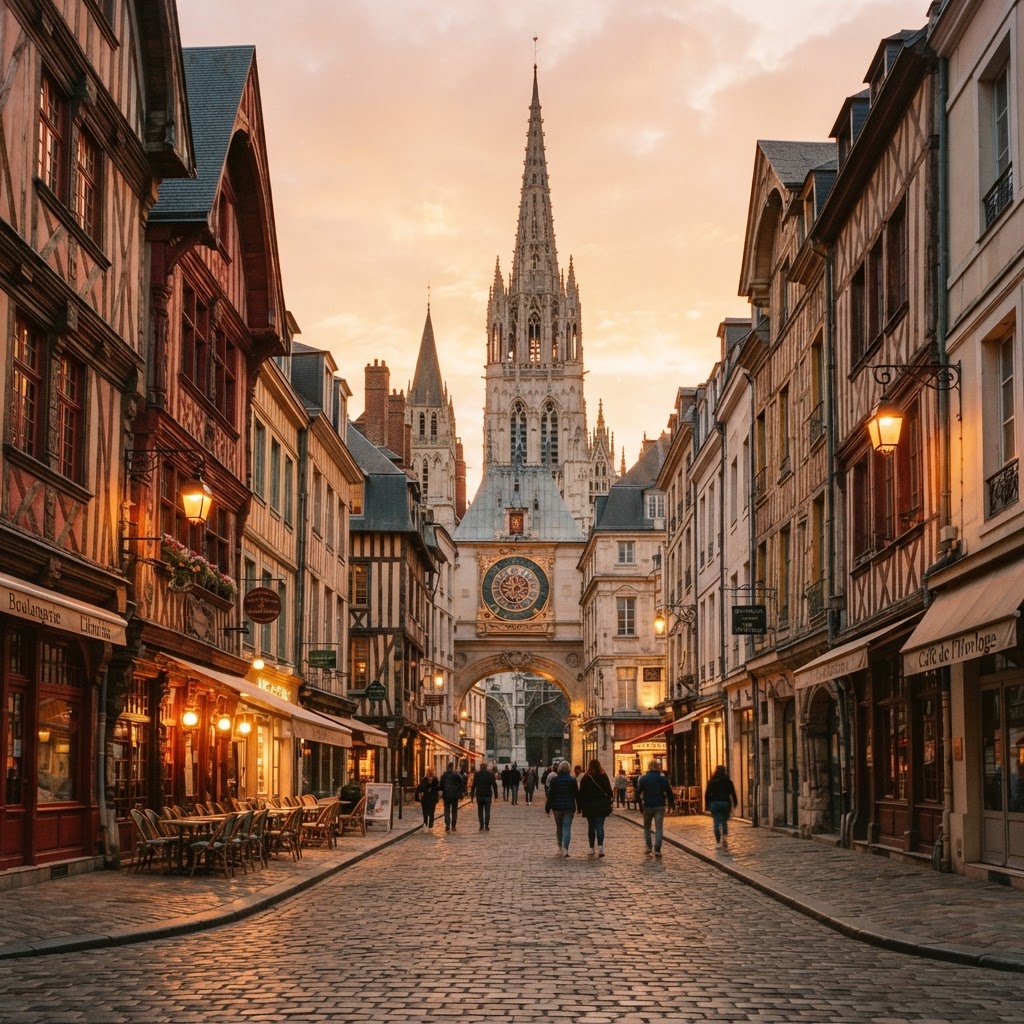
Rouen serves as Normandy's historic and cultural capital, framed by loops of the Seine and marked by centuries of layered drama. Best known as the backdrop to Claude Monet's light studies and the site of Joan of Arc's trial and execution, the city balances dense medieval streetscapes with a lively university vibe. Its historic core is an open-air museum of over 2,000 half-timbered houses, Flamboyant Gothic facades, and stone passages, all accessible without the frantic pace or inflated costs of Paris.
2 days
Best time
May to June or September for ideal walking temperatures and manageable crowds.
Build your own trip with these prebuilt itineraries
Each one is a tested, day-by-day plan for Rouen, France — start here, then make it yours.
Rouen gives you deep French history and Gothic architecture on a completely walkable human scale. It is close enough to Paris for a 90-minute direct rail journey, yet distinctly Norman in gastronomy, maritime Seine heritage, and pace. Between the world-class collections at the Musée des Beaux-Arts, the preserved architecture of Rue du Gros-Horloge and Saint-Maclou, and authentic cider-and-cheese bistros, it delivers an immersive regional escape without requiring a rental car.
Where to stay
Getting there
Getting around
Food & drink
What it costs
Things to do
Book tours & tickets in Rouen, FranceSkip it if
Skip staying overnight if your Normandy goal is exclusively the D-Day Landing beaches, as Bayeux or Caen sit far closer to the coast and eliminate 90 minutes of daily transit. Also skip if you need late-night metropolitan nightlife and mega-museums, which Paris does far better.
When to go
Spring and early autumn offer crisp, comfortable walking conditions across the cobblestones with full museum and restaurant hours. Summer brings the evening cathedral light shows but packs hotel availability, while winter turns gray, rainy, and damp along the Seine.
Peak (July–August)
Lively outdoor terraces and cathedral illumination spectacles, but higher hotel rates and crowded medieval corridors.
Shoulder (April–June, September–October)
The sweet spot with brisk walking weather, full cultural programming, and space to wander without tour group bottlenecks.
Low (November–March)
Cold, overcast, and damp, though quiet museum halls and festive December markets reward hearty off-season travelers.
Neighborhoods
Where you stay shapes the trip. Here's how to think about it.
Centre Historique (Vieux-Rouen)
Dense medieval charm with leaning half-timbered facades and pedestrian cobblestones.
Best for:first-timers and short weekenders
Don't miss:The astronomical clock face and Renaissance archway along Rue du Gros-Horloge.
Quartier Saint-Maclou & Antiquaires
Artisanal, quiet, and Gothic, packed with independent antique dealers and galleries.
Best for:architecture buffs and relaxed daytime browsing
Don't miss:L'Aître Saint-Maclou, a 16th-century ossuary courtyard adorned with carved skulls and grave-digger tools.
Place du Vieux-Marché & Cauchoise
Bustling restaurant hub where layered centuries meet sidewalk cafe terraces.
Best for:foodies and evening dining
Don't miss:The 1979 modern architecture and sweeping stained glass inside Église Sainte-Jeanne-d'Arc.
Quartier des Musées (Square Verdrel)
Grand, leafy 19th-century calm connecting the rail station to the historic core.
Best for:culture lovers who want easy train access
Don't miss:The Impressionist gallery at Musée des Beaux-Arts featuring Claude Monet's cathedral series.
Destination intelligence
Updated 9/14/2026The structured record we plan every Rouen, France itinerary from.
Walkability
Exceptional. The historic core is paved with pedestrian cobblestones, stretching easily from the train station down to the Seine.
Transit quality
High for regional connections and local light rail, though visitors staying in the center will rarely need more than their feet.
Car needed
No. A car is an active disadvantage in central Rouen. Only pick up a vehicle when departing to tour the Normandy countryside or coast.
Ideal duration
2 days
Minimum useful
1 day
Peak season
June through August, featuring warm weather, Seine river cruises, and late cathedral light projection shows.
Shoulder season
April to May and September to October, offering crisp walking temperatures, active cultural calendars, and thinner tour groups.
Low season
November through March, marked by frequent overcast skies, damp coastal rains, and shorter daylight hours, compensated by quiet streets and festive December markets.
Best for
Common mistakes
- Treating Rouen as just a 2-hour pitstop on the way to Mont Saint-Michel, missing the evening cathedral illuminations and quieter morning streets.
- Renting a car while staying inside the city center, where narrow pedestrian lanes, bollards, and tight parking garages create hassle and expense.
- Booking lodging across the Seine on the Rive Gauche without realizing the hill climb and long walks back across the bridges after late dinners.
- Visiting on a Monday when several regional museums and independent restaurants are shuttered.
Best nearby
How to plan it
- Stay in Vieux-Rouen or Quartier Saint-Maclou if you want to walk out your door straight into historic pedestrian alleys.
- Do not rent a rental car at Paris Charles de Gaulle; take the train into Rouen Rive-Droite and pick up wheels at the station on your way deeper into Normandy.
- Arrive at Cathédrale Notre-Dame early in the morning to see the morning light hitting the western facade, mirroring Monet's vantage point.
- Combine Rouen with Bayeux or Honfleur for a balanced historical trip, using Rouen for medieval and Impressionist history and the coast for maritime and WWII sites.
- Book your Paris-to-Rouen train tickets several weeks early via SNCF Connect to secure round-trip fares under €30.
Questions
More in France
Corsica, France
France
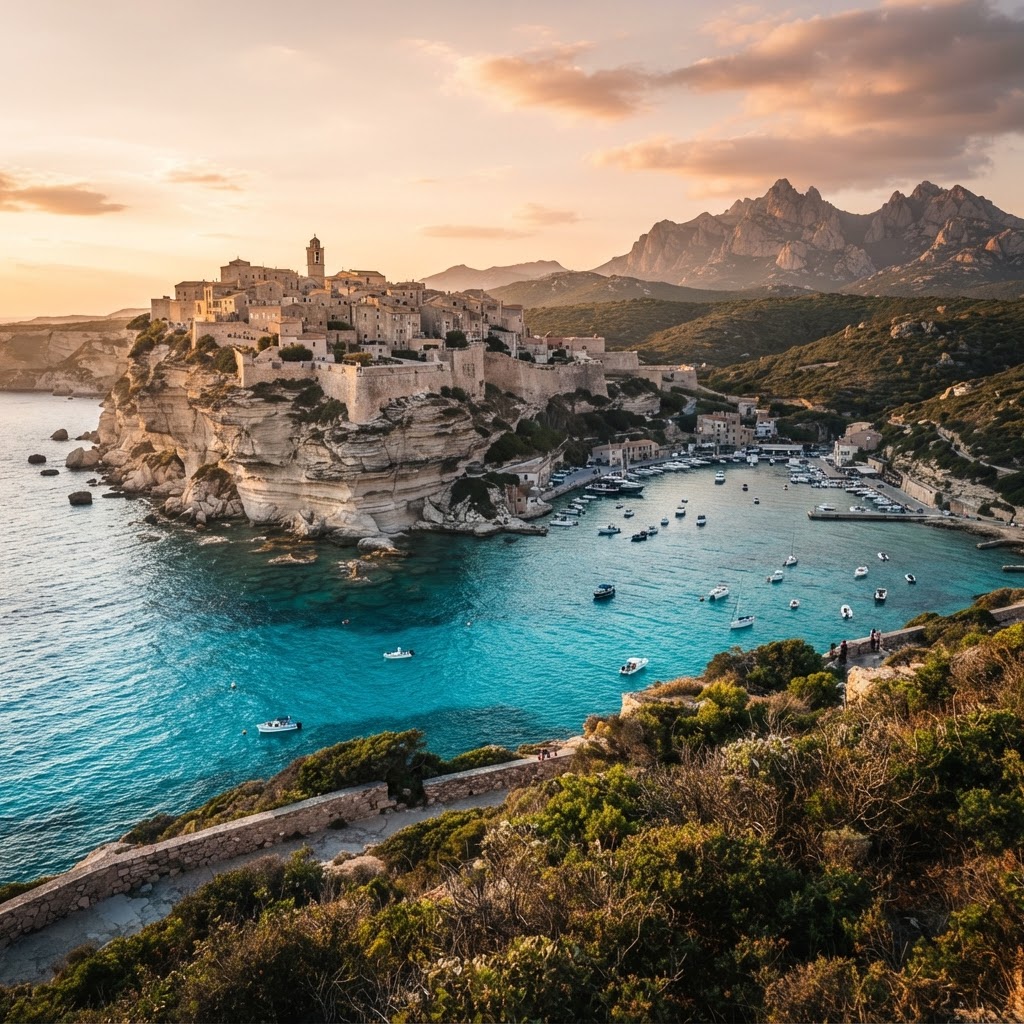
Granite peaks rising from turquoise bays, untamed maquis, and fiercely independent coastal citadels.
Reims, Grand Est, France
France
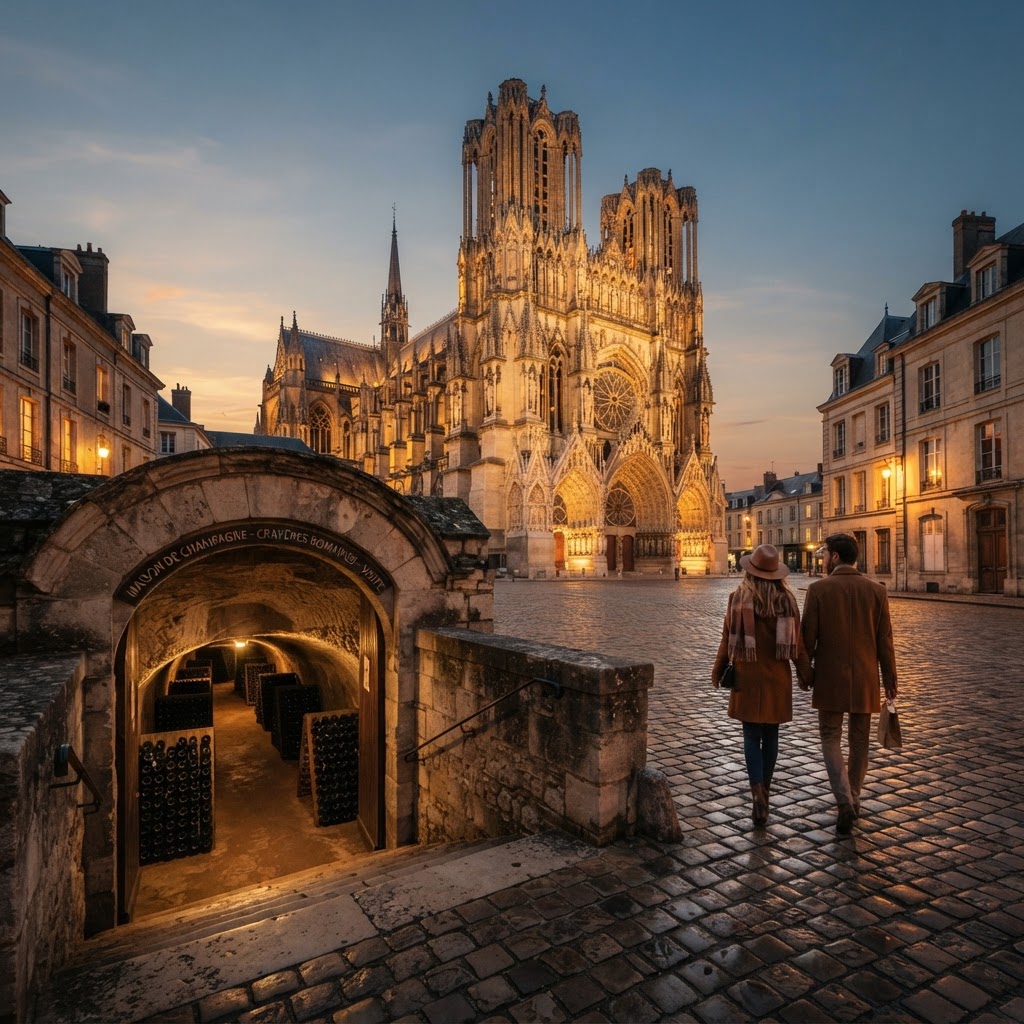
Gothic coronation grandeur and subterranean Roman chalk cellars filled with Champagne
Dijon
France
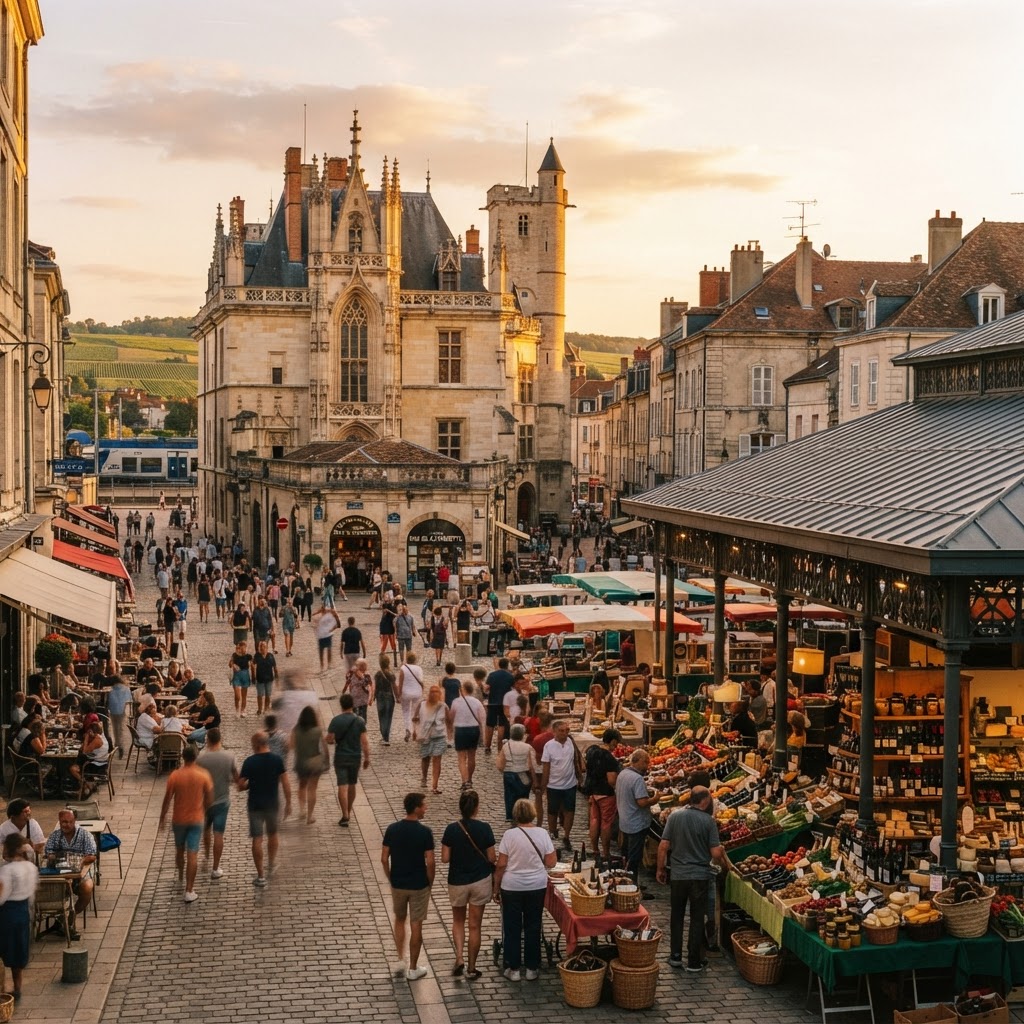
Ducal architecture, legendary market tables, and the direct rail gateway to the Côte de Nuits.
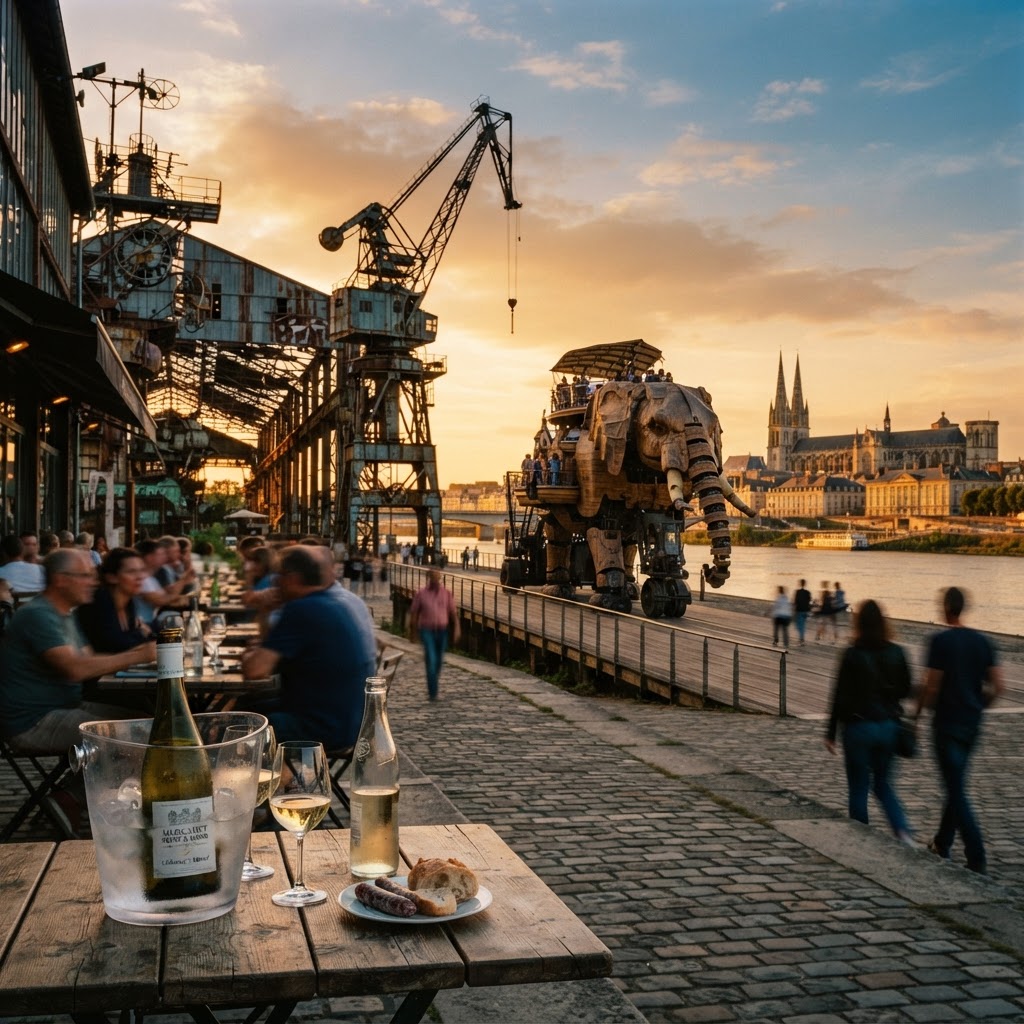
Nantes, France
France
Industrial shipyards reimagined through Jules Verne surrealism, crisp Muscadet, and radical public art.
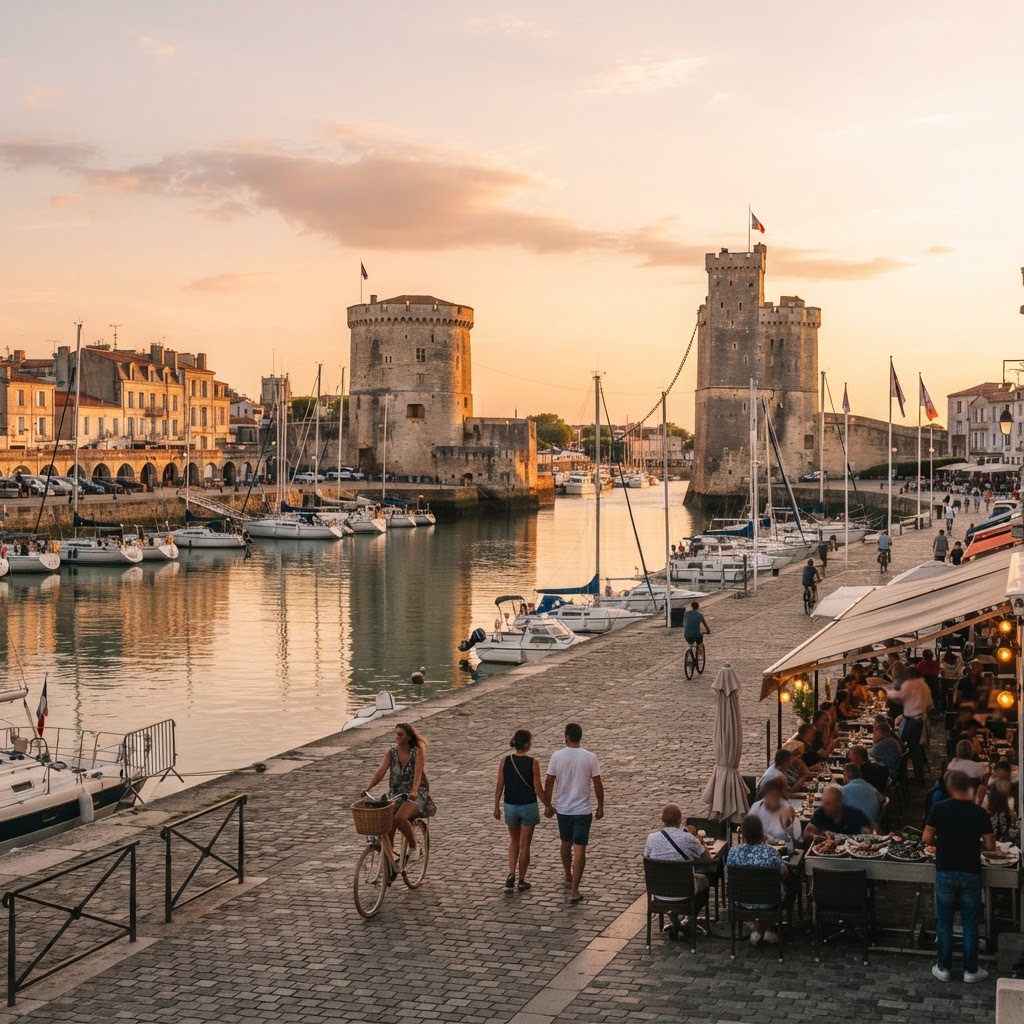
La Rochelle
France
A luminous Atlantic maritime fortress tuned for seafood, cycling, and island hopping
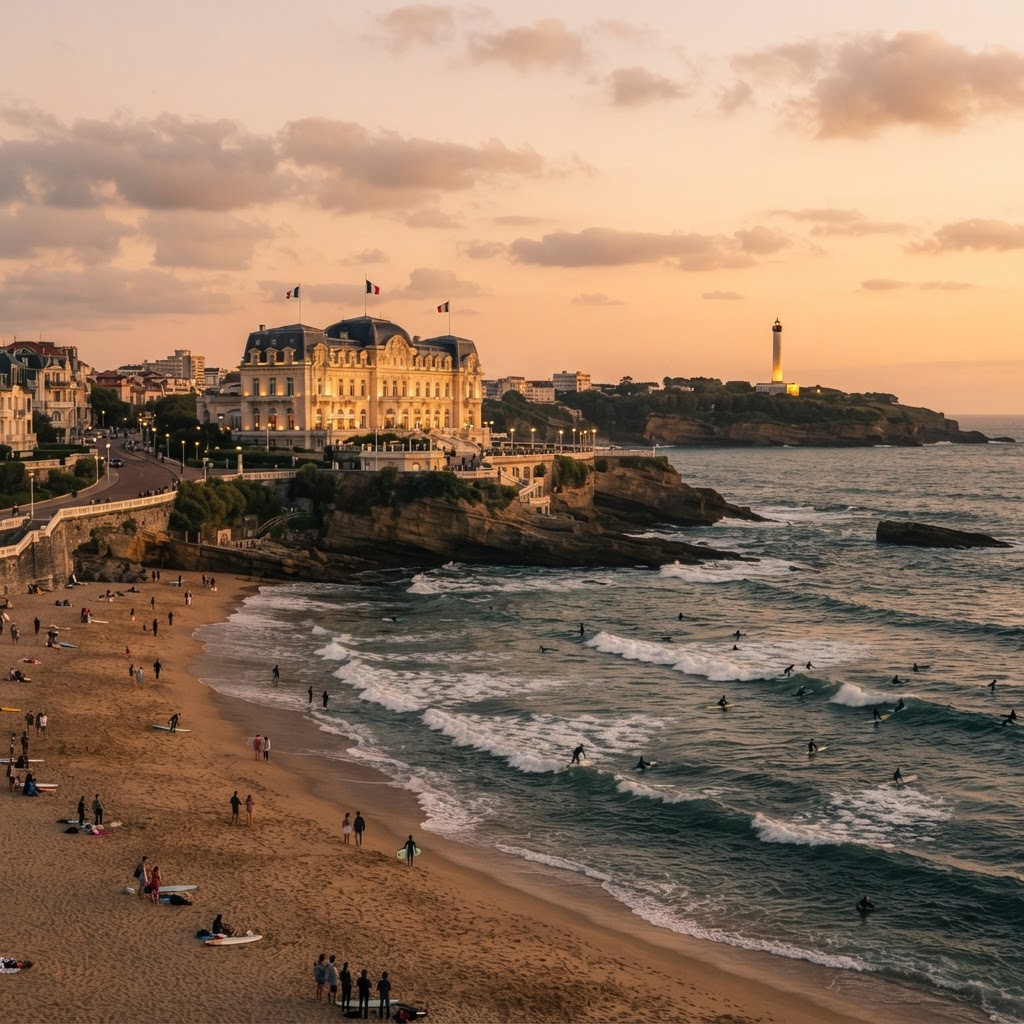
Biarritz, France
France
Napoleonic grandeur meets Atlantic surf culture on the French Basque coast.
Readymade itineraries
Start from a tested template — then make it yours.
Ready to book
Lock in your Rouen, France trip
Everything in one place. We may earn a small commission — it never costs you more.
Plan a trip to Rouen, France
Pick a length and we'll build a day-by-day plan around how you travel — neighborhoods clustered, budget-aware, and editable.
Get better at planning trips like this
Occasional notes on planning smarter — no spam, unsubscribe anytime.
Plan a trip to Rouen, France
Turn this guide into a day-by-day plan built around your pace, your group, and your budget.
Build my Rouen, France trip